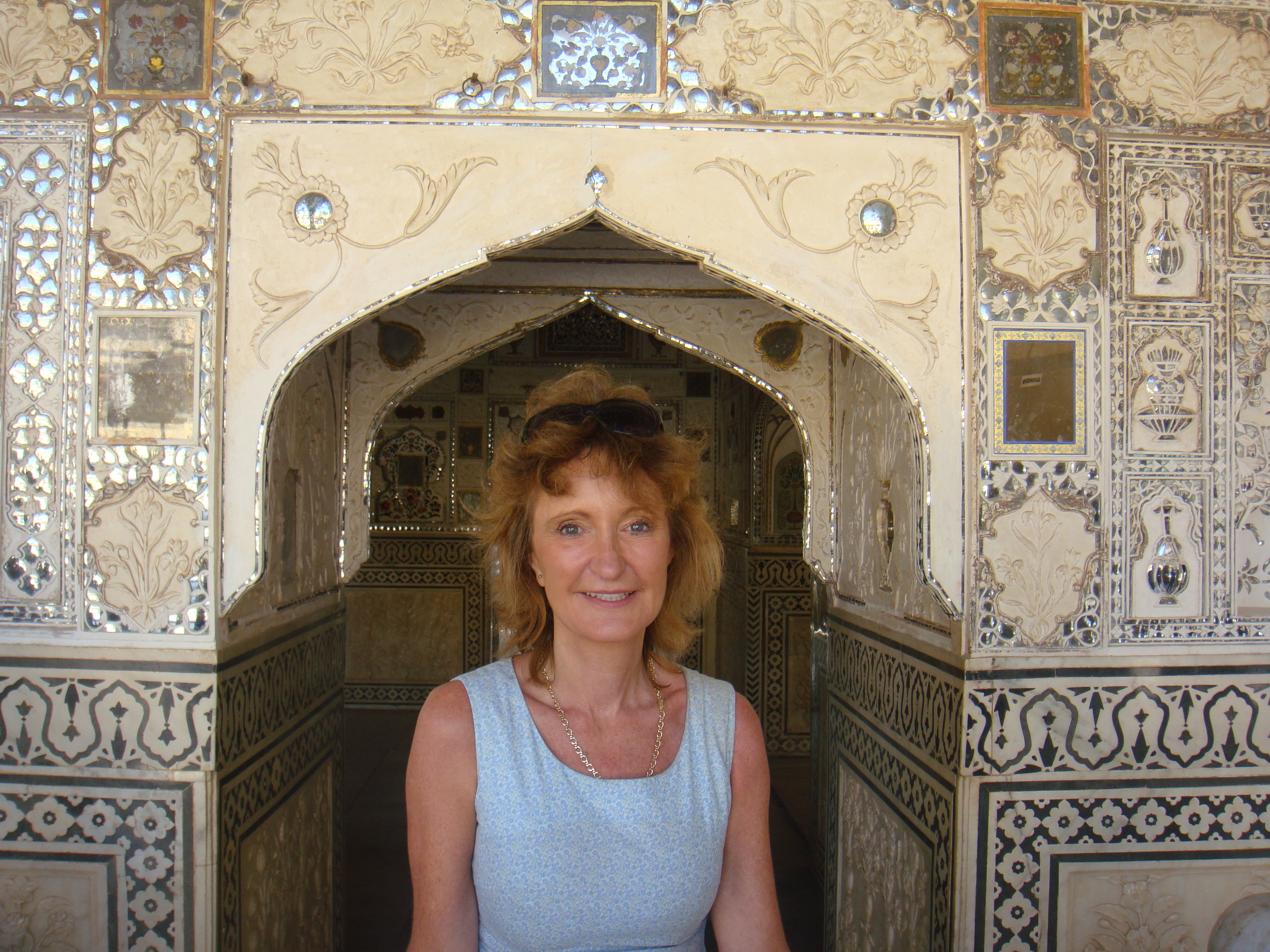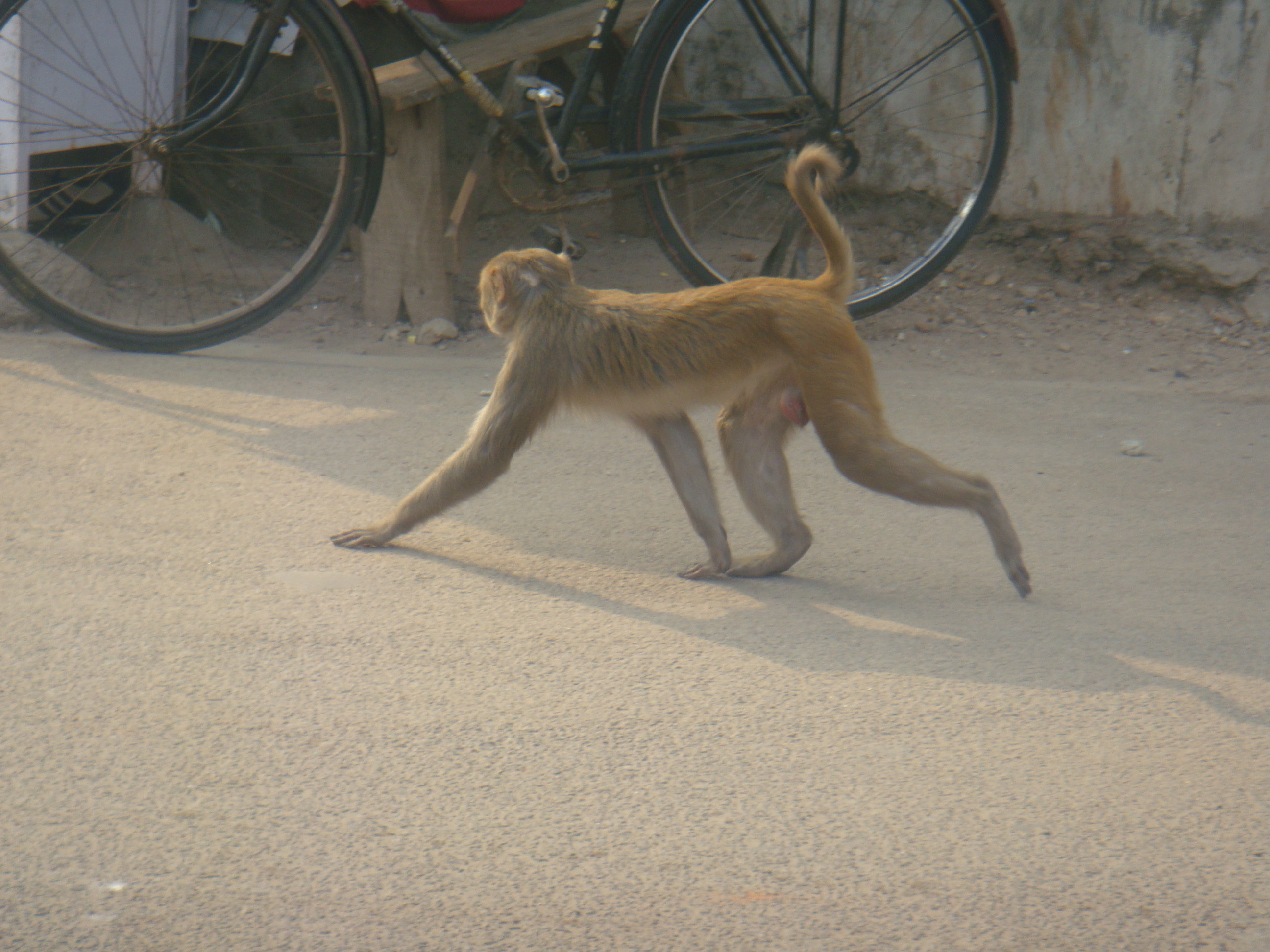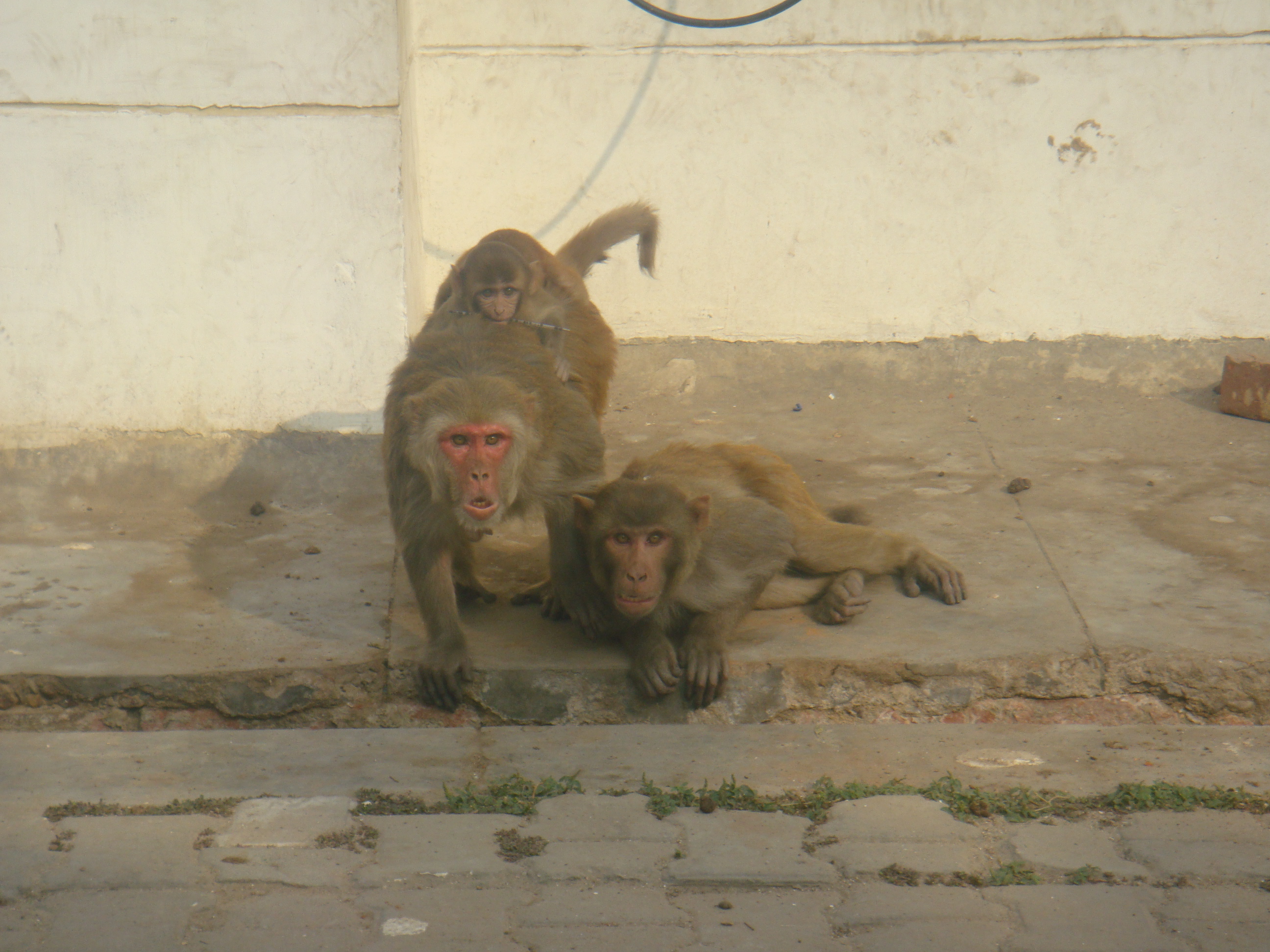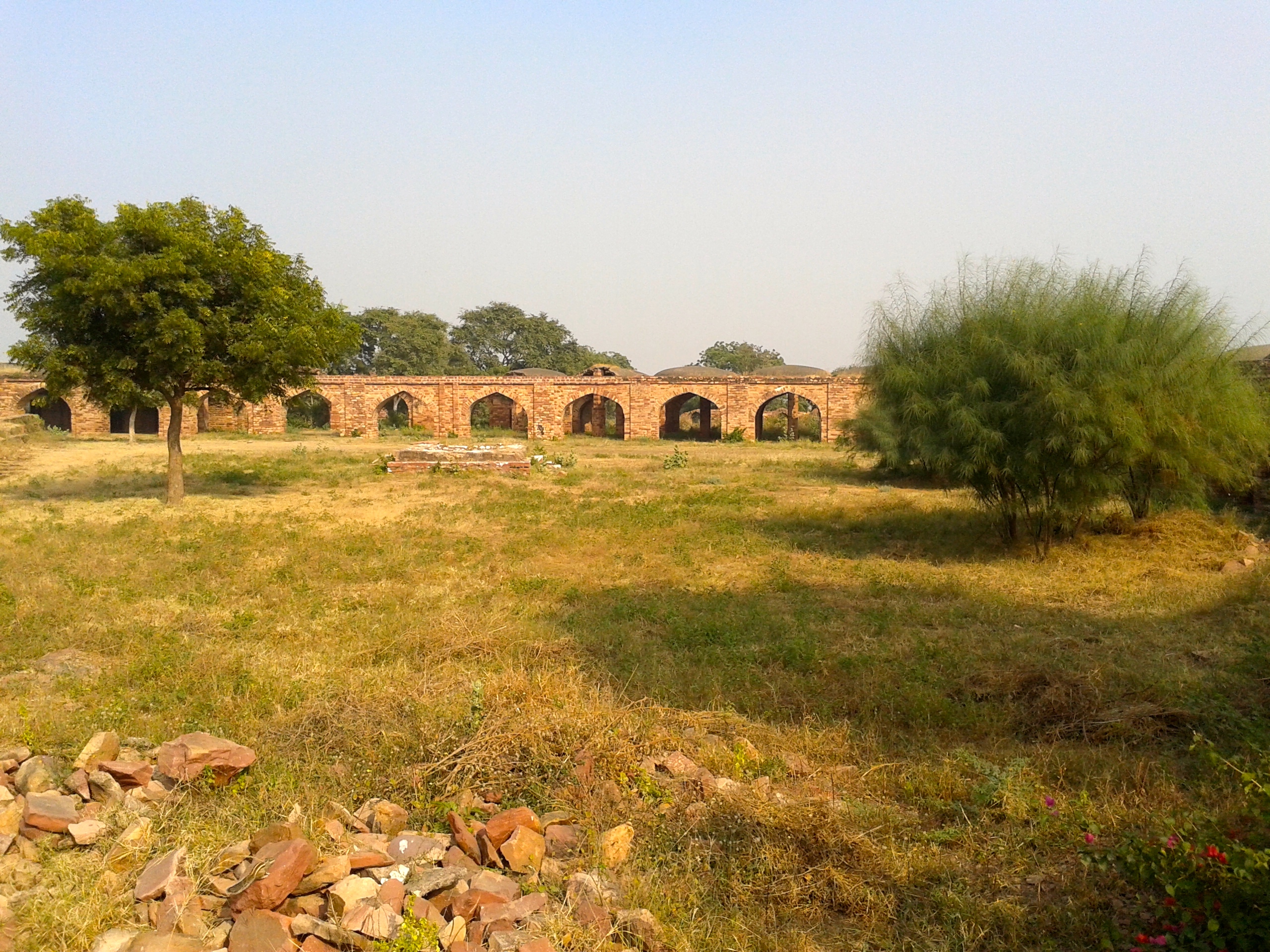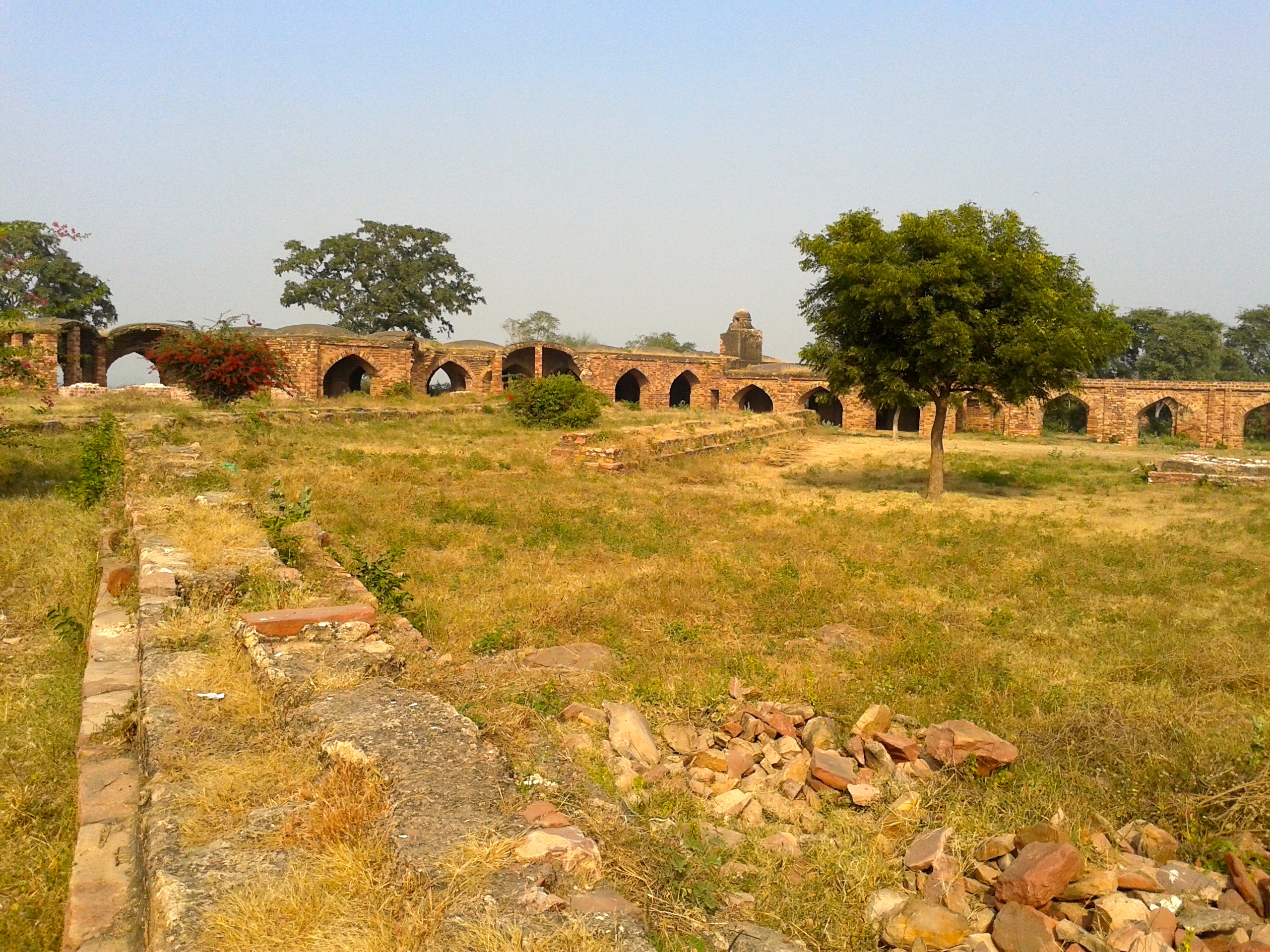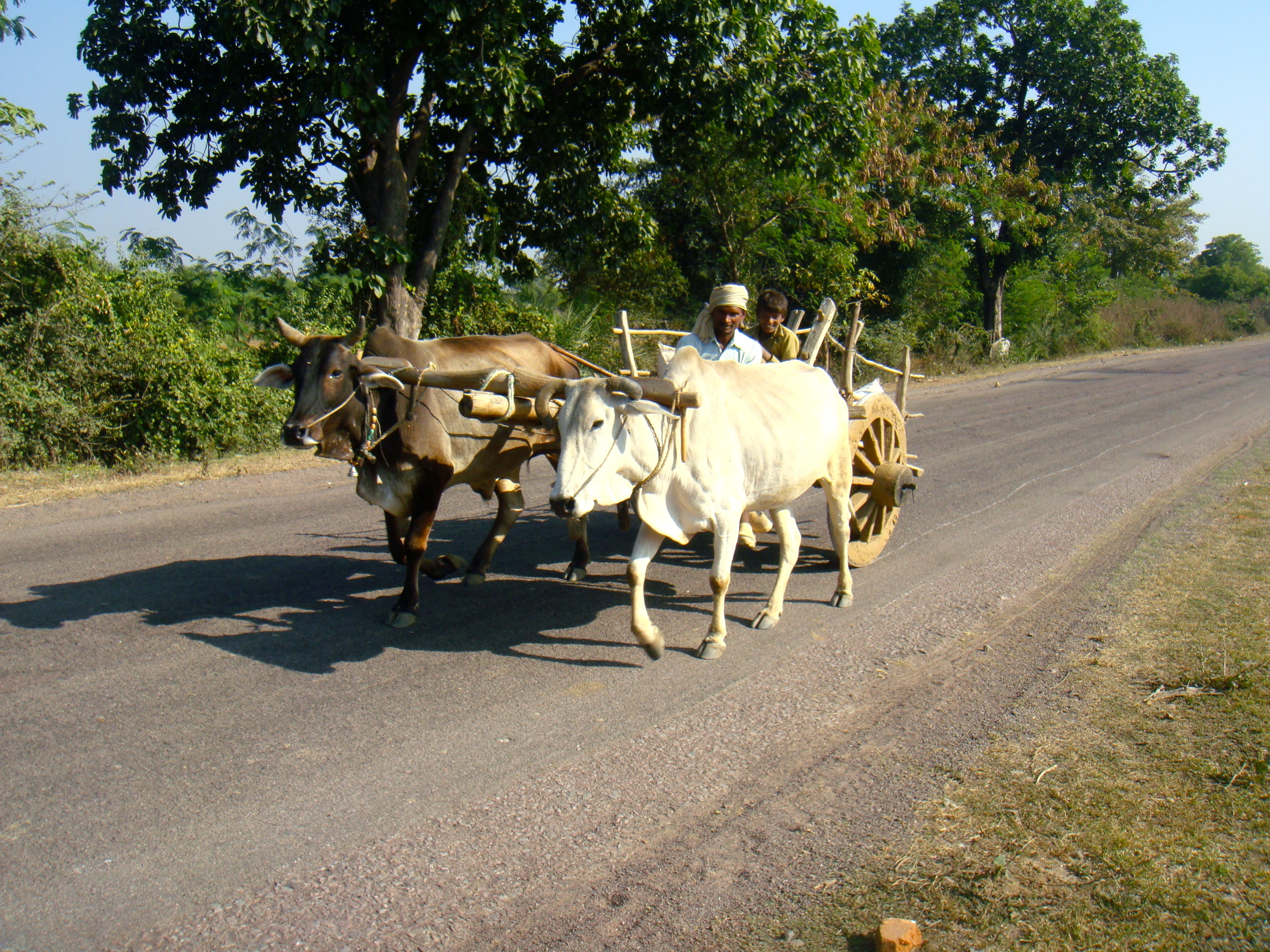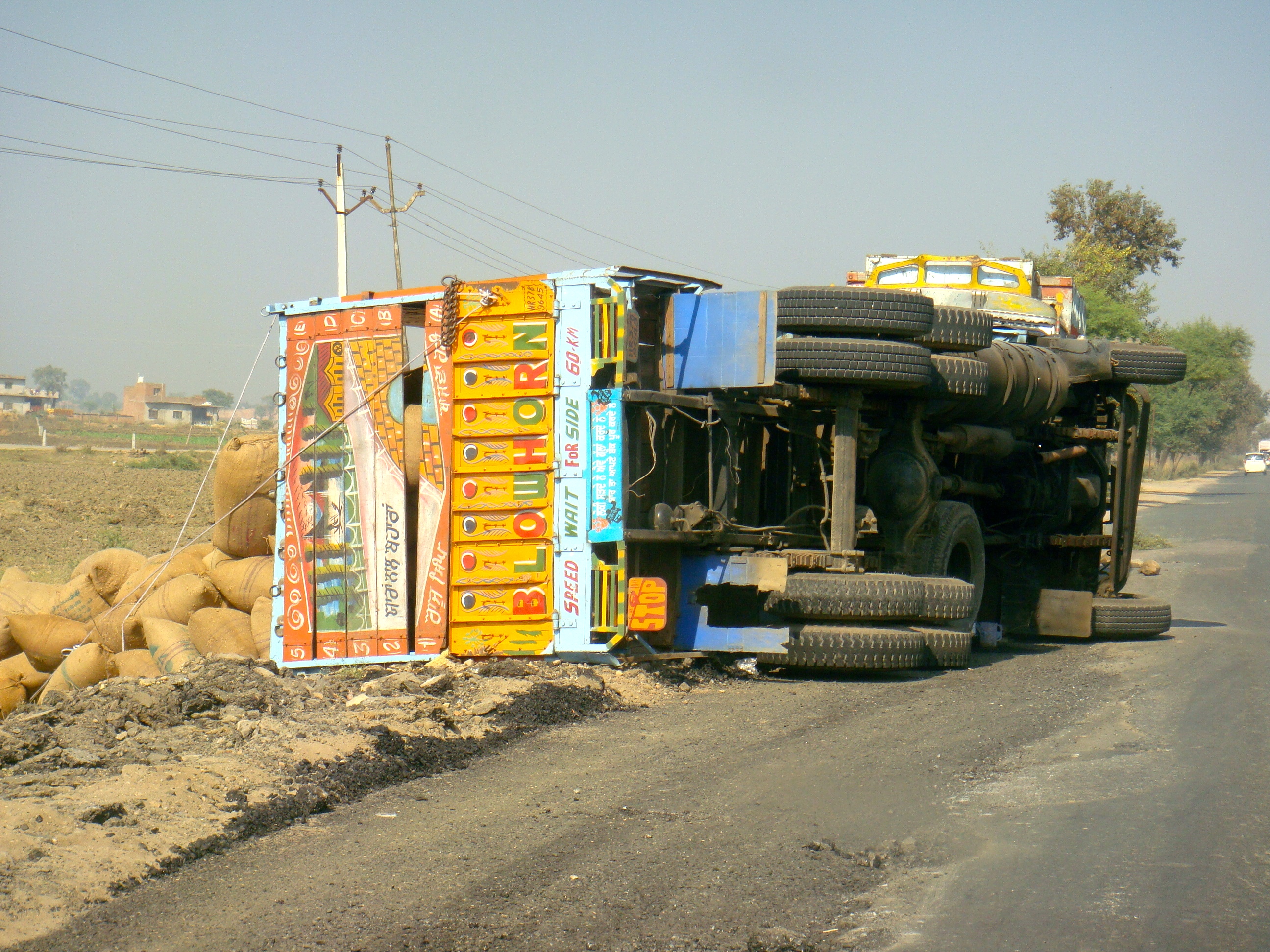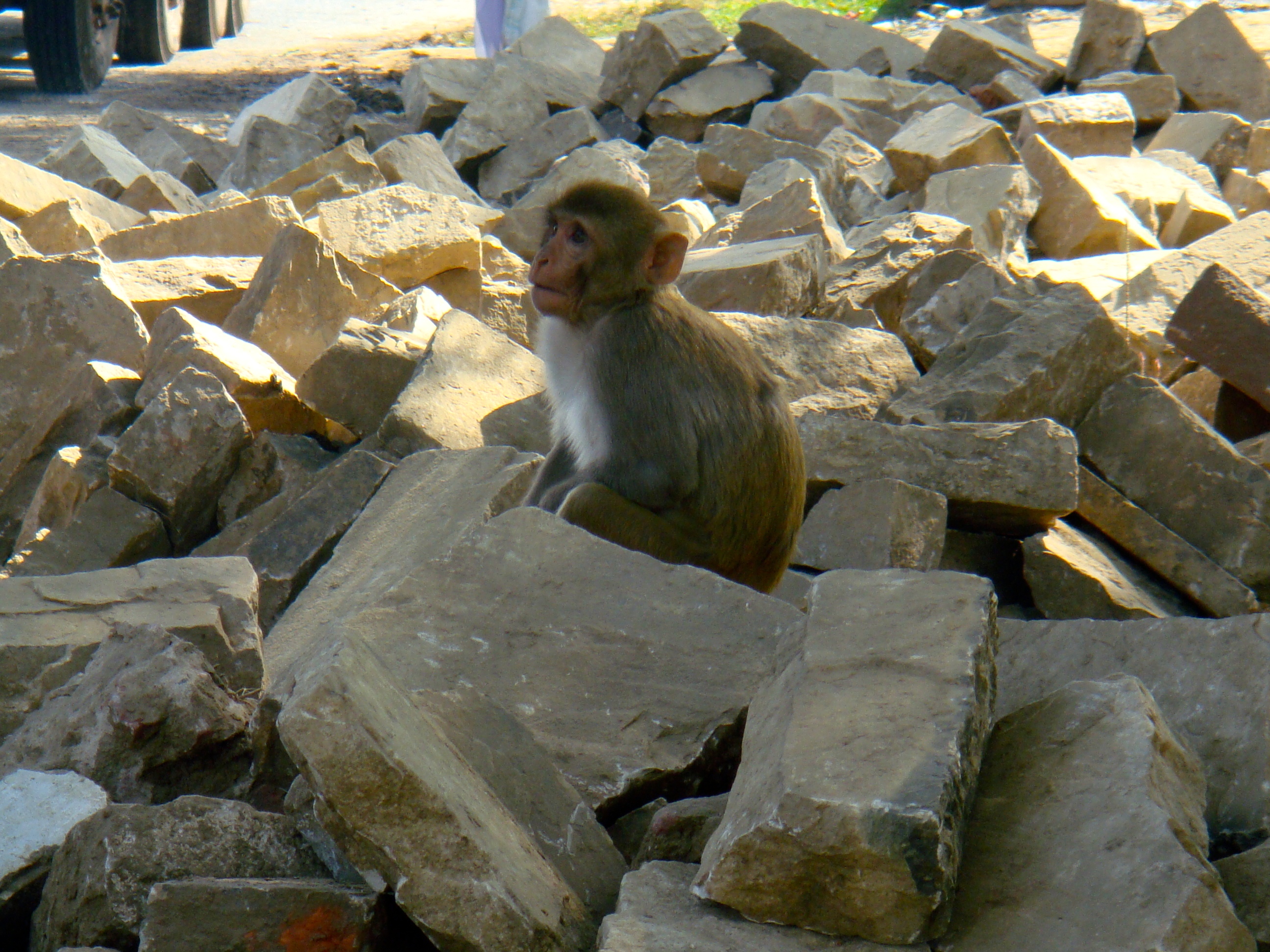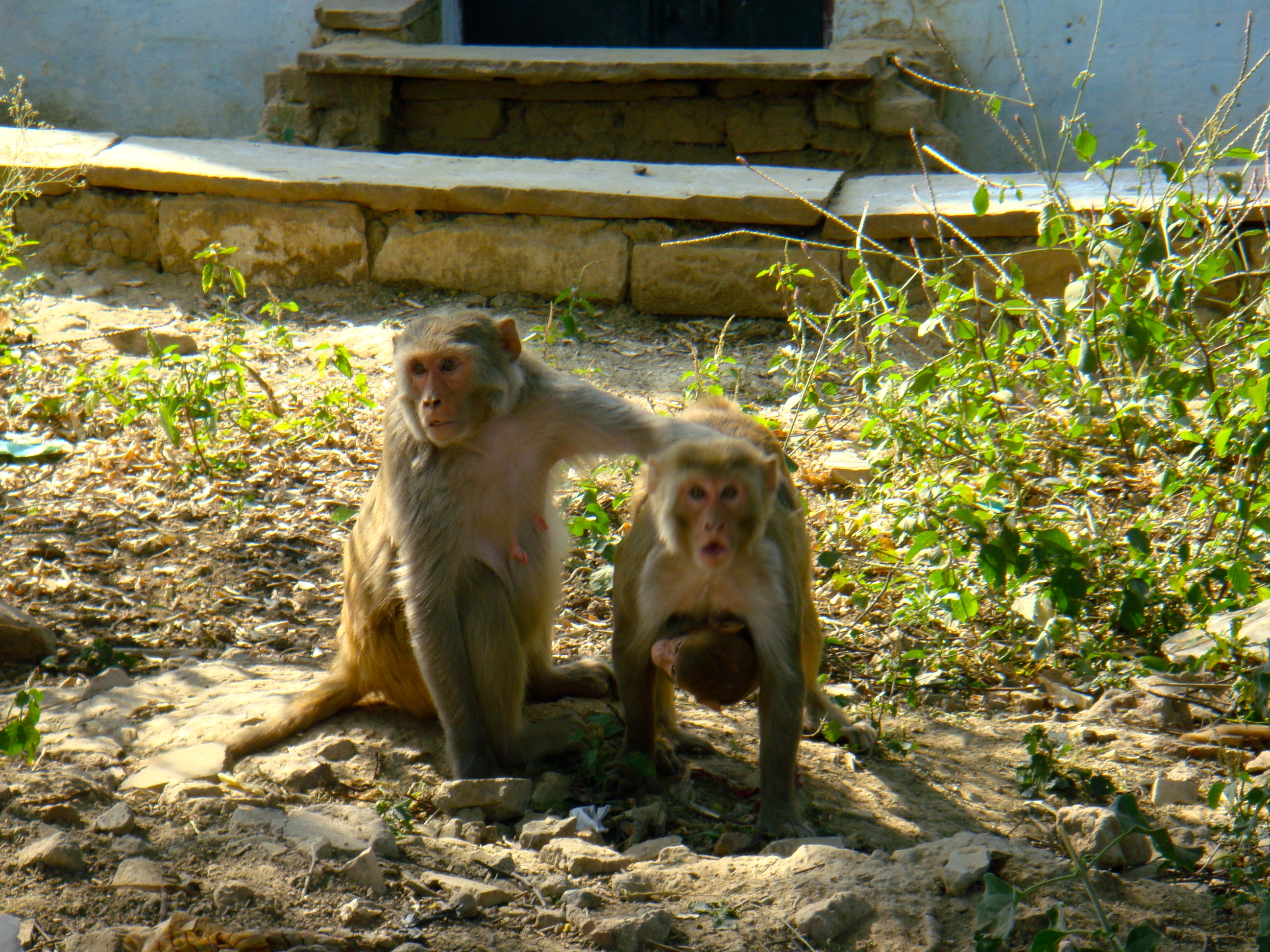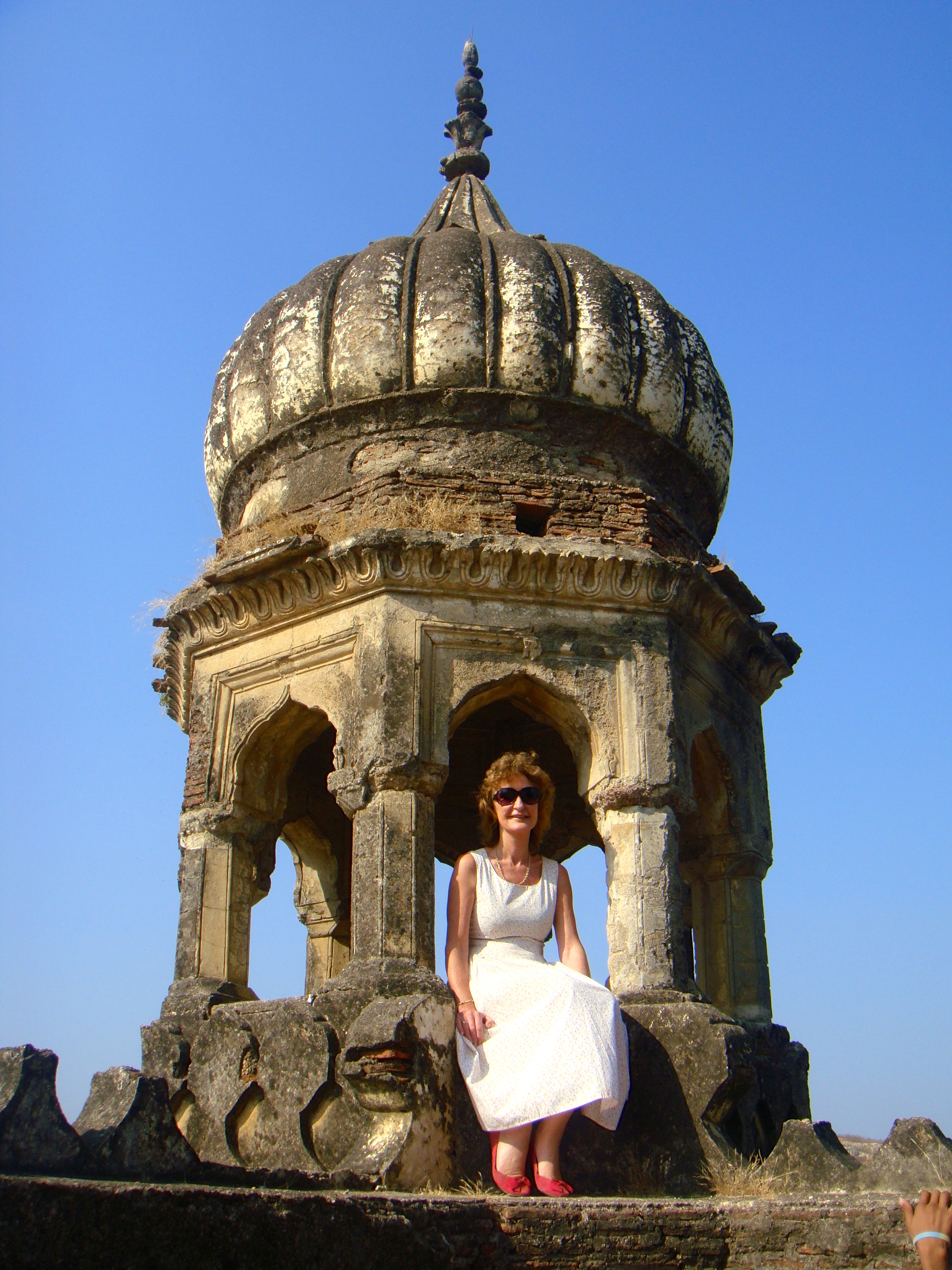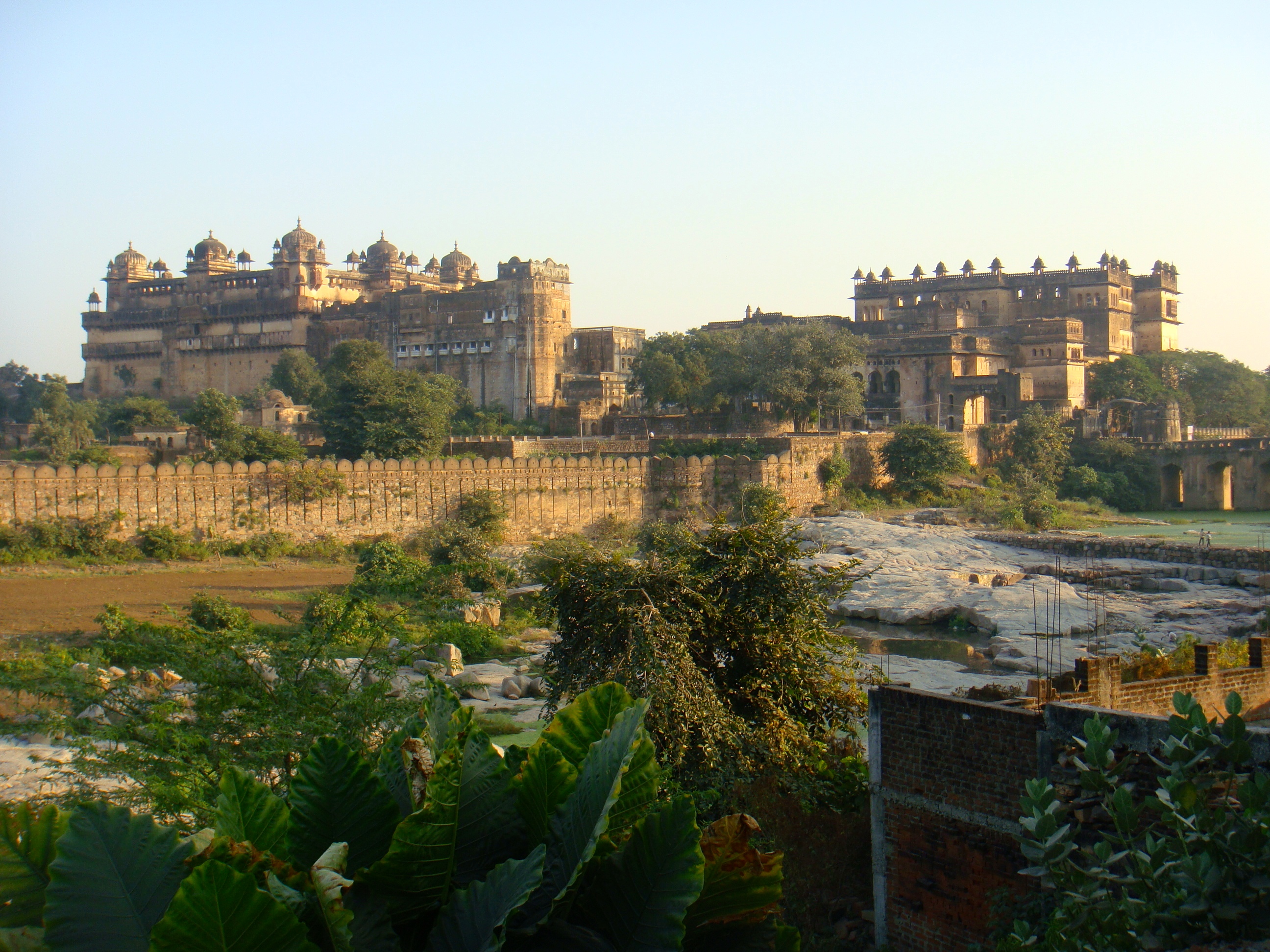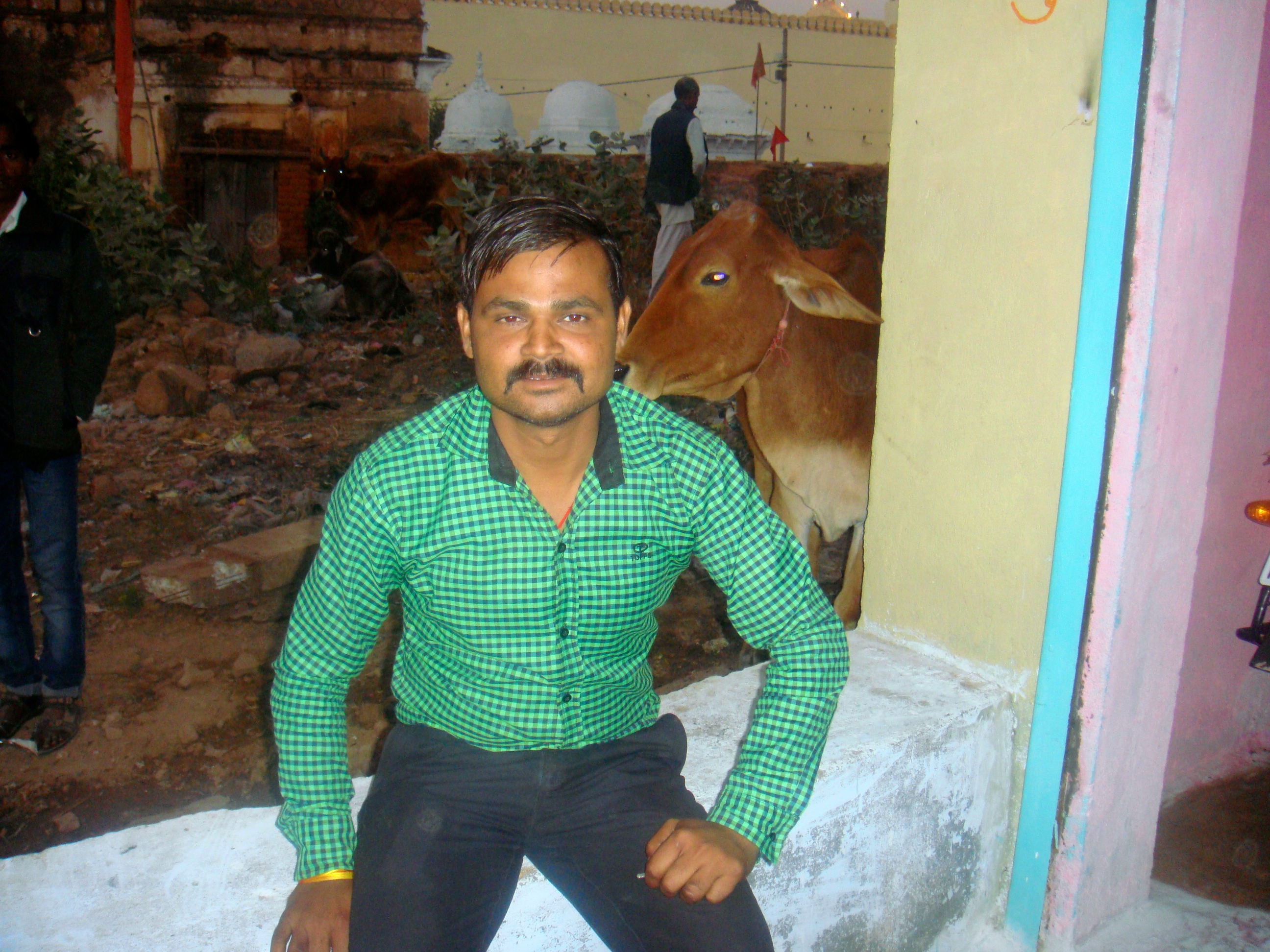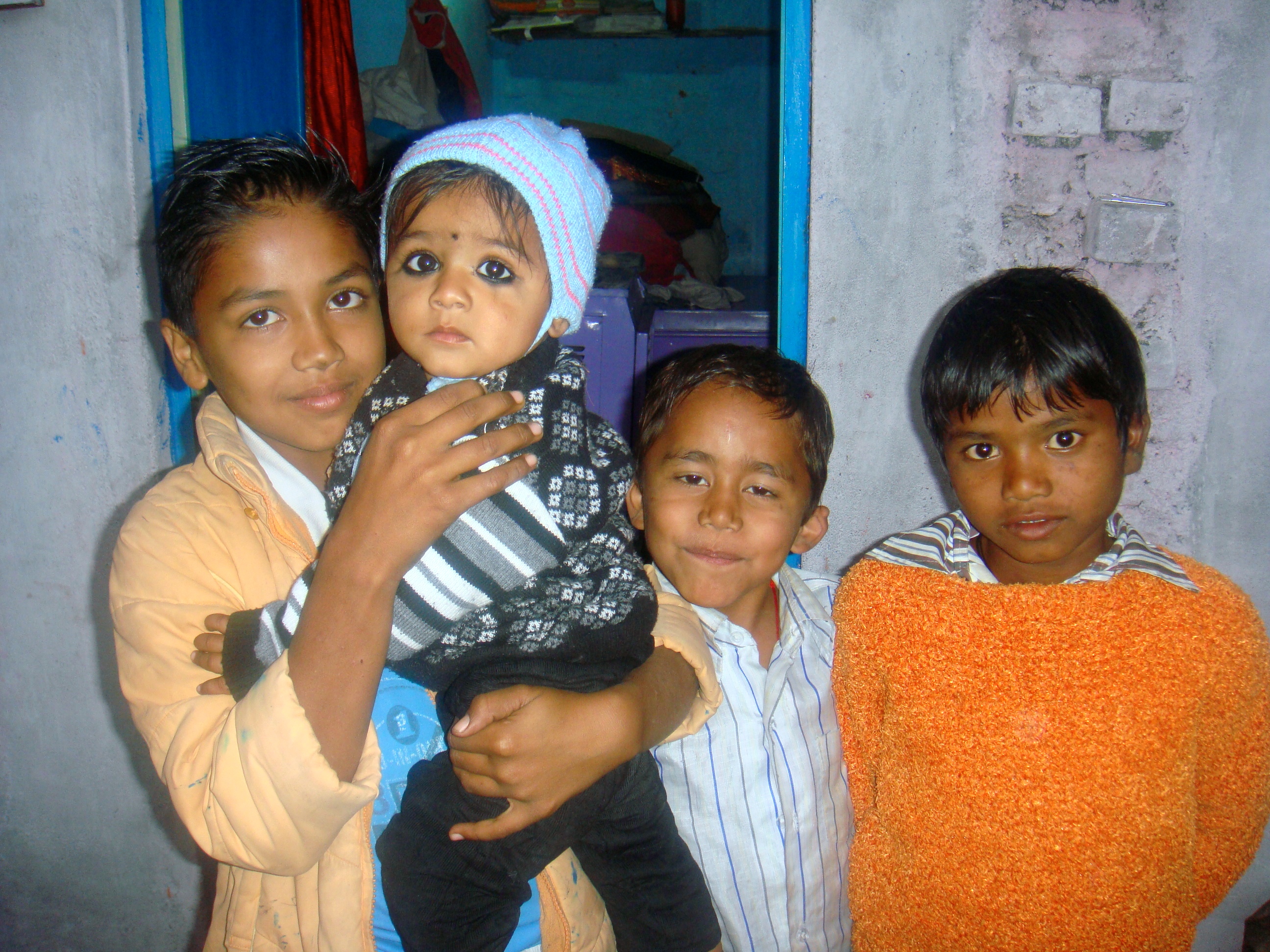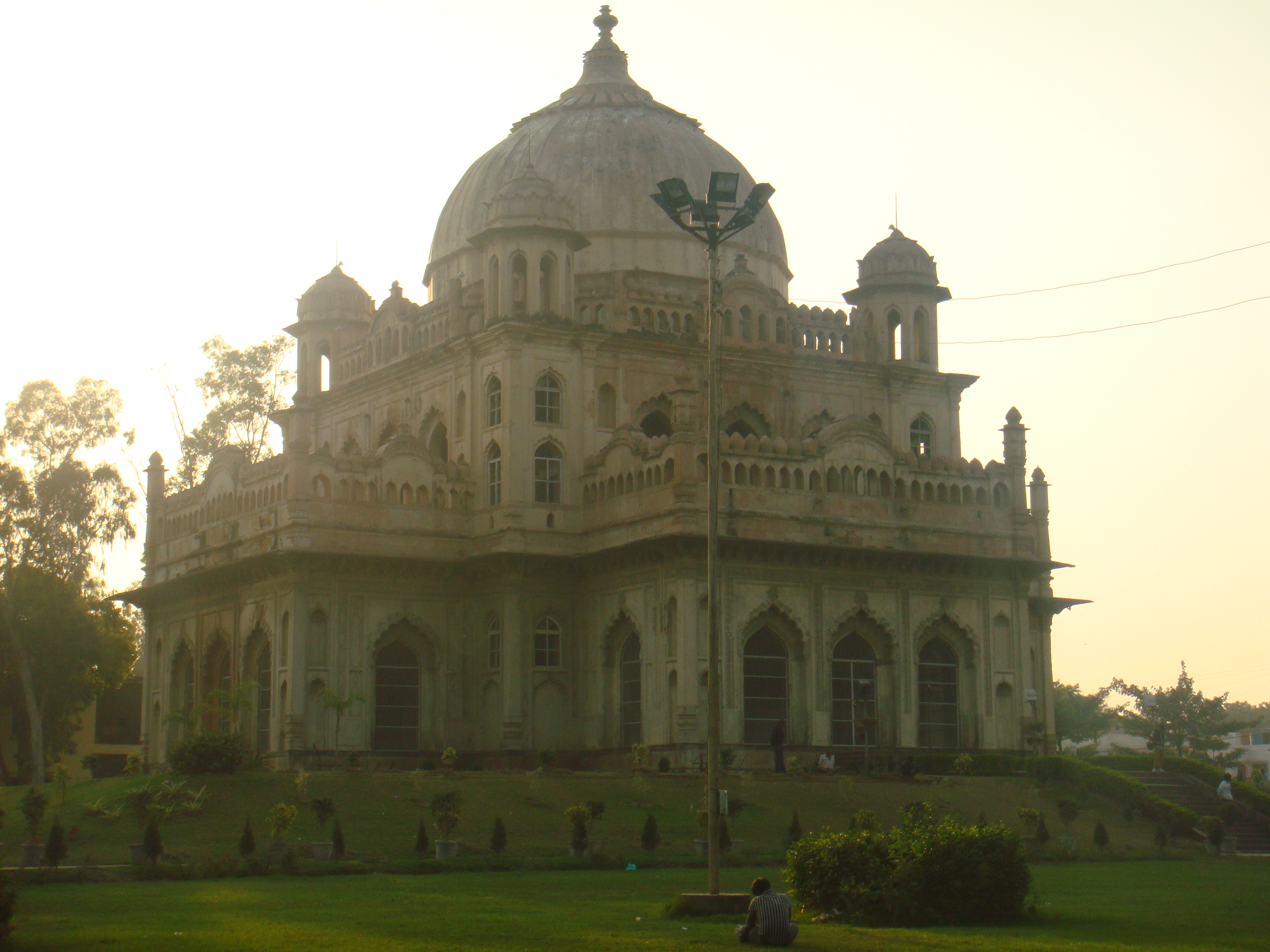
Bikaner

Leaving Amritsar we were planning to get to Bikaner some 550km southwest. On the roads we had been used to that would have been a tall order but here in Punjab and Rajahstan the roads are much better. It still took us all day but we made it just before dark which is always a bonus.

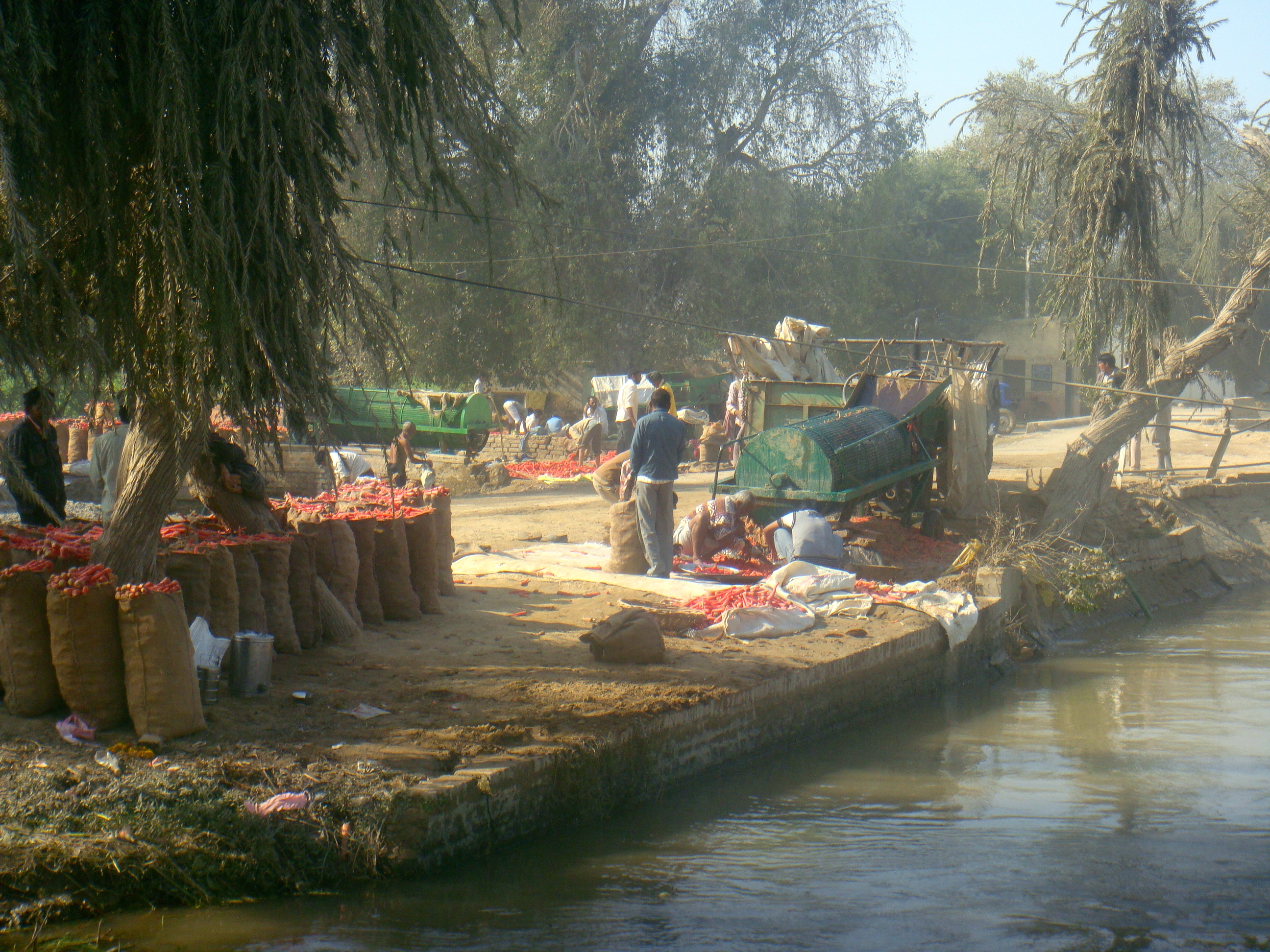
As ever we saw some interesting sights along the way, this was a roadside carrot processing operation:
DSC01724

There were people cleaning the carrots and then hordes of roadside stalls selling them:
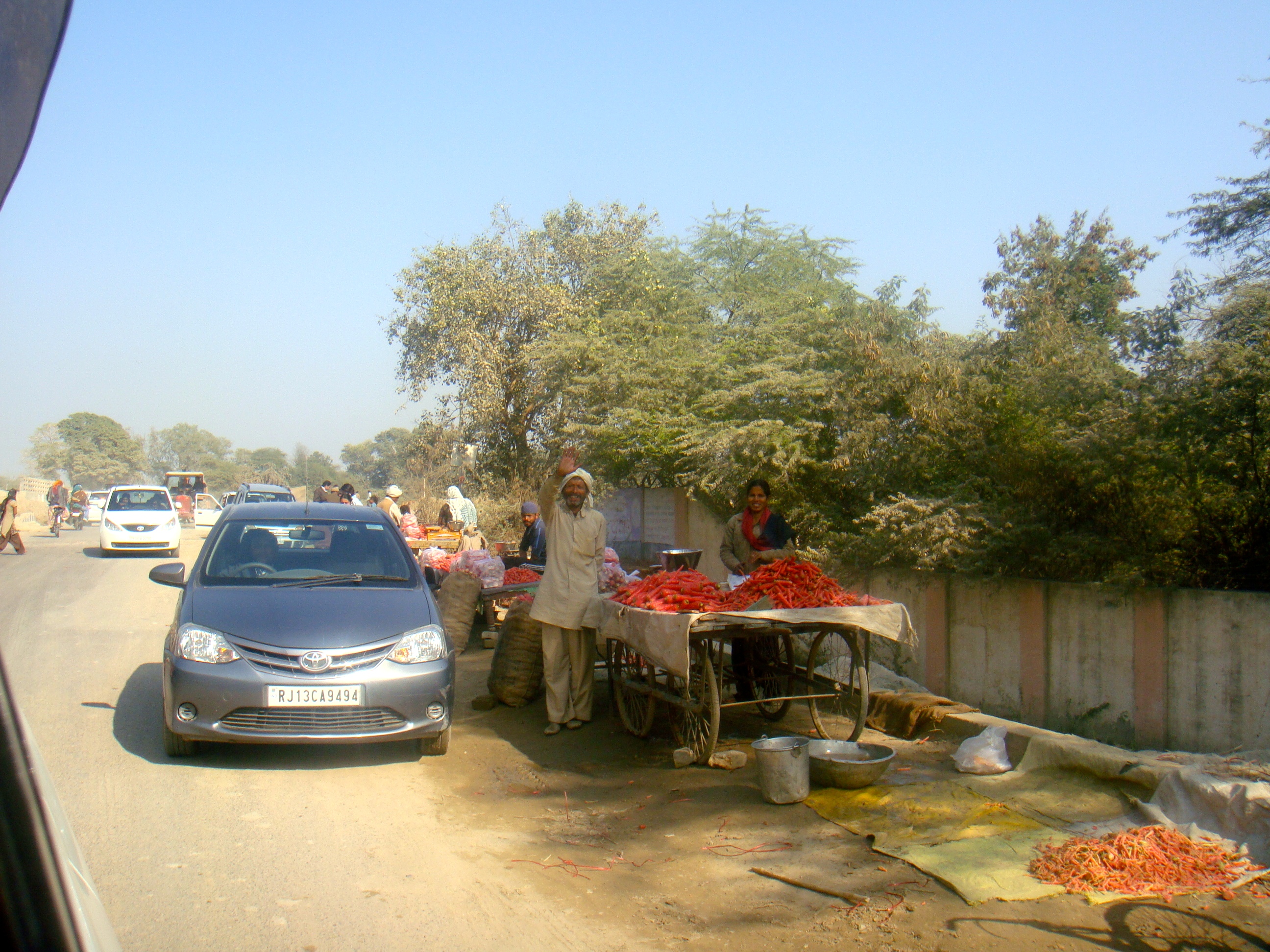
DSC01726 (The carrots here really are that red!)

As usual wherever we stopped we were the centre of attention, this little crowd grew in a few seconds as we pulled up at a rail crossing:
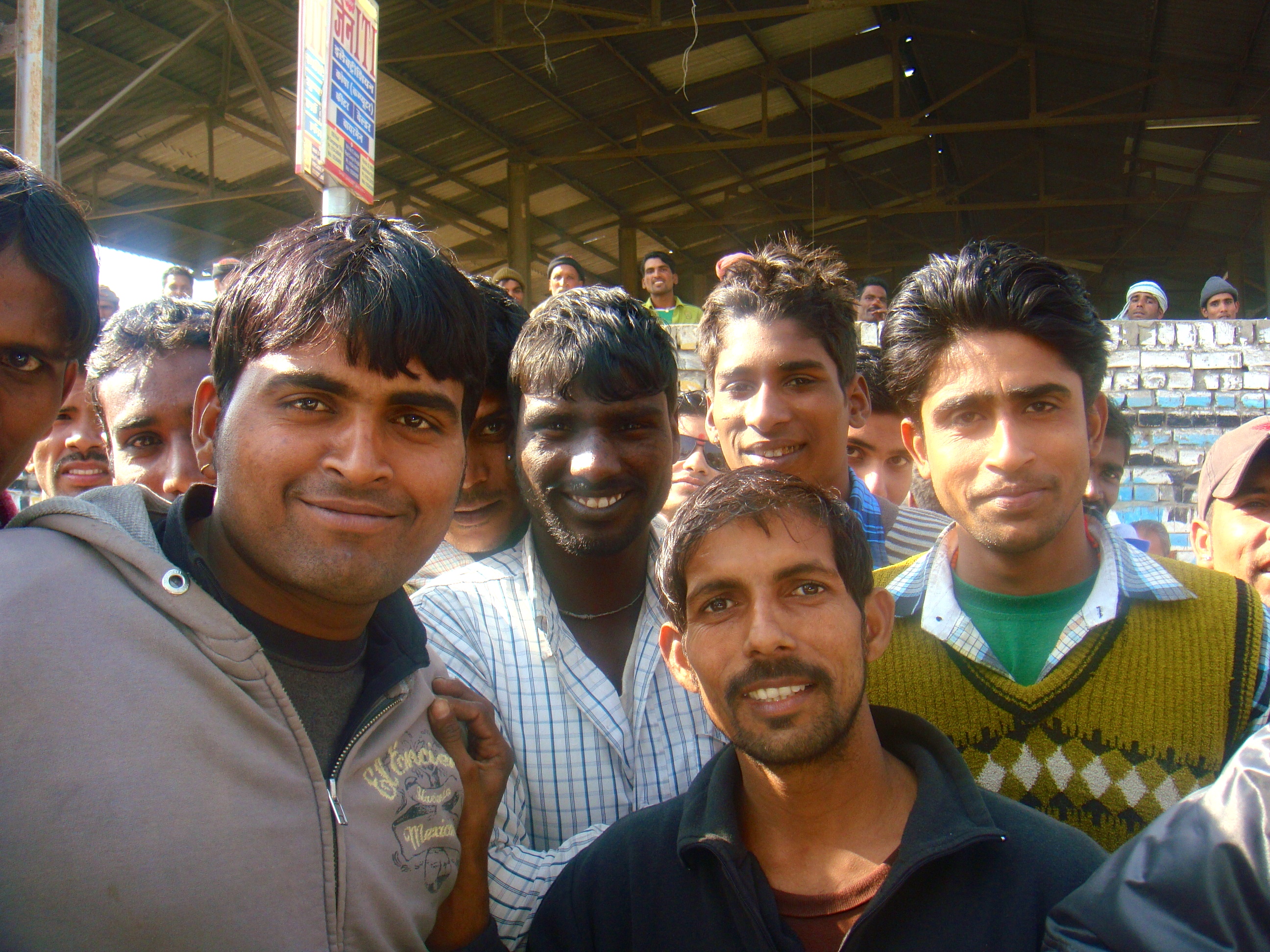
DSC01728

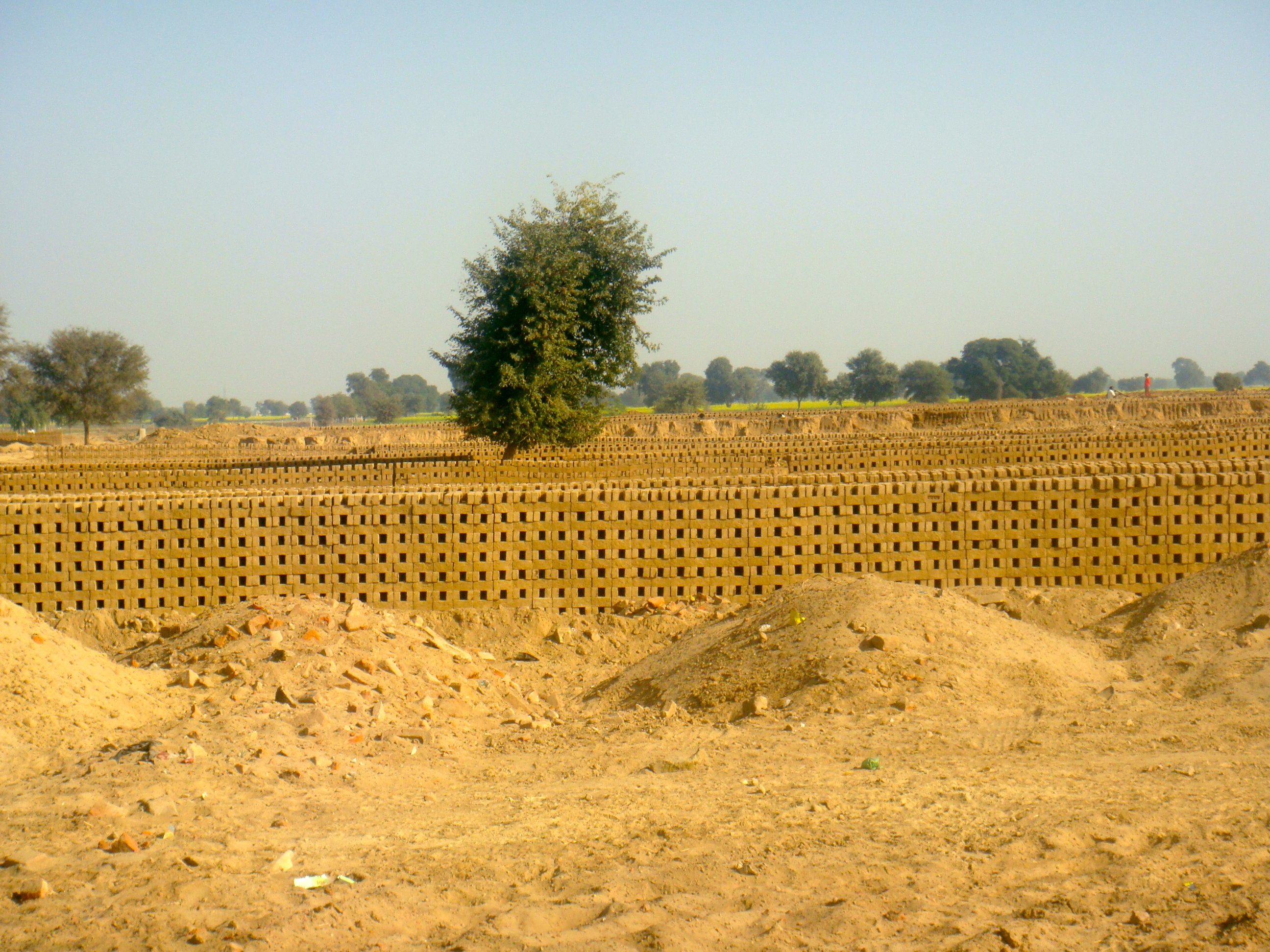
This area is also full of brick manufacturing sites:
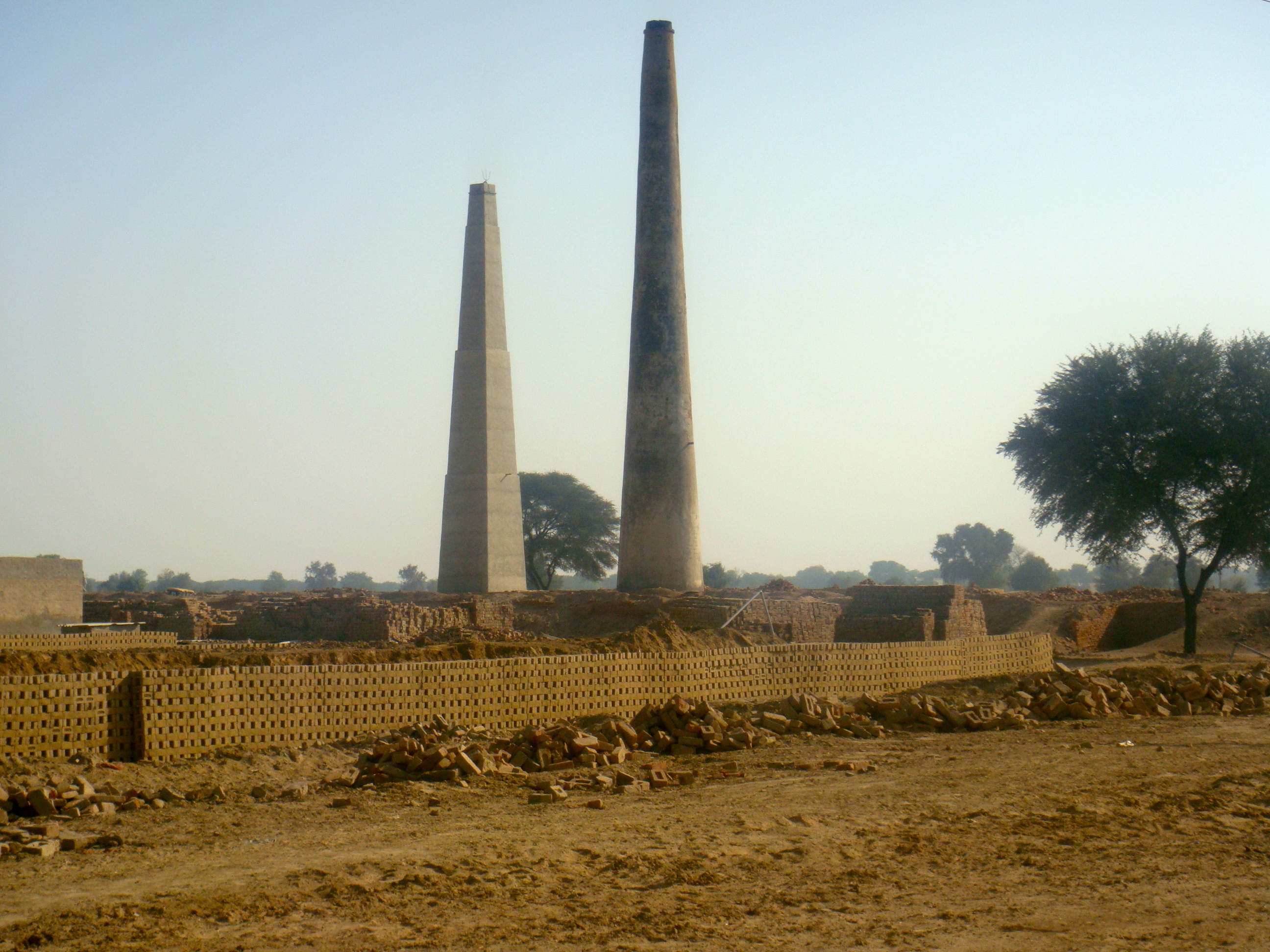
DSC01732

DSC01733

Having reached Bikaner our first port of call the next morning was actually about 30km south where we wanted to see the Karni Mata temple at Deshnok.
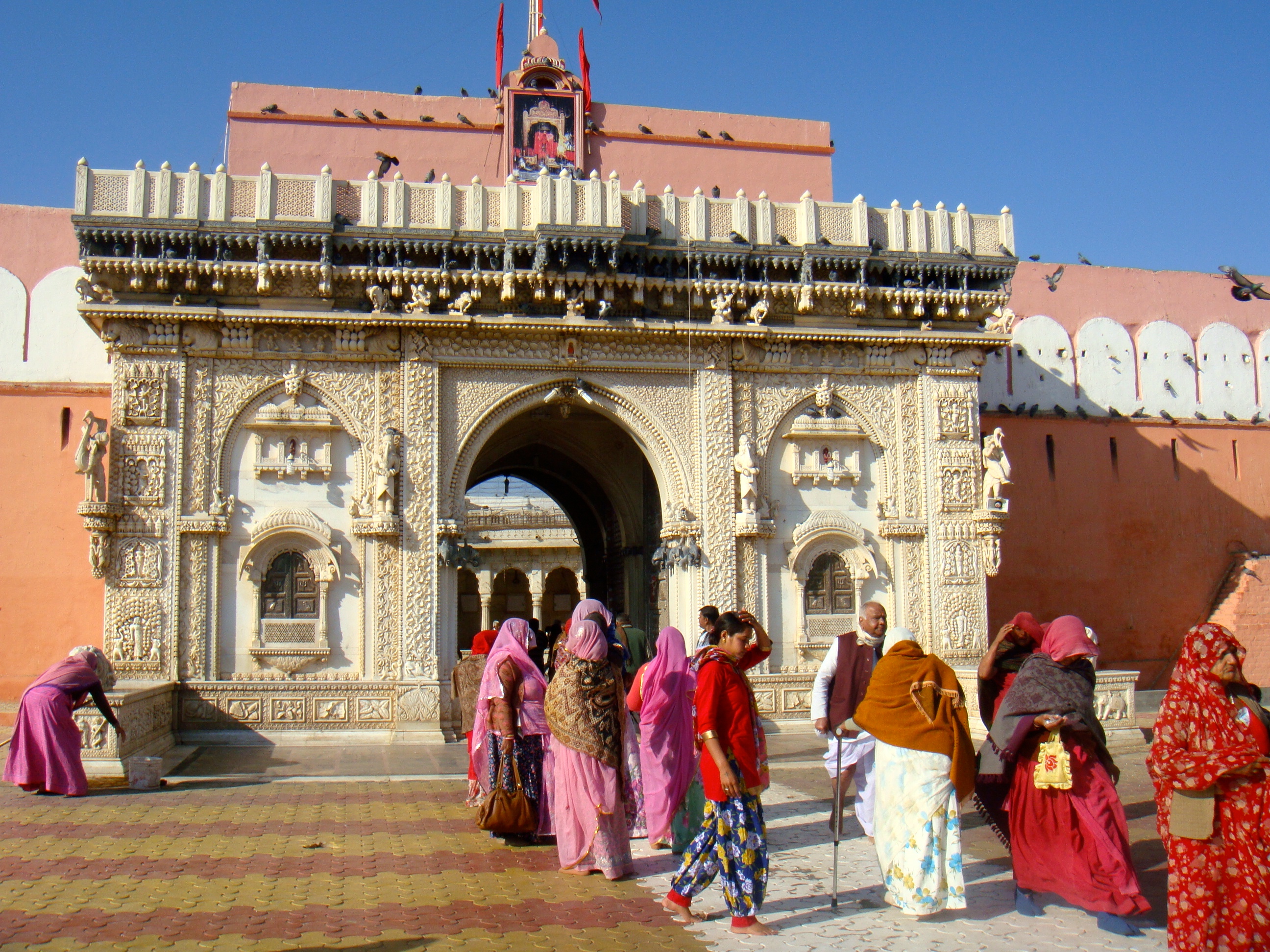
DSC01734

This temple has an interesting story and consequently some very interesting inhabitants! Karni Mata was a Hindu sage who lived to over 150 years of age (she died in 1538). She married but decided to live a celibate life and arranged for her sister to marry her husband. Karni Mata’s stepson drowned when drinking from a pool and Karni Mata asked the God of Death, Yama, to reincarnate him. Yama at first refused but then relented. He obviously had a sense of humour because he decided that all sons of Karni Mata would be reincarnated as rats. So the Karni Mata temple, dedicated to her, is home to about 20,000 rats! And here they are:
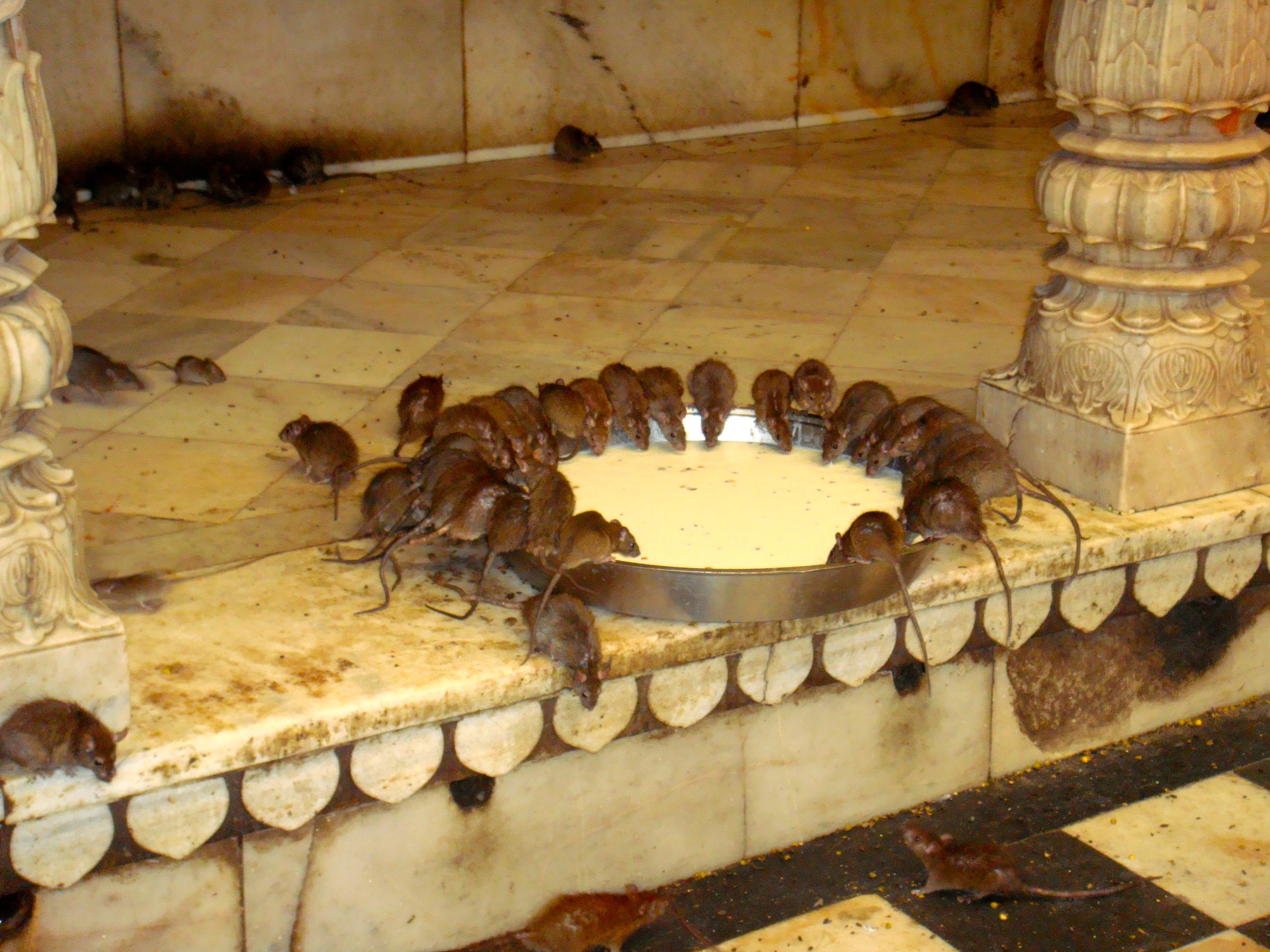
DSC01742 Drinking

DSC01751 Sleeping

Apparently it is auspicious to see a white rat and to have a rat walk over your foot, I managed both so I am undoubtedly in clover:

There was also a band of local musicians adding some colour to the proceedings:

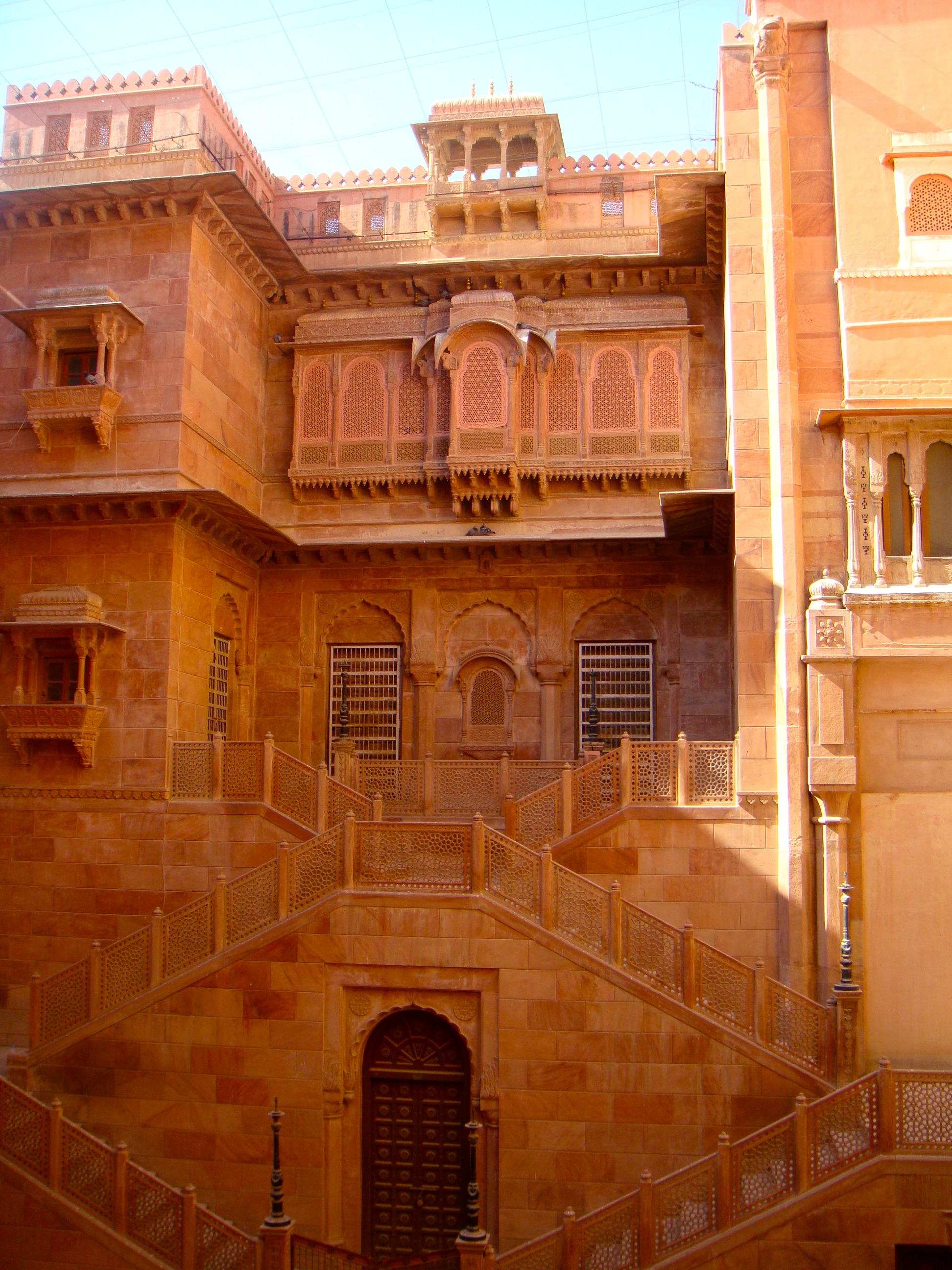
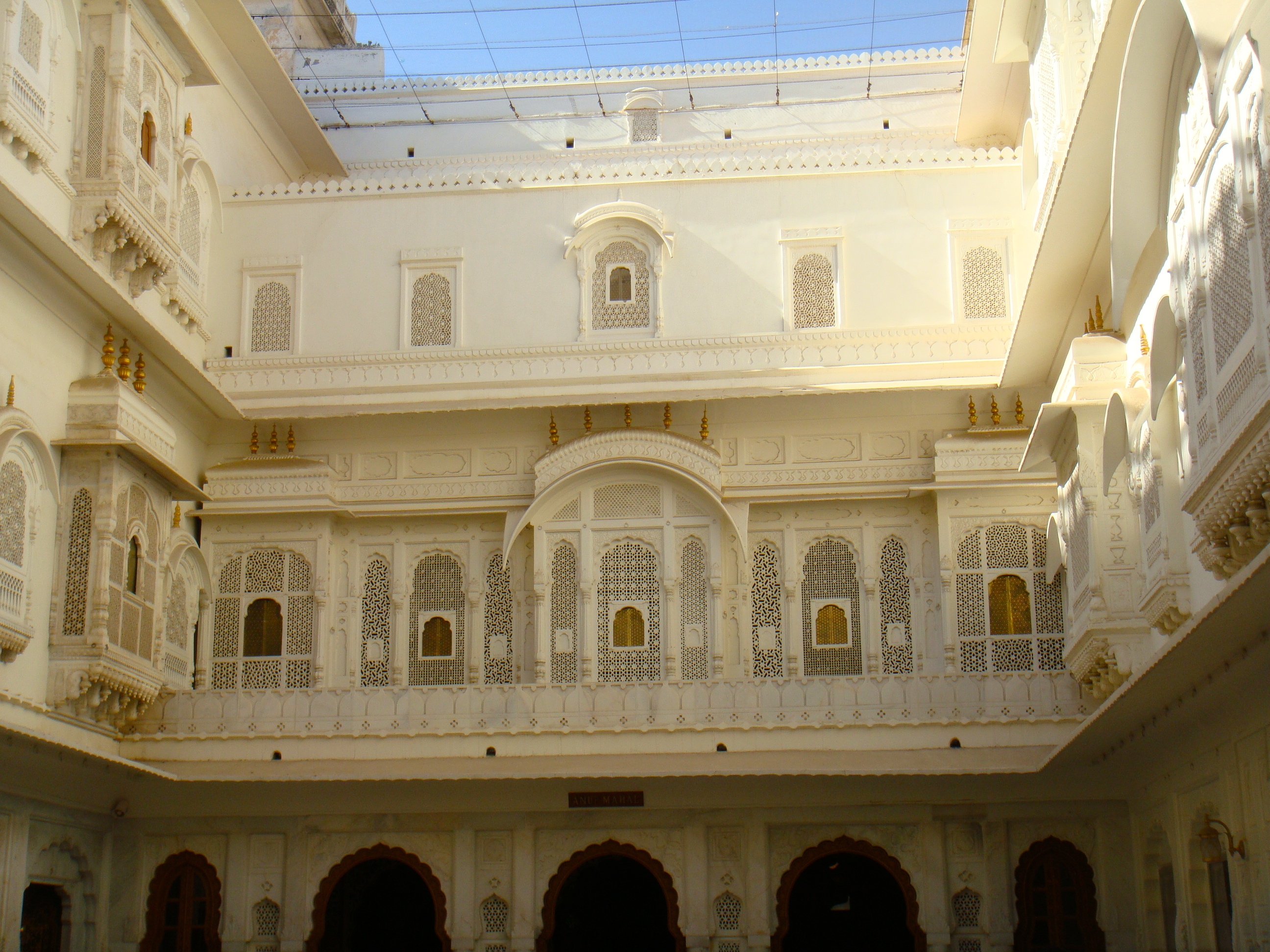
In the afternoon we went to Junagarh Fort in Bikaner. Apparently the fort has never been taken in battle (except some say for one day). I have an explanation for this – Junagarh Fort doesn’t look anything like a fort, I like my forts to be built in commanding positions high on rocky outcrops with unassailable battlements and deep moats. Junagarh Fort looks more like a Disney complex. Any marauding savages who chanced by would just assume it was an out to town shopping mall. Right, that’s saved someone the bother of writing a Phd thesis!

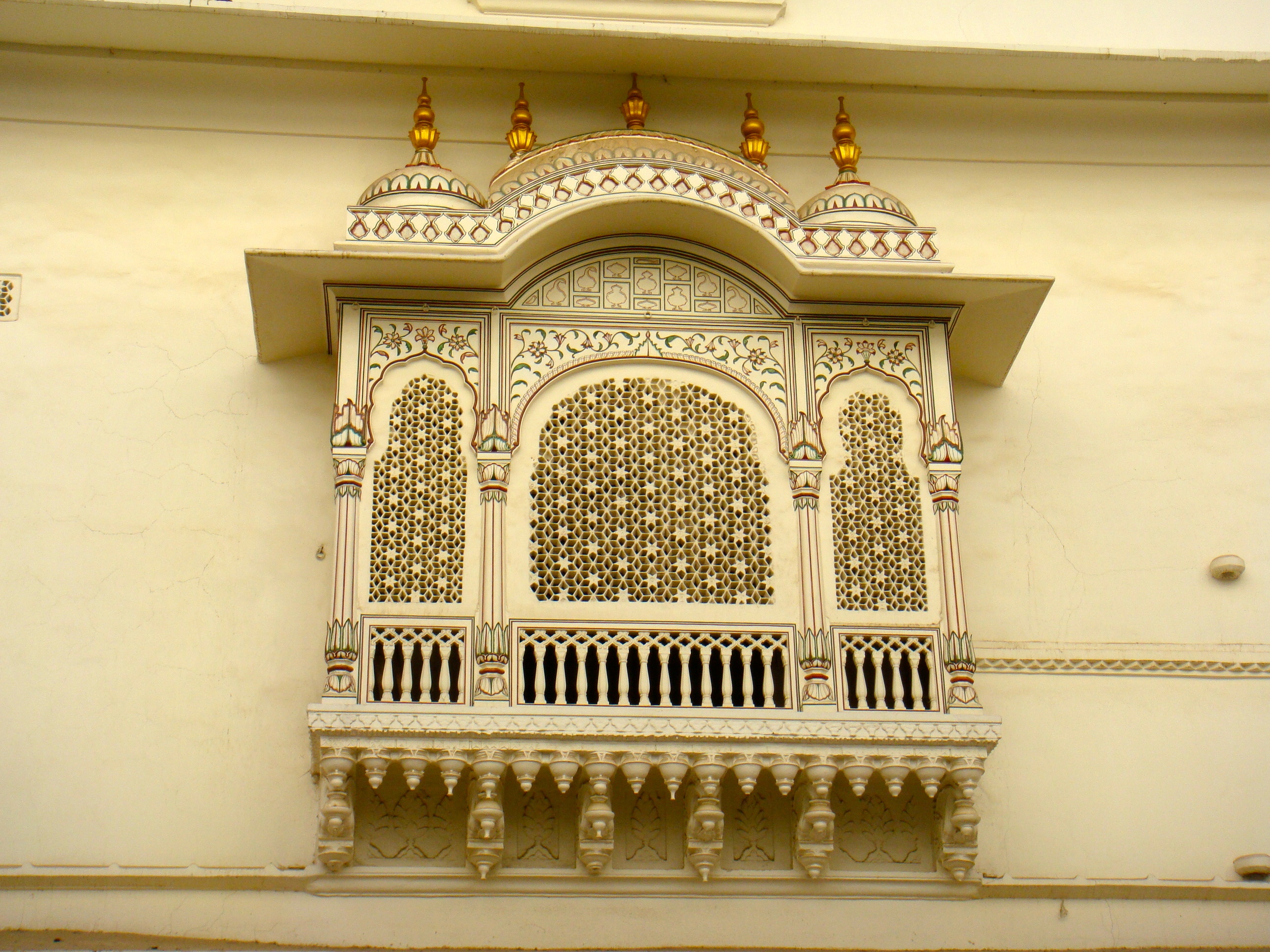
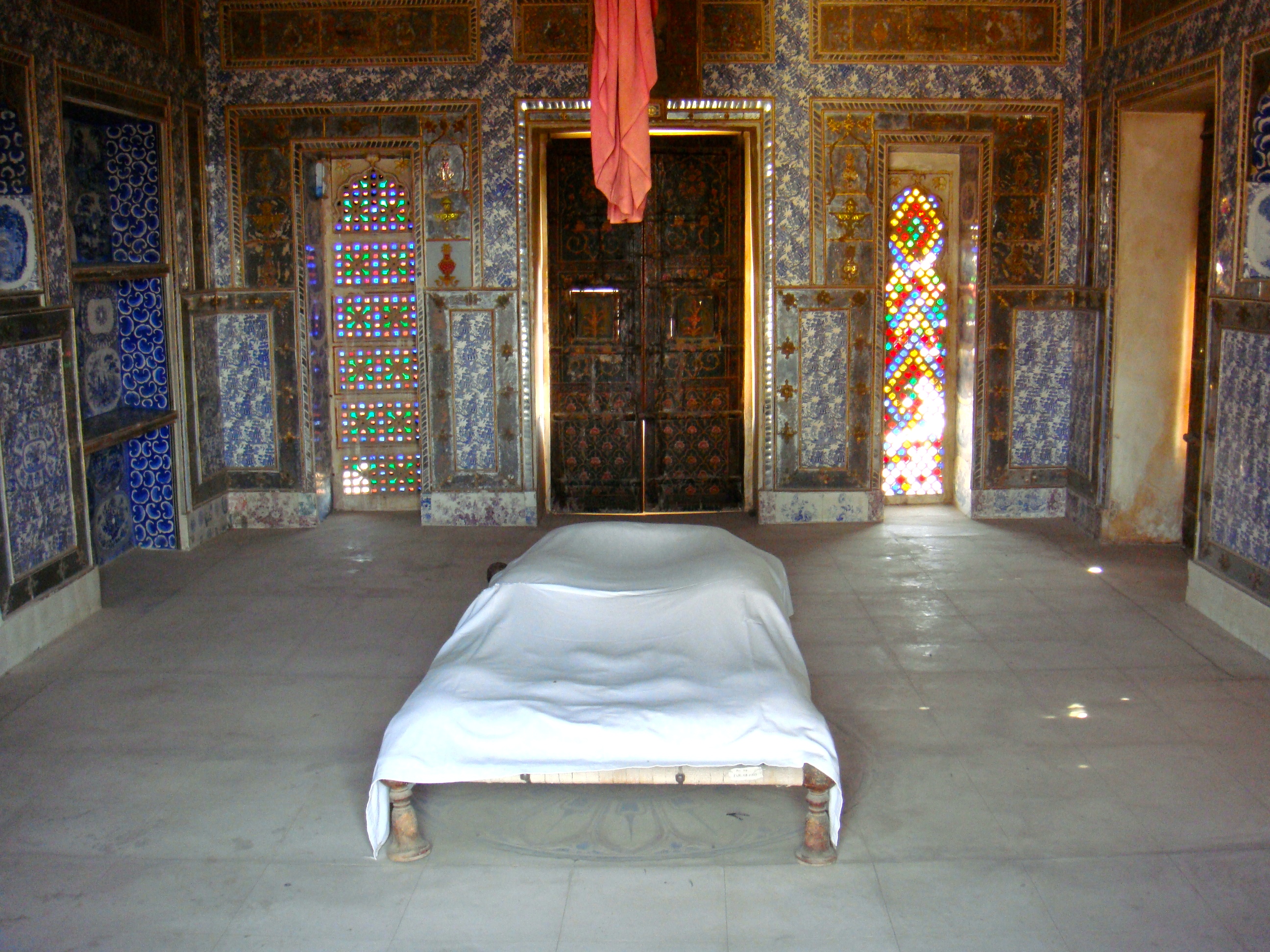
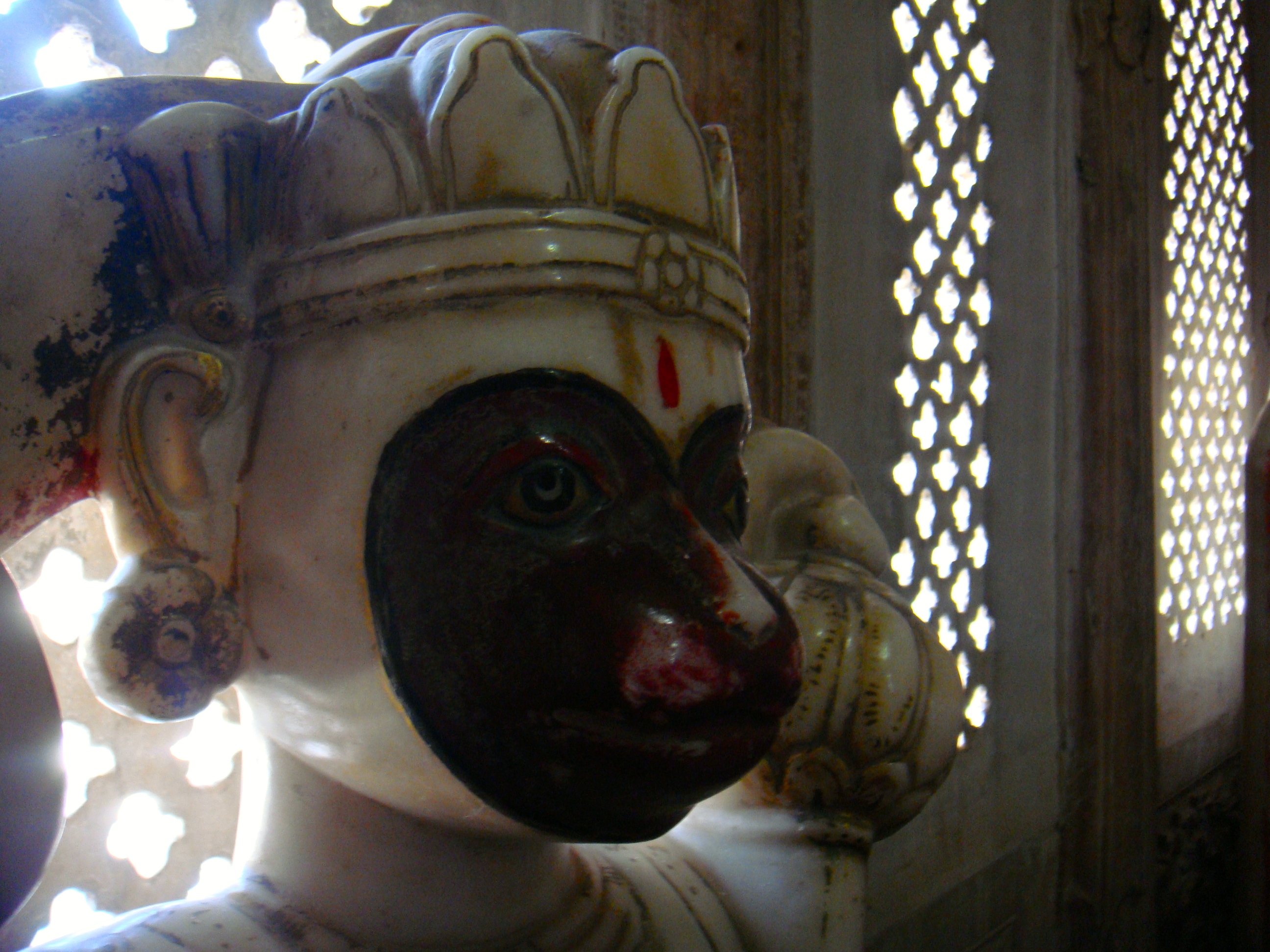
Nevertheless the “Fort” was interesting with some great features:
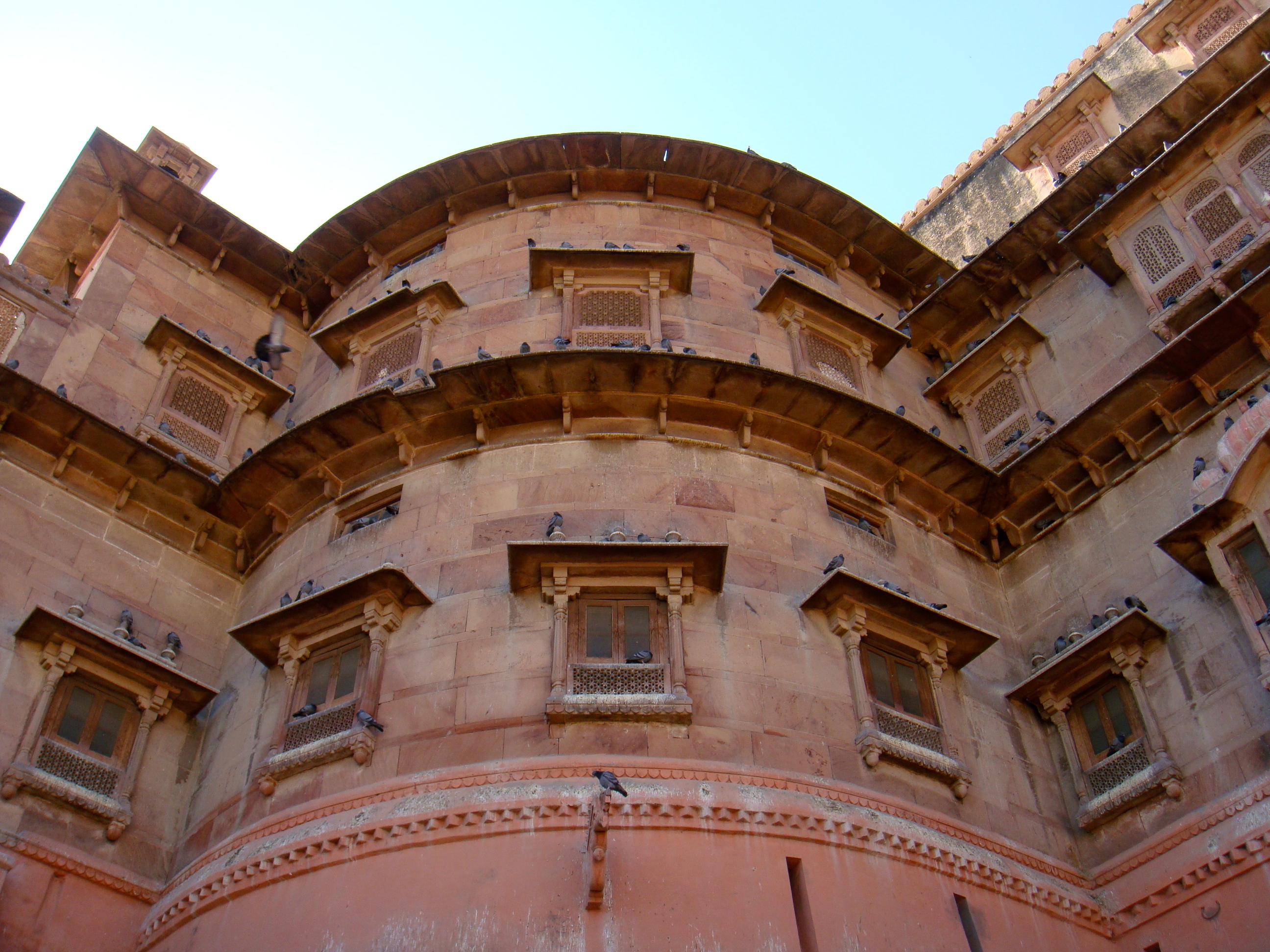
DSC01759

DSC01760

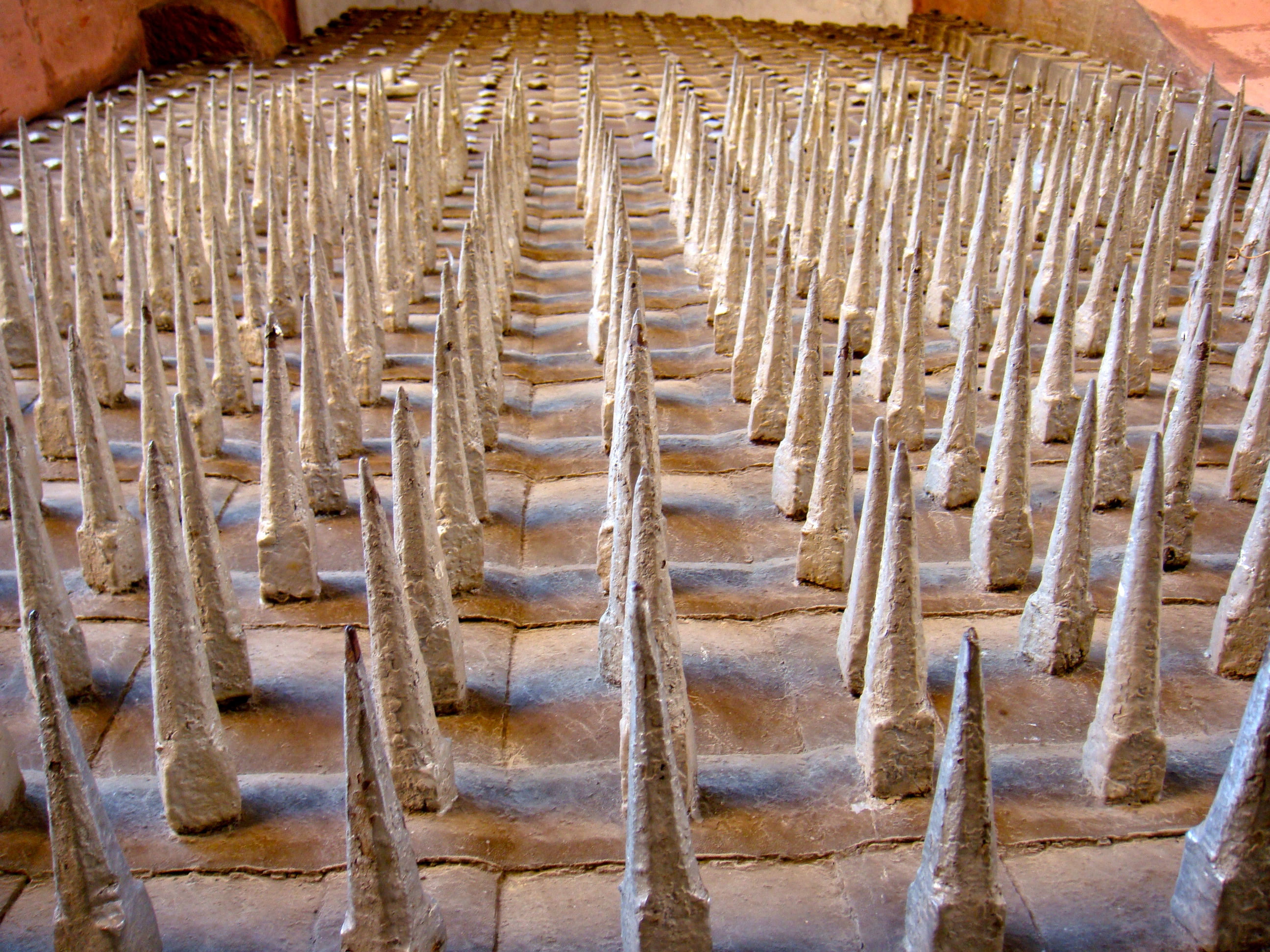
DSC01764DSC01765DSC01777 Not very homely!DSC01780 I liked this little guy!DSC01782 On the front gate.

After the fort we went around the old town where we met this chap:
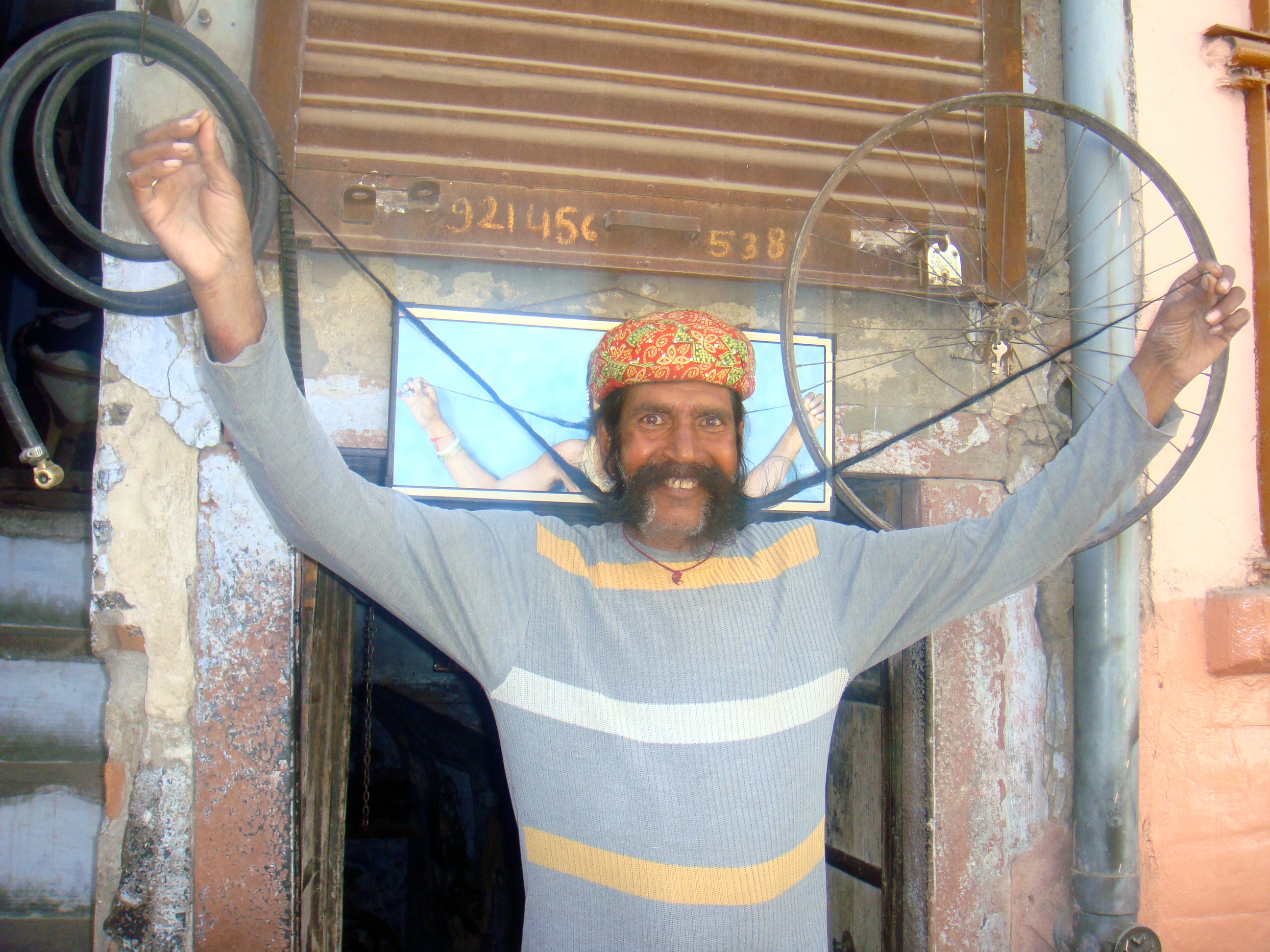
DSC01801 quite a display!

We also went to the Bhanda Shaha Jain temple which is apparently the only Jain temple with a painted interior:
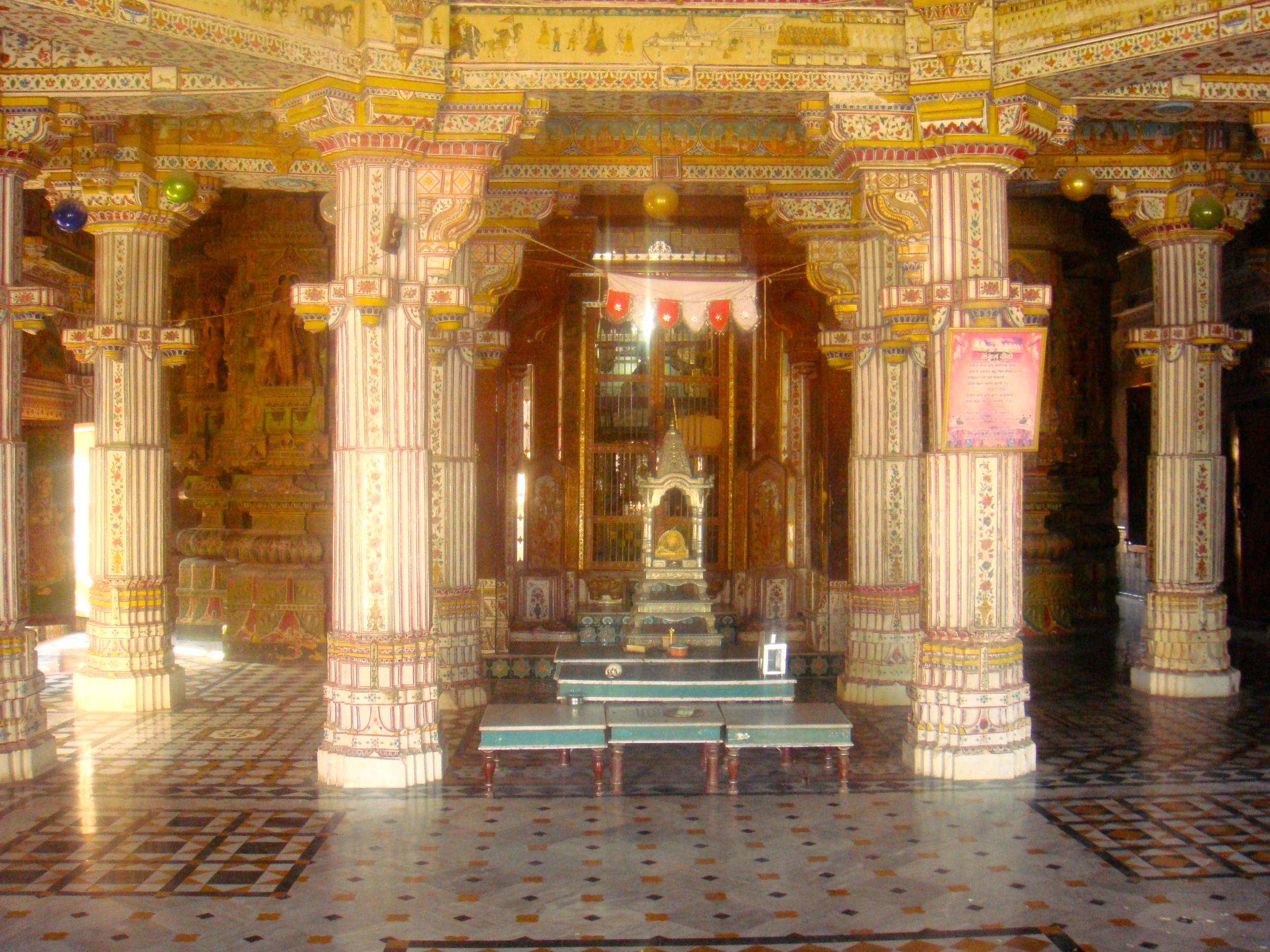
DSC01809

We saw a couple more interesting sights as we were strolling around:
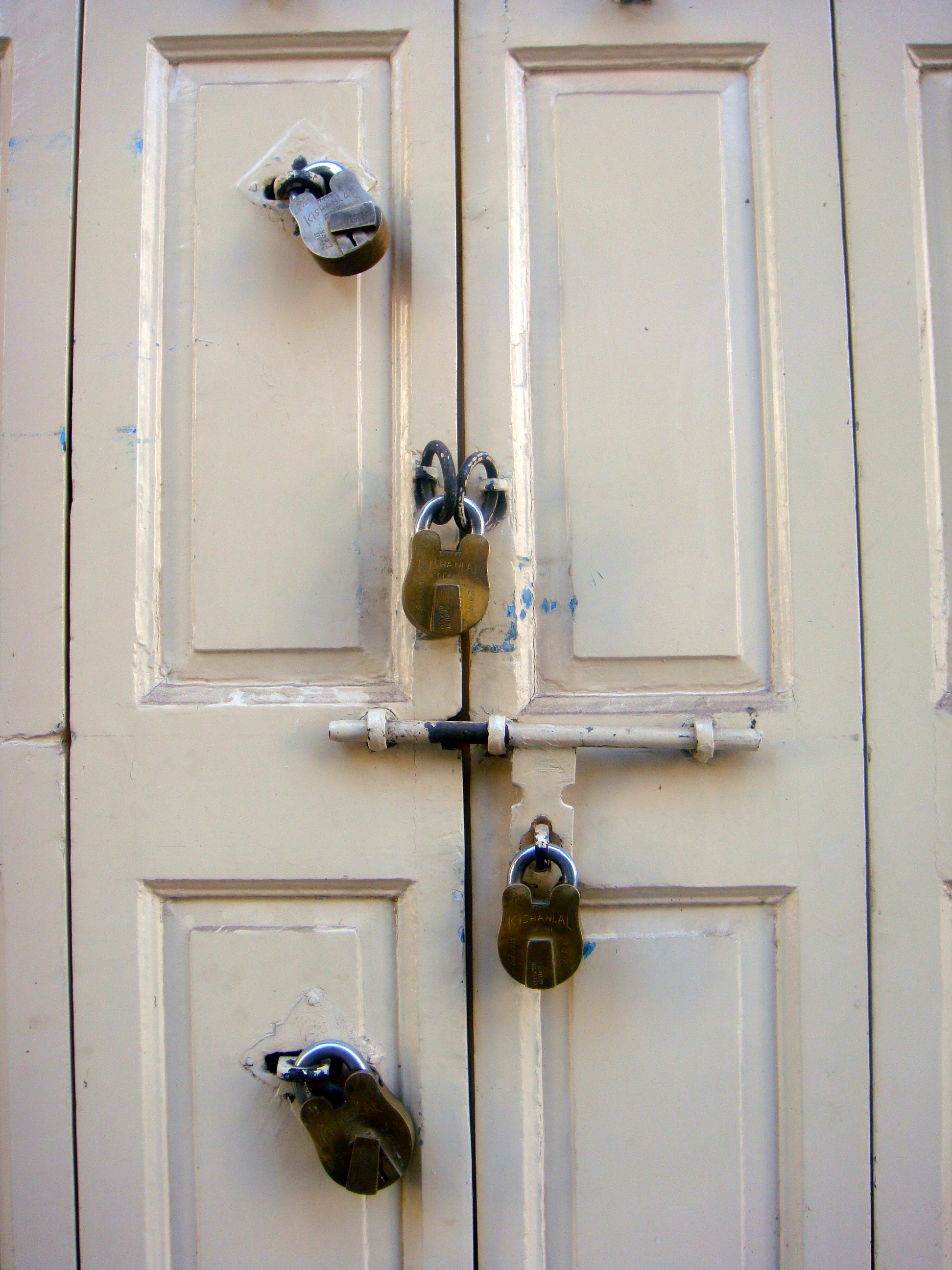
DSC01798 What are they protecting?

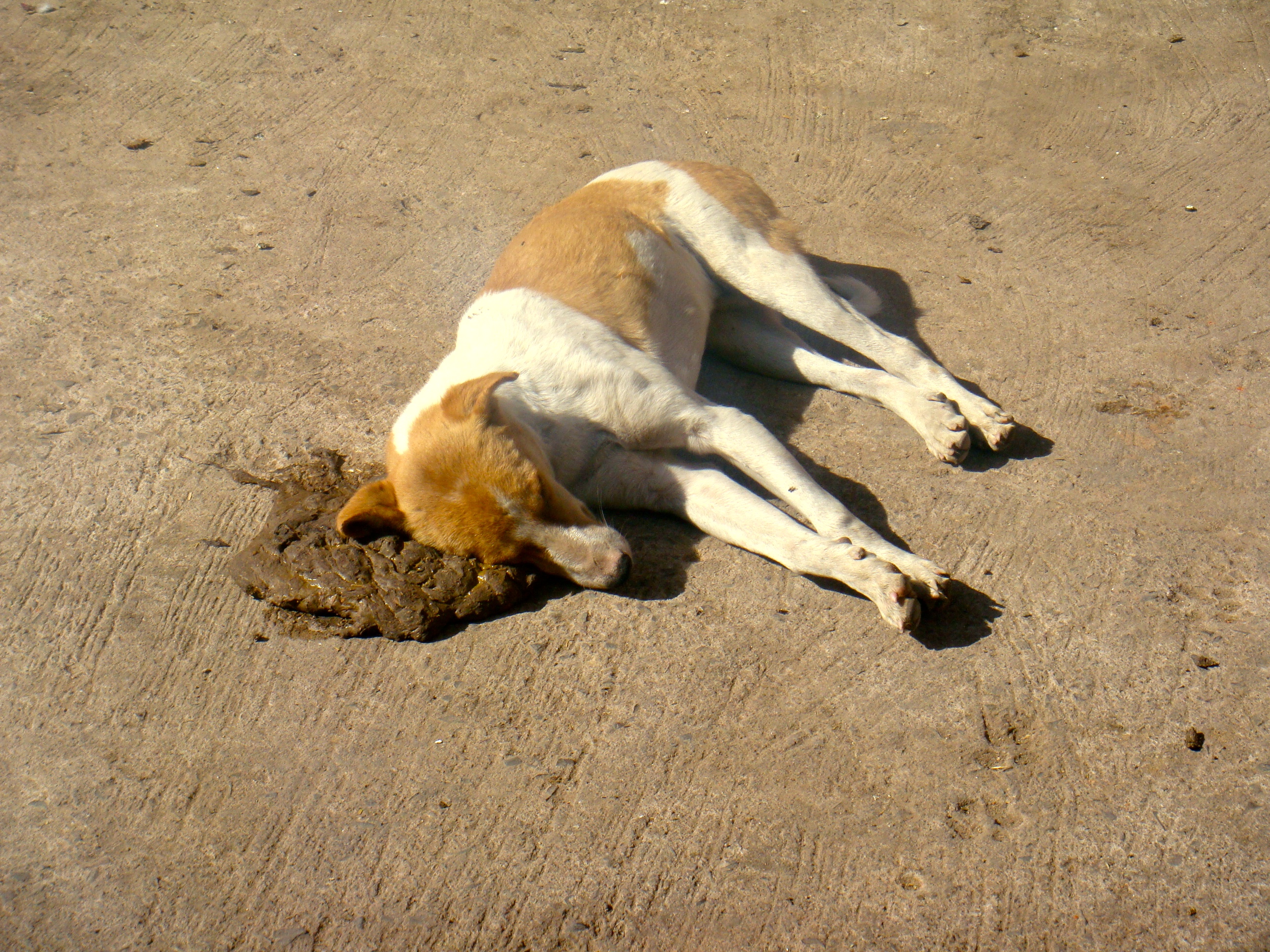
DSC01795 A warm pillow but at quite a price!

This morning we set off for Jaisalmer. The road, as with all roads in Rajasthan so far, was excellent. We drove the 320km in just over four hours, this was a sight we have longed for all across India:
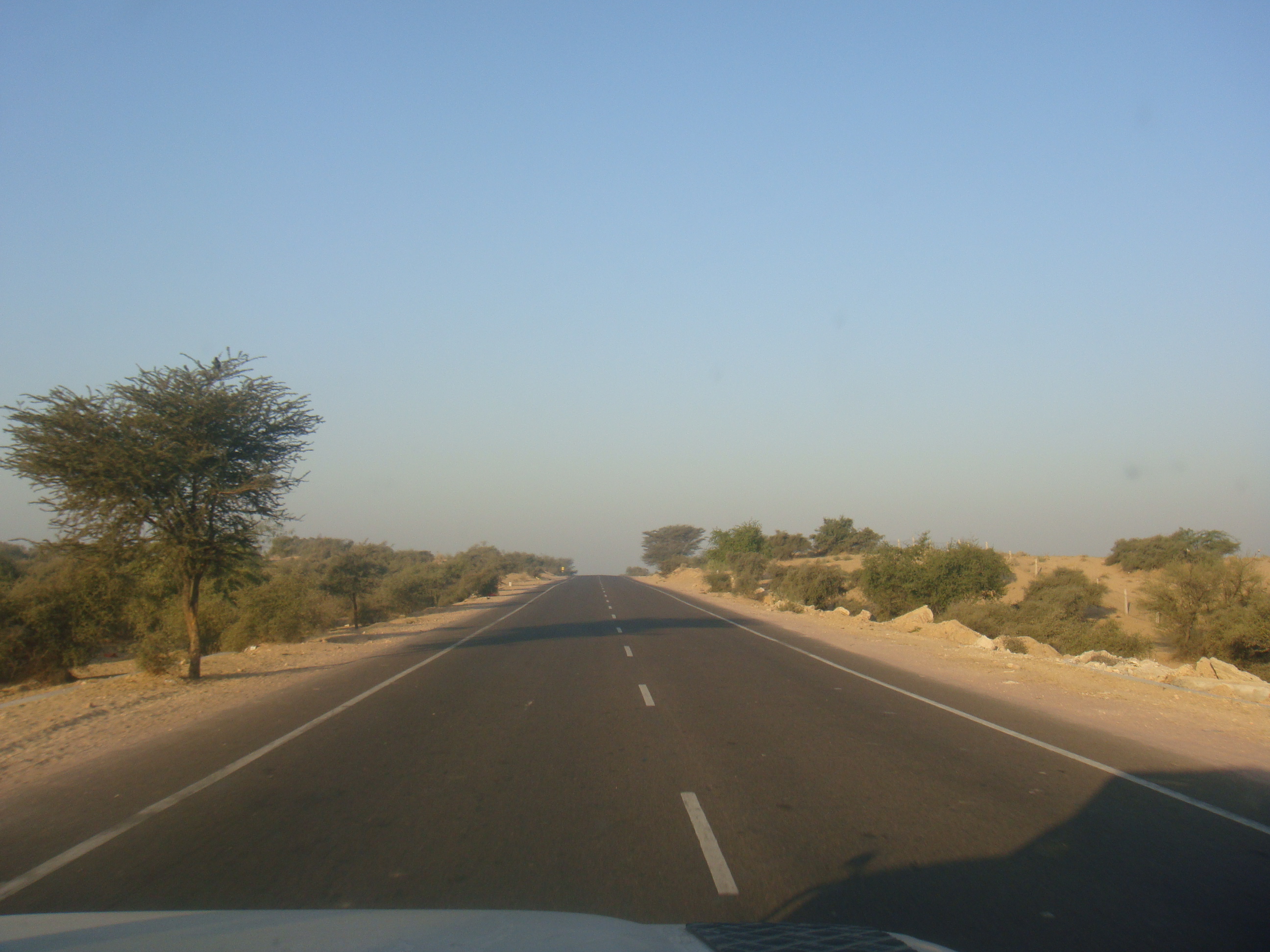
DSC01826

Along the way we came across these wonderful creatures:
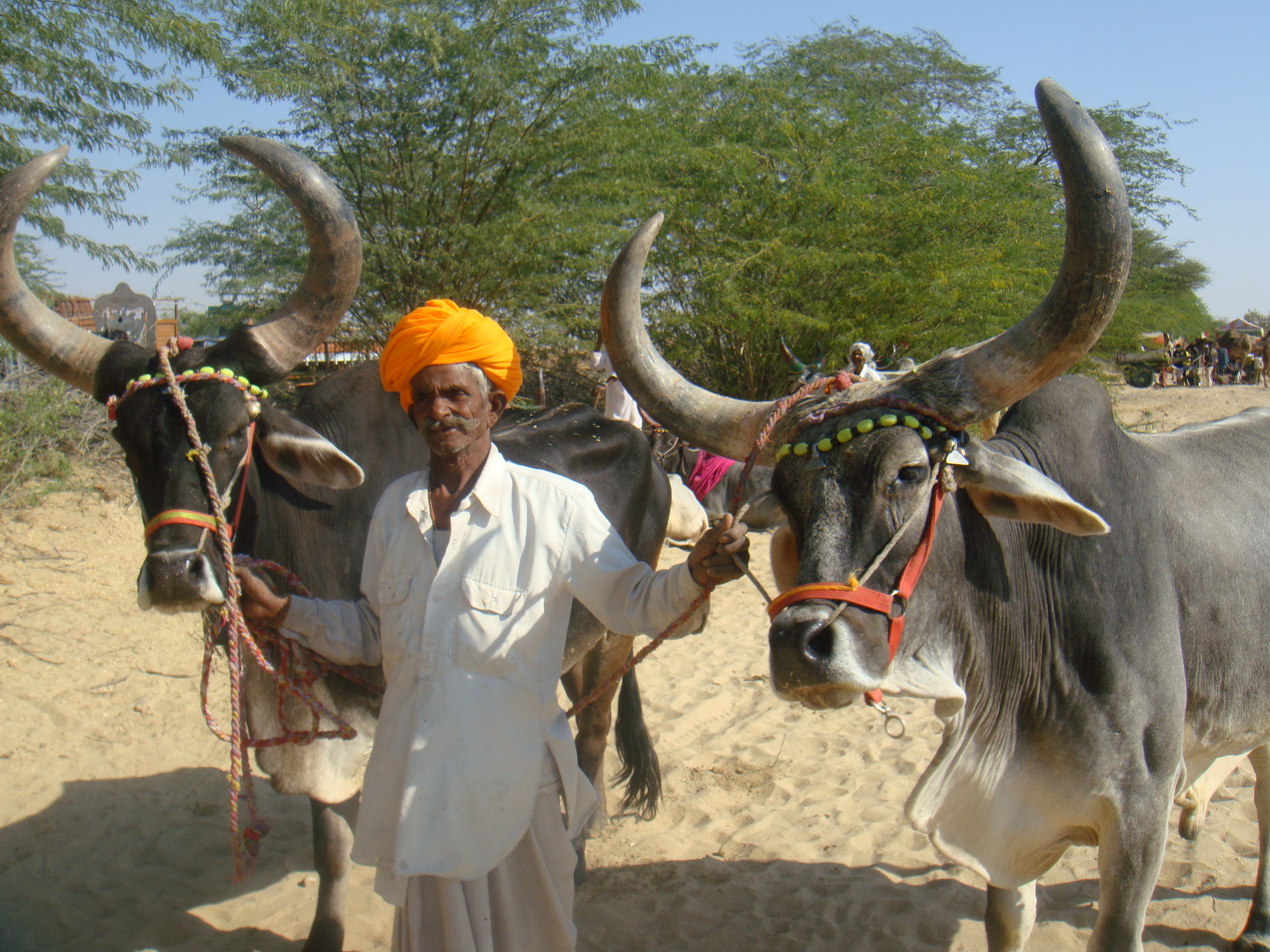
DSC01829

and in no time at all we were in Jaisalmer.

Having had our Christmas plans go awry we decided to spoil ourselves for the New Year so we’ve moved into the best suite in the best hotel in Jaisalmer. We have a great view of the castle from our balcony and this evening there is Rajahstani folk entertainment followed tomorrow evening by a New Years Eve party.

The hotel is full of Indian families so the next two days look set to be quite an experience!

Happy New Year to you all and we hope it brings you whatever you could wish for.

Ian & Leishia xxx

Amritsar

Well the last few days have been interesting – snow, traffic jams, thousands of stranded cars and brake failure compensated for by friendly and helpful locals who did all they could to help us out. Net result – we reached Amritsar in good shape where we sought out the local Toyota dealer. Unfortunately they were unable to help us source the parts we need. It seems that since the vehicle was neither sold or manufactured in India their system didn’t recognise our VIN (vehicle identification number in case you were wondering). No big deal, we’re rolling along and will sort something out over the next few days. The bonus was the Toyota dealer (Castle Toyota, Amritsar) bled our brakes and checked the temporary repair for free – and threw in a cup of coffee too!

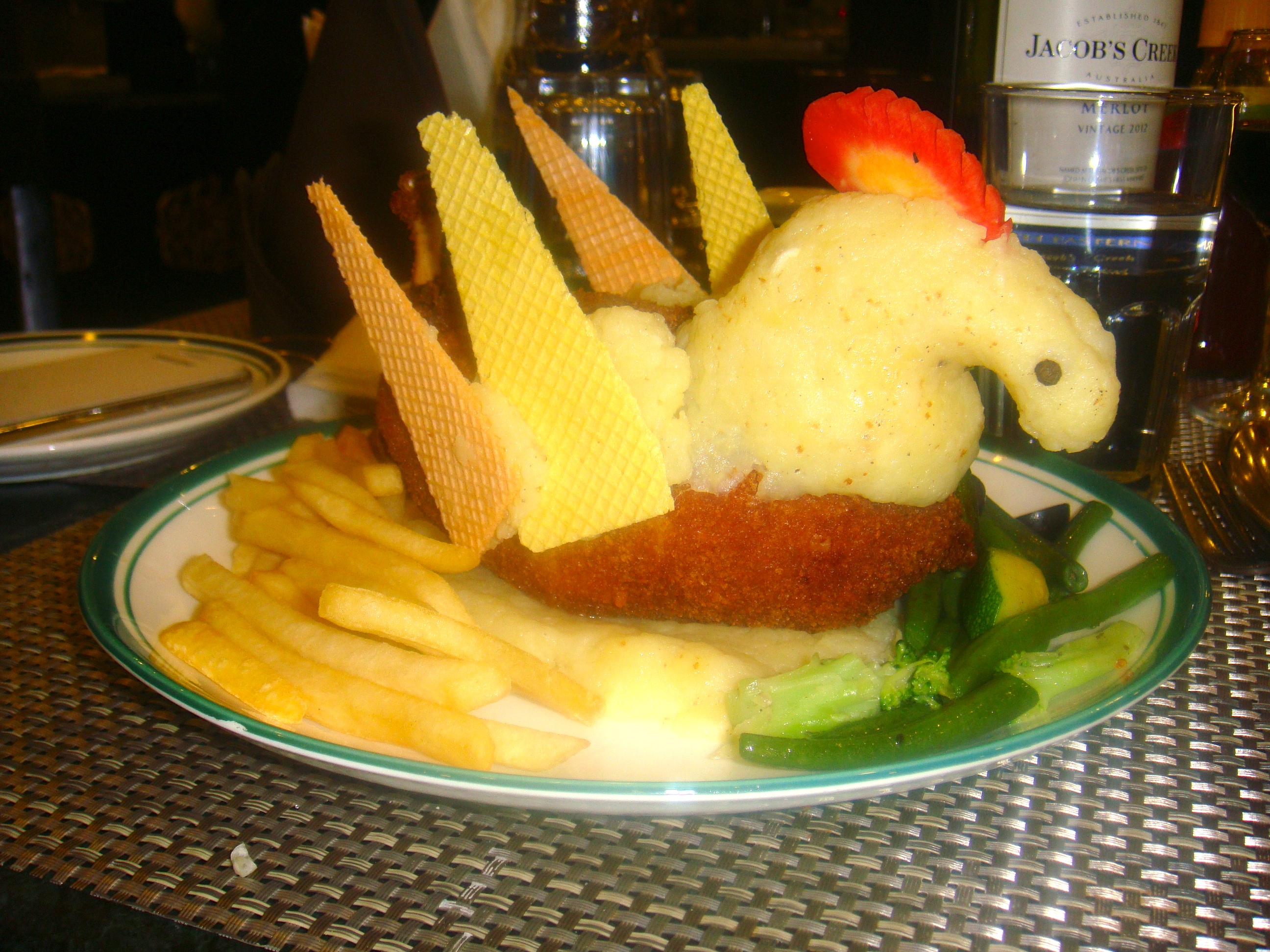
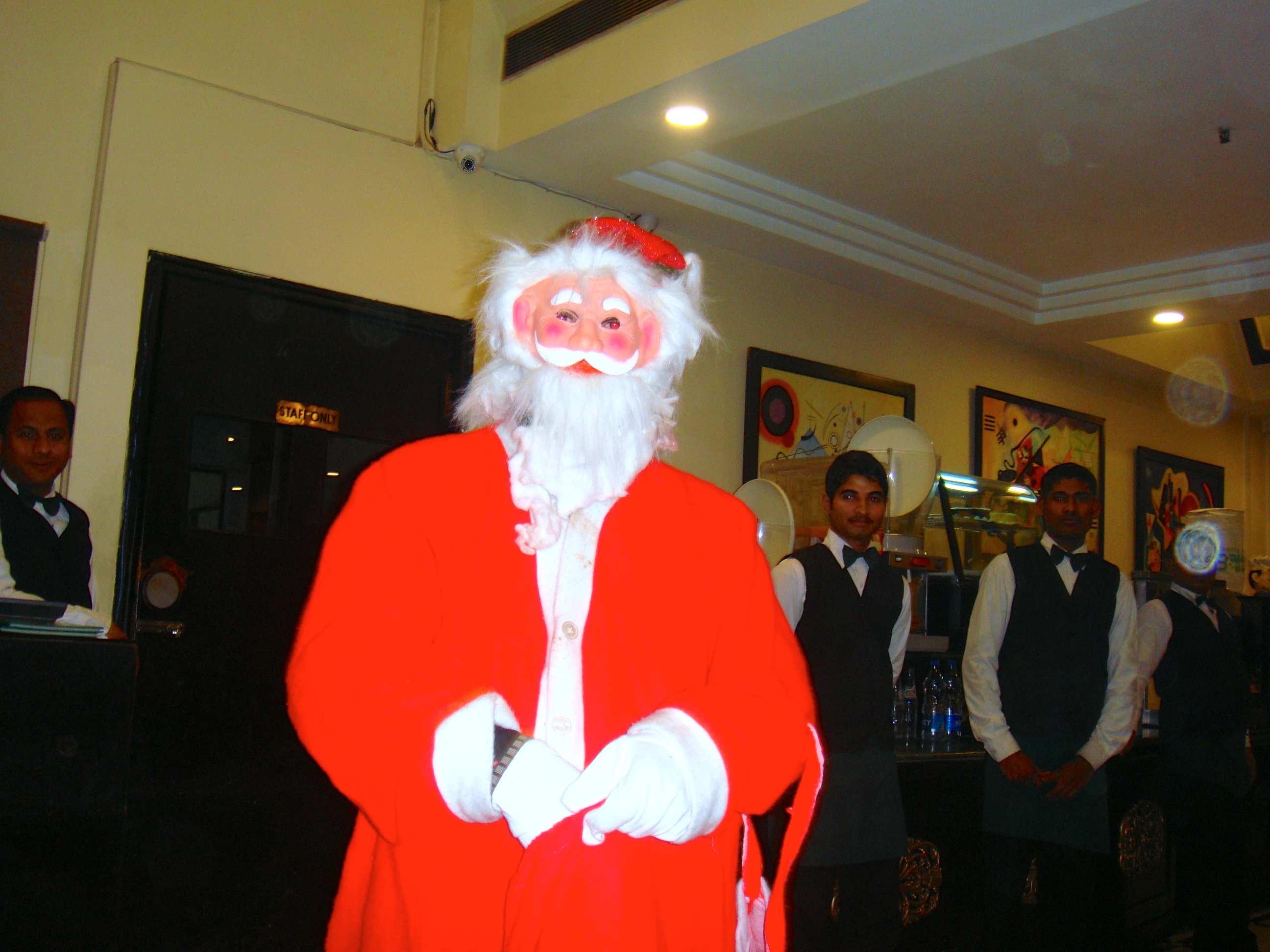
We arrived in time for Christmas dinner, there was no turkey to be found but we did well in the circumstances:

DSC01602 Imported wine.

DSC01607 Chicken Kiev!

DSC01603 and Father Christmas!

In our original plan we were going to arrive from Pakistan by road and Amritsar was to be our first stop. As it turns out it has taken us eight weeks to get here – but it has certainly been worth the wait. We concentrated our stay here on three sights – The Golden Temple, Jallianwala Bagh and the Wagah border crossing ceremony.

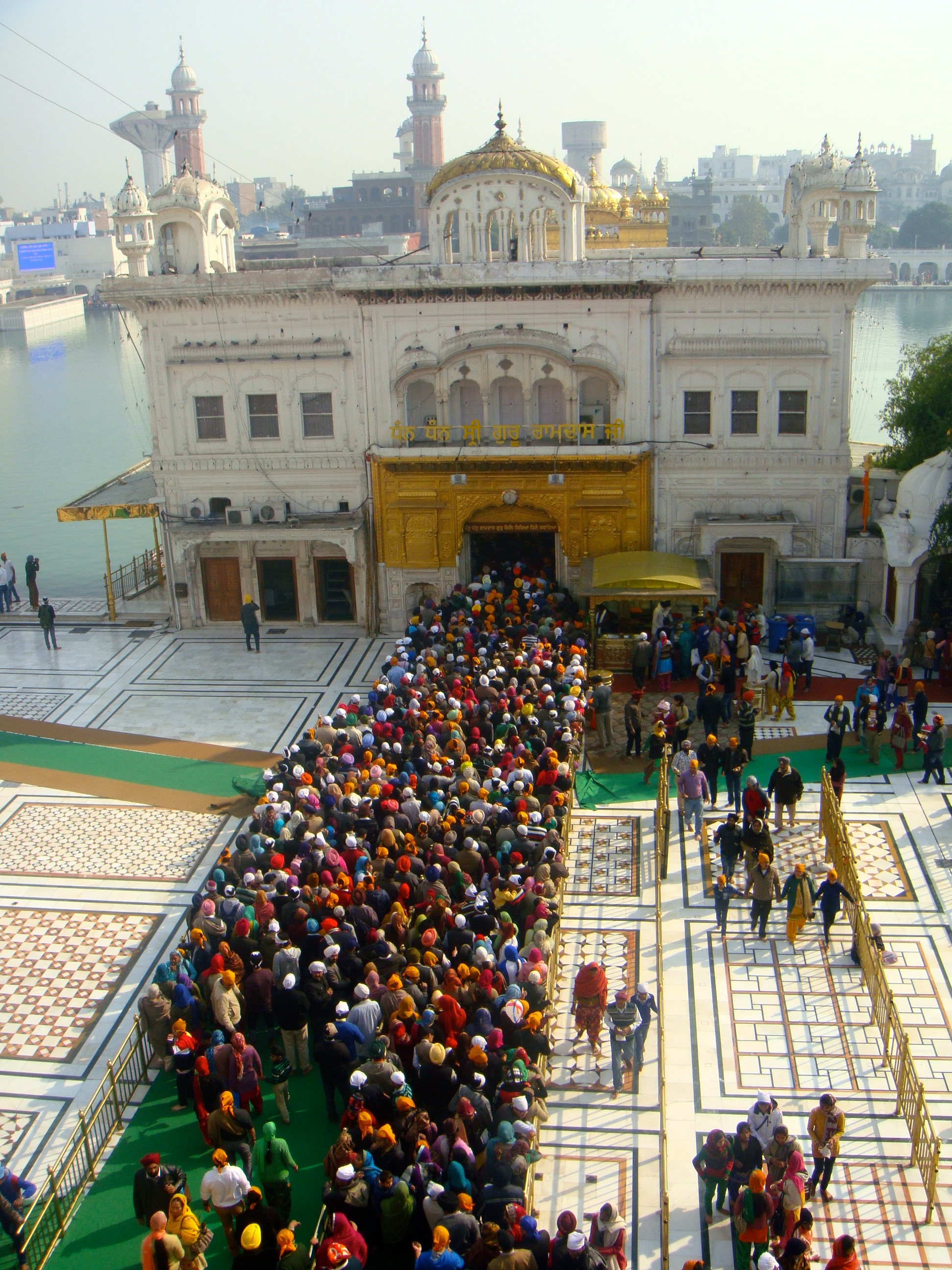
We knew a little about the Golden Temple but we were taken aback by the magnificence of the site. The area around the complex is a car-free zone so we found ourselves walking to the temple in company with hundreds of locals, many were Sikhs sporting their small dagger (the Kirpan). The Kirpan is one of the five K’s, the articles of faith of Sikhism, the other four are the Kesh (long uncut hair), the Kangha (a small wooden comb), the Kara (a steel or iron bracelet) and the Kacchera (an undergarment). Hope you got that, there will be a short test at the end of this post 🙂

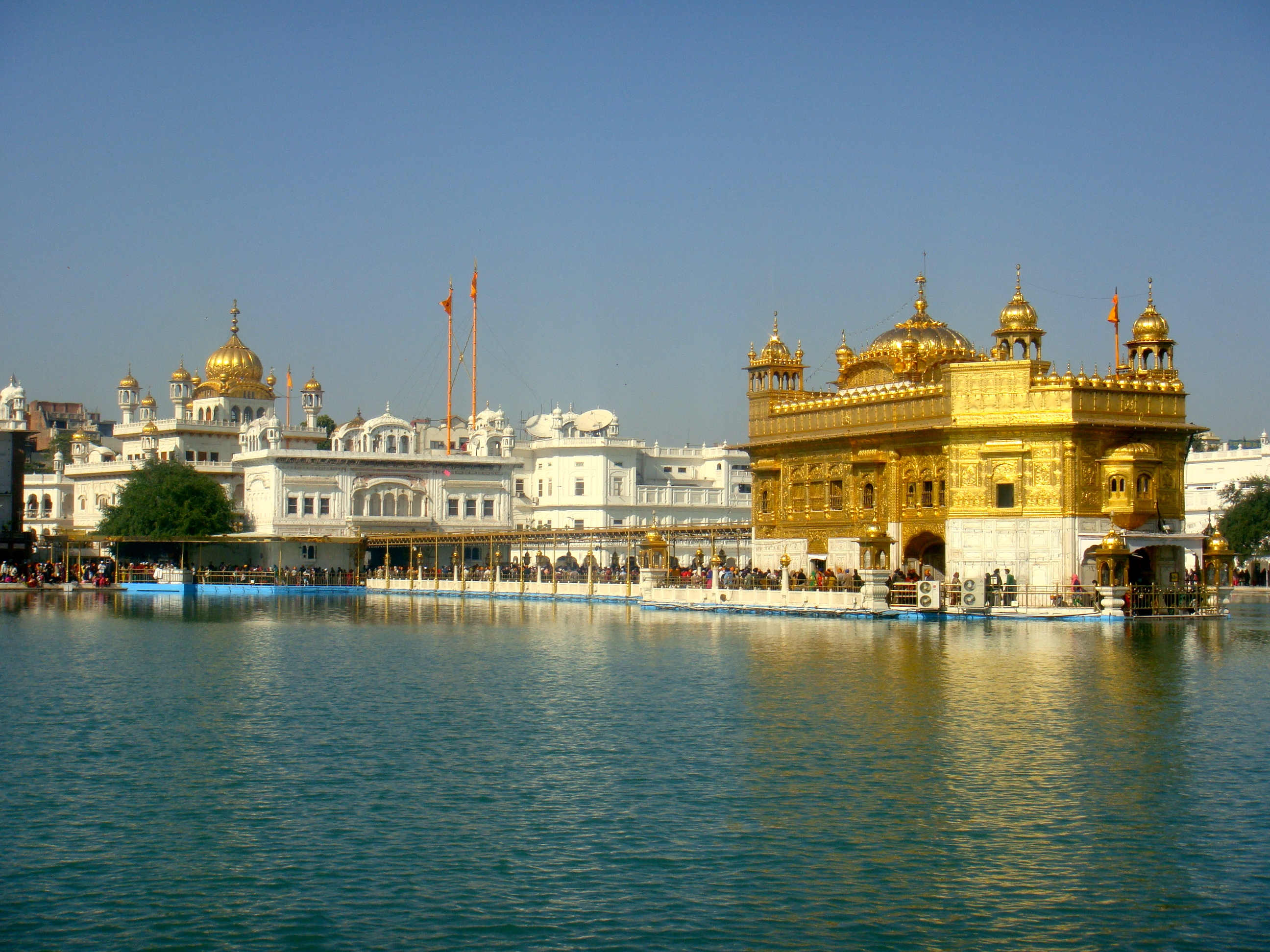
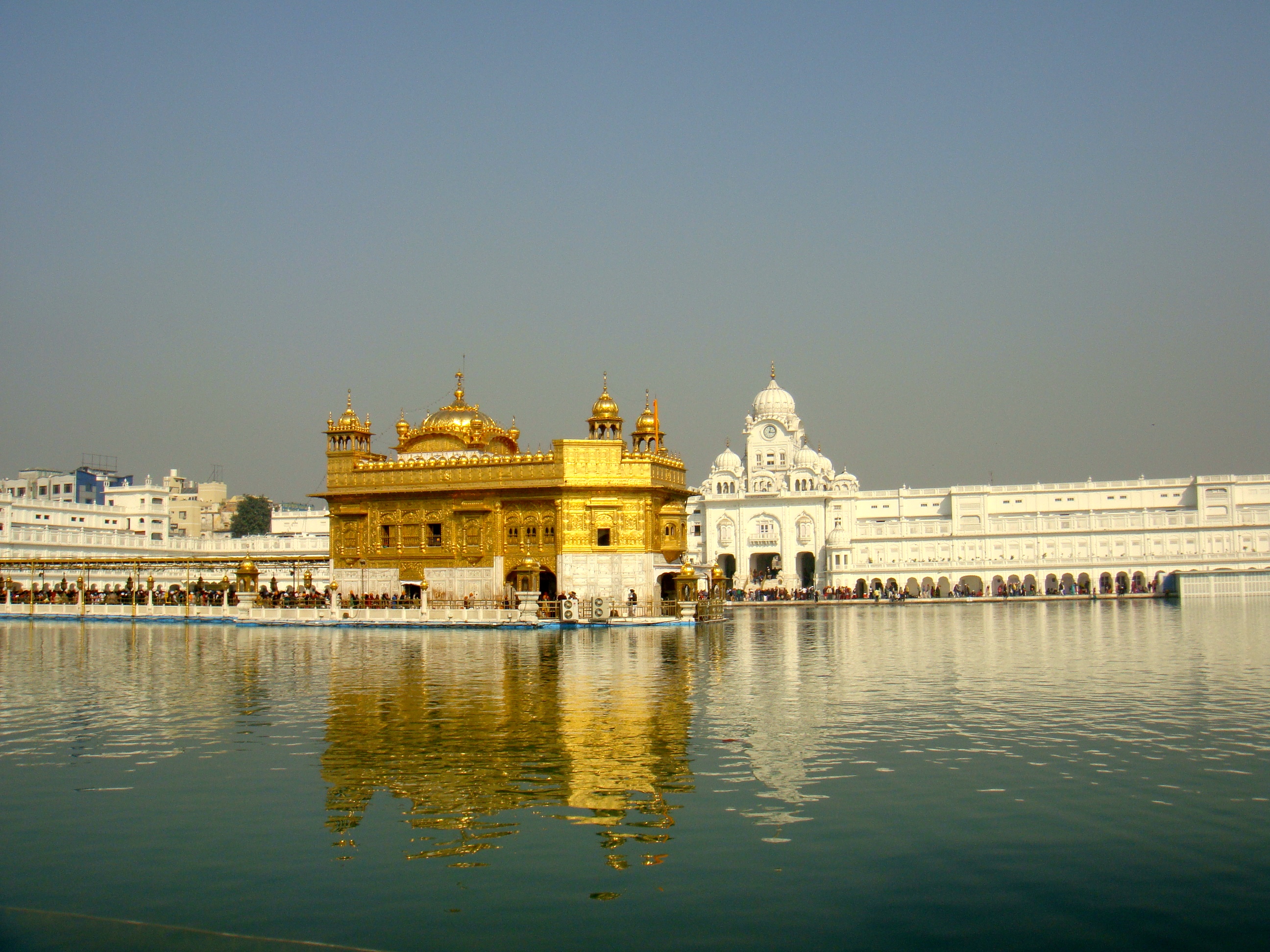
Arriving at the temple complex everyone removes their shoes, covers their head and washes their feet. Then you climb a few steps and in those few steps seem to leave one world and enter another. The steps lead directly to a magnificent view of the Golden Temple sitting in the middle of a huge pool (the “Pool of nectar” that gives Amritsar it’s name).

DSC01621

The buildings surrounding the pool are part of the complex and seem to protect the pool and the temple. The temple is open from 6am to 3am, during the remaining three hours the temple is washed with milk!

This view is looking back to the entrance (under the white dome):

DSC01694

All day long people queue to walk out along the causeway to enter the Golden Temple itself:

DSC01697

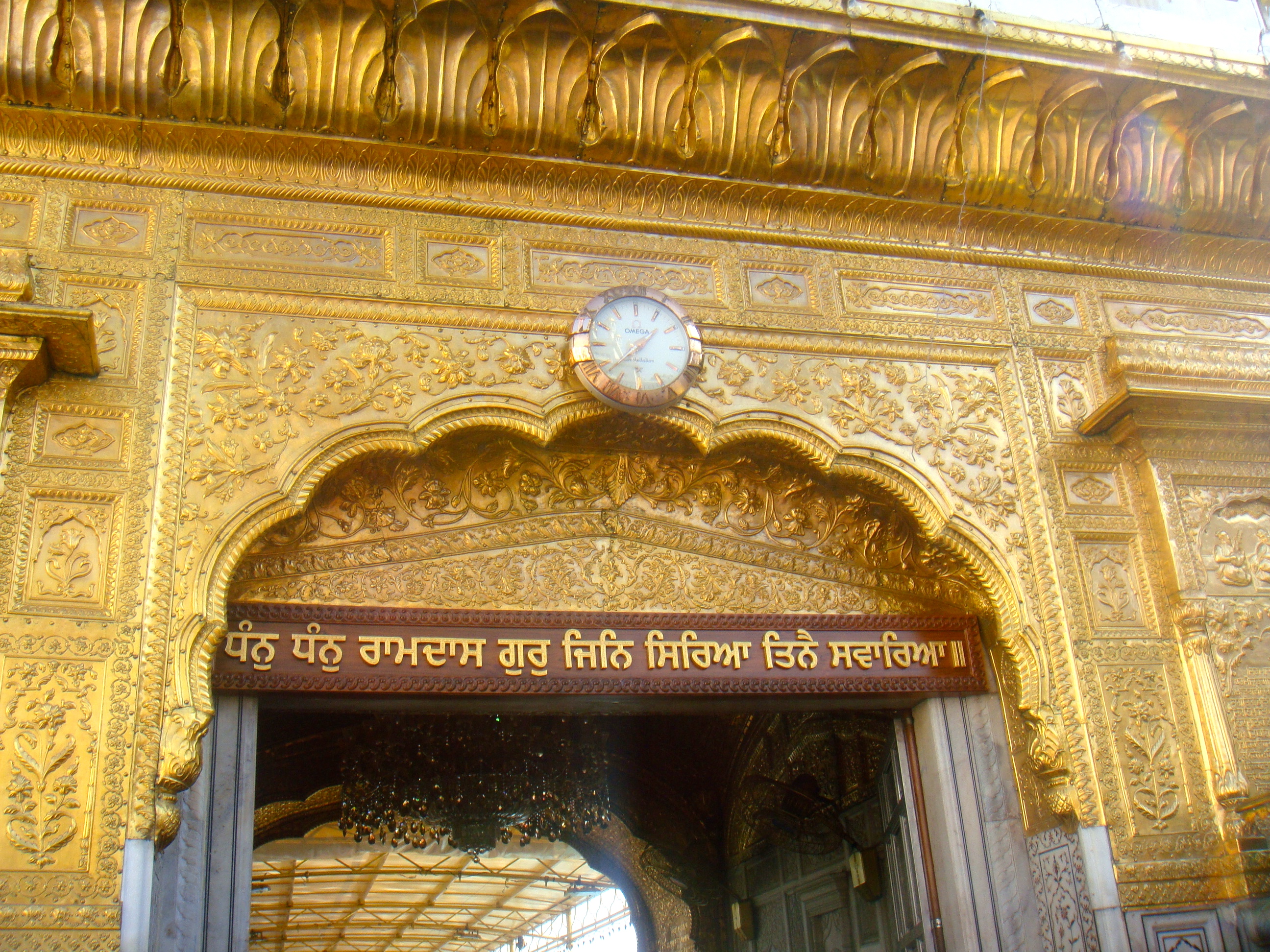
I joined the queue and passed through the gate to the causeway:

DSC01630

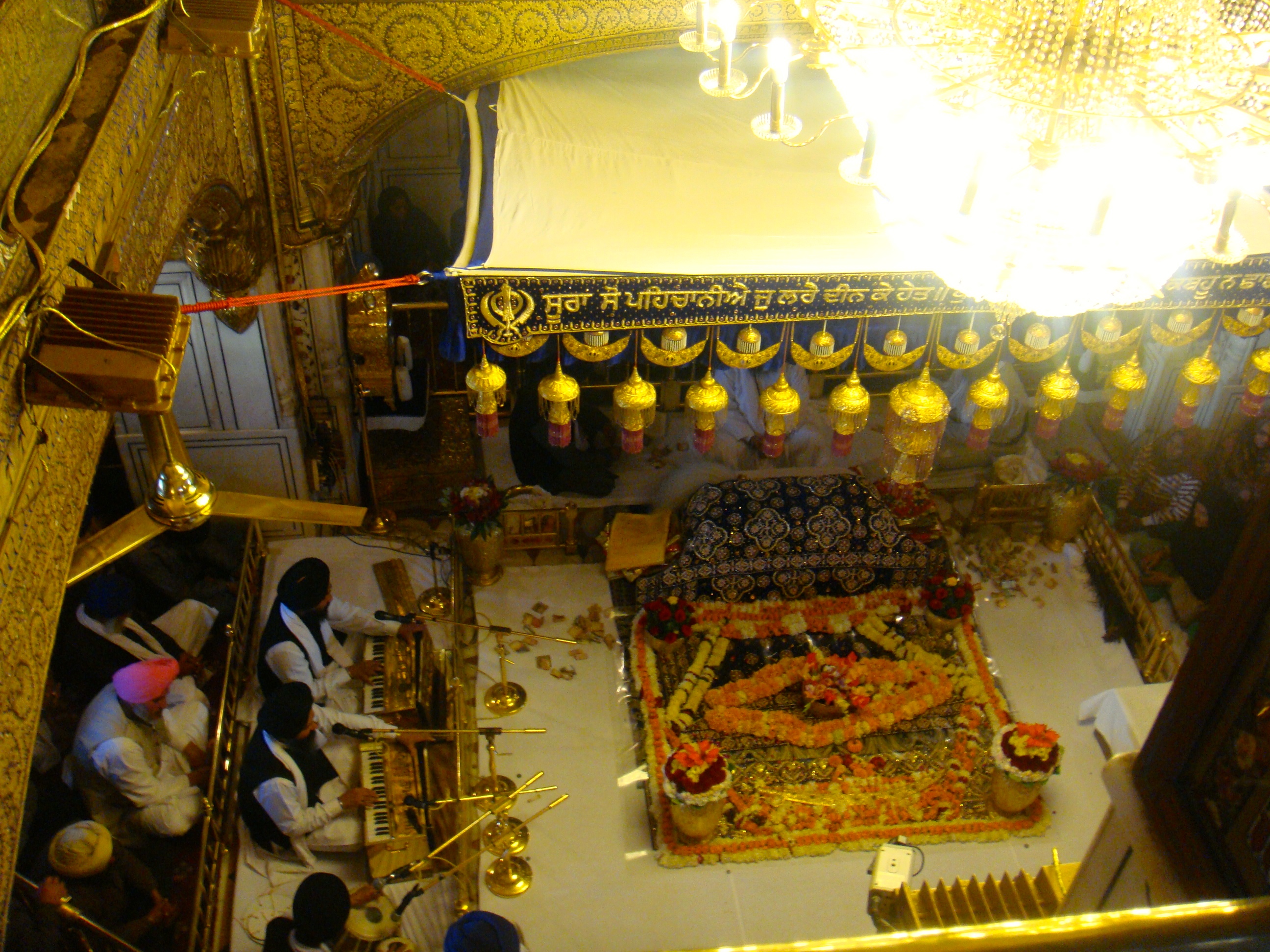
and after a lot more queuing reached the Temple. There was a group of holy men praying, the chanting and music continue all day long:

DSC01633

DSC01634

Every spare patch of floor was taken up by pilgrims sitting and reading or praying, the sight was amazing.

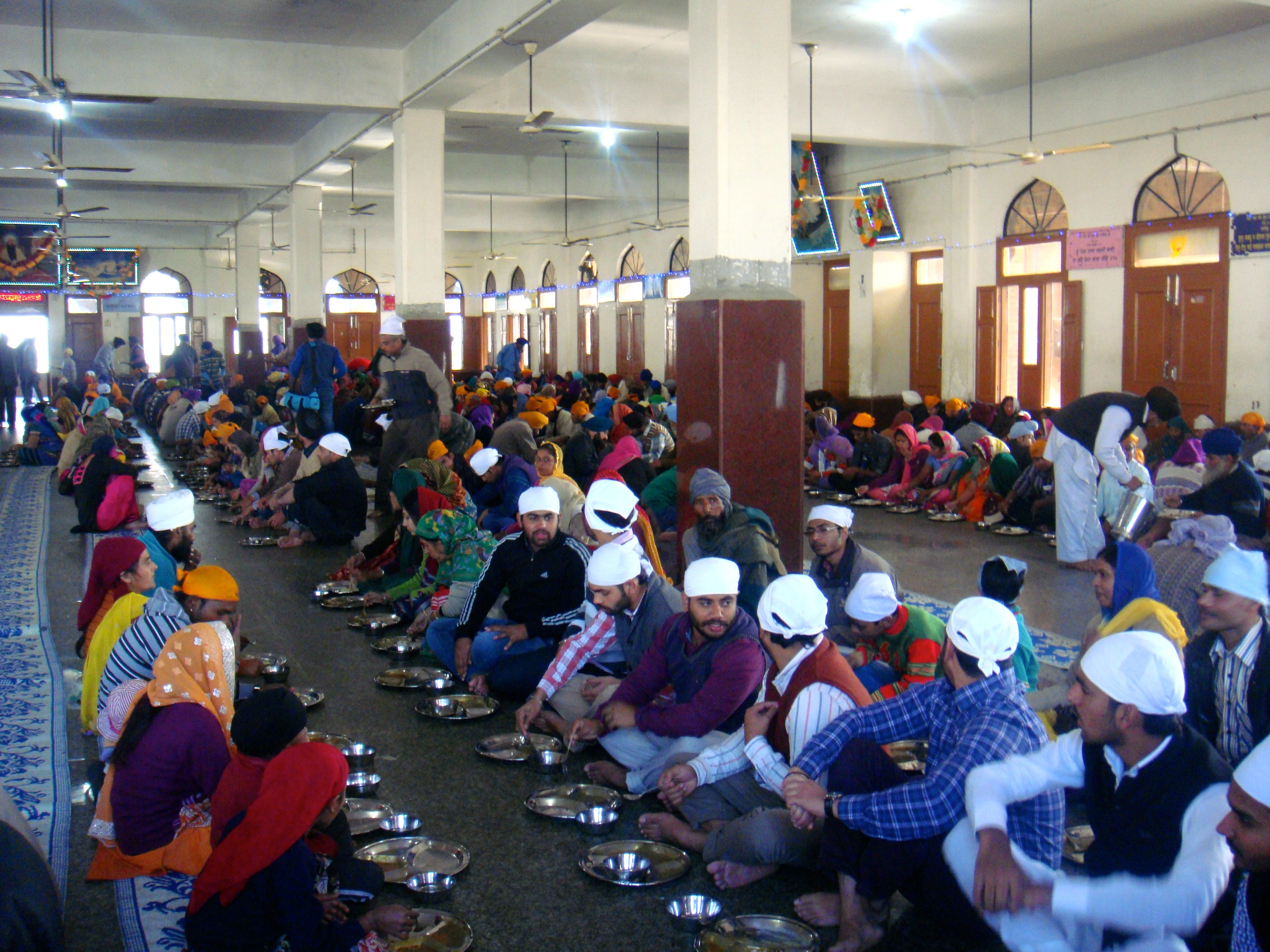
The Golden Temple, in common with all Sikh temples, serves free food all day long. We went to the “Guru Ka Langar” to try the food, what an experience! We sat cross legged on the floor alongside hundreds of other diners and had the food brought to us by volunteers:

DSC01649

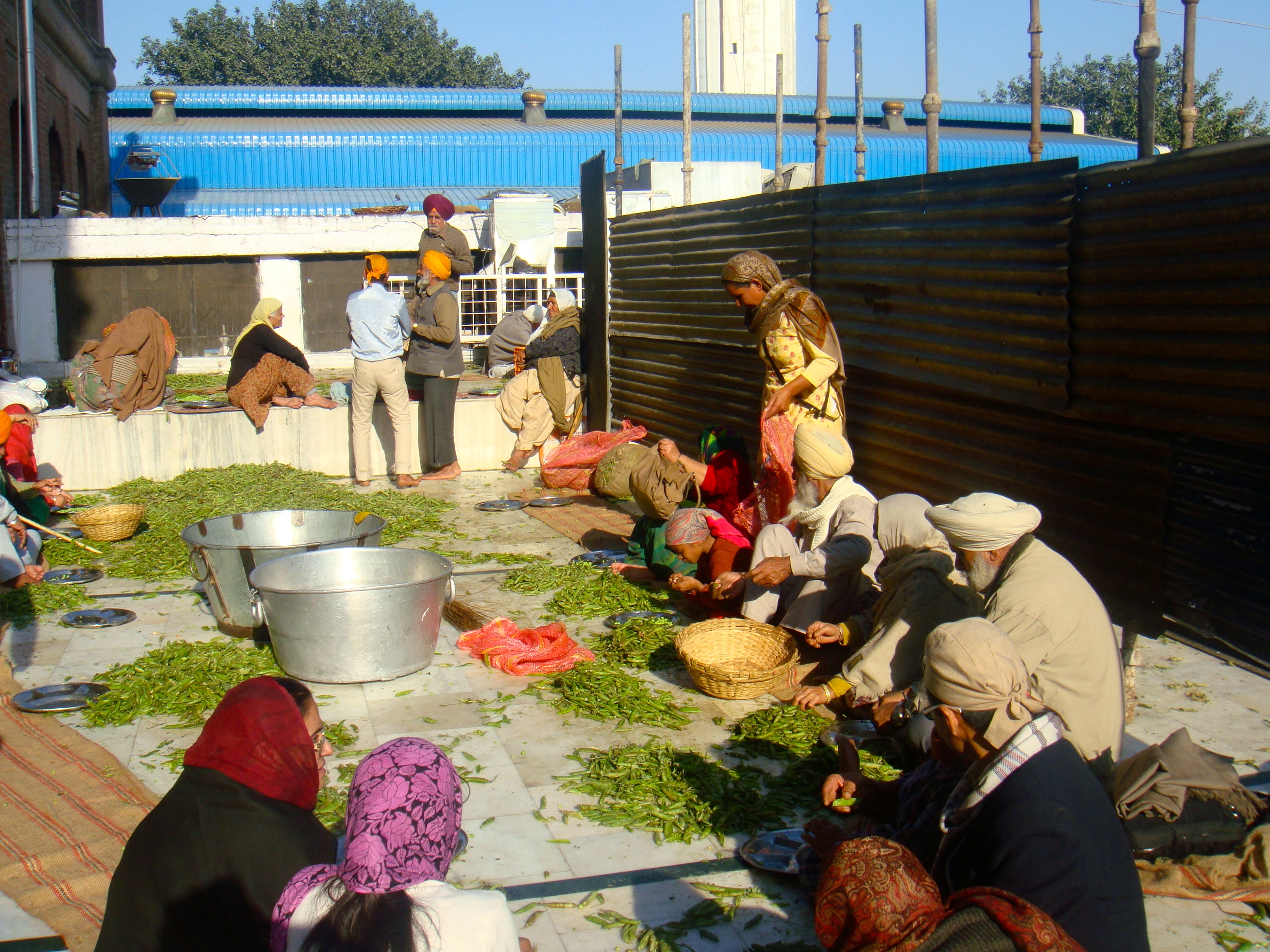
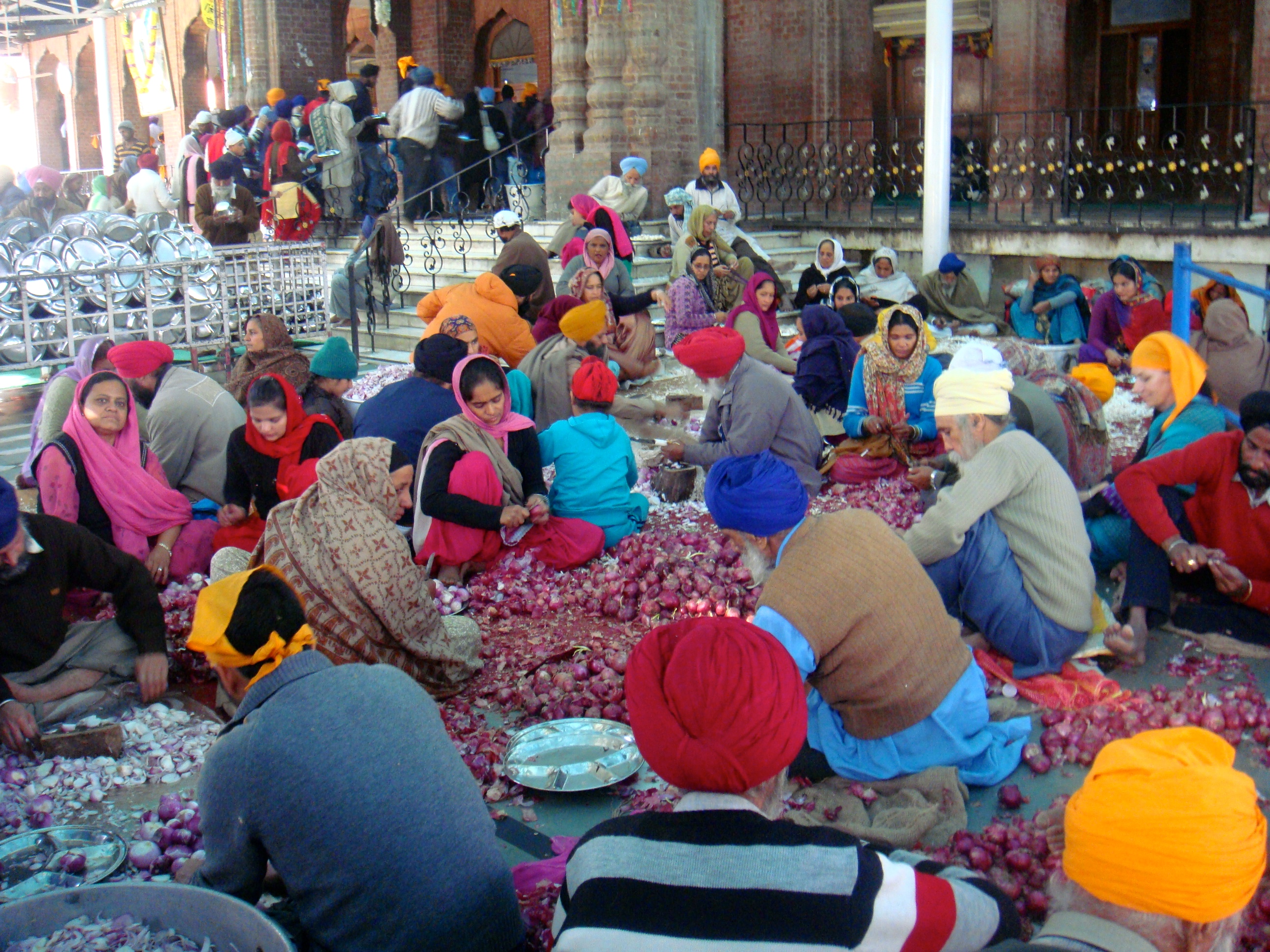
The temple serves 60-80,000 meals every day, the logistics are incredible. After we had eaten (very good food) we went past the preparation area:

DSC01650

DSC01654

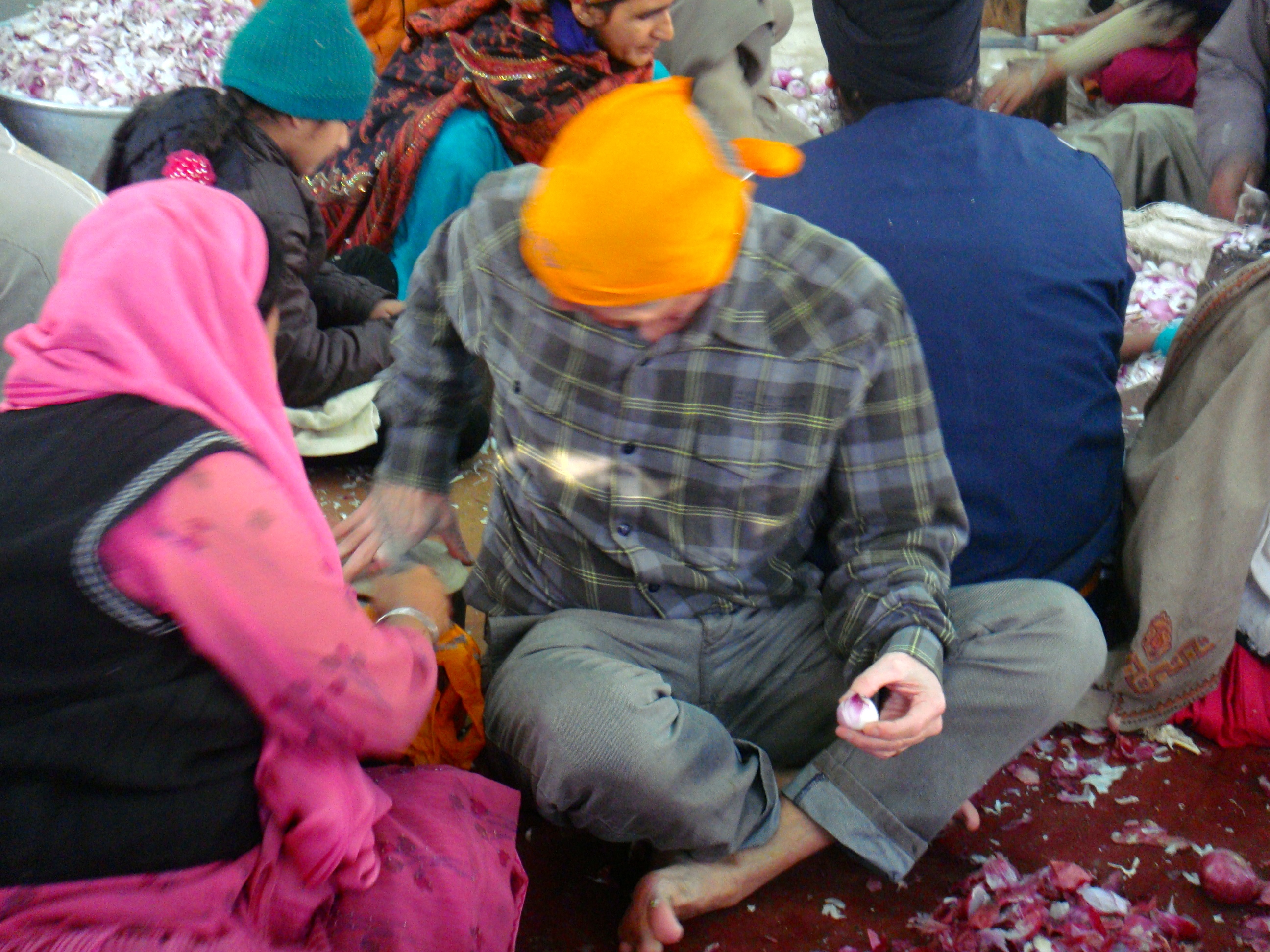
The very nice lady in pink on the left above asked me if I would like to help, so I did:

DSC01655

In my hand is one of the three onions I managed to slice before I started crying and retired gracefully!

We also went to learn about the story of Sikhism as told by the temple museum, and a very gory story it was!

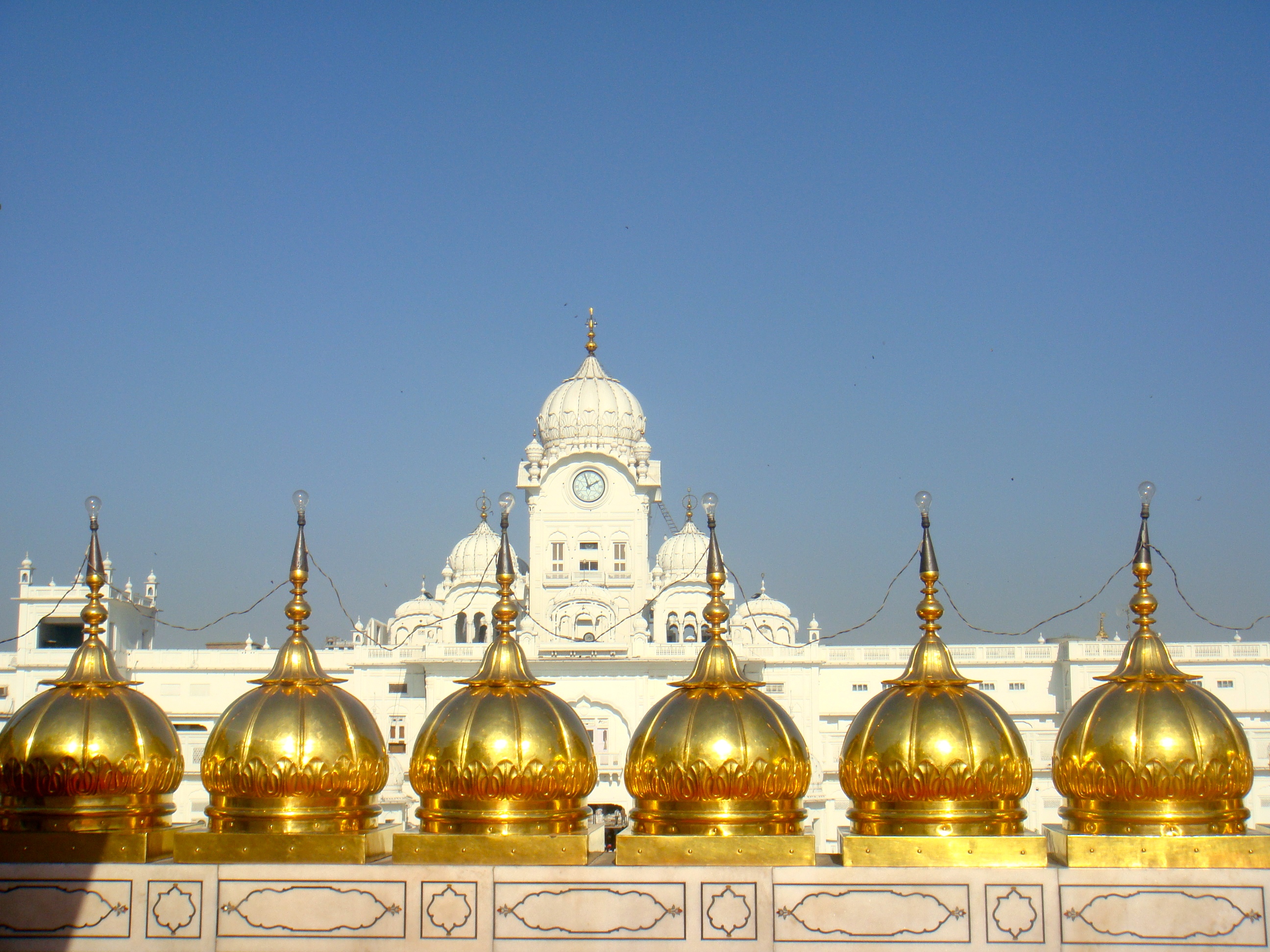
The Golden Temple has been the highlight of our trip so far, we loved it! So here’s one final picture:

DSC01635

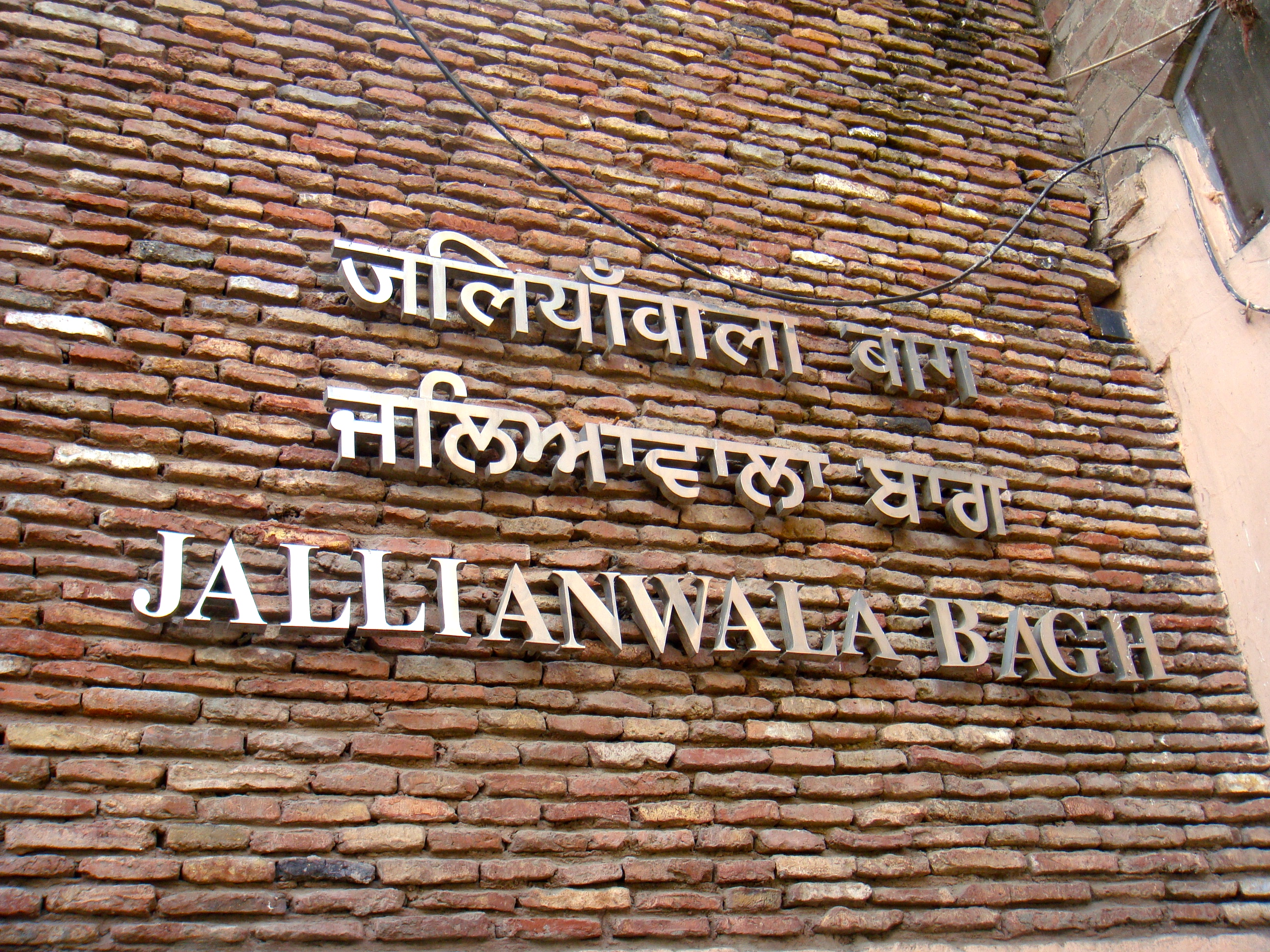
Very close to the Golden Temple is Jallianwala Bagh. Bagh means garden and the Jallianwala Garden is central to India’s fight for freedom. I have known the tragic history of Jallianwala Bagh for some years and have wanted to visit ever since.

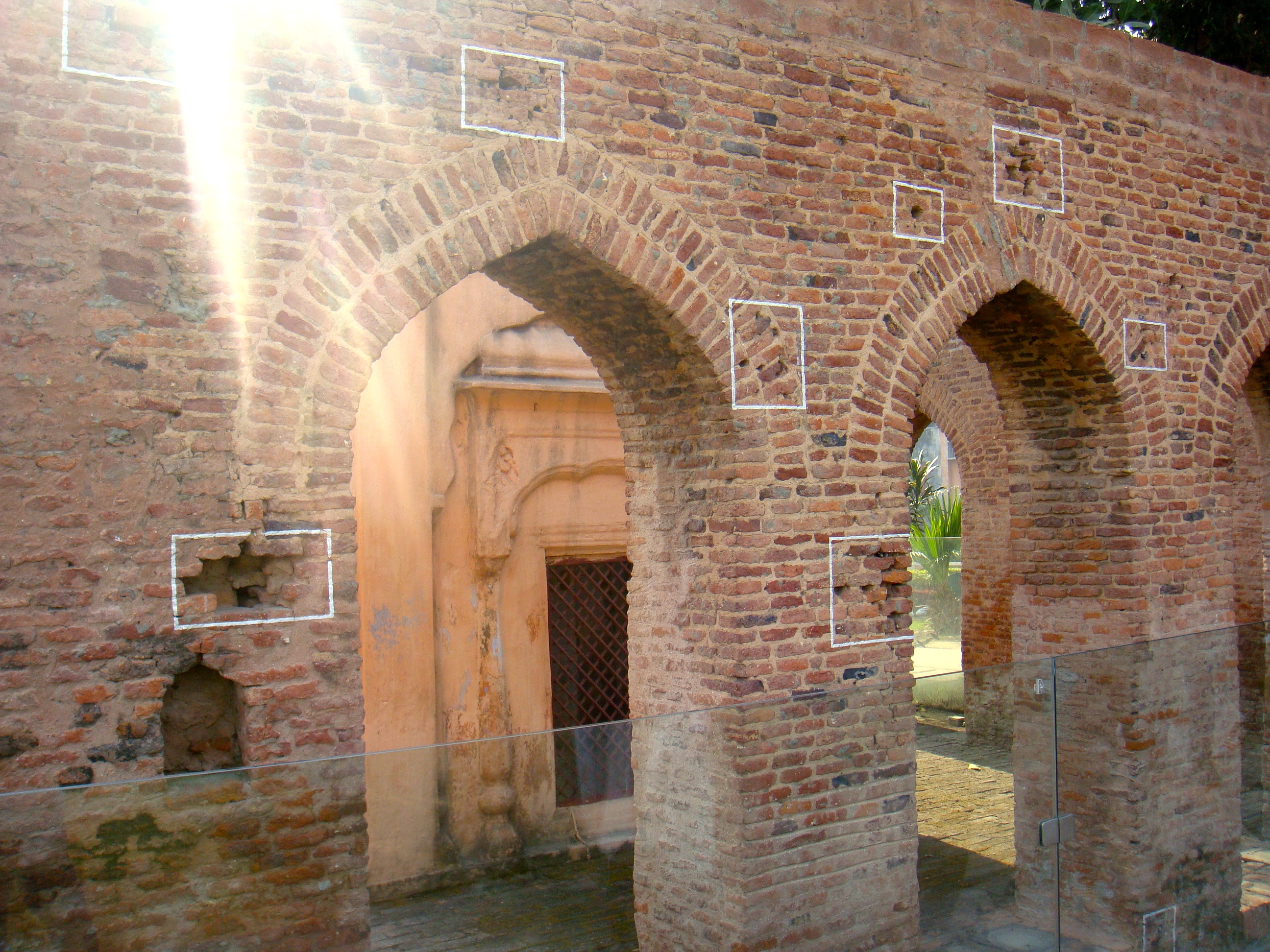
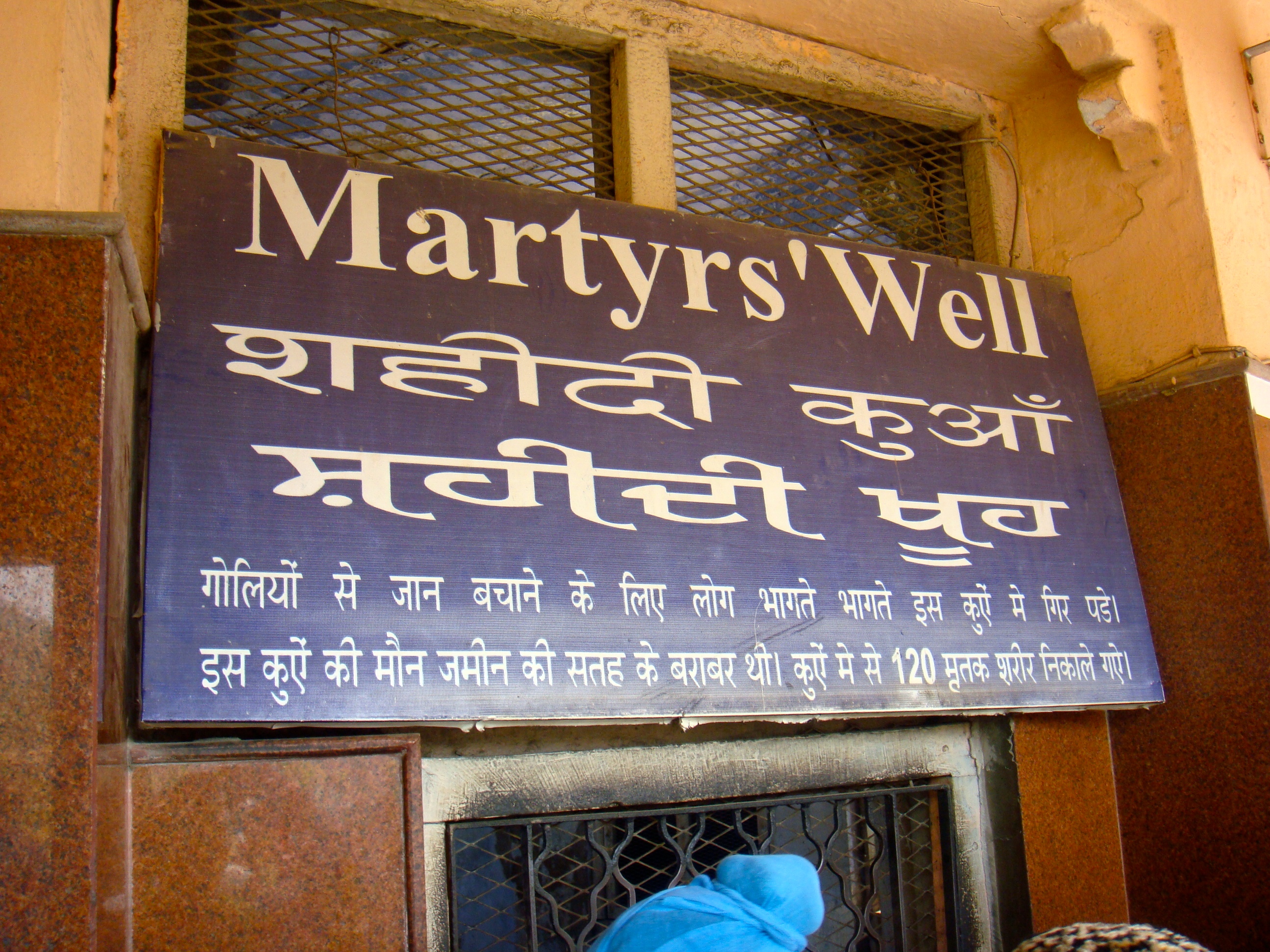
Briefly the history is that in early 1919 tensions had been growing between the Indian population and their British rulers; the British officers were suspicious and always fearful of a native revolt. In this climate the British passed the Rowlatt act which authorised emergency measures including imprisonment for up to two years without trial. Tensions escalated in April causing the British to ban large public gatherings (although this was not effectively communicated to the Indian population). On April 13th there was a gathering of fifteen to twenty thousand Indians at Jallianwala Bagh. The local Raj Commander, acting Brigadier-General Dyer, heard of the gathering and descended on the Bagh with a force of ninety soldiers. Dyer blocked all exits and, without warning, ordered the soldiers to fire on the crowd. The ensuing carnage left around one thousand people dead, many had jumped into a well in the park from which one hundred and twenty bodies were later recovered.

Dyer was initially praised (although not by Churchill or Asquith) but within a year the Hunter commission, set up to investigate the massacre, had condemned his actions. He was relieved of his command, retired in 1920 and died in 1927 (He is buried in the Church of St. Martin in the Fields in London).

The garden at Jallianwala was established in 1951.

DSC01670

DSC01687 Bullet marks.

DSC01677

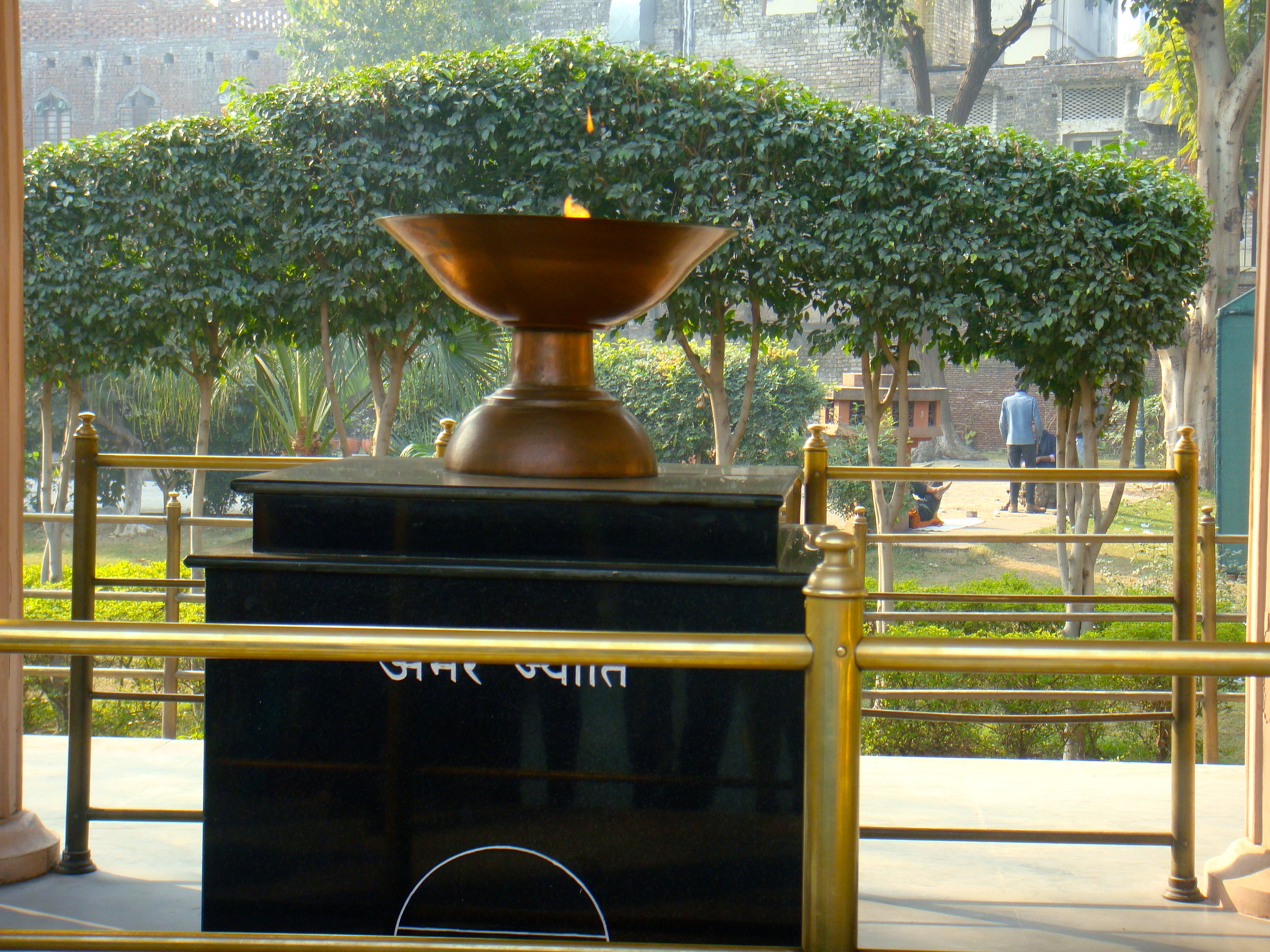
DSC01674 The eternal flame.

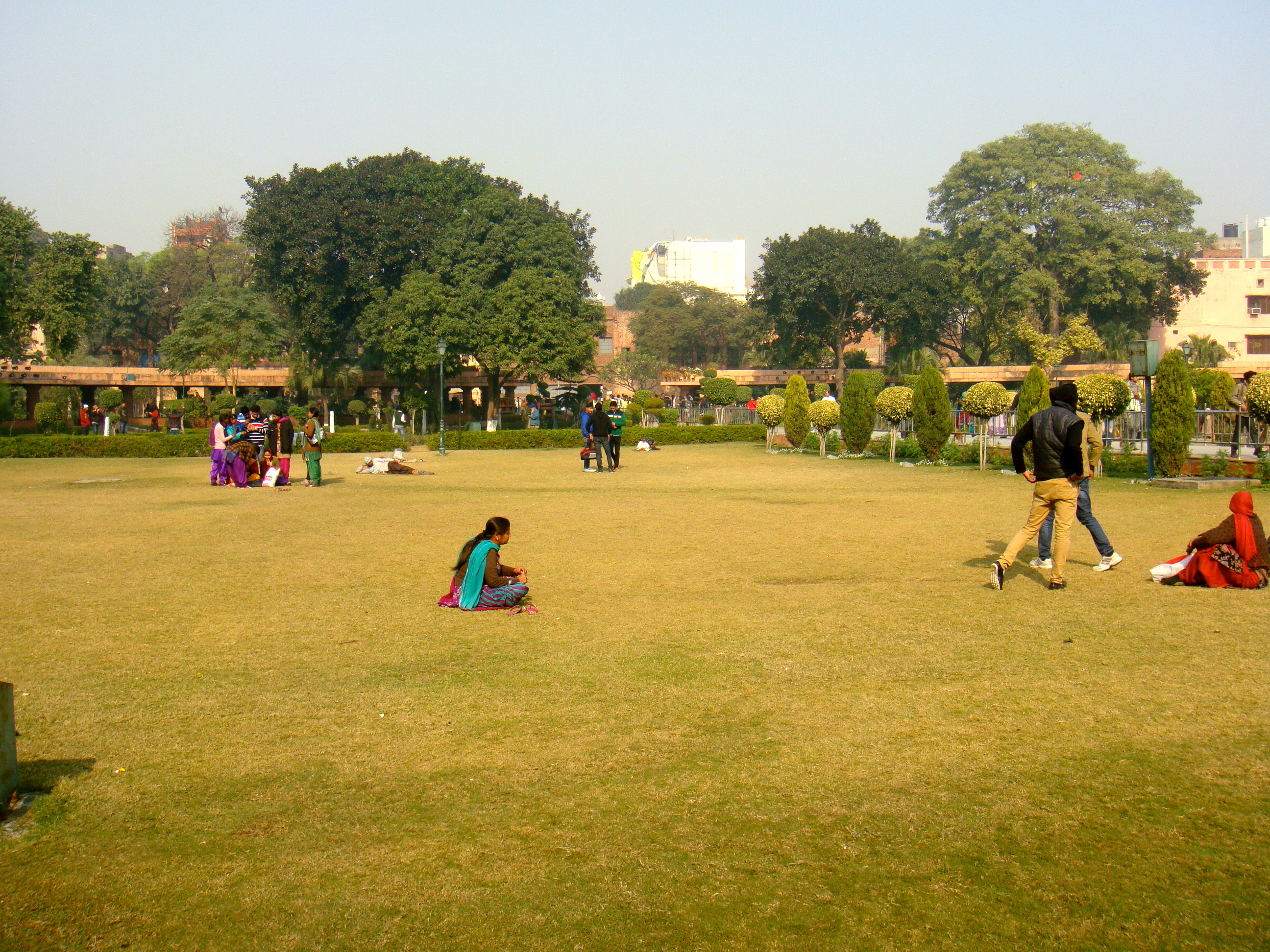
DSC01688 Peaceful today.

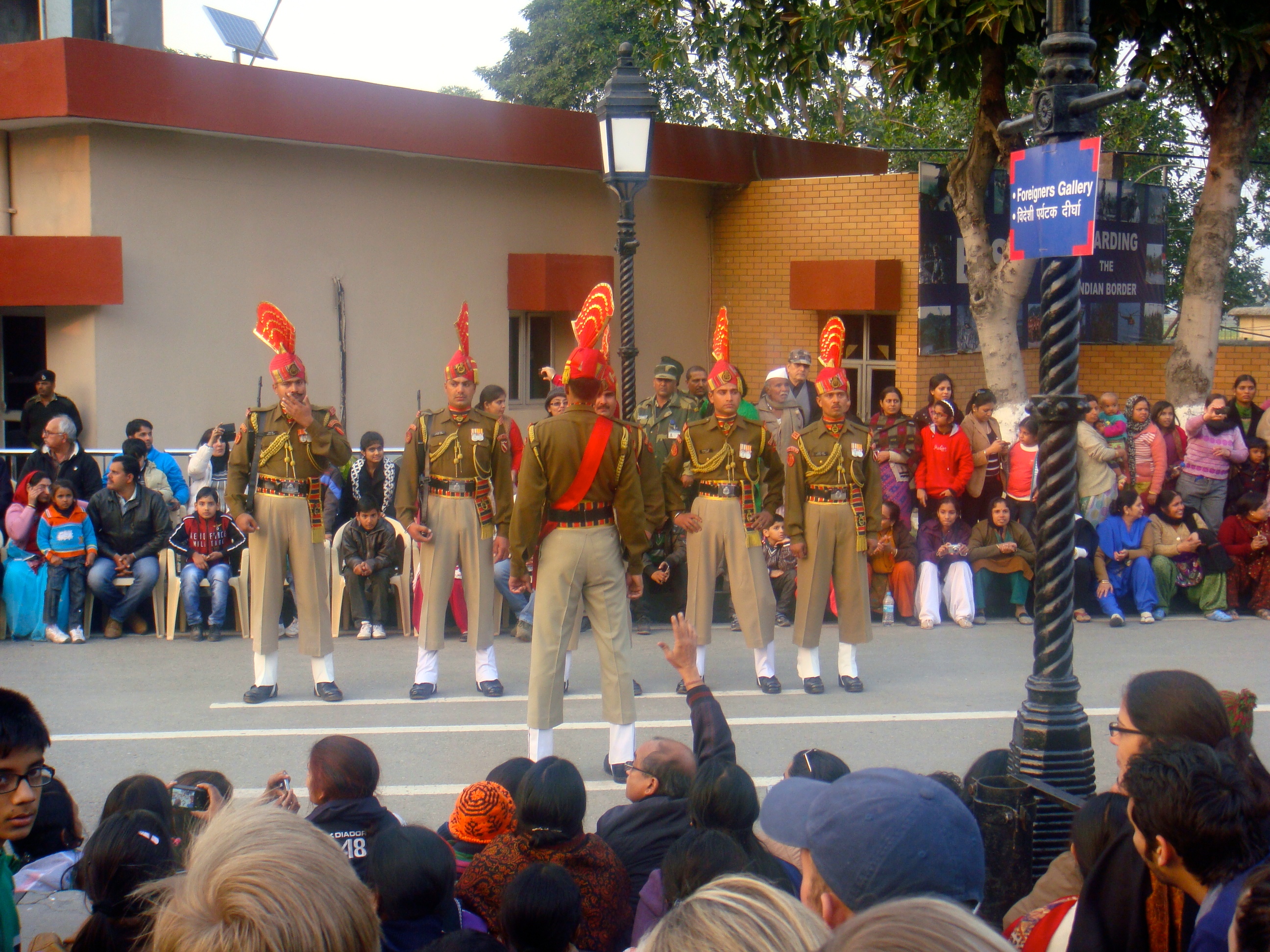
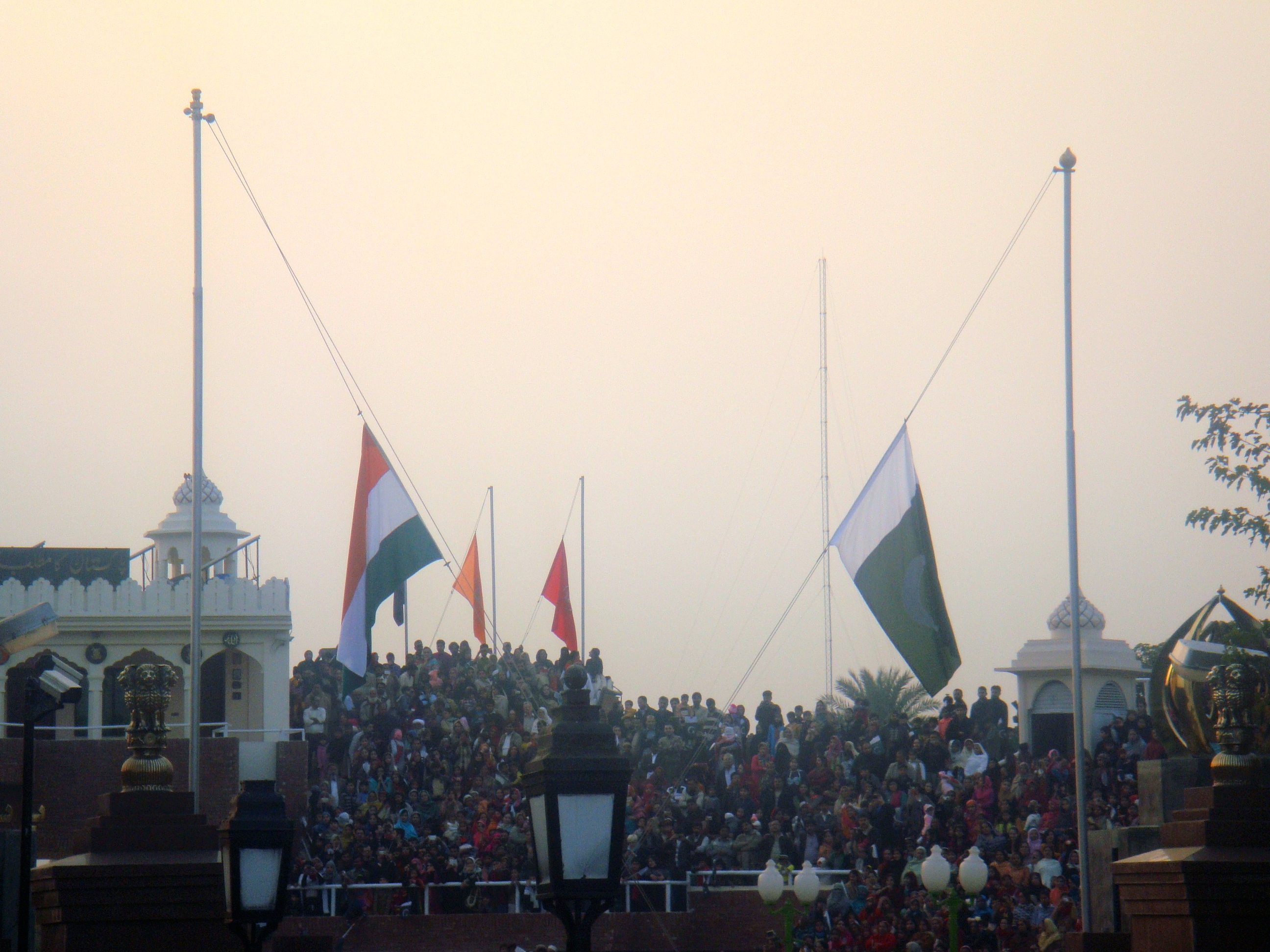
Our final visit was to see the India/Pakistan border ceremony at Wagah. The ceremony takes place every evening and is superficially about lowering the flags of the two nations at the close of the day. In truth it’s choreographed light hearted aggression. The flag parties on each side of the border perform a staged display which reminded me more than a little of the All Black’s Haka! They face up to each other and their movements show contempt for their counterparts across the divide. The huge crowds are fired up by a cheer-leader! After a lot of theatre the flags are lowered and everyone goes home! All jolly good fun!

DSC01708

DSC01719

DSC01723

If you want to see the display here’s a good clip:

So that was Amritsar, what a great place! Tomorrow we head back to Rajasthan.

Srinagar, and back to Udhampur

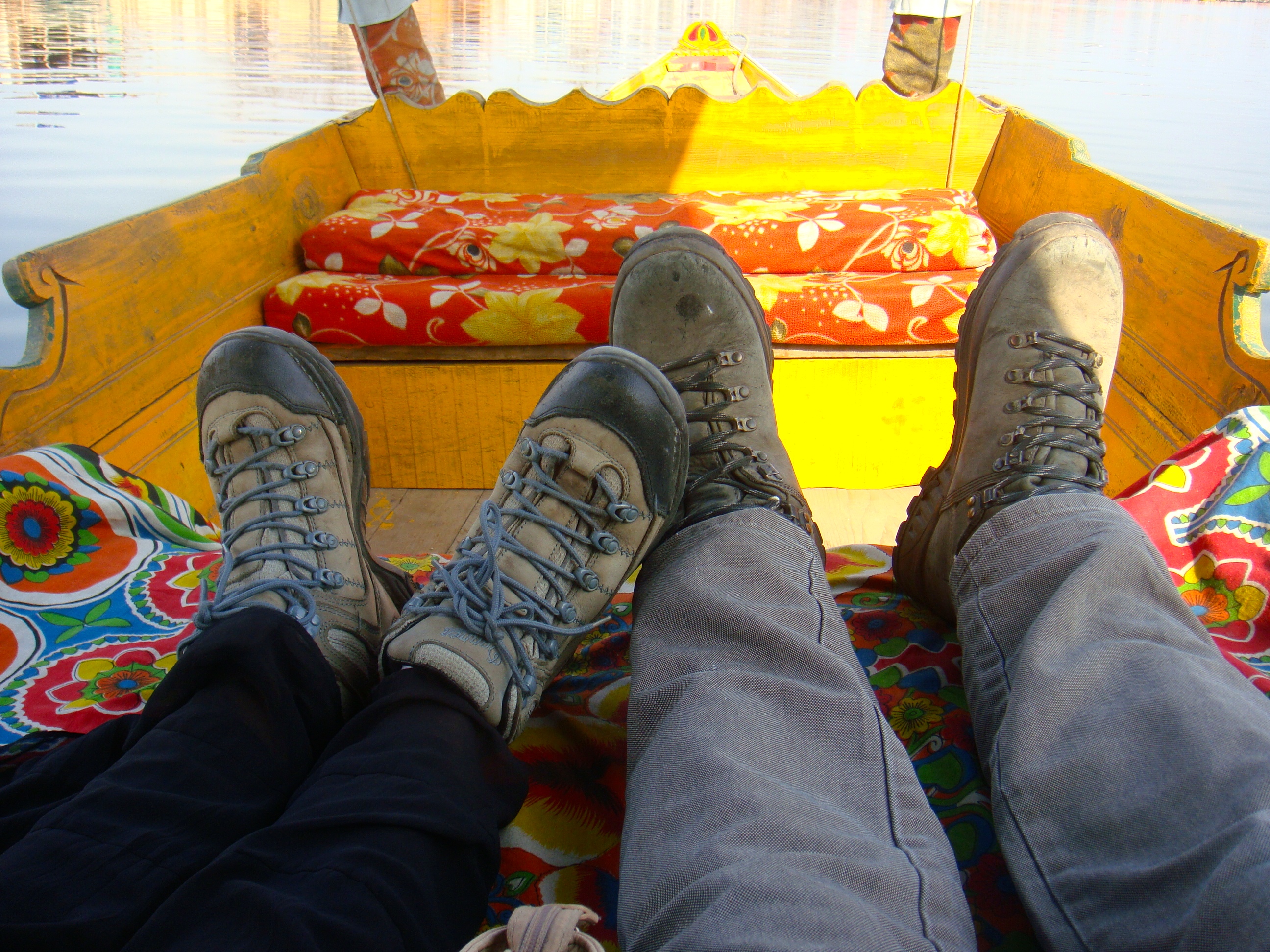
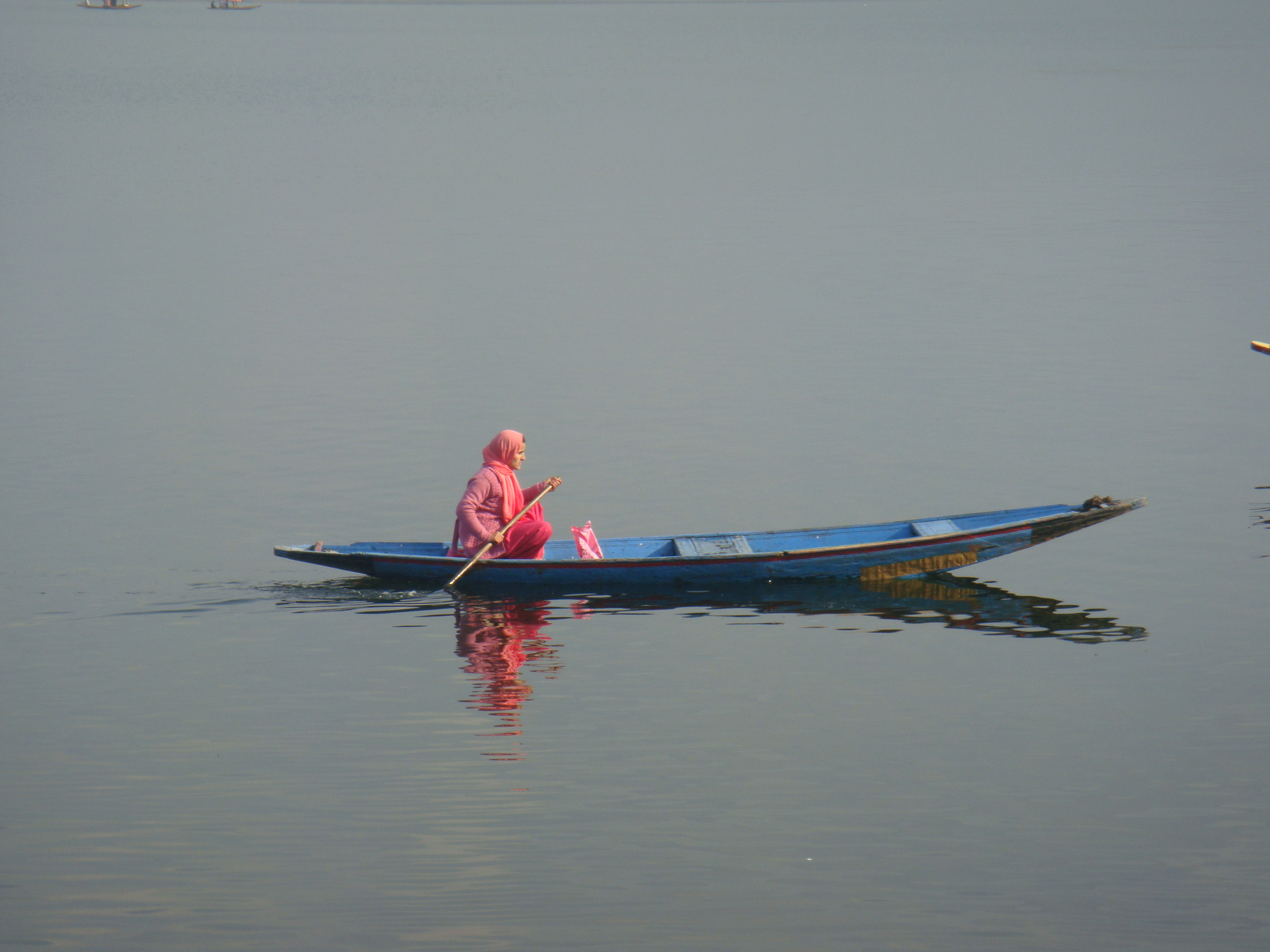
So we had just a couple of days in Srinagar which was a good thing because it was bloody freezing! Braving the cold we went for the compulsory Shikara ride on the lake but opted for a shortened one hour version which in the end we shortened still further! Anyway it was all very pretty, here are our feet relaxing!

DSC01536

That’s the last picture of my boots, the next day the sole fell off one of them!

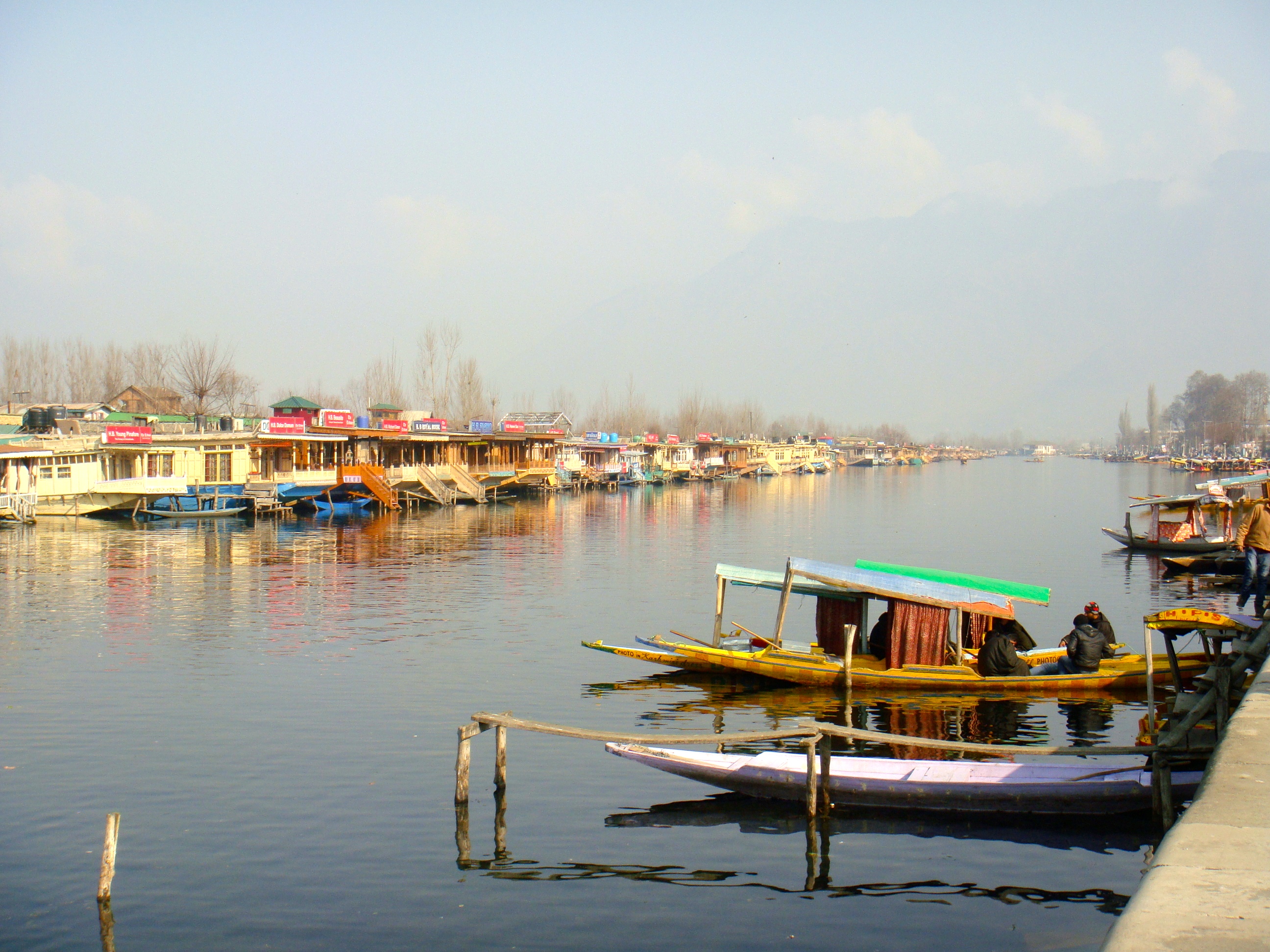
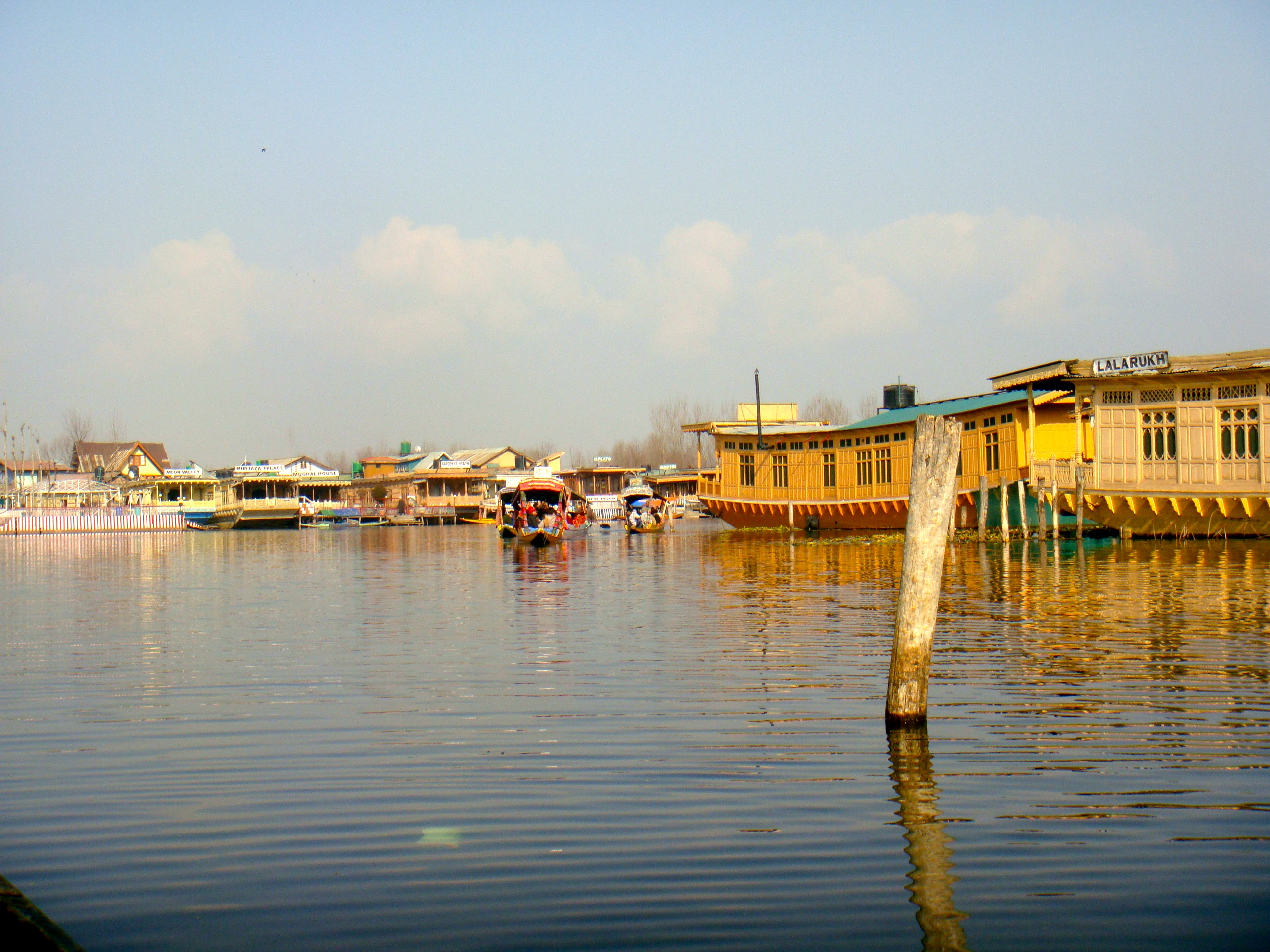
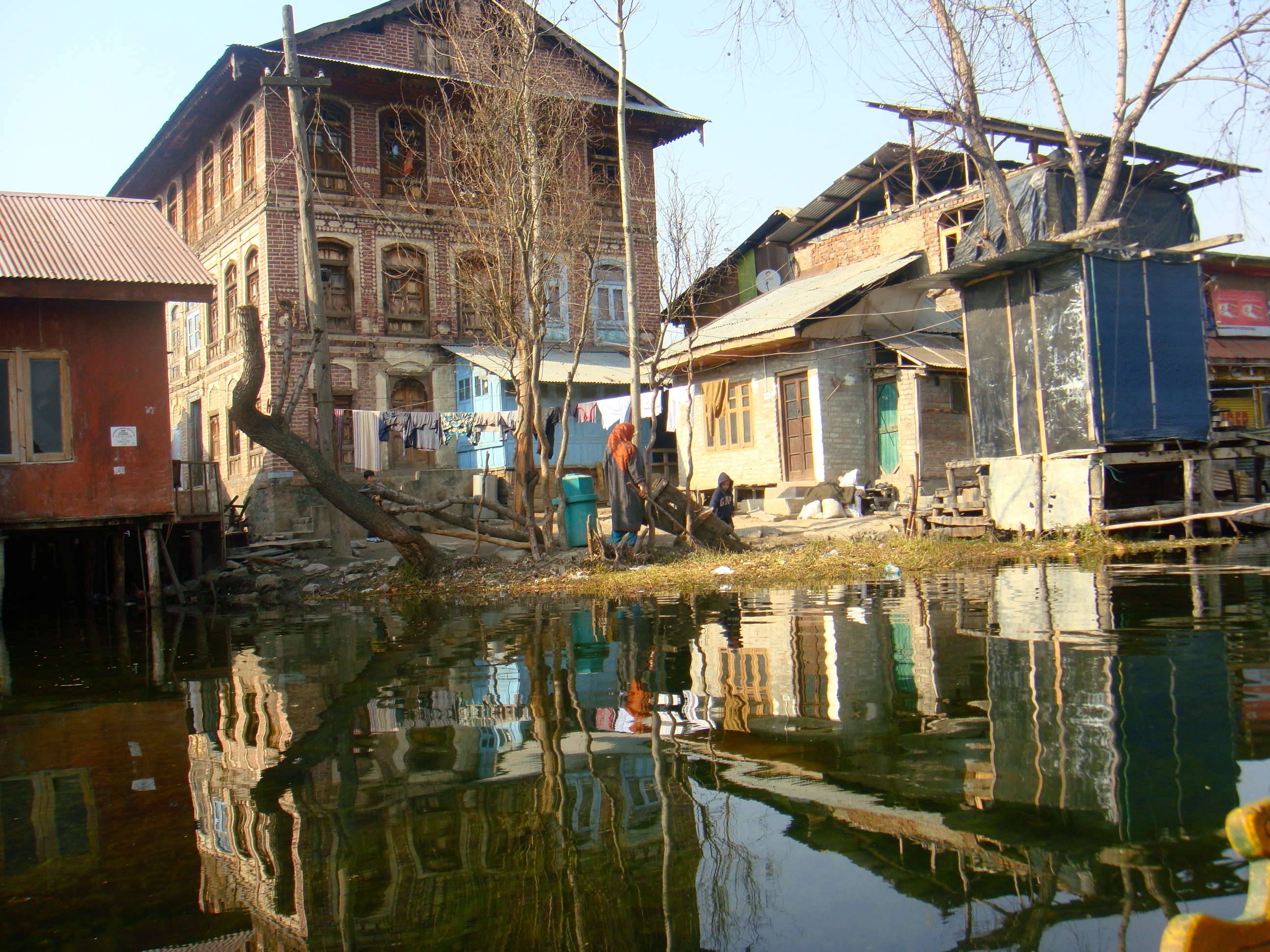
The lake was certainly scenic and must be a dream in Summer:

DSC01533

DSC01538

DSC01537

DSC01543

Anyway after fifty minutes we decided we’d be warmer walking and had the Captain drop us off, here’s the Captain:

DSC01535

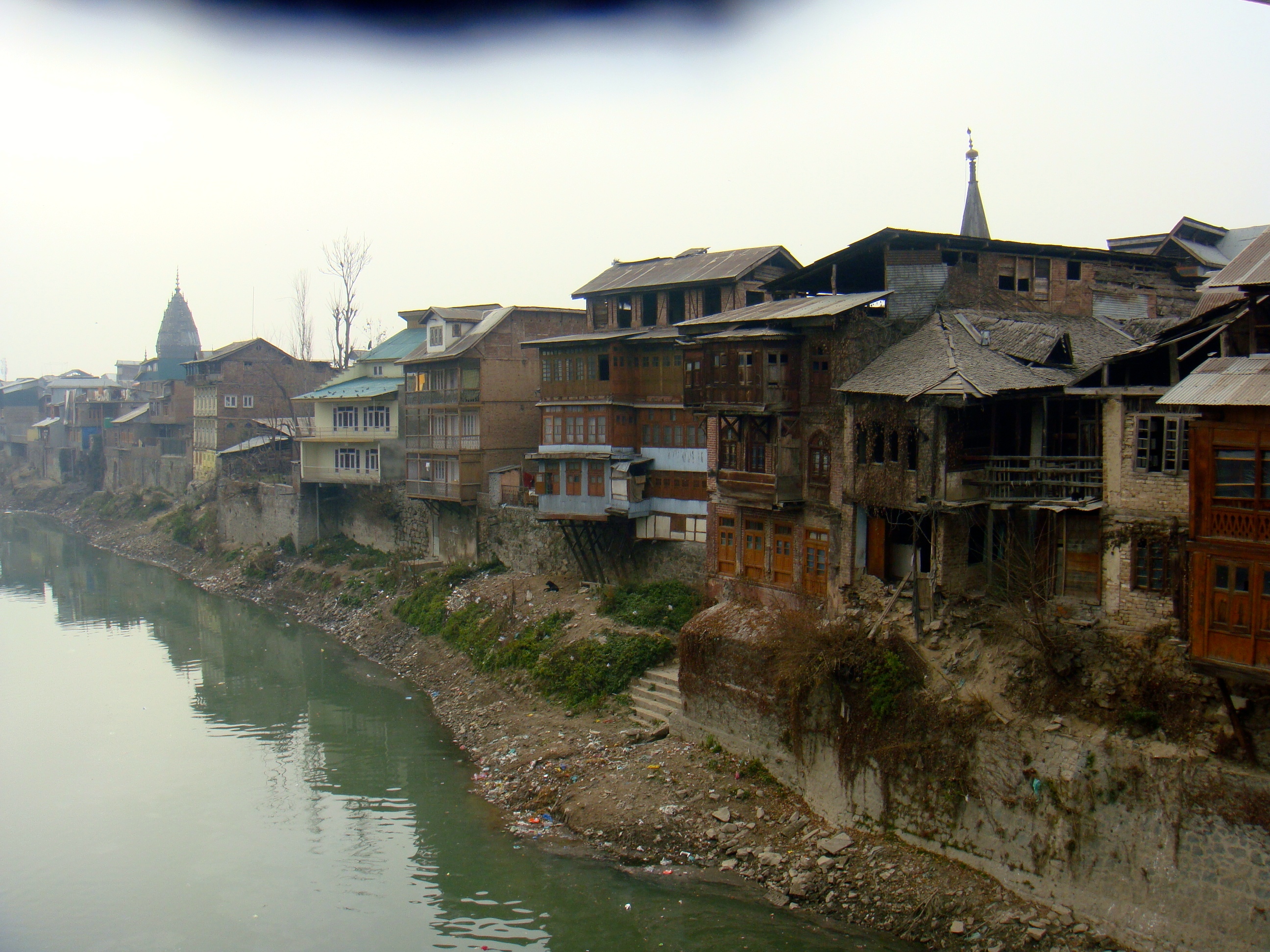
After the lake we went to the Old Town:

DSC01548 Spot my glove finger!

DSC01550

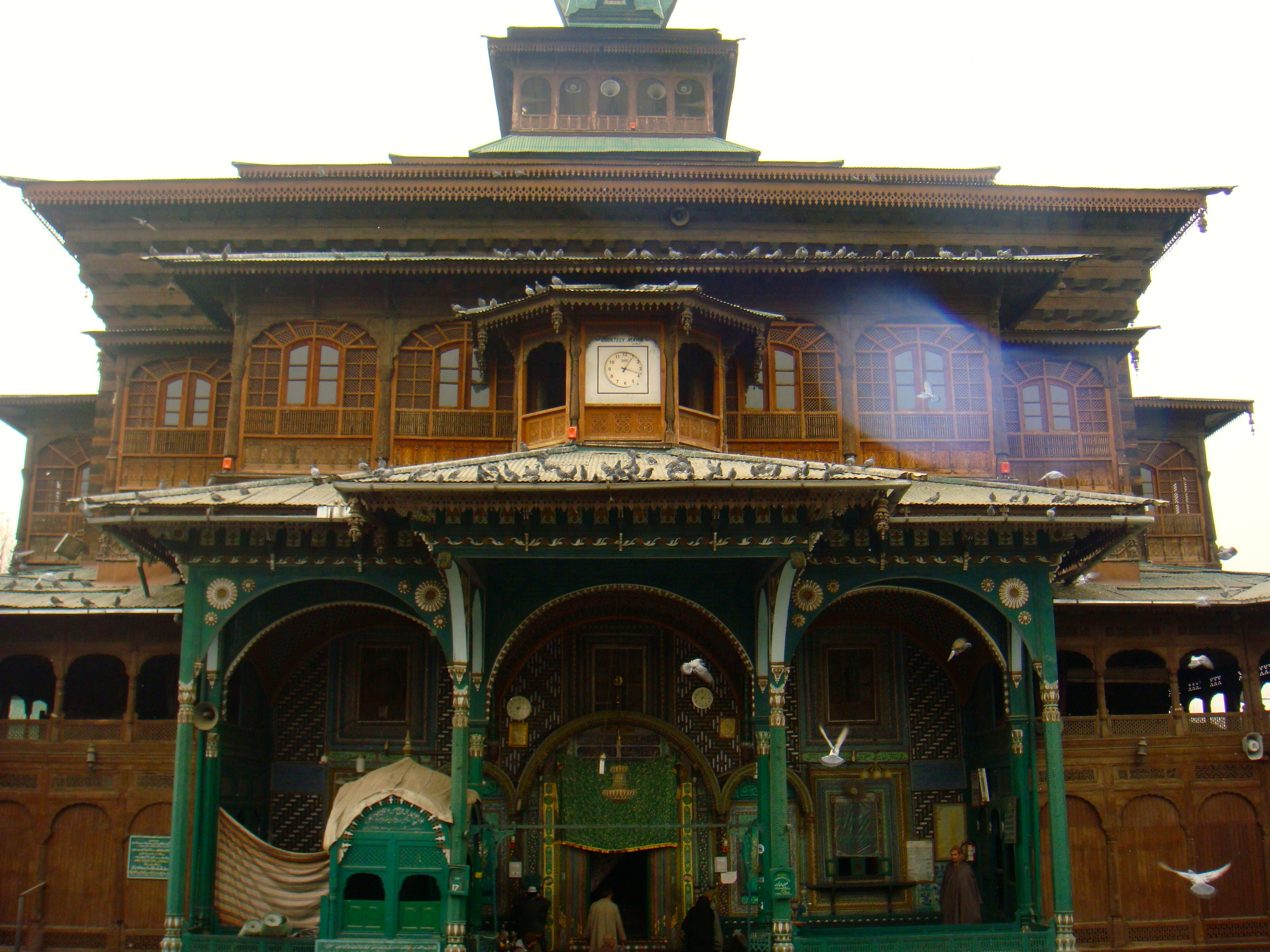
The next day we went to see the most famous of Srinagar’s several mosques:

DSC01552

DSC01556

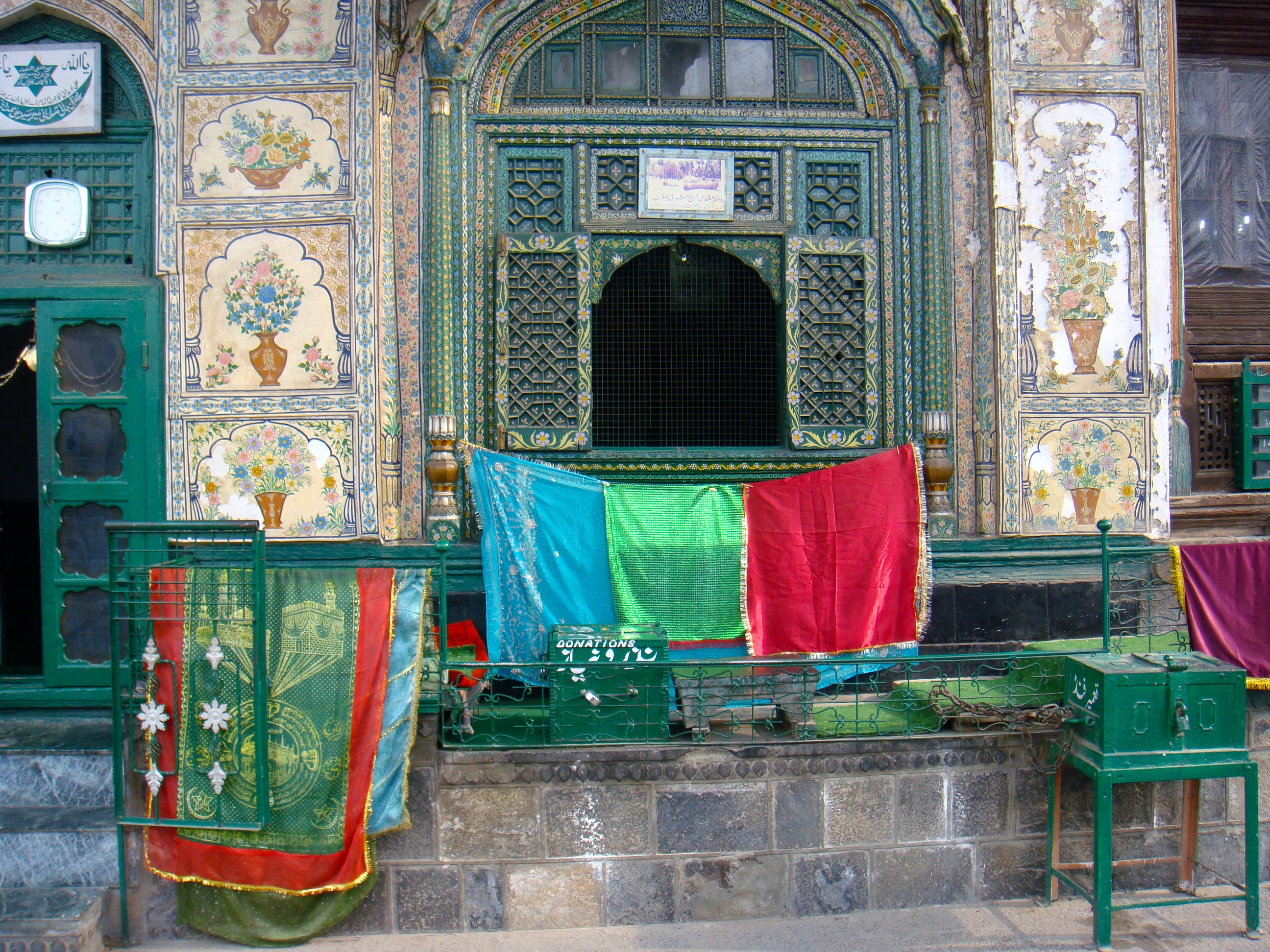
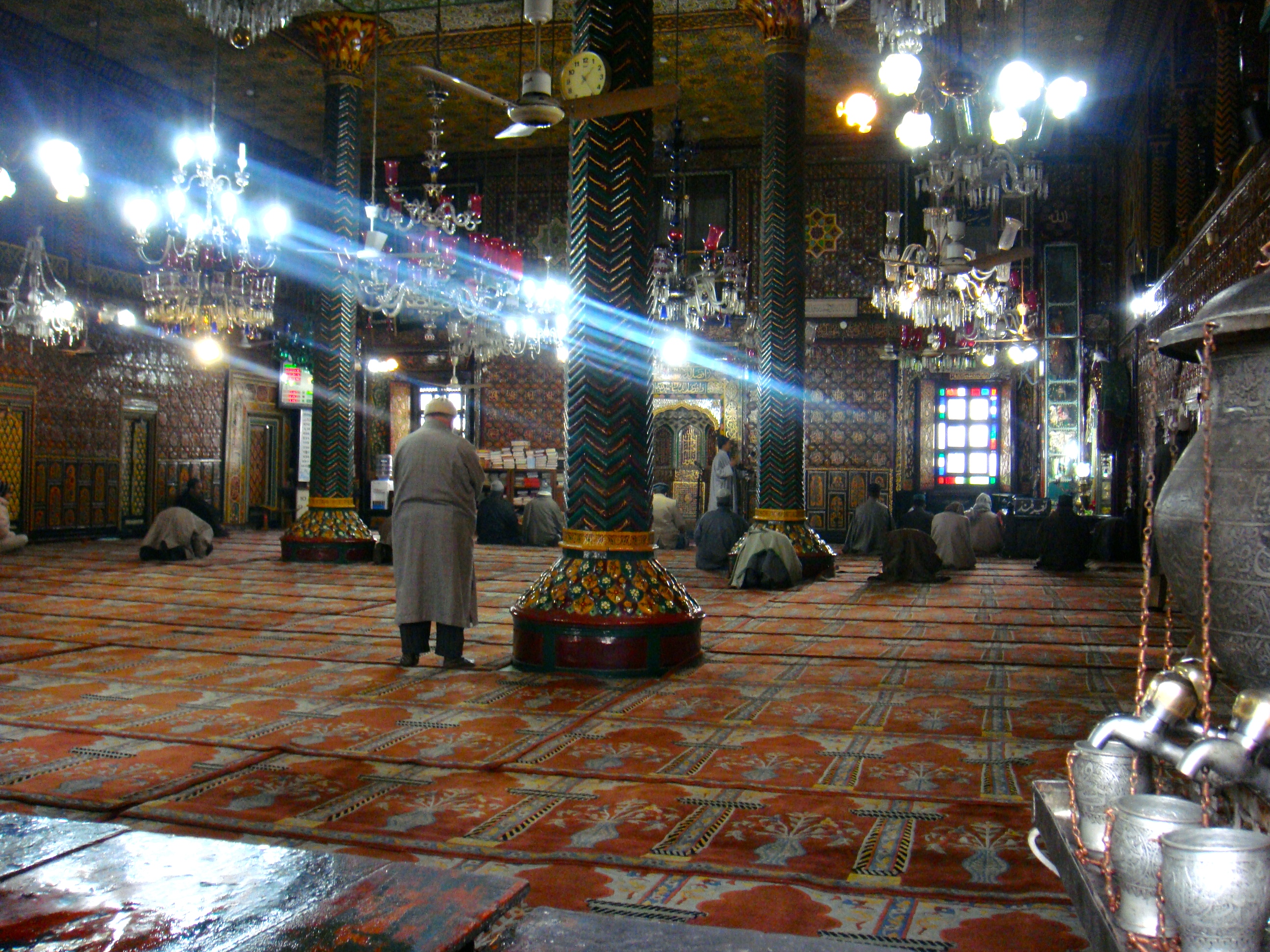
Non-Muslims were only allowed to look through a small viewing window but the sight was amazing:

DSC01558

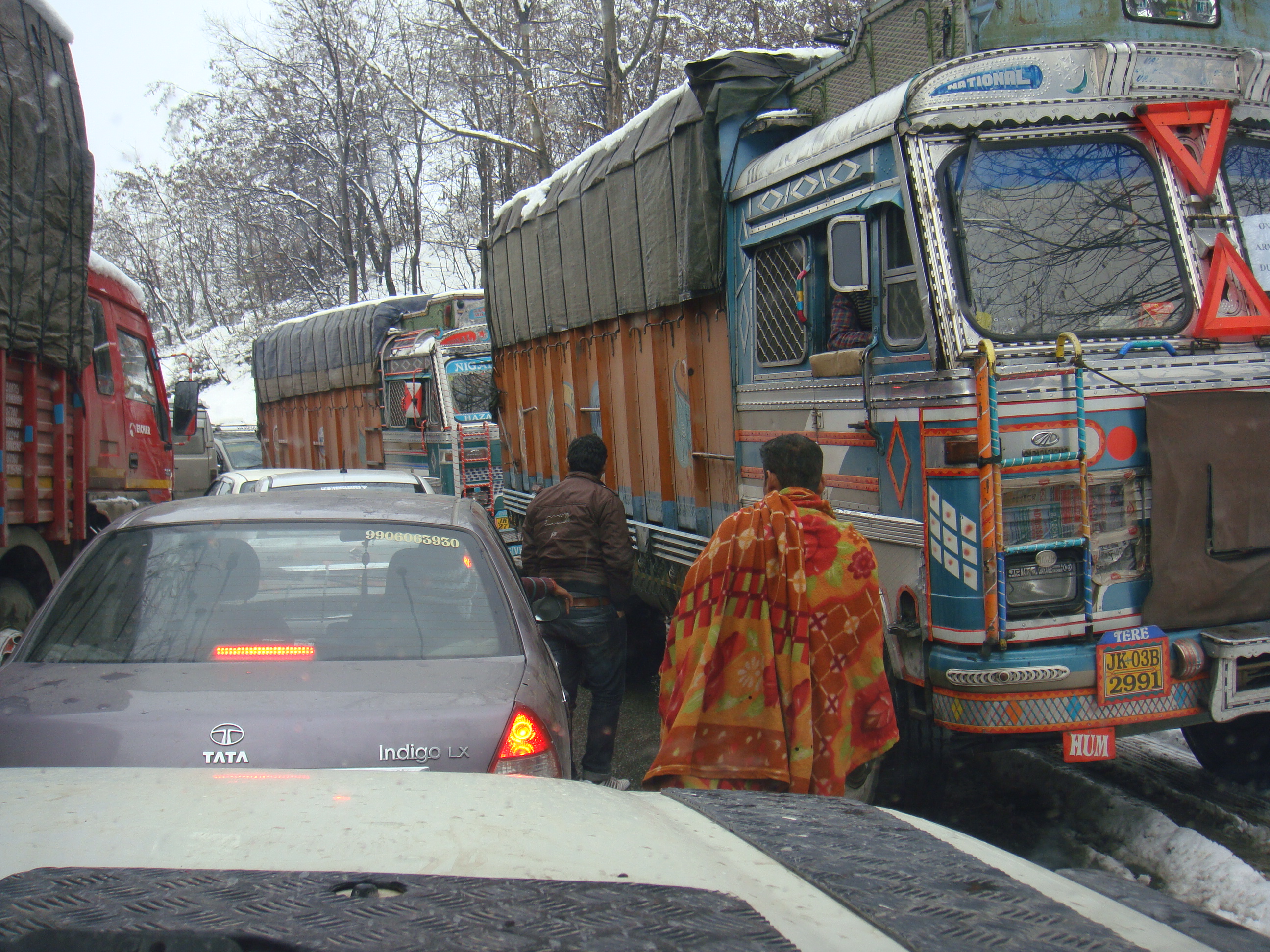
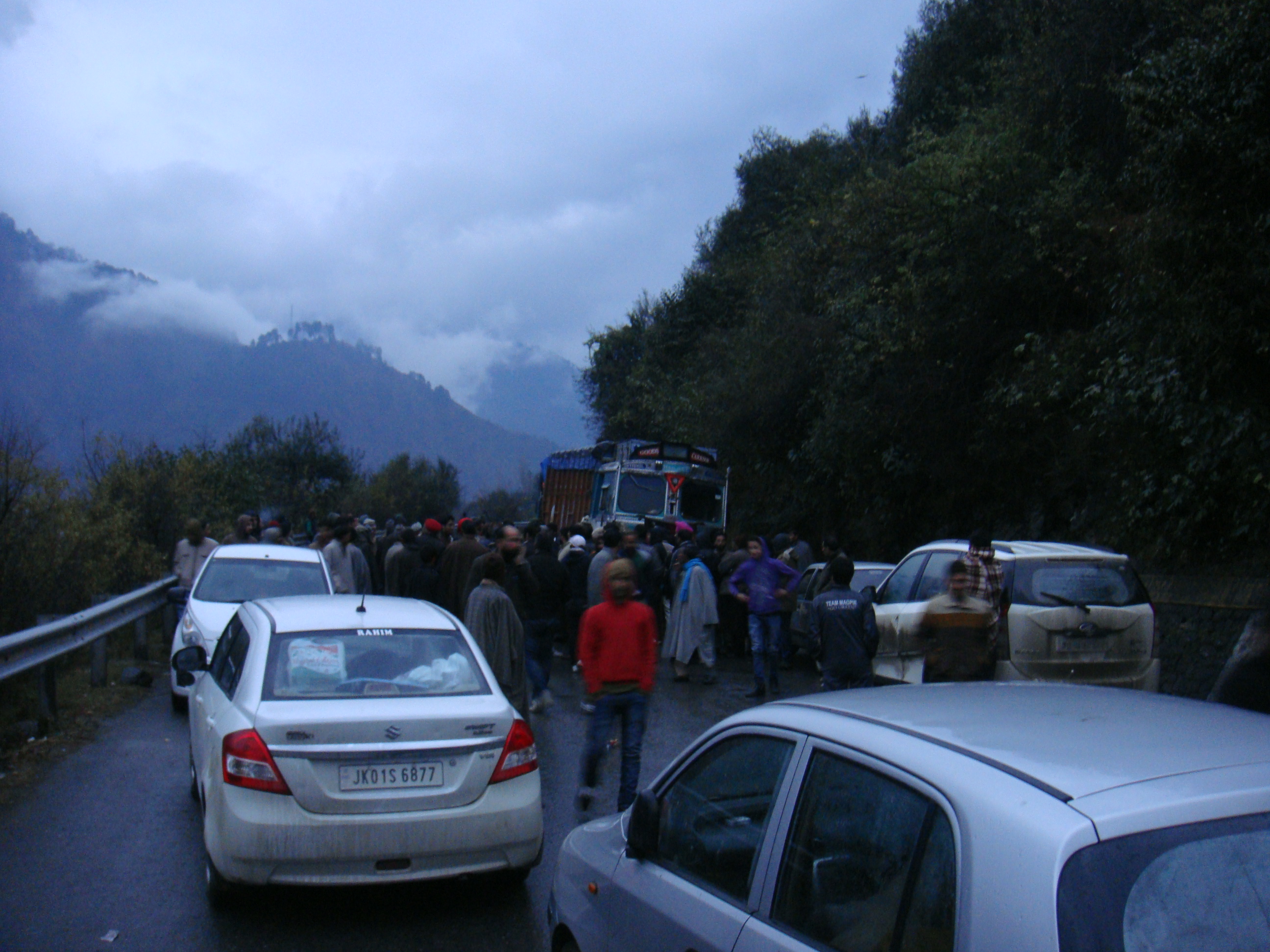
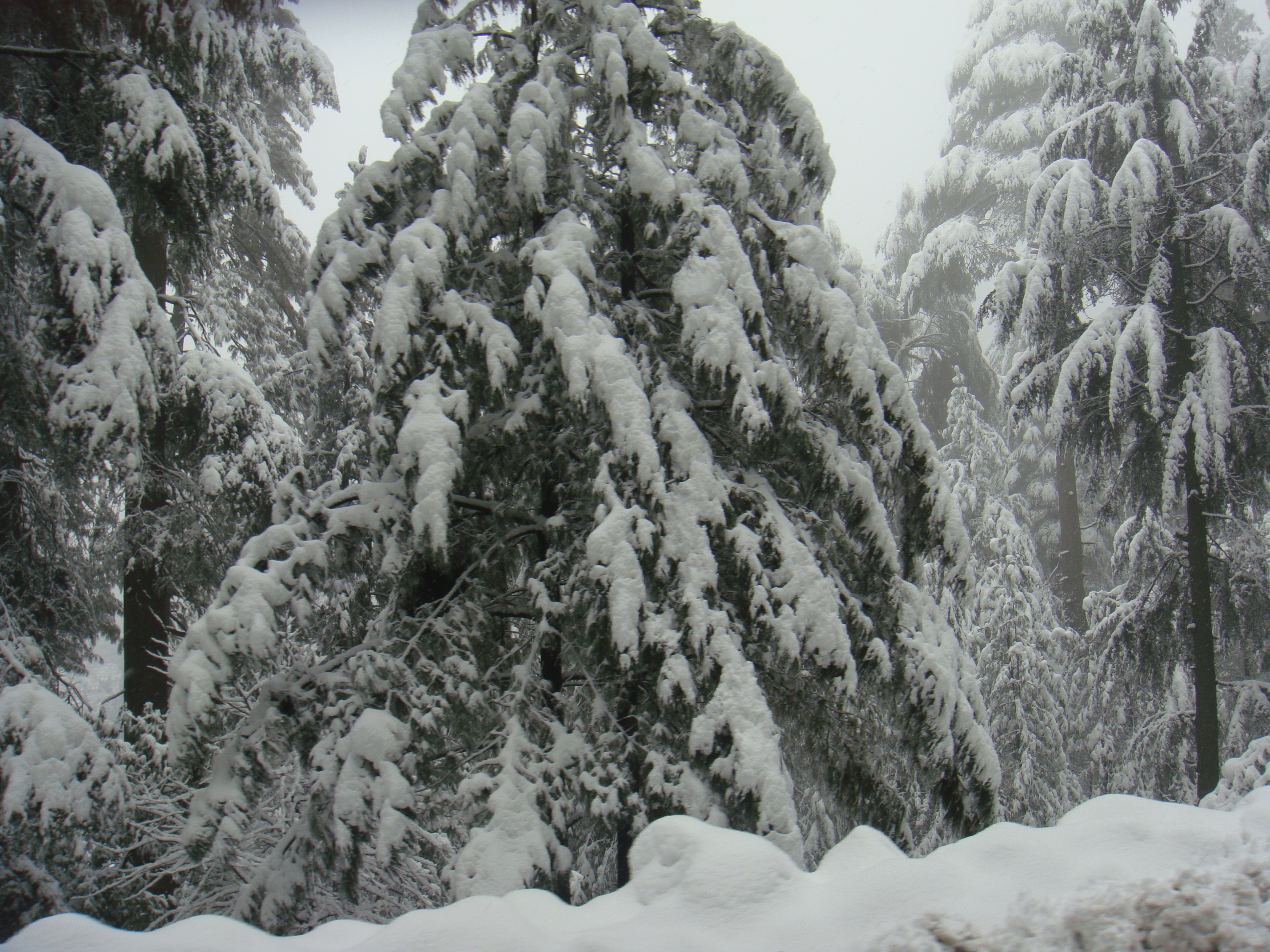
We left Srinagar at about 10.30am for the drive back down the valley, all went well for a while but then it started to snow and suddenly we were caught in a huge traffic jam:

DSC01566

We soon discovered that although many Kashmiris don’t speak English they all know the word “Jam”! We went from one jam to another, the common feature being that everything stops with vehicles completely filling both lanes (so four lanes of vehicles in two lanes!) and then ensues a prolonged period of jostling vehicles to create small gaps to release the jam. This is happening all the way up and down the jam at the same time. An aerial view would be fascinating!

Eventually you reach the front of the jam and head off to the back of the next one – all day long! In the end the police closed the road completely and said that everyone would have to stay where they were until morning!

Luckily we were well equipped so we just put the roof up and made the bed! We also enjoyed a couple of wonderful cups of tea courtesy of the Pifco mini water boiler our dear friends Derek and Tillie had the foresight to lend to us.

The next morning came the morning meeting during which I discovered that many people had spent the last two nights stuck on the road so we were lucky!

DSC01573

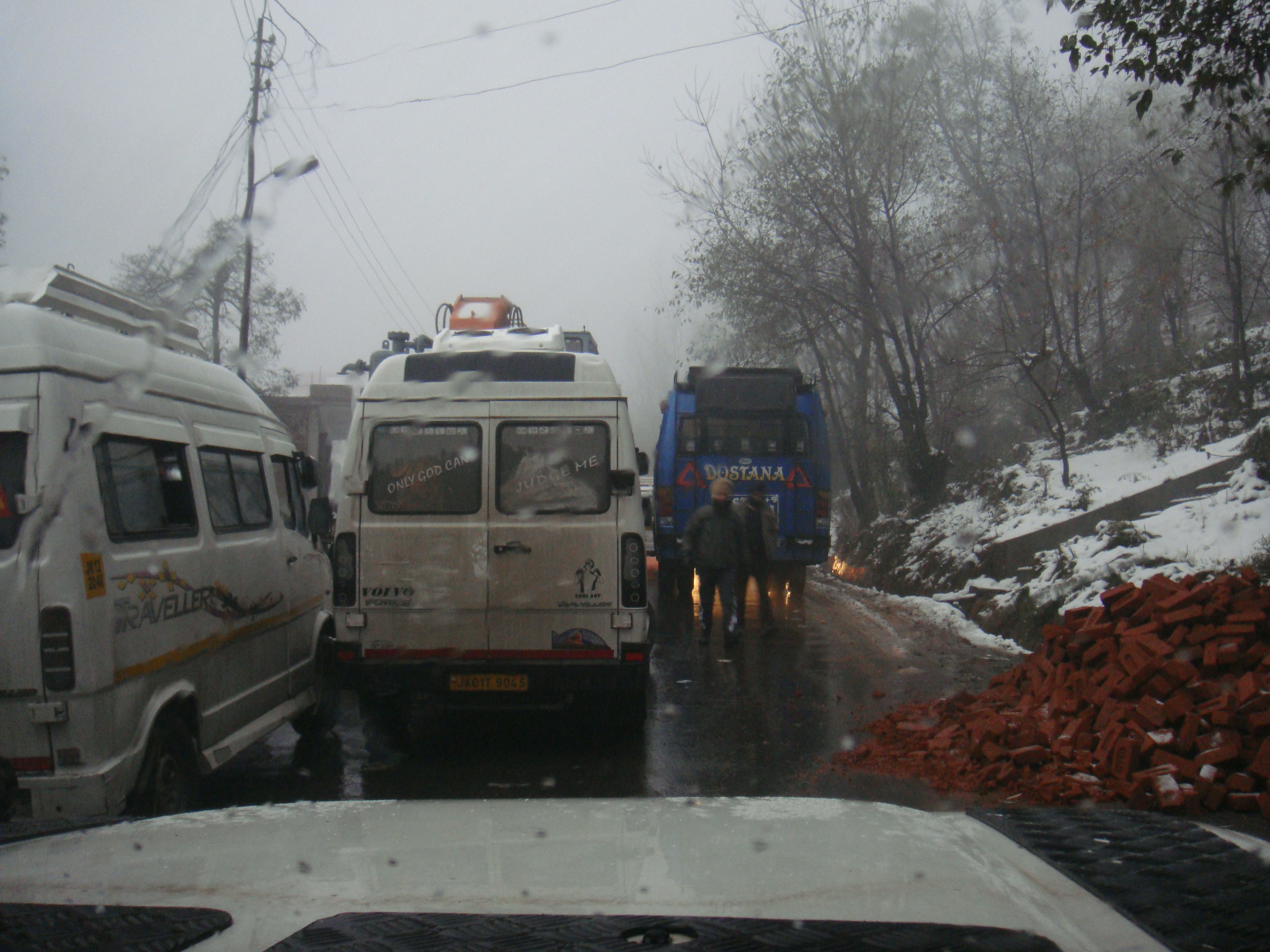
Then, at 8am, we were on the way again – but only for a few kms before we hit the next jam!

DSC01574

You can see in this picture both lanes taken up with southbound traffic and, just ahead, both lanes taken up with northbound traffic! The pile of bricks on the right became a serious block to progress so I manhandled the entire pile off the road. The Kashmiris remained enthusiastic spectators throughout whilst Leishia wisely stayed in the car with the heater on reading her Kindle!

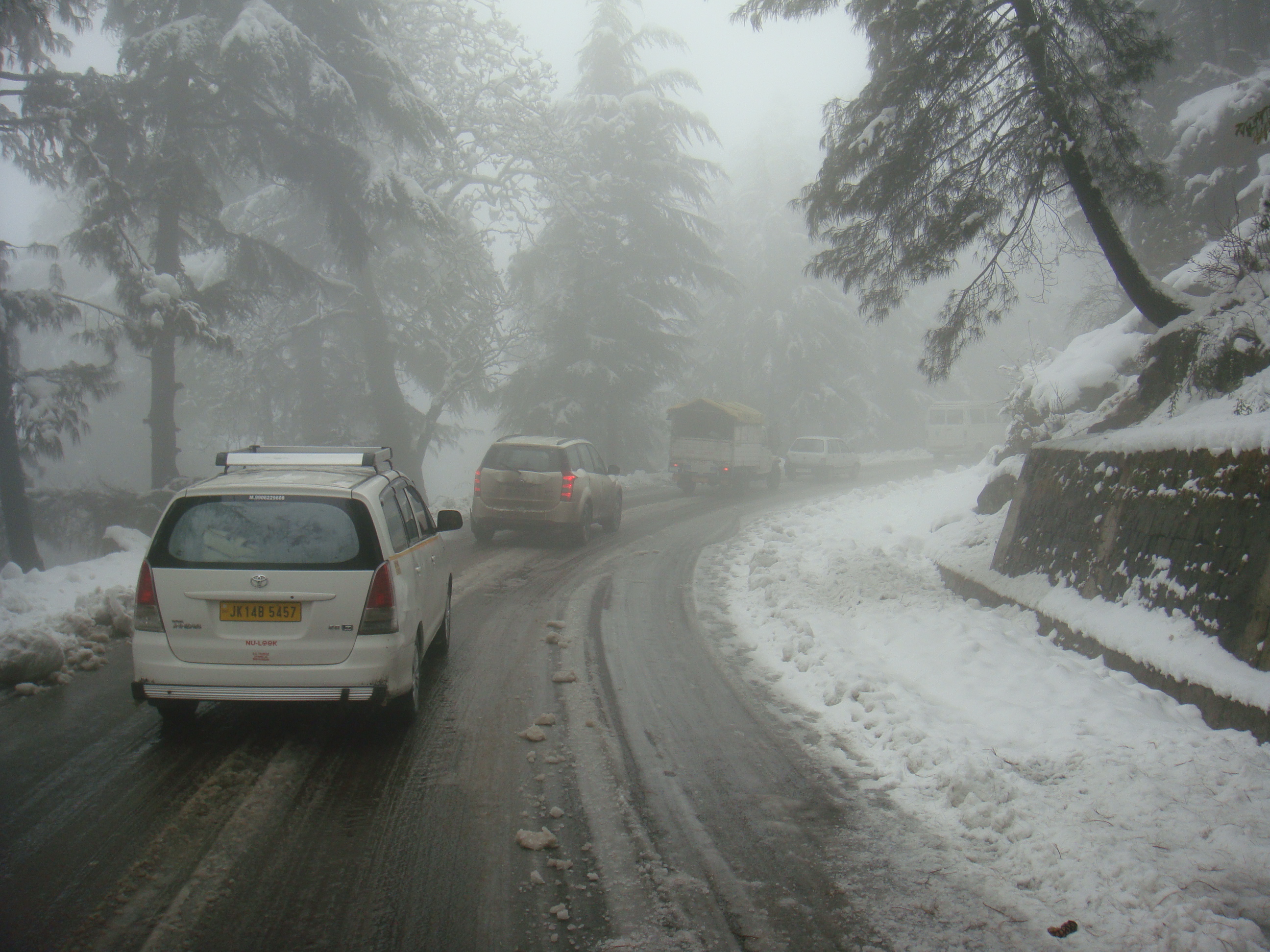
We managed just 30kms in four hours but eventually we reached Patnitop where the worst snow had fallen:

DSC01577

DSC01576

We crested the pass and were soon on our way down to warmer weather, and no more jams – so things were looking up.

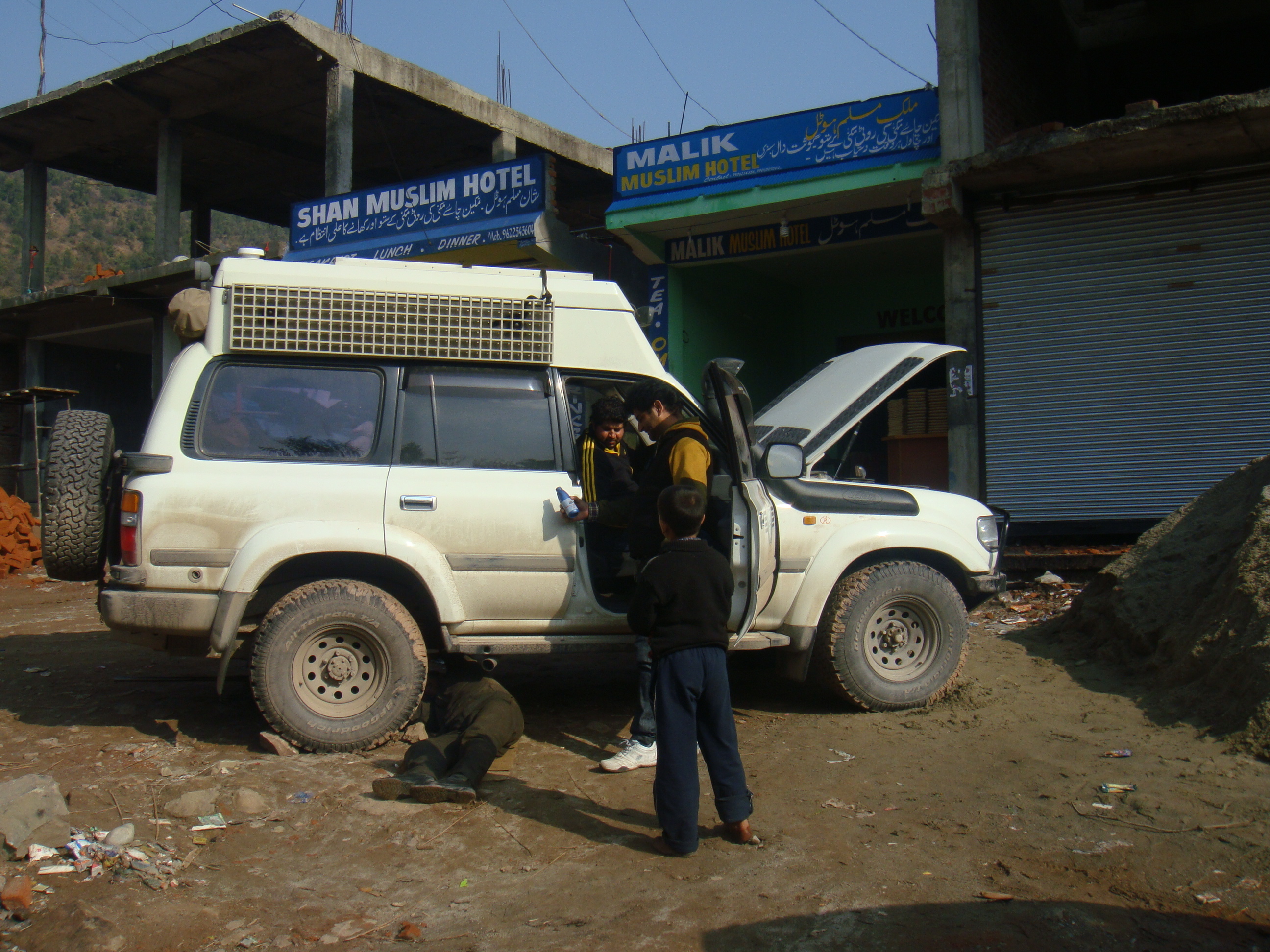
Or were they? On the way down the pass there was a massive bang and the left rear wheel locked up. Two very kind guys, Tariq and Zeeshan, kindly gave us a lift the twenty kms into Udhampur where we set about finding a solution:

DSC01579

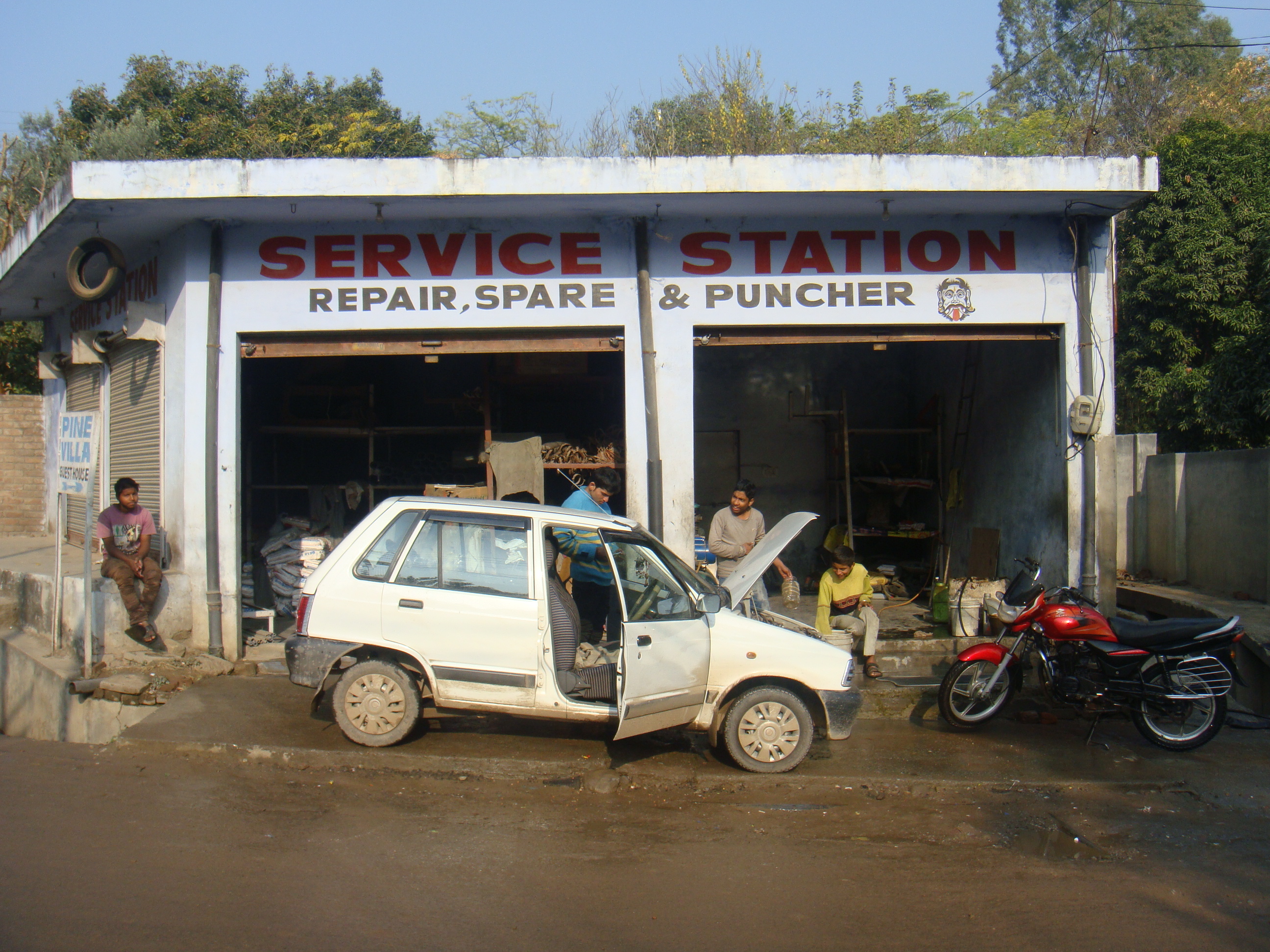
So there we were back with Mrs Anoop for another night, luckily she had excellent contacts and the next morning I was on the way back out to the vehicle with a repair team. I did consider this place but ruled it out!

DSC01586

Another guest, Tanveer, offered to translate so he was in the team too! Here he is midway through the fault diagnosis:

DSC01588

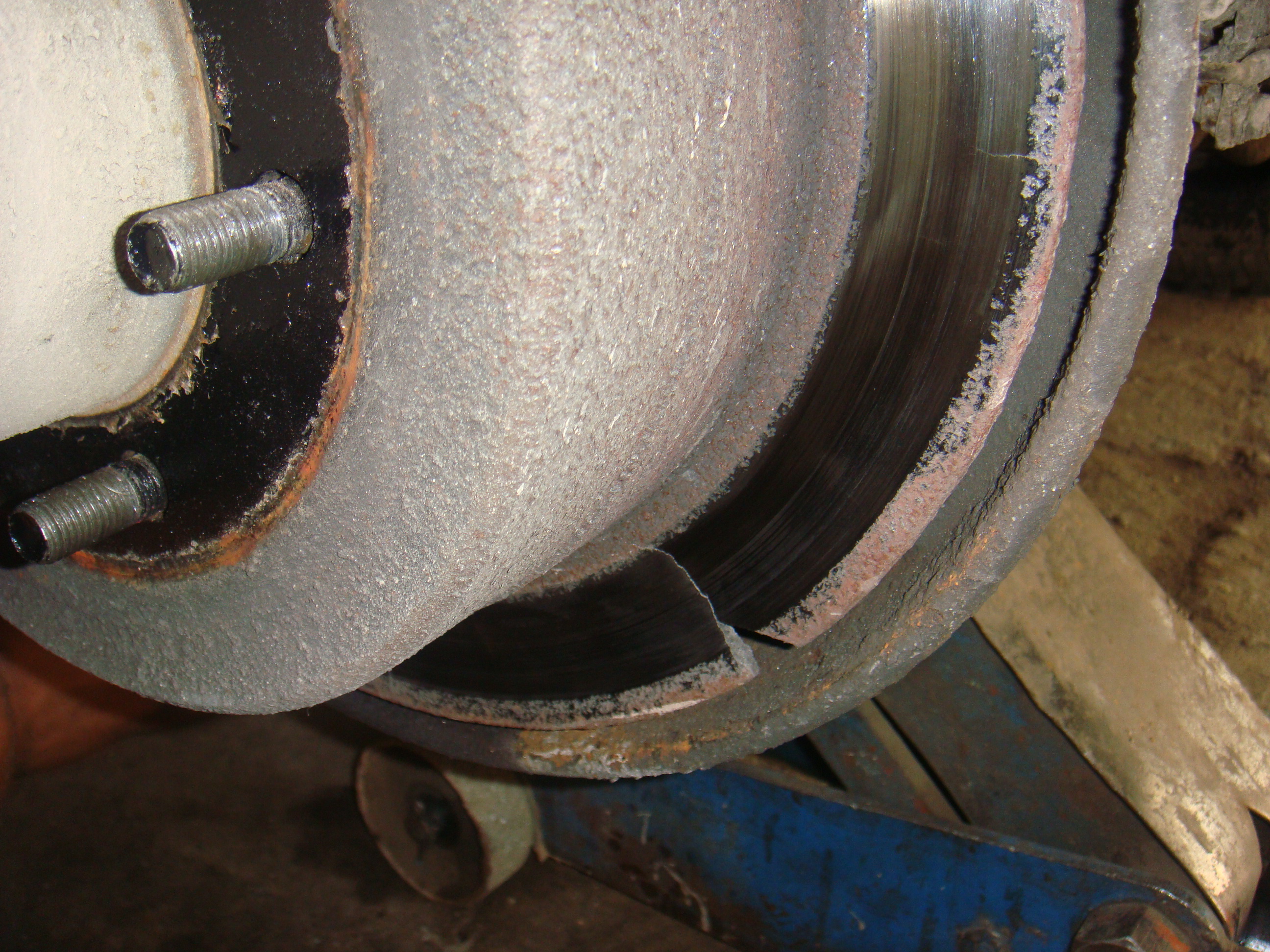
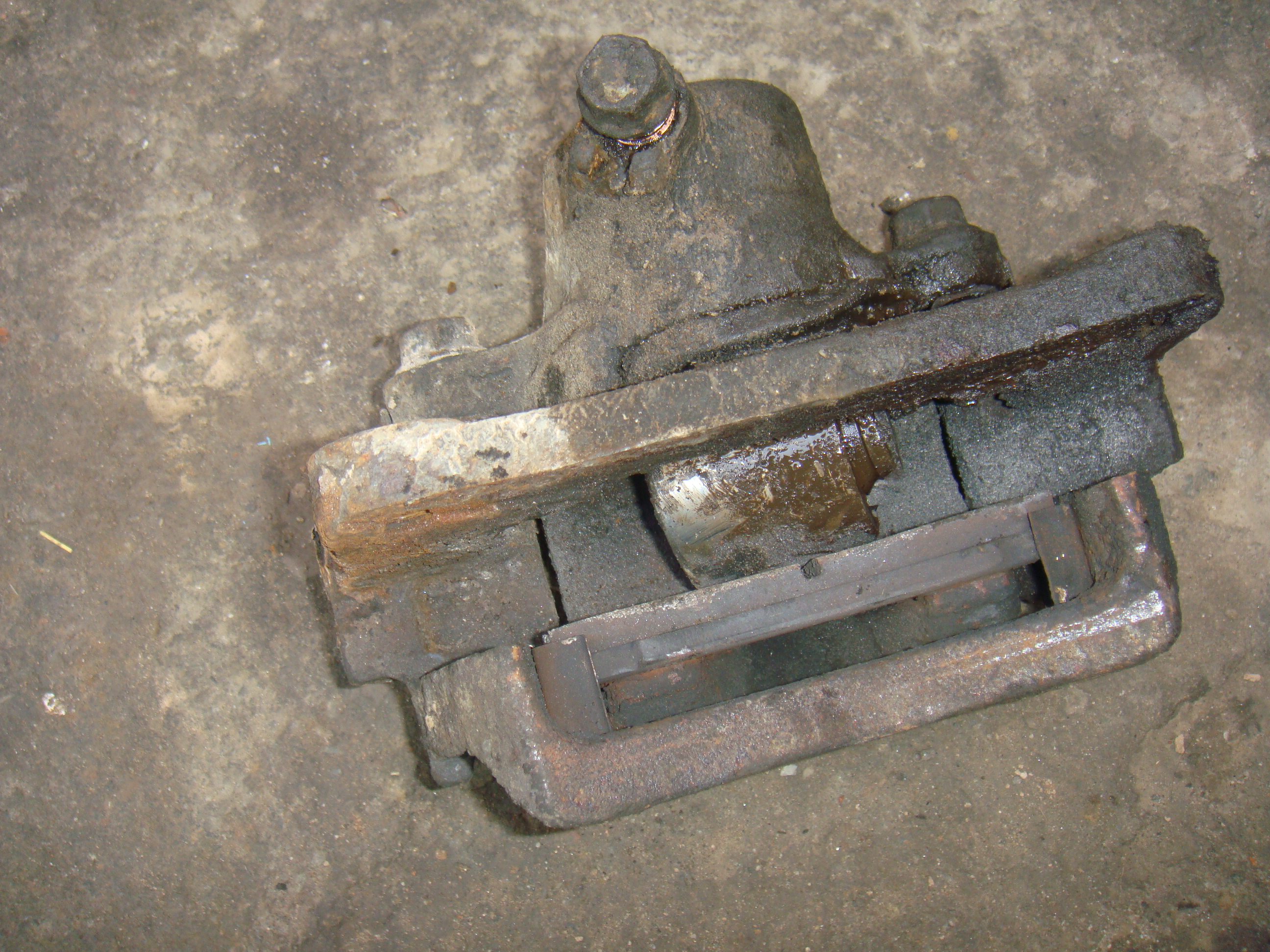
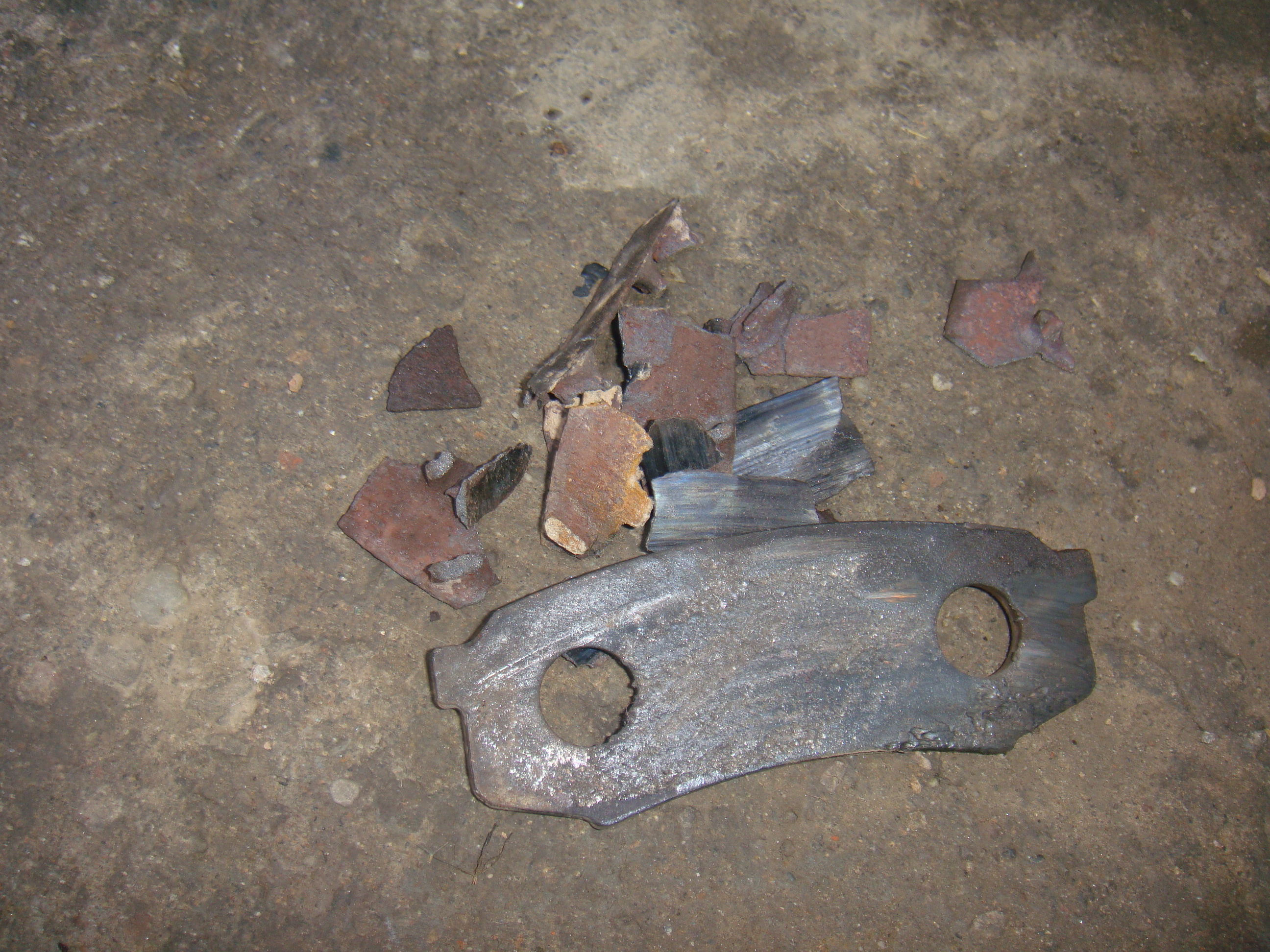
The first problem was the locking wheel nuts (you might remember the Southampton rogue had relieved us of the special socket). In the event they came off with ease and the problem revealed itself (non-techies please switch off here):

DSC01590 a cracked brake disc

DSC01591 a loose piston in the calliper

DSC01592 and a stripped brake pad

We’re not sure why the failure occurred, the most embarrassing possibility is that the pad was just worn down and the metal backing damaged the disc but the other pad still had lots of life in it.

Whatever the cause the problem is the same – we need new discs, new pads and a new calliper or at least a new piston. So now the fun starts, sourcing those parts. For now the left rear calliper has a new home in the back of the vehicle and we plan to hobble to Amritsar to talk with the Toyota dealer there.

So while all of you are with Family and Friends enjoying your Christmas lunch we will be sourcing spare parts! What Joy! Fortunately it’s not Christmas here!

So best wishes to you all.

SONY DSC

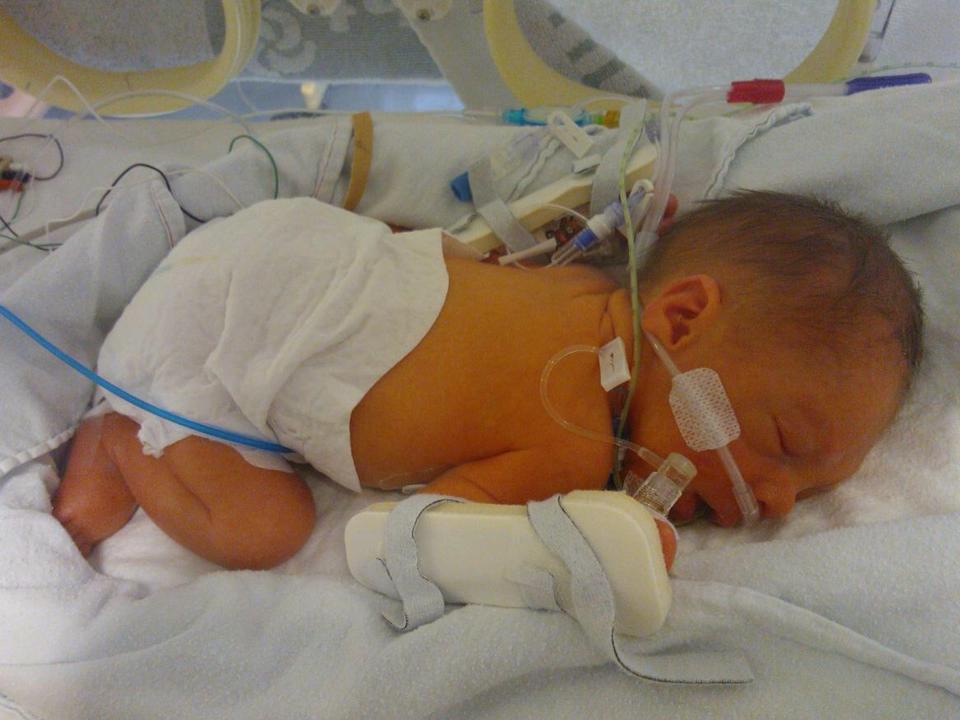
And a very special wish for little Samuel and Roman, my new Grand-sons who were born last week weighing just 3lb 9oz and 1lb 13oz!

1526106_10151901624882483_870840656_n Samuel1479121_10151901624982483_894897681_n Roman

Congratulations to Debbie and Christian, their very proud parents, who themselves will be spending Christmas day in the High Dependency Unit!

Ian & Leishia

xxxxx
Delhi to Srinagar

So we left Delhi on time but before that here is just one last picture of Delhi (Connaught Place):

DSC01382

This is typical not just of Delhi but of most places we have been, the dogs laze around all day and then go scavenging in the human detritus during the night.

So anyway we left Delhi bright and early in dense fog, so dense we could hardly see the road and we certainly couldn’t see any road signs. What ensued was an entertaining hour as we negotiated our way through the suburbs and onto the highway, somehow we managed to go via the grounds of a very large hospital but finally we found the highway and were on our way.

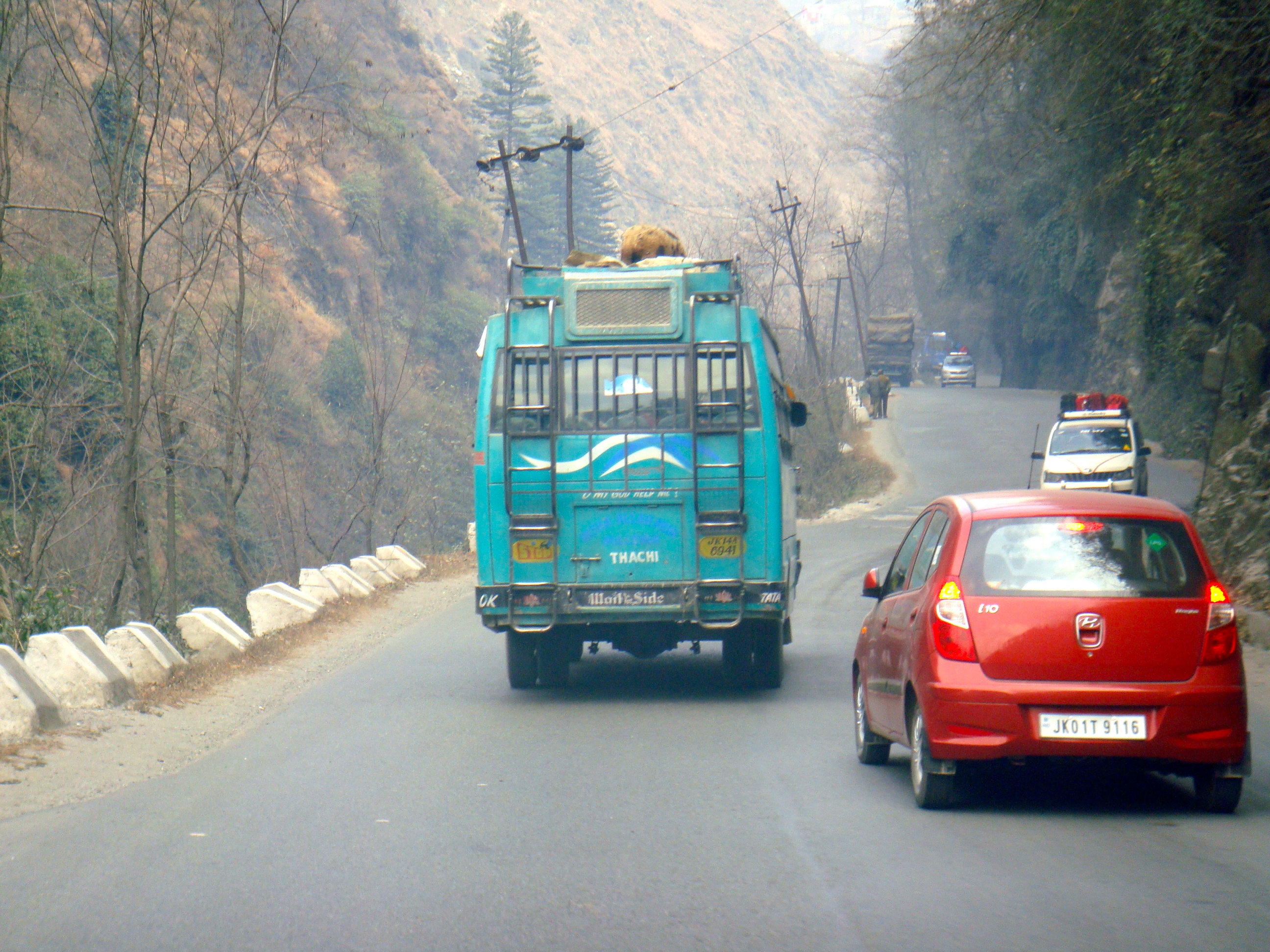
This was one of the funniest things we have seen in ages, it doesn’t show too well in the picture but the little white mass on top of the bus is a sheep. Every time the bus changed direction the sheep did a quick reset, he didn’t appear to be tied down at all and his balance was as good as Nadia Comāneczi in her heyday:

DSC01517

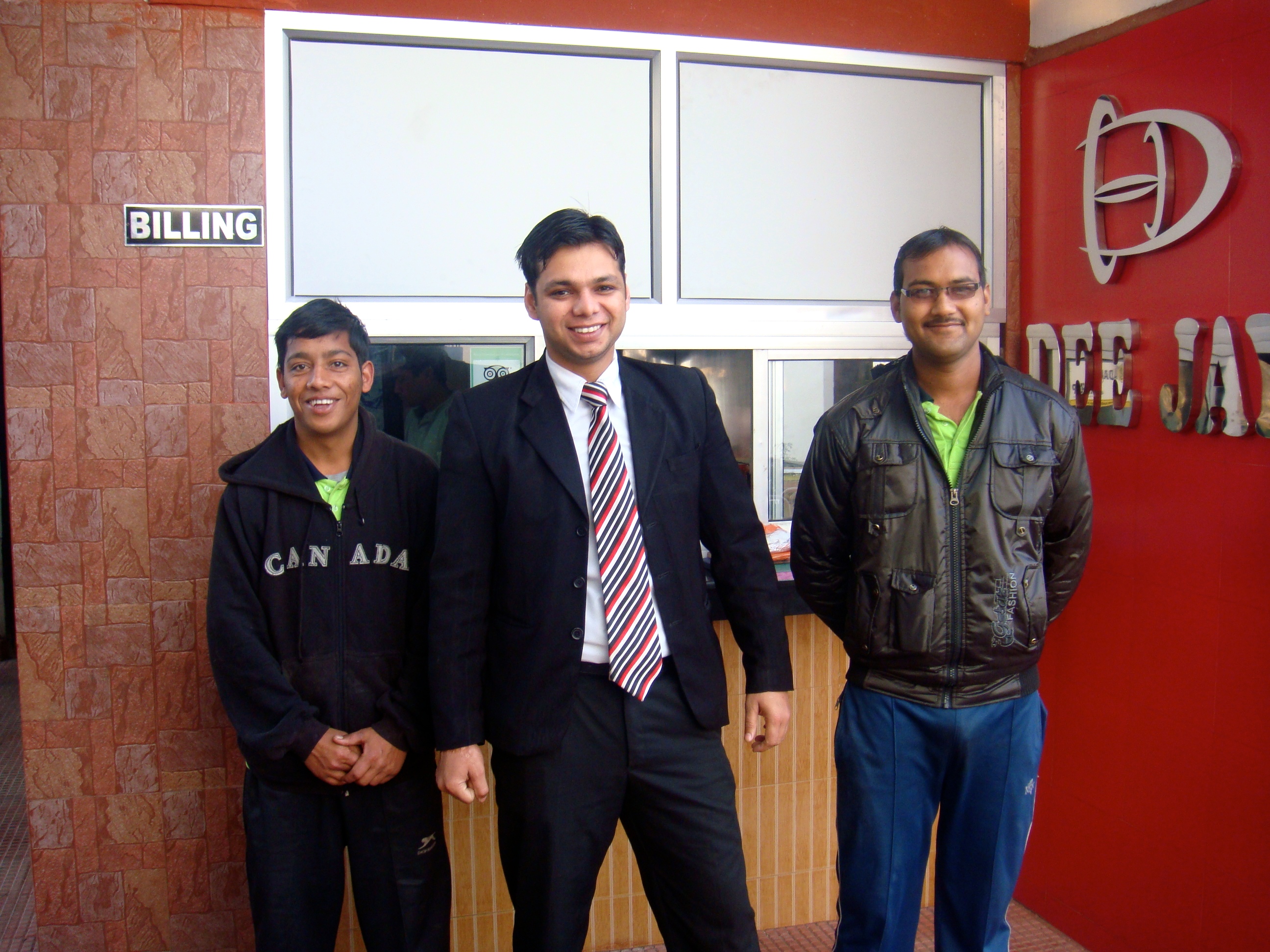
We had a pretty uneventful day albeit on some of the most terrible roads which seemed to be home to half the world’s monkeys (none of which bit Leishia!). We stayed in a small hotel in the evening and were royally treated by the staff, they couldn’t do enough for us, here they are:

DSC01451 The manager is Jitender Singh.

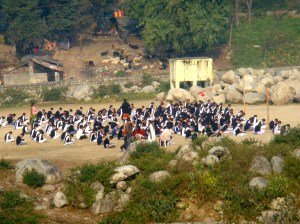
The next morning we went through the Kangra valley, the first thing we came across was outdoor school assembly:

DSC01483

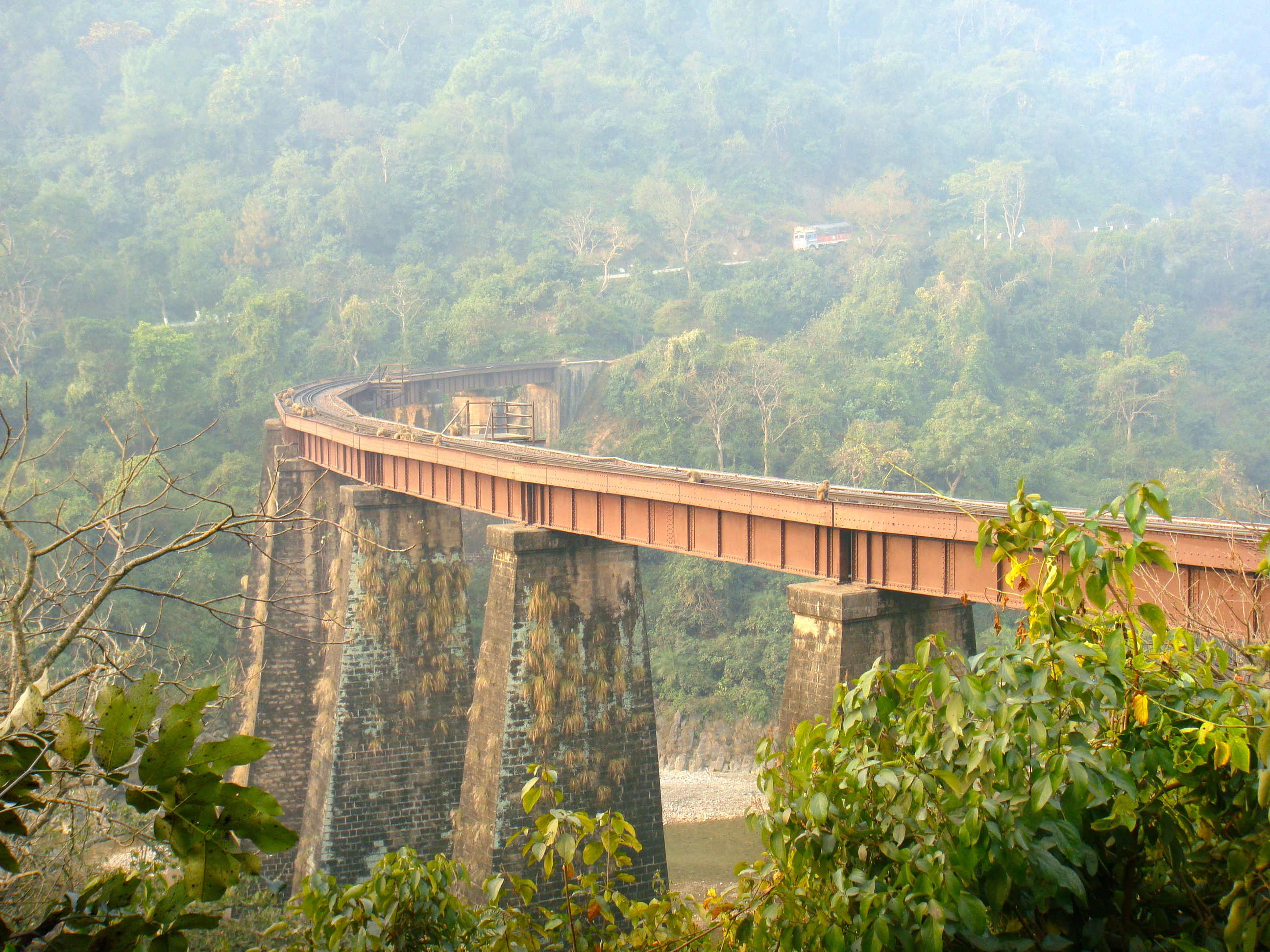
This narrow gauge railway runs through the valley and seems to be home to the other half of the world’s monkeys!

DSC01455

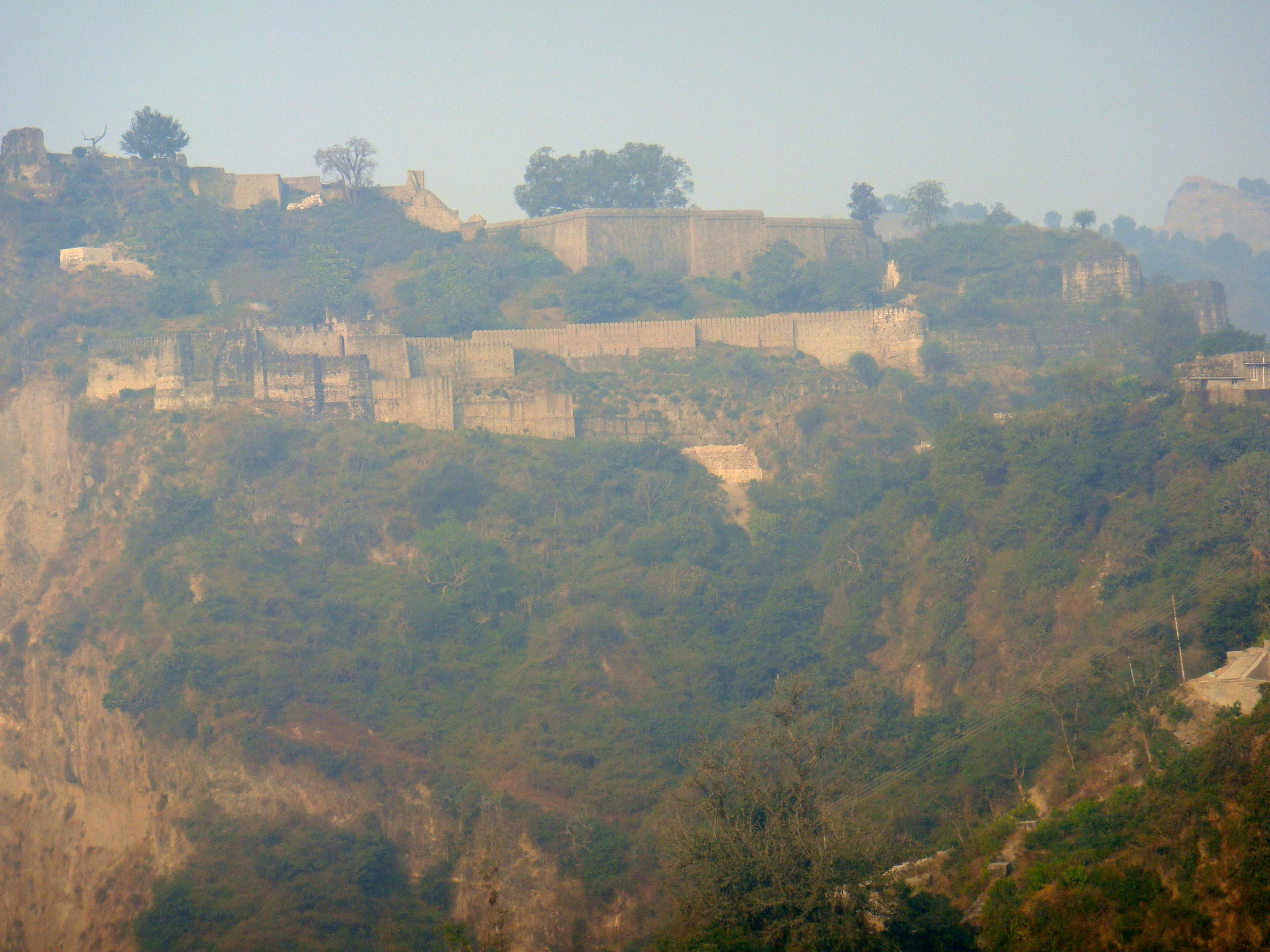
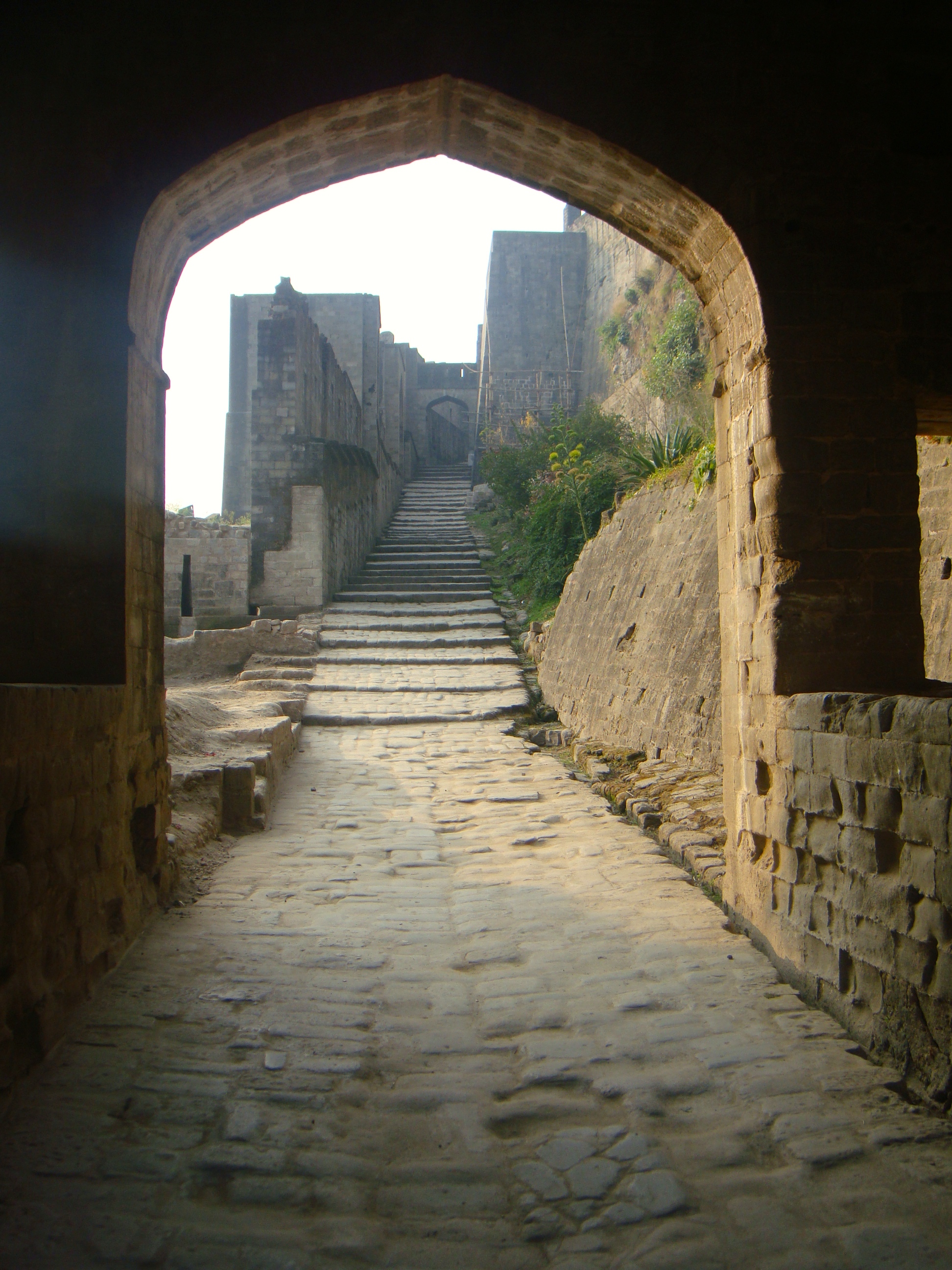
We soon arrived at Kangra fort which is very impressive and appeared impregnable (although we subsequently found it wasn’t):

DSC01458

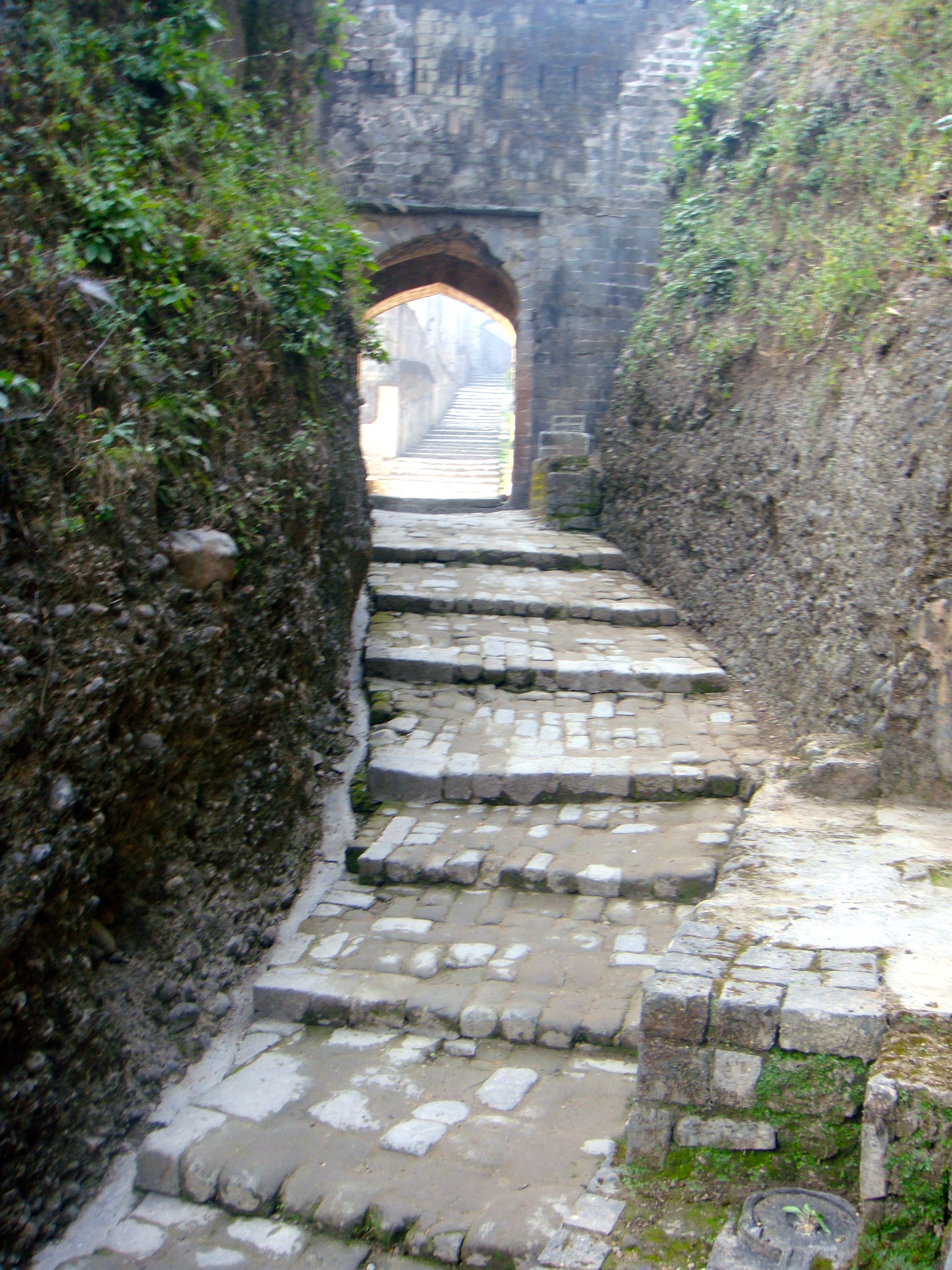
There were a series of seven gates leading to the main keep, I took photos of all of them but I won’t bore you, here are a couple:

DSC01463

DSC01464

and the view from the top:

DSC01474

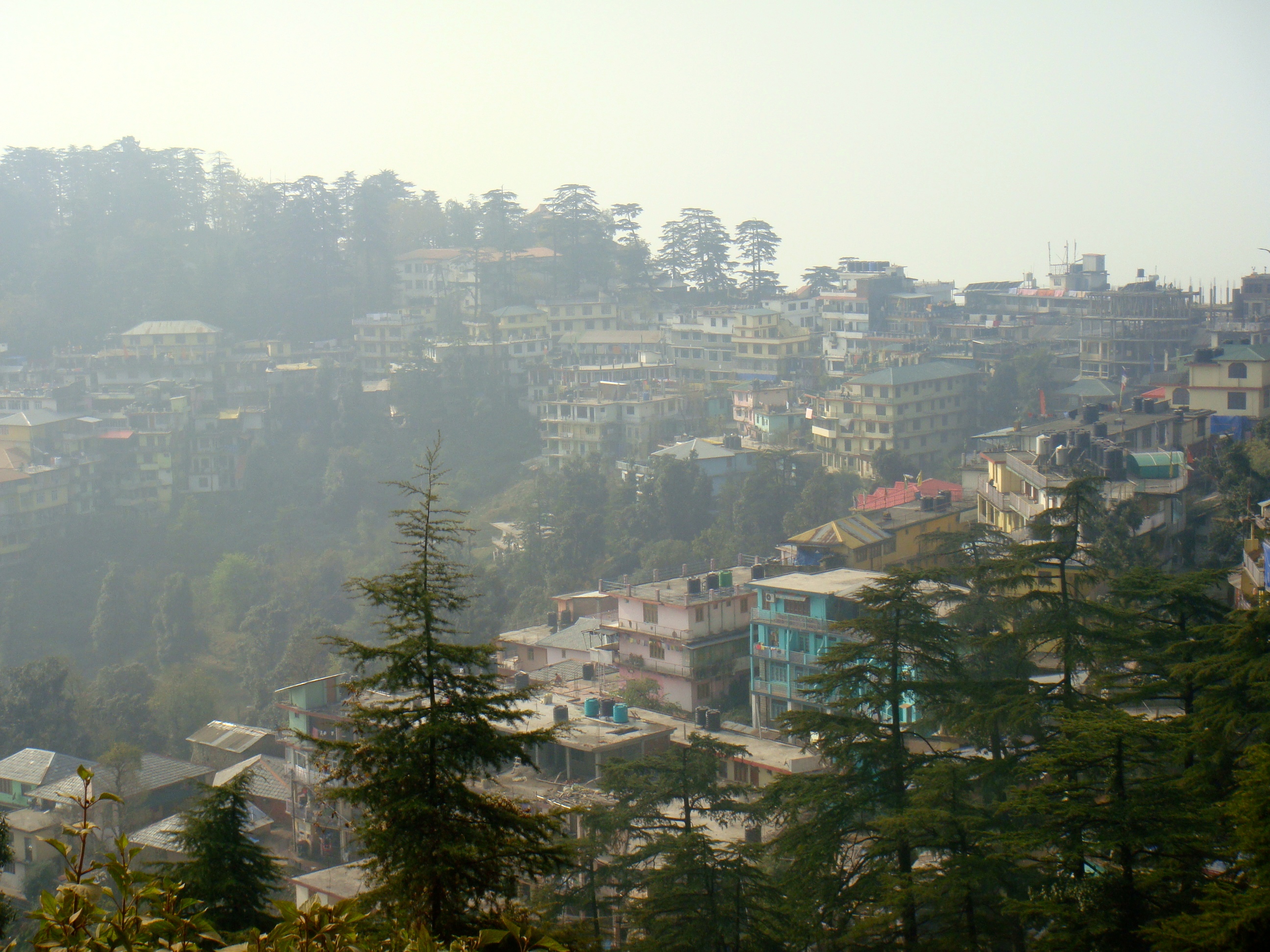
After the fort we made our way to McLeod Ganj, the home in exile of the Dalai Lama which I had been really looking forward to visiting. It turned out to be much ado about nothing, a fairly untidy straggle of buildings on a hillside:

DSC01486

DSC01486

It’s supposed to be the last thing in yoga, meditation and all things Buddhist, perhaps we’re just not ready!

Anyway we had a tea in a small cafe (Cafe Illiterati) run by a Belgian in exile and left!

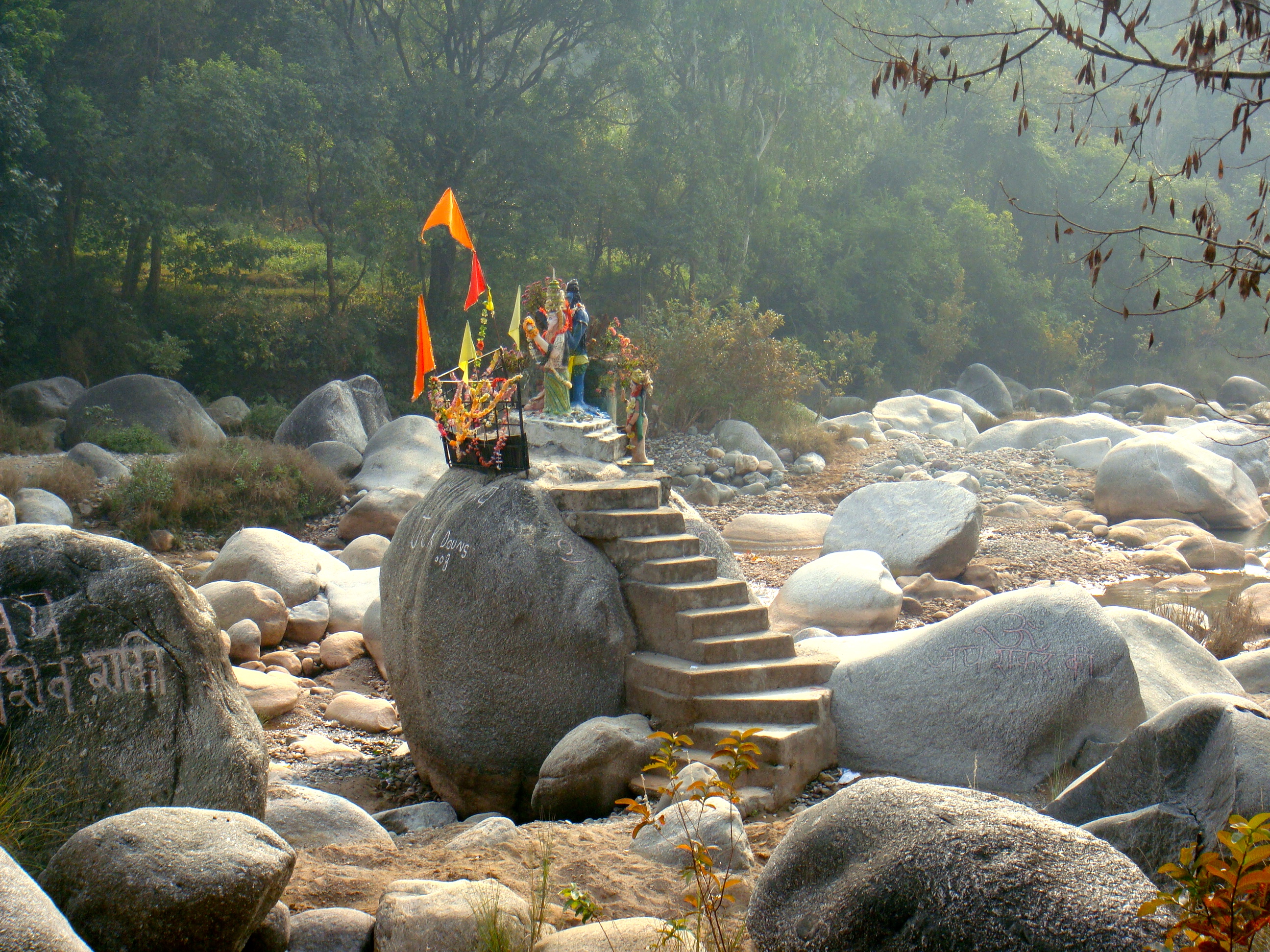
We saw a few more interesting sights along the way like this shrine in the river:

DSC01487

and having endured yet more terrible roads arrived in Udhampur where we stayed the night.

Udhampur has little to commend it apart from our host, Mrs Anoop who was the last word in hospitality:

DSC01504

The next morning we were on the final leg to Srinagar with some lovely sights along the way:

DSC01490

DSC01491

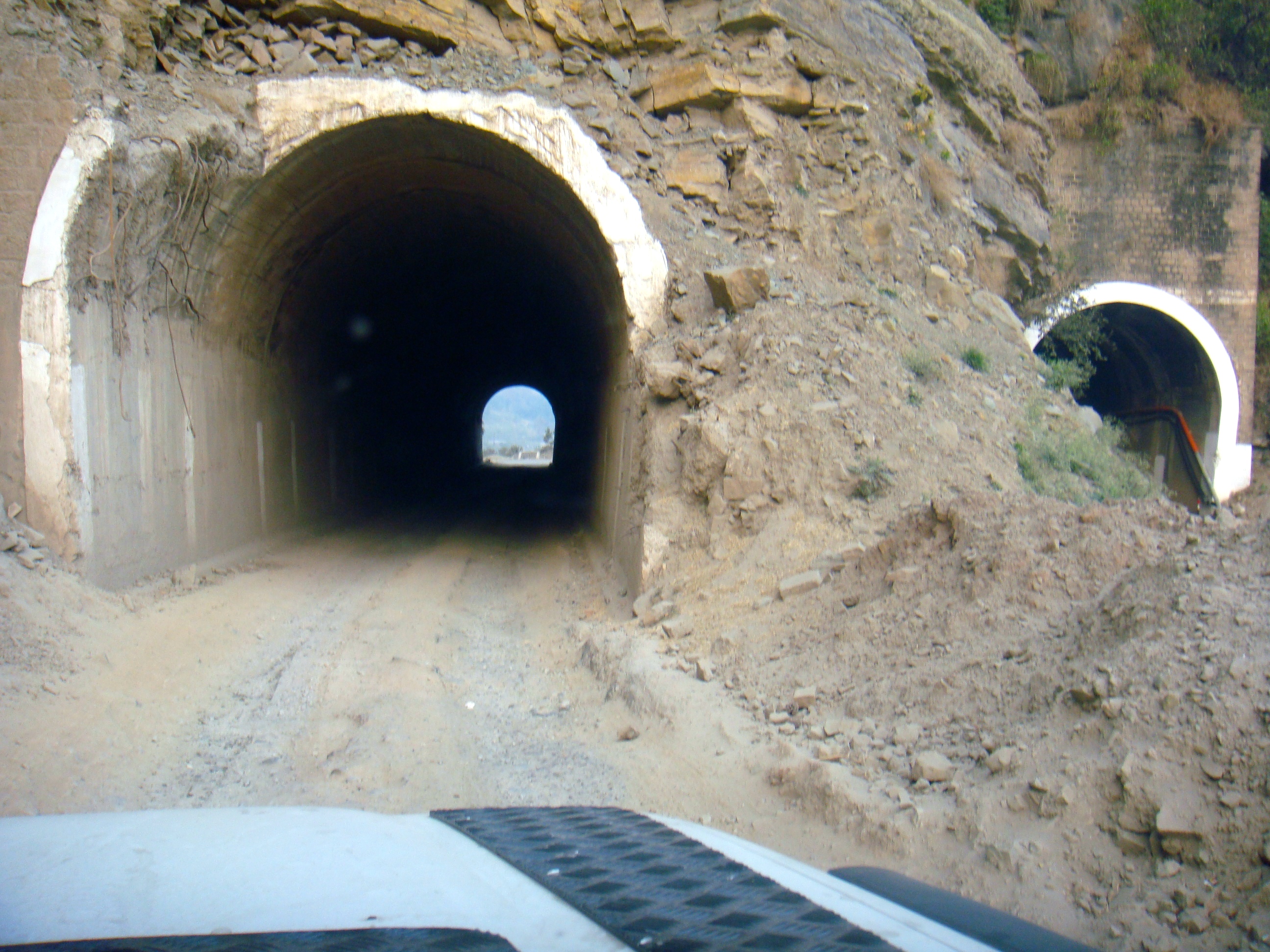
There is a the tunnel at the border of Jammu and Kashmir:

DSC01496

That’s not it but it is a tunnel!

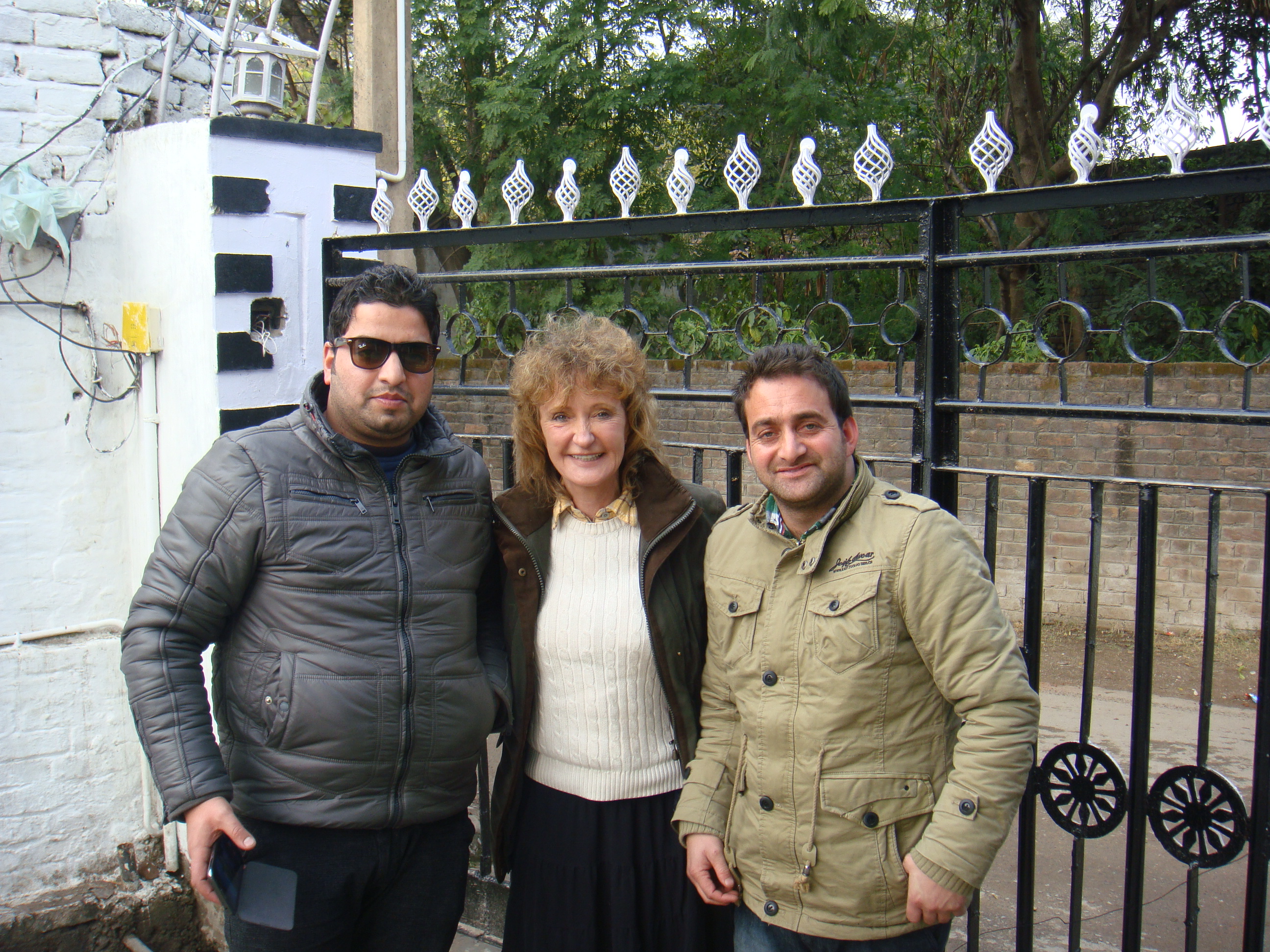
Right after the border we had to fill in papers in a very pleasant little roadside hut, here is Leishia befriending the local constabulary:

DSC01521

DSC01522

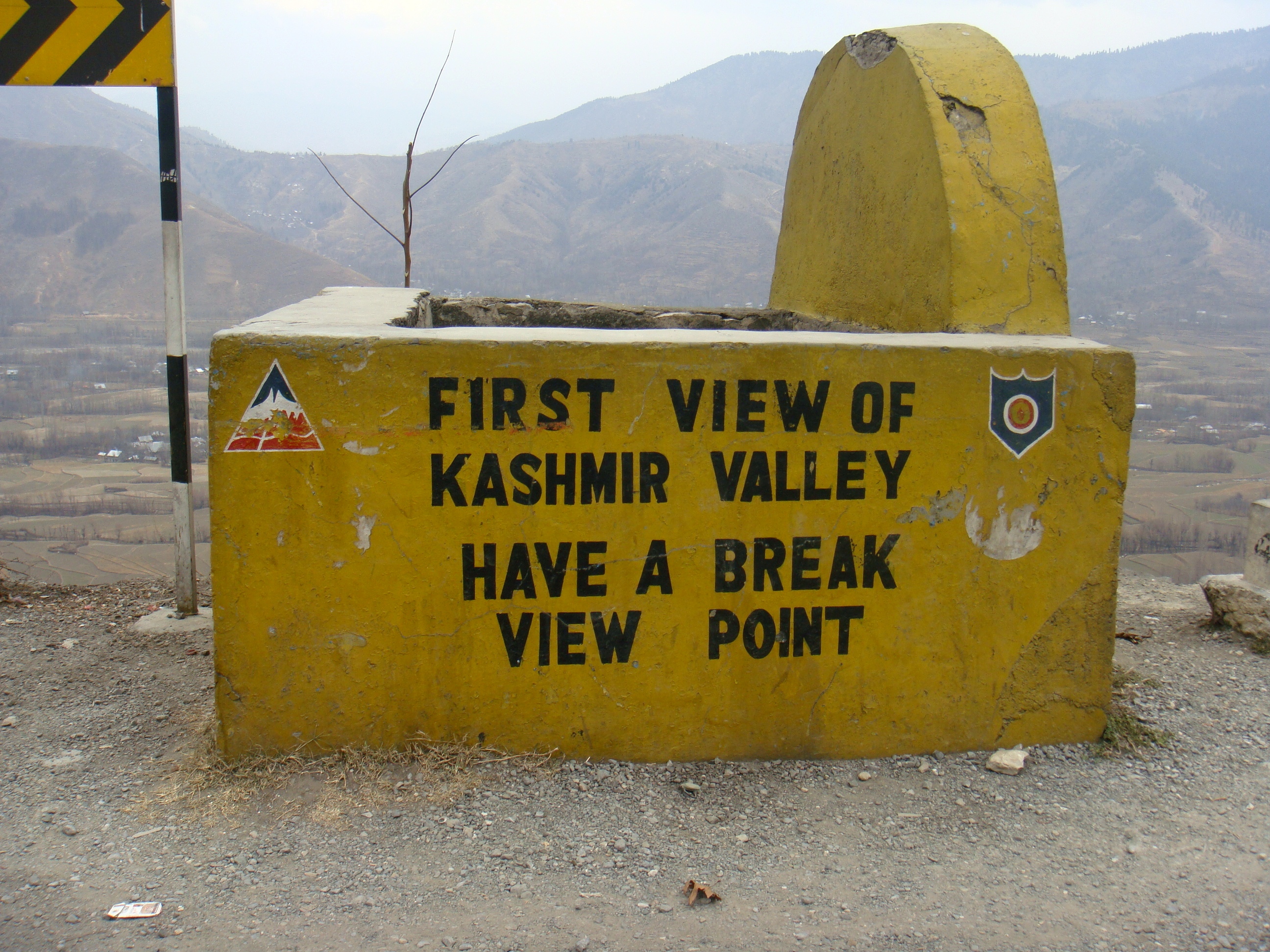
Just after the tunnel and the paperwork we finally reached the Kashmir valley:

DSC01523DSC01529

Unfortunately it was a hazy day so we couldn’t see the distant mountains but they were there!

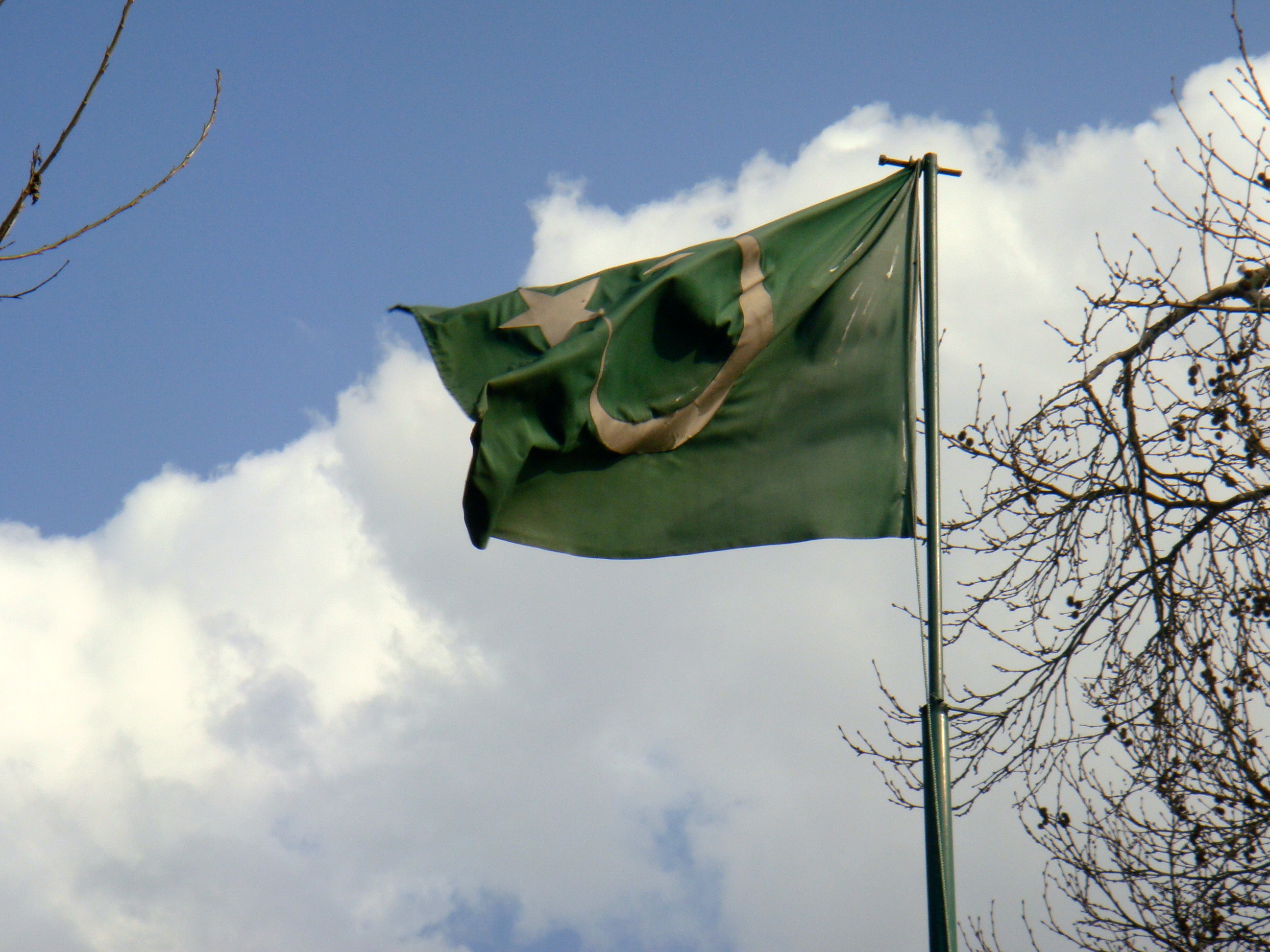
Once we reached the state of Kashmir we started to see the Pakistani flag being flown:

DSC01520

There was also a significant military presence but we decided not to photograph them!

By around 4pm we had reached Srinagar and set about finding somewhere to stay, most people like to stay on a houseboat on Dal Lake but we decided against that, too cold!

So after three eventful days we arrived in Srinagar, little did we know that the next three days would be far more eventful – but that’s another story!

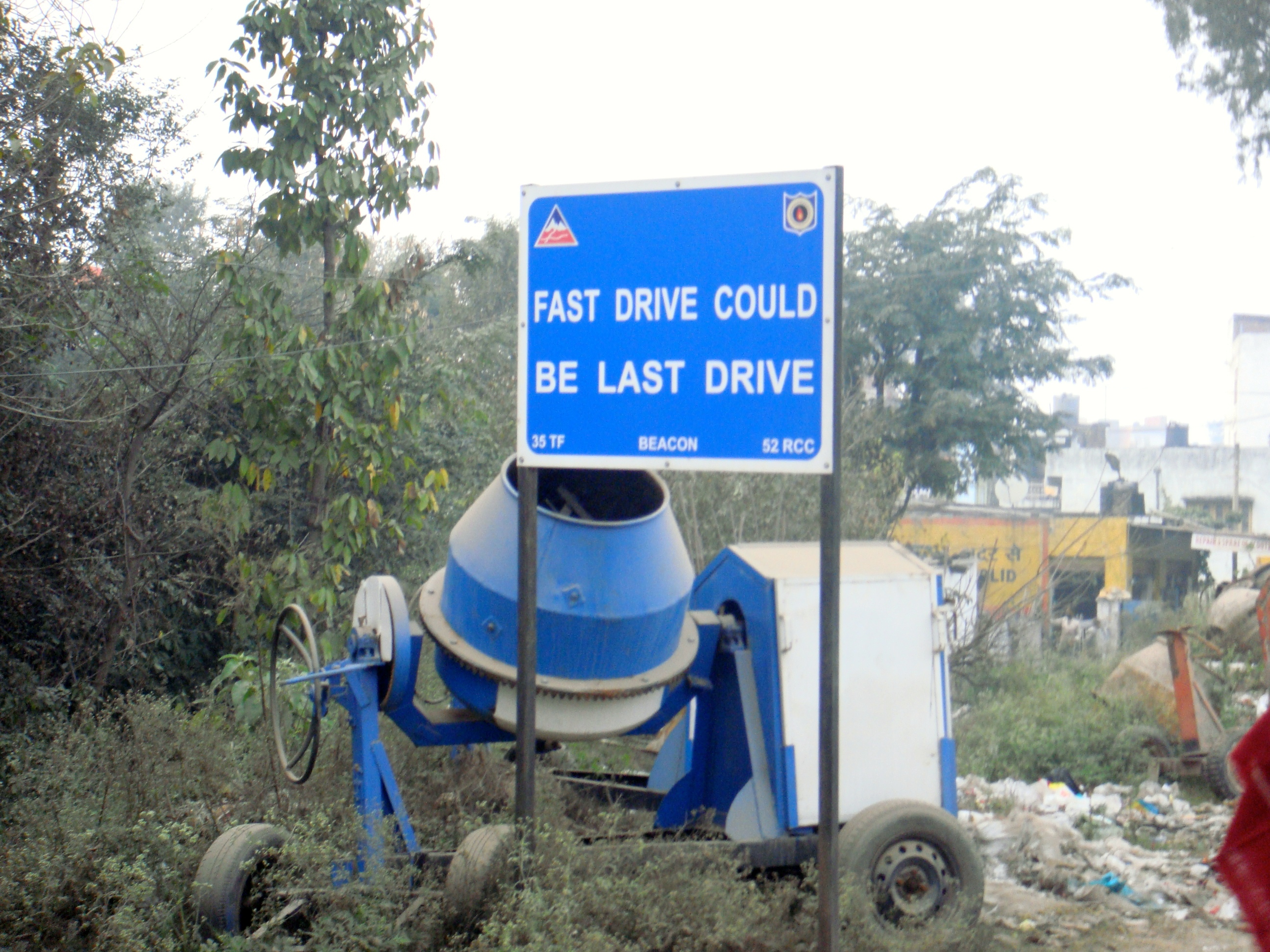
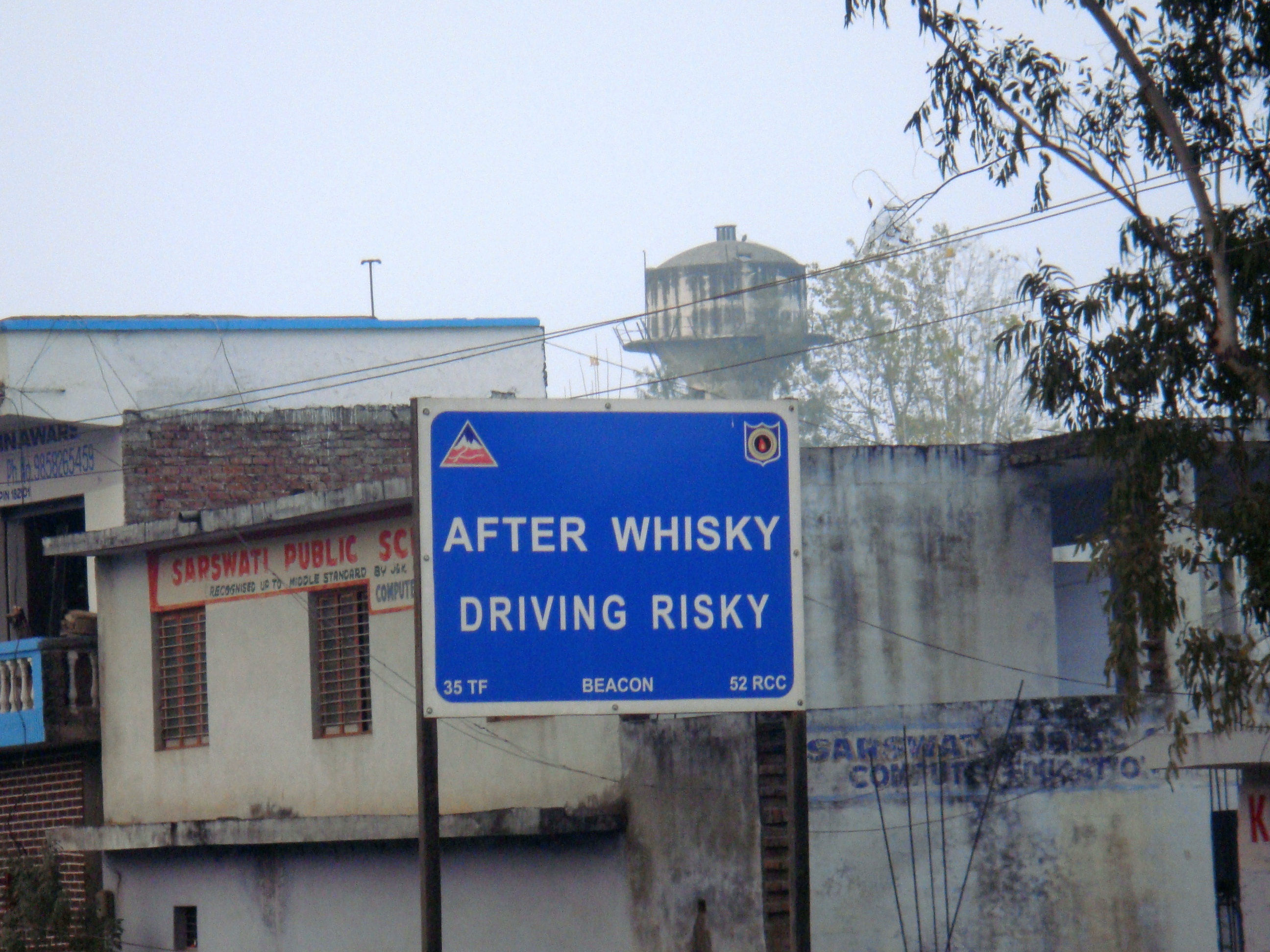
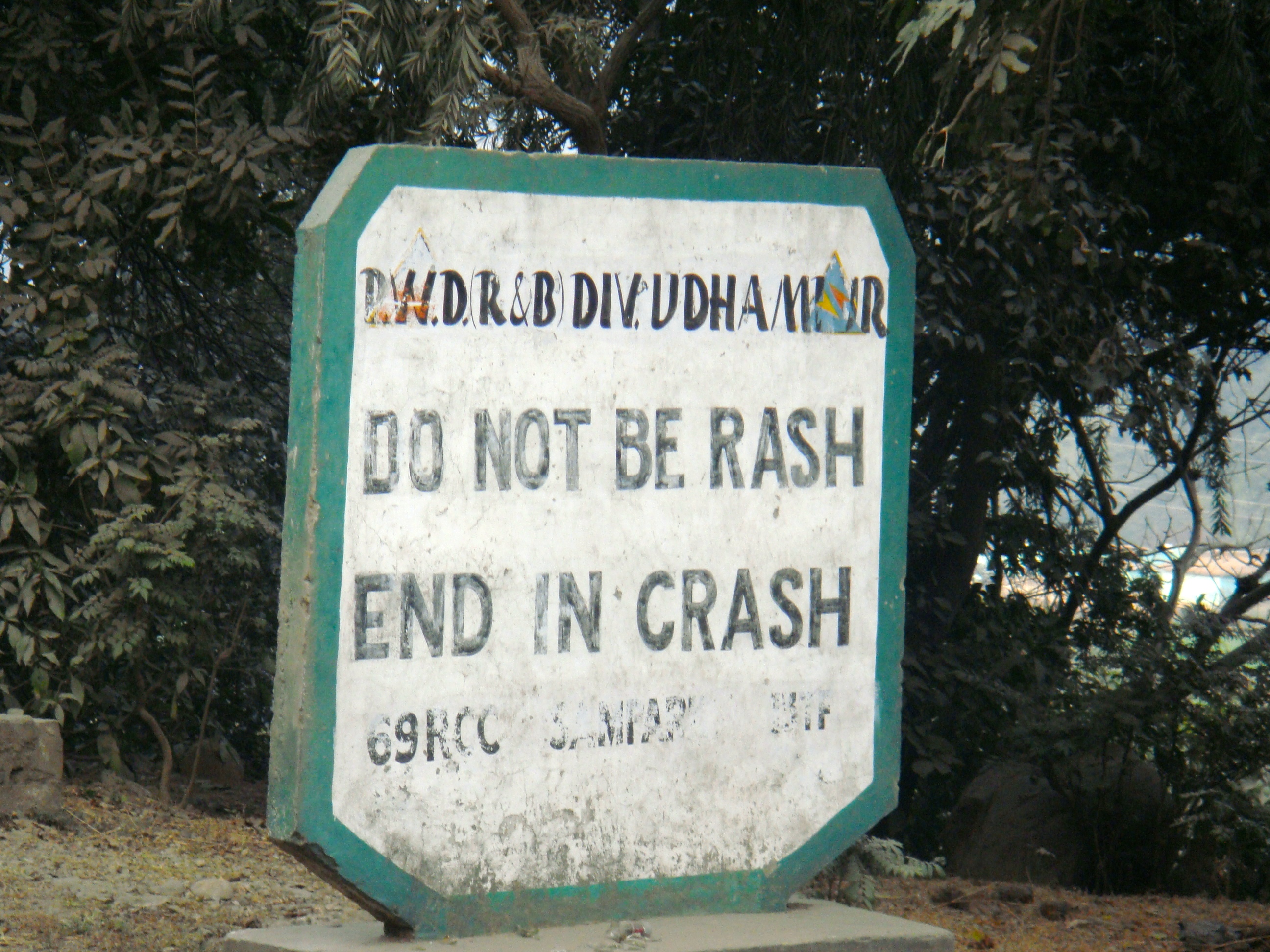
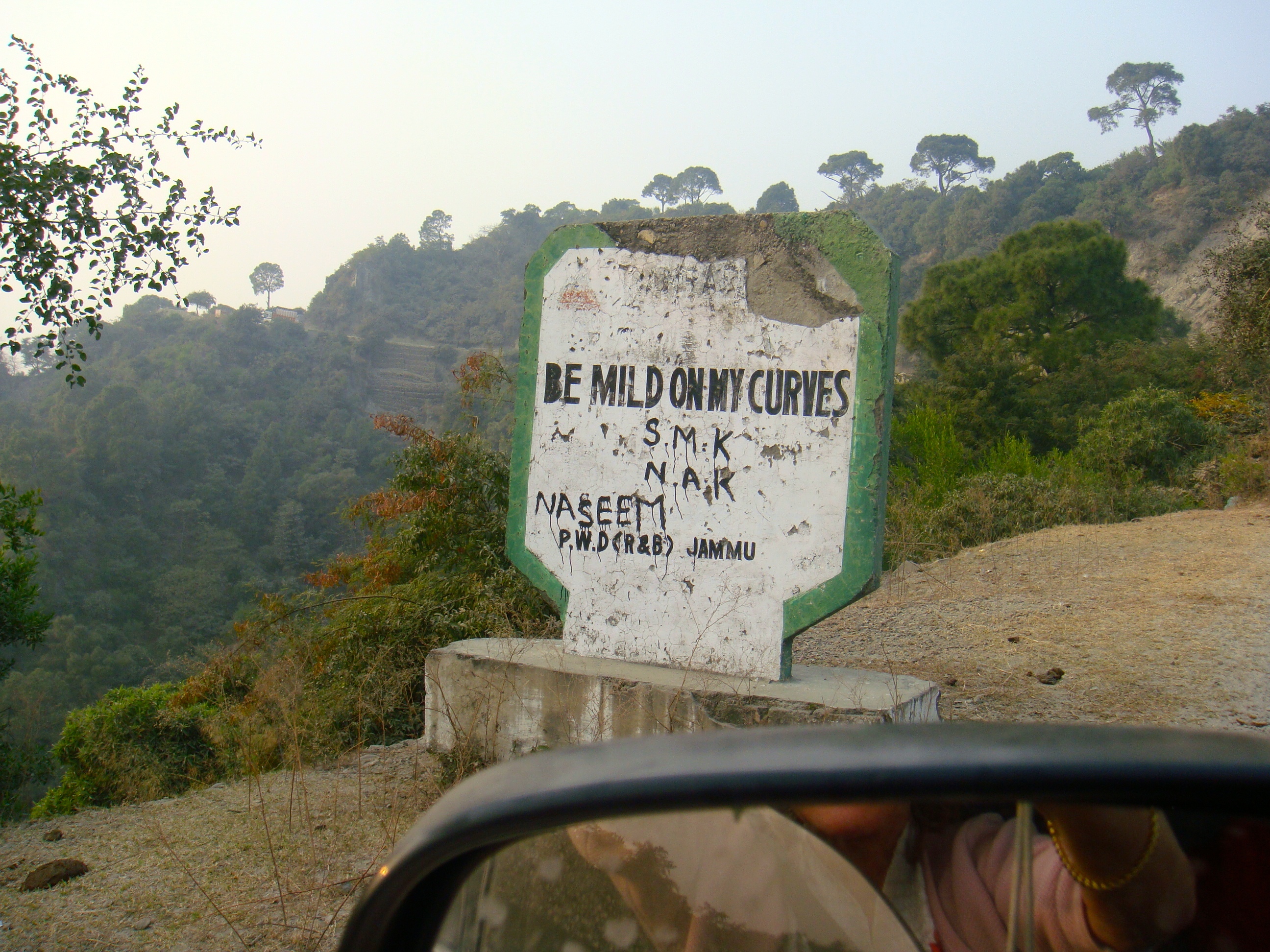
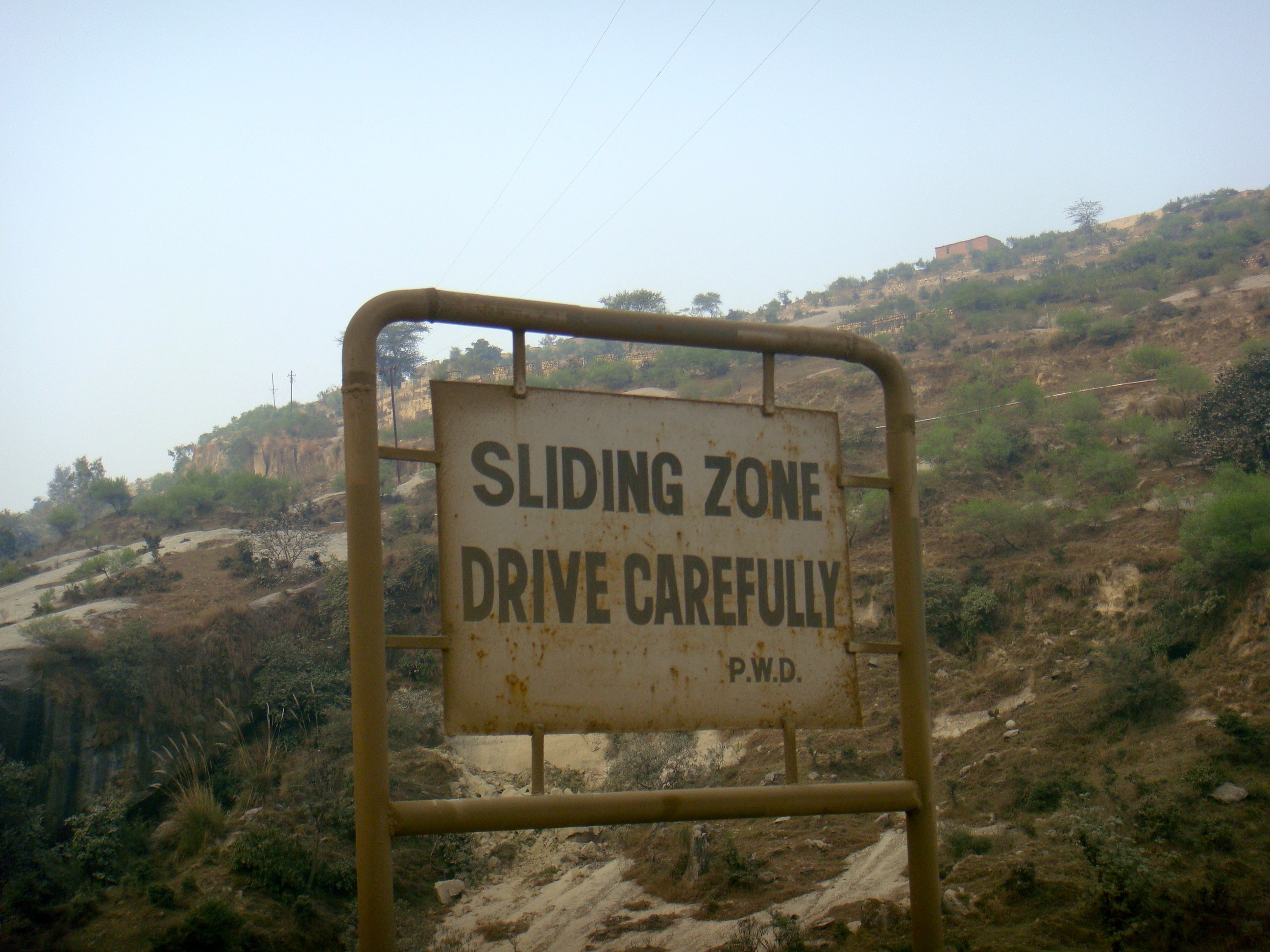
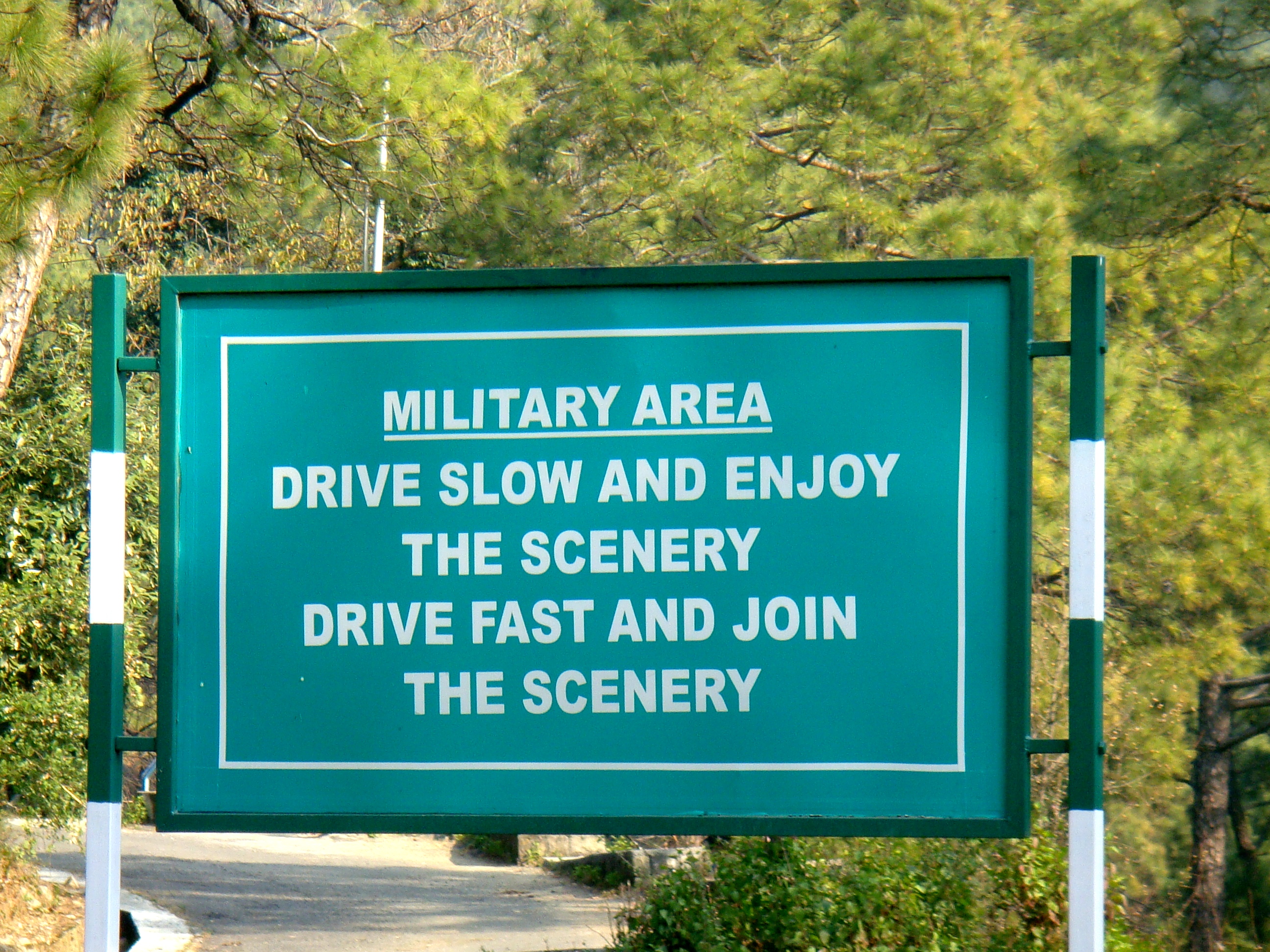
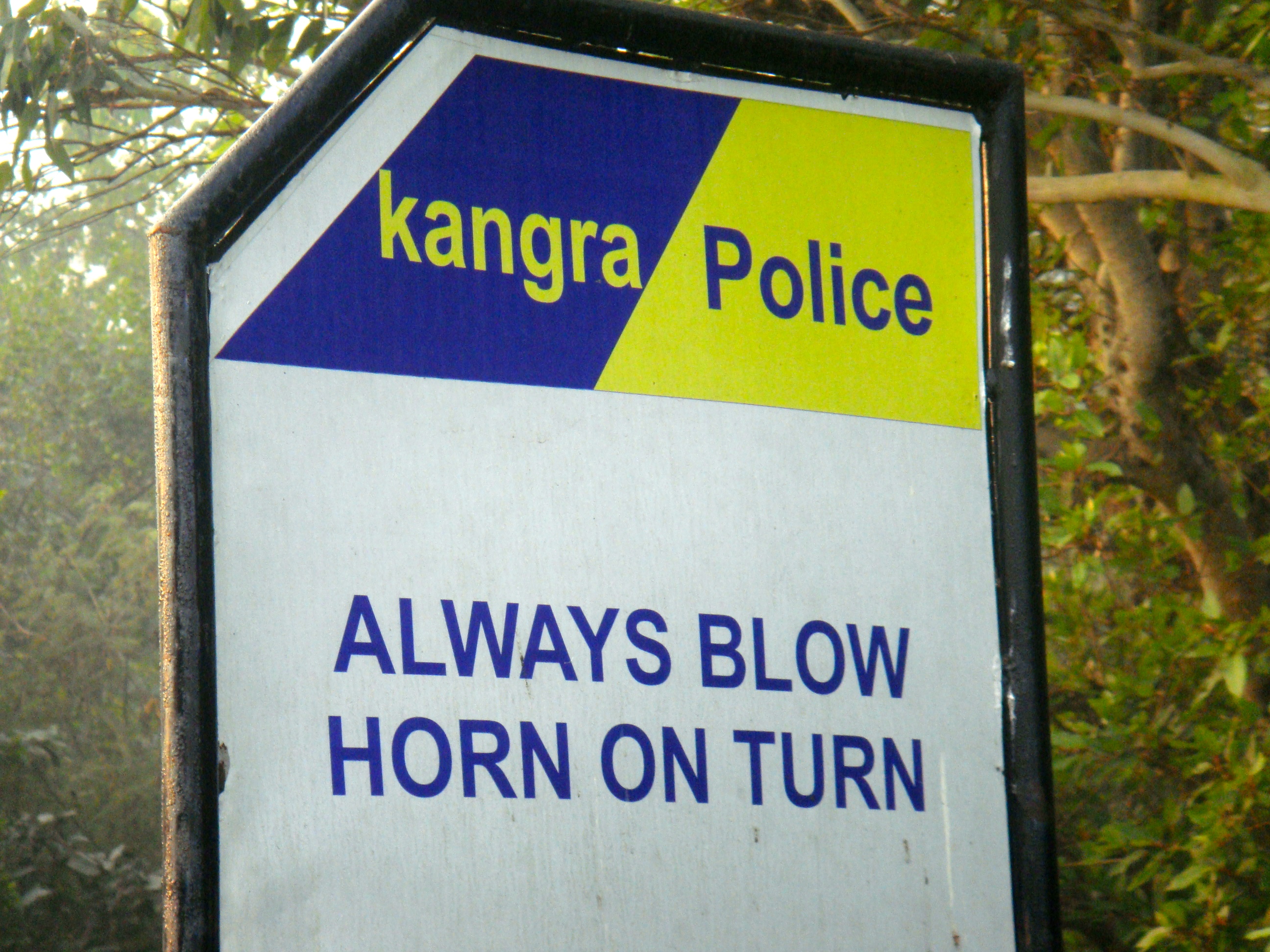
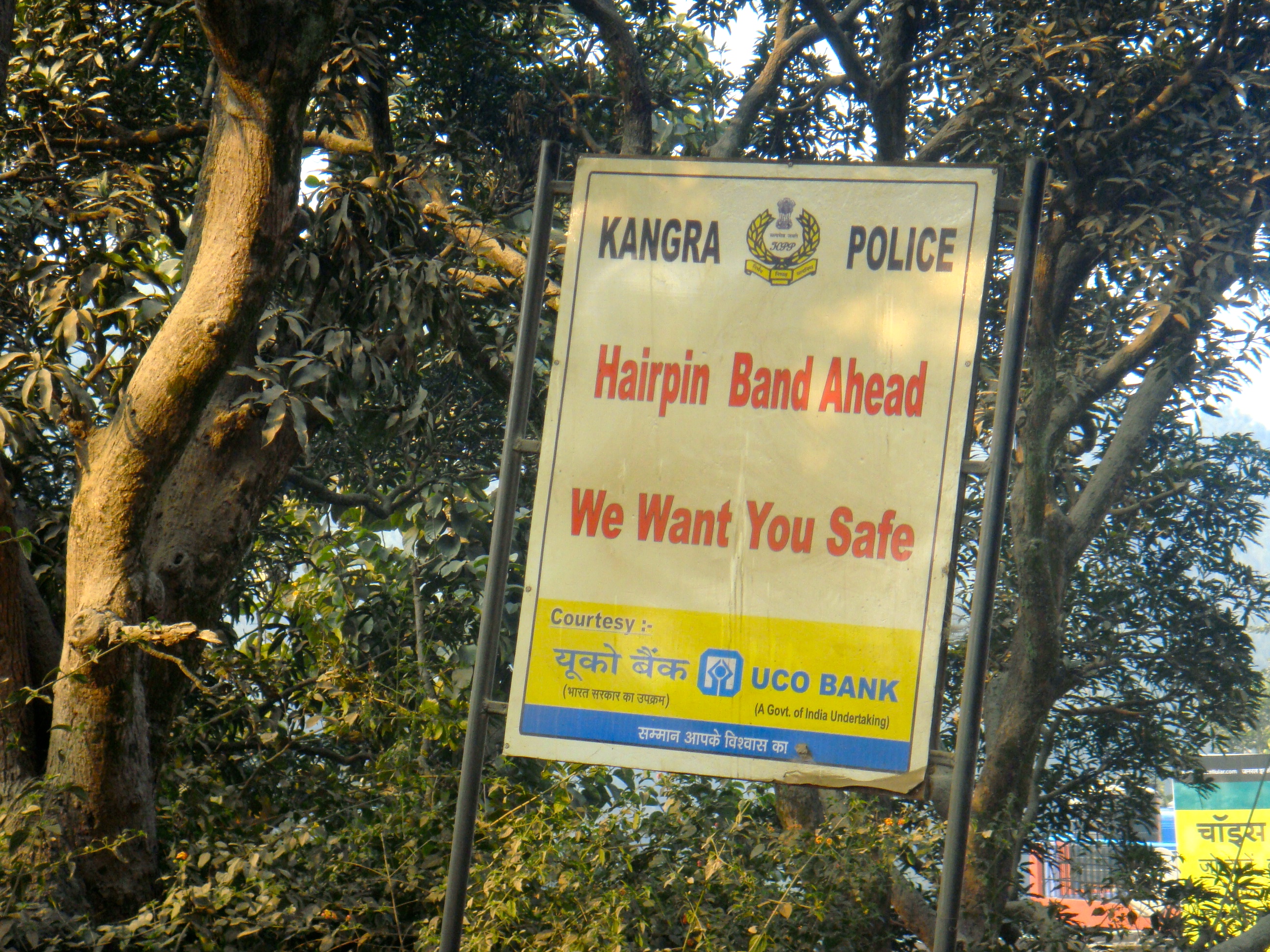
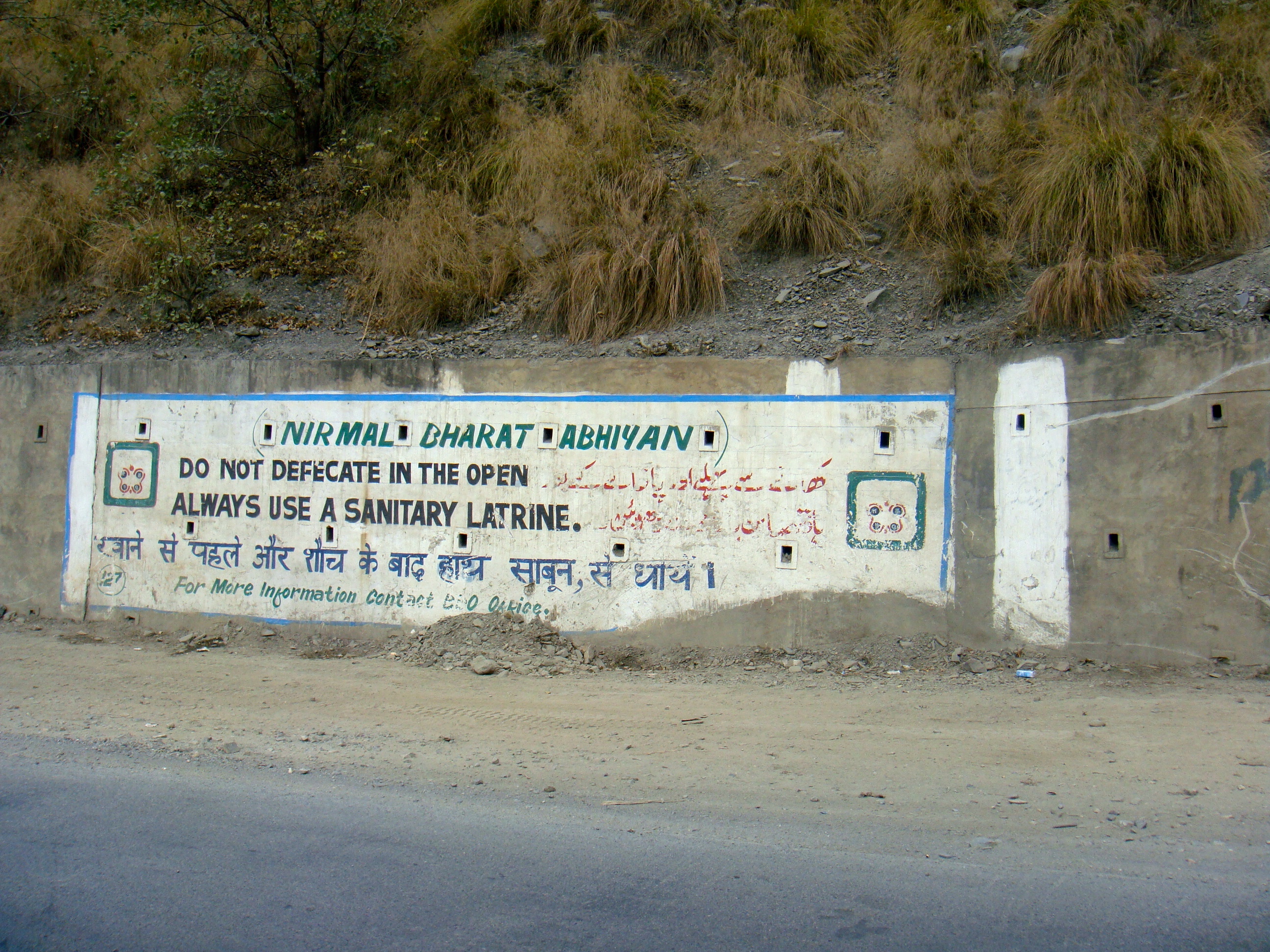
Signs of the times

Quick post with some of the signs we’ve seen during the past few days …

DSC01500 DSC01499

DSC01495 DSC01494 DSC01492DSC01484

DSC01452DSC01457DSC01511DSC01448DSC01447DSC01585

We’ve just come back from Srinagar and have email again but we are still in Kashmir so no mobile coverage (outside mobiles are blocked in Jammu and Kashmir).

We’ve been storing up the stories so several blogs coming soon!

Happy Christmas everyone, Ian & Leishia


Delhi

So where better to get Delhi belly than Delhi? Poor Leishia has been laid low with it and is only just recovering. Annoyingly we think it was a chicken roll she ate in a western style coffee shop!

On our first evening here the owner of the guesthouse we booked gave us a lovely cake for our wedding anniversary – how kind! Leishia didn’t eat much of it because of her tummy problems but I soldiered on and can proudly report that the whole cake is gone!

We haven’t seen as much of the city as we had hoped mostly because Leishia has been resting but we did see some of the more important sites.

First stop was the Red Fort which, given that it is a world heritage site, was a disappointment. True it is a very large fort with high red sandstone walls and huge gates but sadly once inside there isn’t much to impress and the whole place is in poor repair and untidy. That said we did see some interesting things. This is a water feature, they are quite common in Mughal architecture and when we build a house we plan to copy the idea! The water runs down the marble chute into a pool and then on to a series of cooling channels:

DSC01346

We also liked this:

DSC01339

and this:

DSC01347

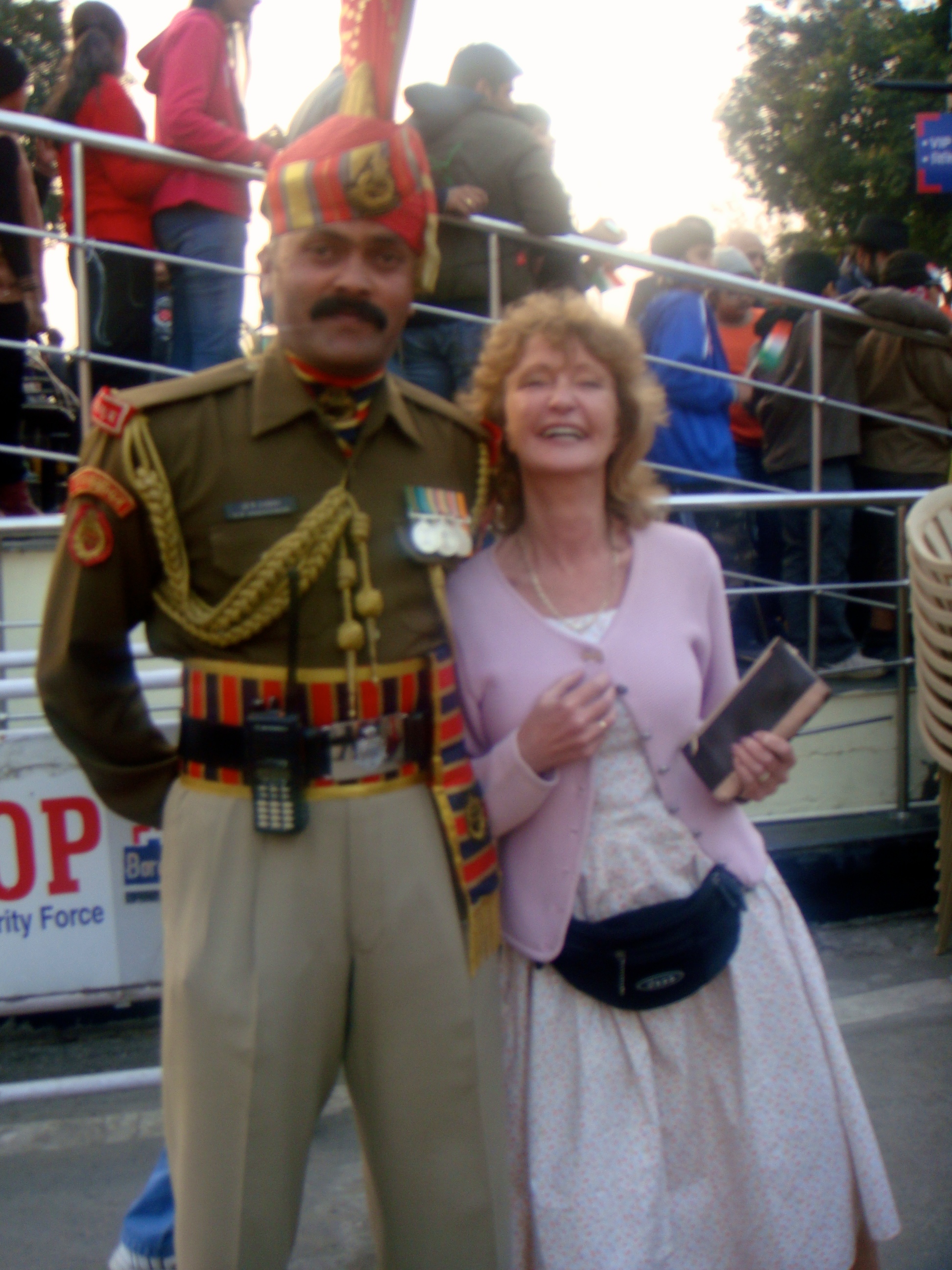
Leishia is always the centre of attention in these attractions and wherever we visit people ask to have their picture taken with her, here is a typical example:

DSC01356

Sometimes it will be a school group and the photo-taking can last ten minutes and the proceedings be recorded on twenty or thirty phones and cameras!

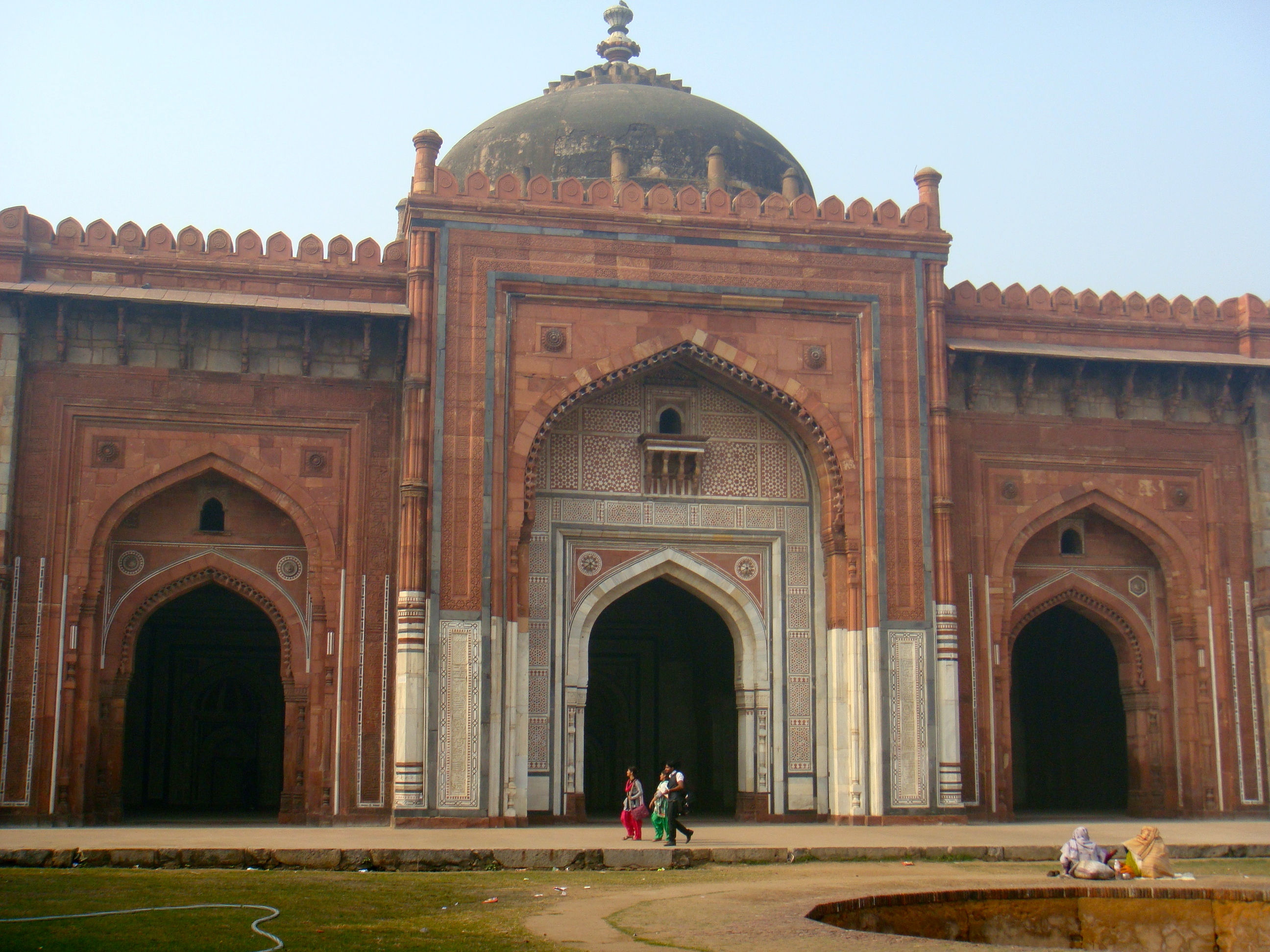
Yesterday we took the metro to see Purana Qila (Old Fort). Purana Qila is a massive citadel and was built by either Humayun, the second Mughal emperor, in 1533 or Sher Shah Sur who captured Delhi from Humayun in 1540. The plaque at the entrance favours the former provenance, Wikipedia the latter.

Whoever built it the citadel is an imposing structure although now mostly in ruins. The walls are 4m thick and 20m high with a perimeter of almost 2km so a lot of stone!

DSC01388 Internal view of the walls

DSC01393  one of the gates

DSC01390

DSC01391 the mosque

Even though it’s not clear who built Purana Qila what is known is that Humayun lost Delhi to Sher Shah in 1540. Sher Shah died in 1545 and was succeeded by his second son, Islam Shah, who spent most of his time putting down rebellions. Islam Shah himself died in 1553 and, taking advantage of the ensuing civil war among Islam’s successors, Humayun managed, in 1555, to recover his empire and Purana Qila with it.

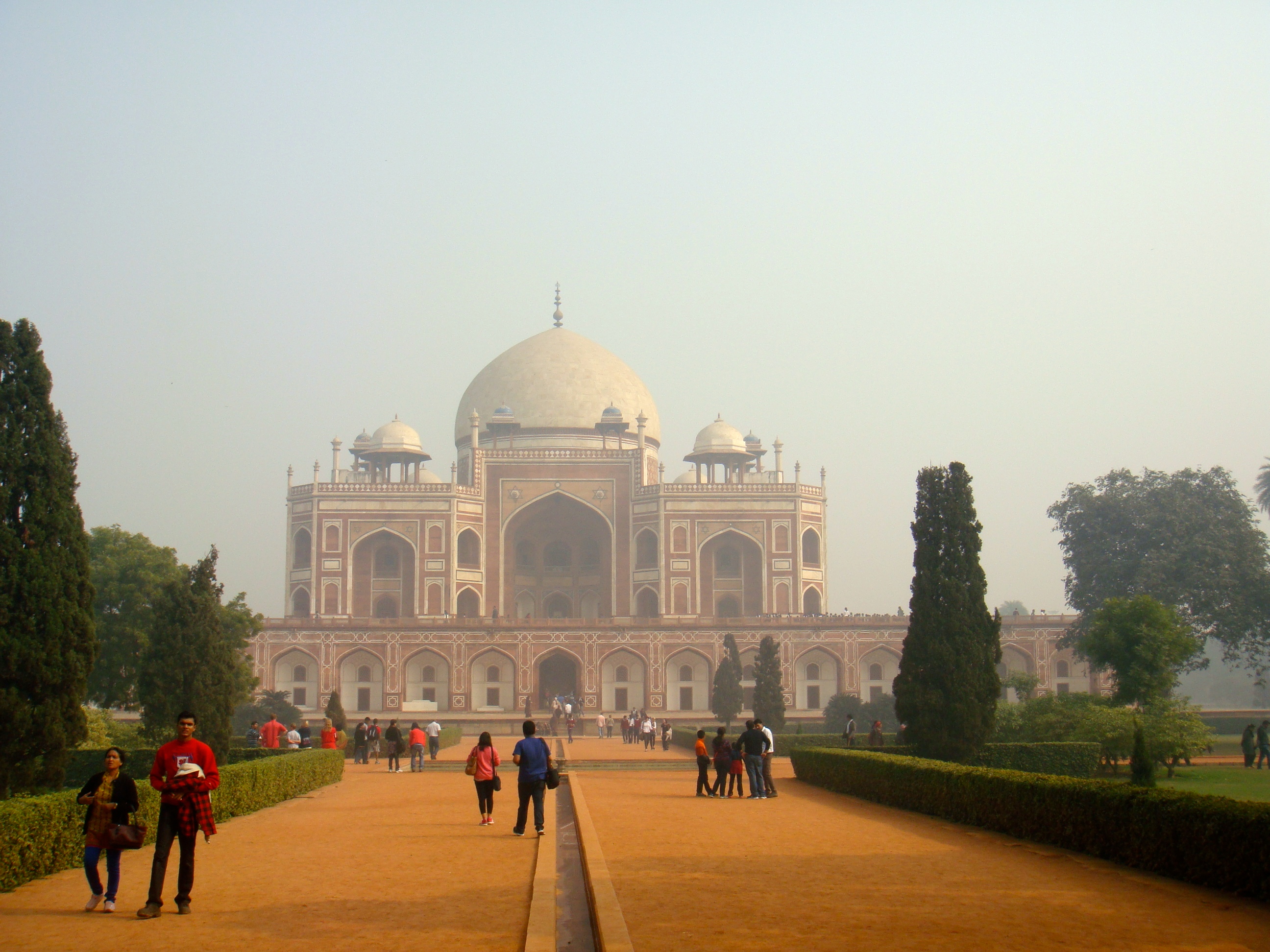
Humayun established a library in Purana Qila and one day in 1556 fell when going down the stairs from it. He subsequently died from his injuries. Humayun is buried in a beautiful garden tomb less than 2km away from Purana Qila. The tomb was commissioned by his widow in 1565 and so predates the Taj Mahal.

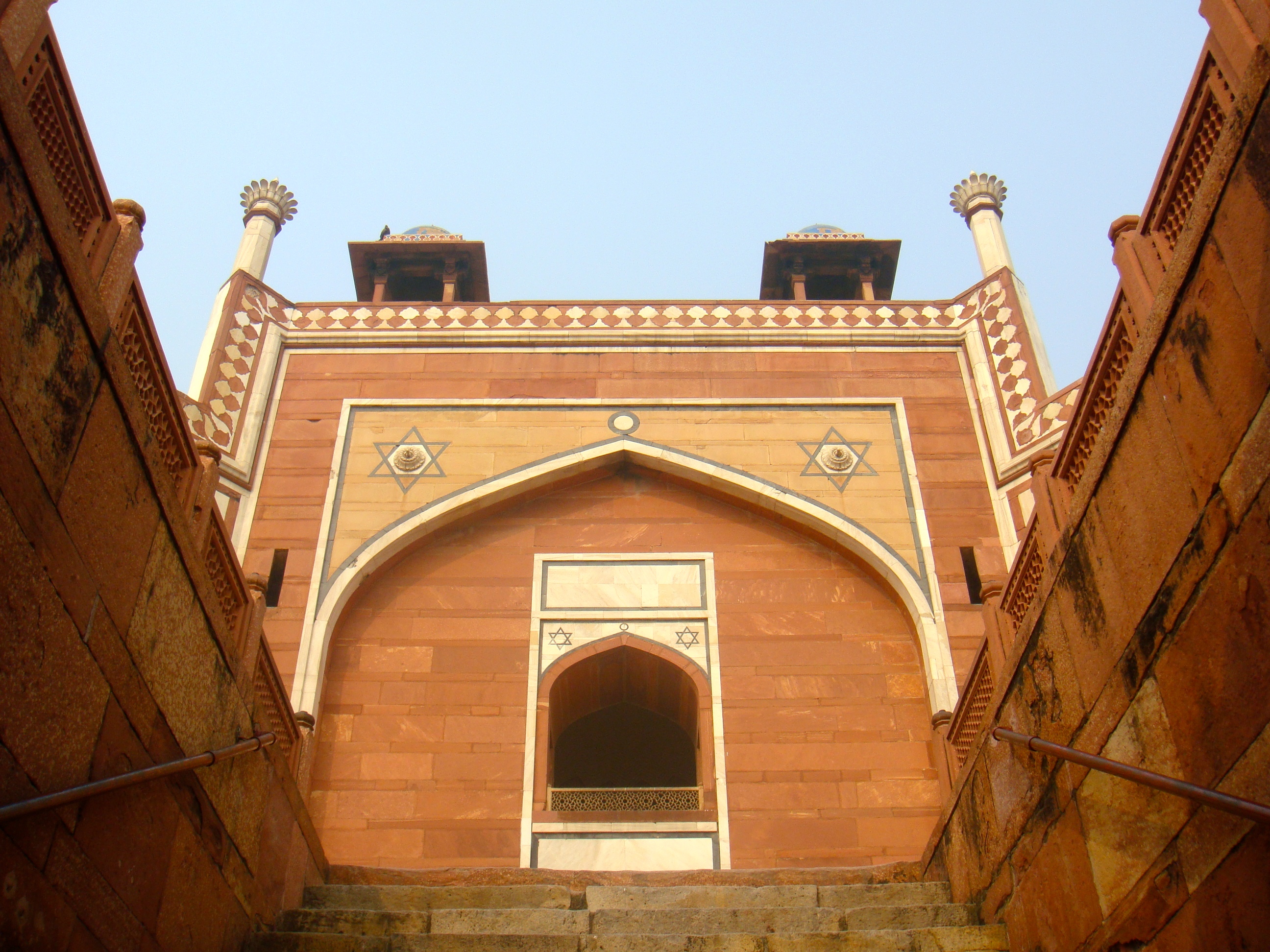
The tomb is a Unesco world heritage site and is absolutely stunning:

DSC01406

DSC01425

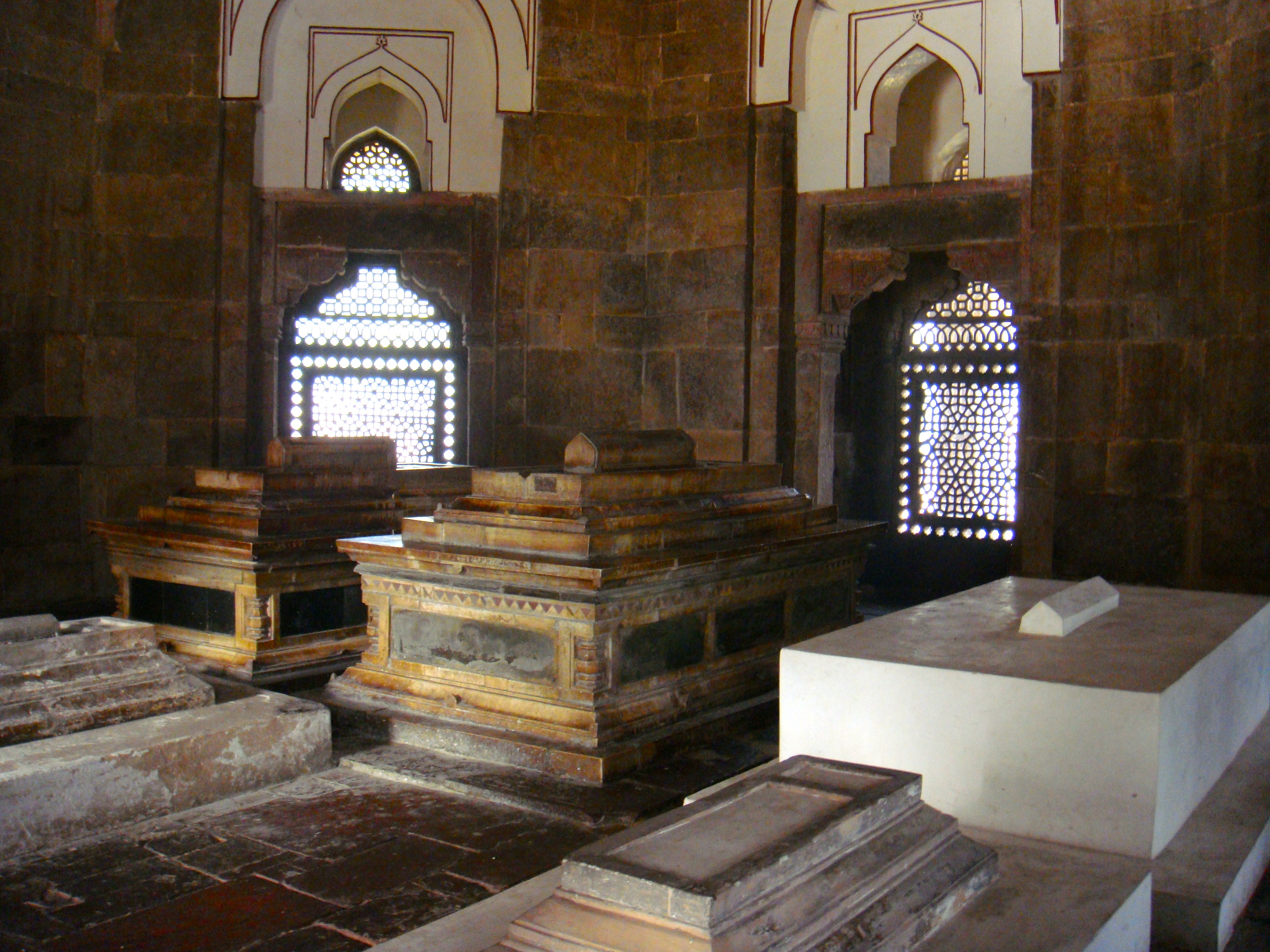
Inside the tomb there is the central chamber:

DSC01420

and four side chambers. Each of the side chambers also contains tombs, we like to think they are all his friends!

DSC01396

Even more of his pals are buried outside:

DSC01415

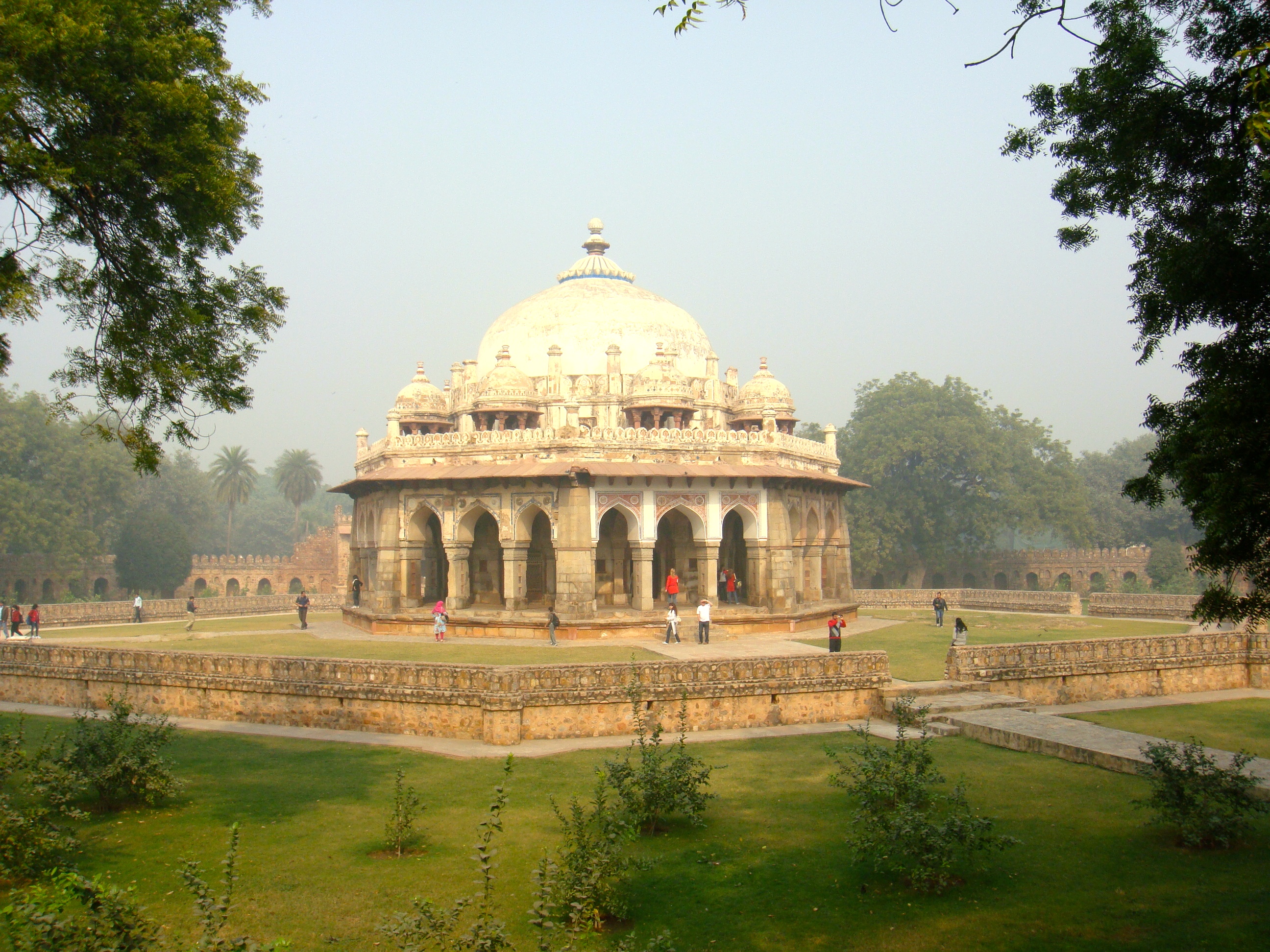
The complex is huge and contains several other tombs, here is just one of them:
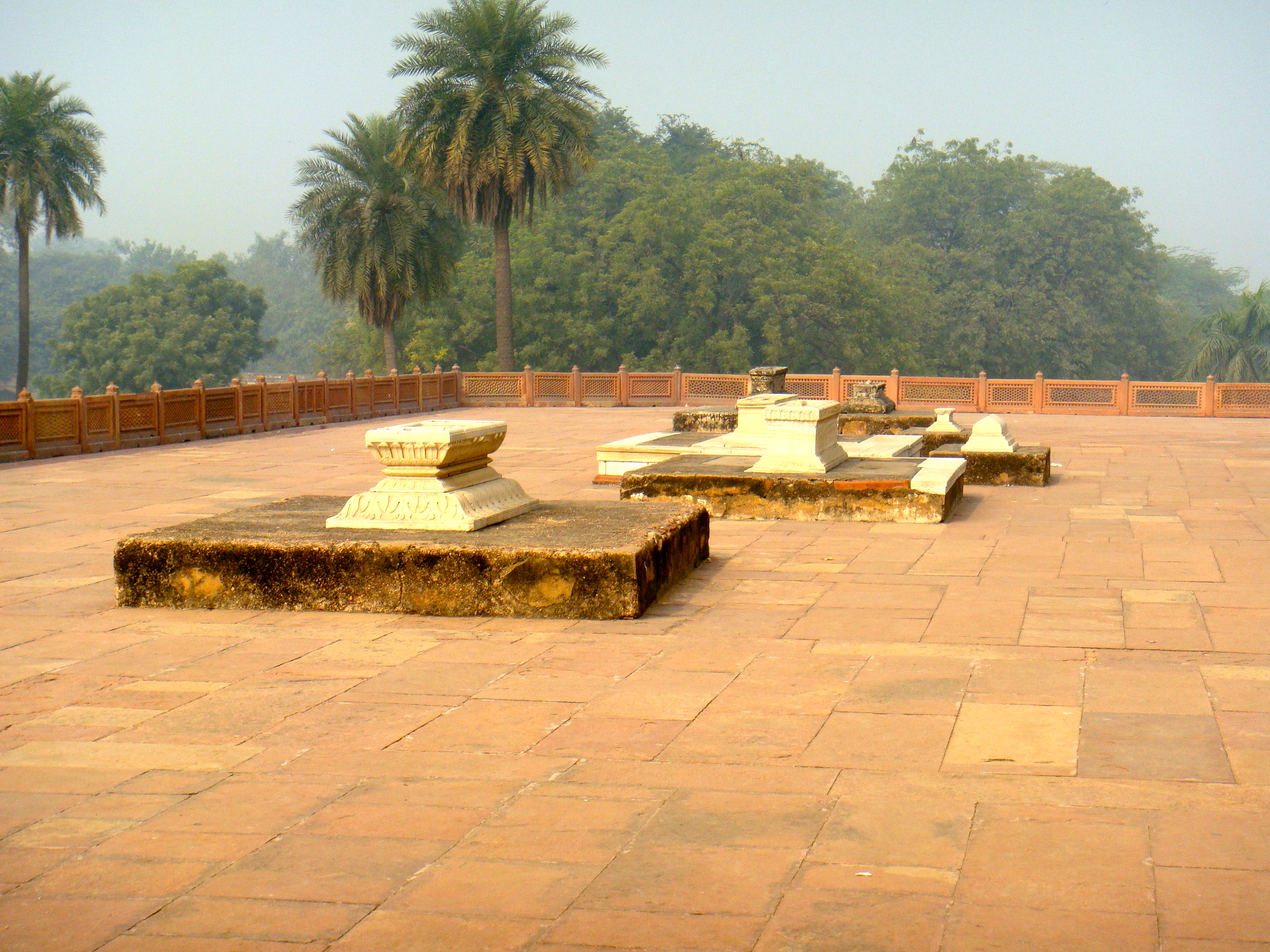
DSC01401 Isa Khan Niyazi’s tomb (1547)

After seeing Humayun’s tomb we went to the Parliament building:

DSC01439  you can’t get any further than the gates

DSC01438 Government cars!

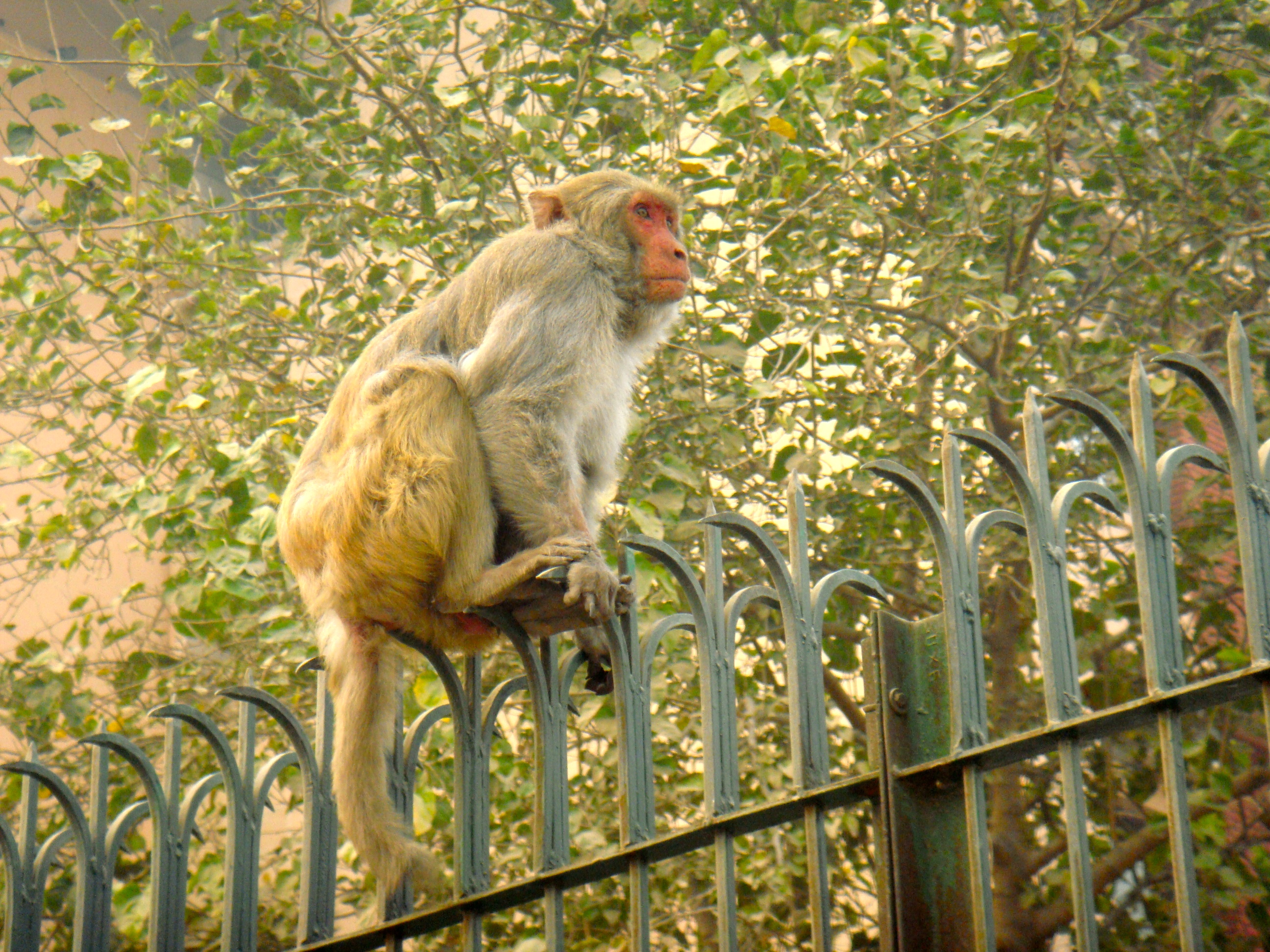
Having seen monkeys congregating at “Legal Central” in Agra we were highly amused to see monkeys around the Parliament area in Delhi:

DSC01445

Maybe the monkeys know something!

So finally we managed to get to probably the best sites in Delhi! Today we start driving north and west to reach Srinagar, not sure how long it will take, depends on the snow conditions but our plan is to be back from Srinagar and in Amritsar for Christmas Day at the Golden Temple!

Jaipur

Well after cities like Chennai and states like Jharkand Jaipur truly is “India-lite”. It’s cleaner and quieter, with less poverty, good roads and good shops. Basically life is just easier here. After having seen almost no western faces in the last two months we are seeing hordes of them. Not that we particularly want to but it is different! I’ve even found a good running route (4km sandy track around Central Park) which is my first running opportunity since Palolem beach over four weeks ago.

Our hotel  has a spa with a very interesting treatment category:

DSC01163

Thinking about it it’s quite apt in a way, I’ve experienced more than one tortuous massage!

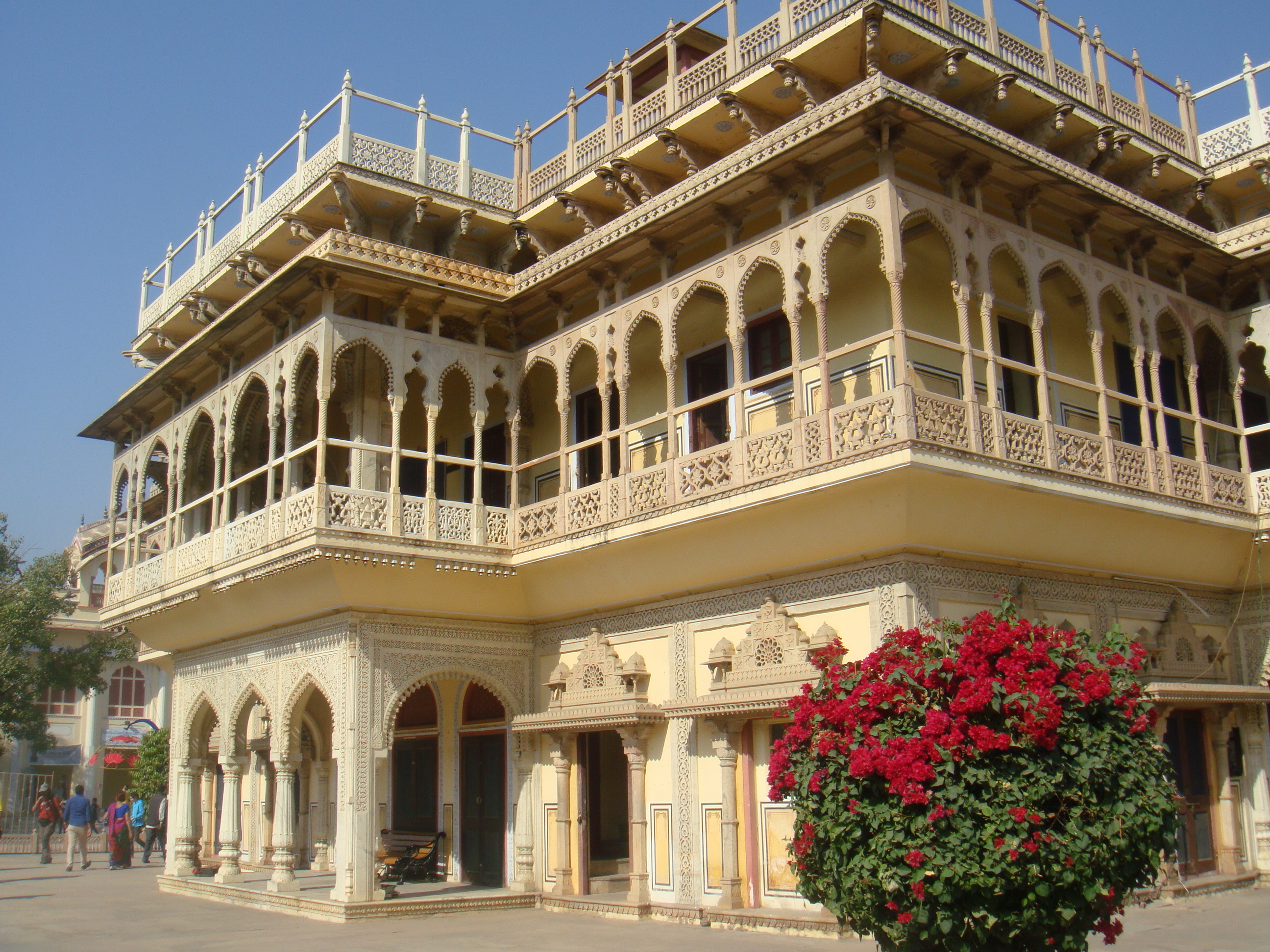
Our first visit in Jaipur was to the City Palace museum, this is a terrific complex with lots to see including the Mubarak Mahal:
DSC01164

This building was finished in 1900 and was recognised as the most beautiful building of the 20th century by the architects of the world during their annual meeting in Beijing in 1997. Not really our taste but we could see what they meant.

The museum was fascinating and we learnt a lot, most interesting snippets for me were:

Solah Shringar – the sixteen essentials of getting dressed! More here: http://anamikas.hubpages.com/hub/Solah-Shringar-16-Adornments-of-a-Hindu-Indian-Bride-Woman

Chaturanga – a forerunner of chess invented in India in the 6th century AD

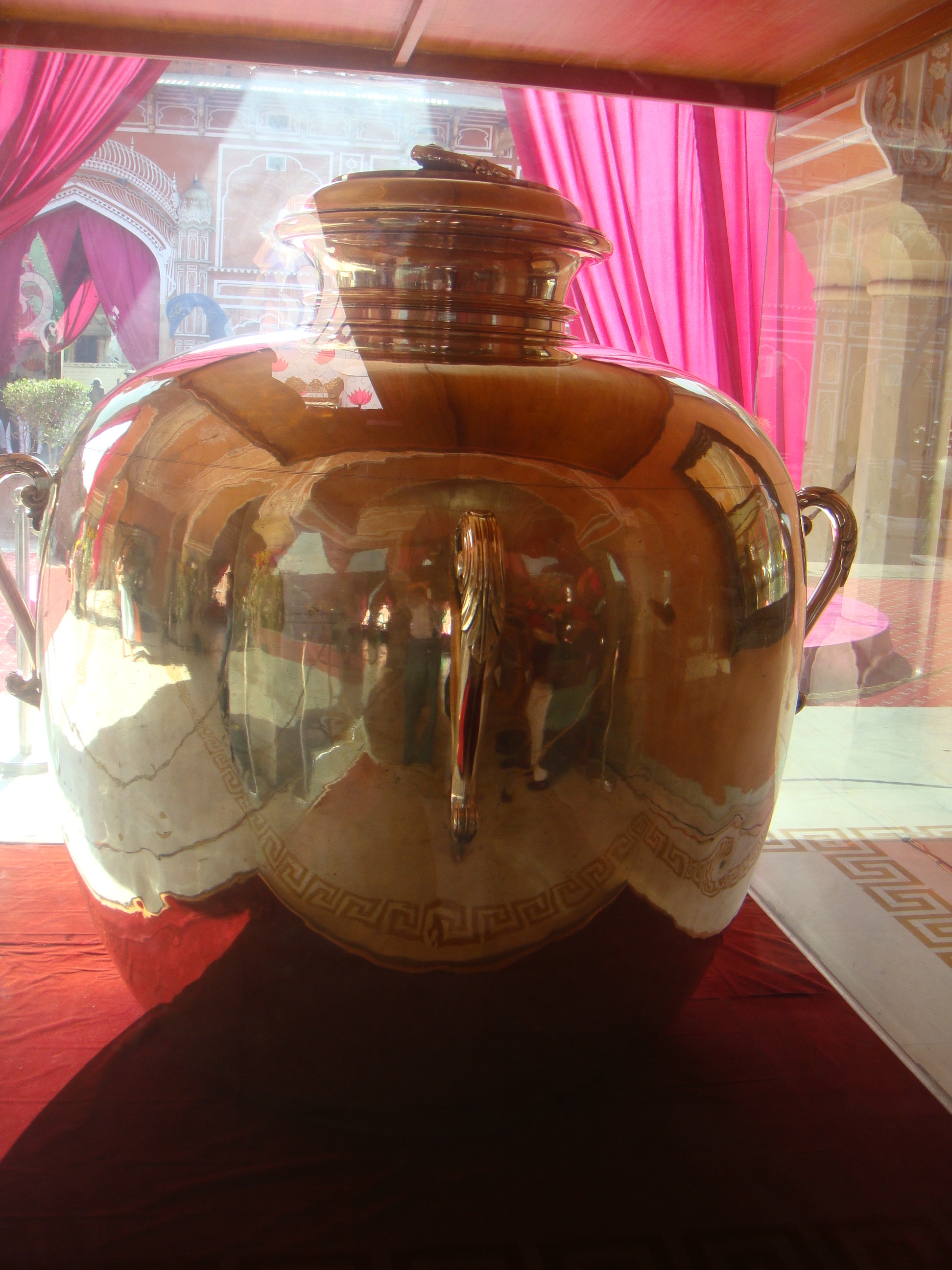
Gangajalis – the museum is home to two silver jars which are the largest silver objects in the world. They each weigh 345Kg, have a capacity of over 4,000 litres and are 160cm tall. When, in 1902, the Maharajah of the time was invited to the wedding of King Edward VII he took along the two jars filled with water from the Ganges for his personal use!

DSC01174

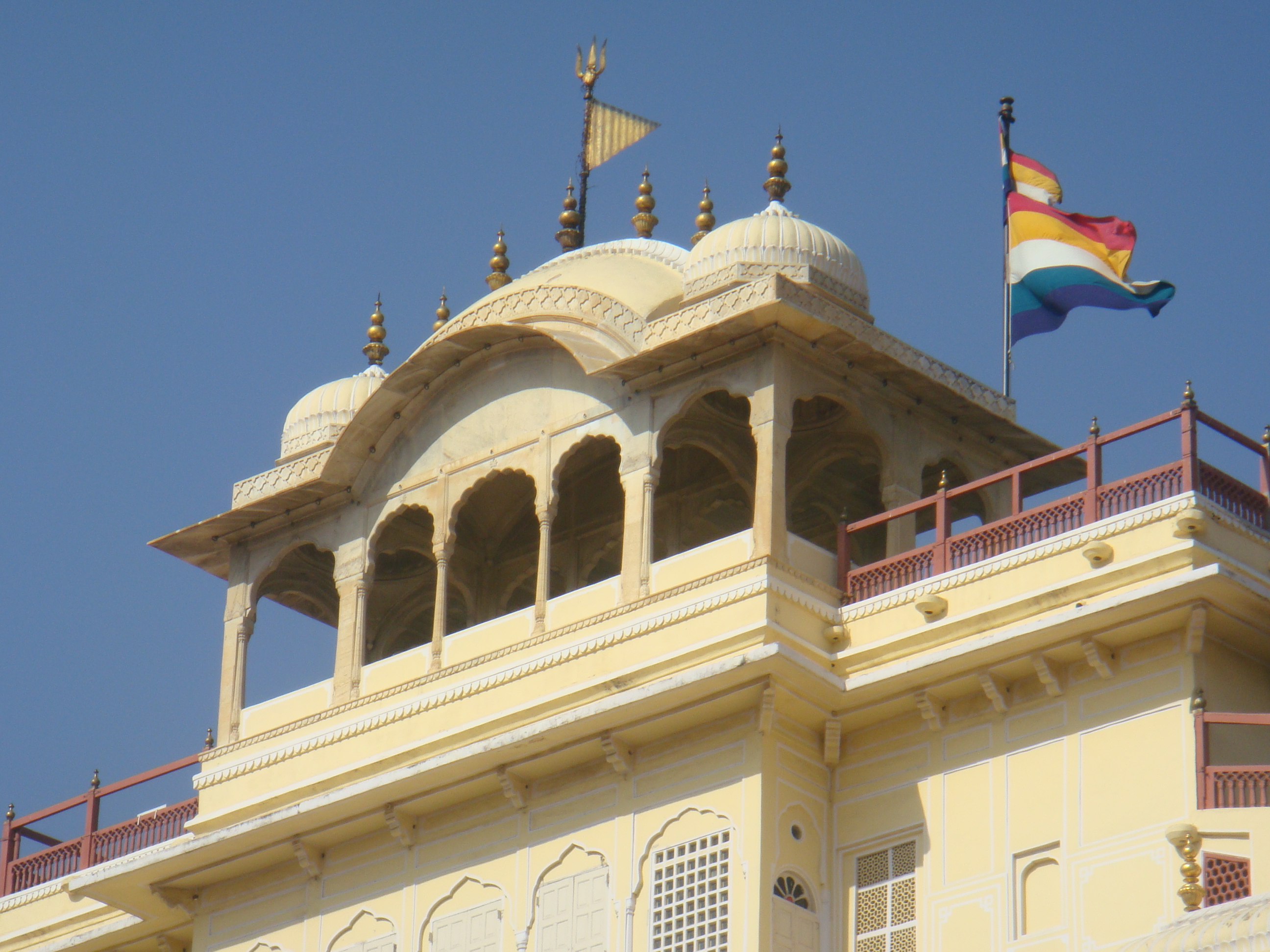
Jaipur flag – The founder of Jaipur was Sawai Jai Singh II, when he was eleven years old the Mughal emperor Aurangzeb gave him the title “Sawai” which literally means “one and a quarter” but is a metaphor for someone extraordinary. The Royal family passed on the title Sawai and use it to this day and when the King is in residence a quarter sized flag is flown above the city flag. Here it is flying above the Chandra Mahal:

DSC01178

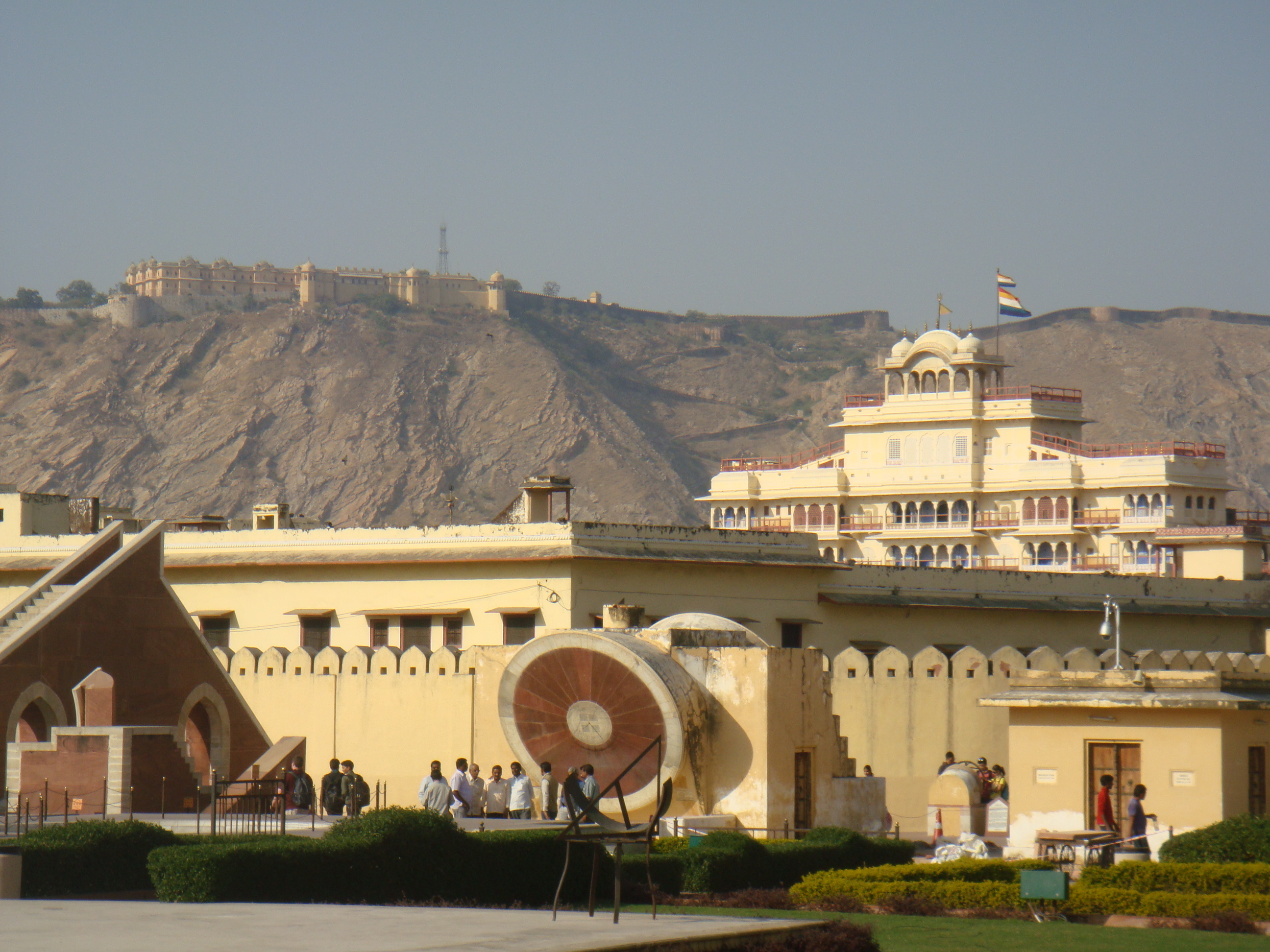
Here’s another shot of the Chandra Mahal:

DSC01197

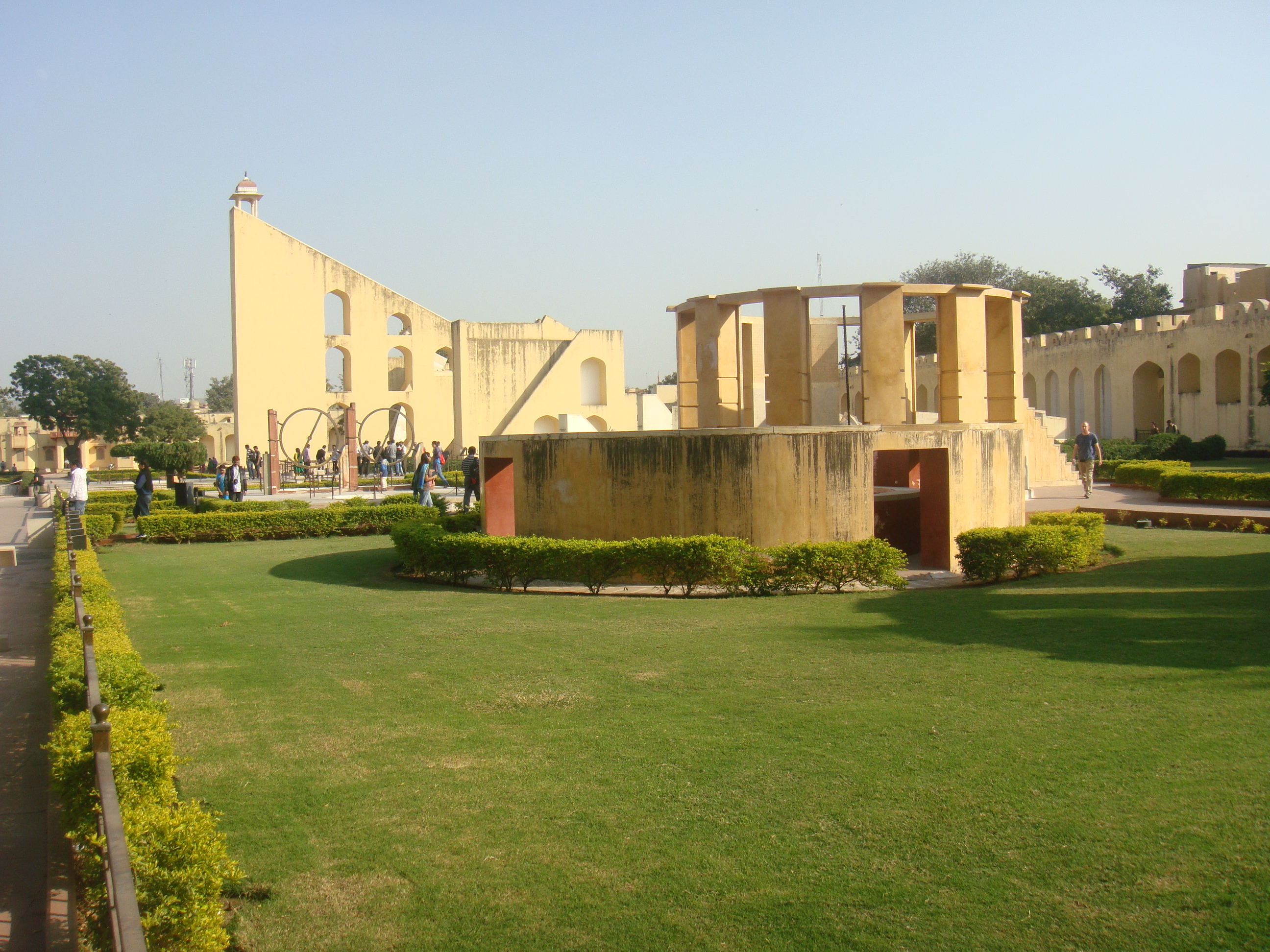
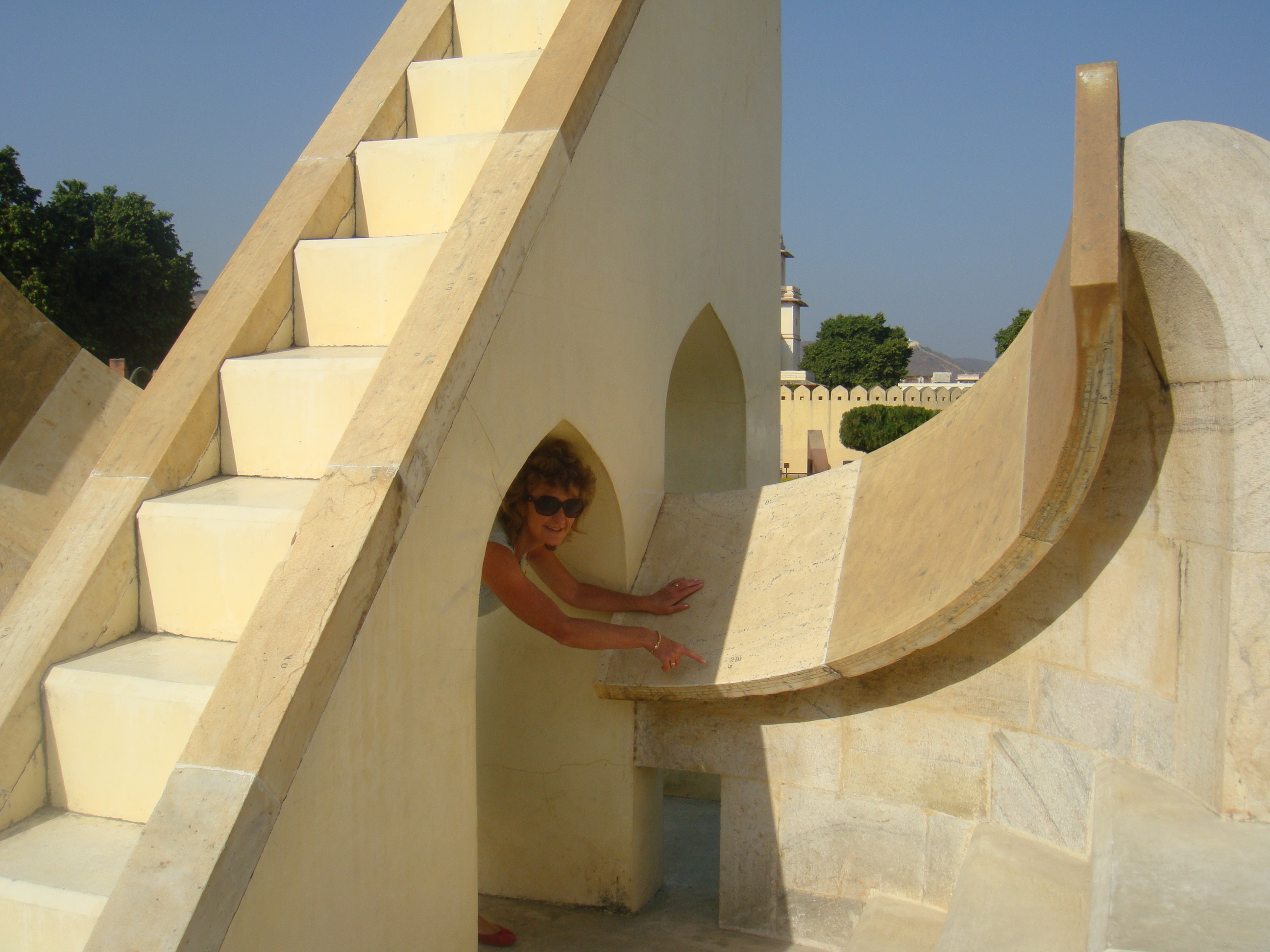
In the foreground is the Jantar Mantar, an early 18th century observatory:

DSC01207

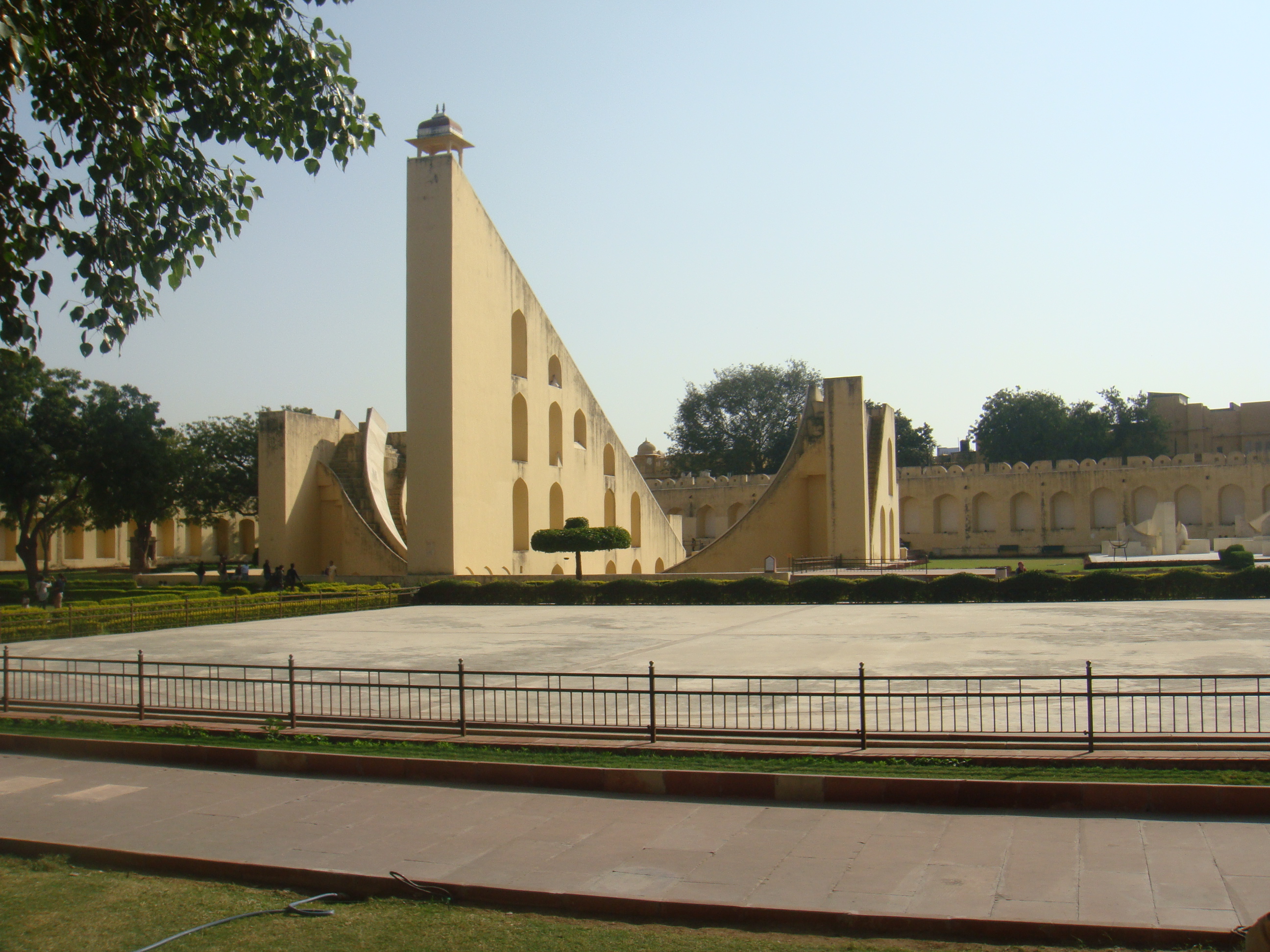
The Jantar Mantar is home to a number of structures which are used in astronomy and astrology. Leishia said it was probably the CERN of it’s day!

Here is a massive sundial accurate to two seconds:

DSC01190

The observatory also has twelve structures each of which represents a sign of the zodiac and points towards that particular constellation. Here is Leishia pointing out the time on her (Sagittarius) yantra (there’s that word again):

DSC01198

After the observatory we took a tuk-tuk to see the Jaj Mahal which is apparently being converted to a restaurant:

DSC01209

This former palace is modelled on the palace in Udaipur where we have booked a couple of nights in January to spoil ourselves! Looking forward to that!

The best news of the day was that we finally saw an elephant! Here she is, lovely girl:

DSC01214

Then, on our way back to the hotel, we were lucky enough to see a small wedding procession, apparently the women were going to the temple to pray:

Very cute!

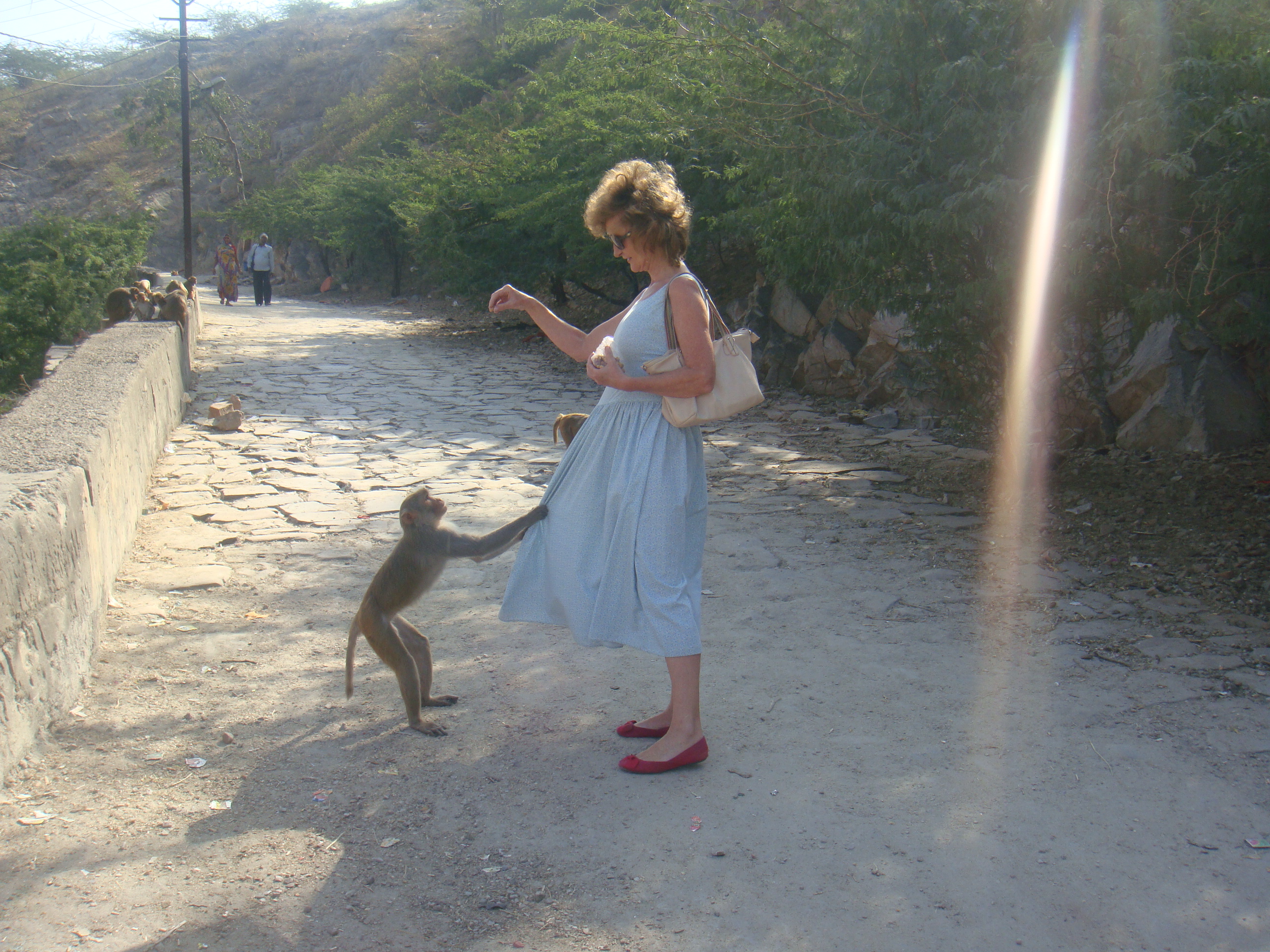
The next day we went to see the Galtaji colloquially known as the Monkey temple (because there are monkeys everywhere).

Here’s a shot of one of the more pleasant monkeys:

DSC01236 He’s on the left 😉

We had bought some peanuts to feed the monkeys, the peanut seller said it was good karma. Well it bloody wasn’t for us – some of the monkeys saw the bag of nuts in Leishia’s hand and basically attacked her. She gave up the nuts but not before one of the monkeys had bitten her finger! We didn’t get to see the main temple, instead we came back down the hill and went off in search of a pharmacy!

With Leishia dosed up on antibiotics we went on to the Hawa Mahal – the Palace of the Winds. This palace was built solely to house the Maharaja’s harem.  The audio commentary (paraphrased) said the Maharaja would often visit for physical pleasures and poetry. Poetry? Really?

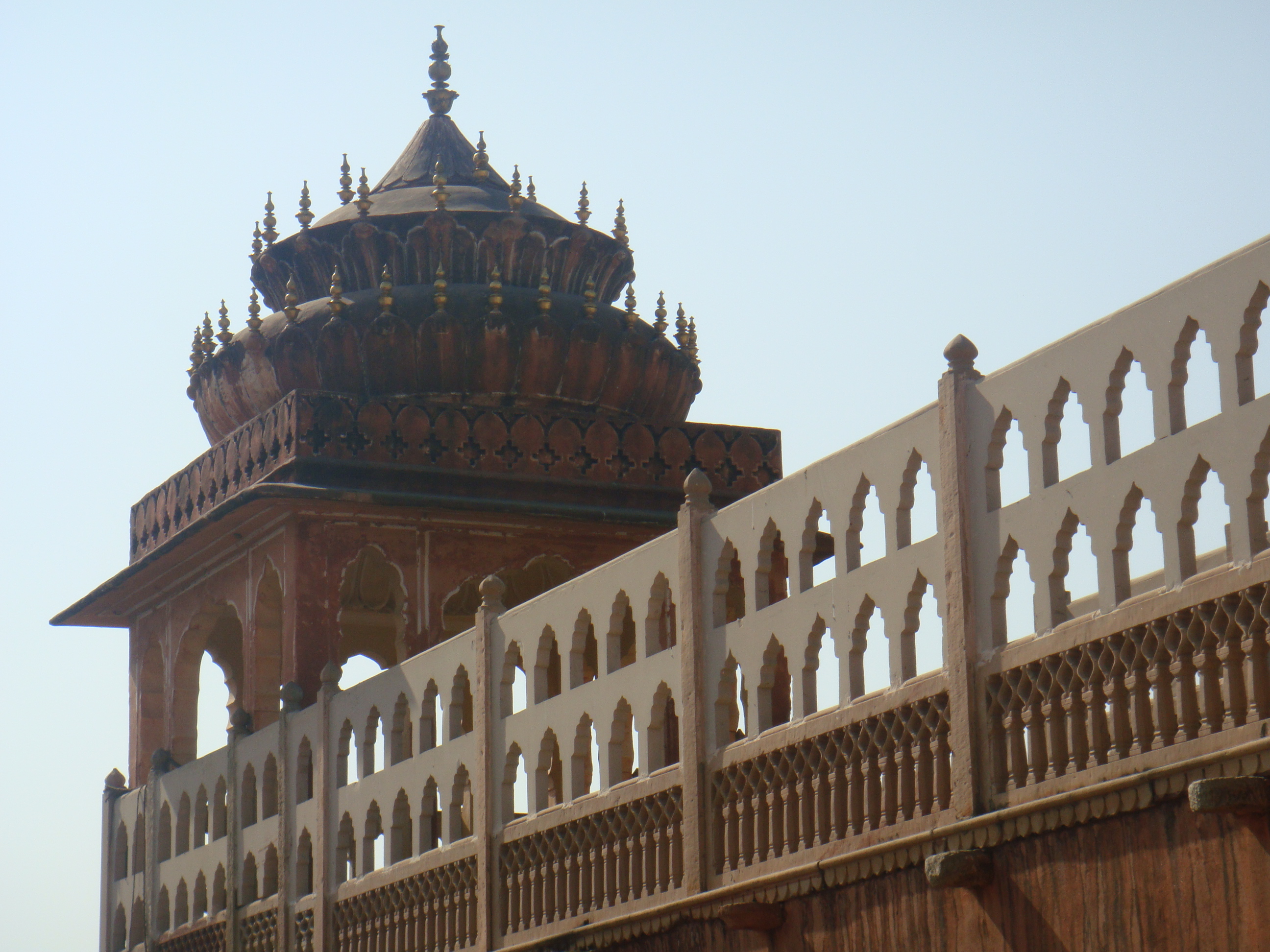
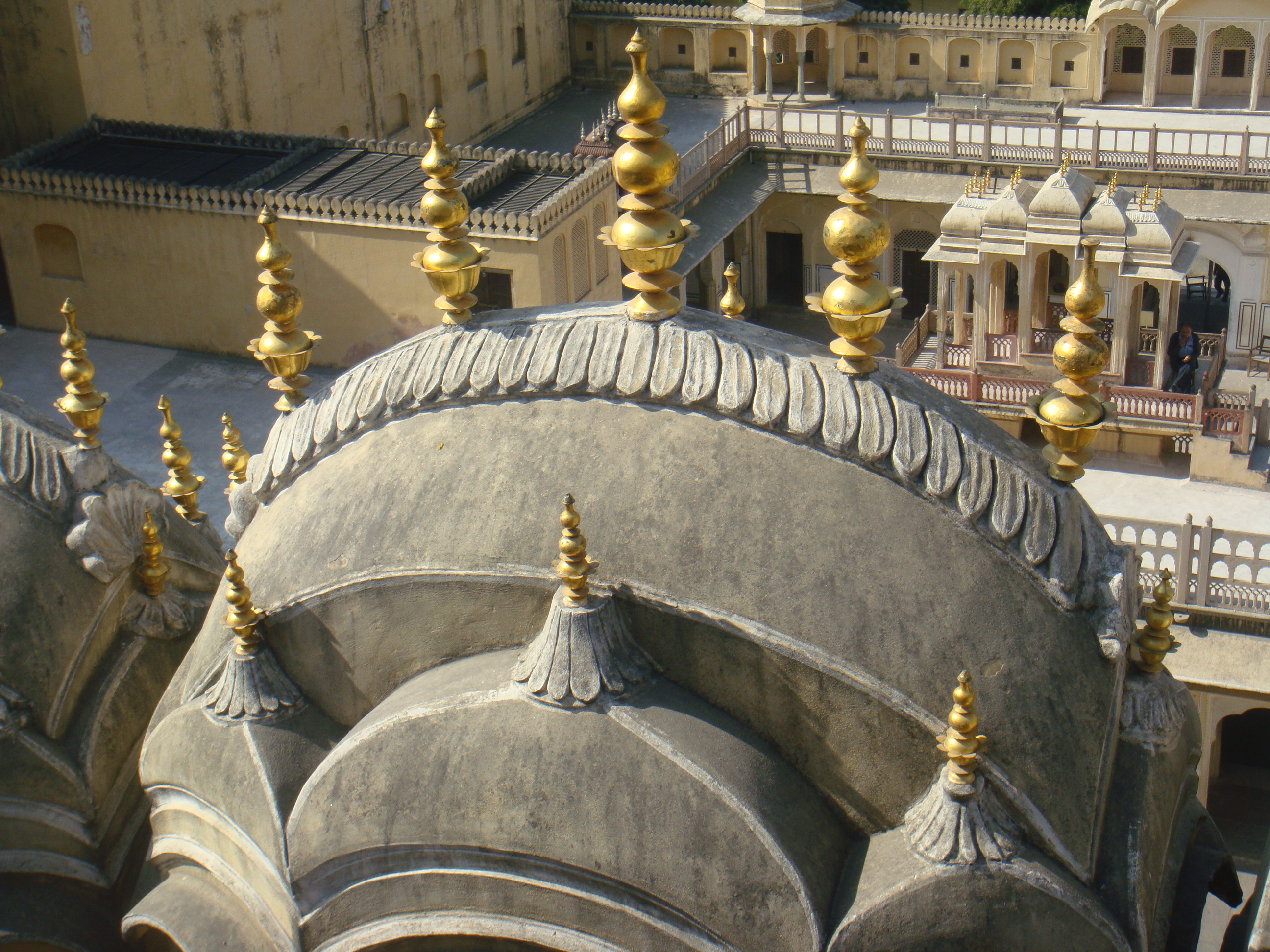
The palace was designed to protect the royal ladies (who spent their lives in purdah) from the eyes of men. Every window and opening was designed so that the women could see out but men could not see in. The architectural features were very attractive:

DSC01253

DSC01256

DSC01248

DSC01252

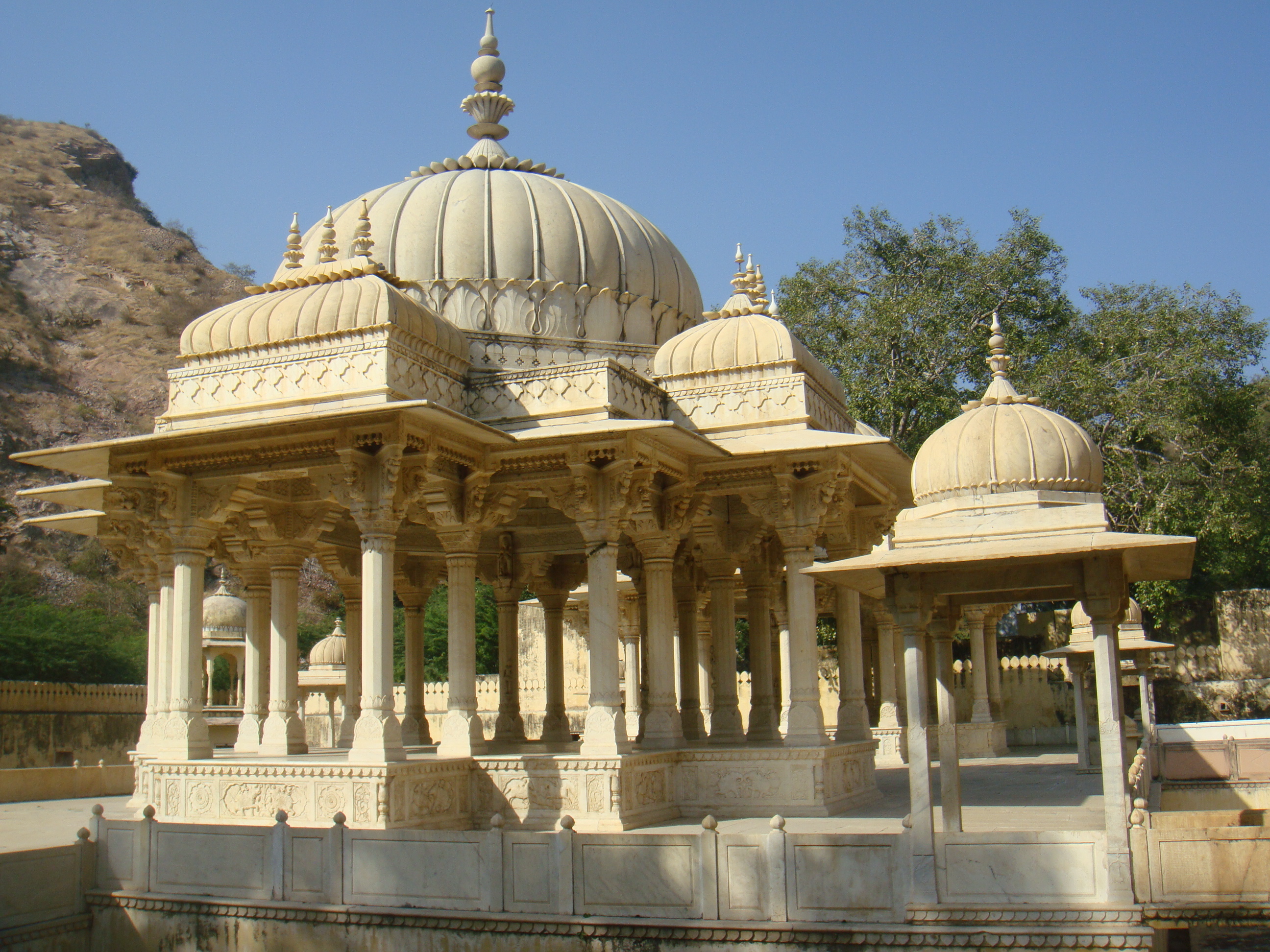
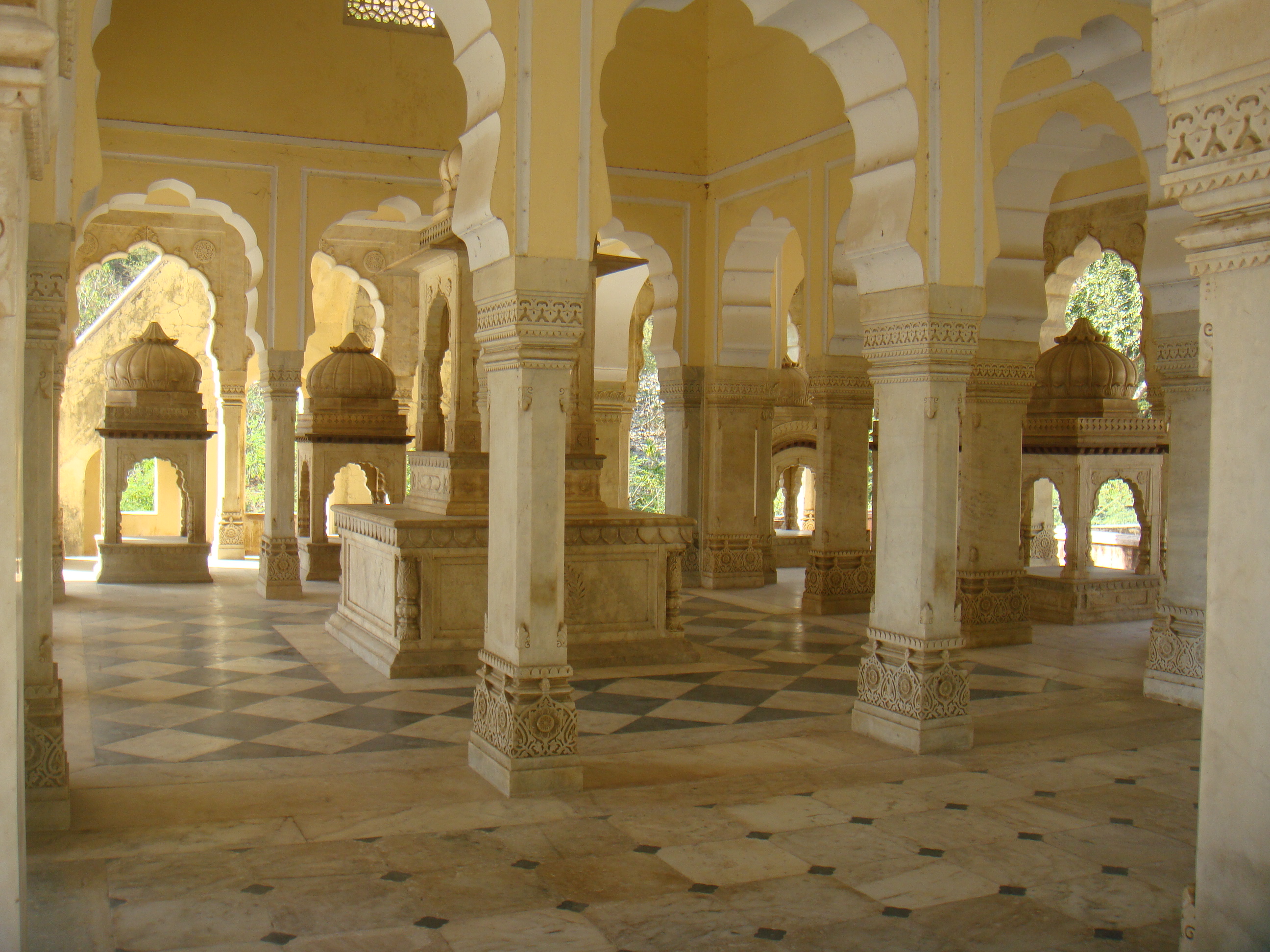
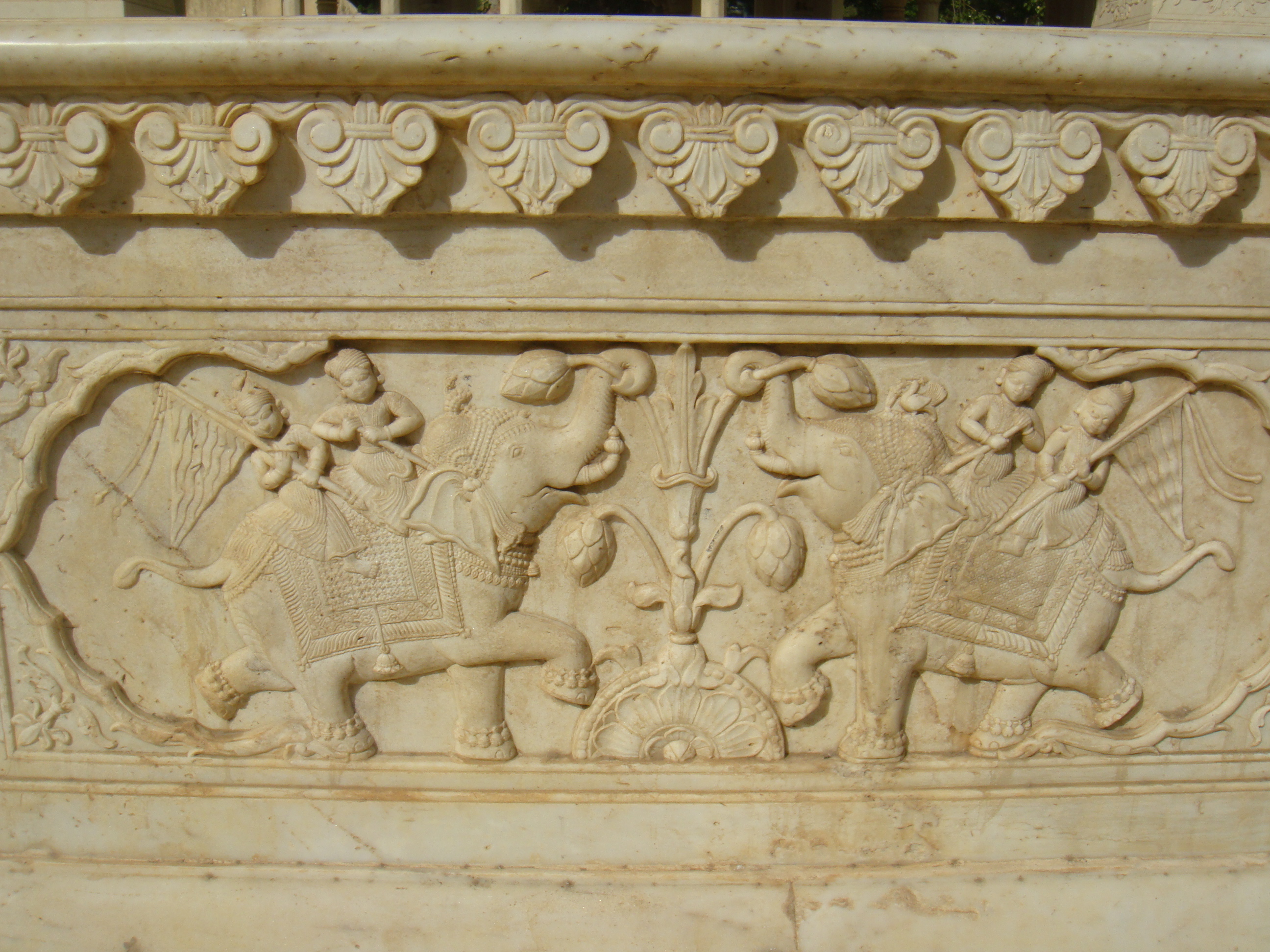
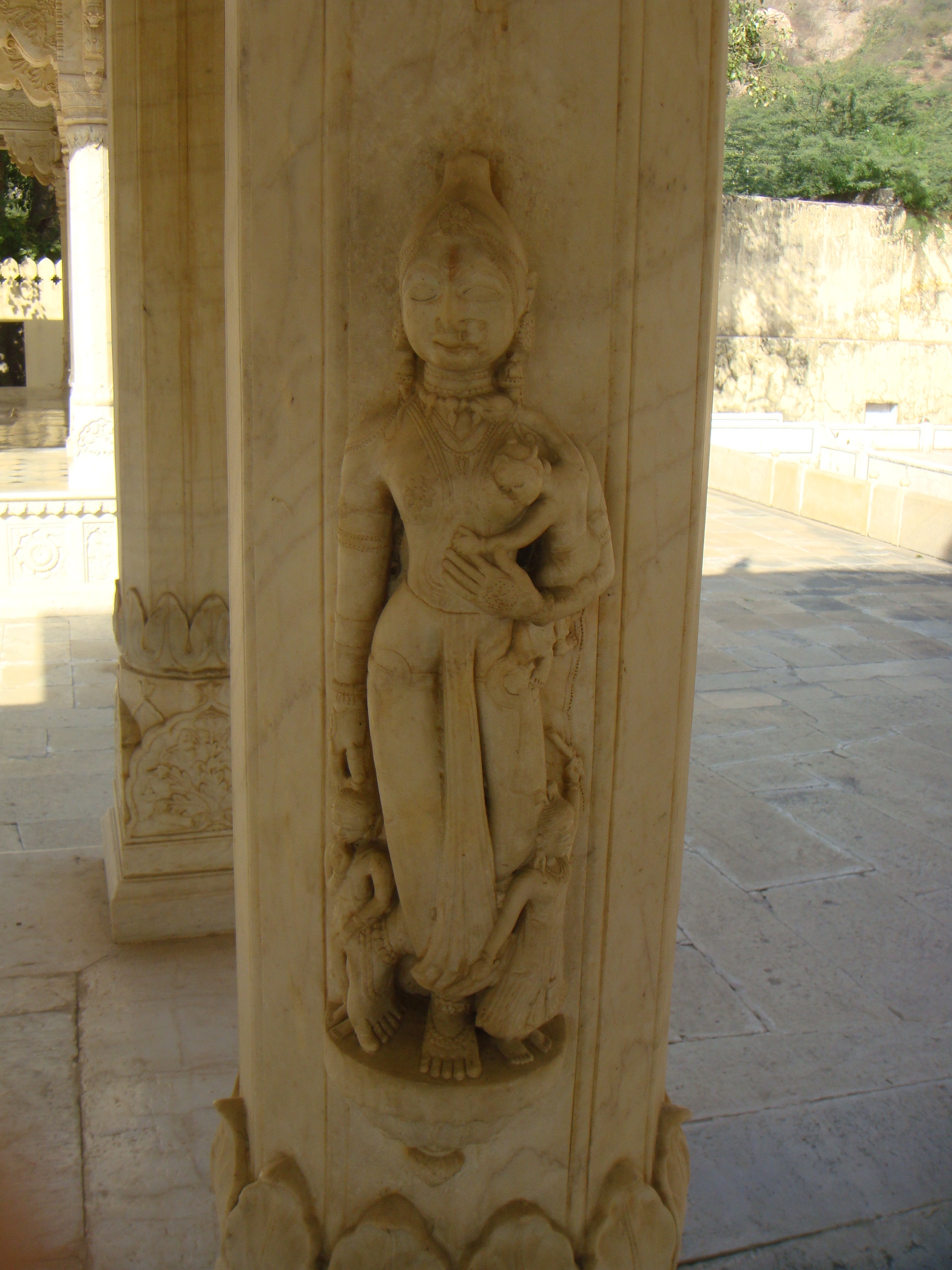
After the Palace we went to see Gatore Ki Chhatriyan, the burial ground of the Jaipur maharajas. Some of the tombs here were spectacular, beautiful structures with very high quality reliefs and sculptures:

DSC01277

DSC01273

DSC01278

DSC01281

It was around this time that Leishia started to suffer from the effects of the antibiotic. She became pretty sick and we had to retreat to the hotel and tuck her up in bed. So apart from one rogue monkey it was another good day.

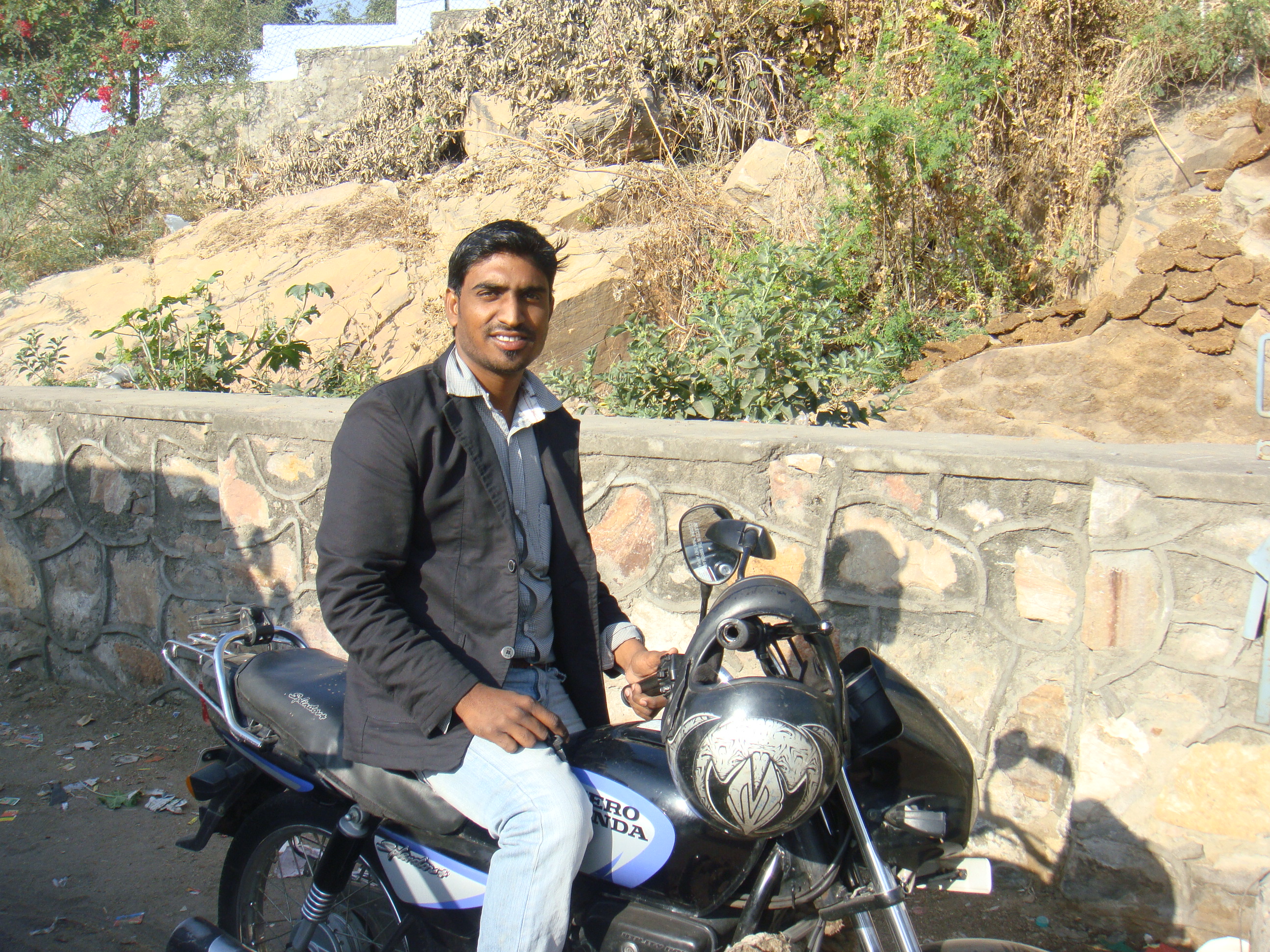
On our final day with Leishia recovered we drove north to the Amber Fort. Our tuk-tuk driver of the last couple of days (Shakir) very kindly offered to guide us out of the city on his motorbike! Here he is:

DSC01285

If you’re ever in Jaipur and need a tuk-tuk or a full blown tour of Rajasthan get hold of Shakir (shakirkaif2333@yahoo.com).

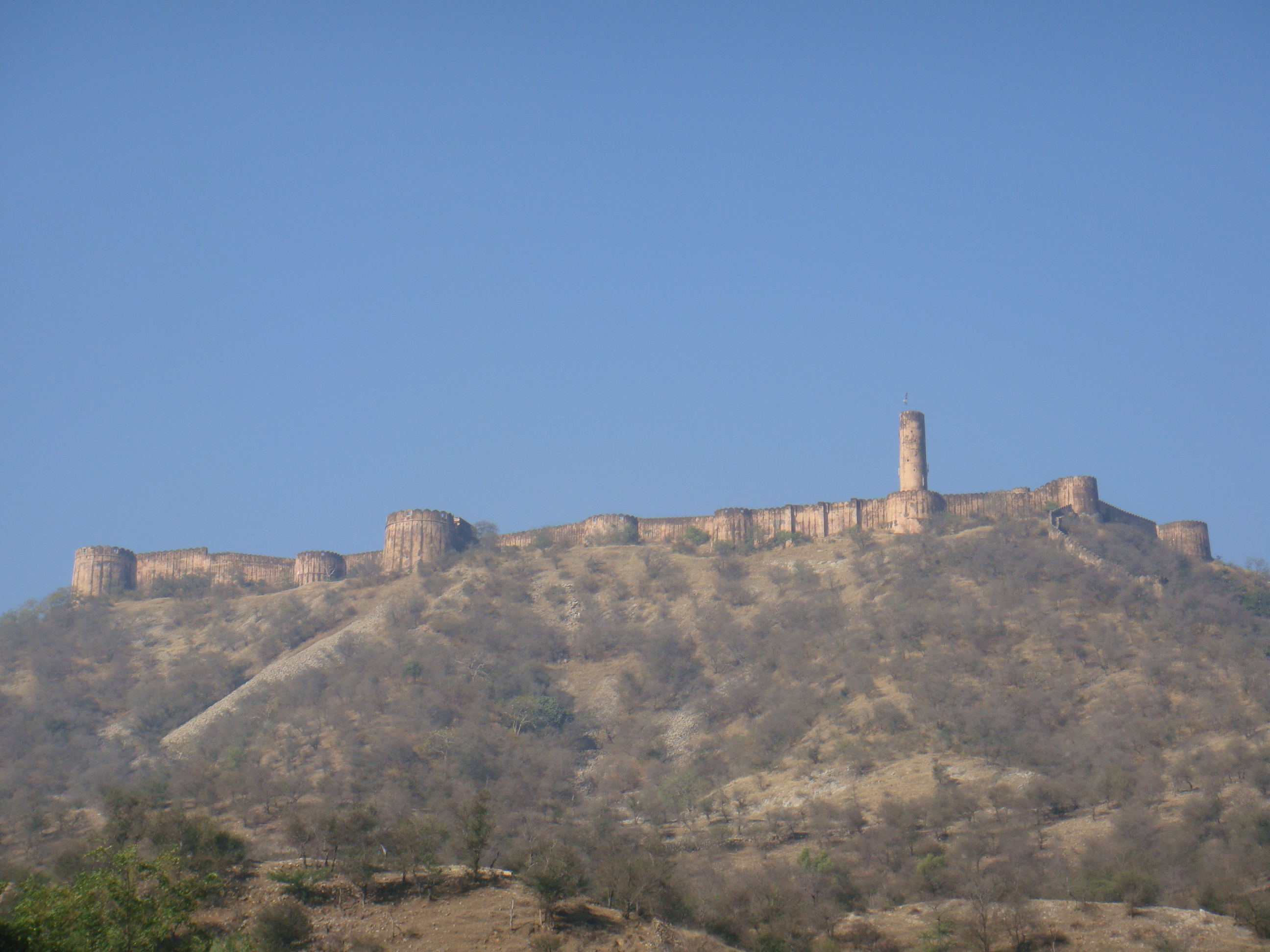
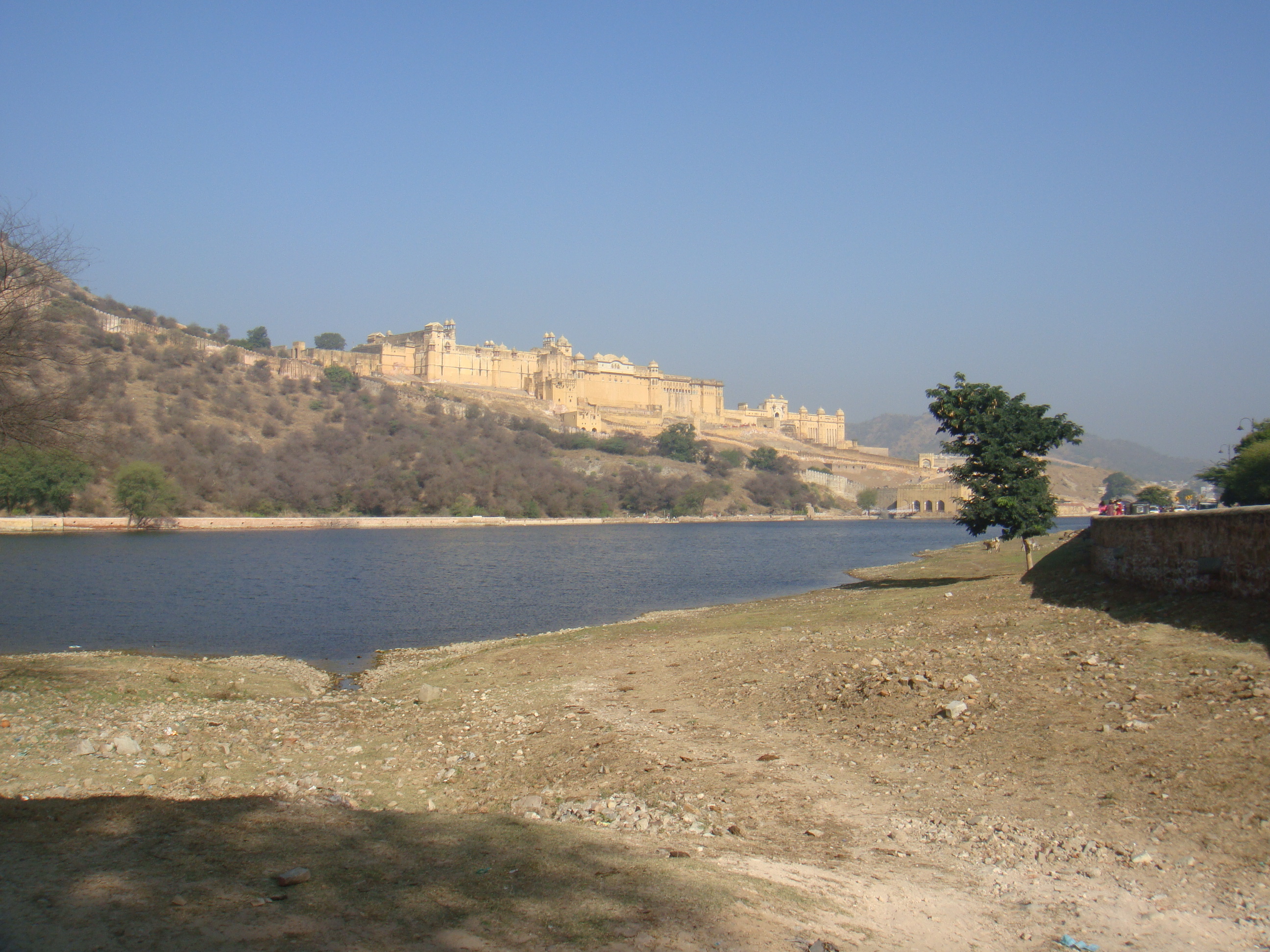
The Amber Fort is overlooked by Jaigarh fortress:

DSC01291

Seeing Jaigarh on top of the hill made me wish we could spend longer here. It seems even with five months you still have to pick and choose your ancient monuments!

The Amber Fort is both a fortress and a palace and is equally impressive:

DSC01288

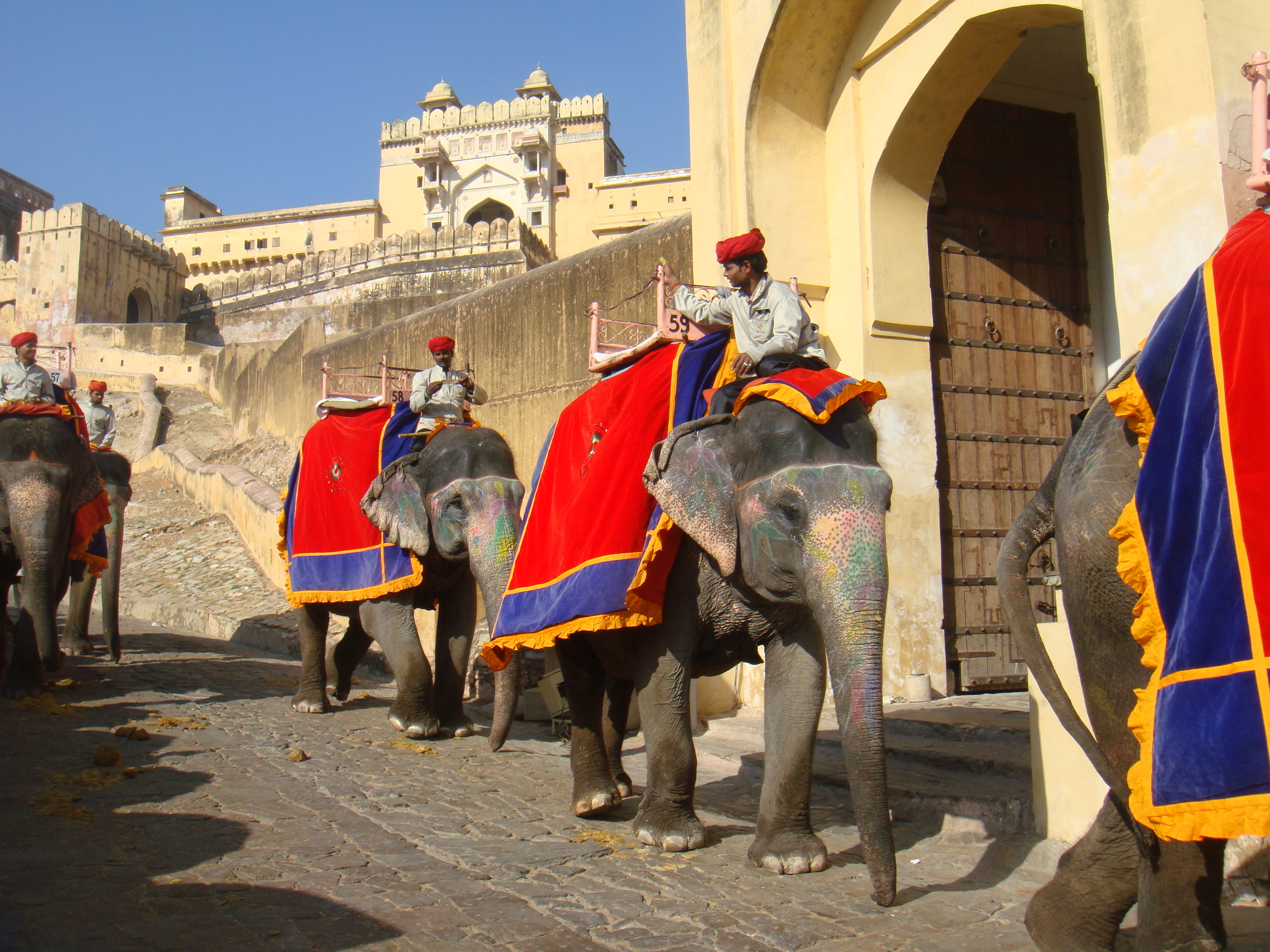
Many people ride up to the fort on elephants, there must have been at least fifty, some climbing the hill, some trudging back down and a lot more in the elephant parking area!

DSC01293

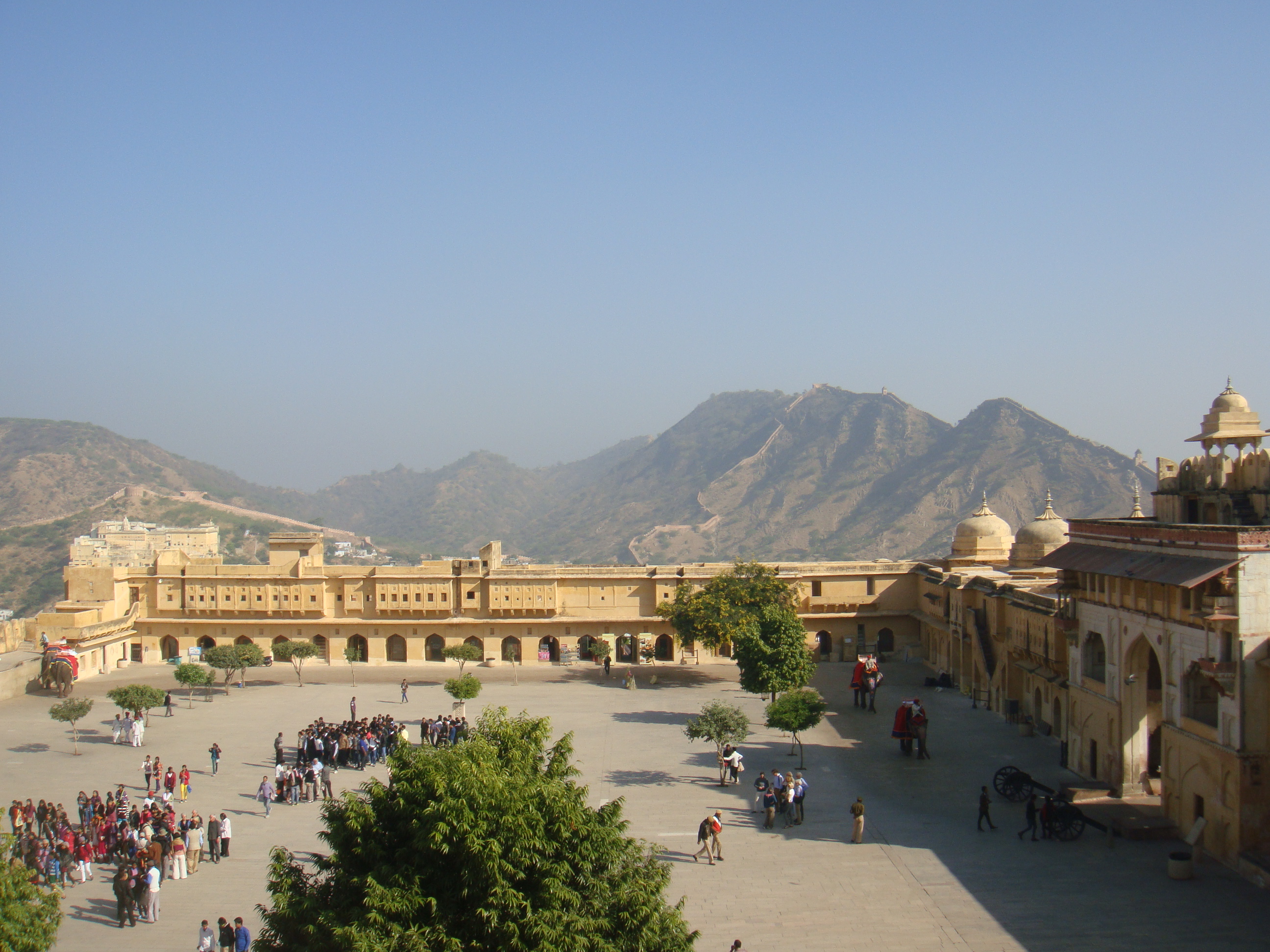
The fort is huge with three separate sections, this is the lower level:

DSC01301

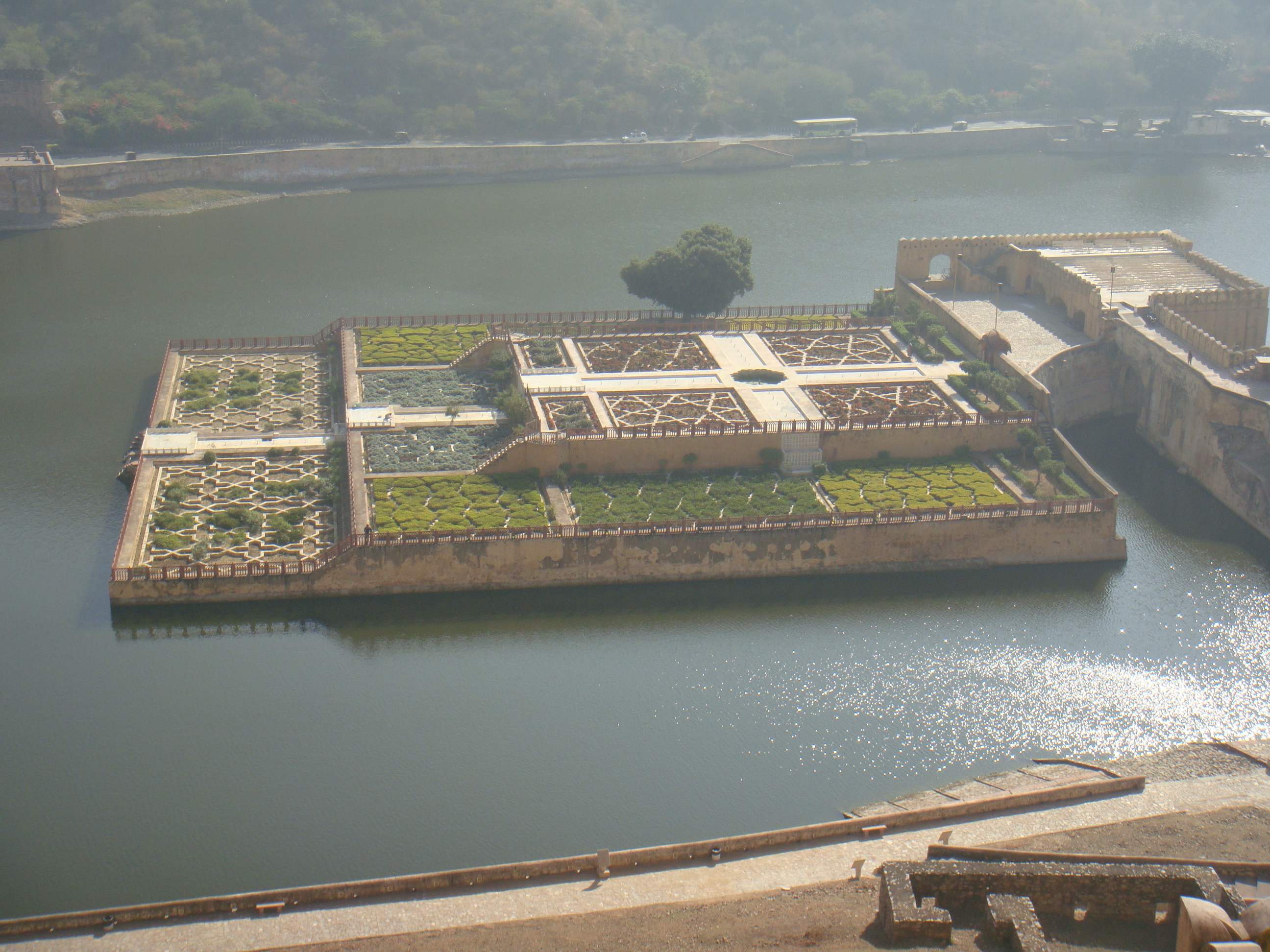
The royal family had a garden built on the lake below:

DSC01303

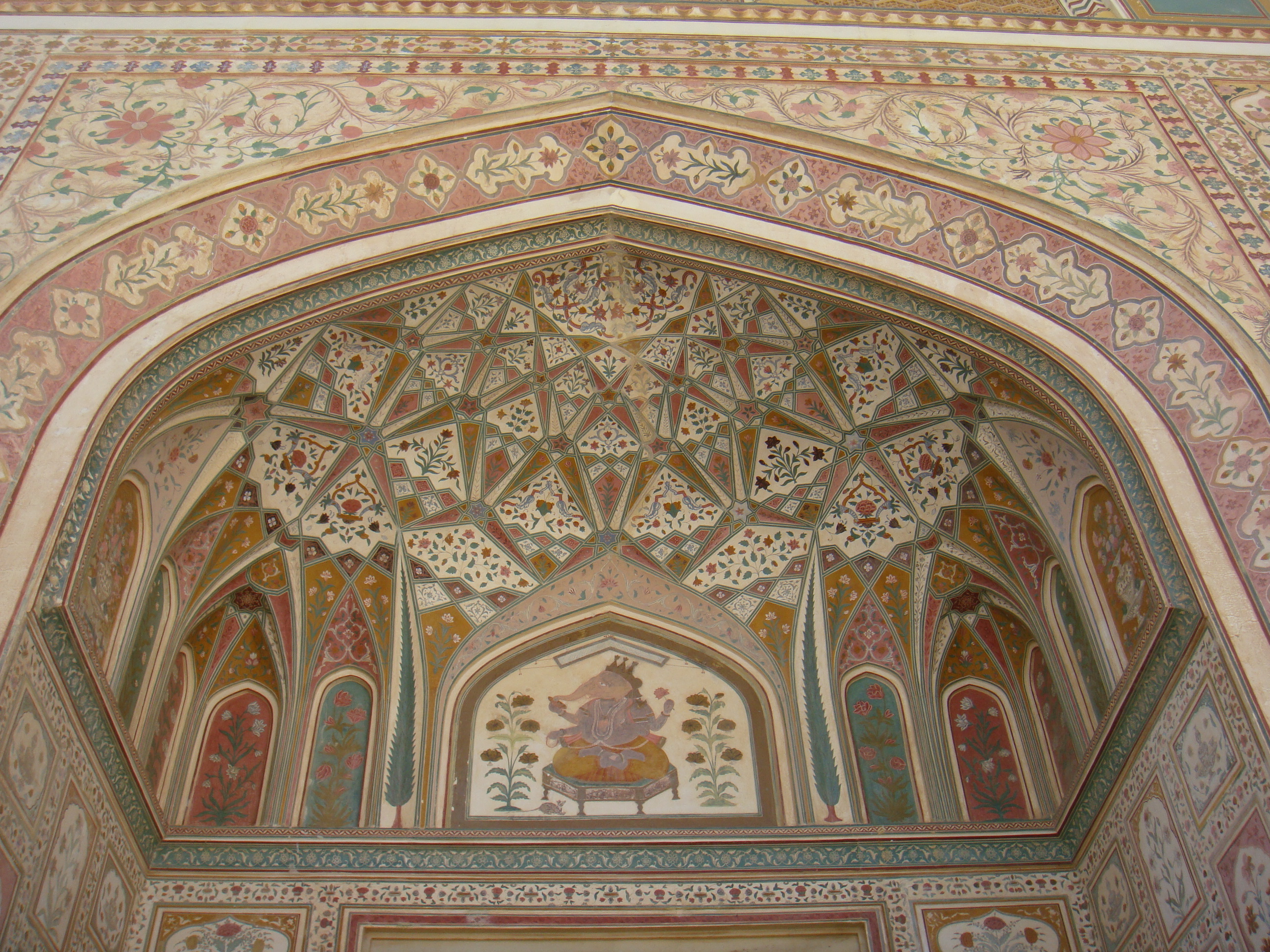
The entrance to the Palace proper is through the Ganesh gate with Ganesh blessing the entranceway:

DSC01306

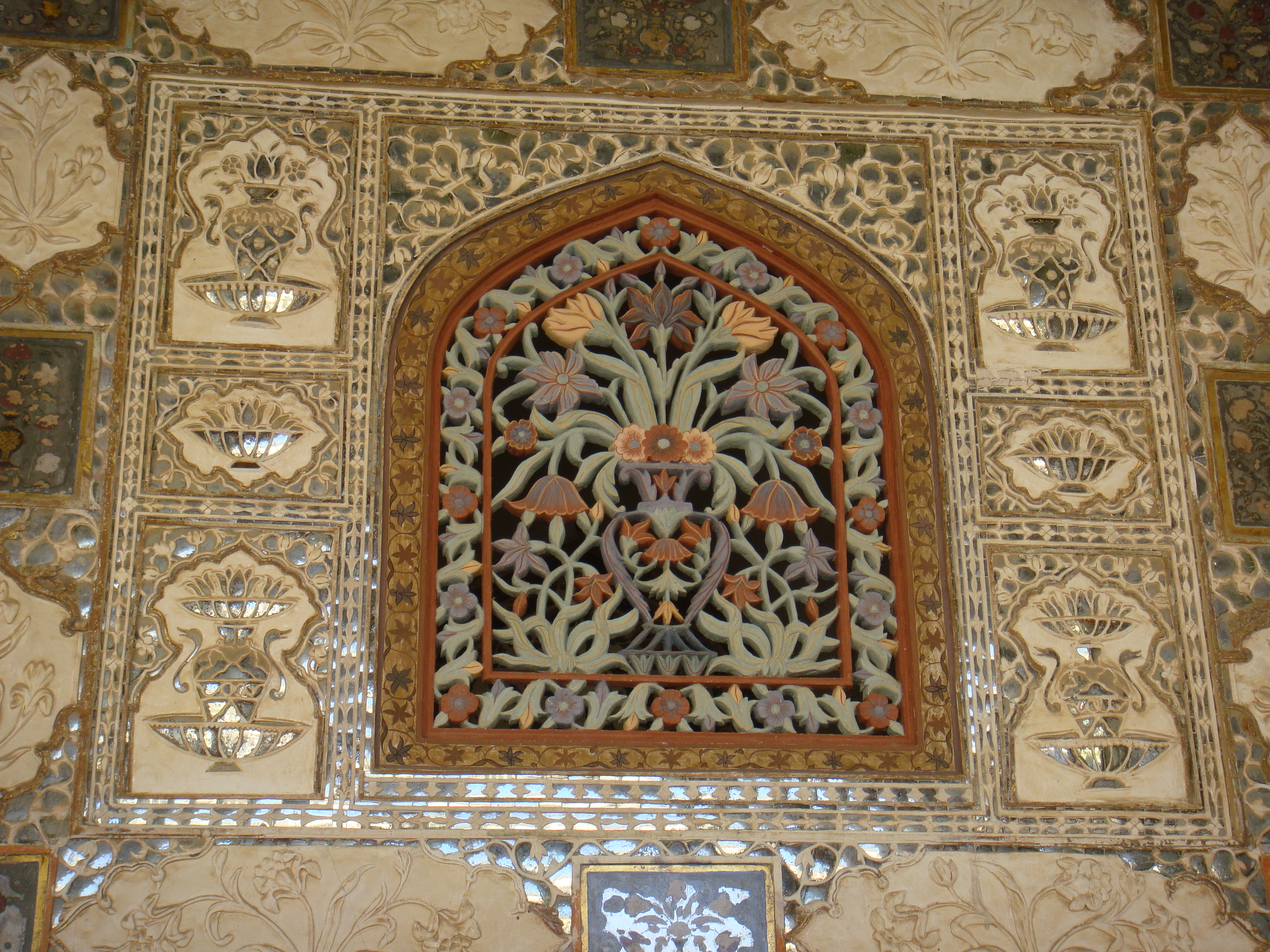
Inside the palace area there were lots of very pretty features:

DSC01315 This is a waterfall and channel

DSC01311

DSC01314


And here’s the prettiest:

DSC01313

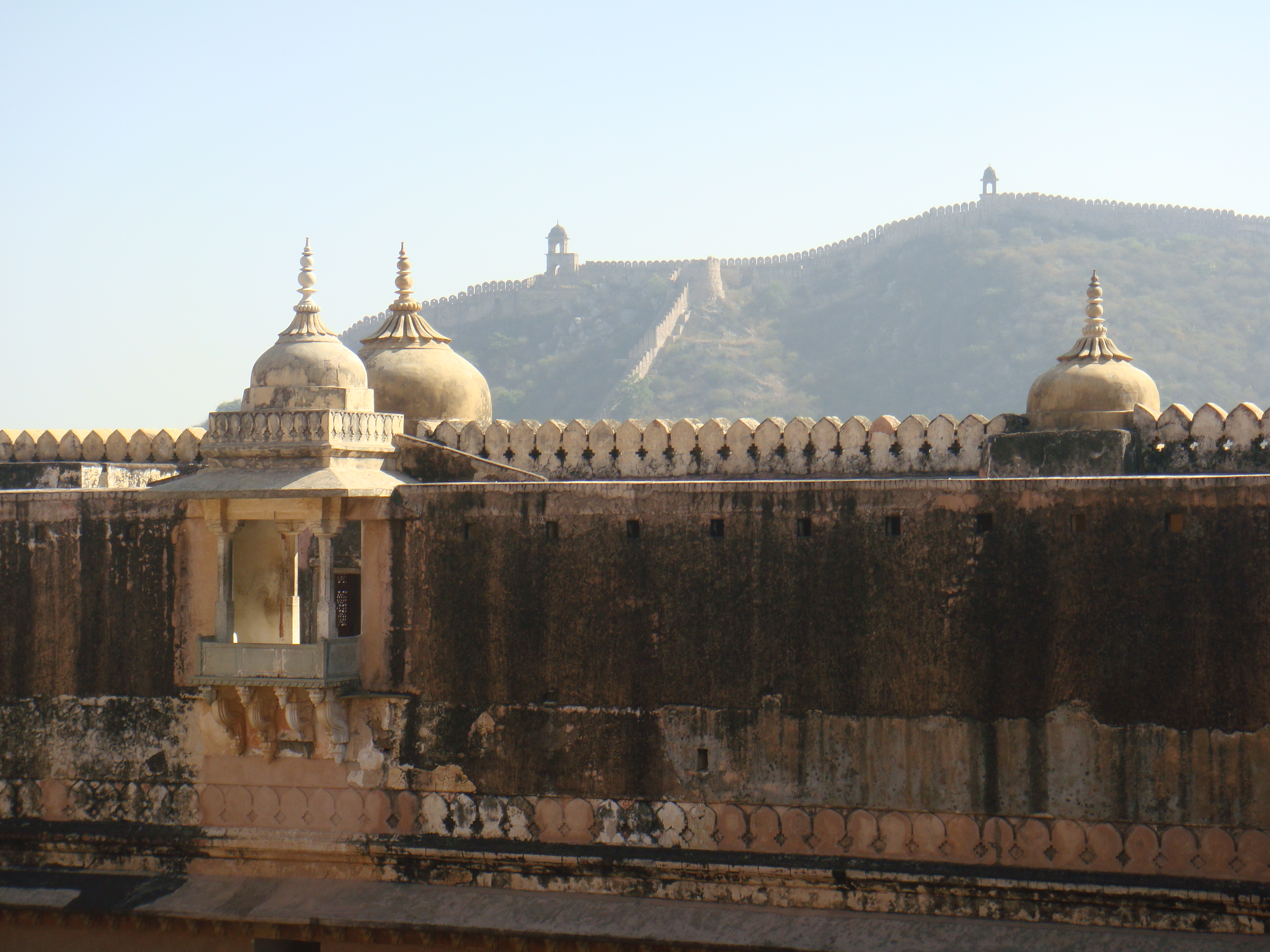
Beyond the fort you could see the city walls and their watch towers on the surrounding hills:

DSC01319

Eventually the fort became overcrowded and in 1727 the Maharajah ordered a new city to be designed and built – Jaipur.

We liked the Amber Fort!

As we were leaving we saw our first snake charmer:

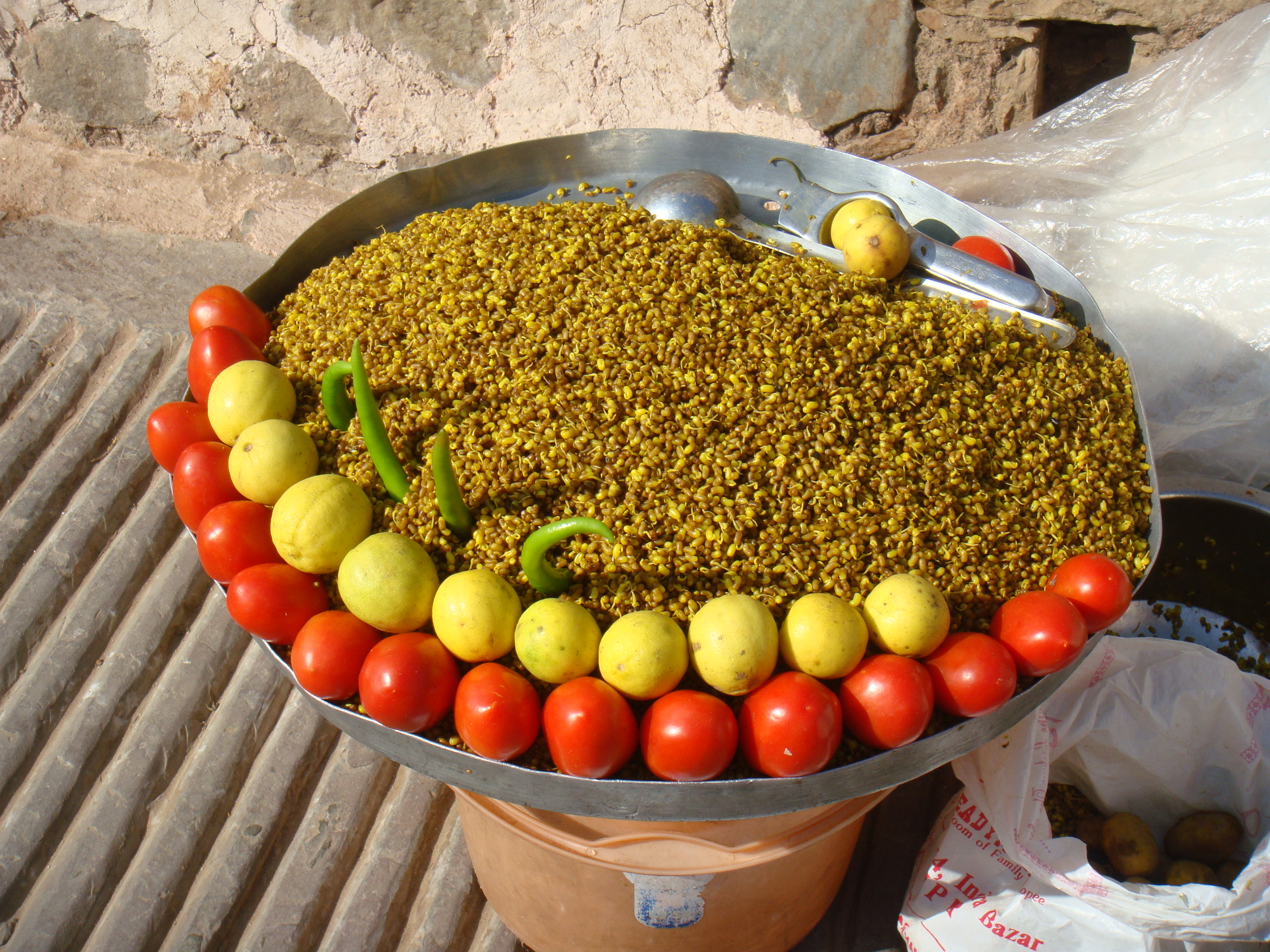
And on the walk down the hill we saw a trader selling lentil masala, very tempting:

DSC01326

After the Amber Fort we made our way to Delhi; we’ve just arrived and are going out to celebrate our wedding anniversary!

Agra and Fatehpur Sikri

So the scene was set – Agra, the Taj Mahal, Leishia’s birthday, perfect.

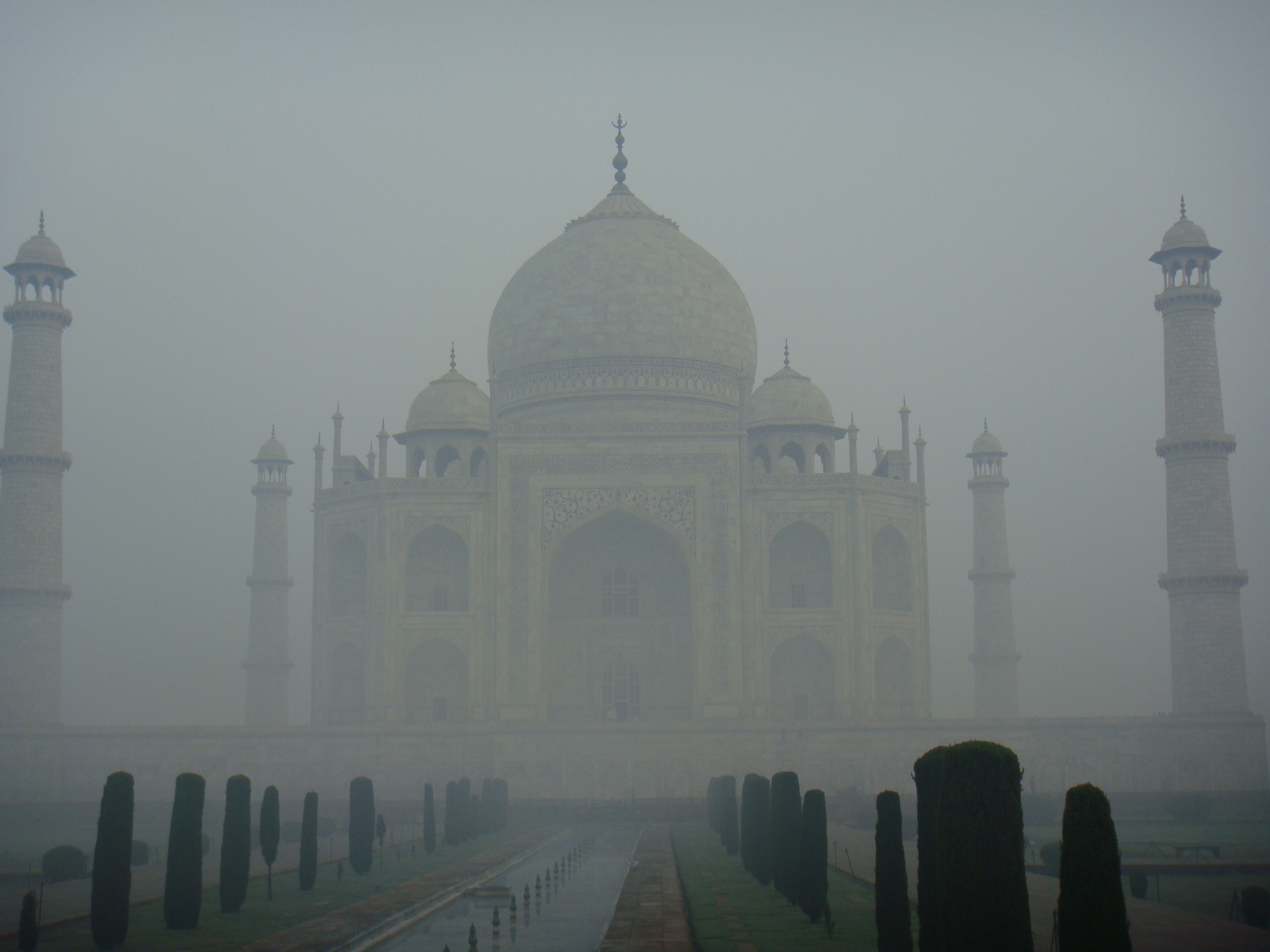
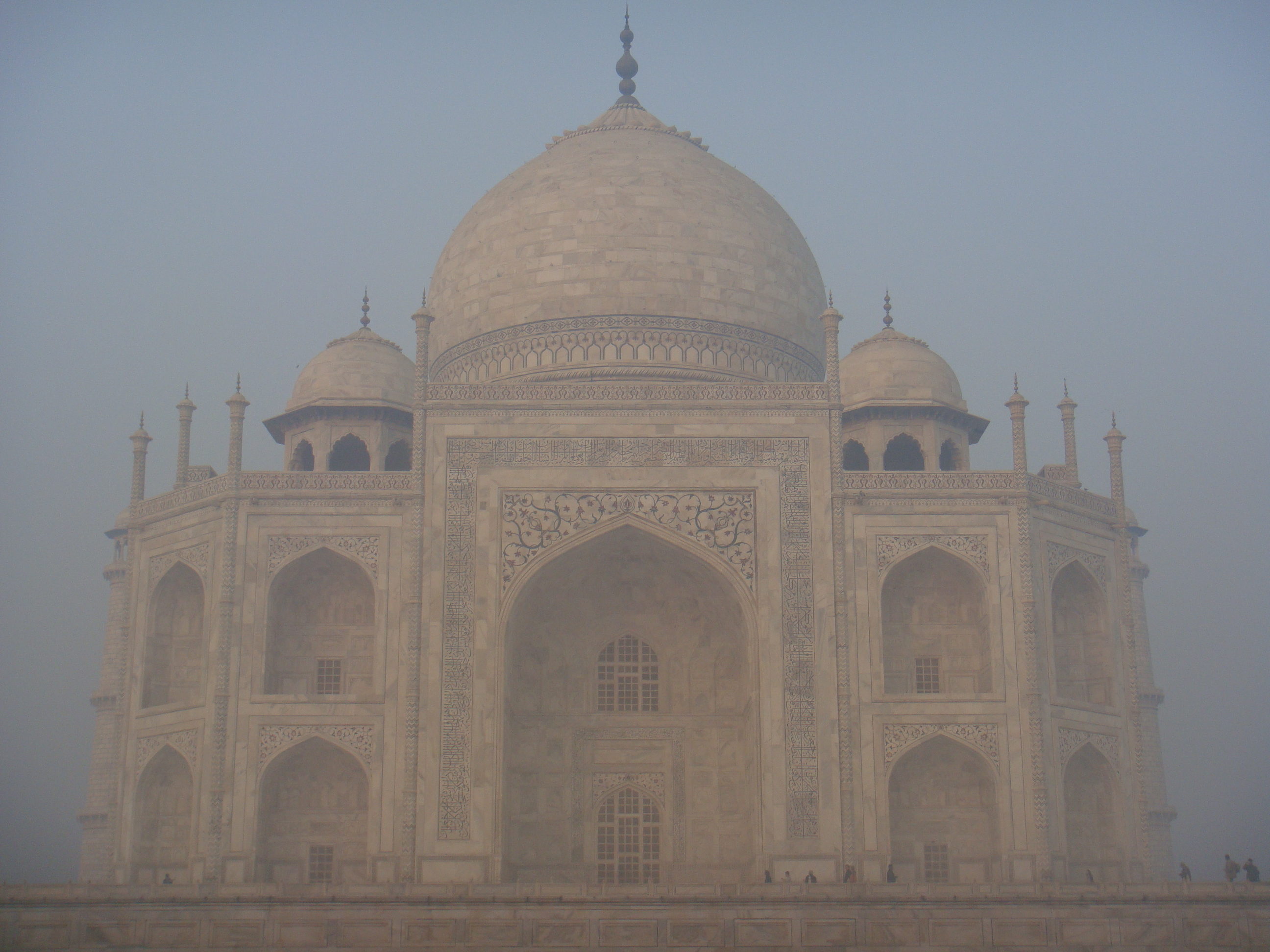
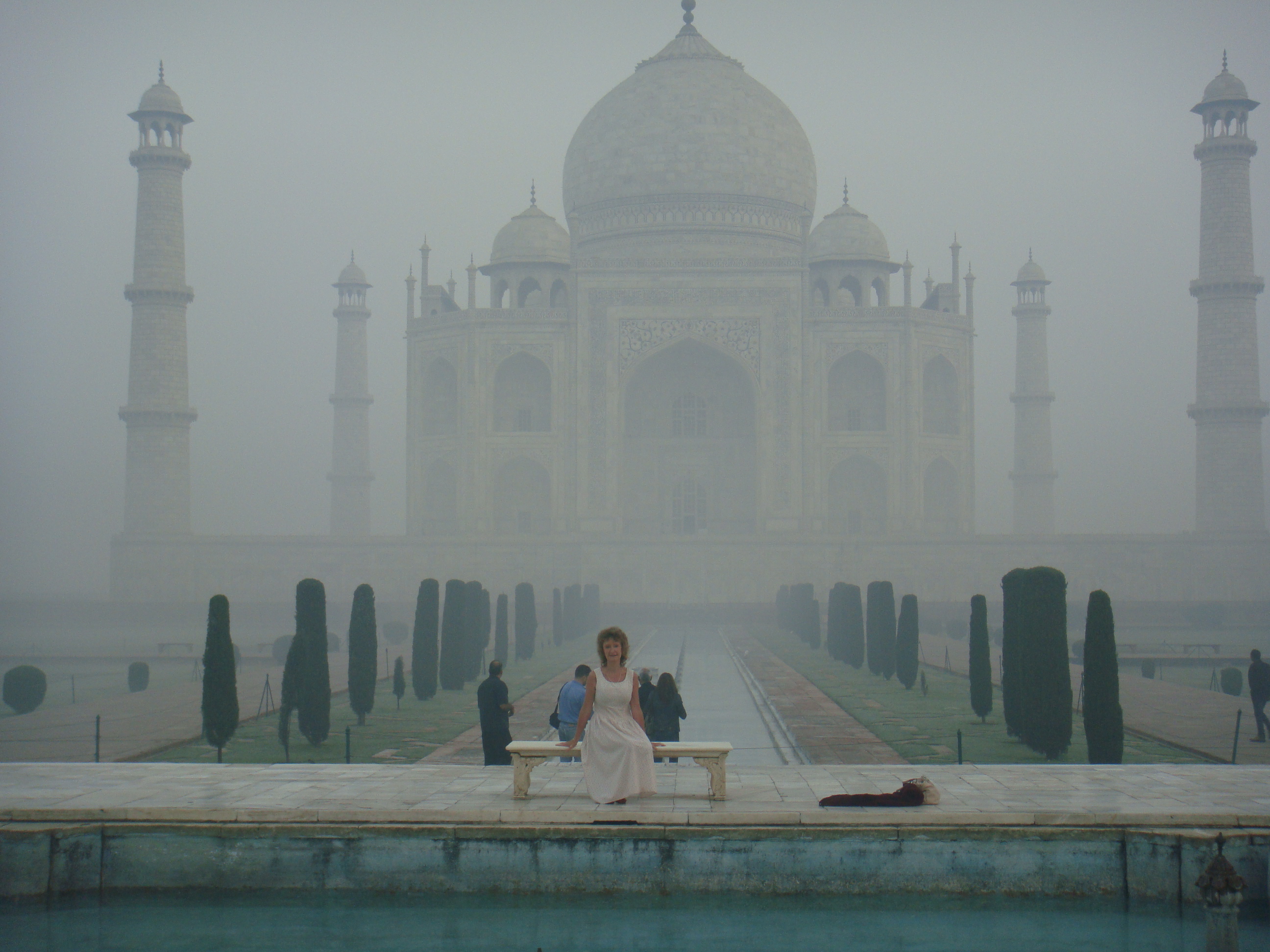
Our alarm woke us at 5am and off we went, bleary-eyed, in a tuk-tuk to buy our tickets. We thought the Taj Mahal opened at 6am, turns out the ticket office opens at 6.30am and the monument at 7am. The plus was that there we were at a quarter to six at the front of the ticket office queue. All those stories about never getting a picture of the Taj Mahal with no one in the frame – we did!

But not before this little conversation: Leishia – “Mmm, it’s not as impressive as I thought it was going to be”. Ian – “That’s because that’s the gatehouse dear”. True story!

DSC01073 Early morning mist.

DSC01086 Serene.

DSC01078

The obligatory Diana shot:

DSC01072

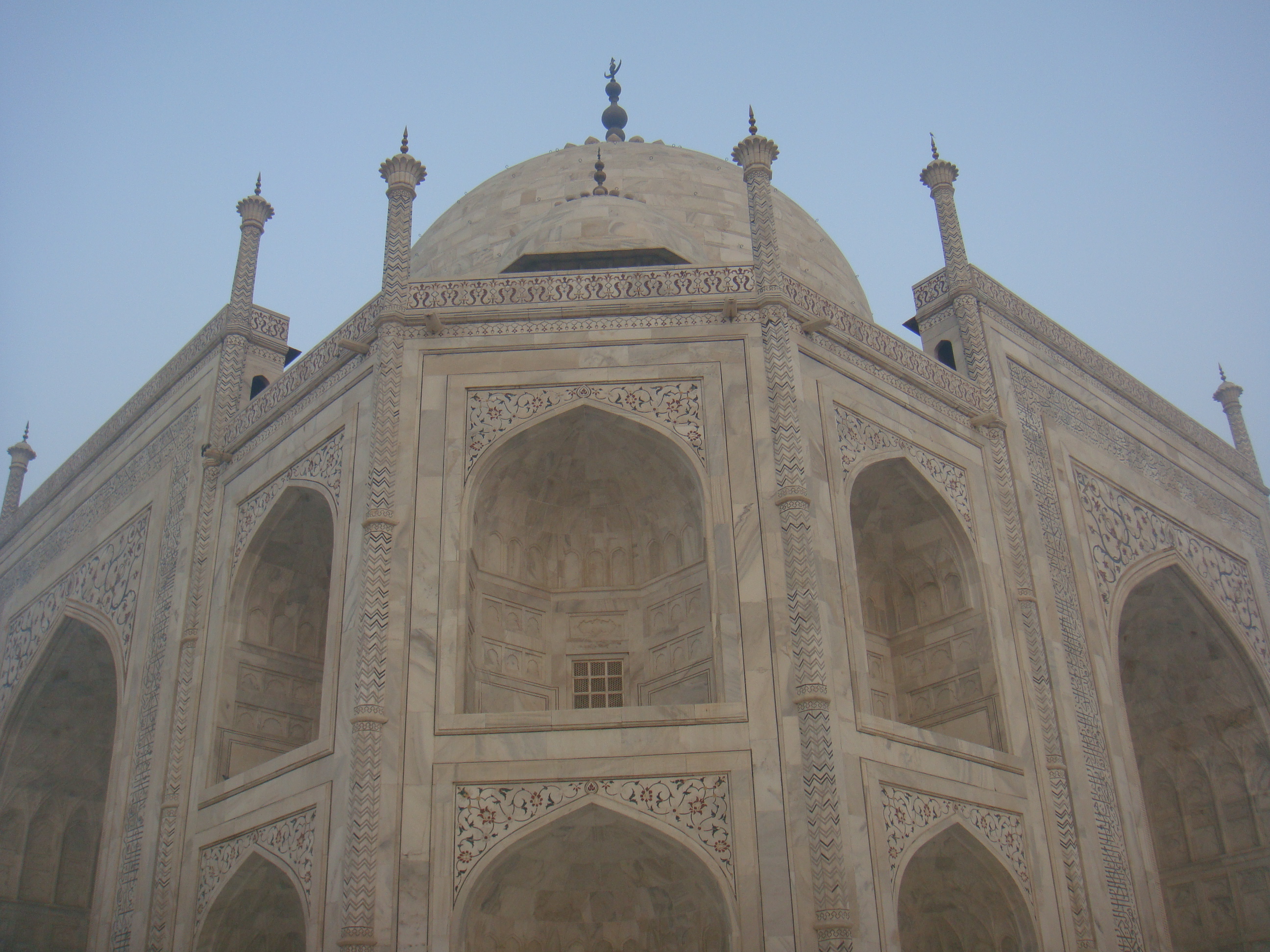
The Taj Mahal was completed in 1643 (the construction took twelve years). It was built by the Mughal emperor Shah Jahan in memory of his favourite wife Mumtaz Mahal. Their graves are in a crypt below the tomb chamber.

We went in to the tomb chamber. The acoustics were terrific and we stayed there for several minutes just soaking up the sounds. It was atmospheric. People often say the Taj Mahal is the most beautiful building in the world – we think they are right.

Here is the early morning sun rising over one of the other buildings on the complex:

DSC01081

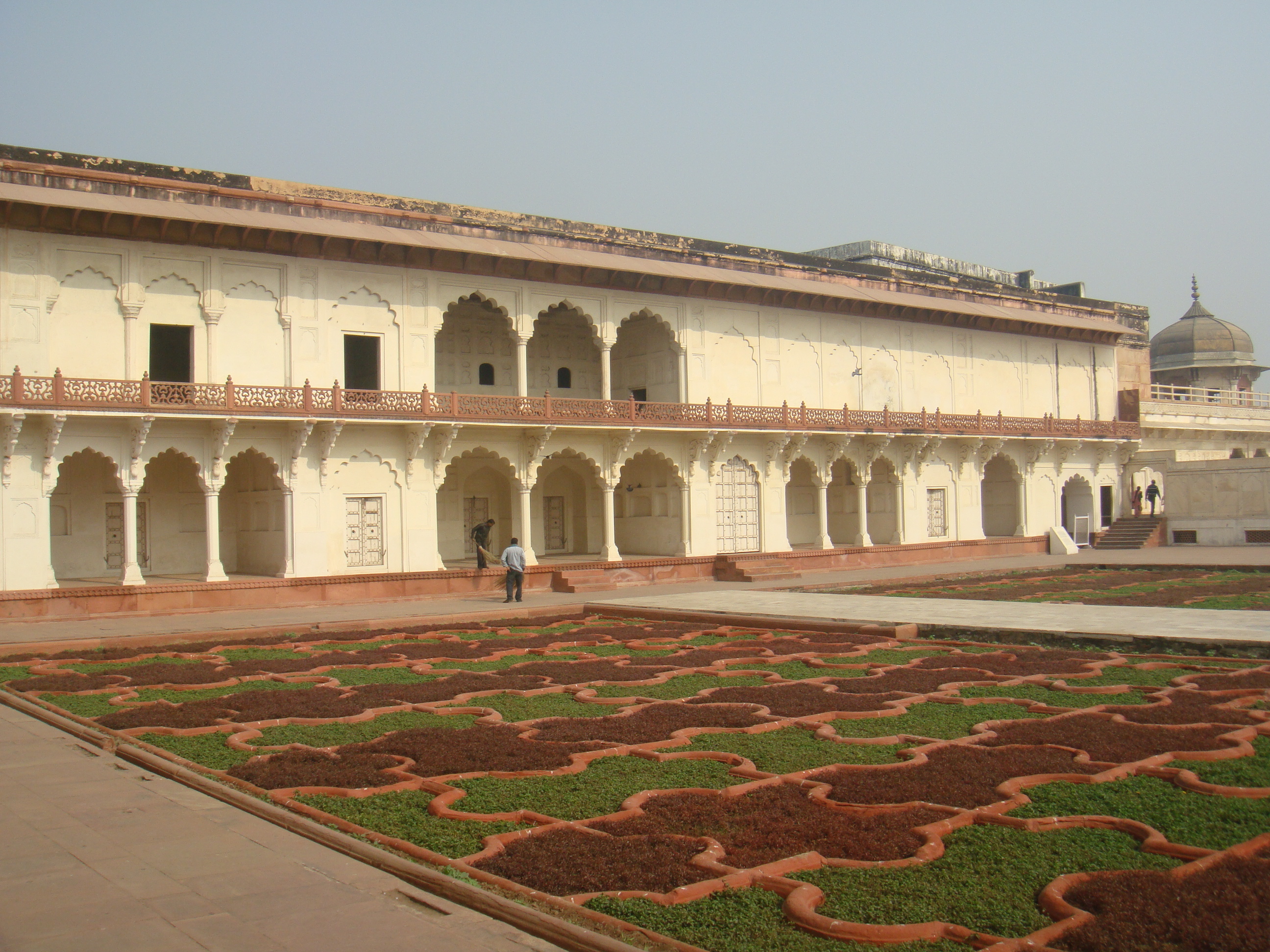
After seeing the Taj Mahal we went to explore Agra Fort which pre-dates the Taj by seventy years. Another really impressive structure.

This is the Diwan-i-Aam, a hall used by the Emperor for public audiences.

DSC01101

and the courtyard:

DSC01104

DSC01107 super door!

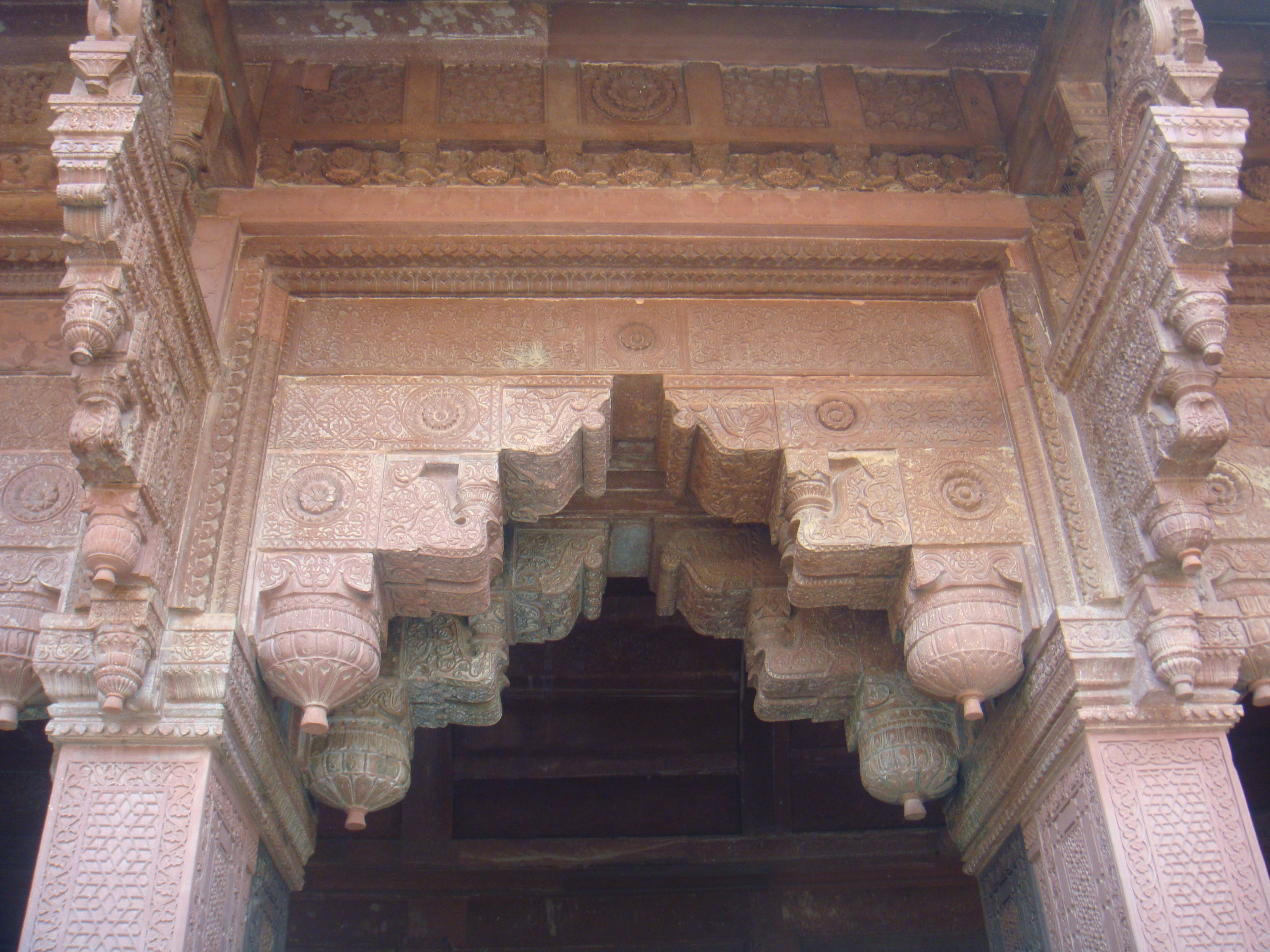
There was some great carving:

DSC01123

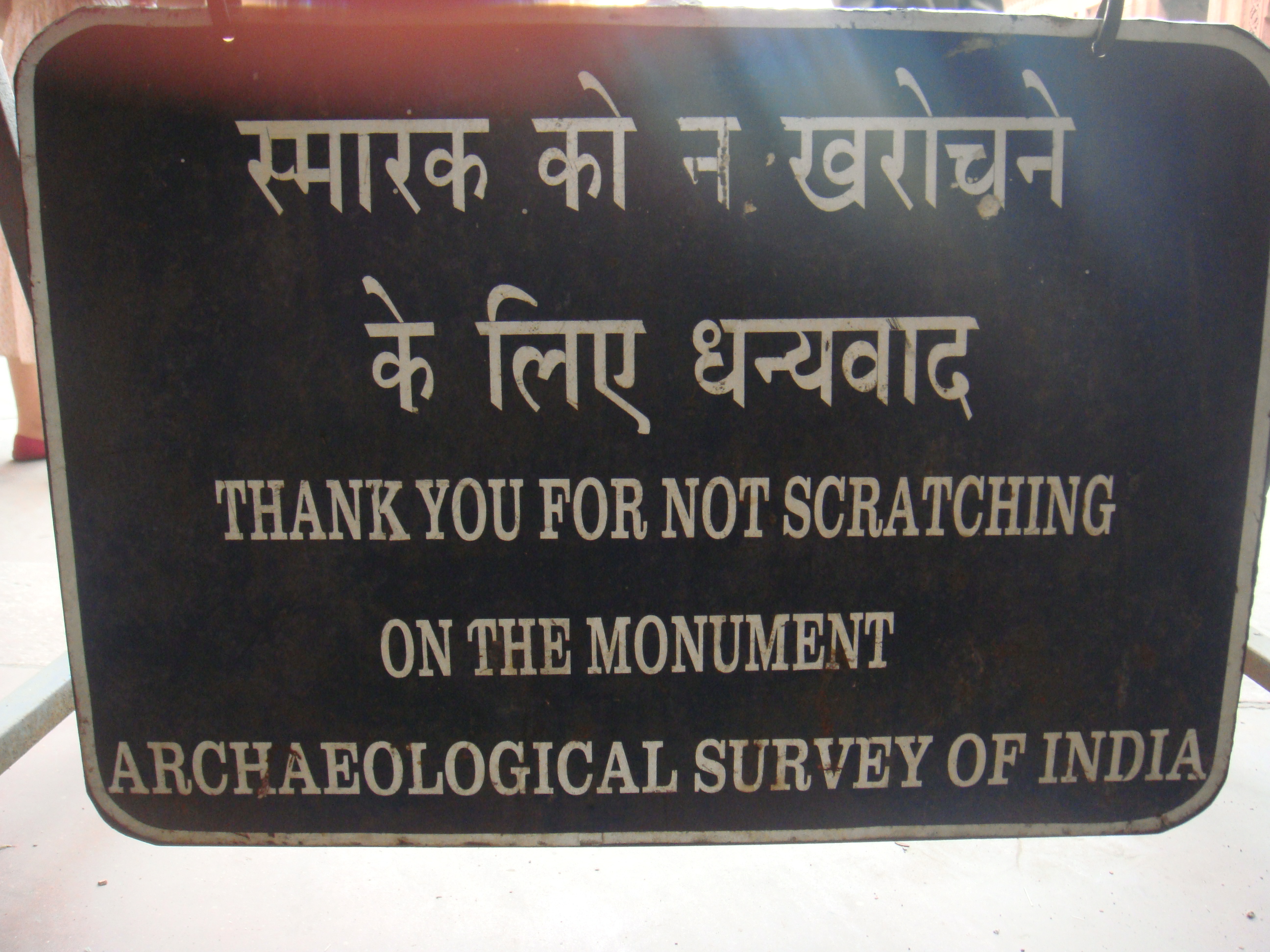
And a very amusing sign:

DSC01118

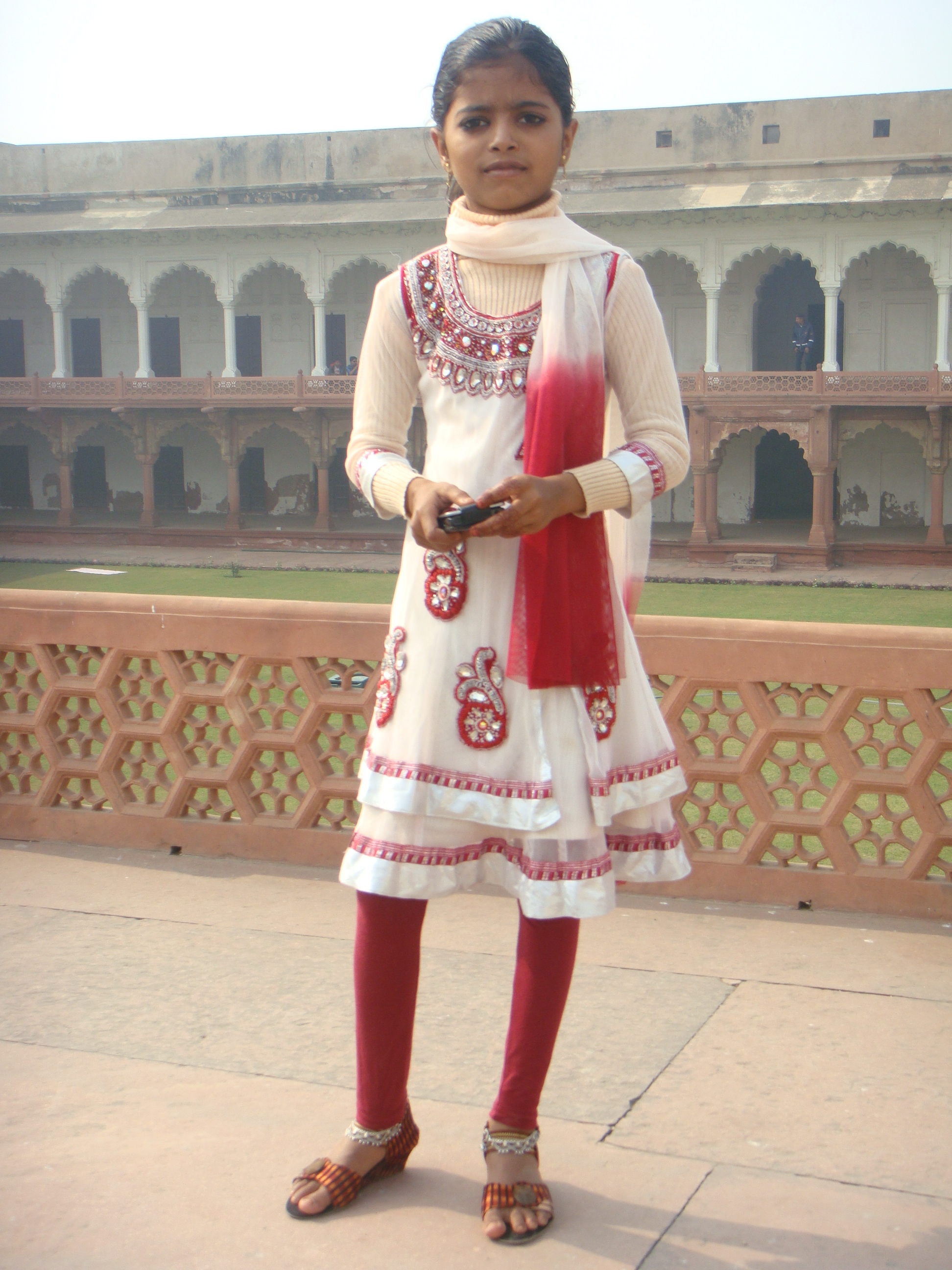
A very smartly dressed little girl:

DSC01128

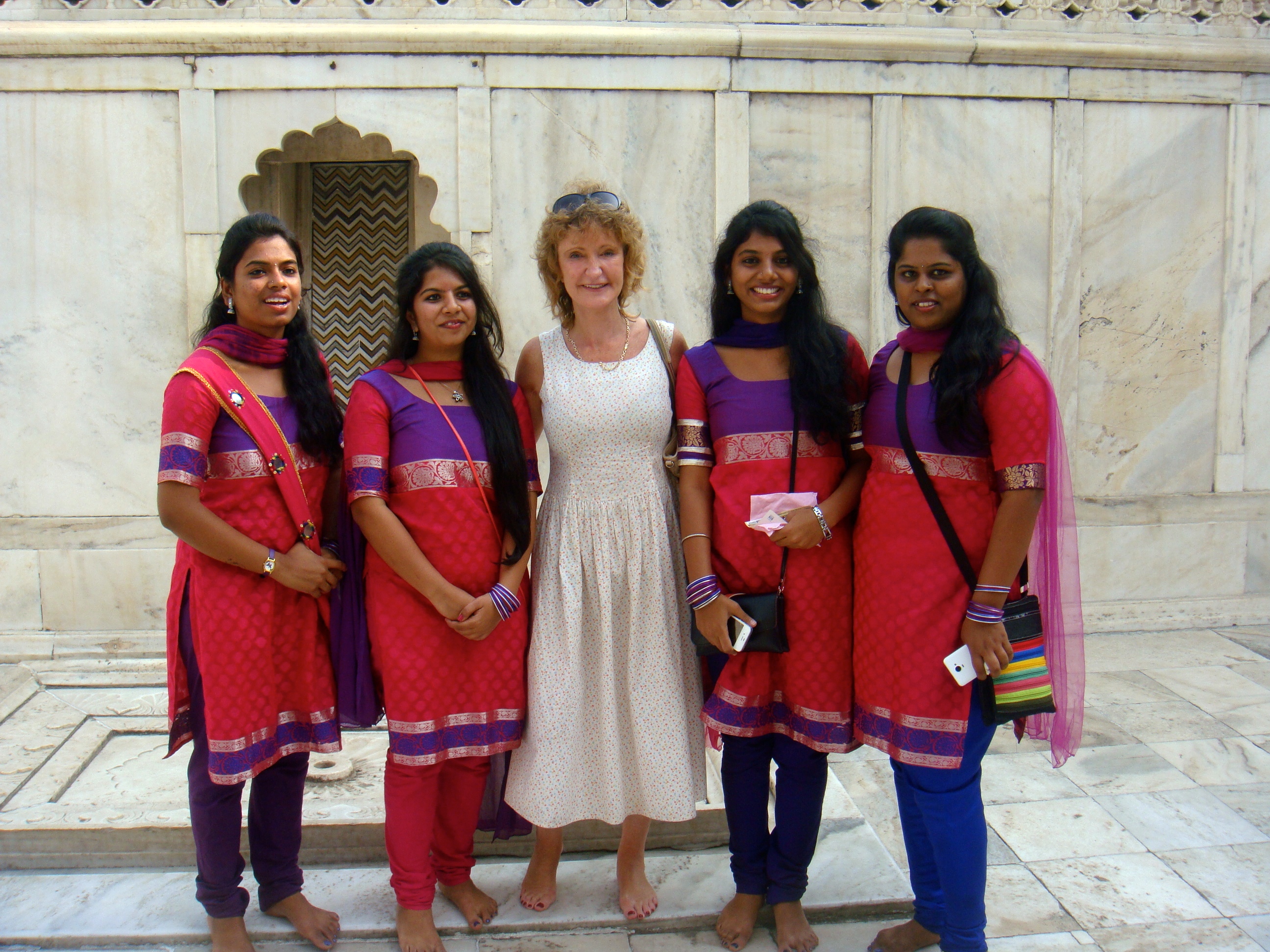
And these four girls with Leishia:

DSC01130

We asked them what their uniform was and they said it wasn’t a uniform, they were just good friends so decided to go out dressed the same!

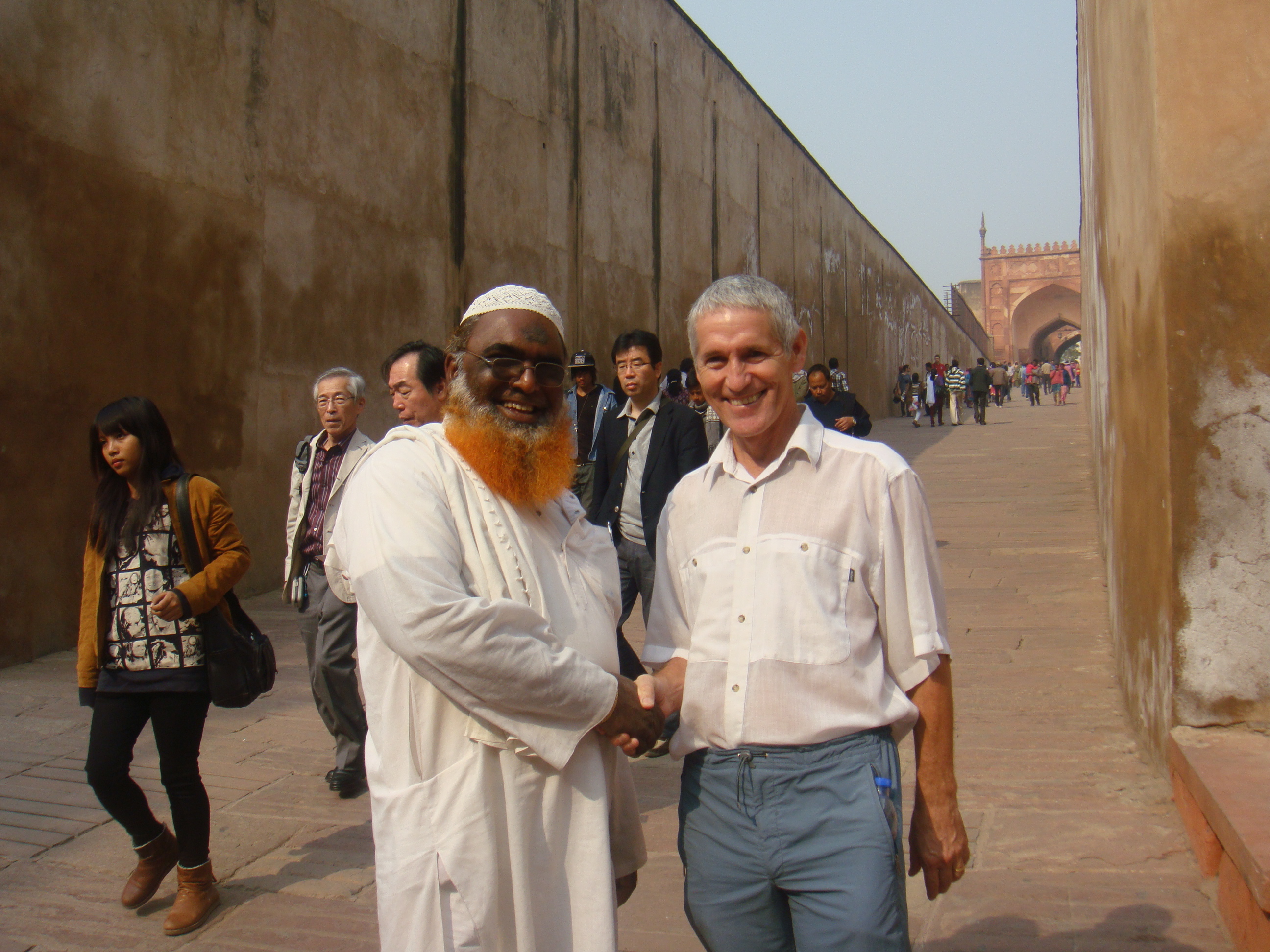
I managed to make a friend too, look at that beard!

DSC01141

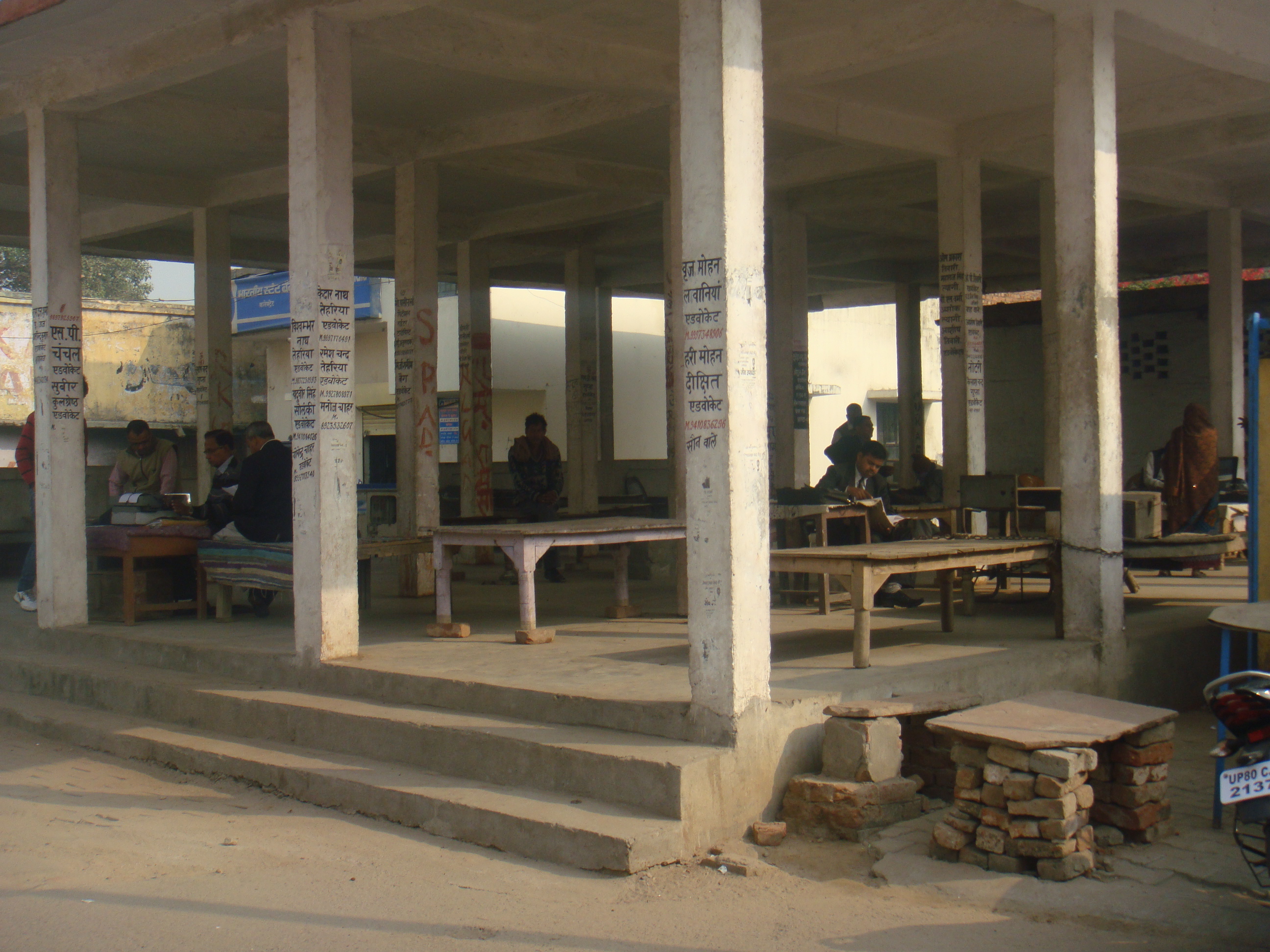
We had one final stop in Agra. We needed to have a form notarised so sought out the local legal offices. Here they are:

DSC01154 Open plan!

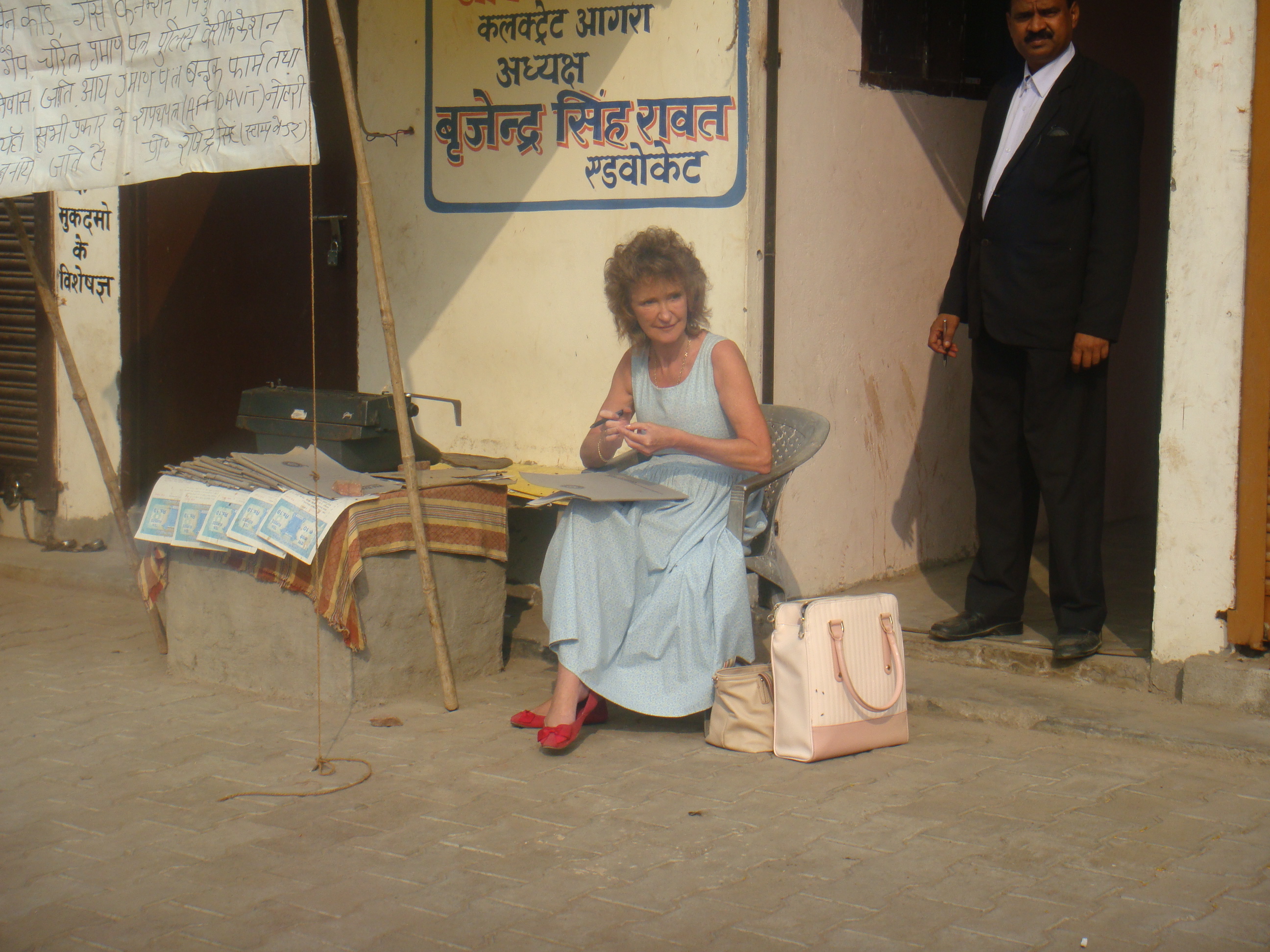
Here is Leishia waiting at our chosen advocate:

DSC01148

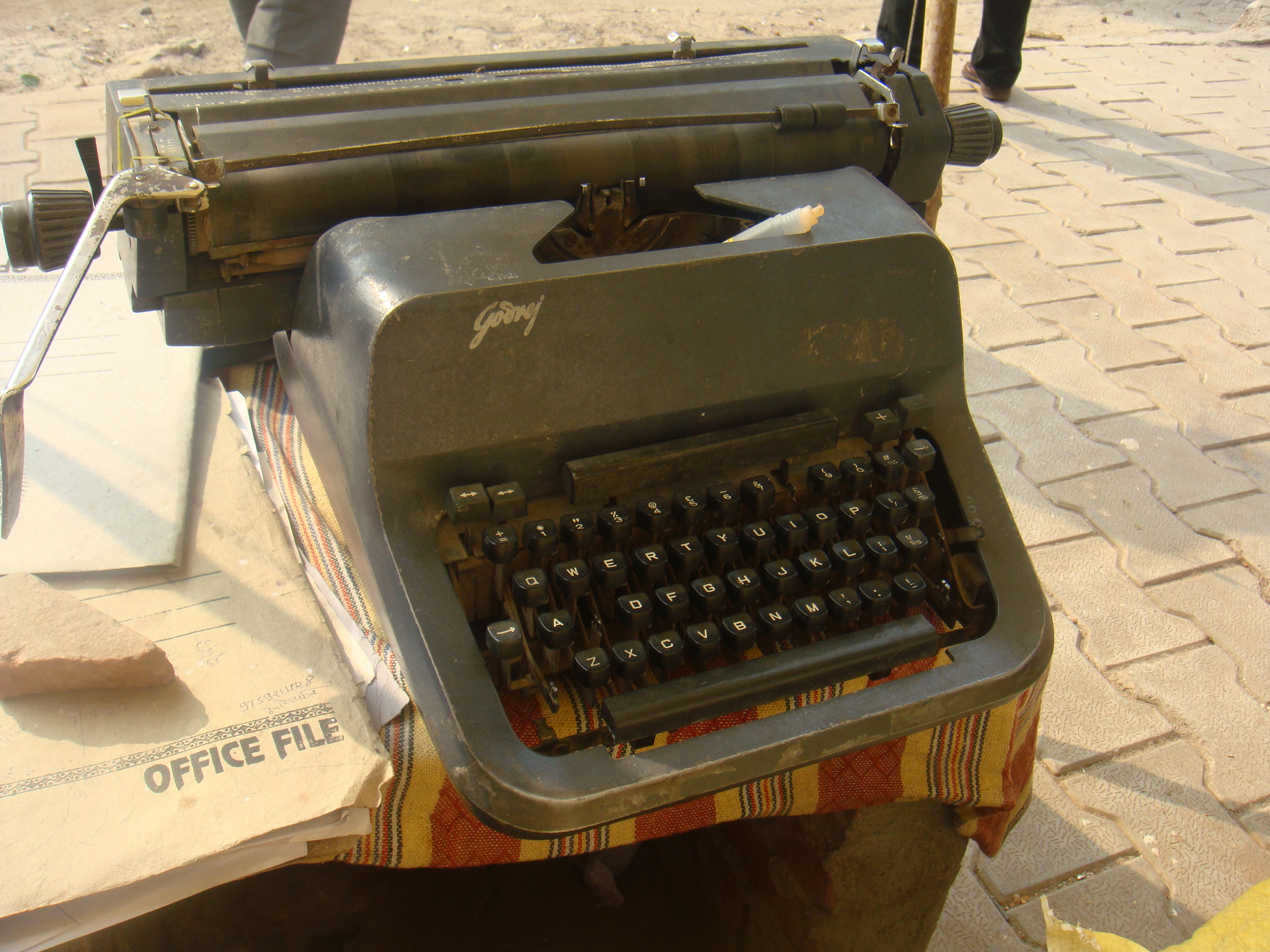
Next to her on the concrete desk was this:

DSC01152

And opposite where she was sitting was this:

DSC01146

DSC01149

It amused us greatly that the monkeys had chosen to congregate at “Legal Central”, for a while we couldn’t work out which were the monkeys and which the lawyers! Eventually we managed to get our sheets of paper plastered with stamps, certificates, more stamps, signatures and more signatures. When they ran out of places to put new stamps the process appeared to complete by default – and it only took ninety minutes!

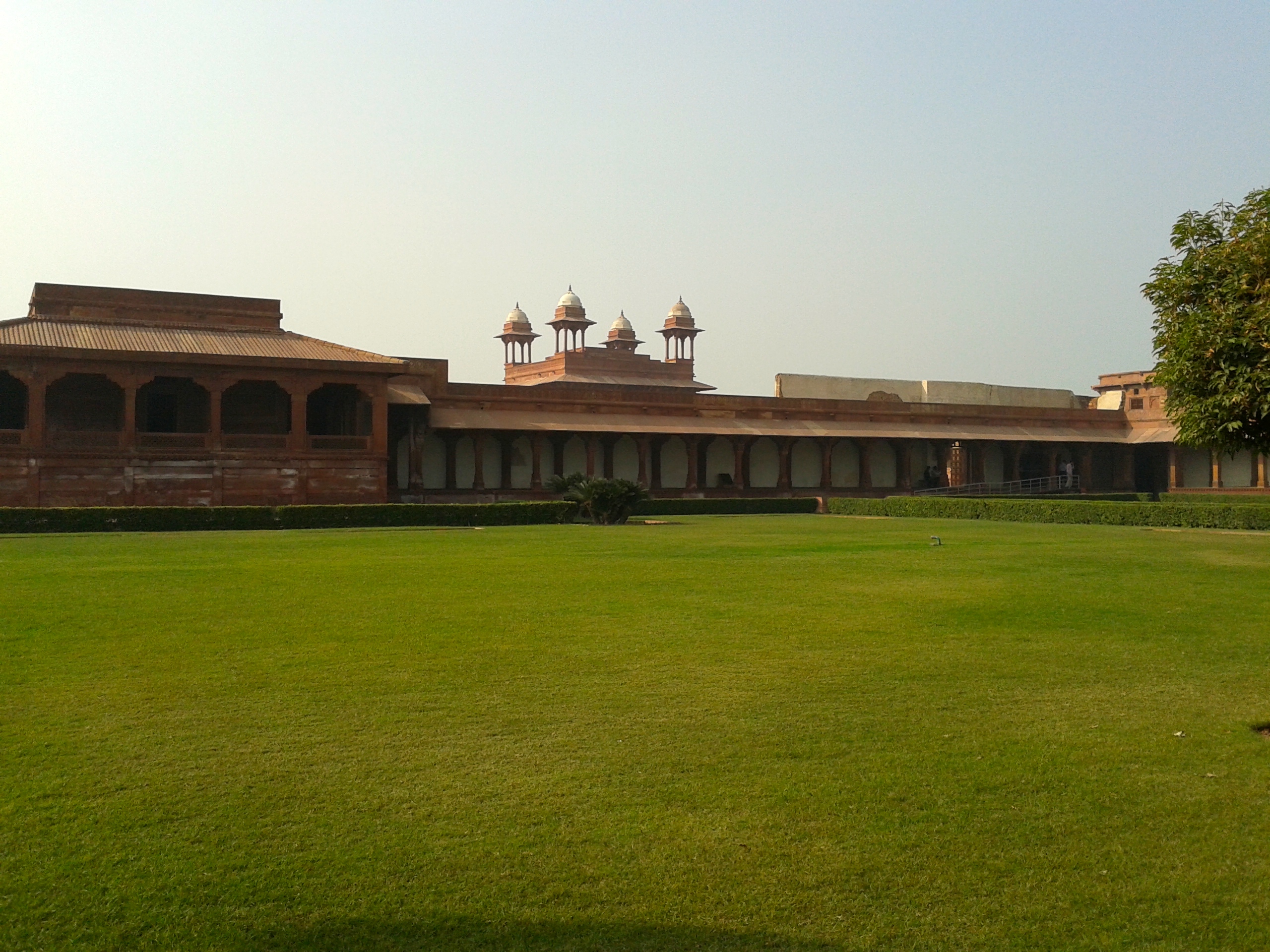
We left Agra en route for Jaipur and stopped along the way at an abandoned town called Fatehpur Sikri which translates as “Victory Town”. The town was completed in 1585 but abandoned in 1599, apparently due to lack of available water. The place is in varying states of renovation:

20131210_135349 20131210_135344 20131210_135115

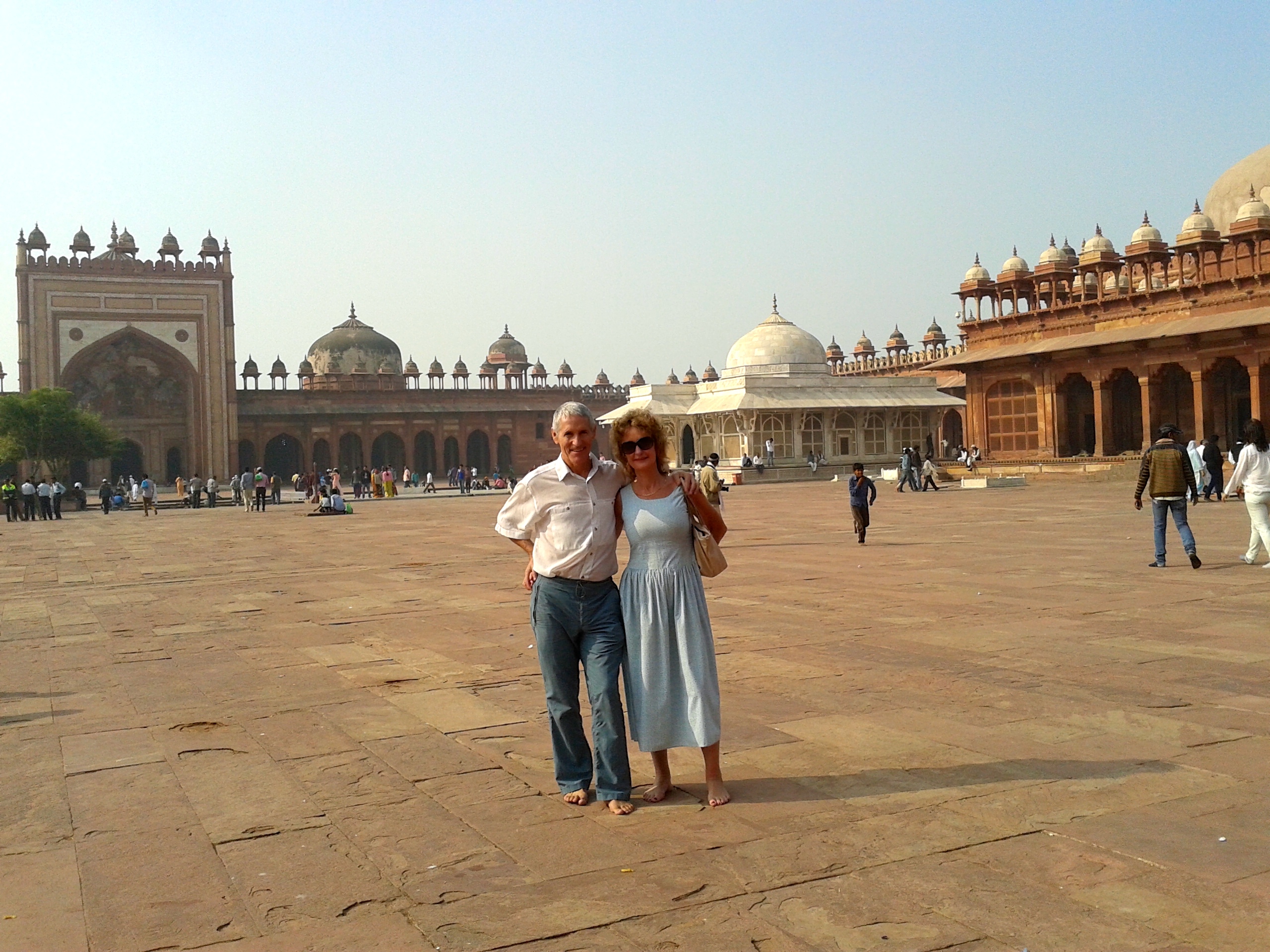
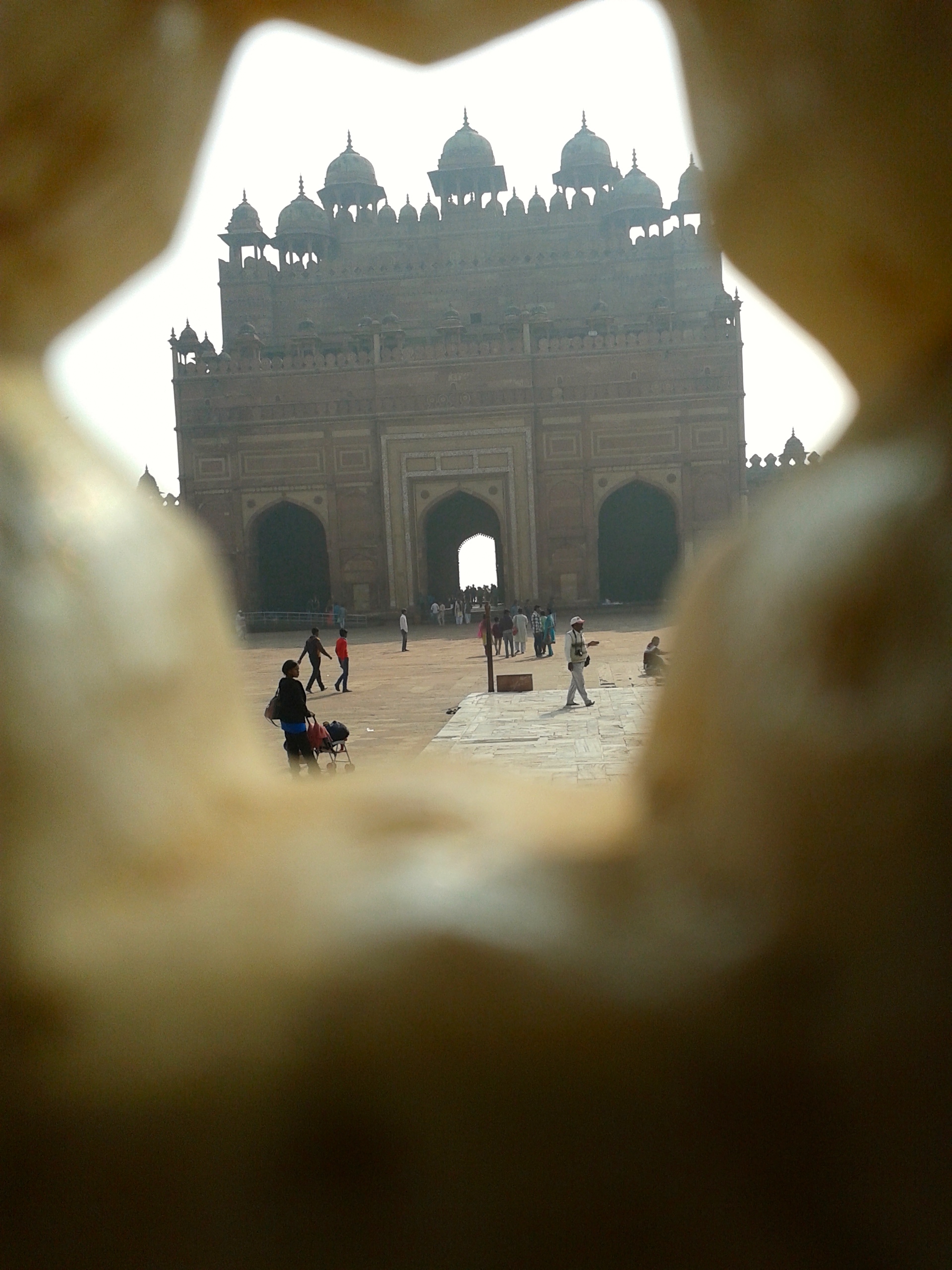
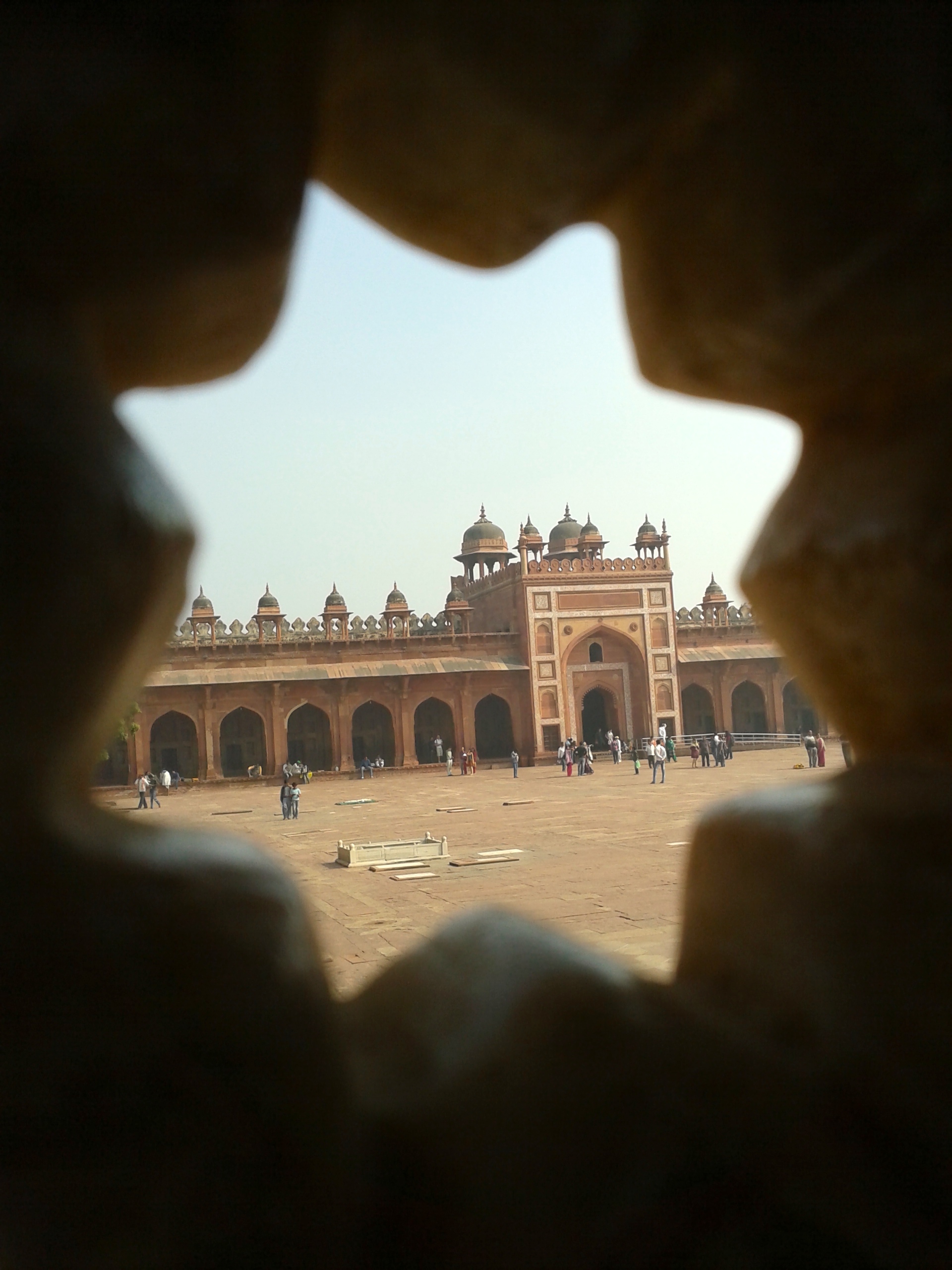
We decided to concentrate our time on the vast mosque – Jami Masjid.

Here we are with the white Salim Chishti’s tomb behind us:

20131210_133841

Salim Chishti was rewarded with this high honour because he correctly prophesied that the emperor, after many childless years despite having three wives, would have a son.

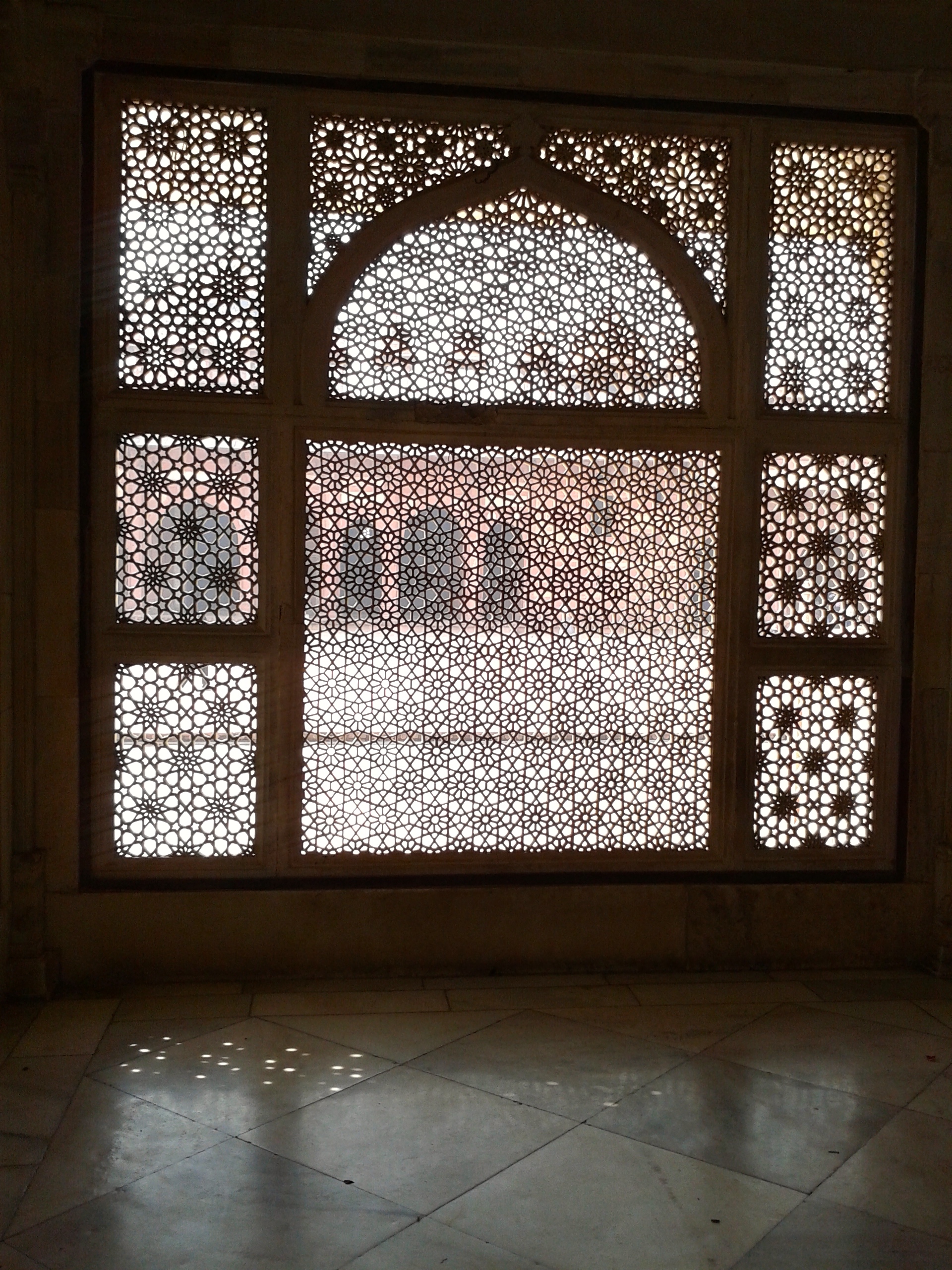
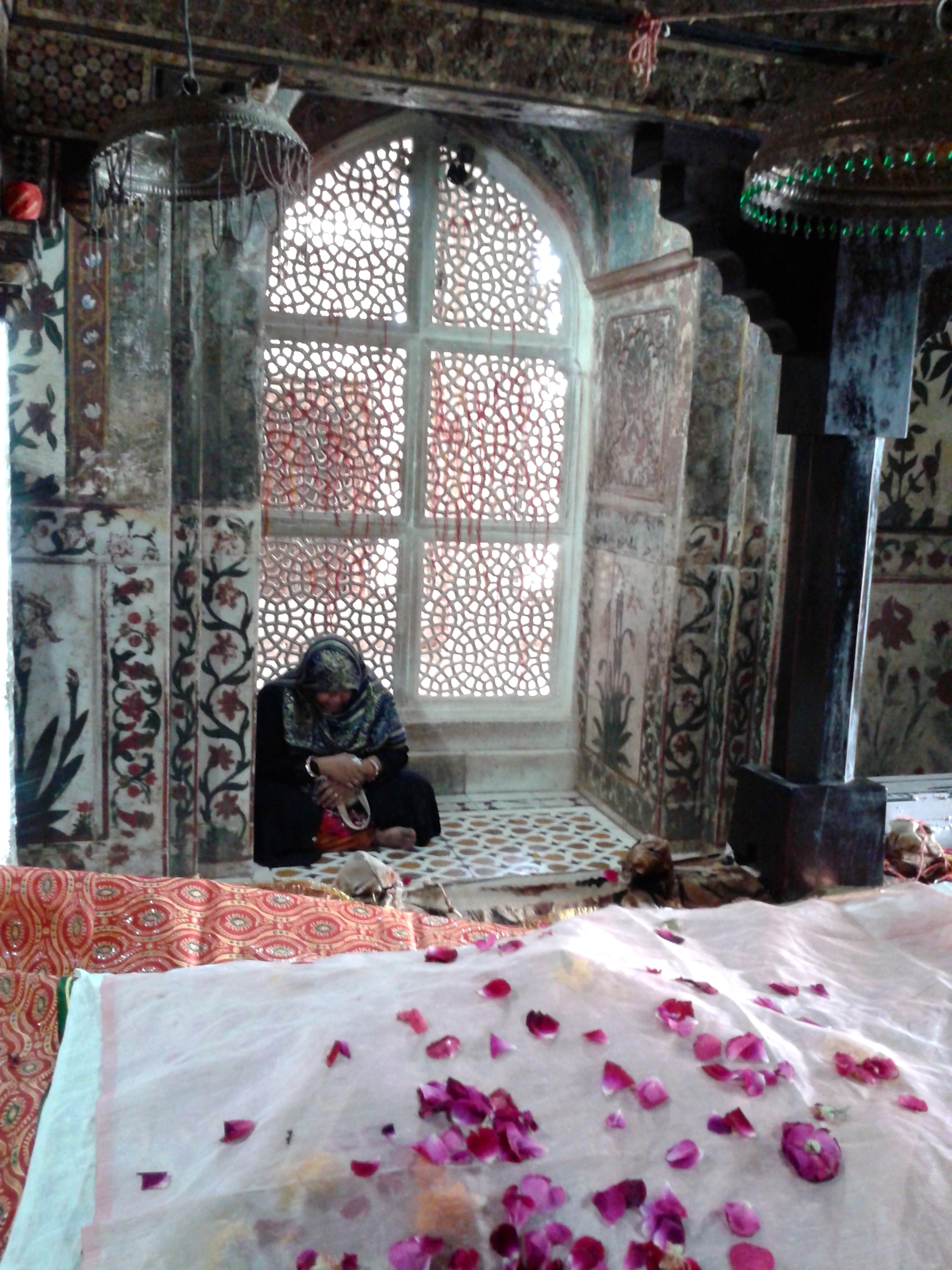
The inside of the tomb is stunning

20131210_131520

20131210_131505

20131210_131317

20131210_131150

People tie small pieces of cotton thread to the window screens and make a wish, the screen behind the woman above is covered in red threads.

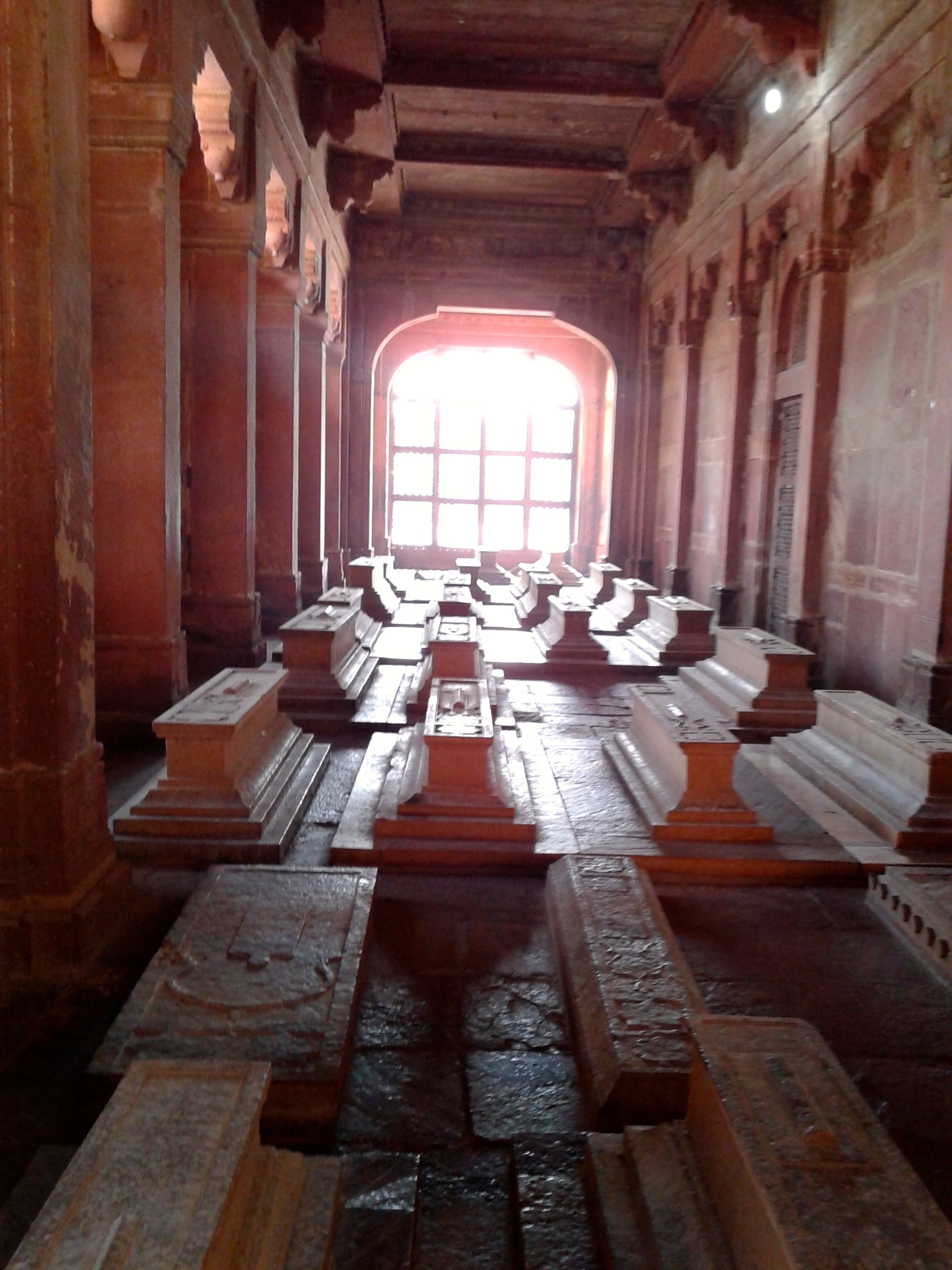
Holy men lived on the site before the mosque was built and as they died they were buried in the new mosque:

20131210_130348

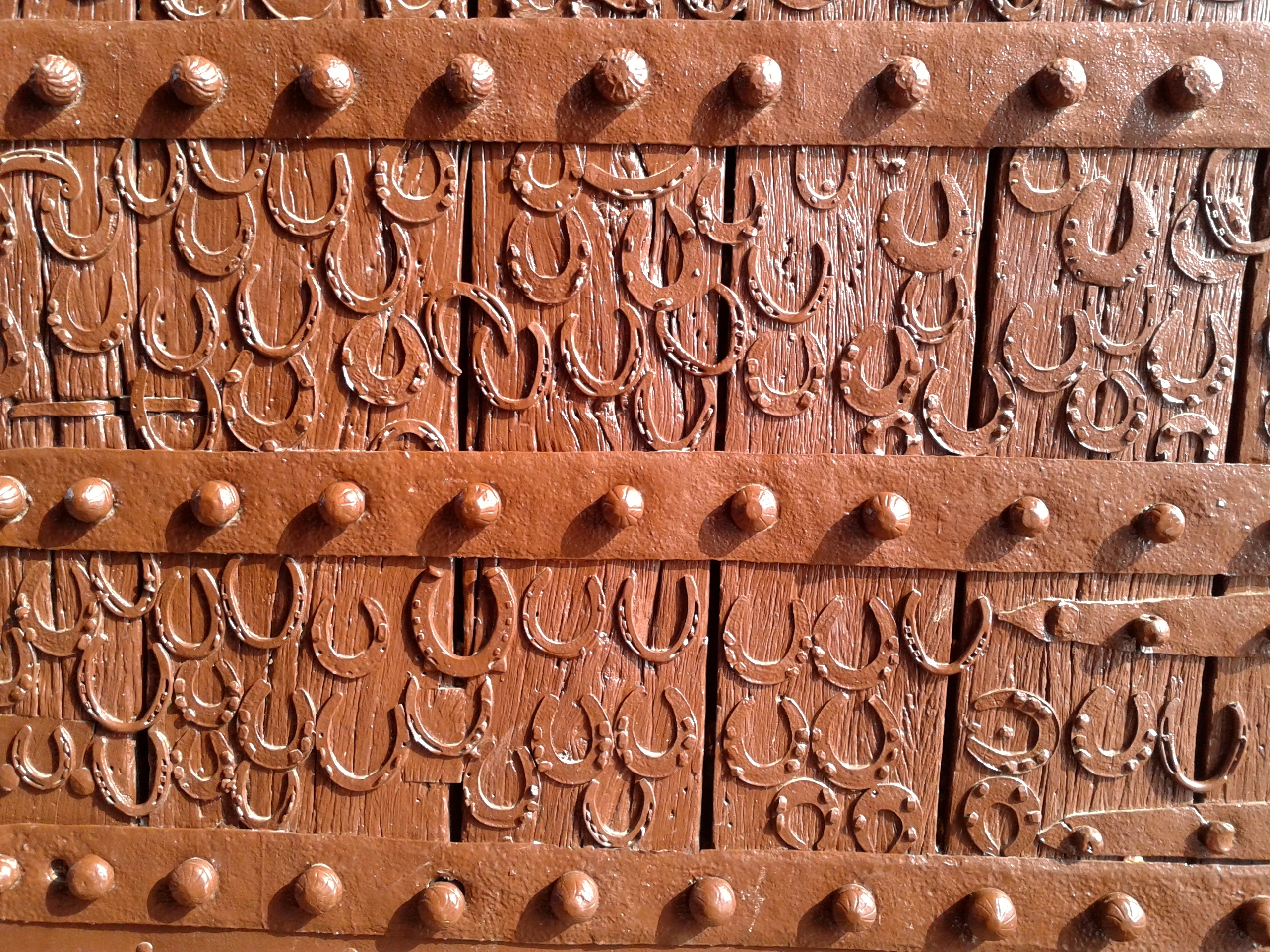
And finally part of a very special door we saw in the mosque complex:

20131210_132955

Eventually we left Fatehpur Sikri and drove on to Jaipur – now perhaps we’ll see some elephants!

Khajuraho (PG) and Orchha

For our overseas readers – PG stands for parental guidance, this post is definitely not for the prudish reader!

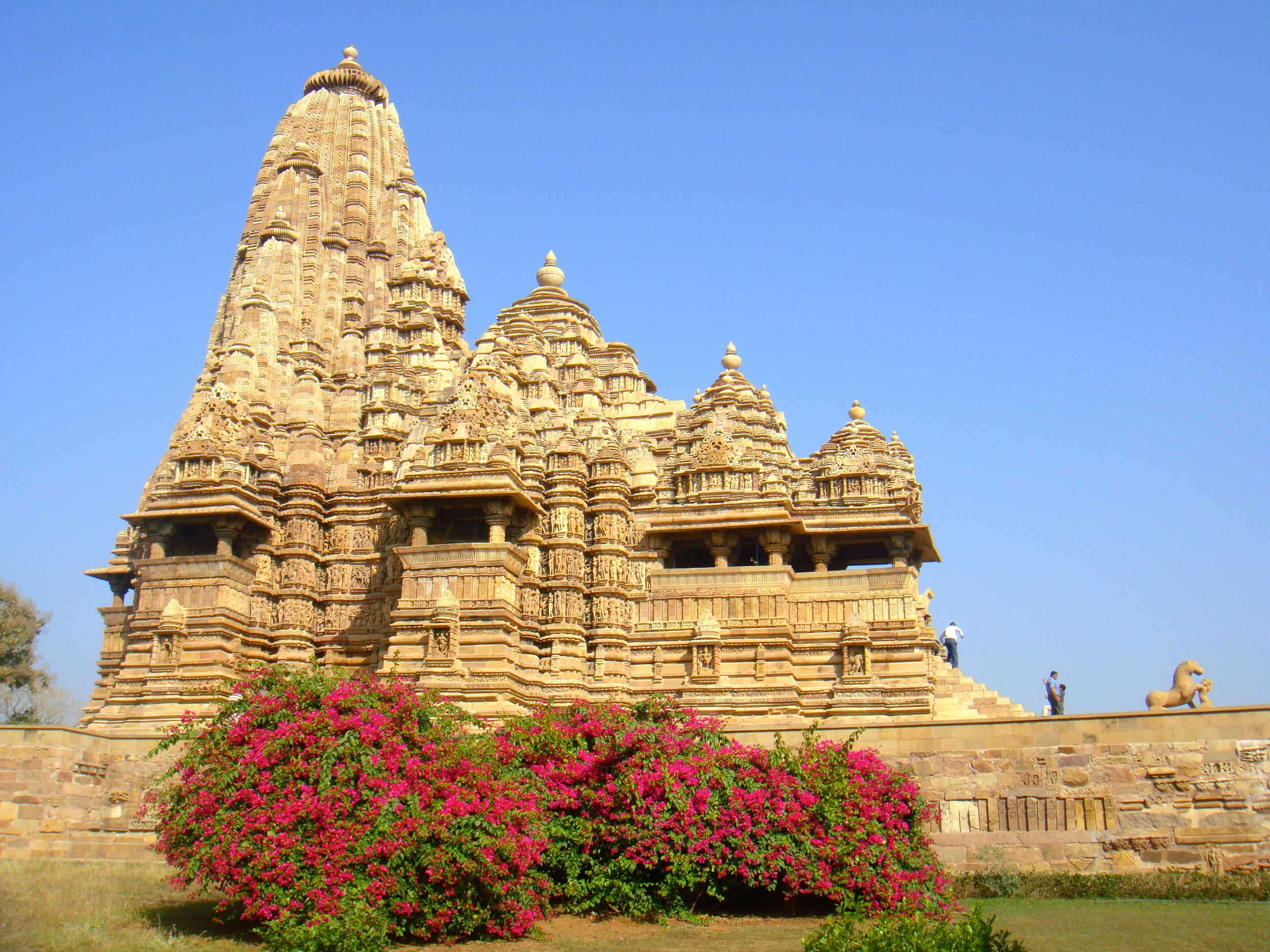
The drive from Lucknow to Khajuraho was another epic but we’re getting used to those! Khajuraho is a Unesco world heritage site so we knew it would be impressive but we didn’t realise quite how impressive. There are several sets of temples all of which were built around 1,000 years ago and “re-discovered” in 1838 by a British Army captain.

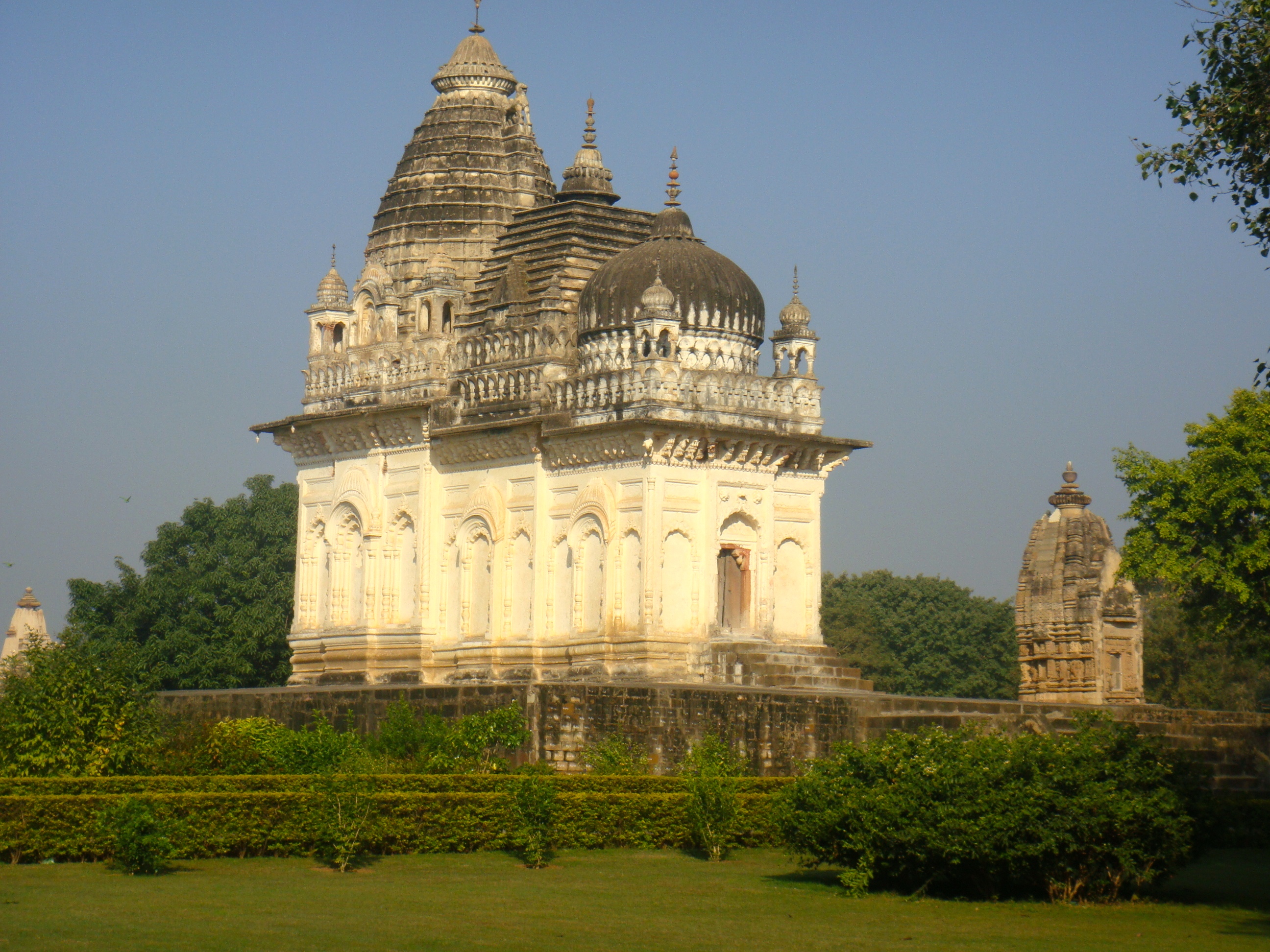
The grounds around the Western temples:

DSC00957

and two of the temples:

DSC00900

DSC00931

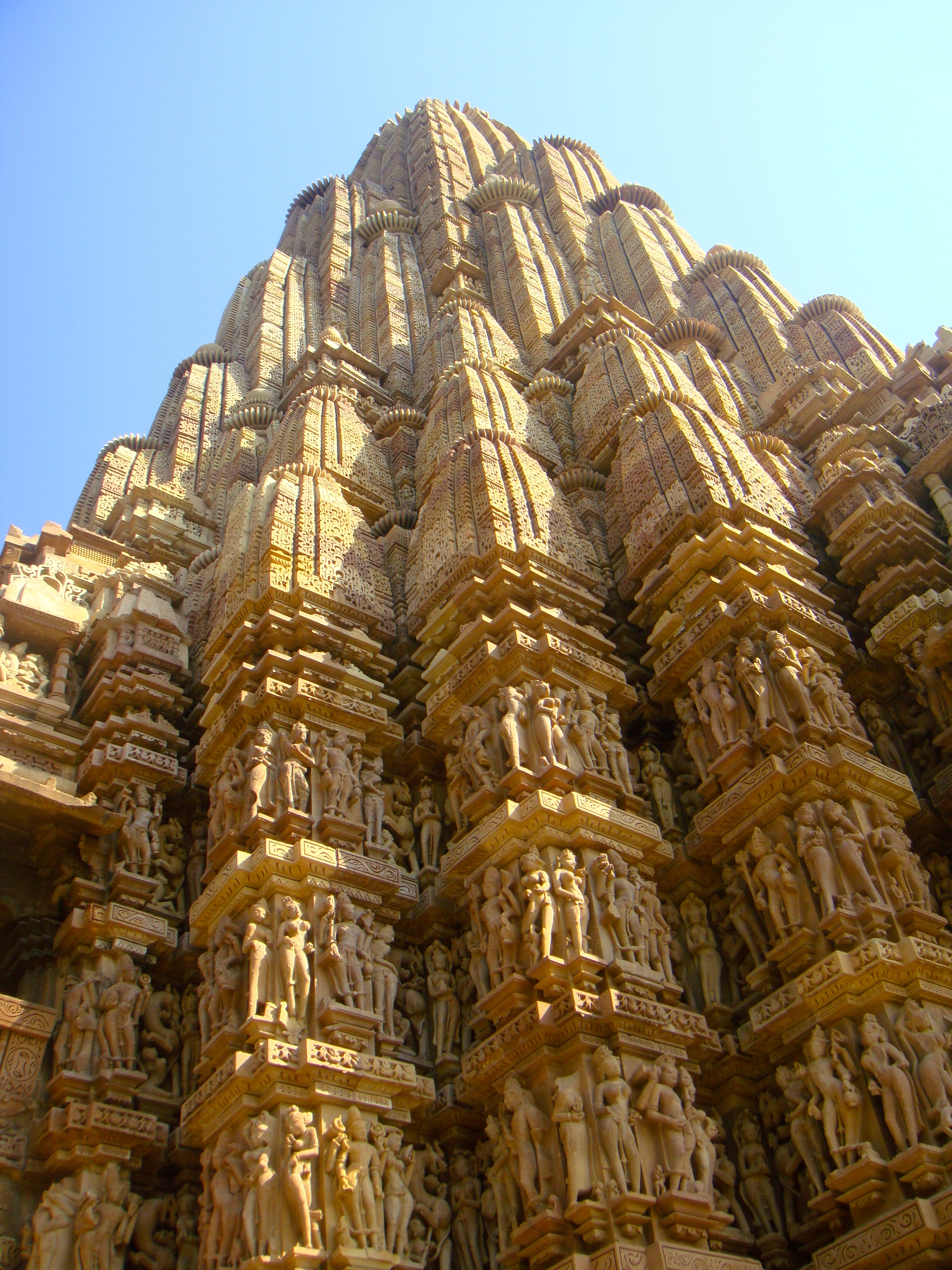
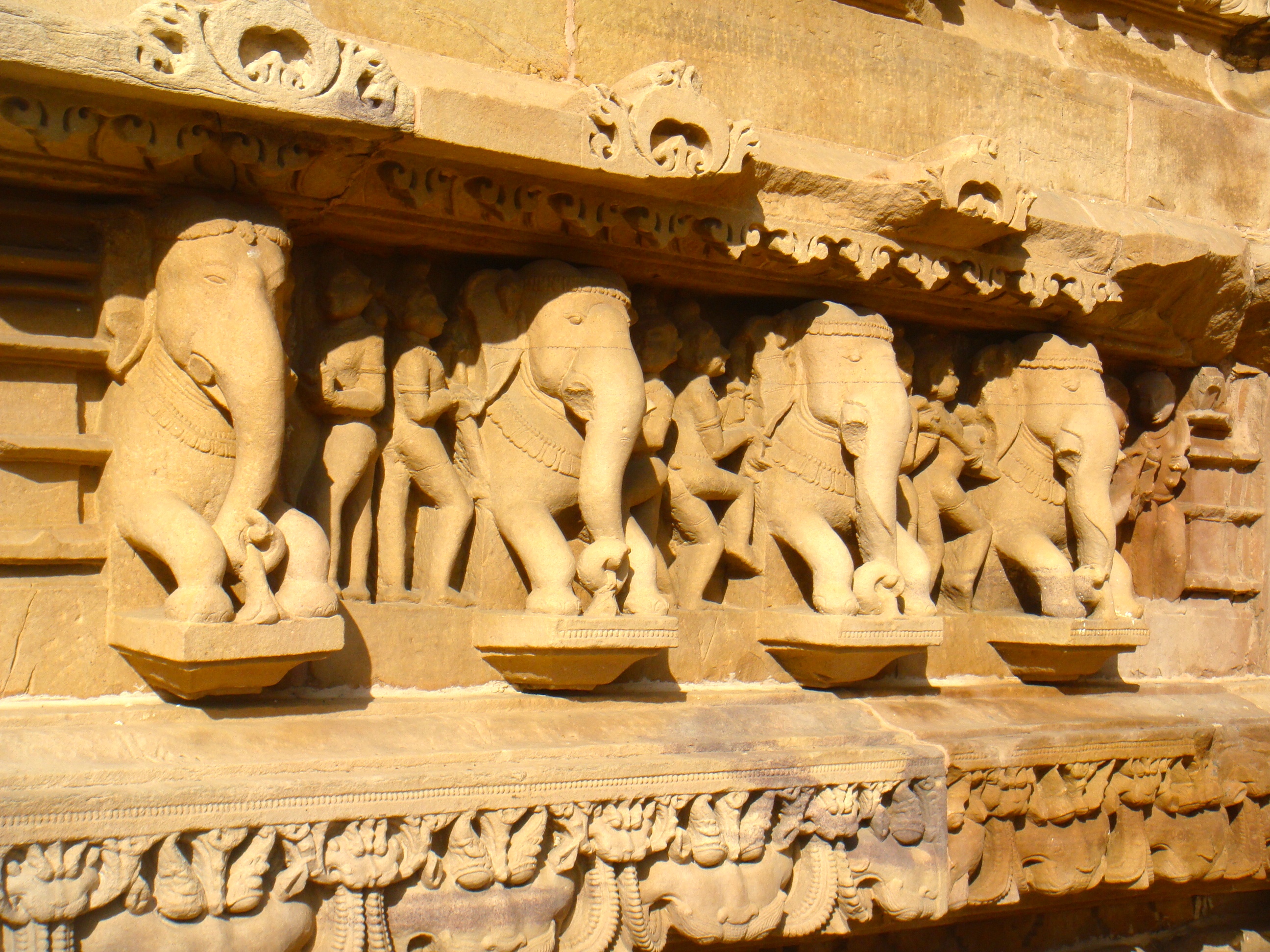
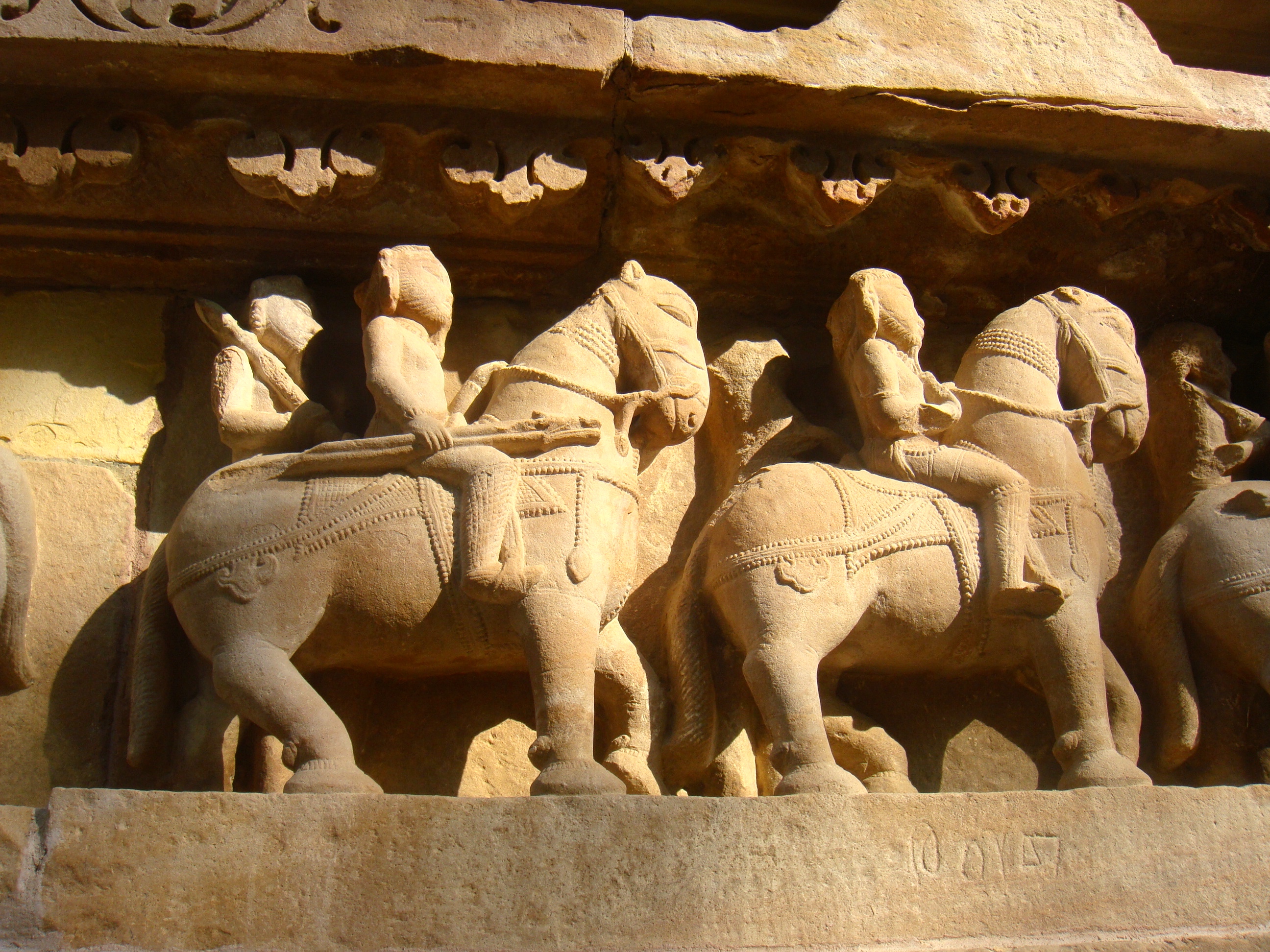
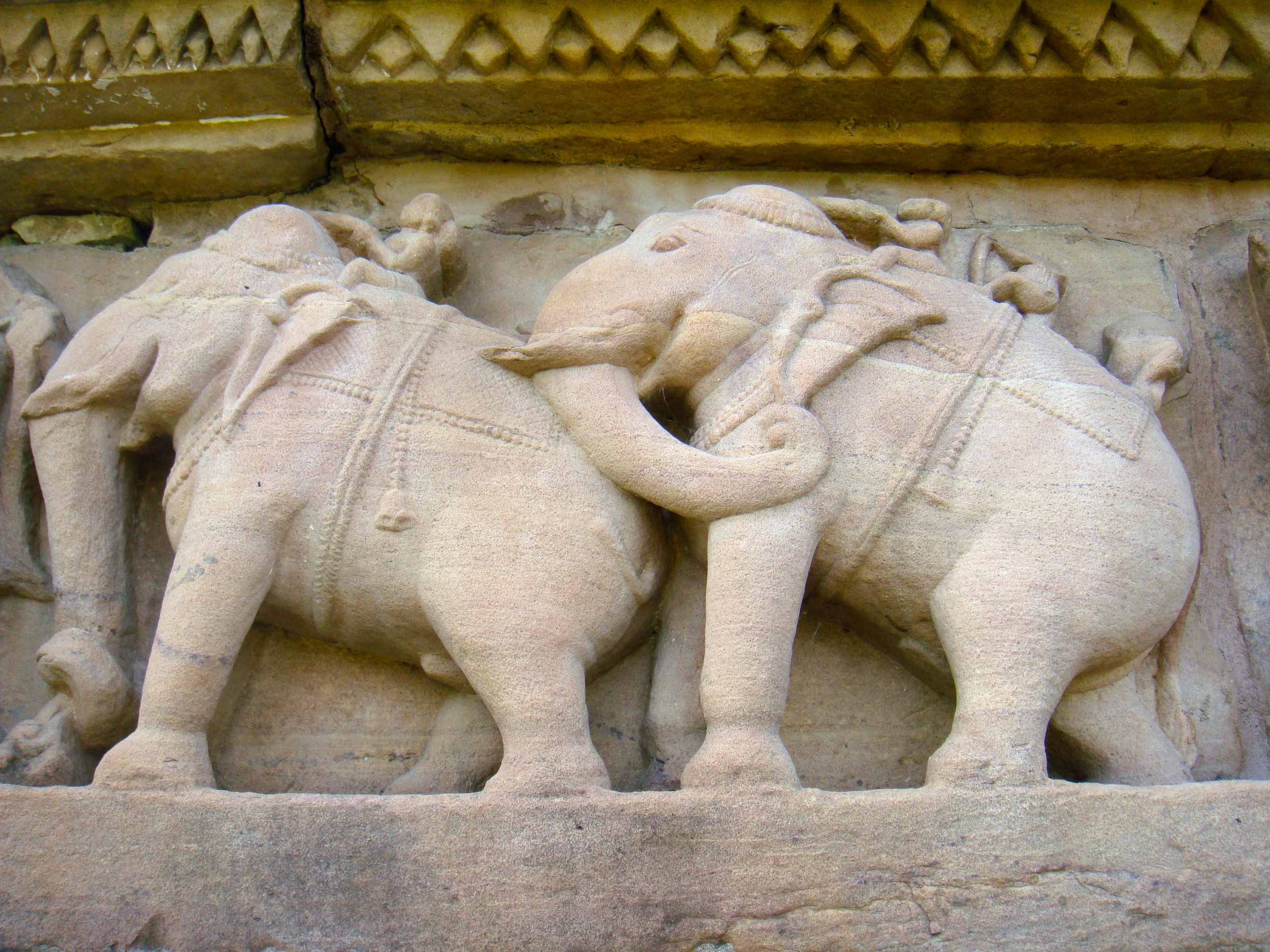
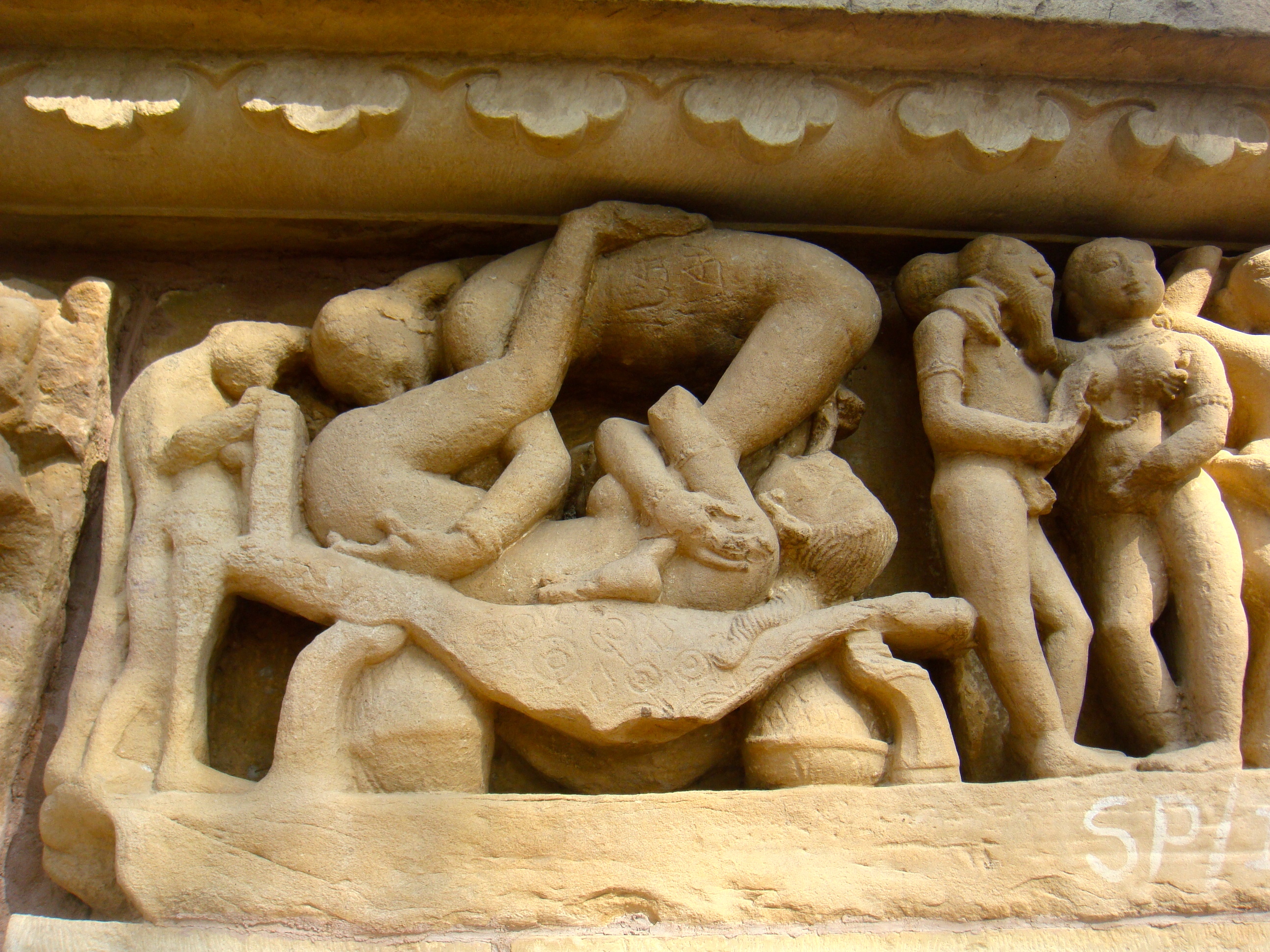
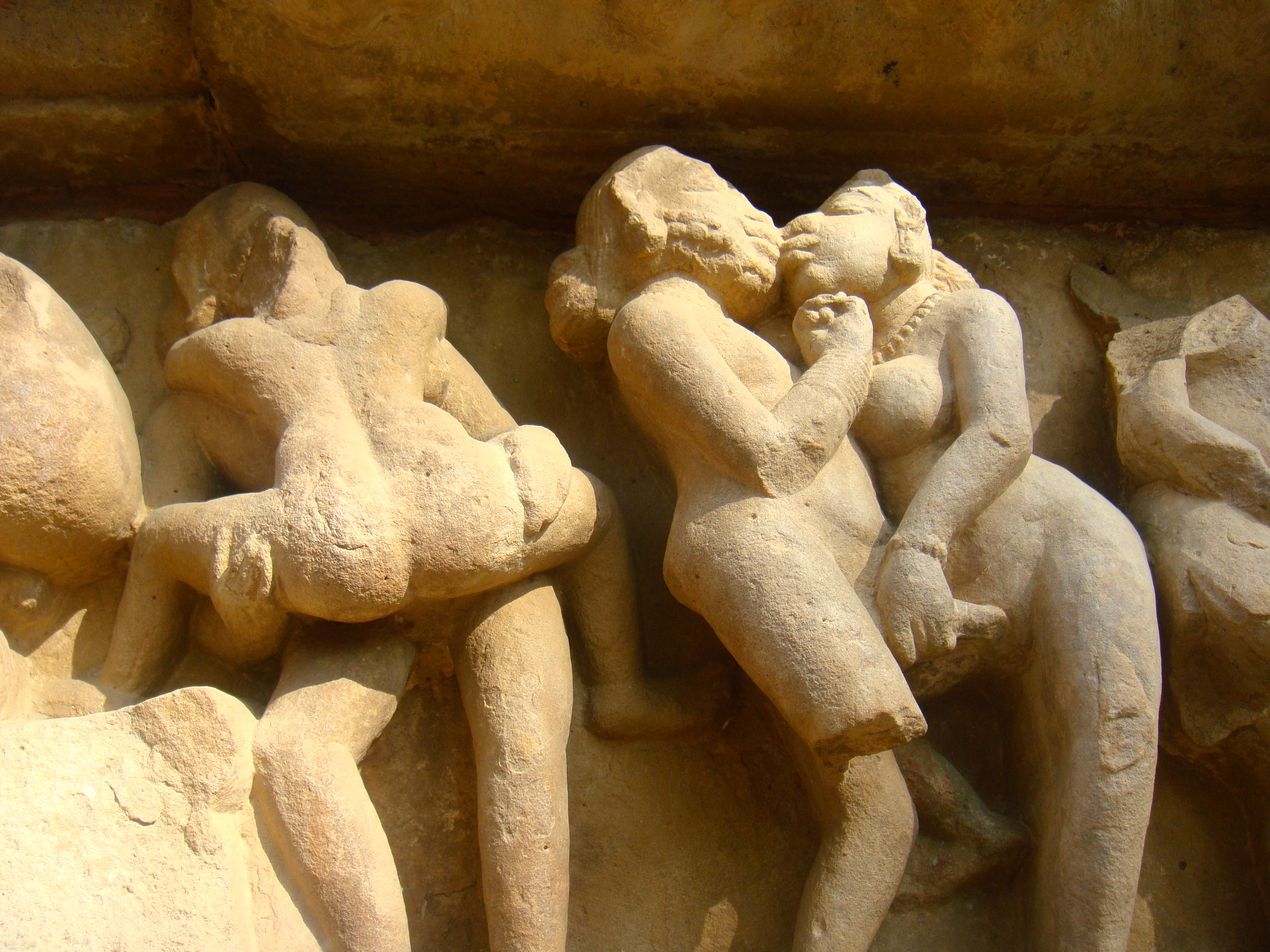
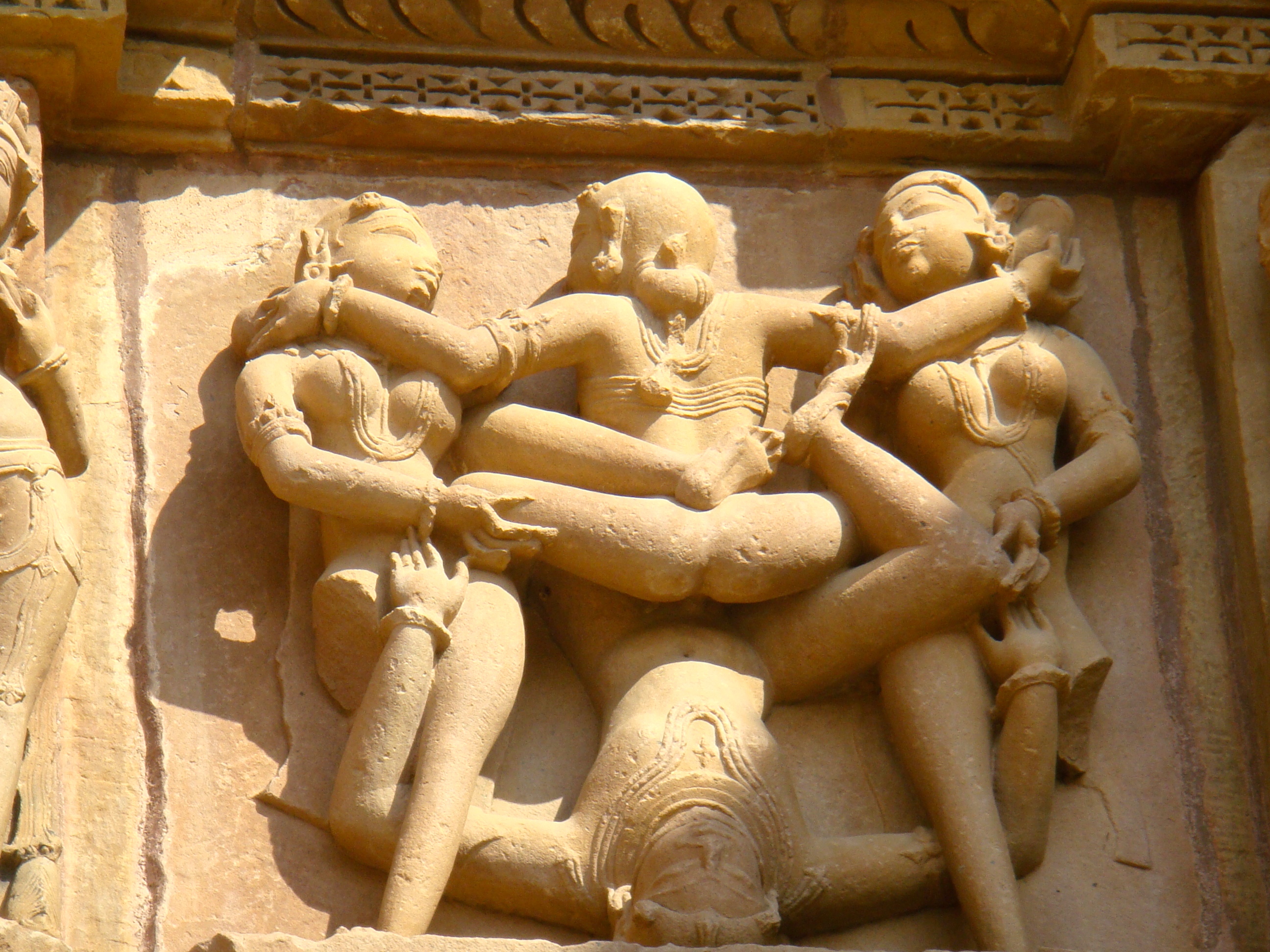
The temples are most famous for the elaborate sculptures which cover every available space. There are so many fantastic sculptures, imagine the lower half of the temple above (up to the top of the balconies) totally covered in sculptures:

DSC00941

But more than the sheer number it is the quality and craftsmanship that is astounding:

DSC00918

DSC00902

DSC00911

DSC00956

DSC00959

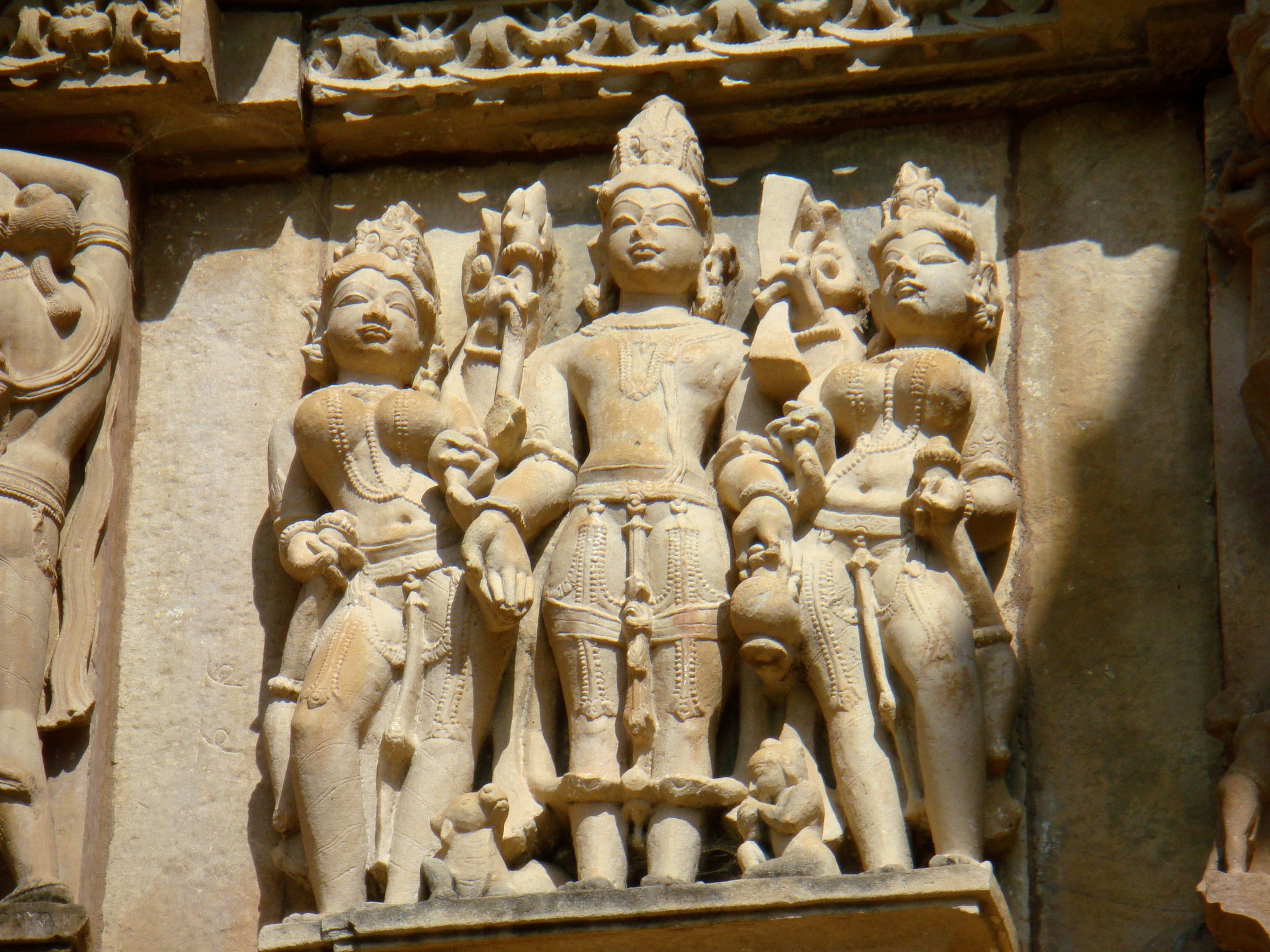
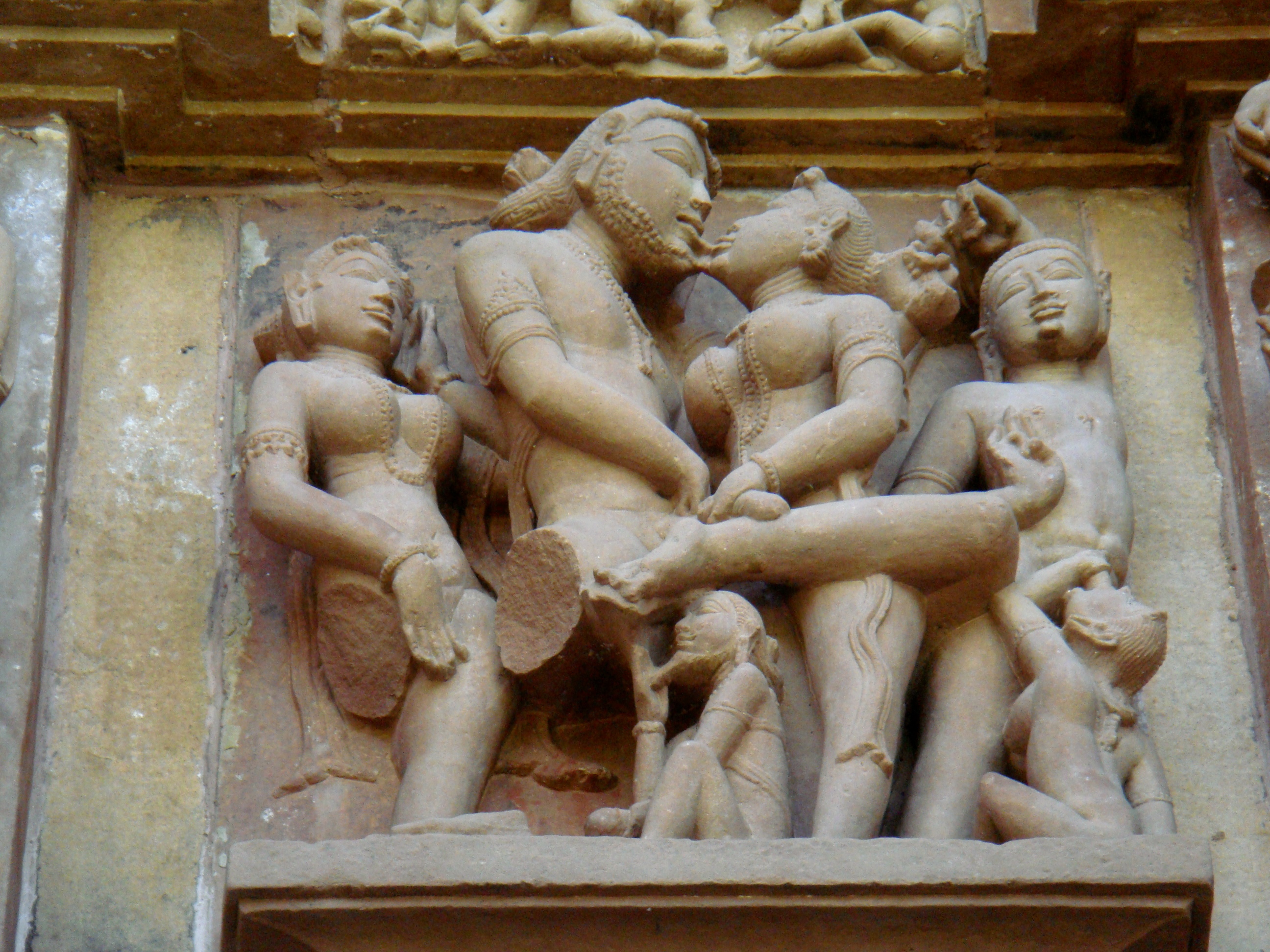
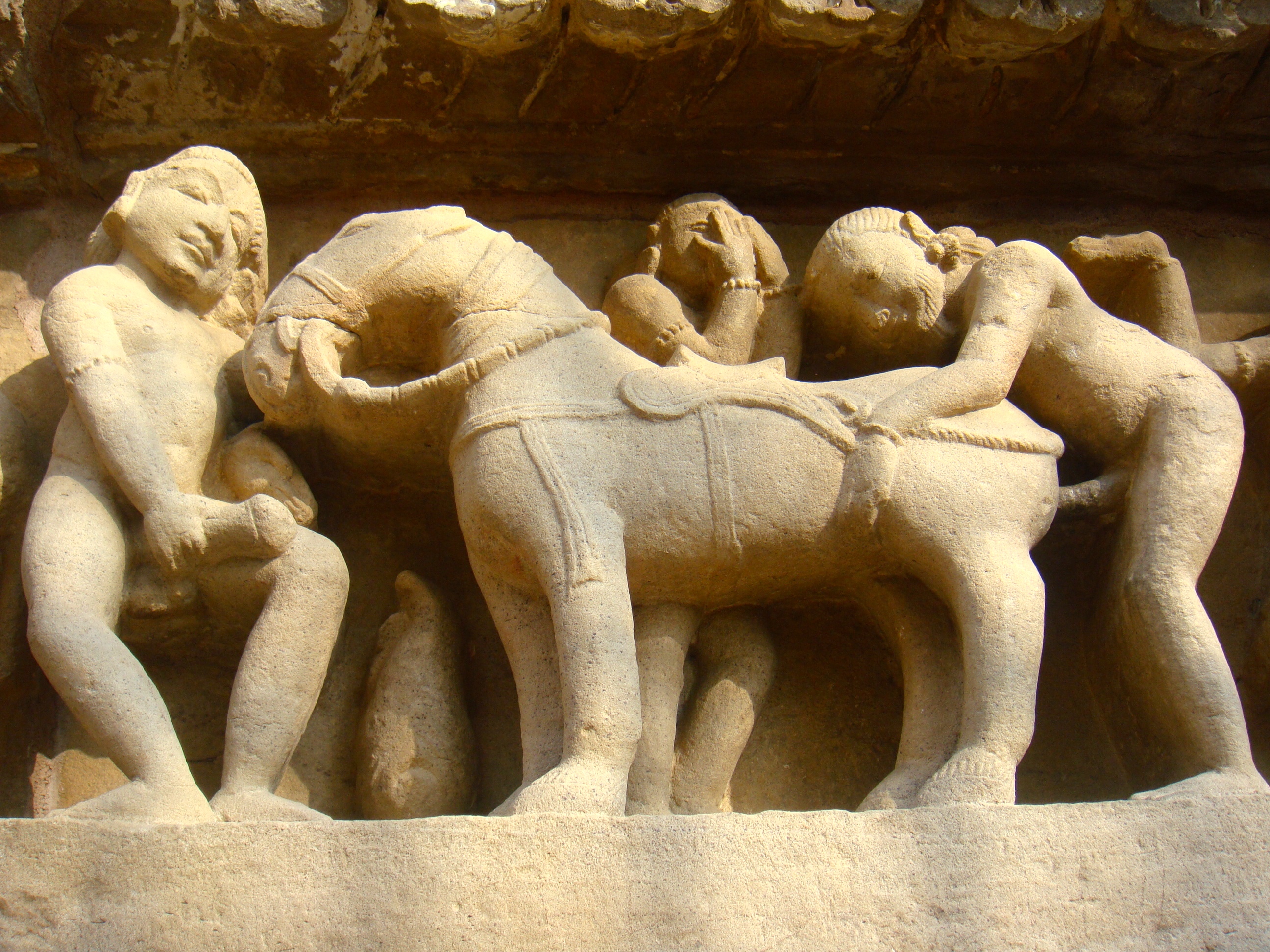
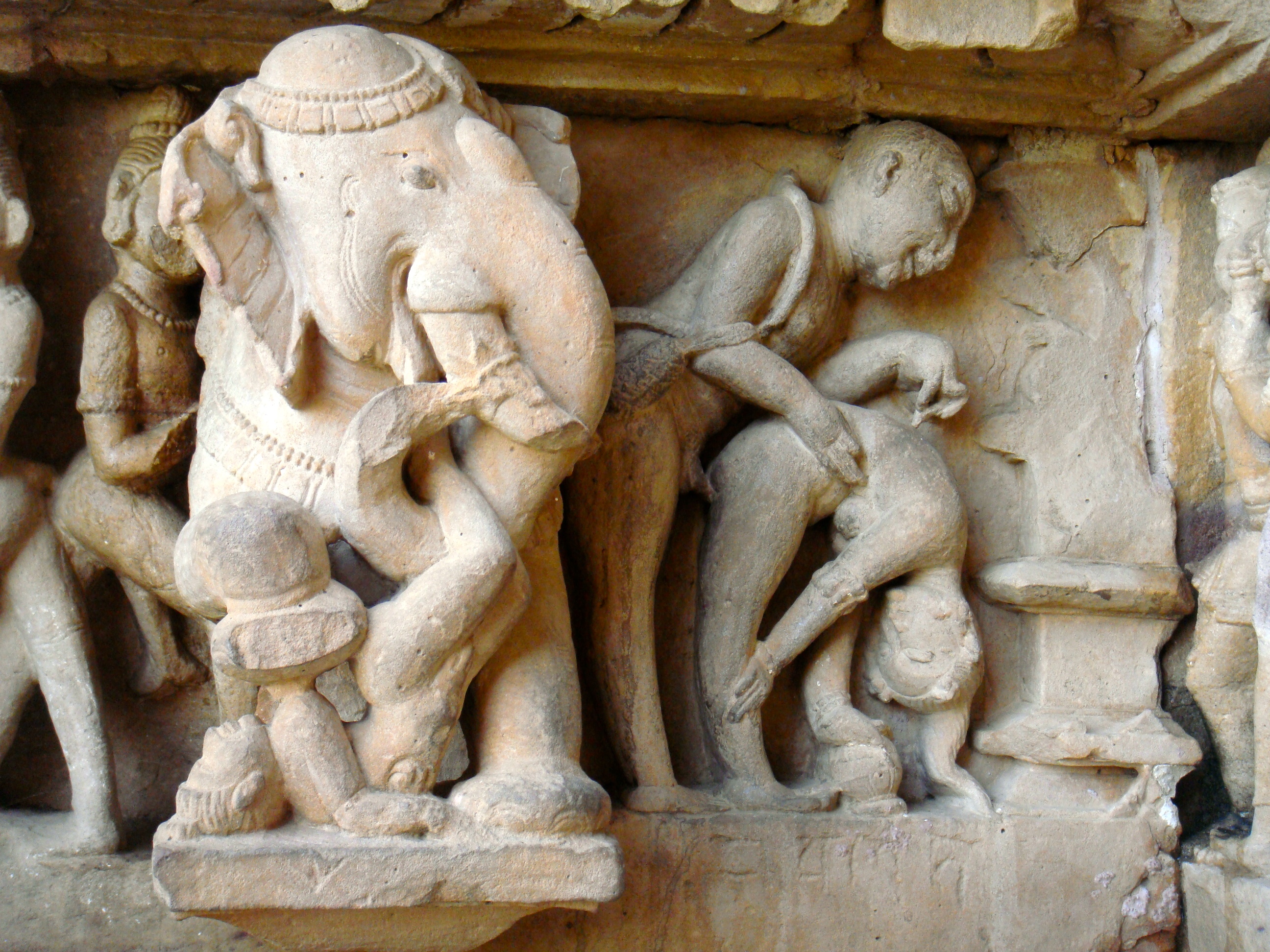
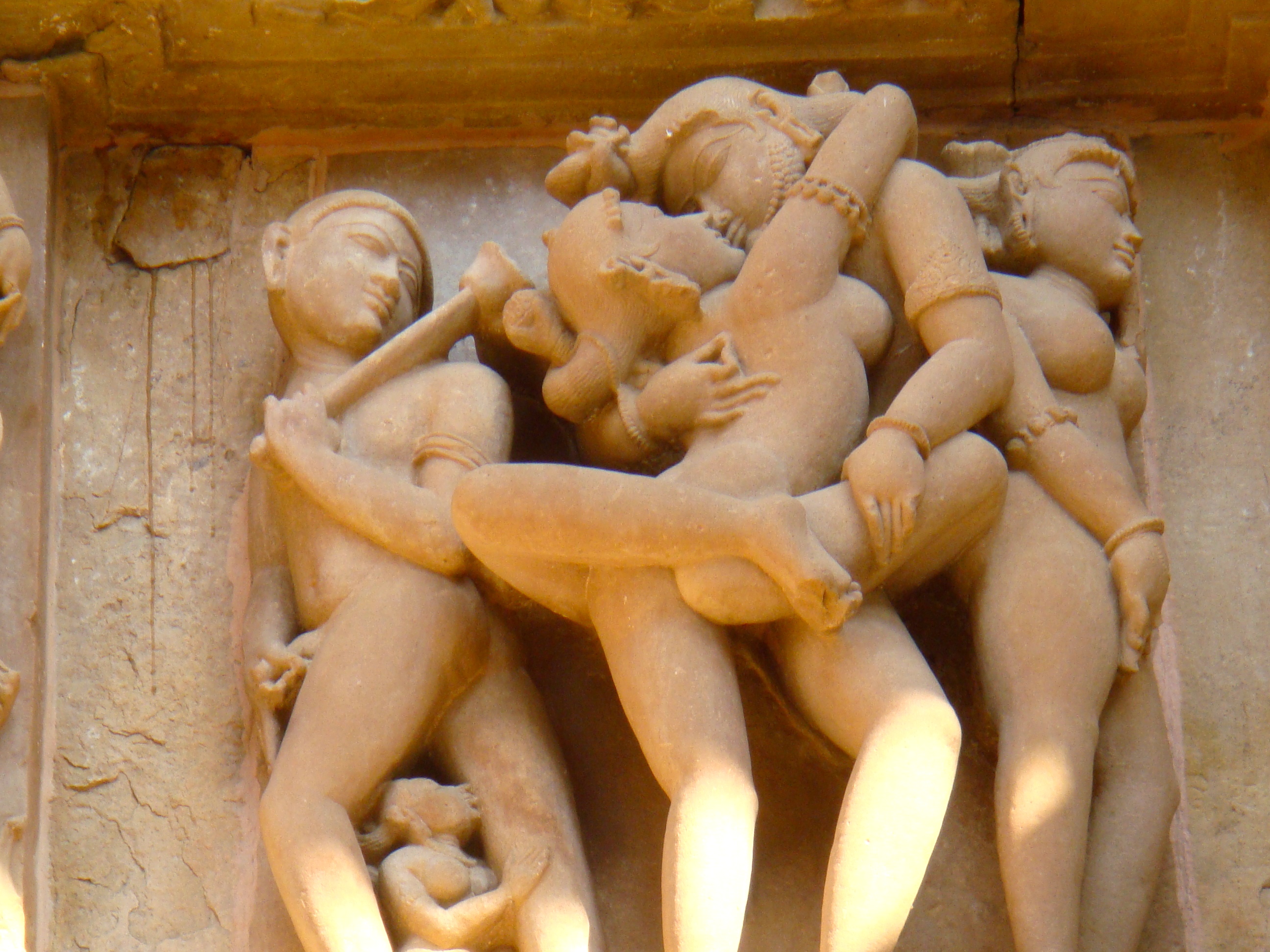
There are five categories of sculpture at Khajuraho – deities; family, attendants and divinities; female heavenly bodies; animals; and scenes of daily life. This final category includes domestic scenes, teachers, dancers and also the sculptures which make Khajuraho really famous – the erotic sculptures:

DSC00947DSC00926DSC00906

Orgies were OK:

DSC00904

As was paedophilia:

DSC00922

Even bestiality is portrayed:

DSC00908

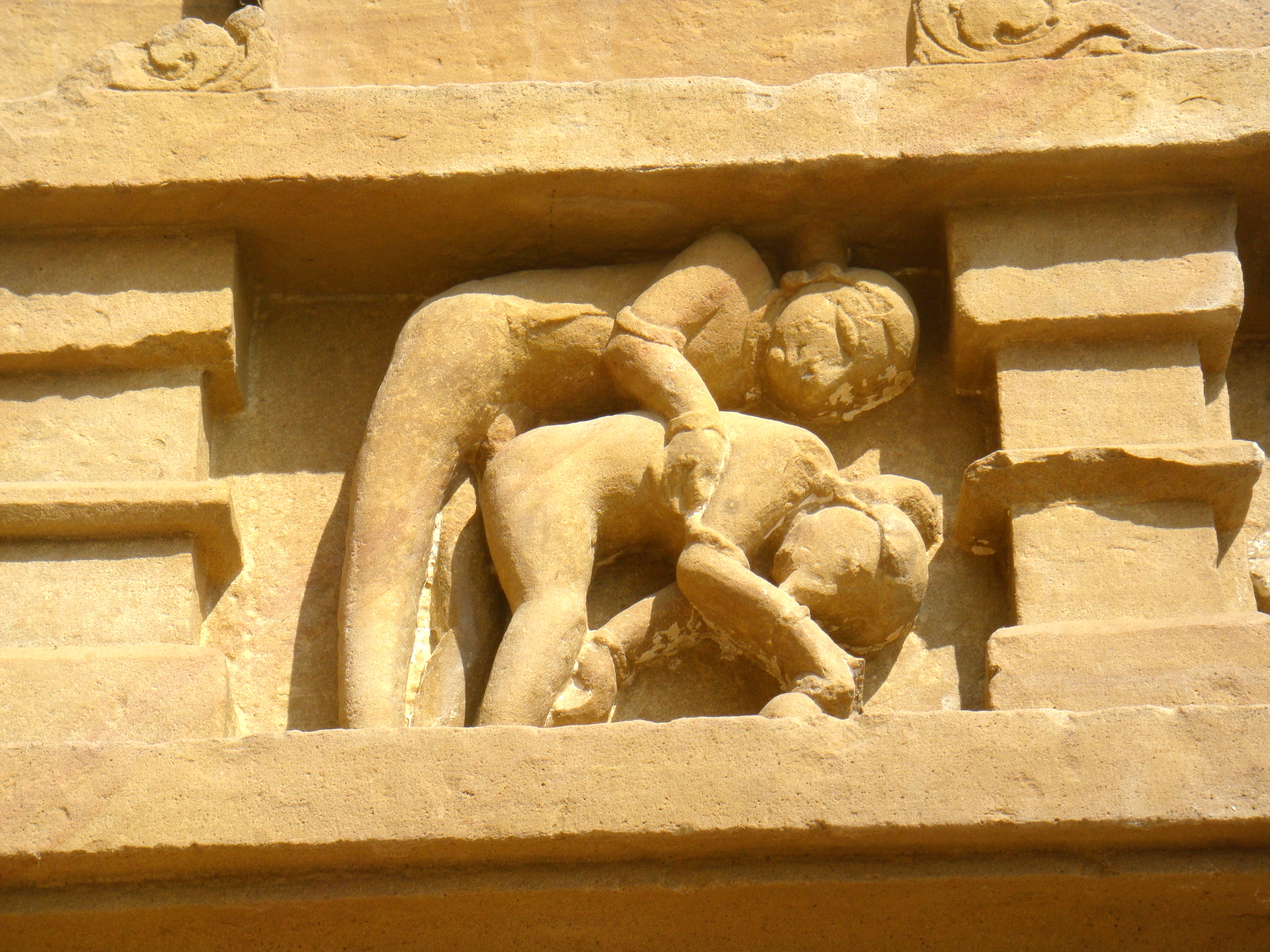
This God is quite the acrobat although this is apparently not a sexual scene per se but rather a specific “Yantra”, a means of subsuming the body to the act of worship:

DSC00938

We loved this elephant, he seems both amused and embarrassed:

DSC00921

And in this sculpture everyone is getting in on the act:

DSC00917

These erotic sculptures account for only 10% of the Khajuraho sculptures but, not surprisingly, they steal the show. Khajuraho has been the highlight of the trip so far, fascinating history and a beautiful site.

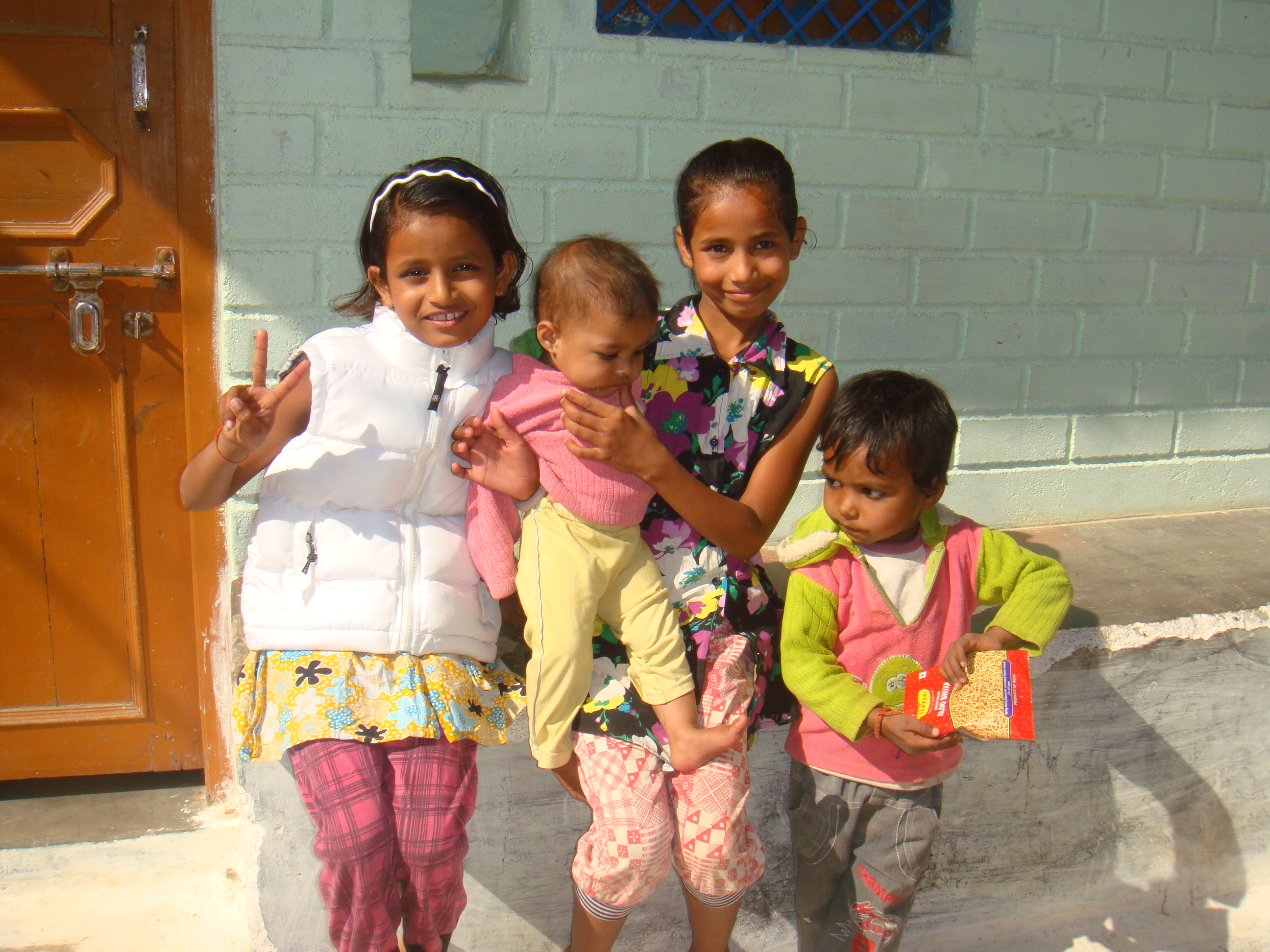
As we were leaving Khajuraho the little girl in white below stopped us and asked us to come to her shop, we couldn’t refuse!

DSC00962

We left Khajuraho heading for Orchha, lots of interesting sights along the way:

DSC00971

DSC00969

DSC00991

DSC00975

DSC00993

DSC01045

DSC01053

DSC01054

DSC01008

DSC00997

DSC00973

The place above was irresistible to us so we drove across country to get to it:

DSC00979

It turned out to be the tomb of one Sawai Singh from the 18th century. Here is Leishia, the Lady of the Manor:

DSC00985

We arrived at Orchha planning to stay the night and to see the fort and the temples but were surprised to see a huge Police presence as we arrived. Little did we know that we were rolling into this sleepy town on the very night that Lord Ram’s marriage to his bride Sita was to be celebrated, basically the highlight of the year. Lucky us!

We found a room with a super view of the fort from the terrace:

DSC00999

and walked into the town. We met a lovely family and shared a cup of chai with them:

DSC01027 This was HarrisDSC01026 his little son and relativesDSC01012 his sister

DSC01025 and his sister-in-law preparing dinner

The town was absolutely packed! Loud music, thousands of people and an electric atmosphere. Lord Ram is said to sleep in Orchha, he certainly didn’t sleep last night, the party was amazing. Most of the revellers had arrived for the night complete with their tiffin boxes and their bedrolls.

It was obviously a big event but most of the symbolism was lost on us so we took a couple of pictures, made our excuses and left.

DSC01005

DSC01029

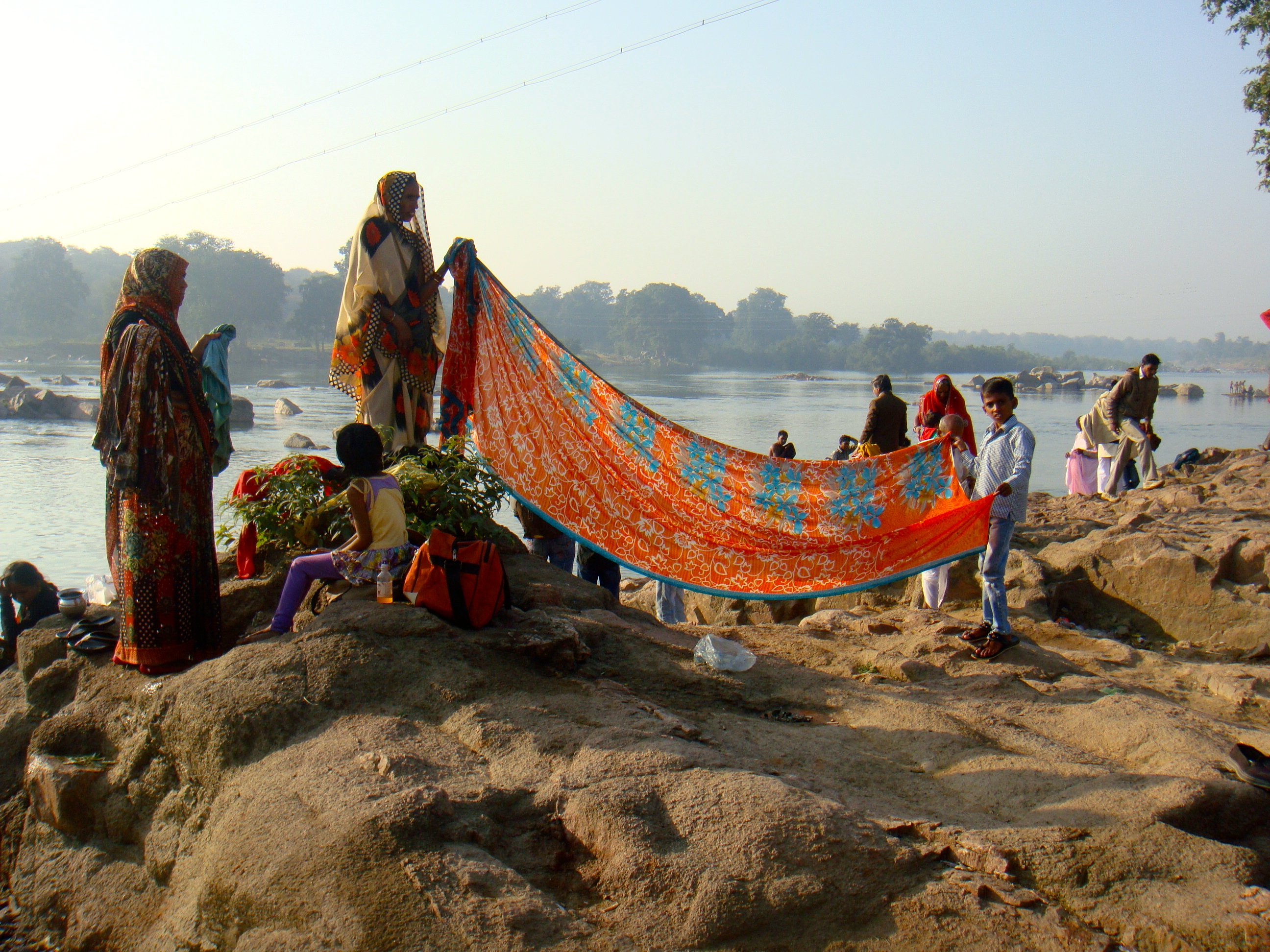
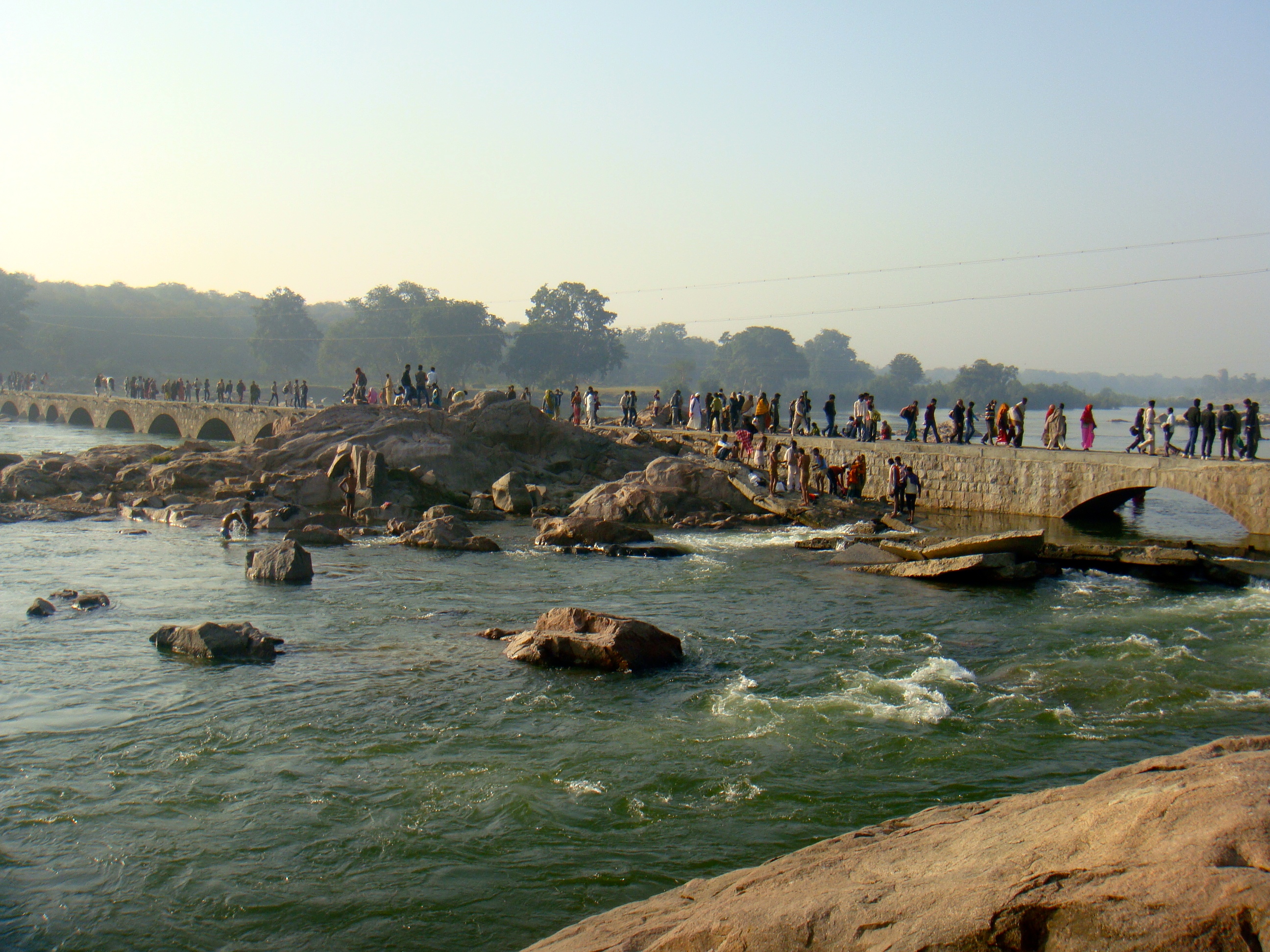
This morning we drove down to the river where most of humanity seemed to have congregated after the party:

DSC01039

DSC01036

Finally we left Orchha and drove to Agra. So tomorrow we will be up at dawn to see the Taj Mahal on Leishia’s birthday. I couldn’t have planned it better if I had tried – which I didn’t!

Right that’s it, I’m off to practice that yantra!

Lucknow

Status

ianhines's avatar

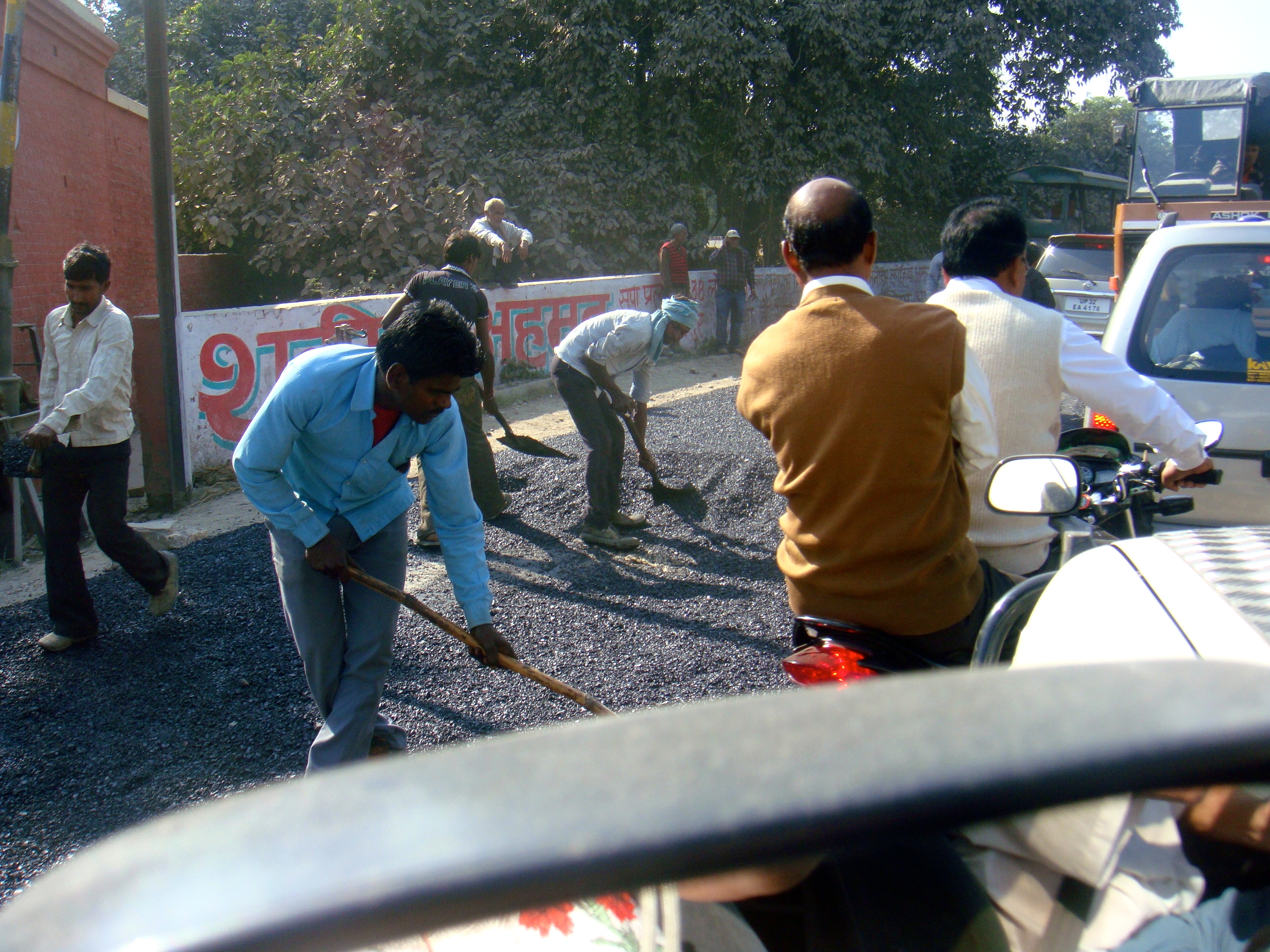
We left Varanasi yesterday morning heading for Lucknow. 180 miles of driving along NH56 (National Highway 56). Mmmm, National Highway, 180 miles, 4 hours? Well that was our thinking but once again the Indian road system surprised us. The road was absolutely packed with pushbikes, motorbikes, taxi-vans, trucks and people. There were frequent stops at level crossings with long queues waiting for very slow trains. At one level crossing there was a work truck blocking our side at the entry to the crossing and another work truck blocking the oncoming lane at the exit. That would have been fine except that there was a team of workers (hence the work trucks) tarmacing our exit lane! The only way to exit the level crossing was to drive over the fresh tarmac!

DSC00813

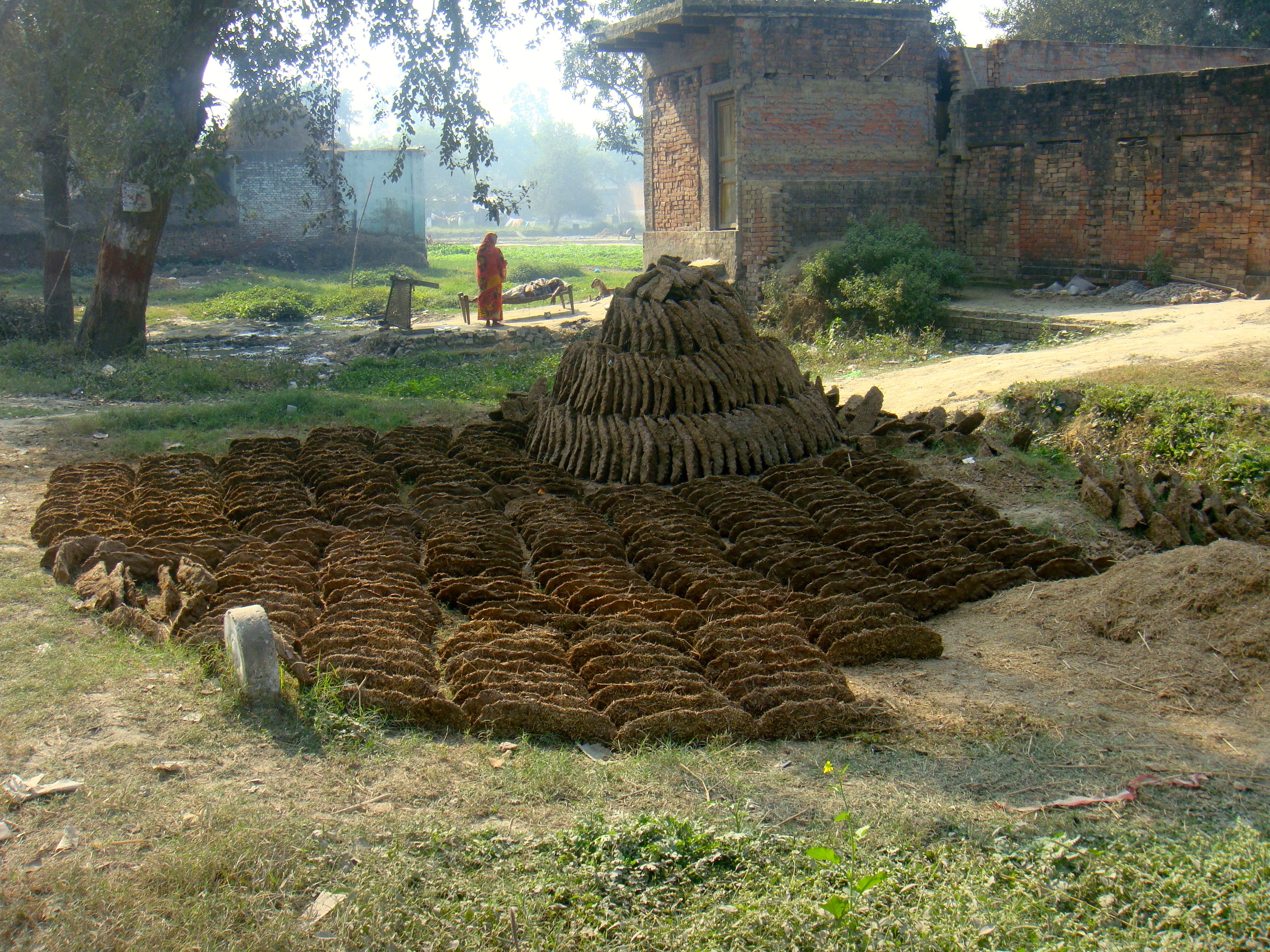
Along the way we spotted some superb dung-piling:

DSC00810

I checked and India has only ever won one individual Olympic gold medal, I think they should be lobbying to get dung-piling included, they would definitely win another!

The NH56 is being upgraded at the entrance to Lucknow, a beautiful new flyover is being built. The problem is it is being built along the line of the old road so the old road is no more. The NH56 is now actually a dirt track through the woods alongside the unfinished flyover. So we took to the woods.

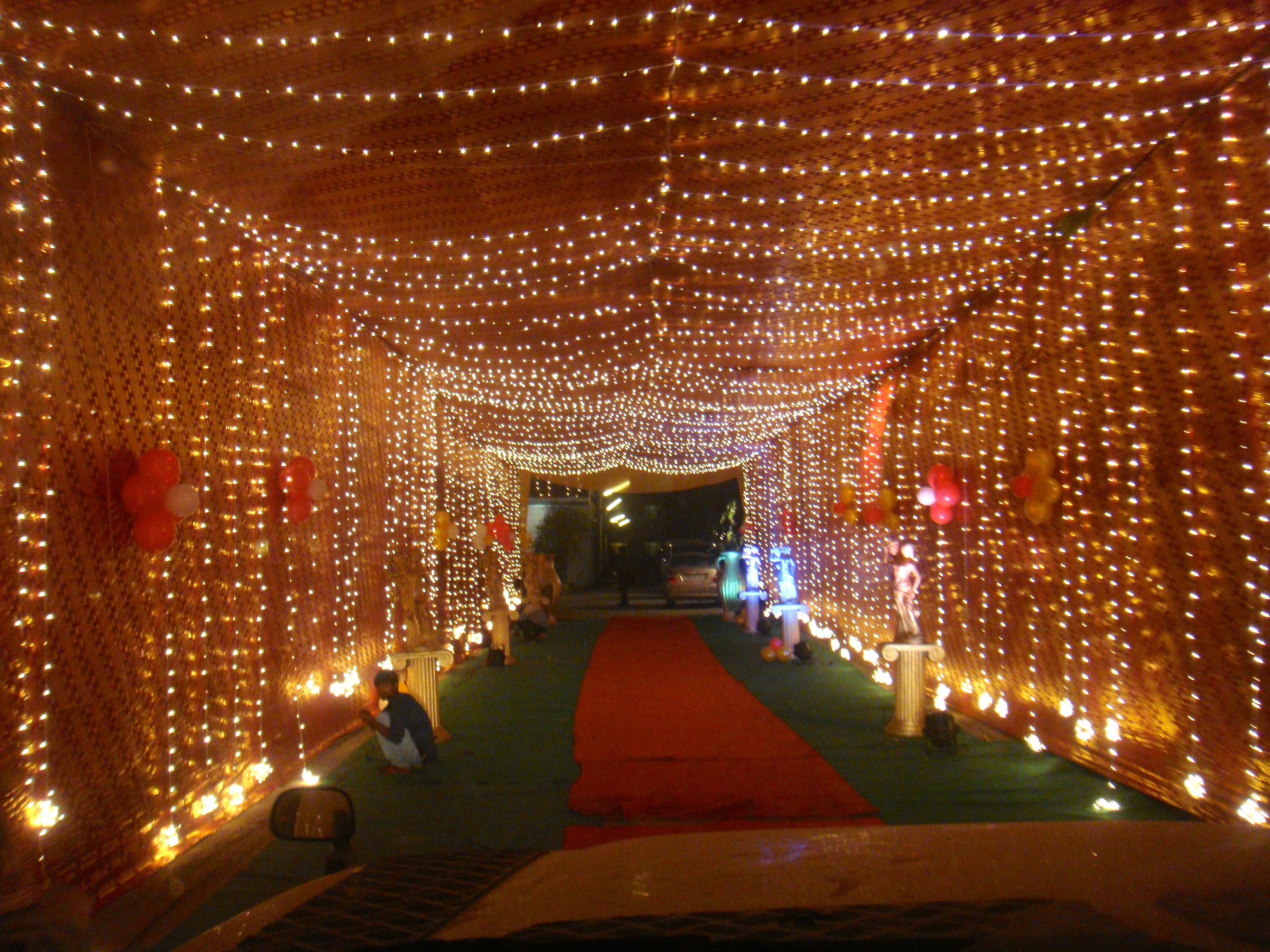
All of this was at times frustrating and at others hilarious, it took us 9 hours to cover the 180 miles but the final hundred metres to the hotel made it all worthwhile. There was a wedding celebration the same evening, here we are driving to reception through the red carpeted entranceway!

DSC00815

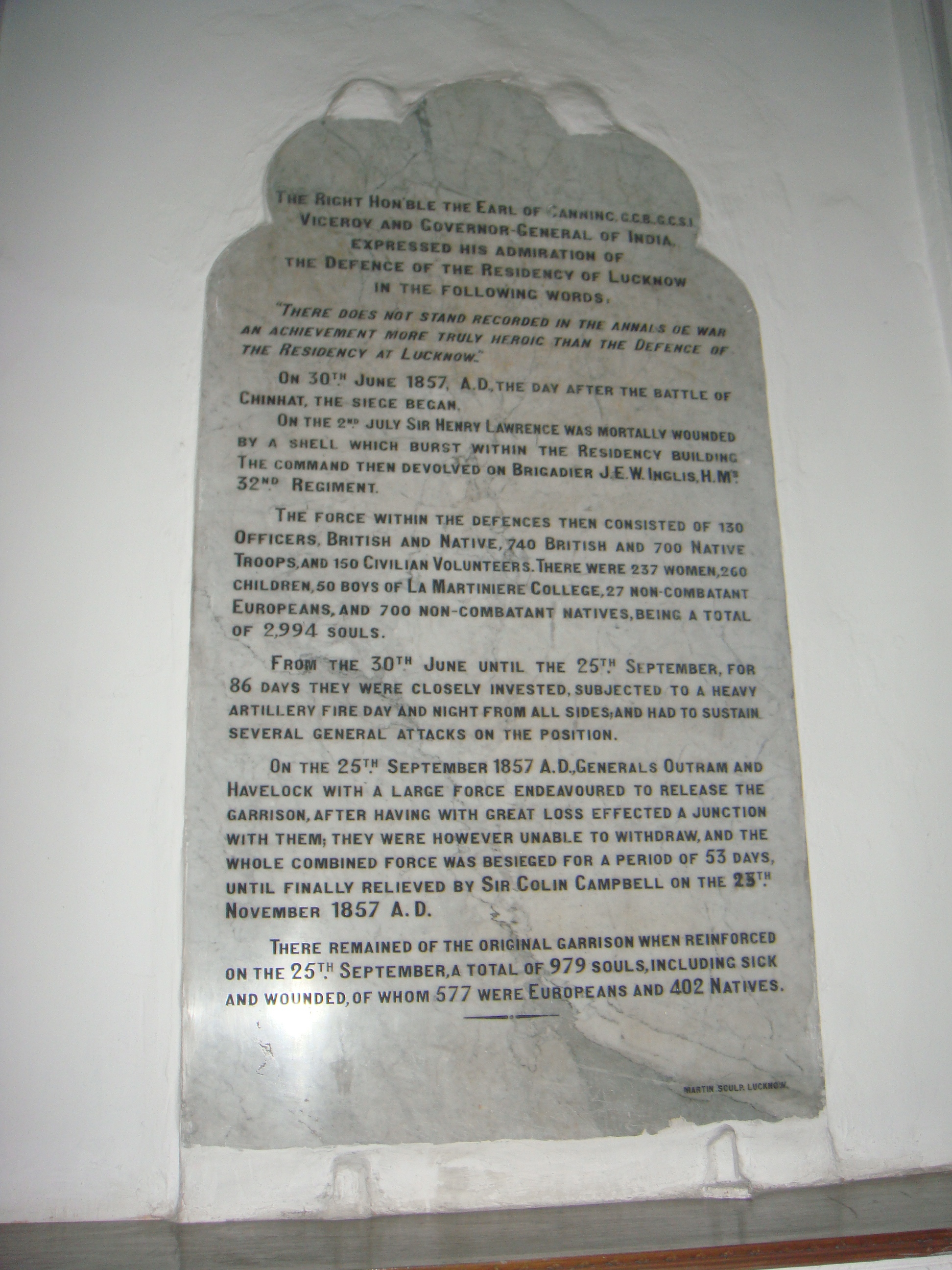
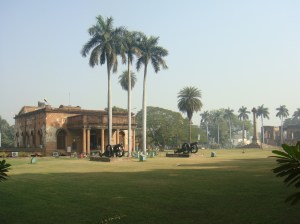
Today we visited Lucknow. Our first stop was the Residency. This once beautiful group of buildings housed a British garrison in the days of the Raj and is famous as the location of the siege of Lucknow in 1857 which signalled the beginning of the end of British rule in India. The British had been beaten in battle nearby and had retreated to the safety of the Residency. Here’s the brief story (click on the picture):

DSC00823

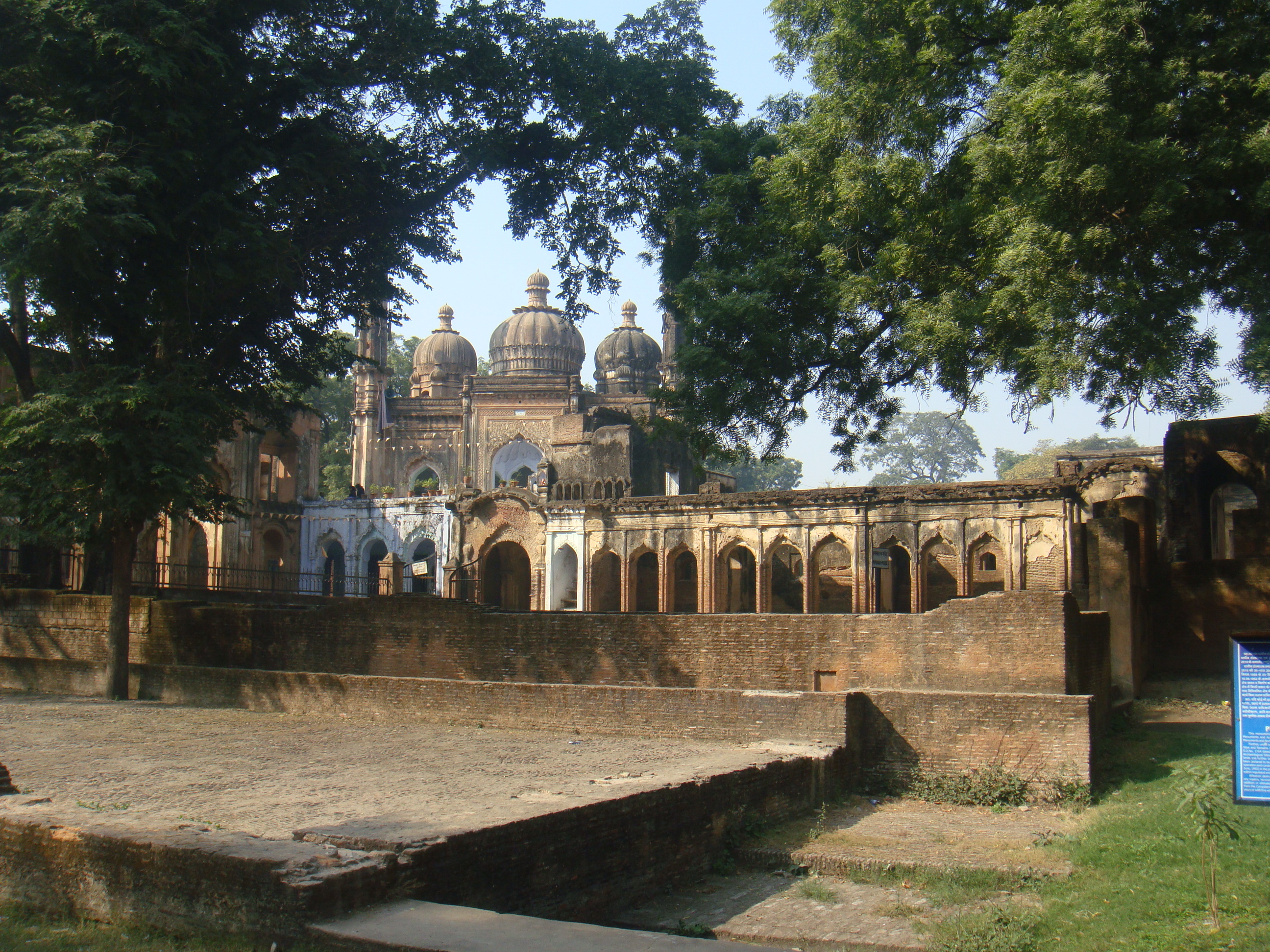
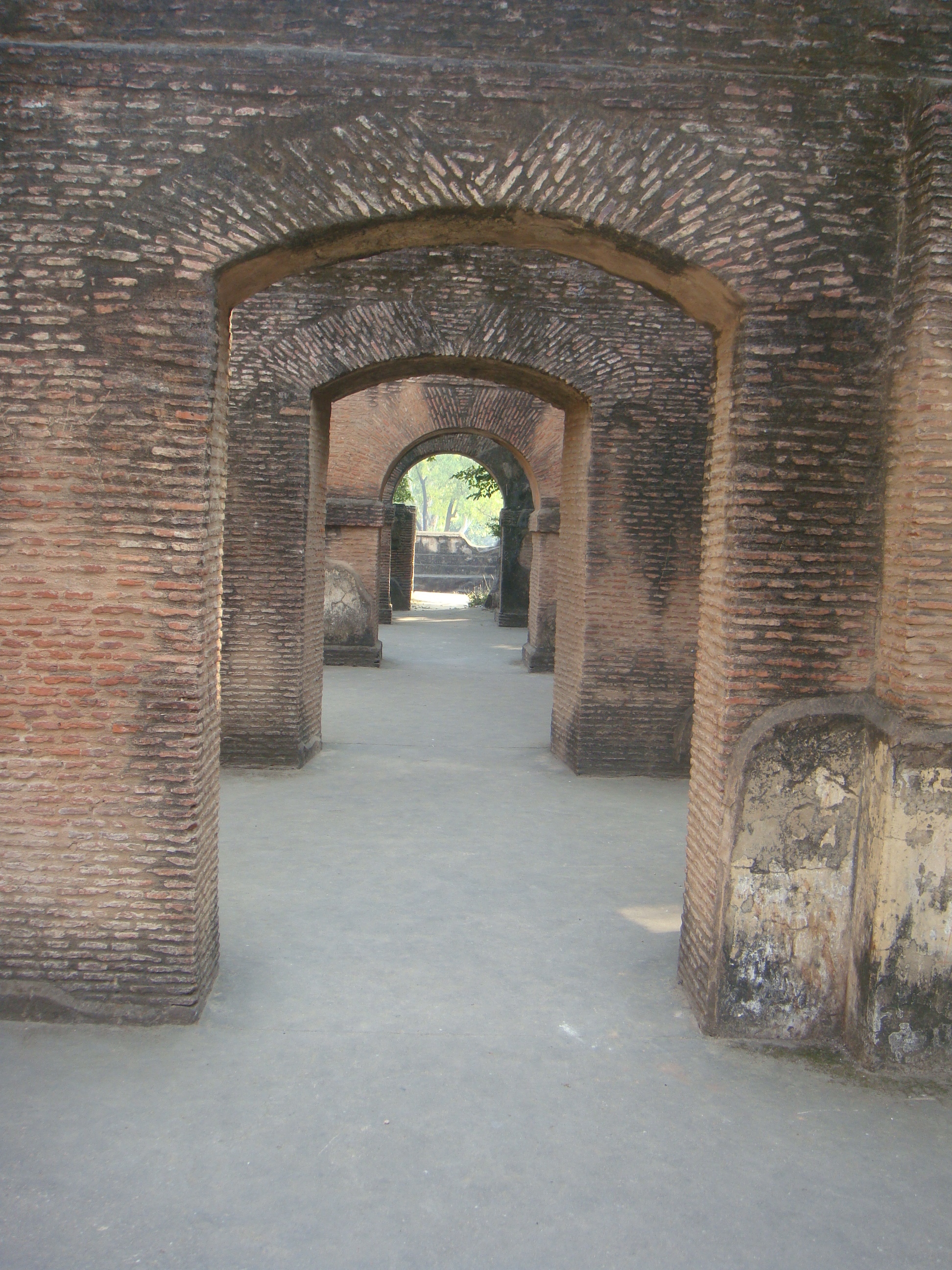
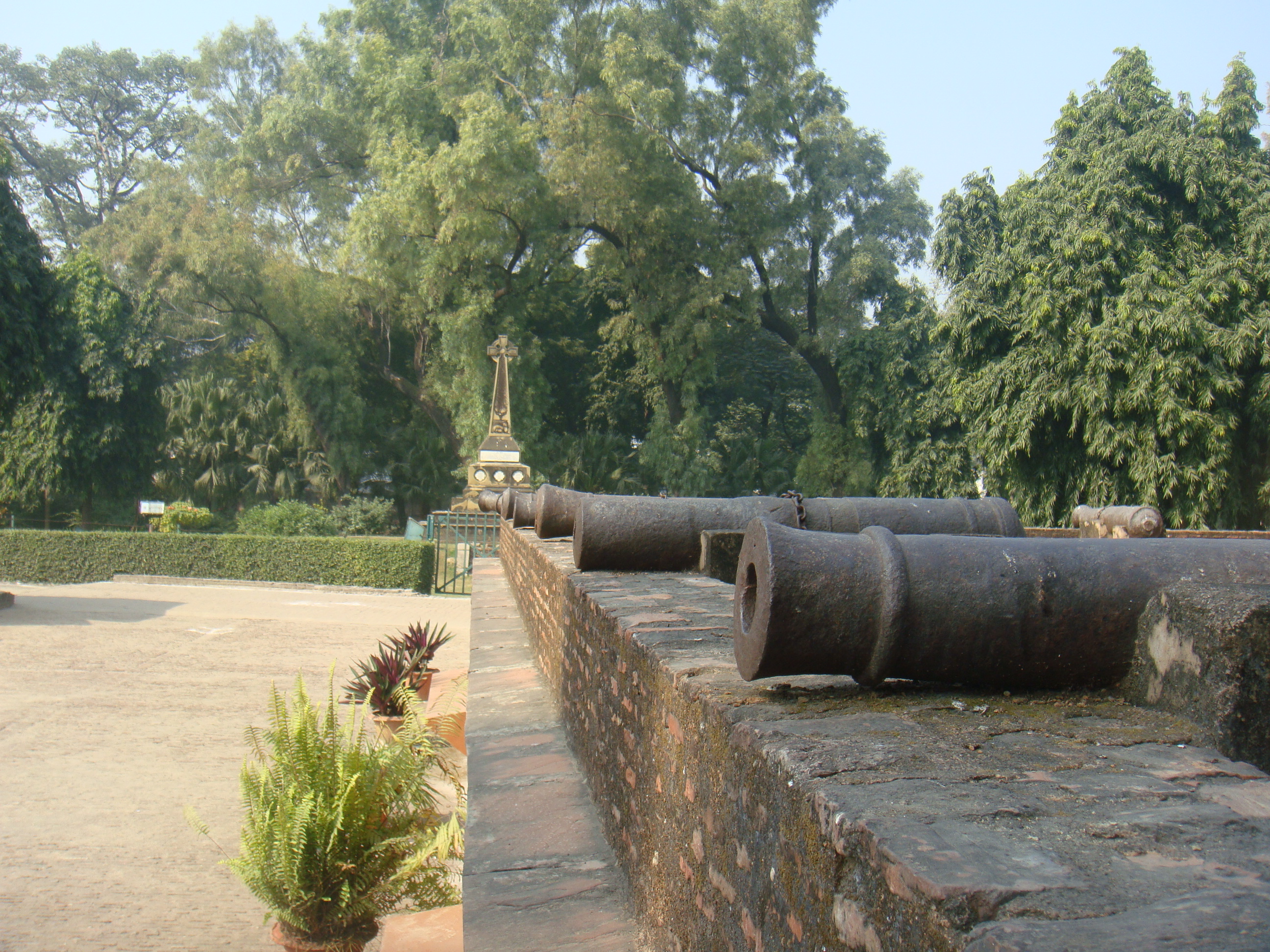
and a few shots around the grounds:

DSC00817

DSC00844

DSC00822

DSC00824

DSC00830

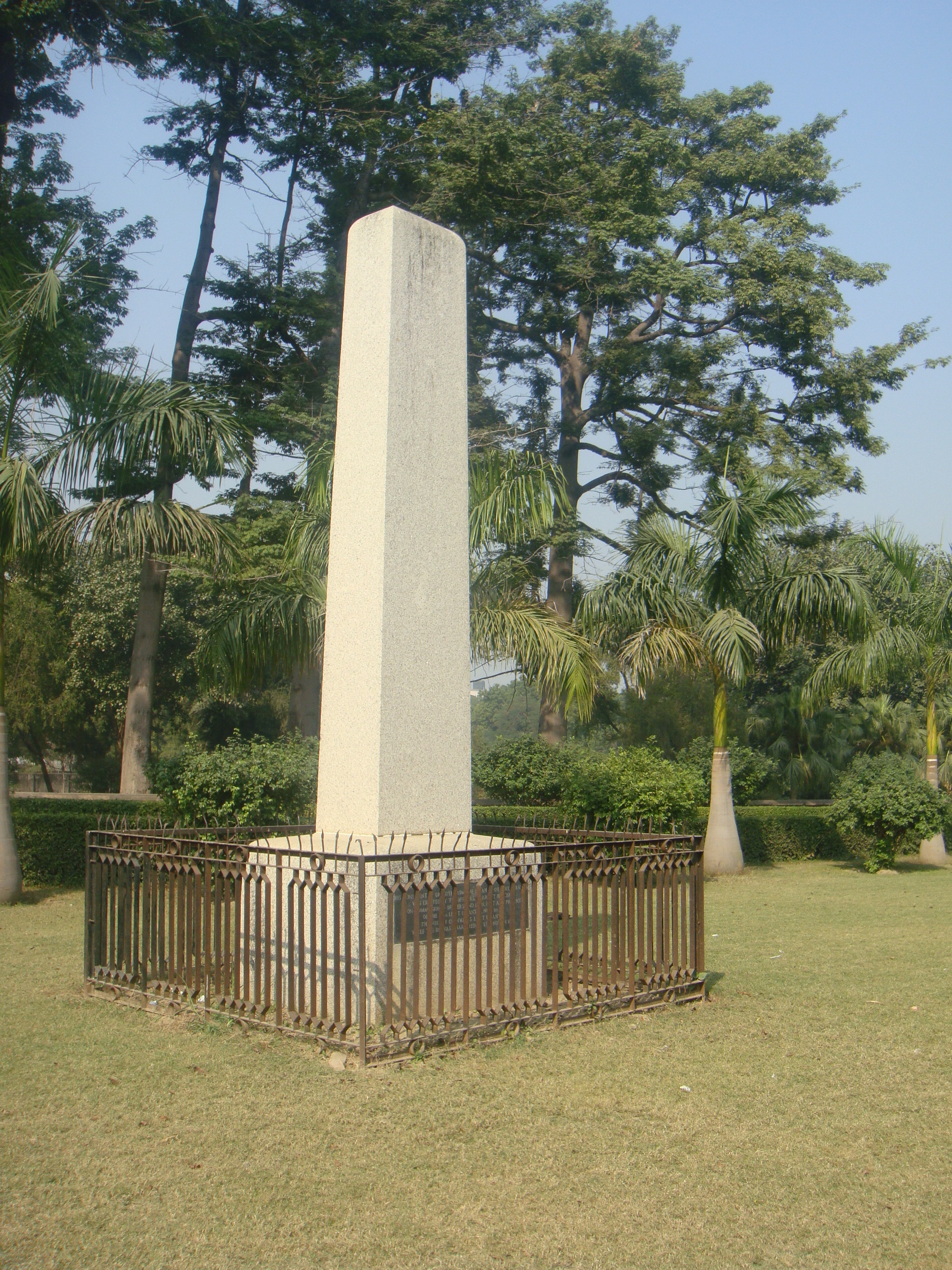
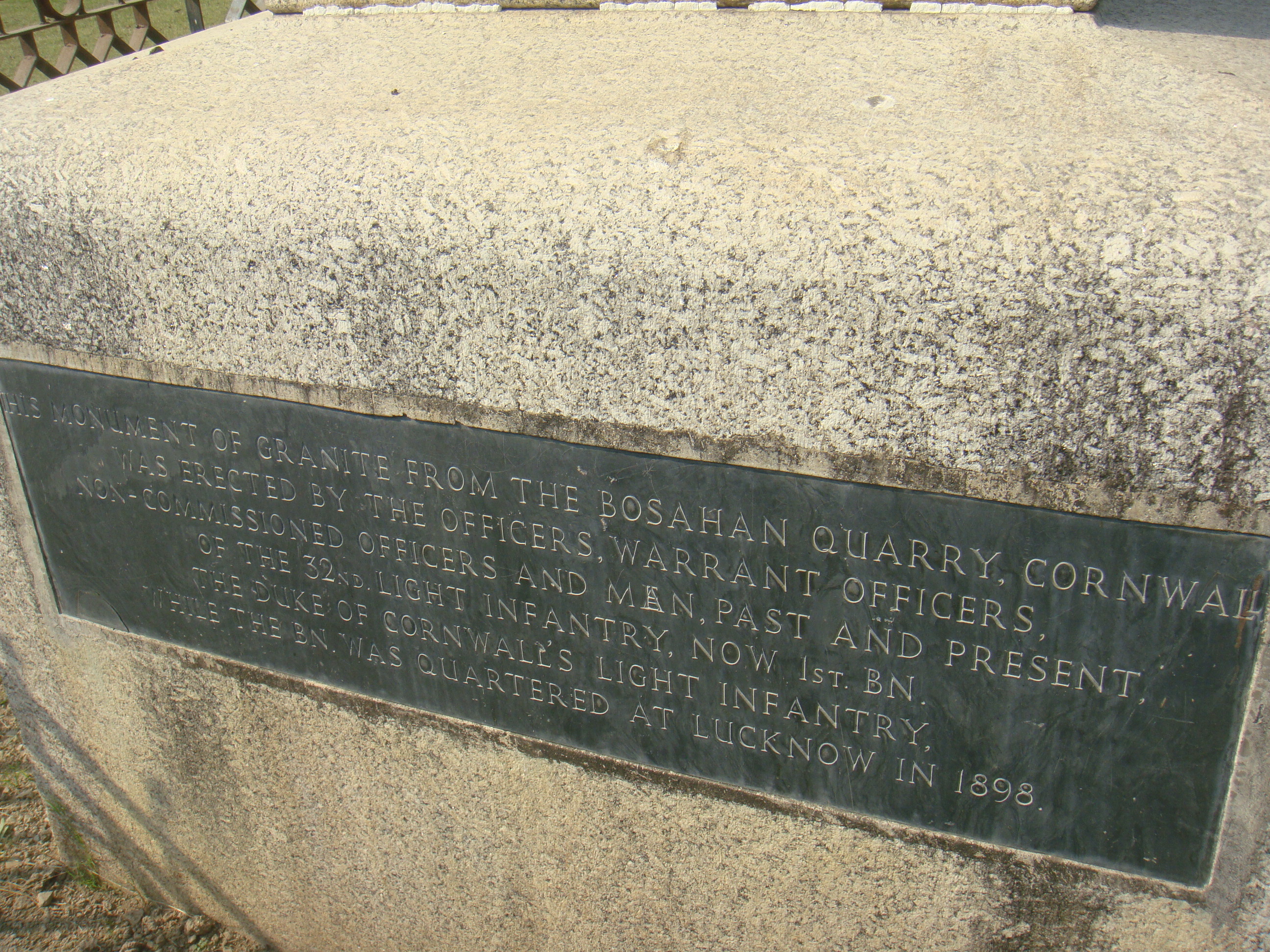
We were surprised to find that the obelisk above had been made from Cornish granite:

DSC00827

My Dad served with the DCLI in Bodmin! Bosahan quarry is near Falmouth, here’s a link to their website: http://constantinecornwall.com/bosahan/the-quarry/

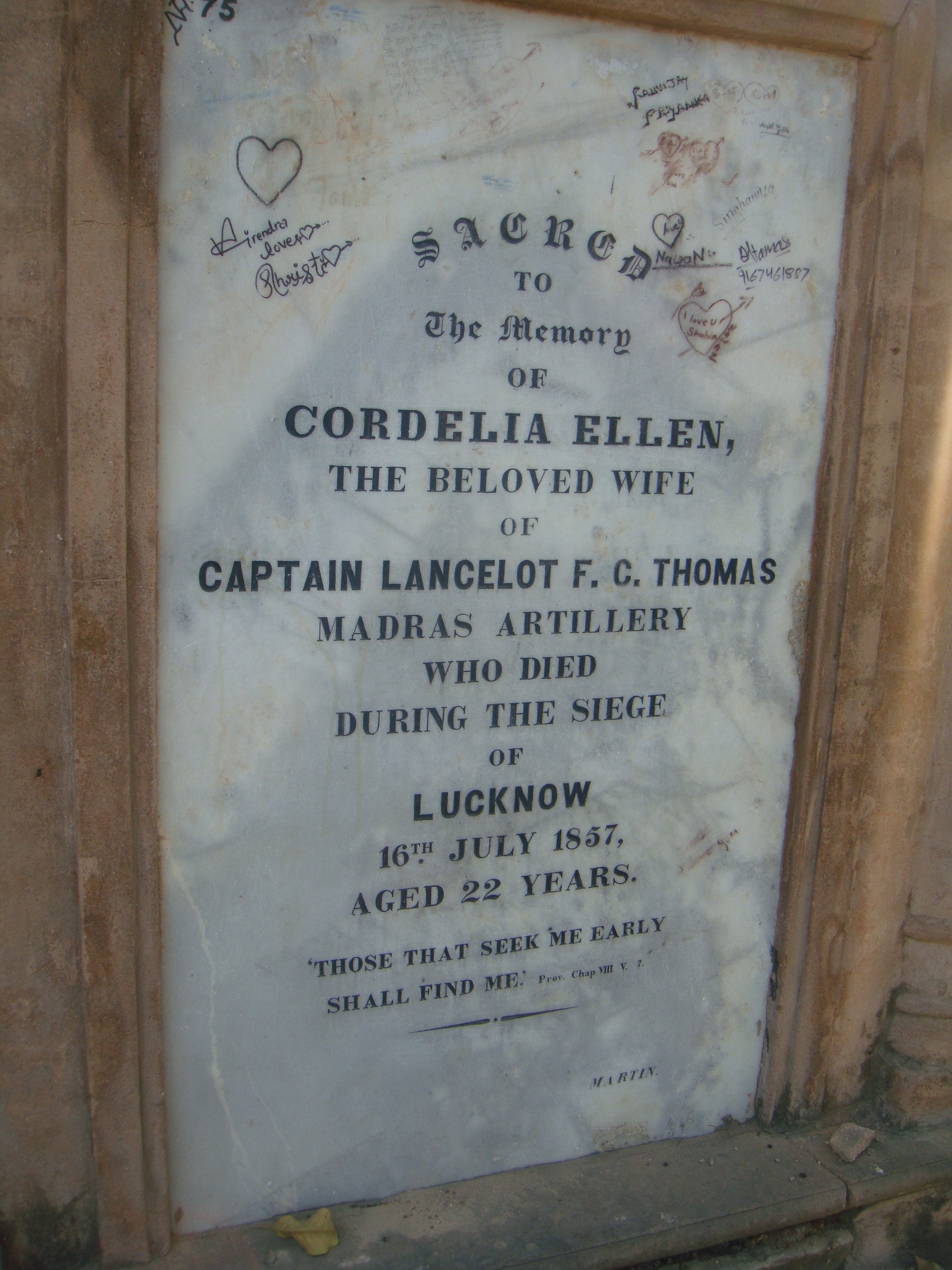
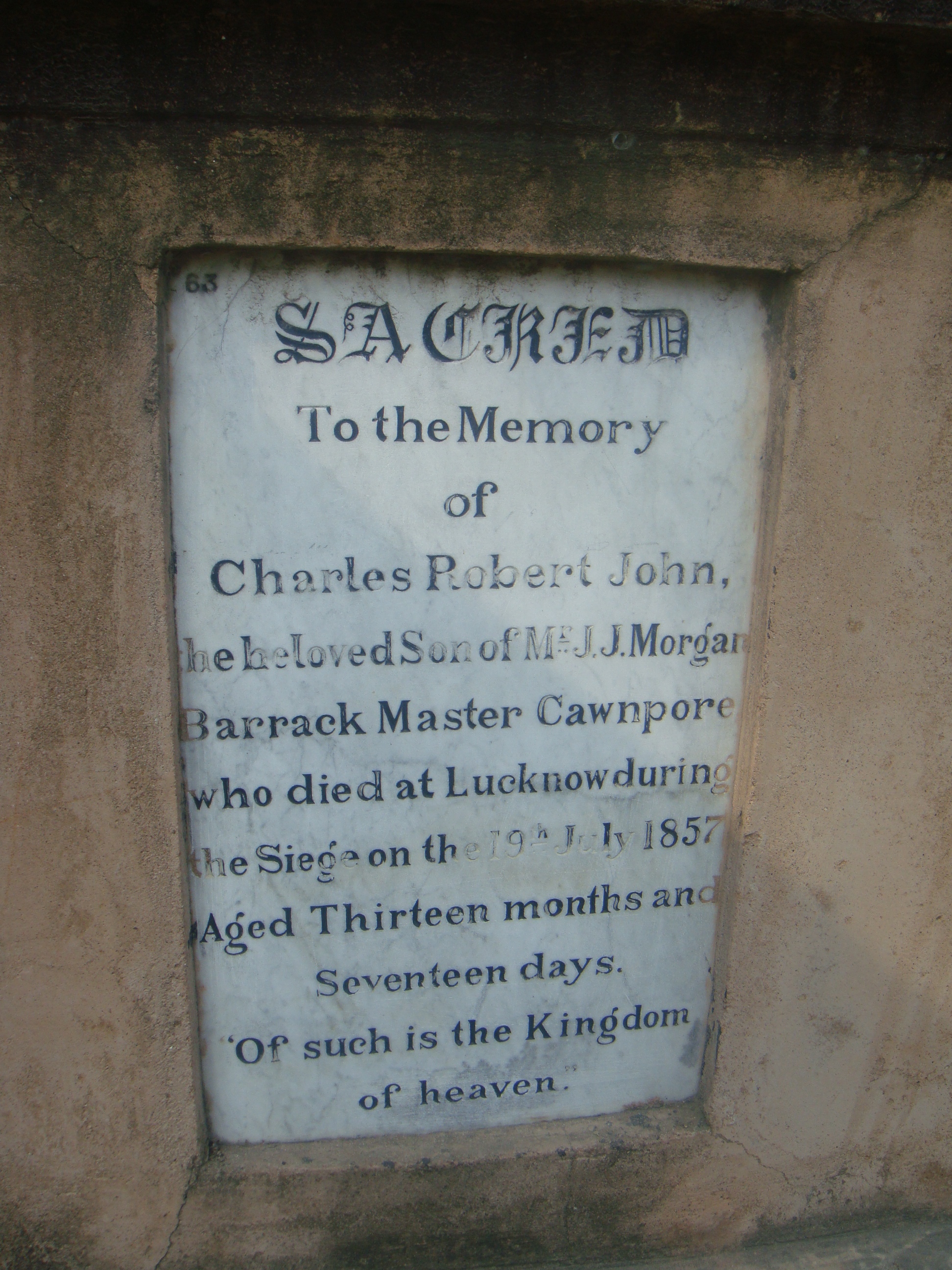
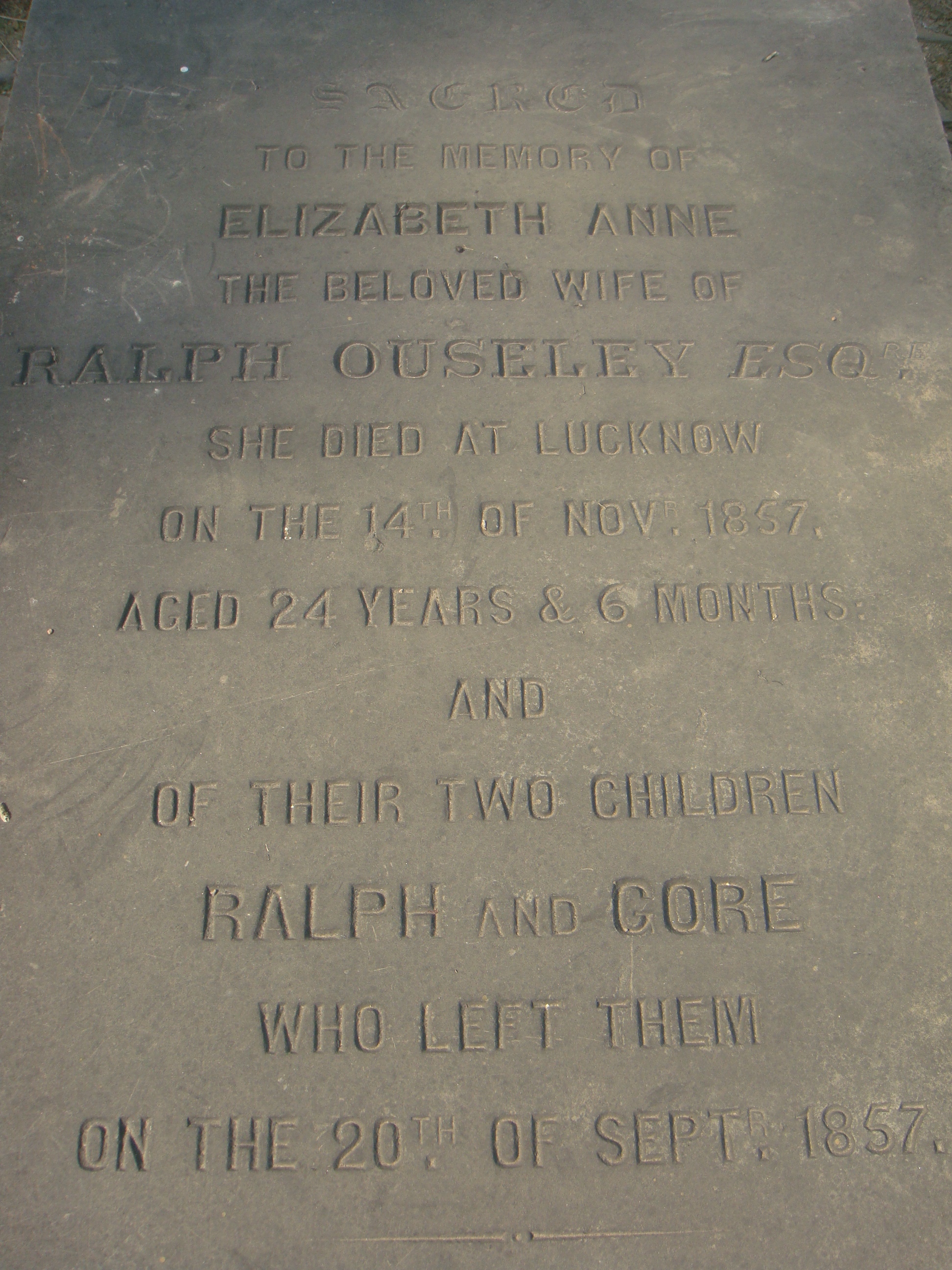
The Residency also houses a cemetery containing the graves of some of those who died during the siege. The gravestones tell their own stories:

DSC00832  a young wife

DSC00833  a young boy

DSC00834 a Mother and her two sons

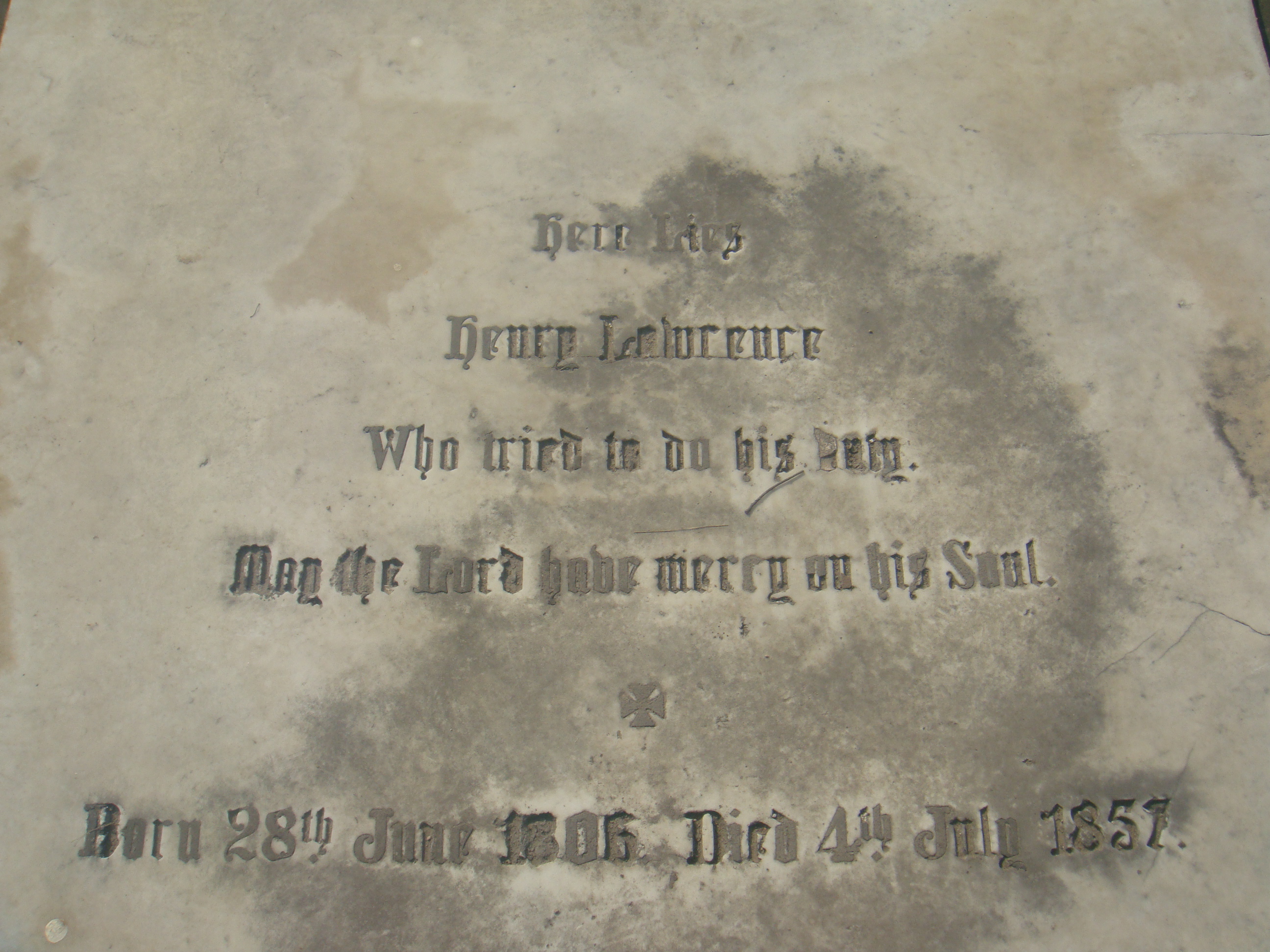
Here is the gravestone of Sir Henry Lawrence who led the force which was routed at Chinhat and retreated to the Residency in disarray. Lawrence was wounded early in the siege and died of his wounds.

DSC00837

He tried to do his duty.

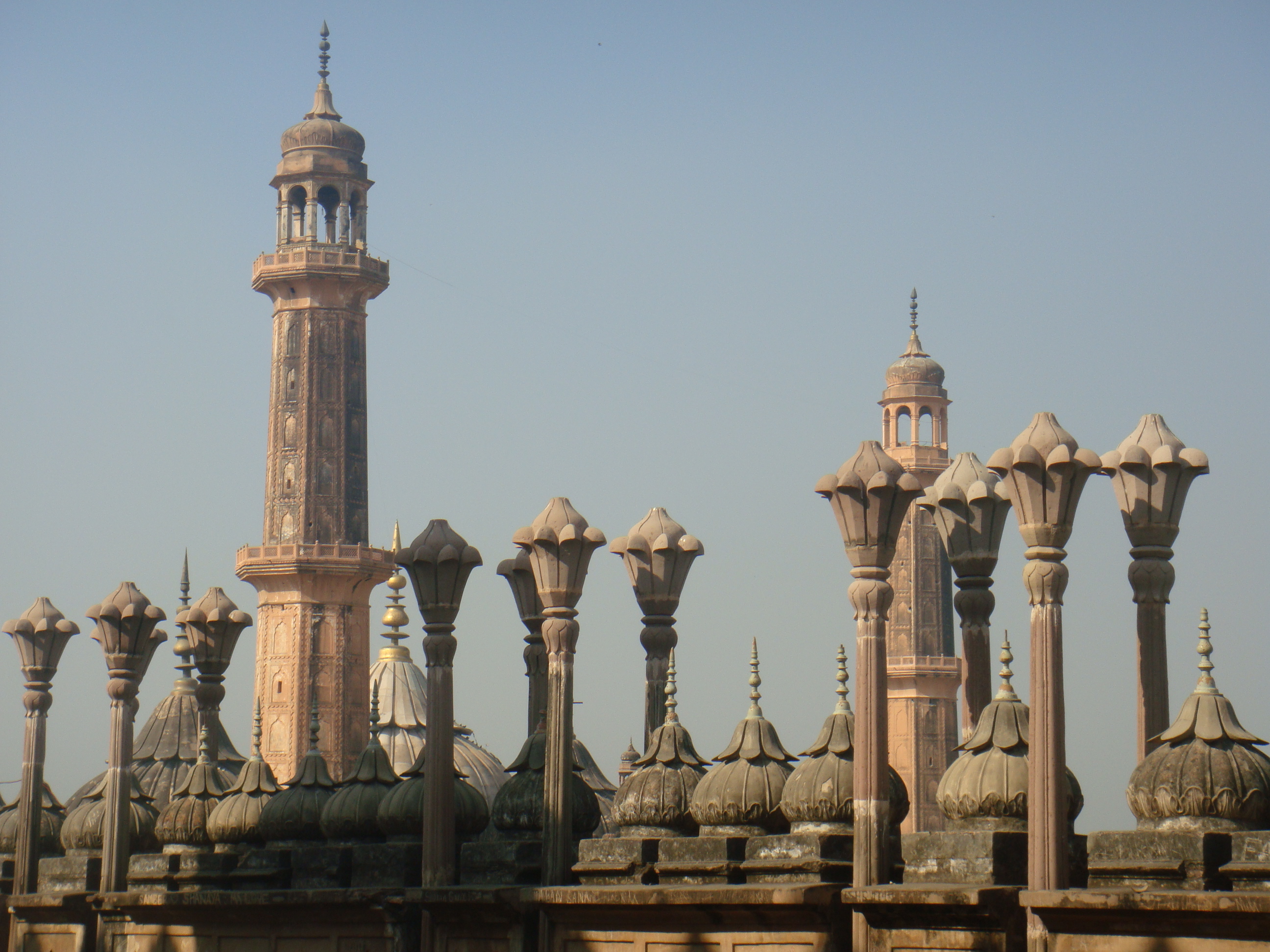
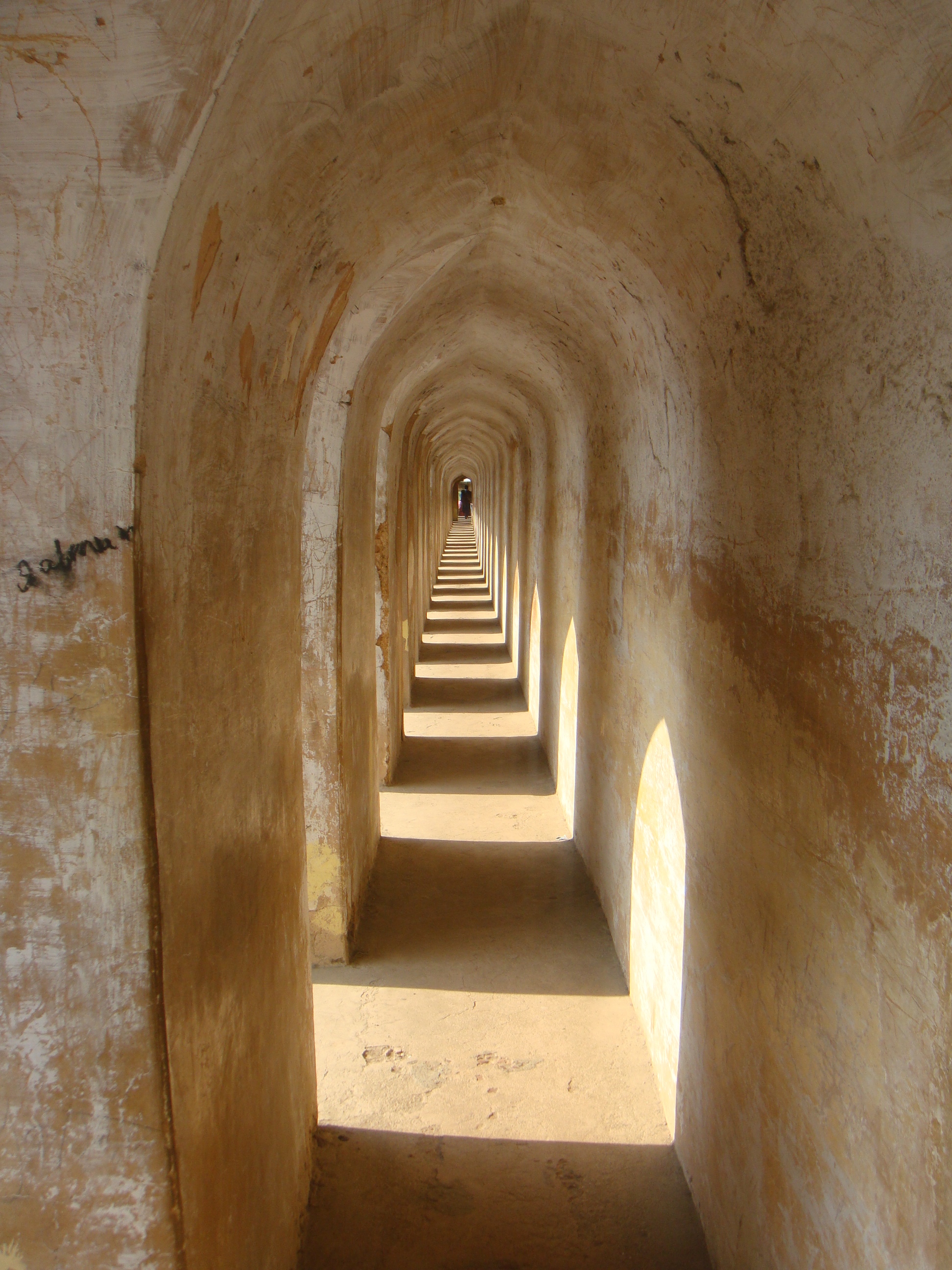
After the Residency we visited Bara Imambara, a huge tomb. The impressive bit is the array of corridors around the upper floors and the acoustics in the corridors, a bit like a whispering gallery. Here’s a view from the roof:

DSC00858

and down one of the corridors:

DSC00854

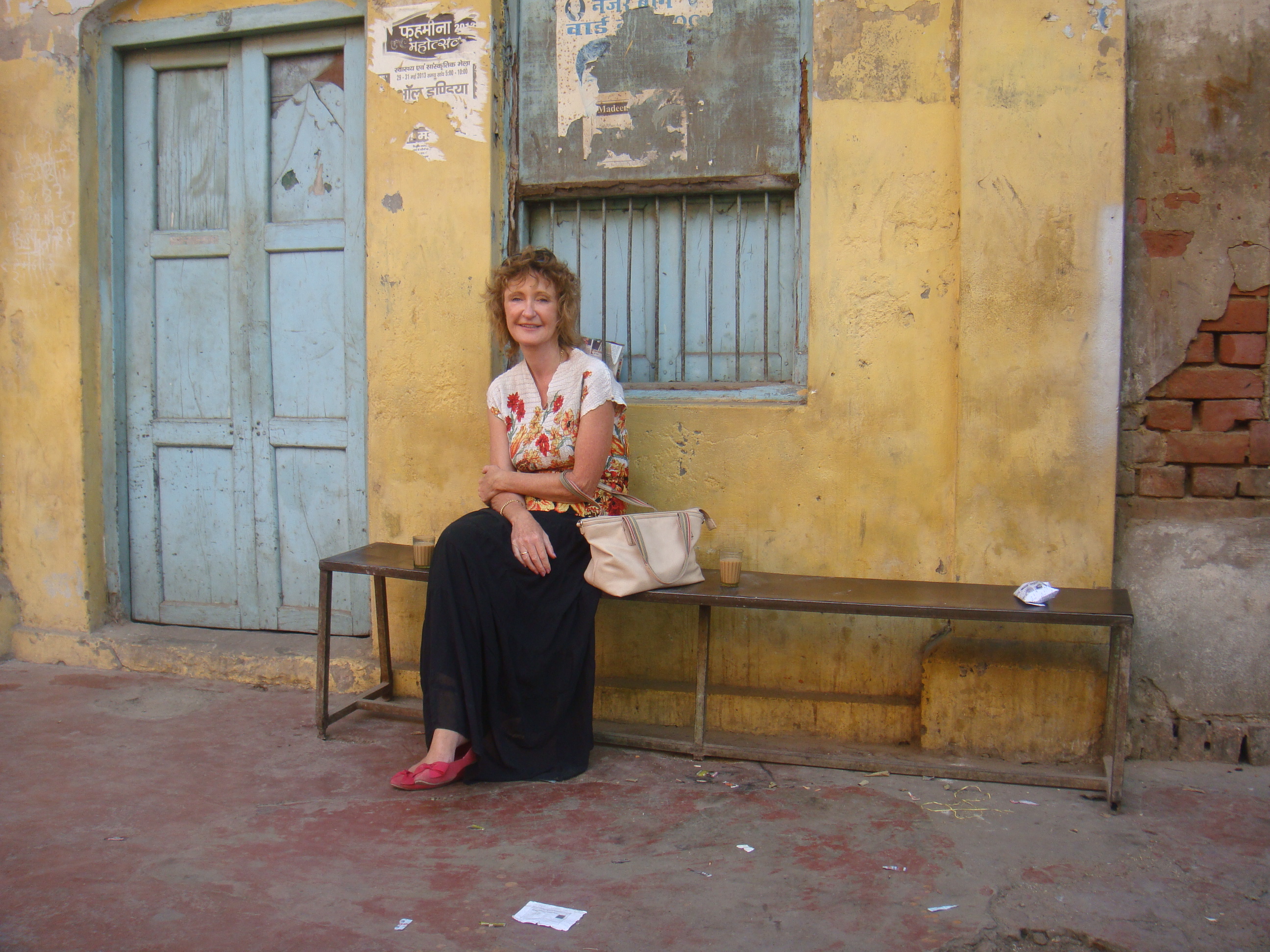
We finished the day of with a walk around the Aminabad area of the city, basically a maze of small streets and street sellers. We stopped for chai, made by this lady:

DSC00873

and consumed by this lady:

DSC00876

this was the view from our bench, not sure what they were discussing:

DSC00875

We walked some more and saw some goats in coats:

DSC00871

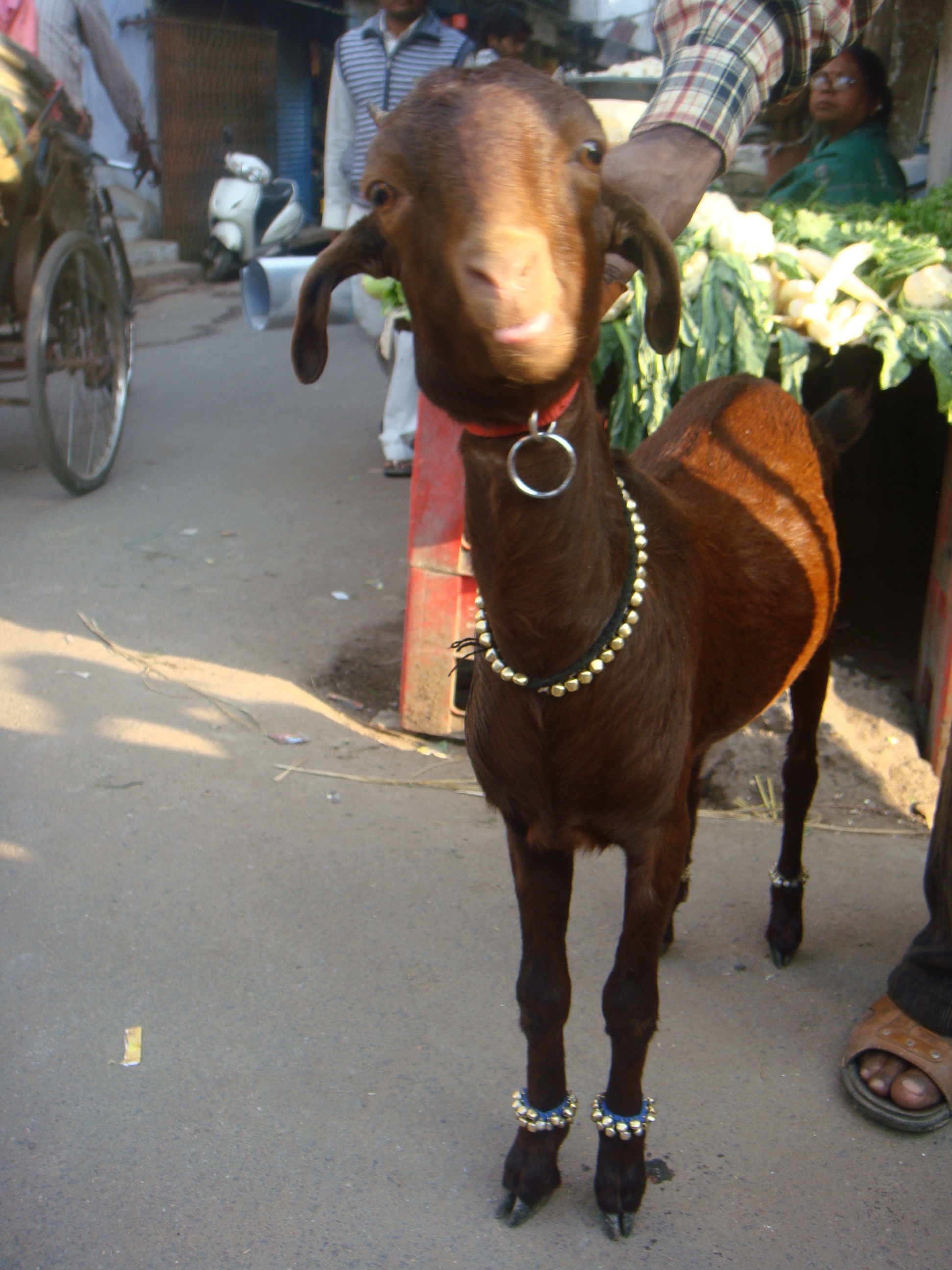
and a bejewelled goat:

DSC00878

On our way back to the hotel we saw yet another splendid building, there are so many in Lucknow, the city is an architectural and cultural joy:

DSC00891

And that was that. We loved Lucknow but tomorrow we will be on our way to Khajuraho, another Unesco world heritage site.