
Well the last few days have been interesting – snow, traffic jams, thousands of stranded cars and brake failure compensated for by friendly and helpful locals who did all they could to help us out. Net result – we reached Amritsar in good shape where we sought out the local Toyota dealer. Unfortunately they were unable to help us source the parts we need. It seems that since the vehicle was neither sold or manufactured in India their system didn’t recognise our VIN (vehicle identification number in case you were wondering). No big deal, we’re rolling along and will sort something out over the next few days. The bonus was the Toyota dealer (Castle Toyota, Amritsar) bled our brakes and checked the temporary repair for free – and threw in a cup of coffee too!
We arrived in time for Christmas dinner, there was no turkey to be found but we did well in the circumstances:
 Imported wine.
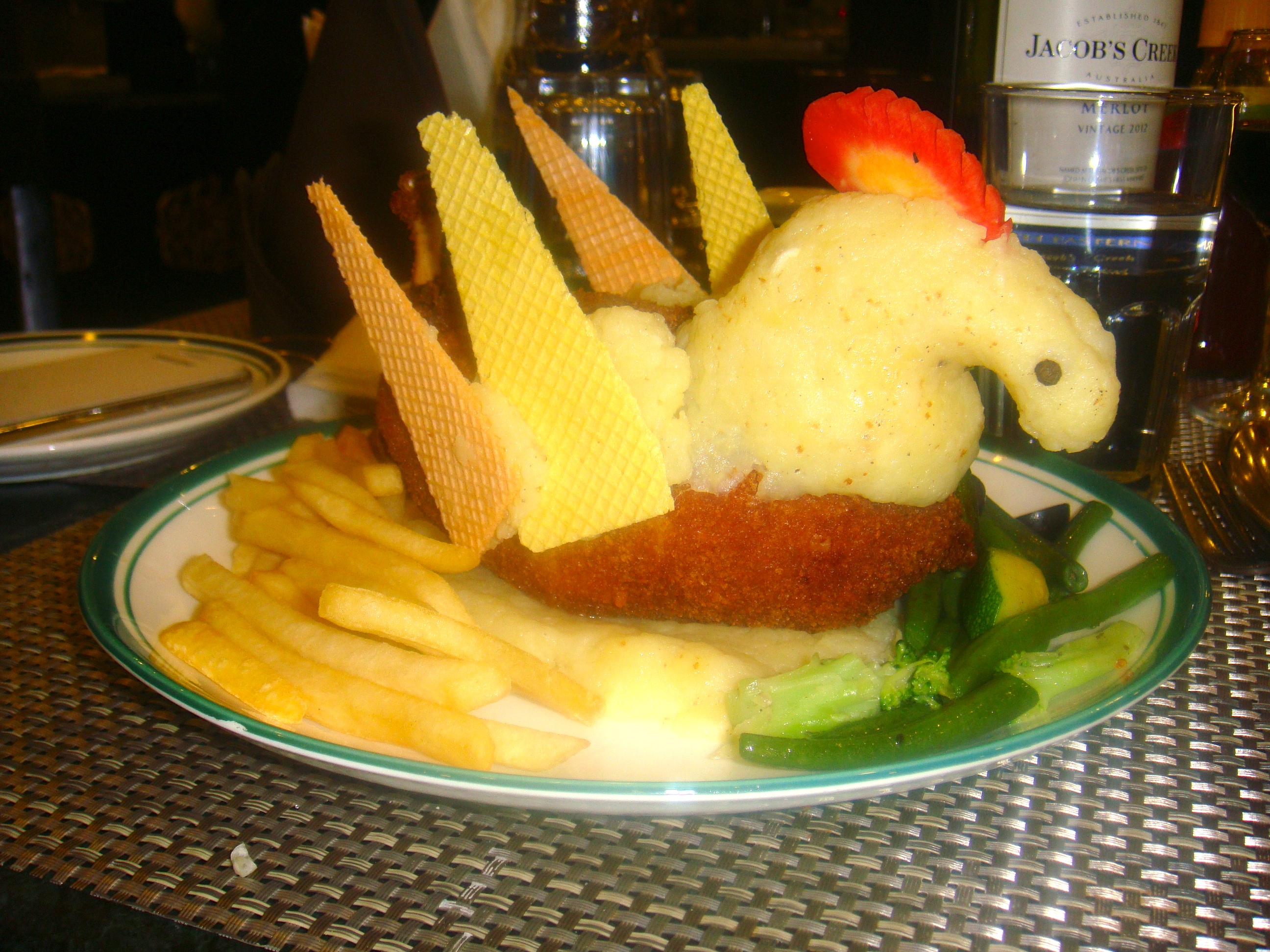 Chicken Kiev!
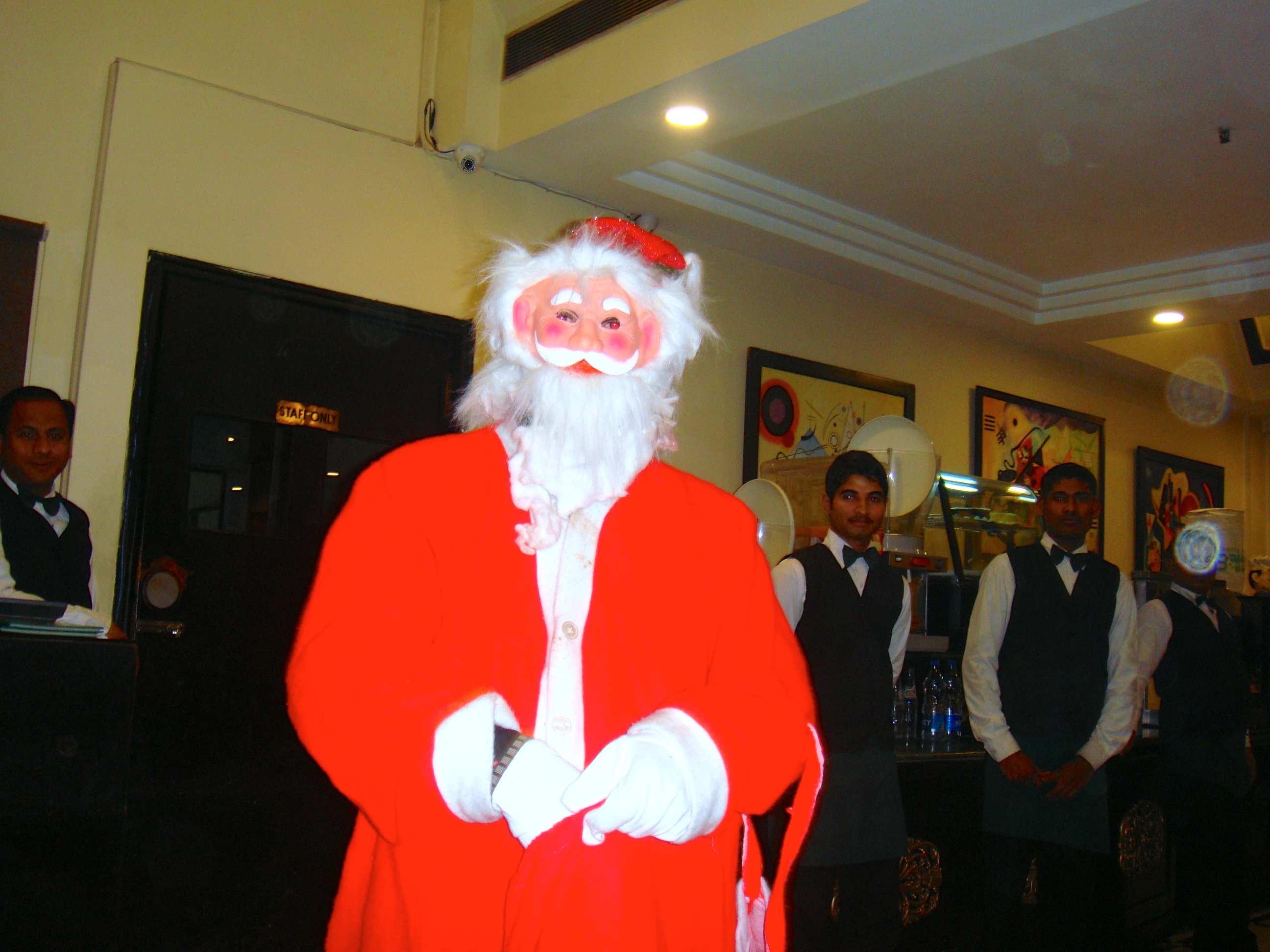 and Father Christmas!
In our original plan we were going to arrive from Pakistan by road and Amritsar was to be our first stop. As it turns out it has taken us eight weeks to get here – but it has certainly been worth the wait. We concentrated our stay here on three sights – The Golden Temple, Jallianwala Bagh and the Wagah border crossing ceremony.
We knew a little about the Golden Temple but we were taken aback by the magnificence of the site. The area around the complex is a car-free zone so we found ourselves walking to the temple in company with hundreds of locals, many were Sikhs sporting their small dagger (the Kirpan). The Kirpan is one of the five K’s, the articles of faith of Sikhism, the other four are the Kesh (long uncut hair), the Kangha (a small wooden comb), the Kara (a steel or iron bracelet) and the Kacchera (an undergarment). Hope you got that, there will be a short test at the end of this post 🙂
Arriving at the temple complex everyone removes their shoes, covers their head and washes their feet. Then you climb a few steps and in those few steps seem to leave one world and enter another. The steps lead directly to a magnificent view of the Golden Temple sitting in the middle of a huge pool (the “Pool of nectar” that gives Amritsar it’s name).
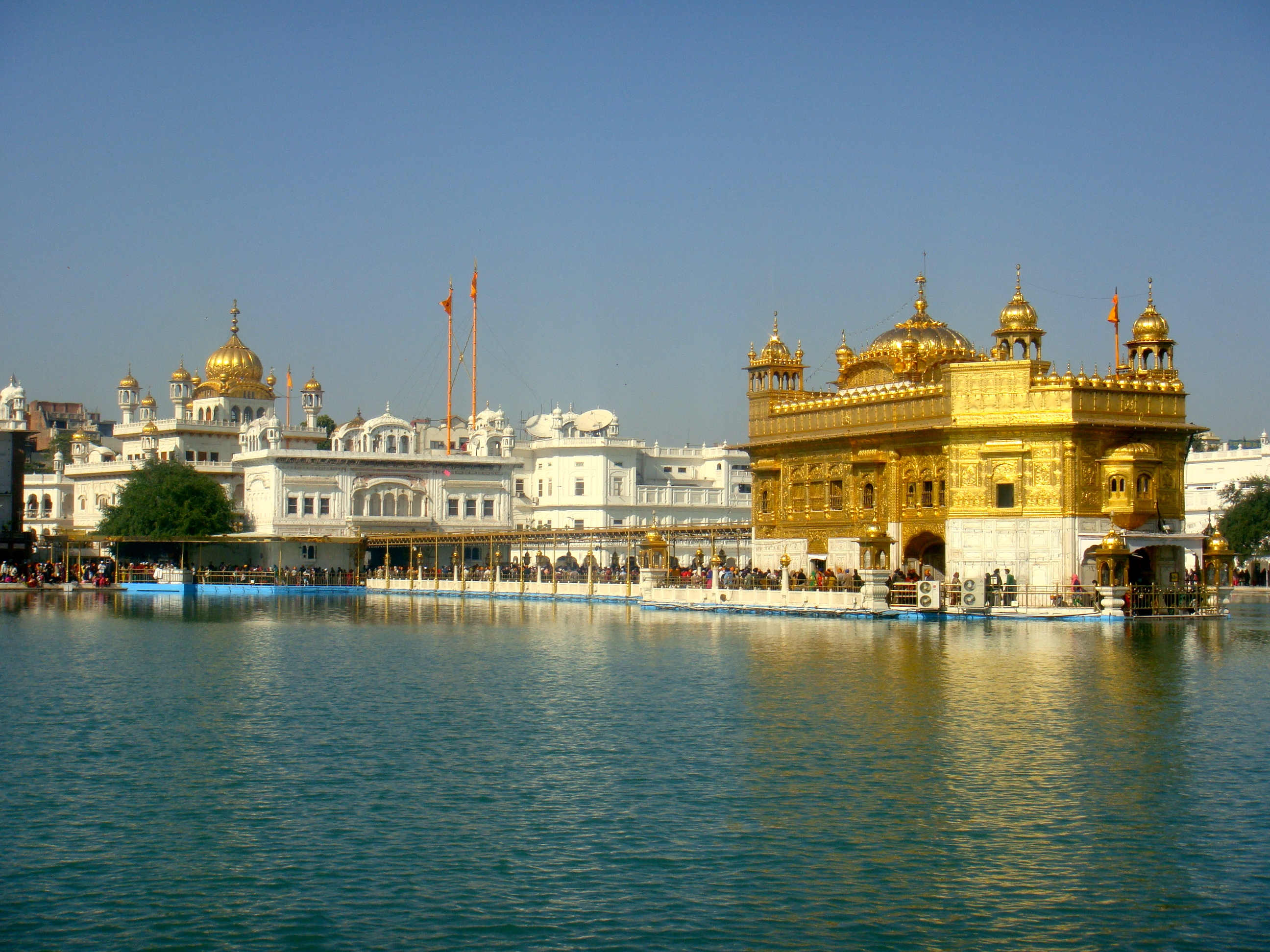
The buildings surrounding the pool are part of the complex and seem to protect the pool and the temple. The temple is open from 6am to 3am, during the remaining three hours the temple is washed with milk!
This view is looking back to the entrance (under the white dome):
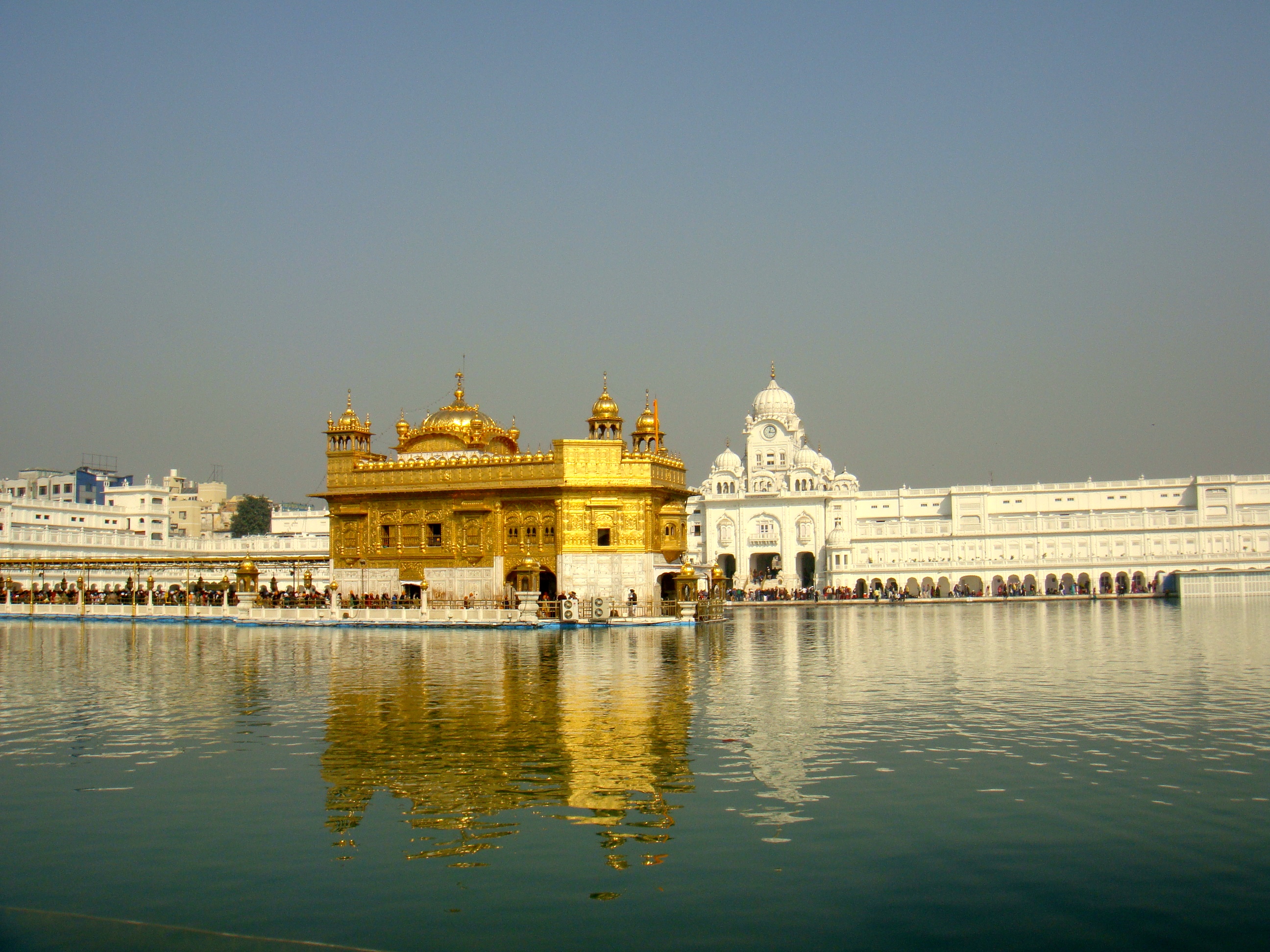
All day long people queue to walk out along the causeway to enter the Golden Temple itself:
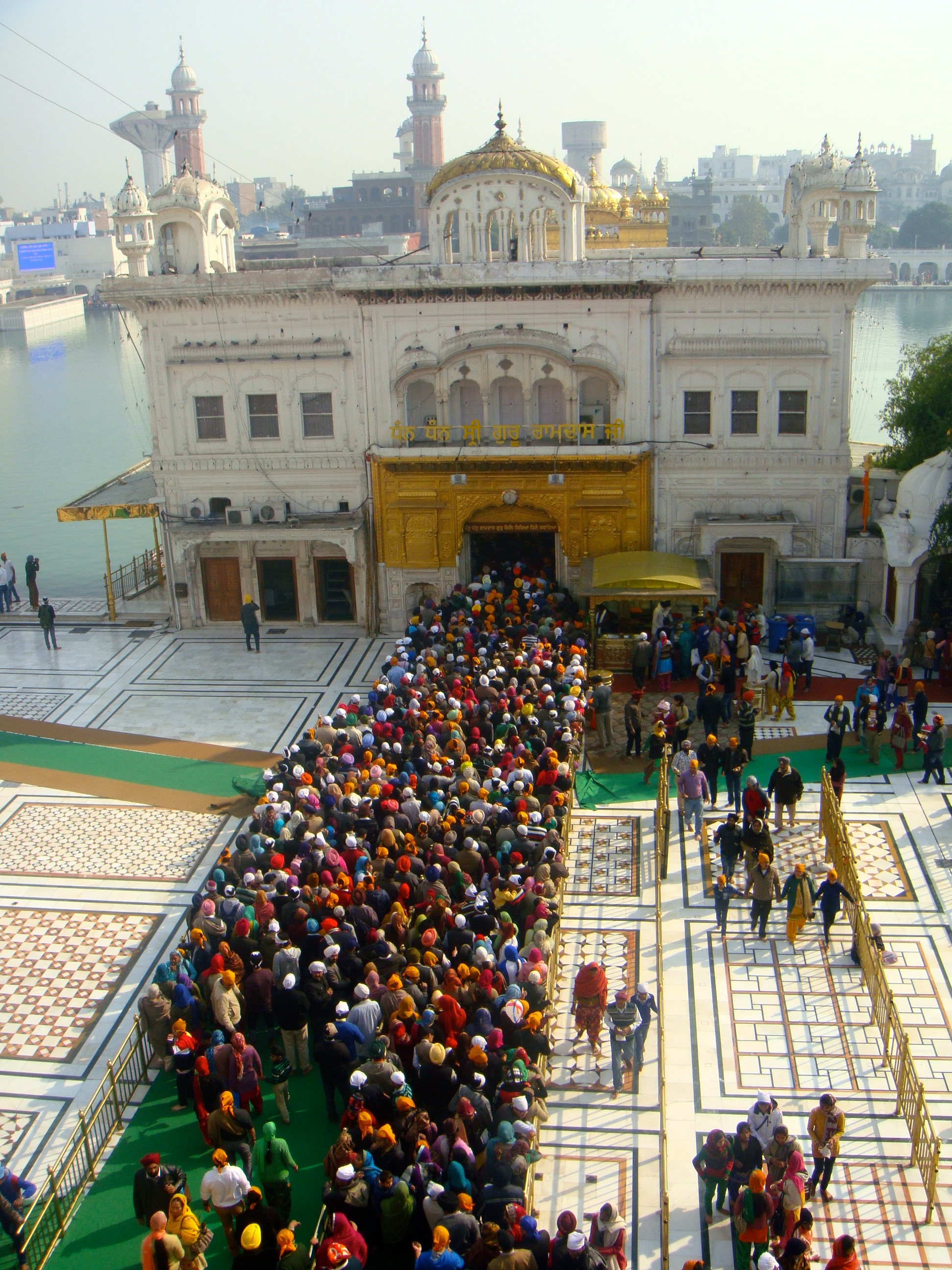
I joined the queue and passed through the gate to the causeway:
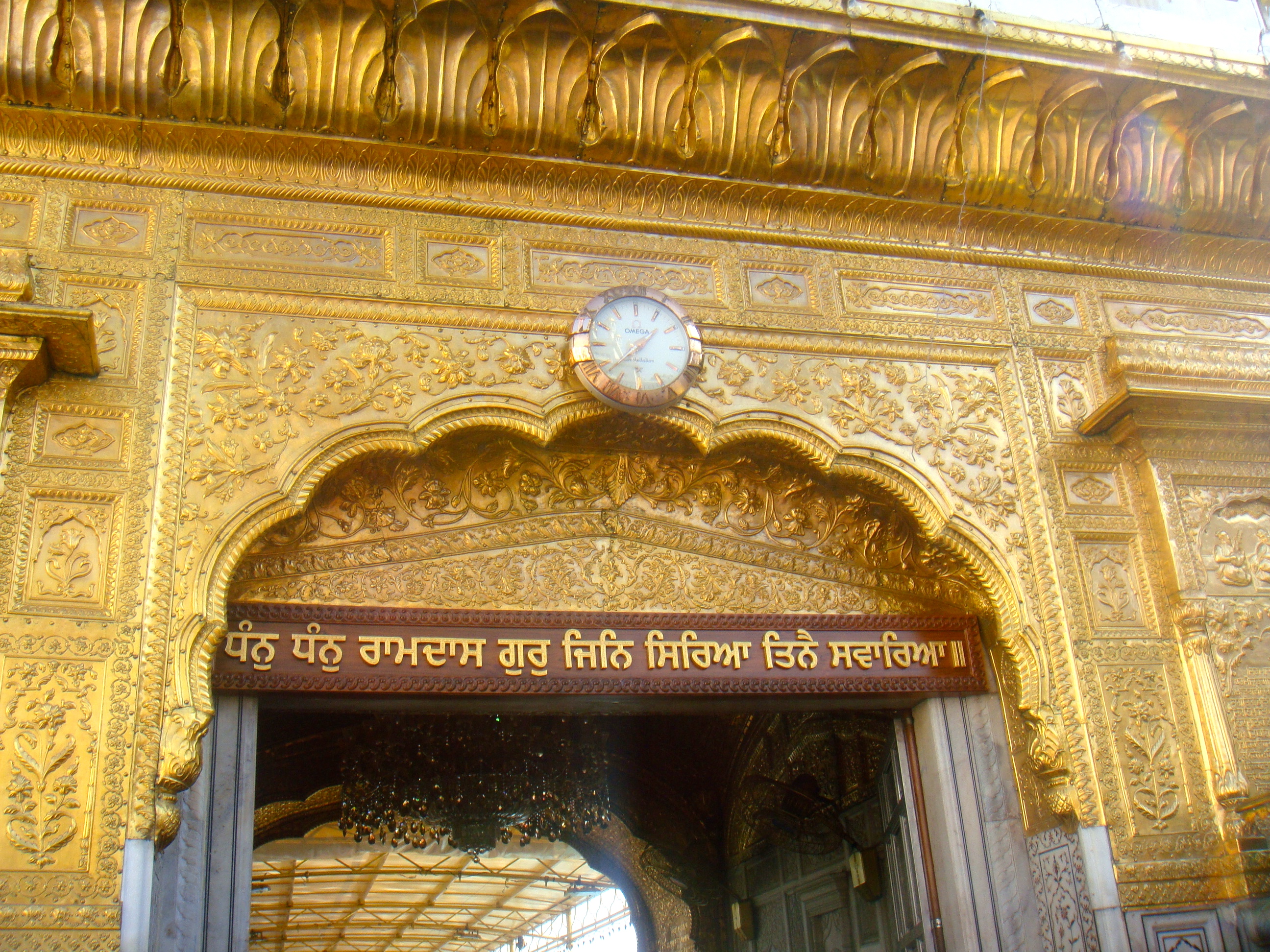
and after a lot more queuing reached the Temple. There was a group of holy men praying, the chanting and music continue all day long:
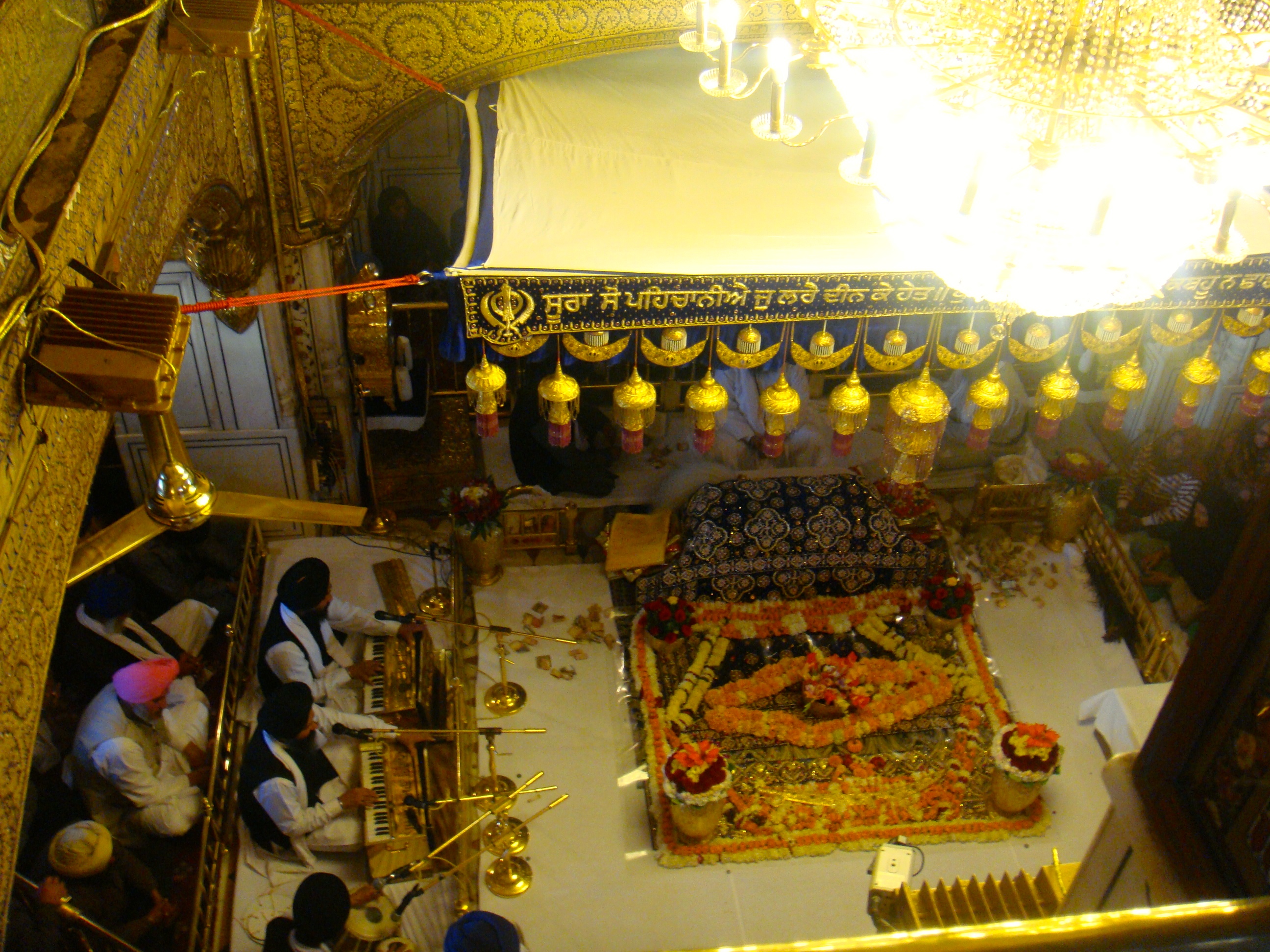

Every spare patch of floor was taken up by pilgrims sitting and reading or praying, the sight was amazing.
The Golden Temple, in common with all Sikh temples, serves free food all day long. We went to the “Guru Ka Langar” to try the food, what an experience! We sat cross legged on the floor alongside hundreds of other diners and had the food brought to us by volunteers:
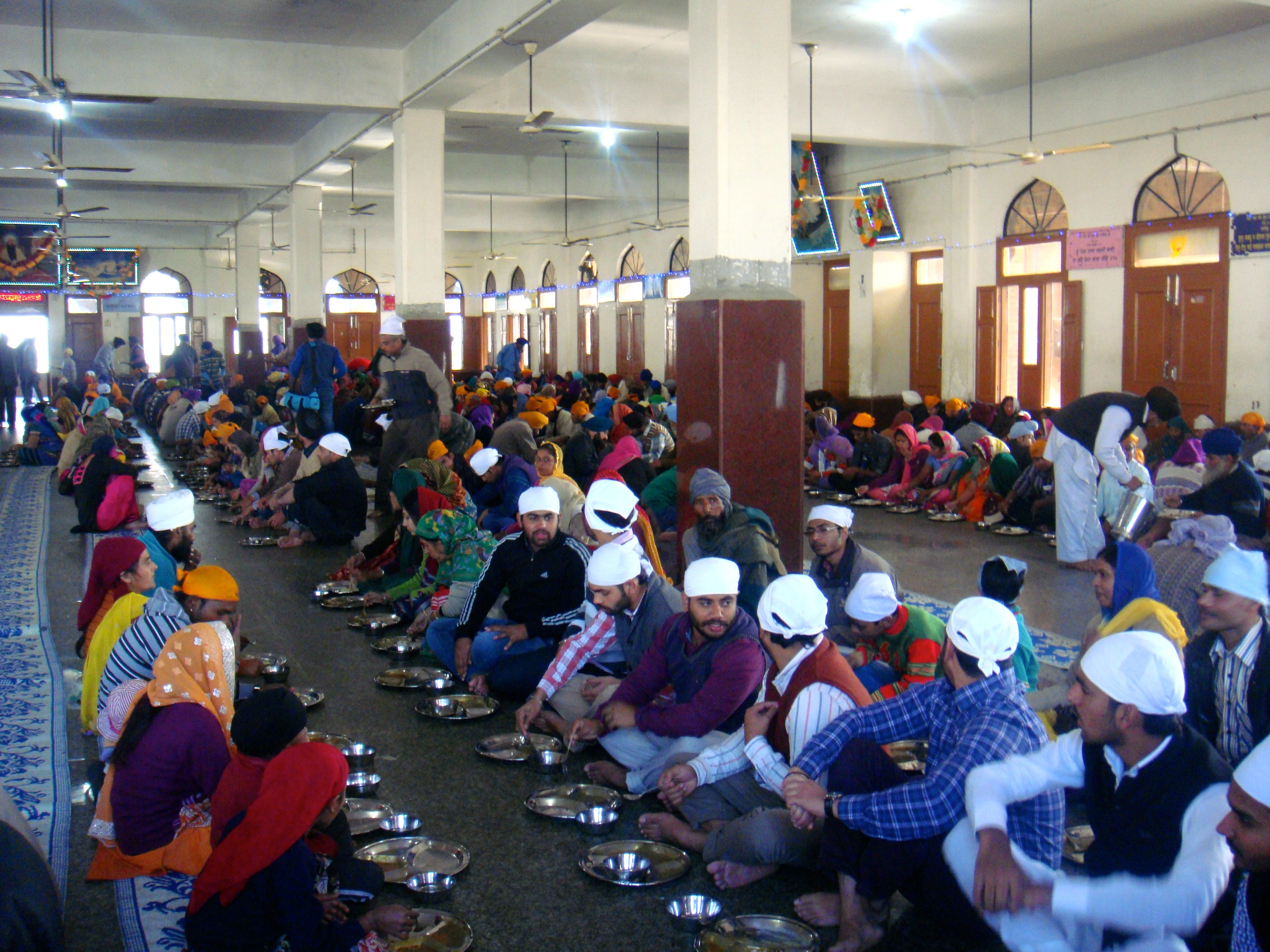
The temple serves 60-80,000 meals every day, the logistics are incredible. After we had eaten (very good food) we went past the preparation area:
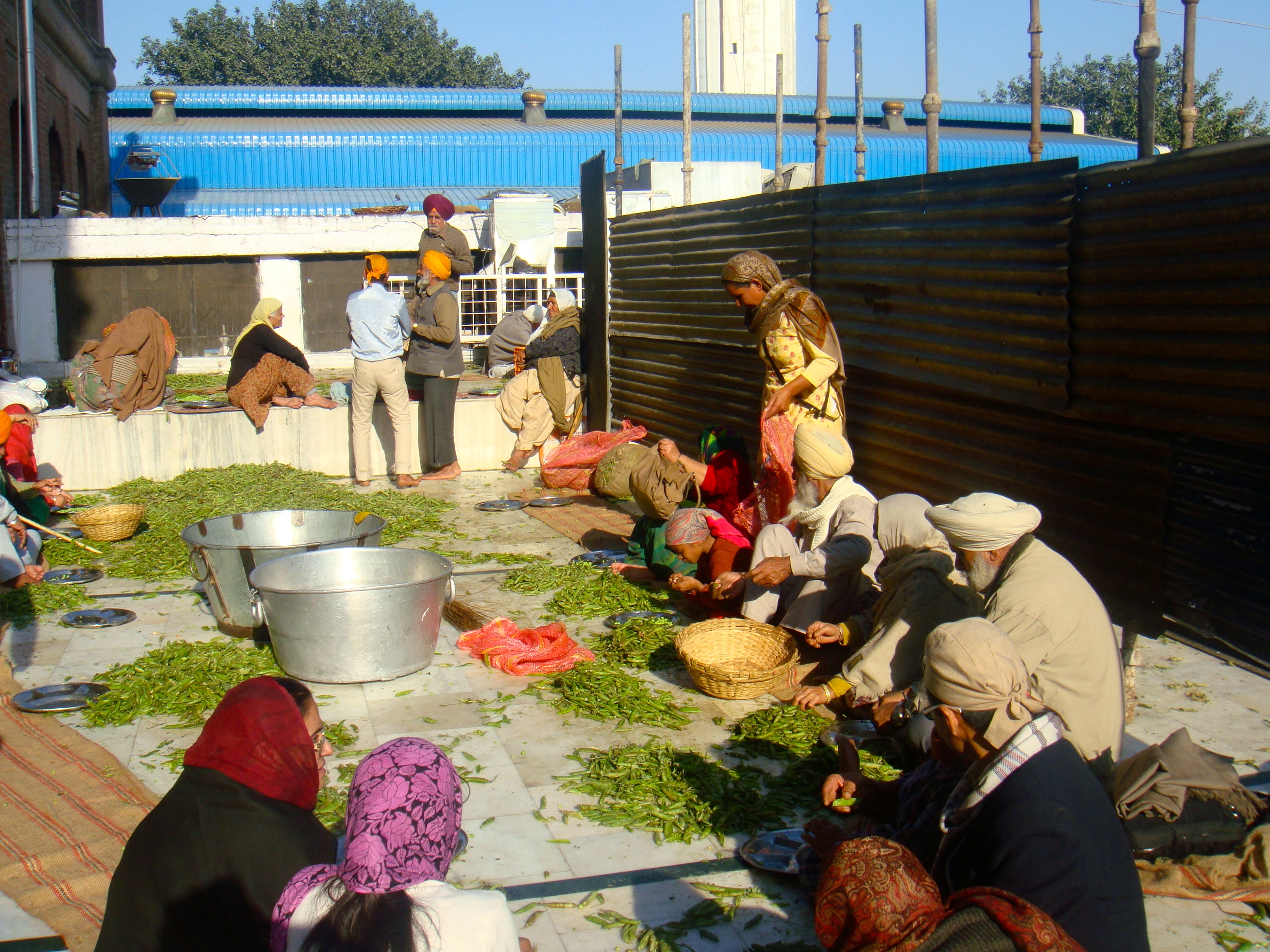
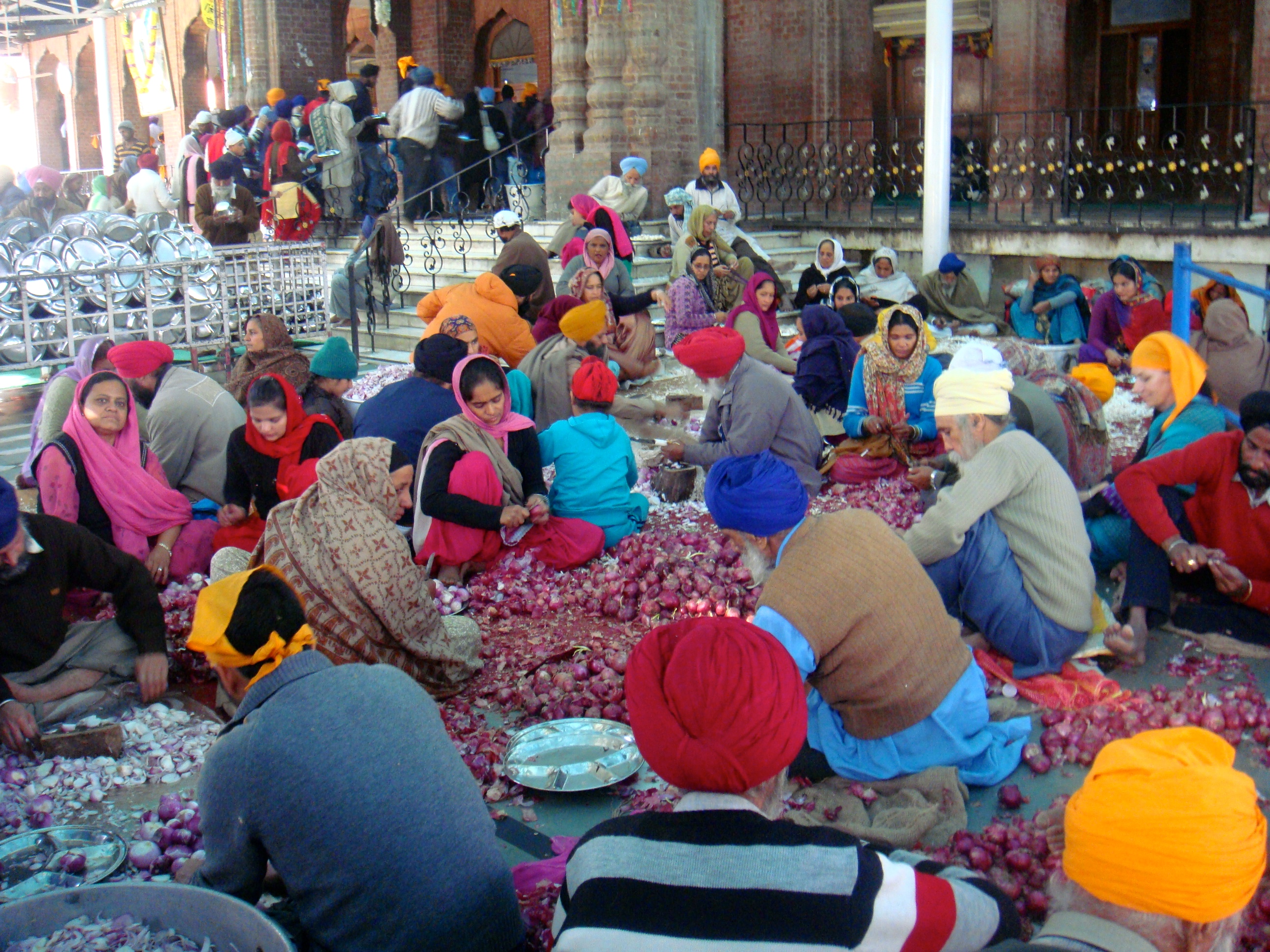
The very nice lady in pink on the left above asked me if I would like to help, so I did:
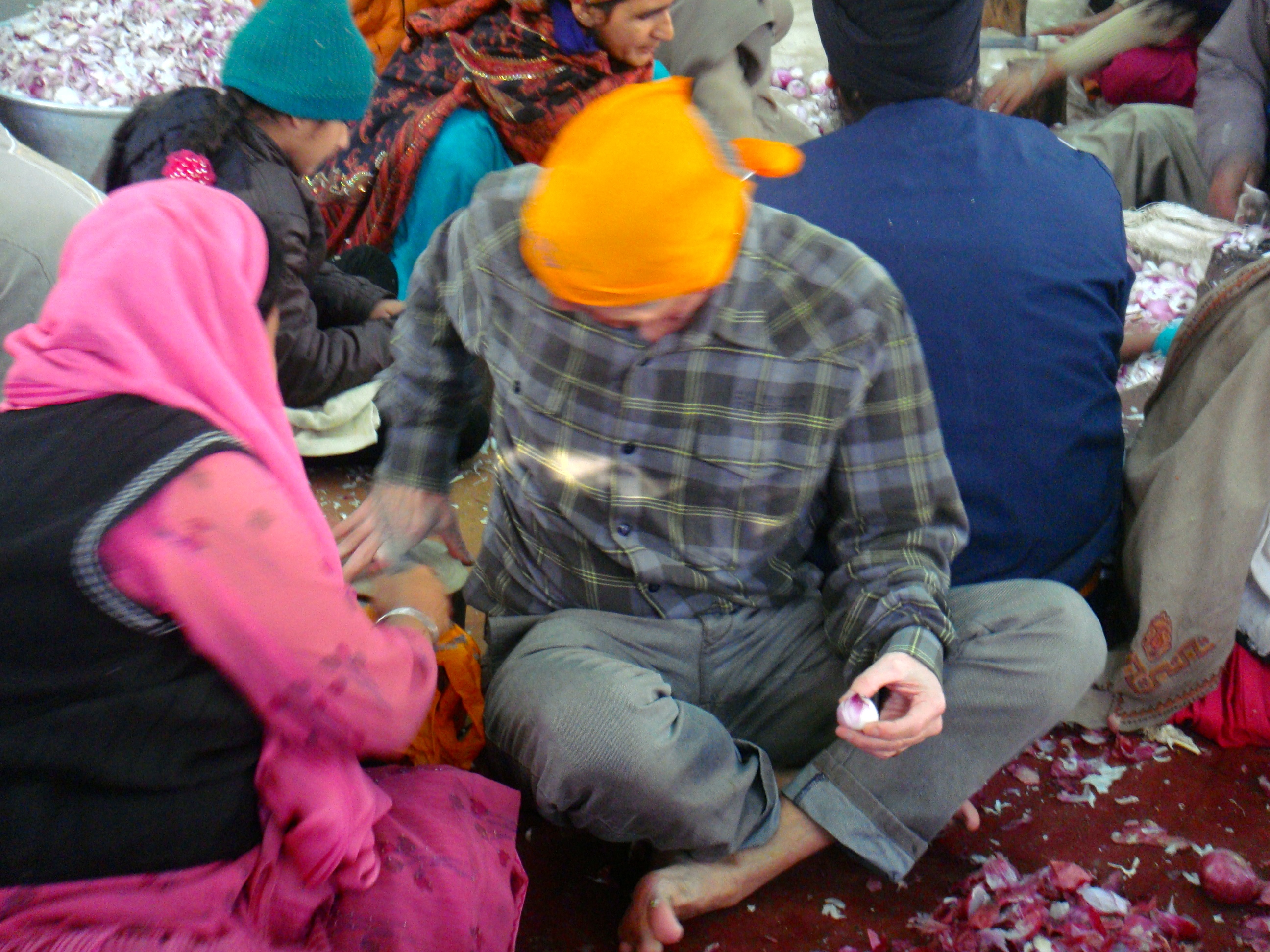
In my hand is one of the three onions I managed to slice before I started crying and retired gracefully!
We also went to learn about the story of Sikhism as told by the temple museum, and a very gory story it was!
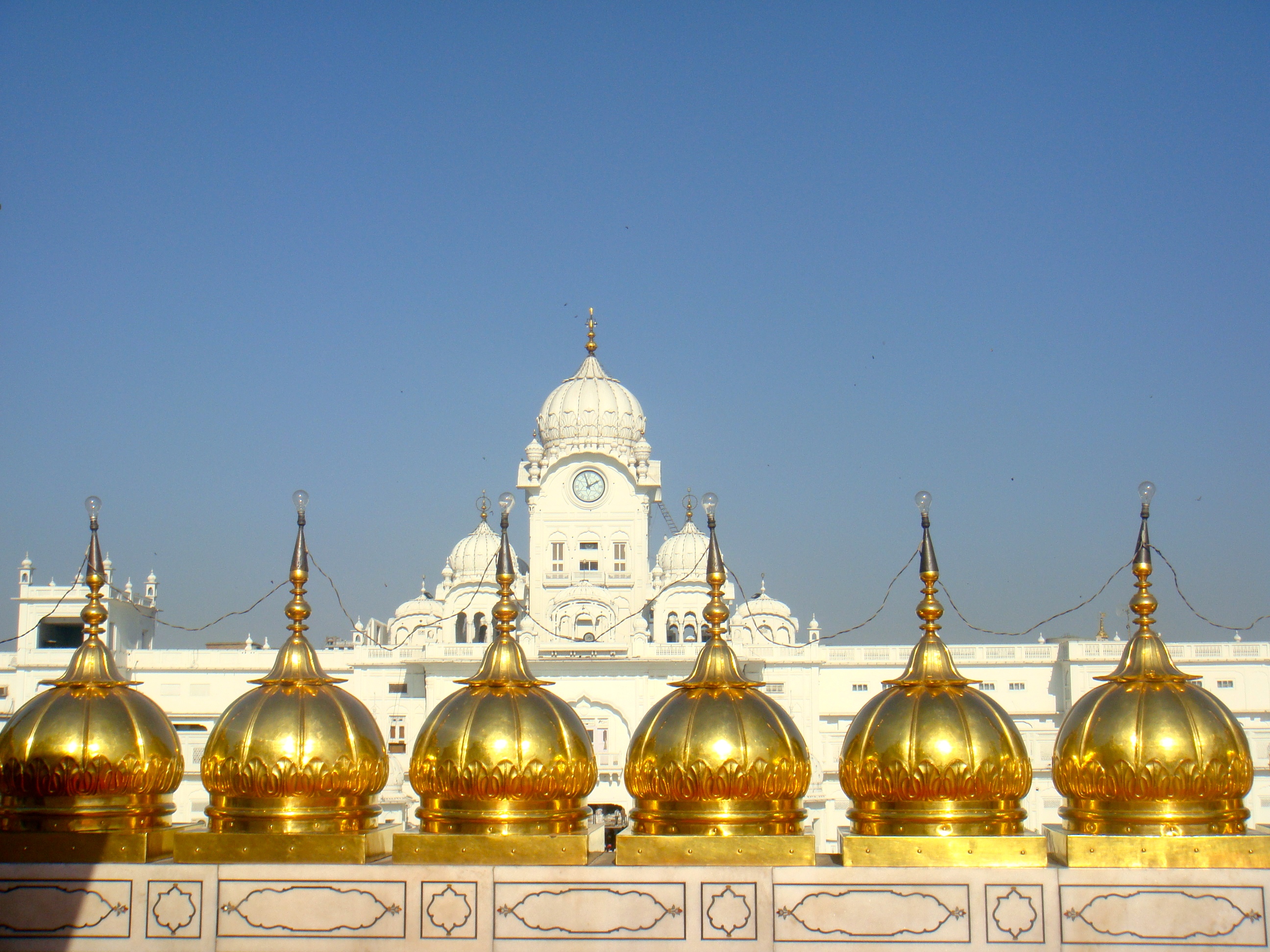
The Golden Temple has been the highlight of our trip so far, we loved it! So here’s one final picture:
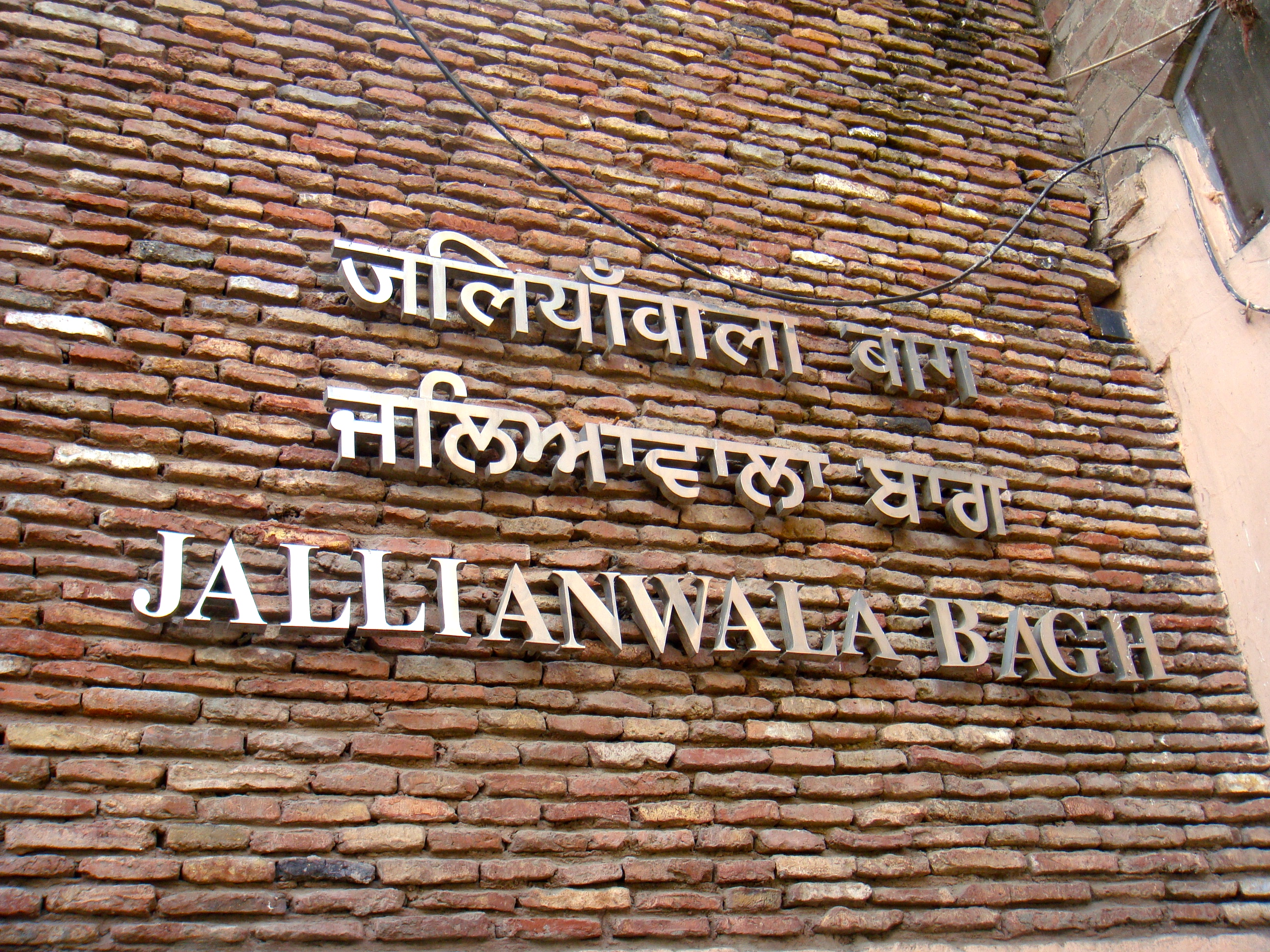
Very close to the Golden Temple is Jallianwala Bagh. Bagh means garden and the Jallianwala Garden is central to India’s fight for freedom. I have known the tragic history of Jallianwala Bagh for some years and have wanted to visit ever since.
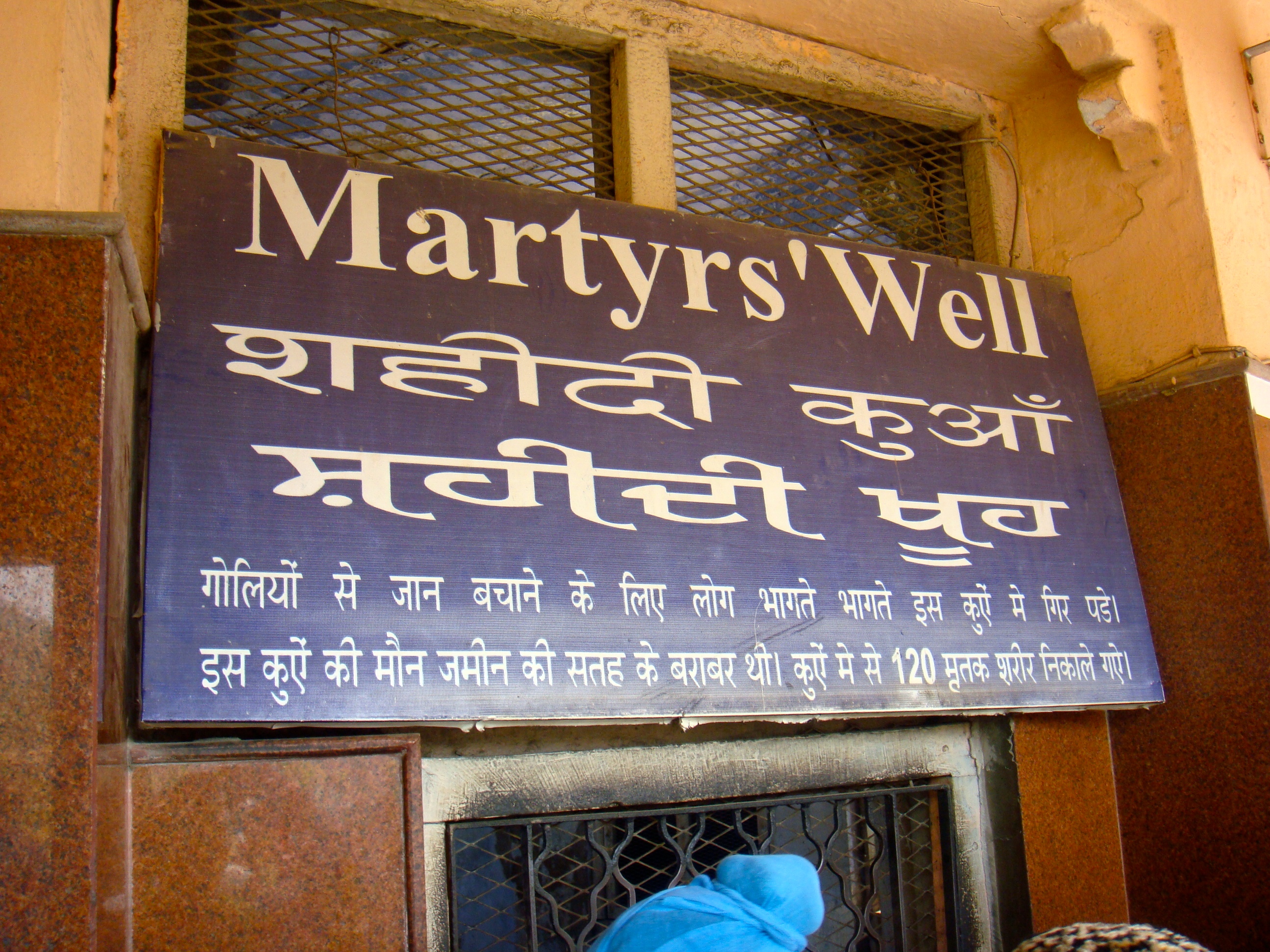
Briefly the history is that in early 1919 tensions had been growing between the Indian population and their British rulers; the British officers were suspicious and always fearful of a native revolt. In this climate the British passed the Rowlatt act which authorised emergency measures including imprisonment for up to two years without trial. Tensions escalated in April causing the British to ban large public gatherings (although this was not effectively communicated to the Indian population). On April 13th there was a gathering of fifteen to twenty thousand Indians at Jallianwala Bagh. The local Raj Commander, acting Brigadier-General Dyer, heard of the gathering and descended on the Bagh with a force of ninety soldiers. Dyer blocked all exits and, without warning, ordered the soldiers to fire on the crowd. The ensuing carnage left around one thousand people dead, many had jumped into a well in the park from which one hundred and twenty bodies were later recovered.
Dyer was initially praised (although not by Churchill or Asquith) but within a year the Hunter commission, set up to investigate the massacre, had condemned his actions. He was relieved of his command, retired in 1920 and died in 1927 (He is buried in the Church of St. Martin in the Fields in London).
The garden at Jallianwala was established in 1951.
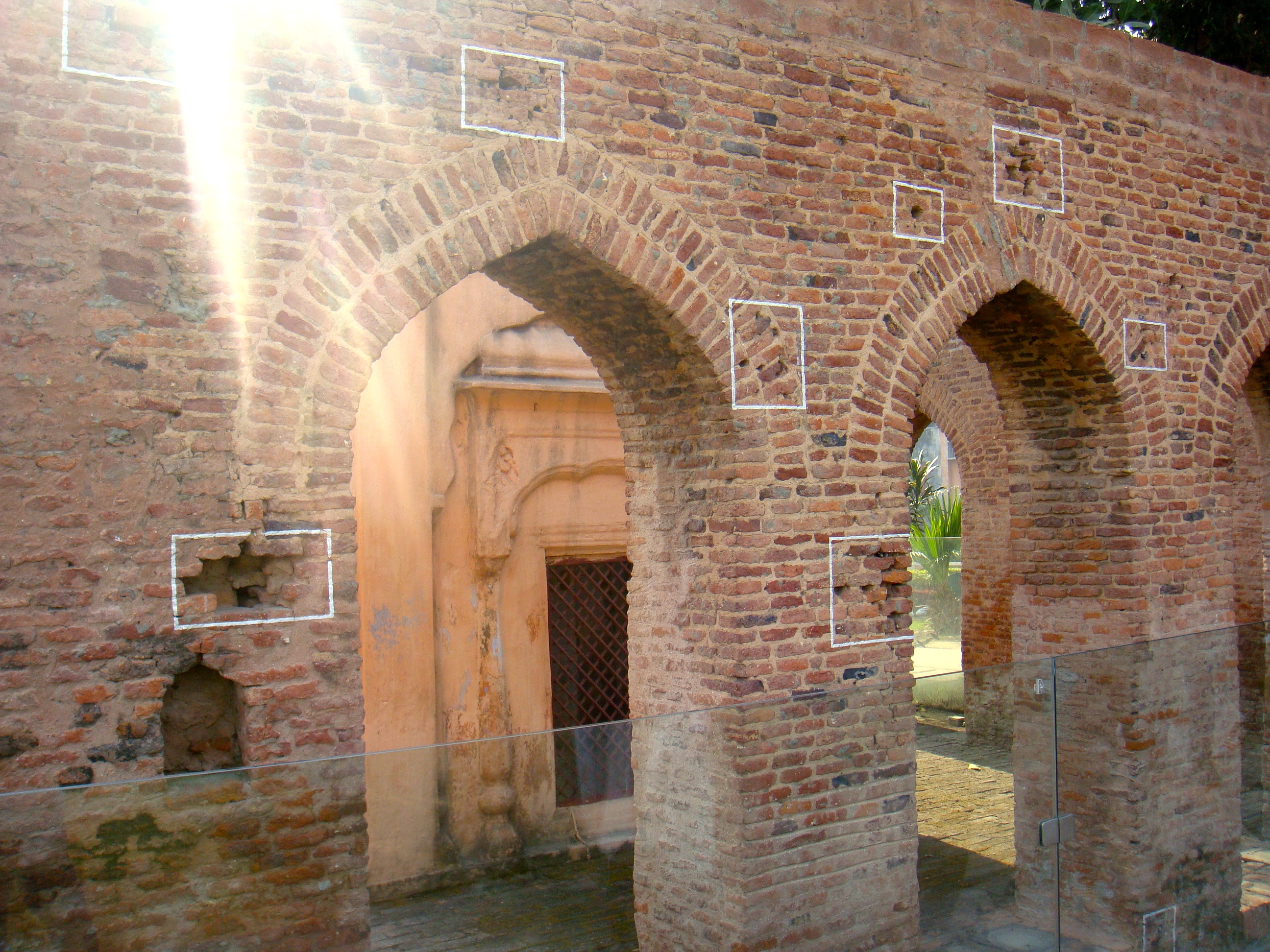 Bullet marks.
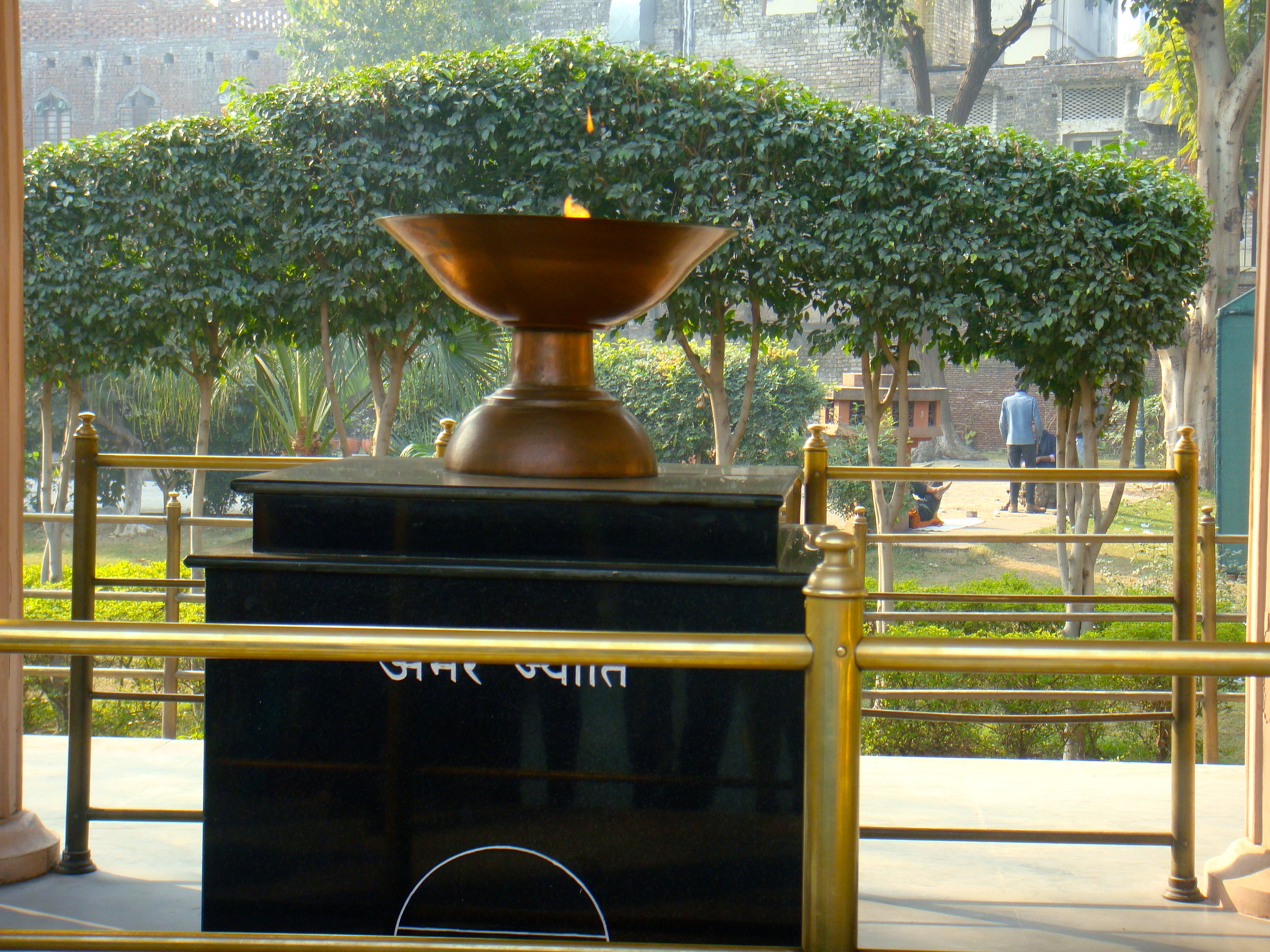 The eternal flame.
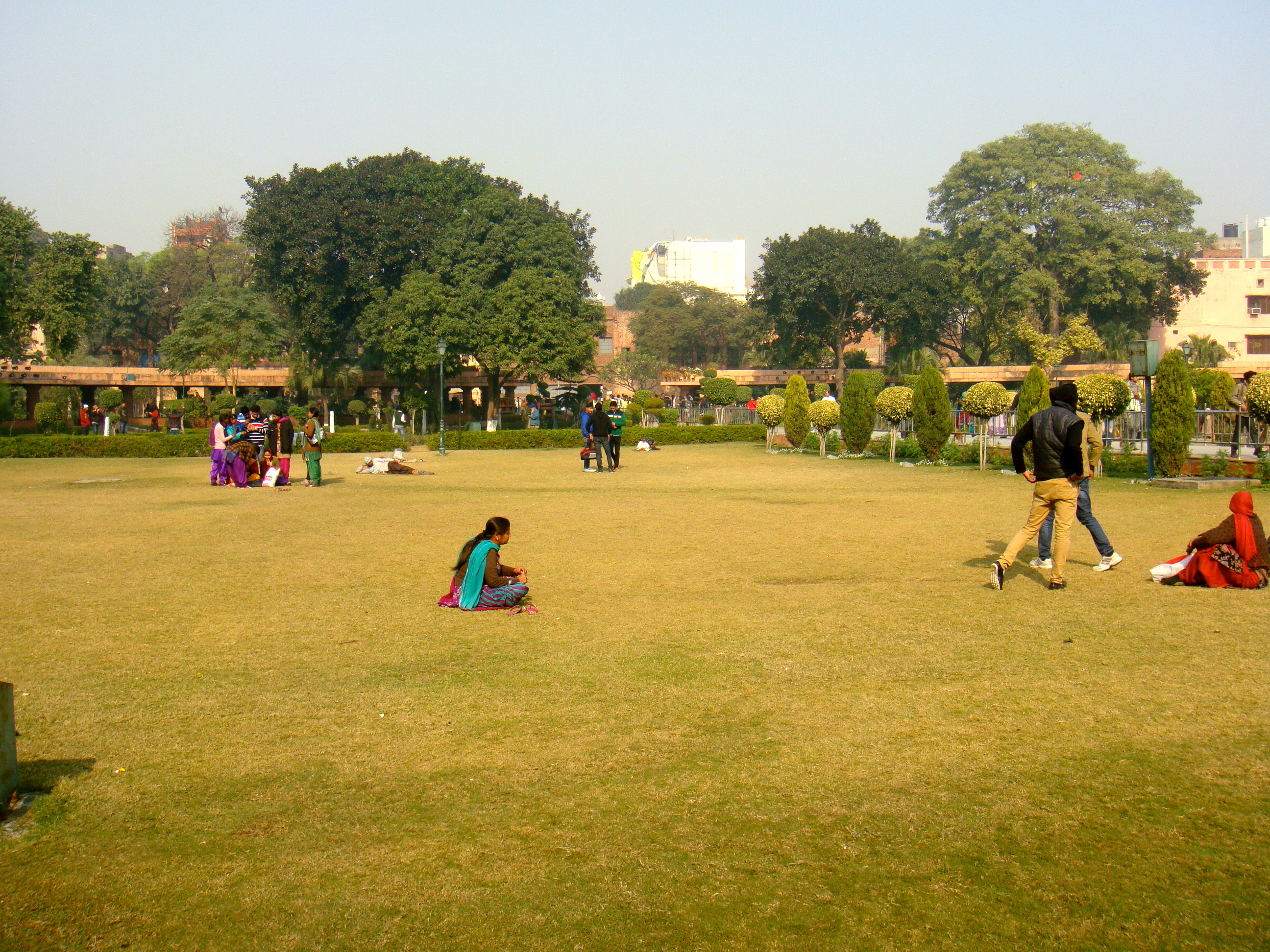 Peaceful today.
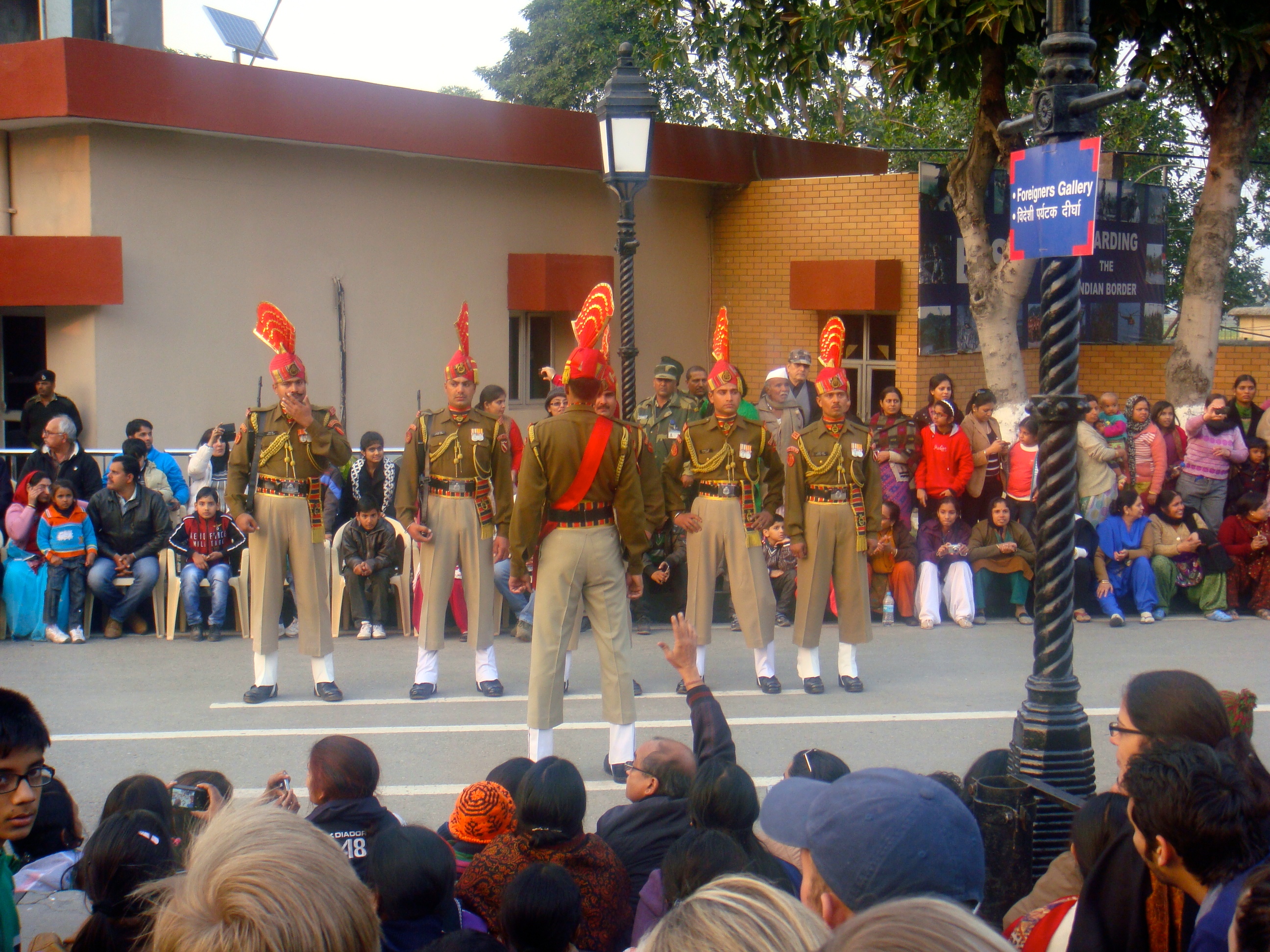
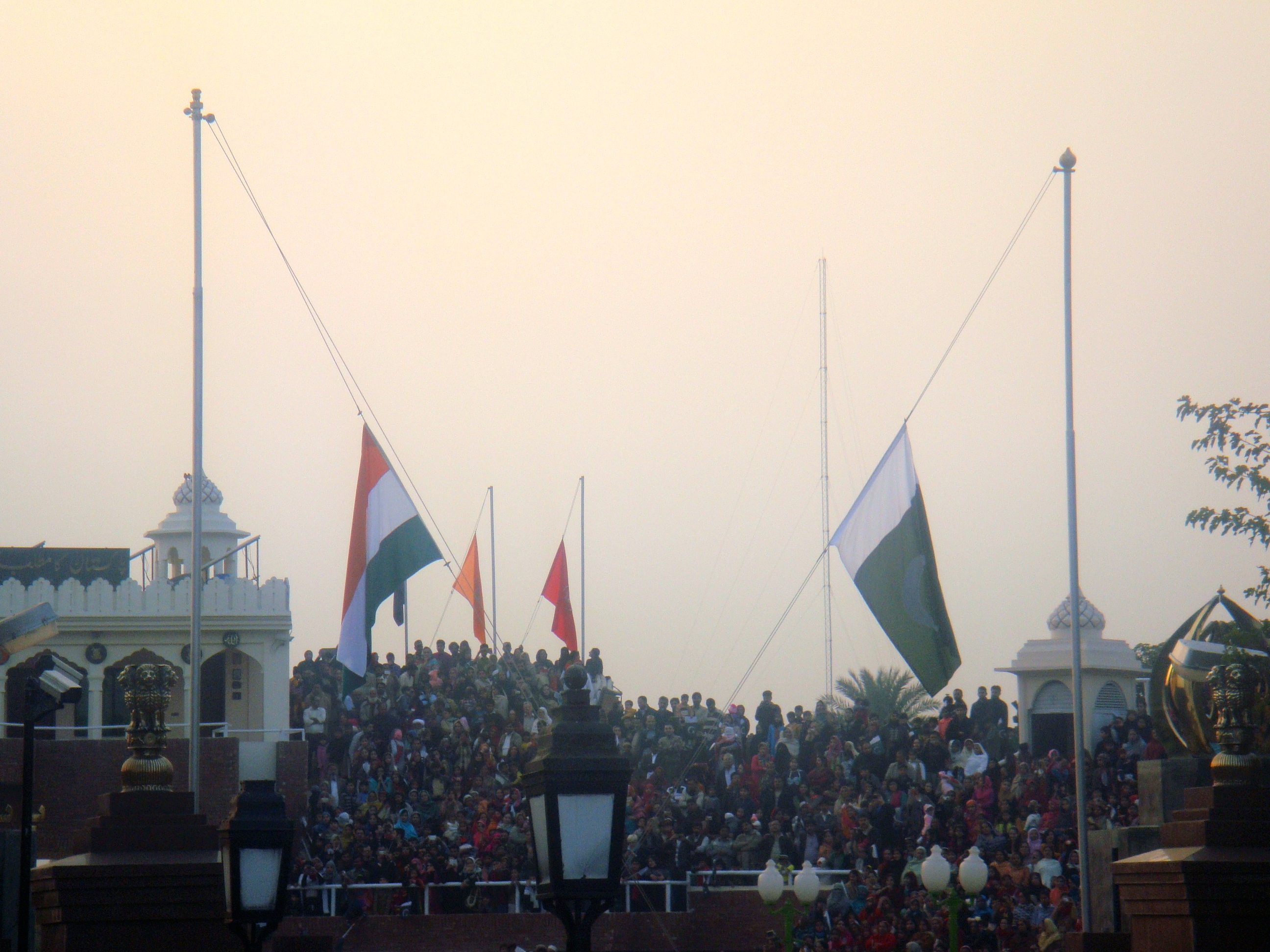
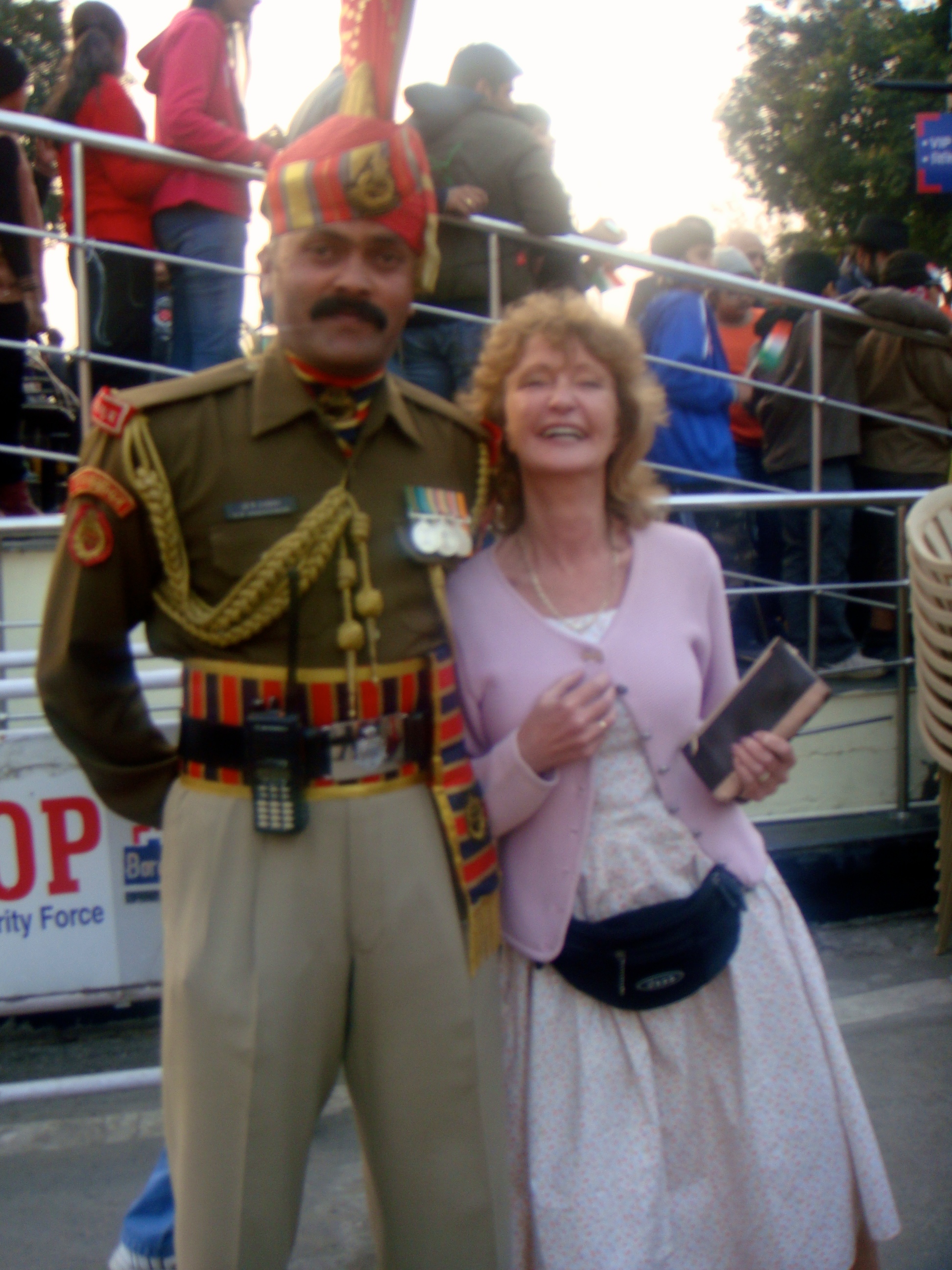
Our final visit was to see the India/Pakistan border ceremony at Wagah. The ceremony takes place every evening and is superficially about lowering the flags of the two nations at the close of the day. In truth it’s choreographed light hearted aggression. The flag parties on each side of the border perform a staged display which reminded me more than a little of the All Black’s Haka! They face up to each other and their movements show contempt for their counterparts across the divide. The huge crowds are fired up by a cheer-leader! After a lot of theatre the flags are lowered and everyone goes home! All jolly good fun!
If you want to see the display here’s a good clip:
So that was Amritsar, what a great place! Tomorrow we head back to Rajasthan.
 India 2013/14