Champaner and Pavagadh

For our last day in Gujarat we decided to go to the world heritage sites at Champaner and Pavagadh. These sites are entirely different to one another in character but have a shared history so were listed together by UNESCO in 2004.

Champaner is the site of a fort and imperial palace dating from around AD 1400. The city flourished during the reign of Mahmud Begada (AD 1459-1511) but was attacked by Humayun in 1534 which resulted in the capital being moved from Champaner to Ahmedabad. Champaner never recovered its former glory and is now mostly ruined. A new generation occupies the old town and the people live alongside the ancient ruins.

Above Champaner is the Pavagadh hill fort complex. Most of the structures are not easily accessible and Pavagadh is actually more famous for a Mahakali temple which sits on the summit. Mahakali is the Hindu goddess of time and death and the consort of Shiva consequently every day thousands of pilgrims climb the hill to the temple.

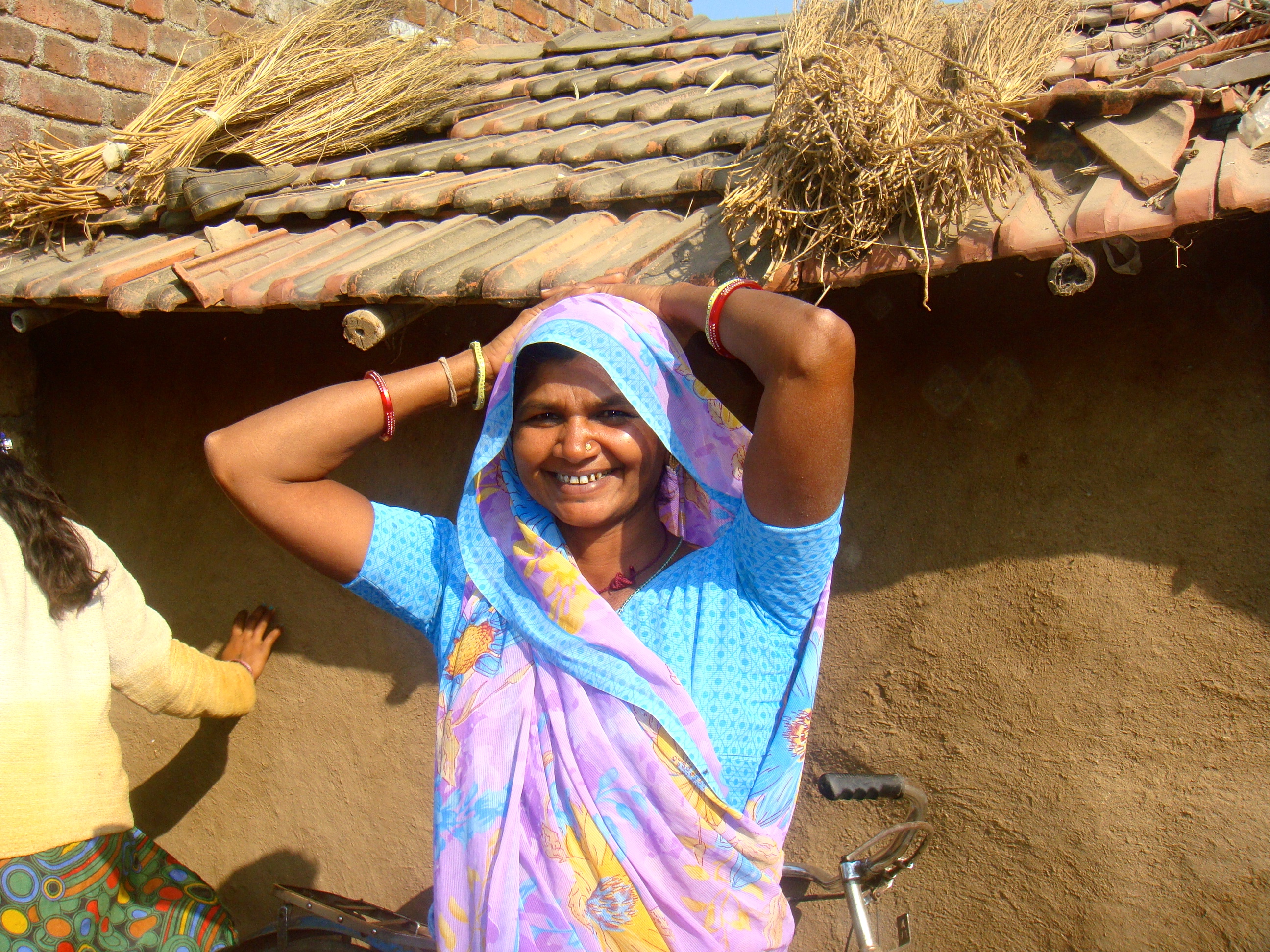
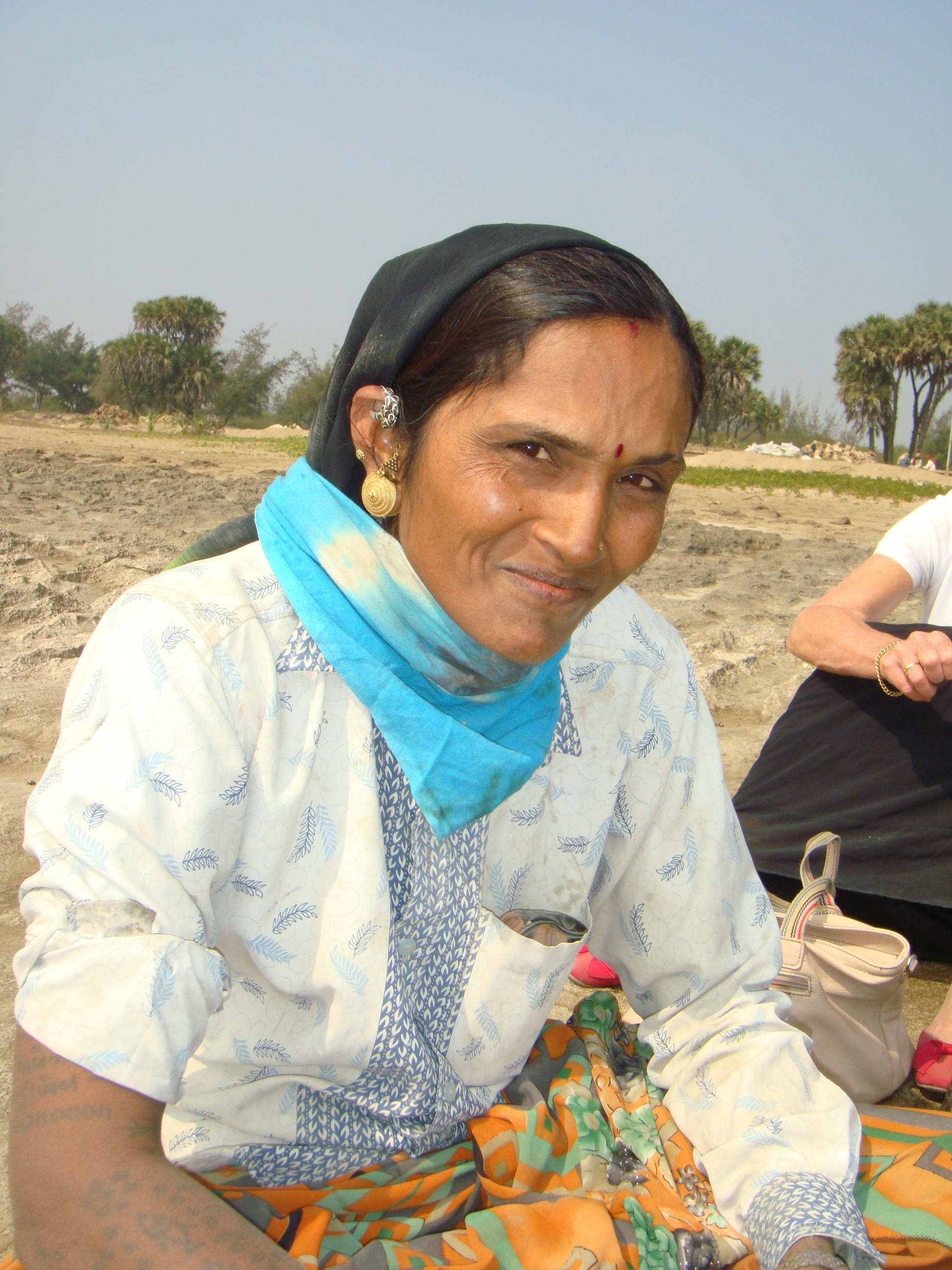
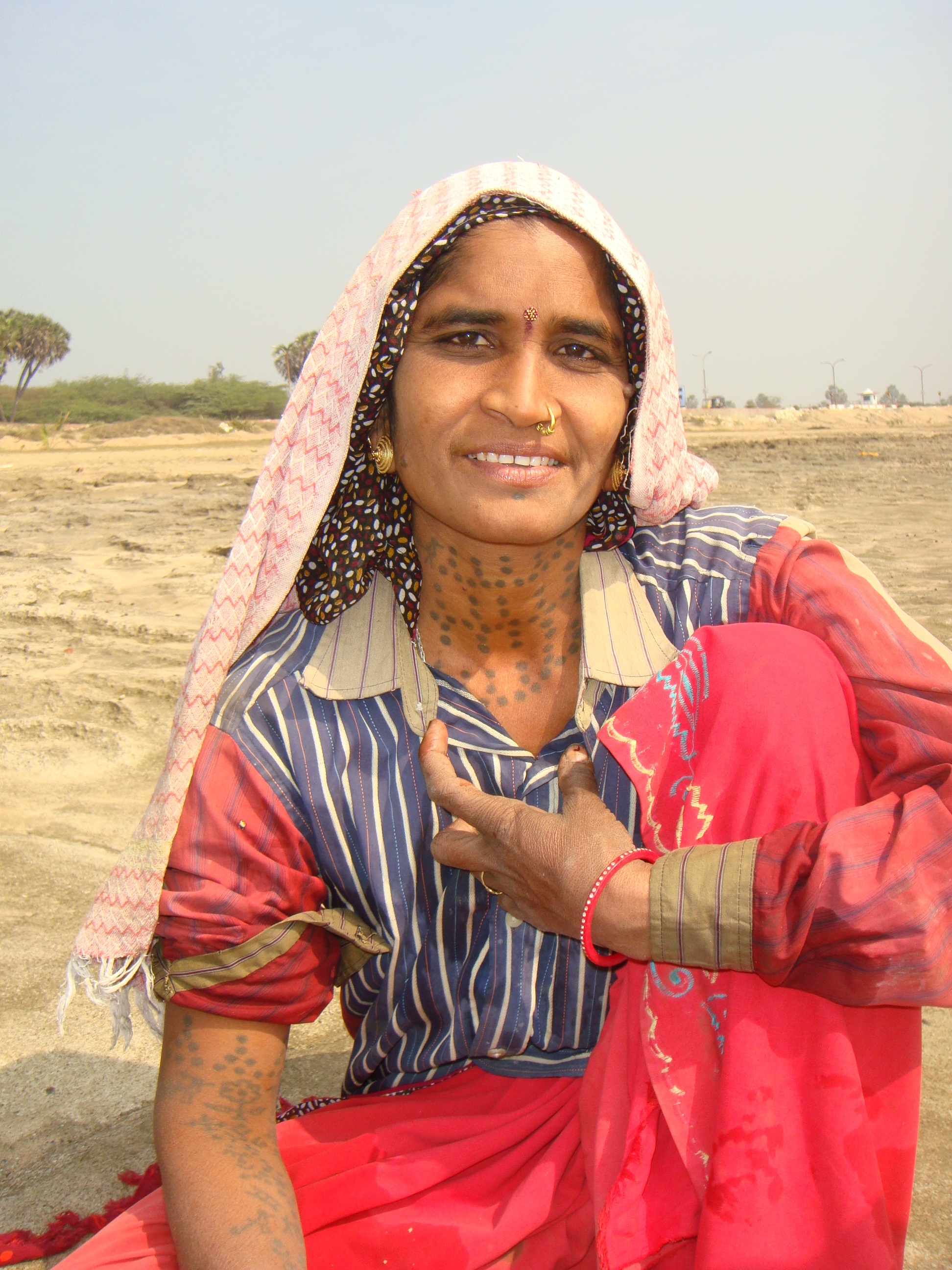
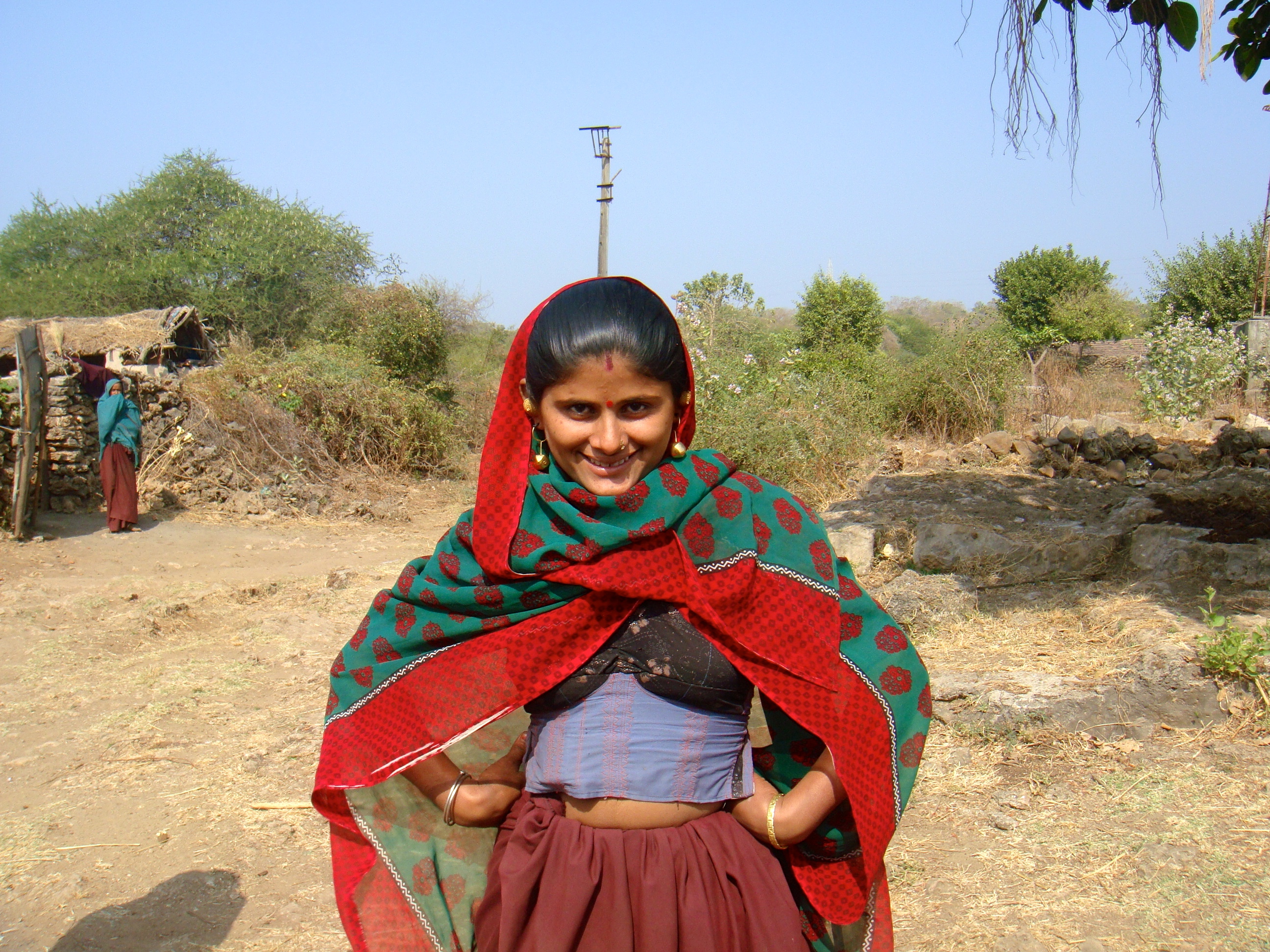
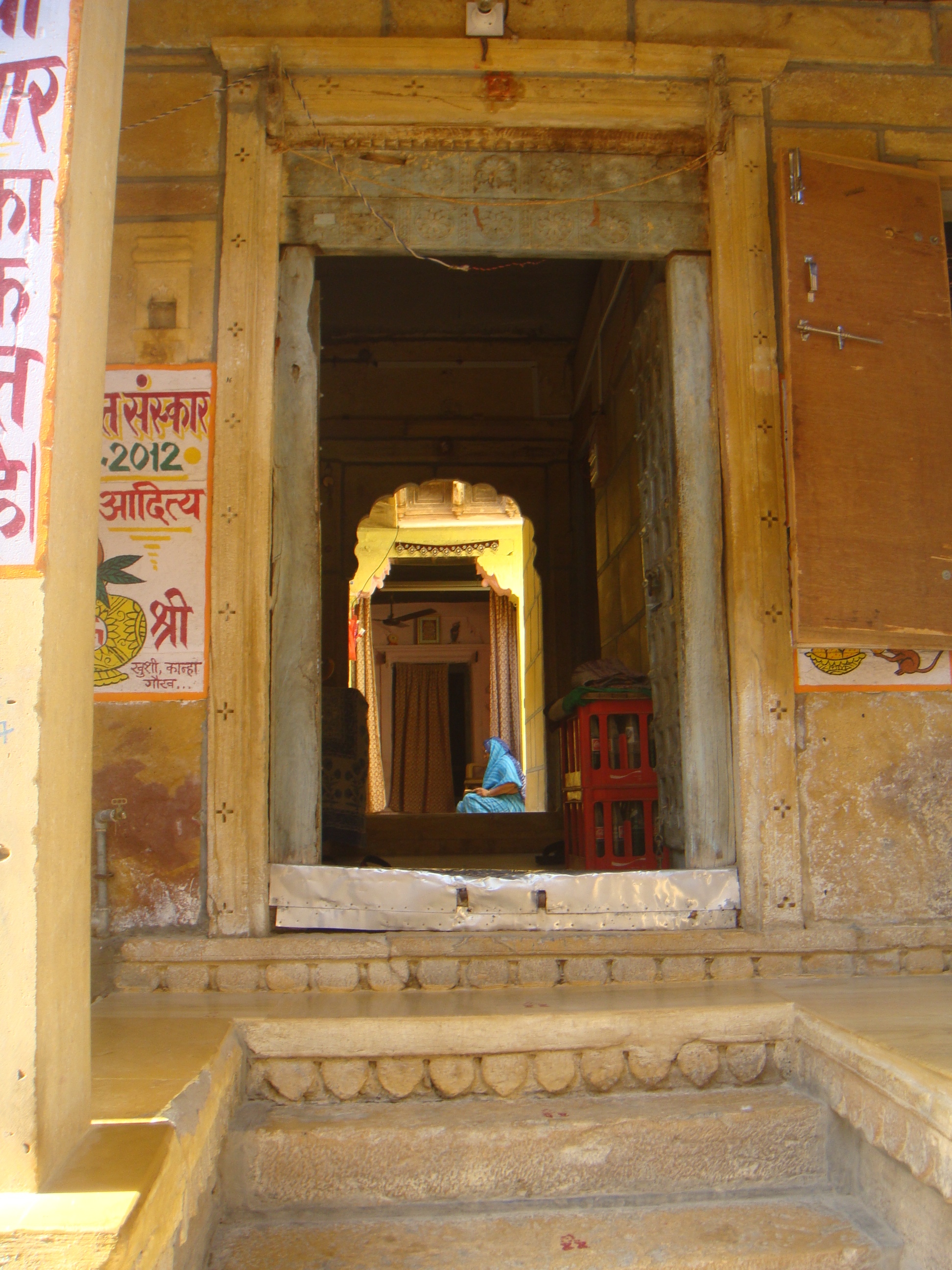
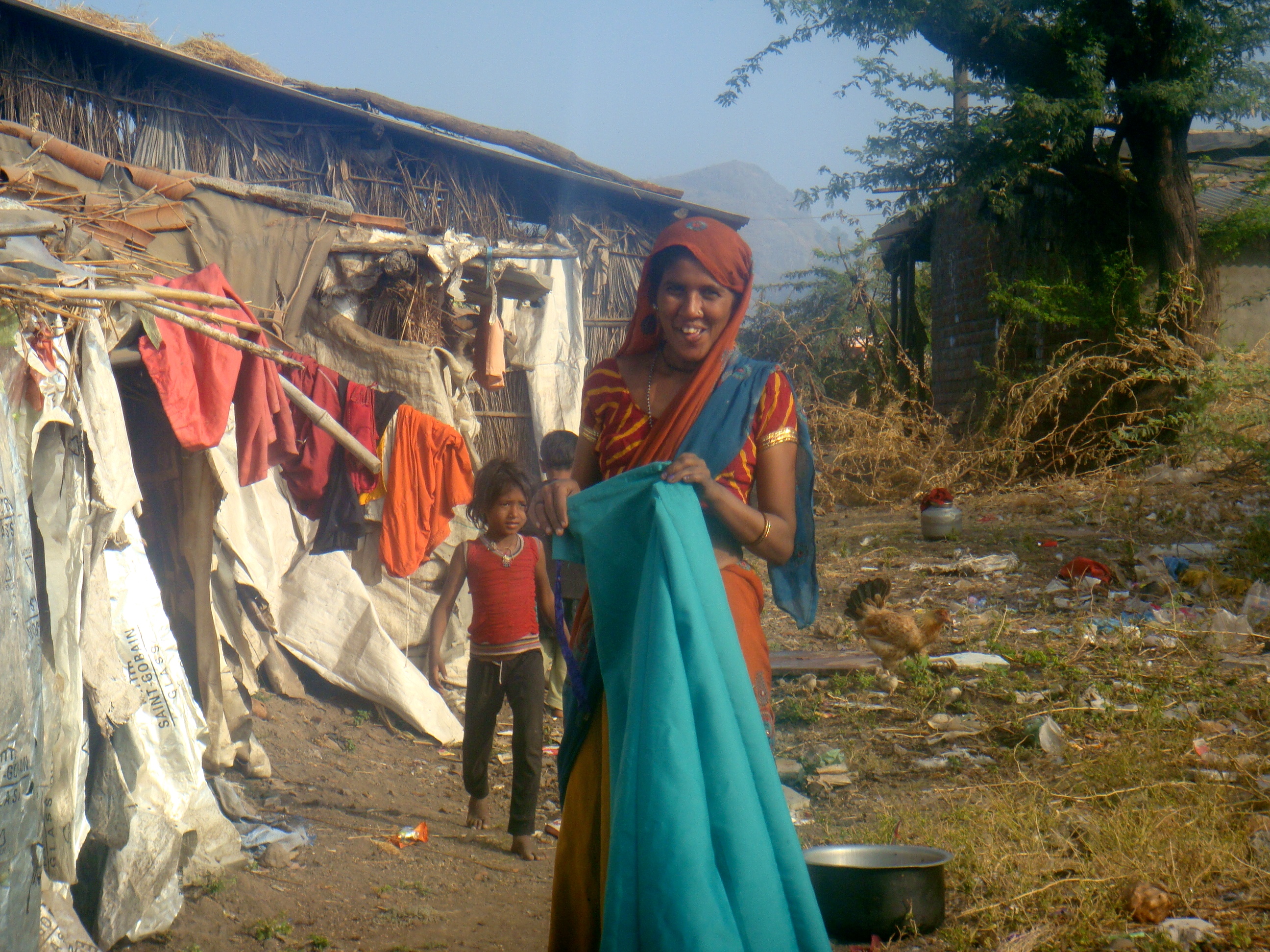
Champaner is fascinating for its buildings and also for the way people live today amongst them. This woman was living very close to one of the mosques, her front door is to the left of the picture:
DSC02723

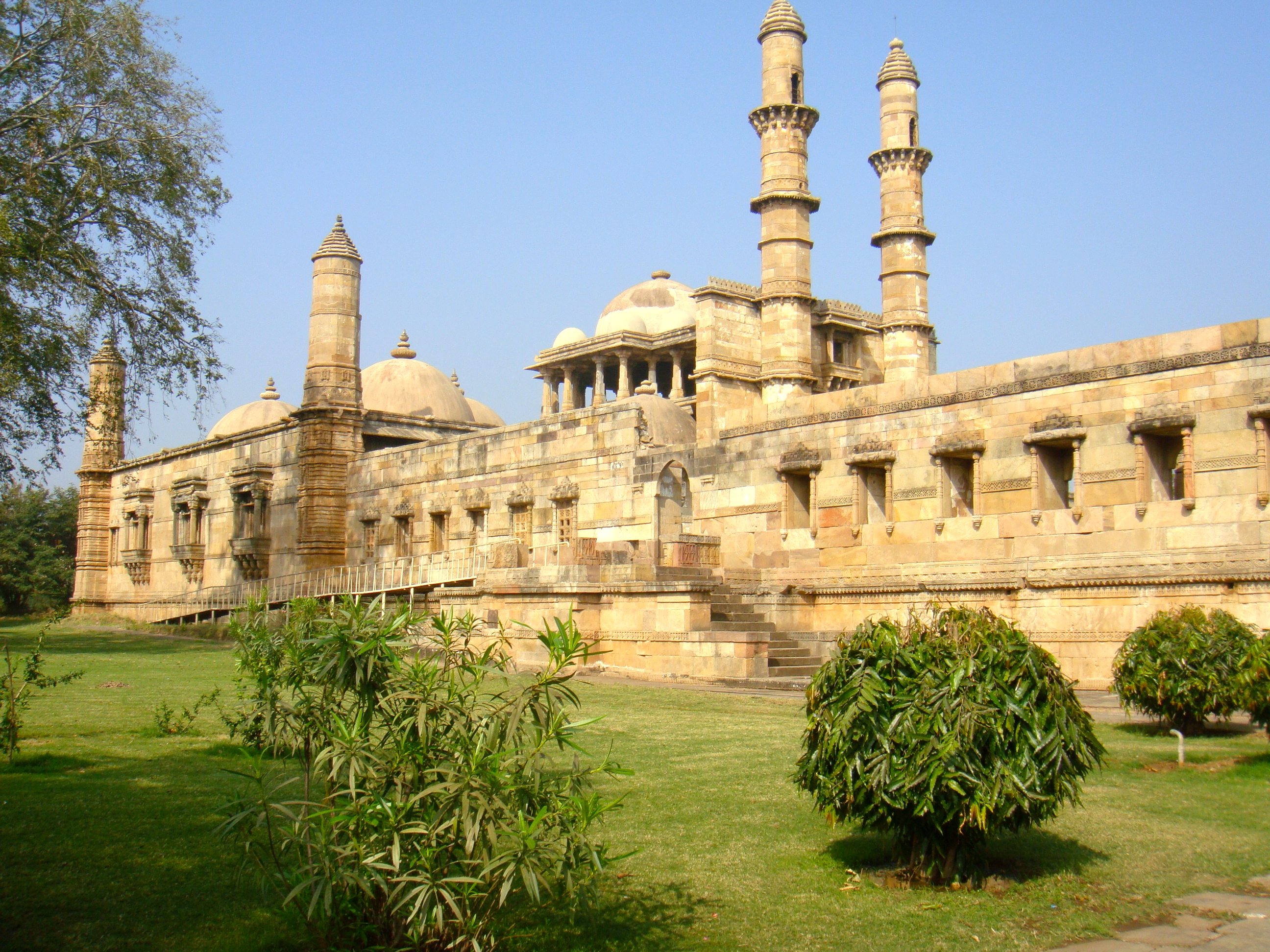
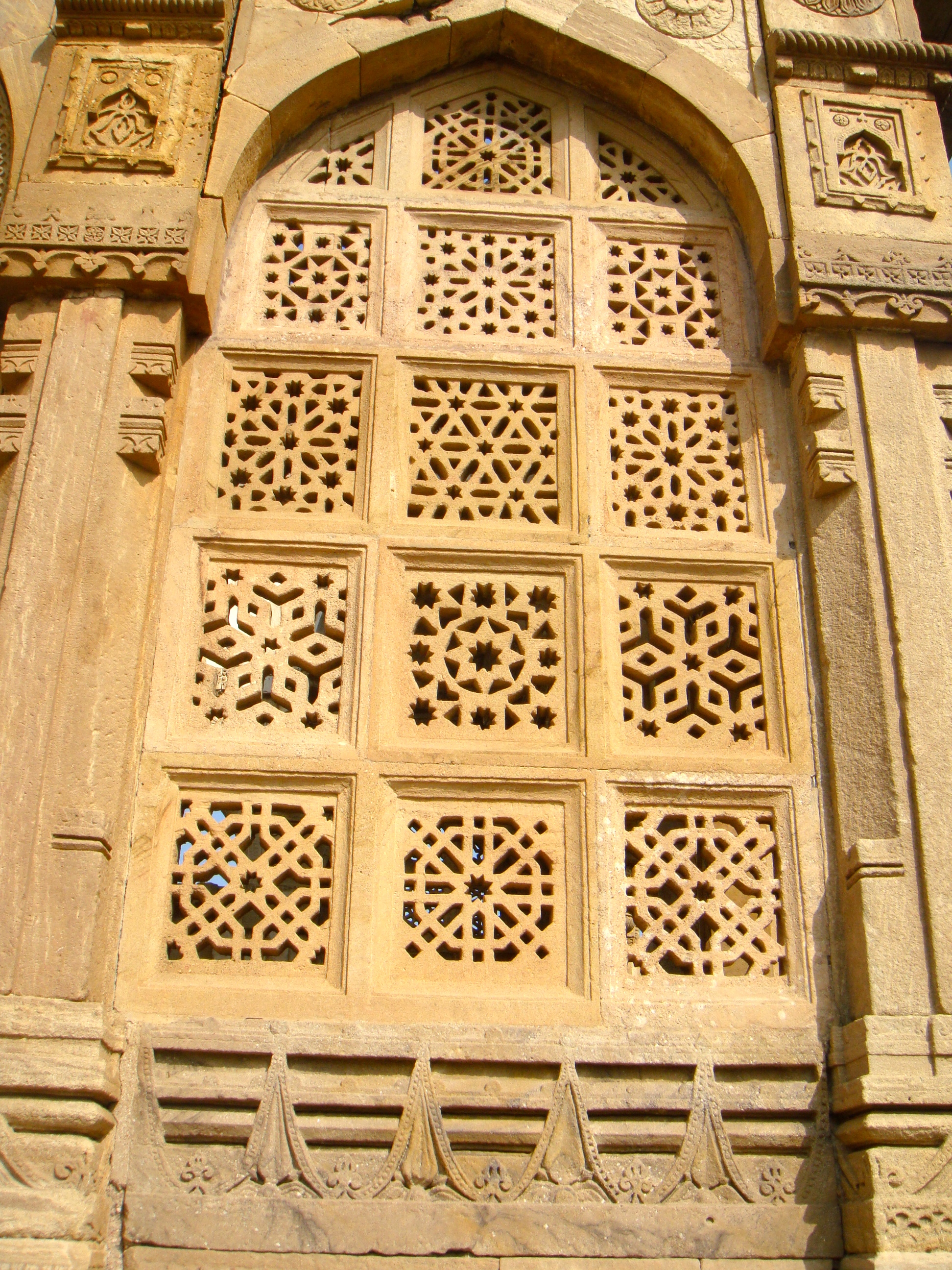
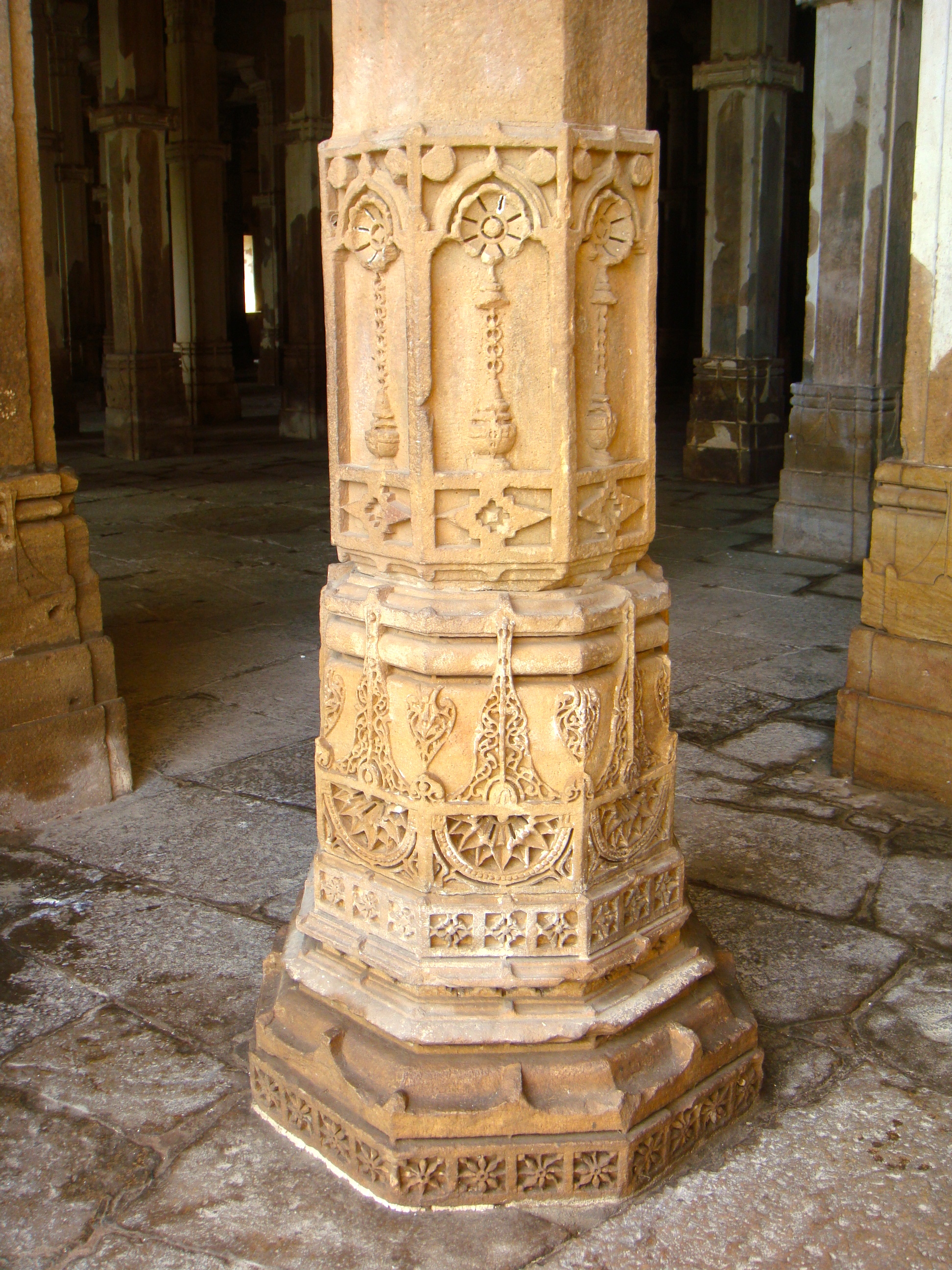
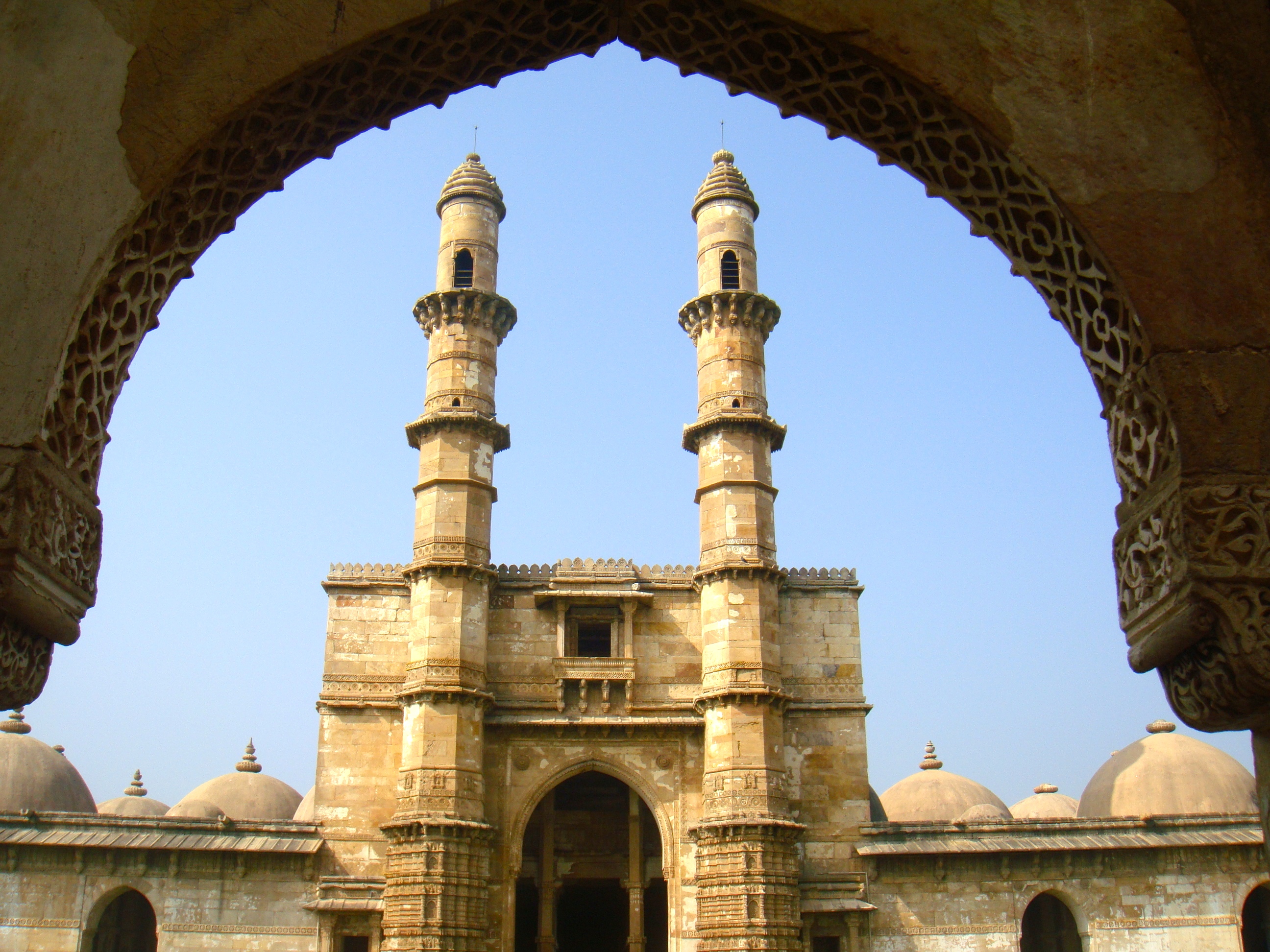
Here is the most important structure in the city, Jami Masjid:
DSC02657DSC02654

DSC02656

DSC02661

DSC02662

And here perhaps the second most important, Saher Ki Masjid:
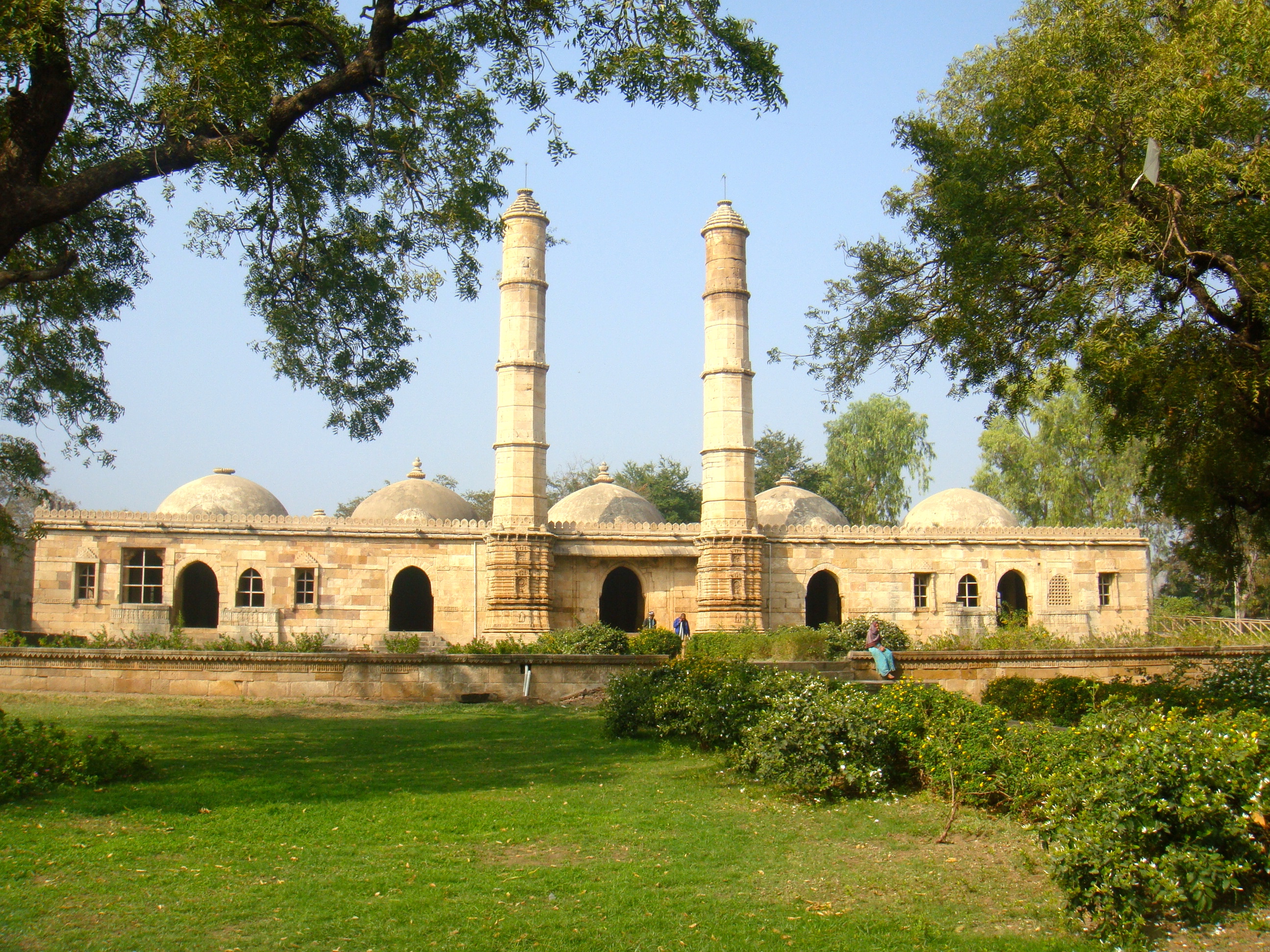
DSC02631 DSC02638 

In some places the old walls are still clearly visible:
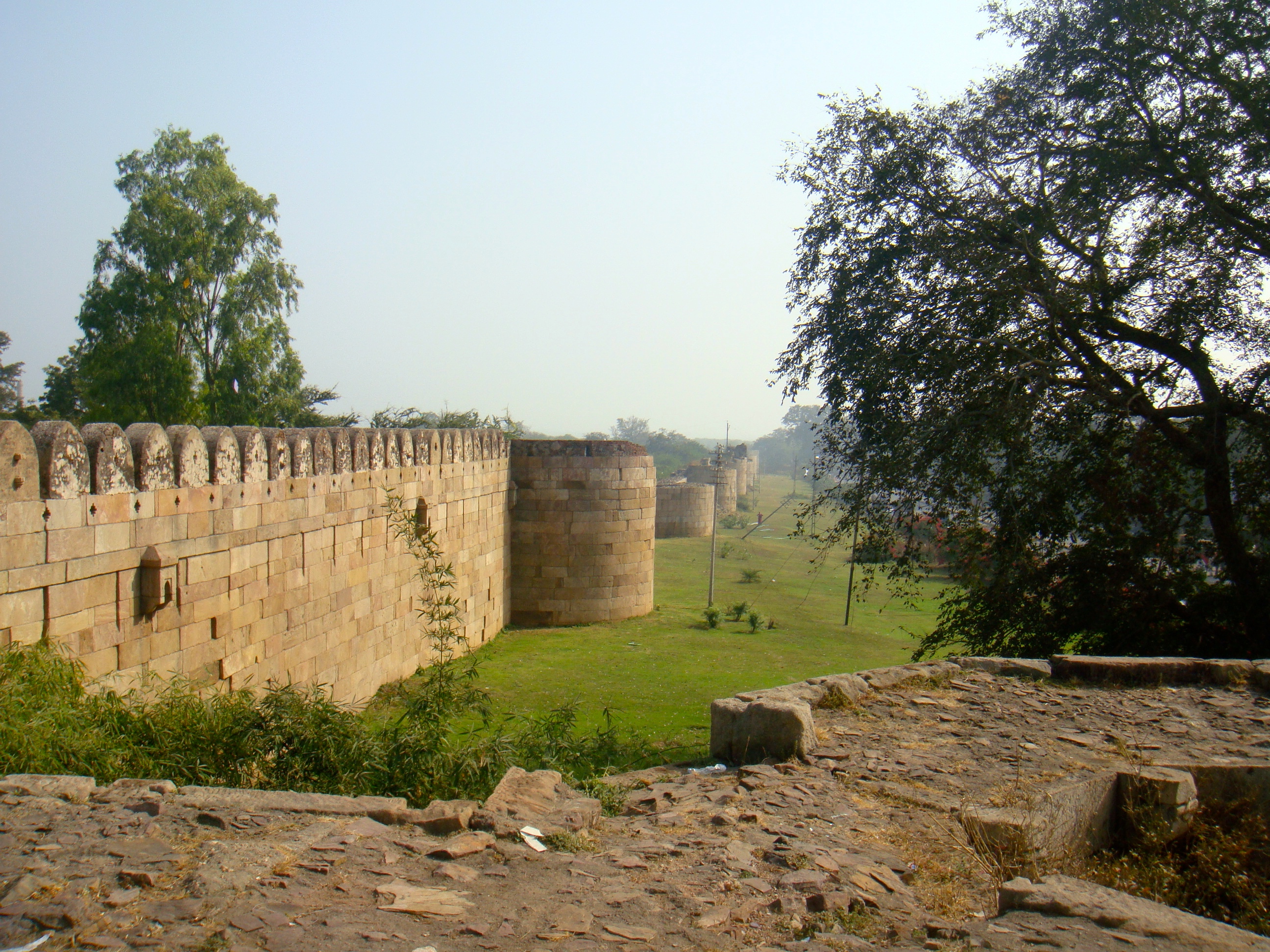
DSC02644

Here is another well preserved structure:
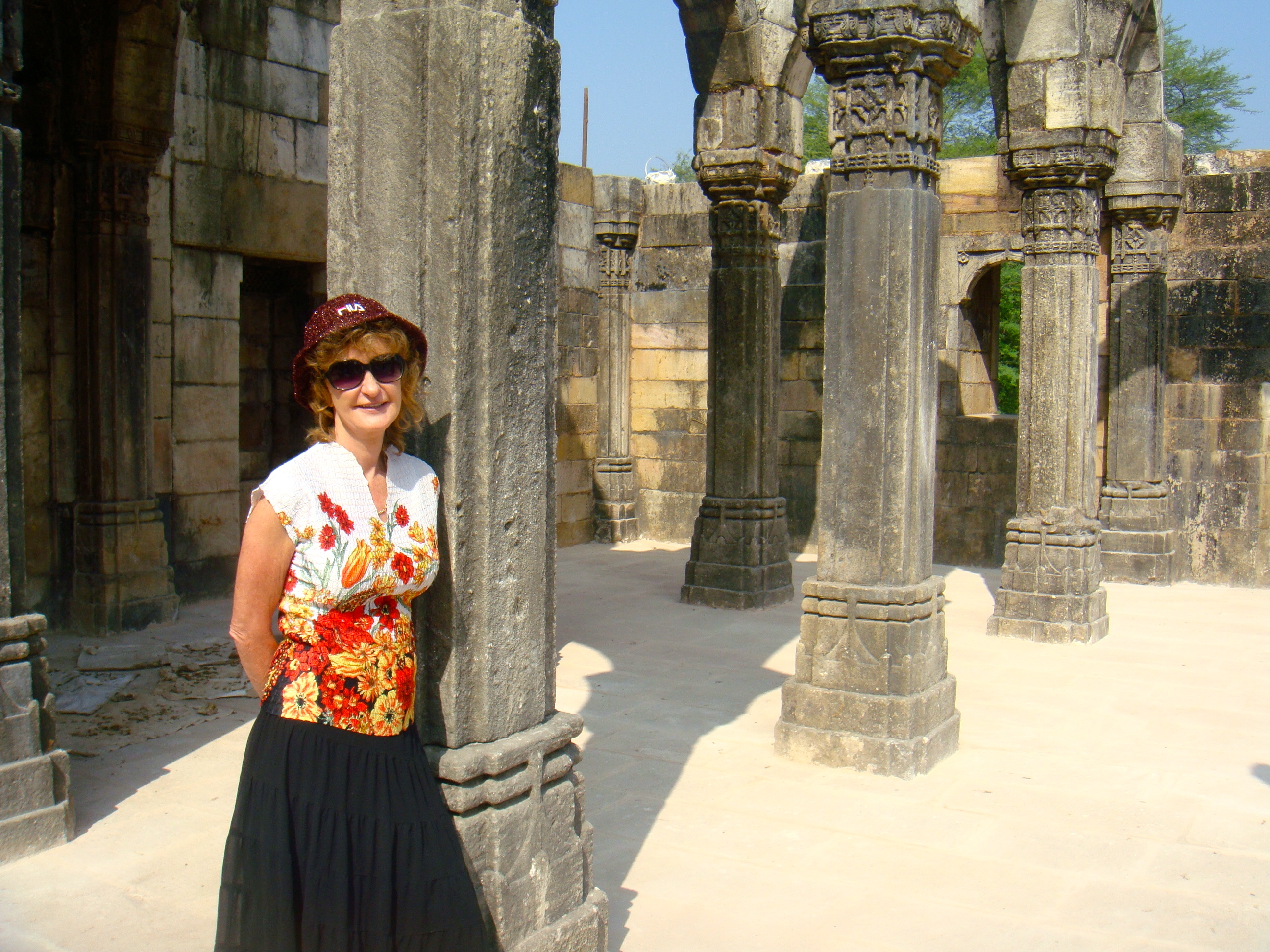
DSC02672 That was funny 🙂

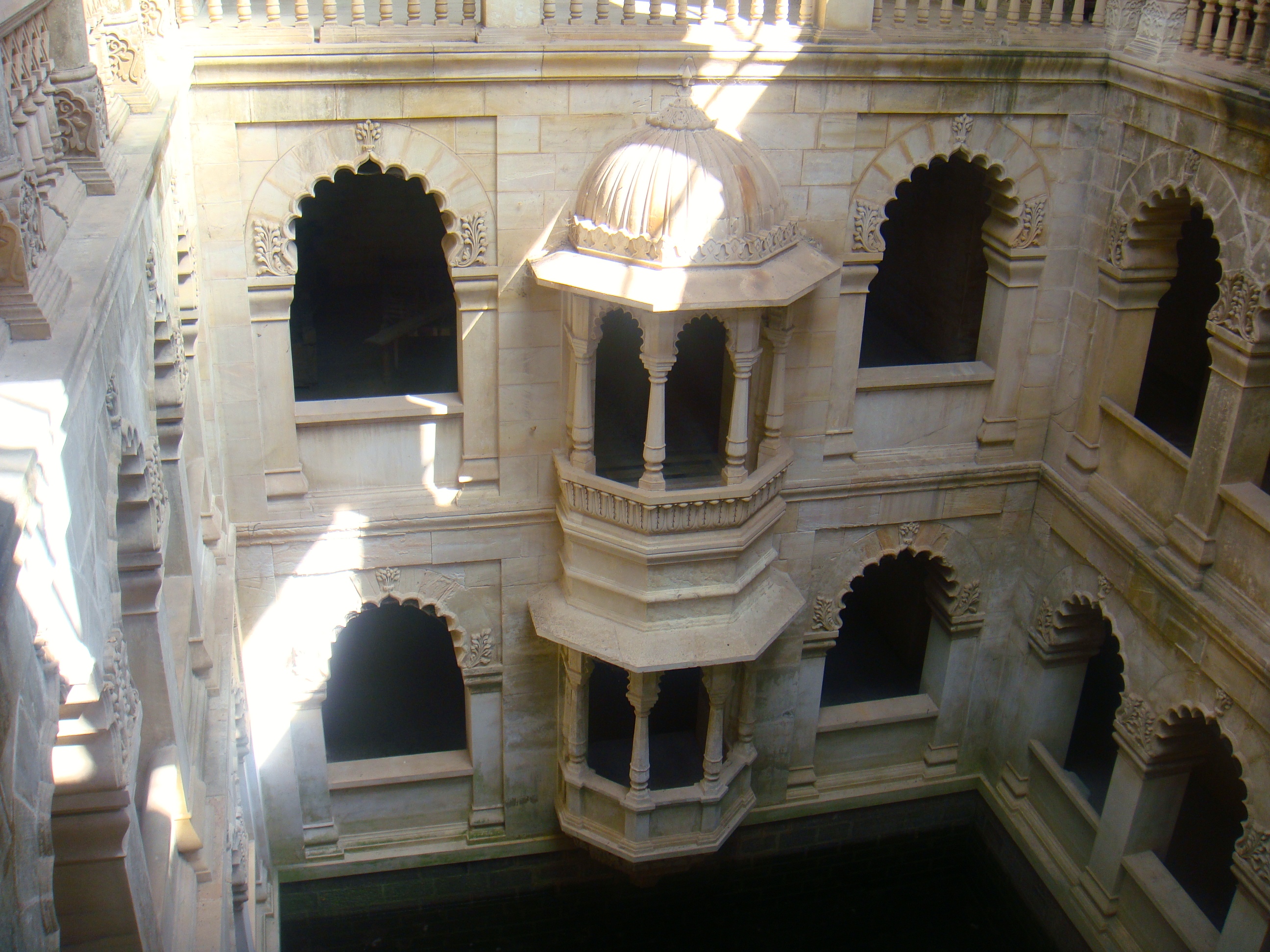
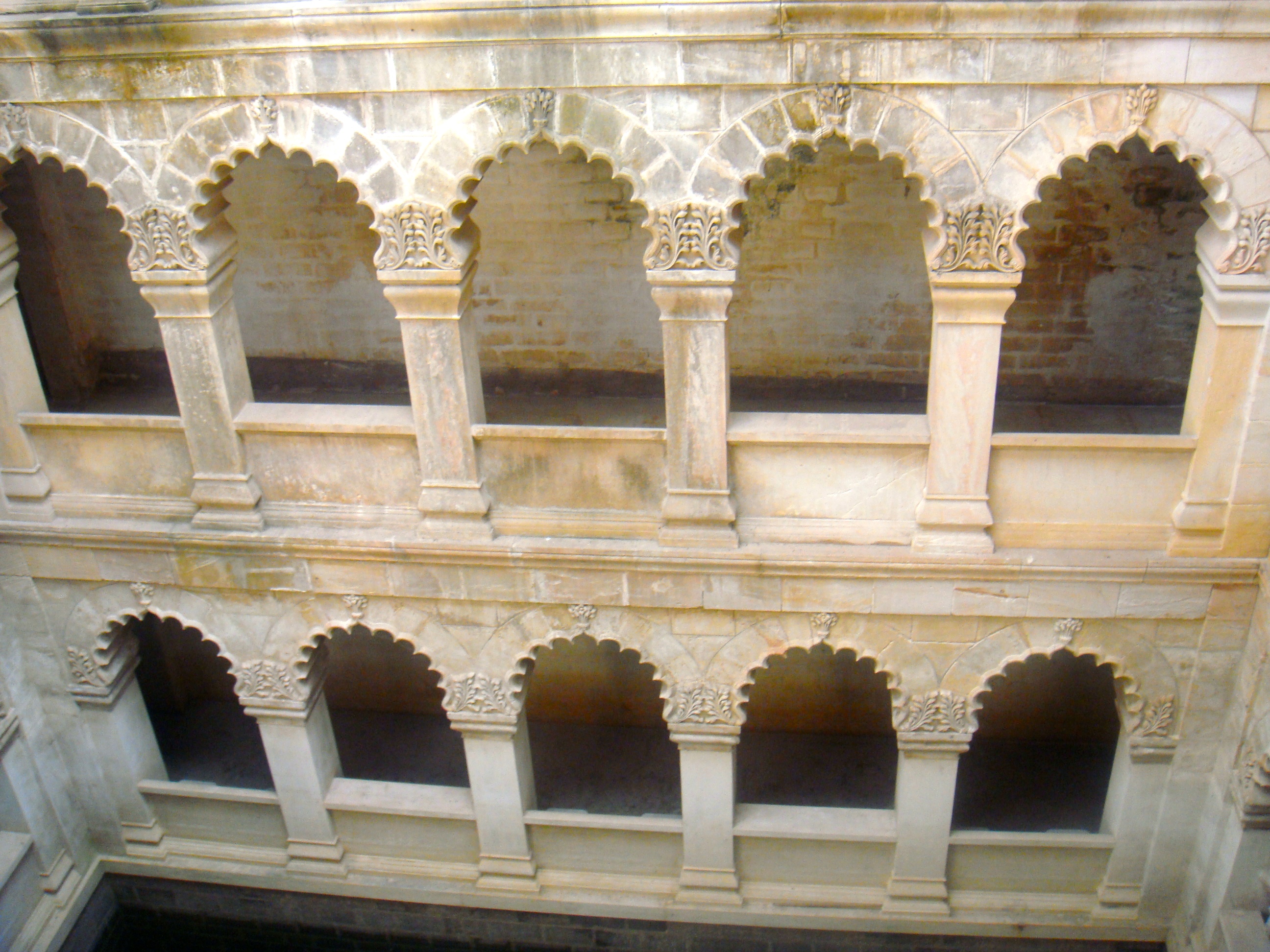
The town is renowned for the water storage solutions it employed, here is a spherical step well, the first we have ever seen:
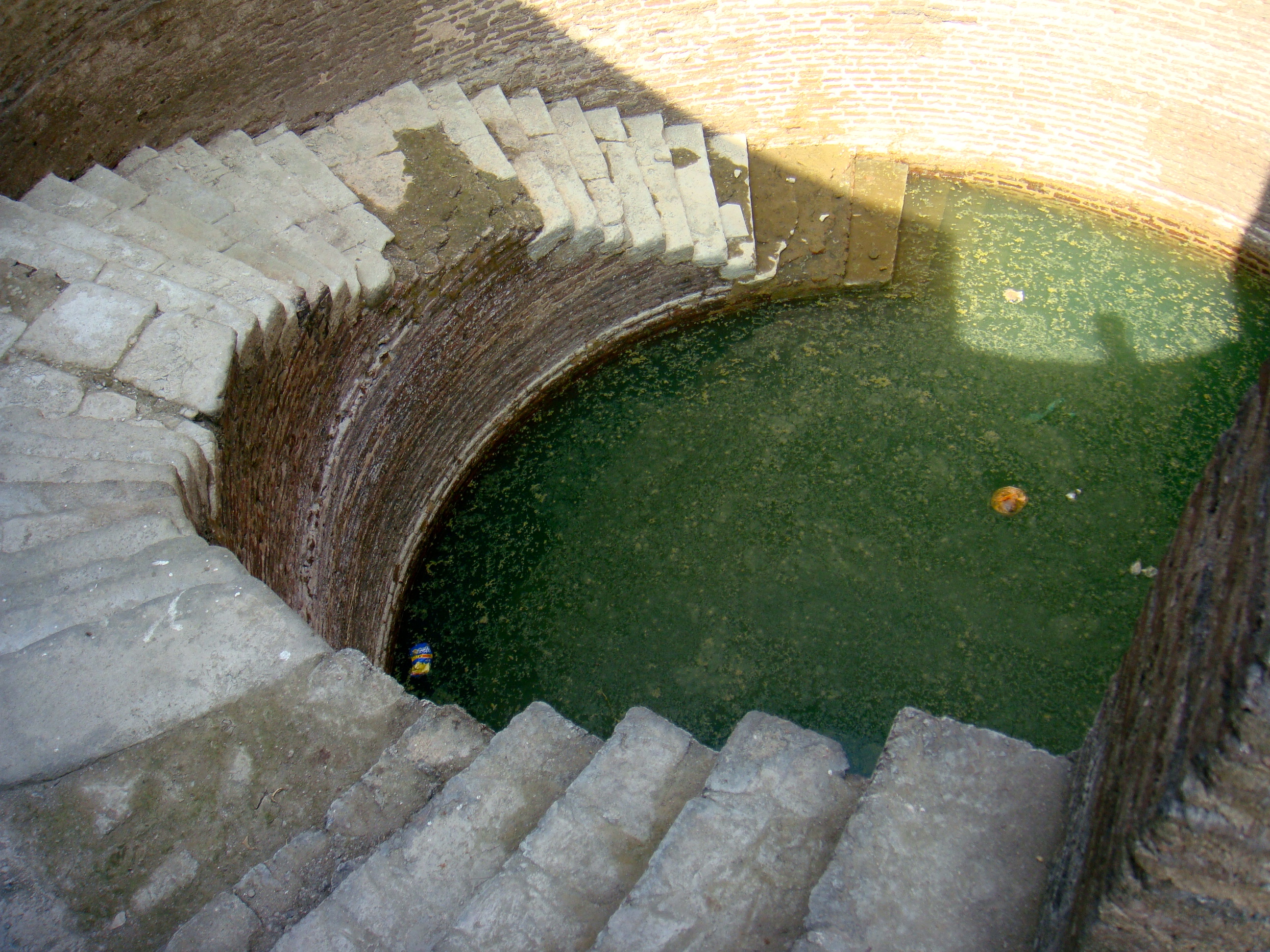
DSC02676

We went to one mosque to find it still in use even though the roof had long since gone:
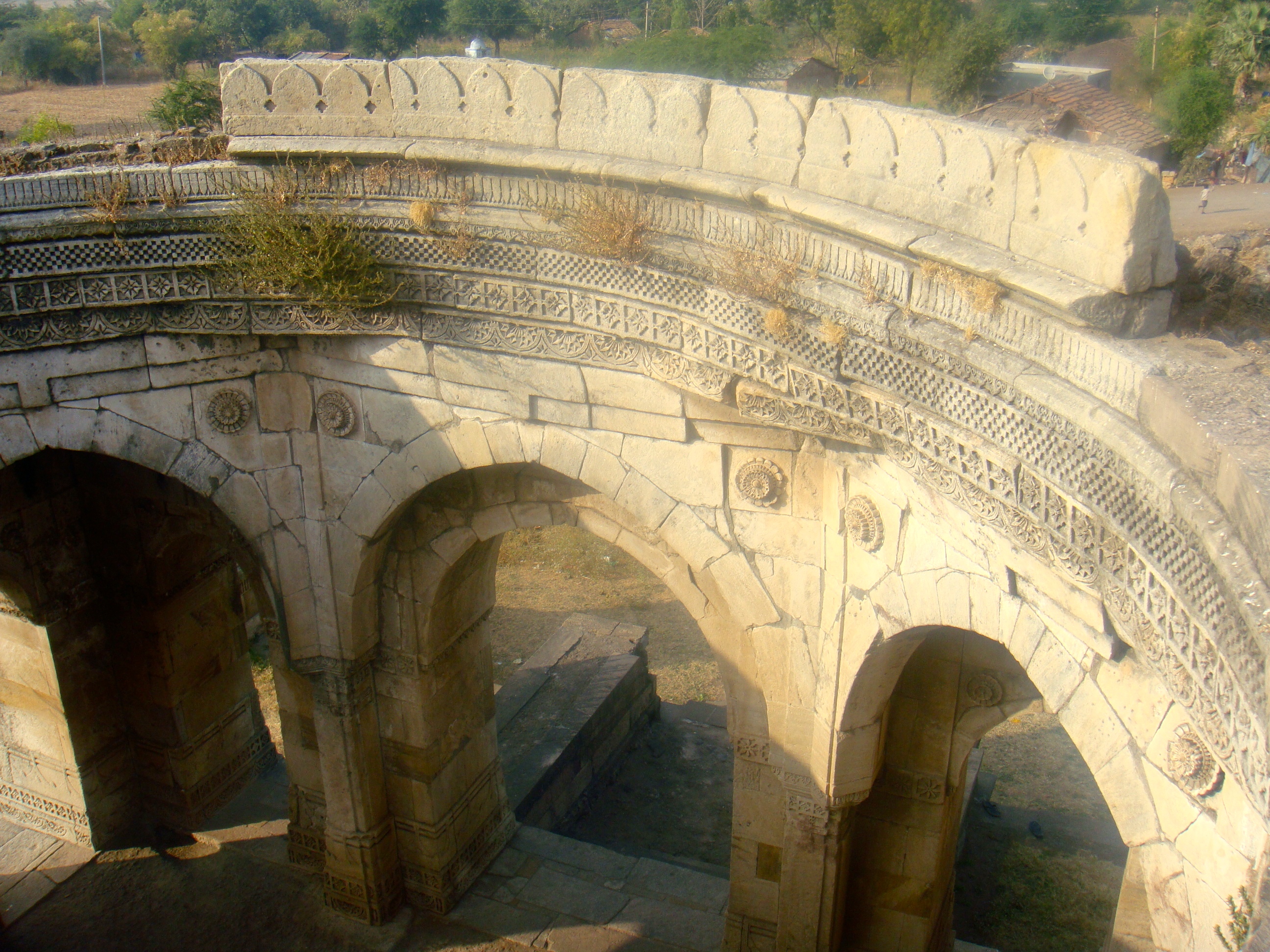
DSC02715 Panch-Mahuda Ki Masjid

DSC02717

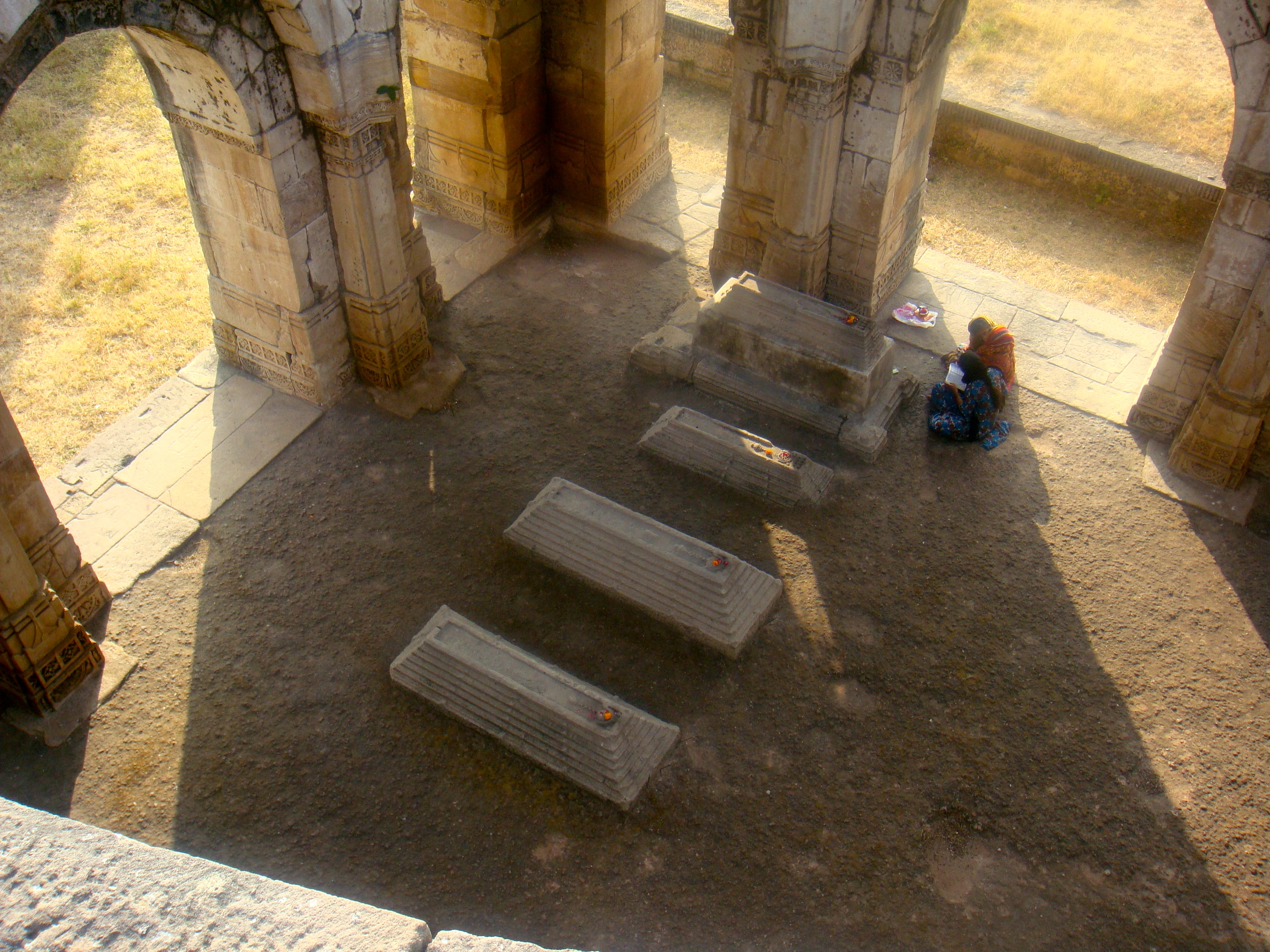
There were three generations of the same family praying at the tombs. When they had finished they kindly let me photograph their very beautiful hands:
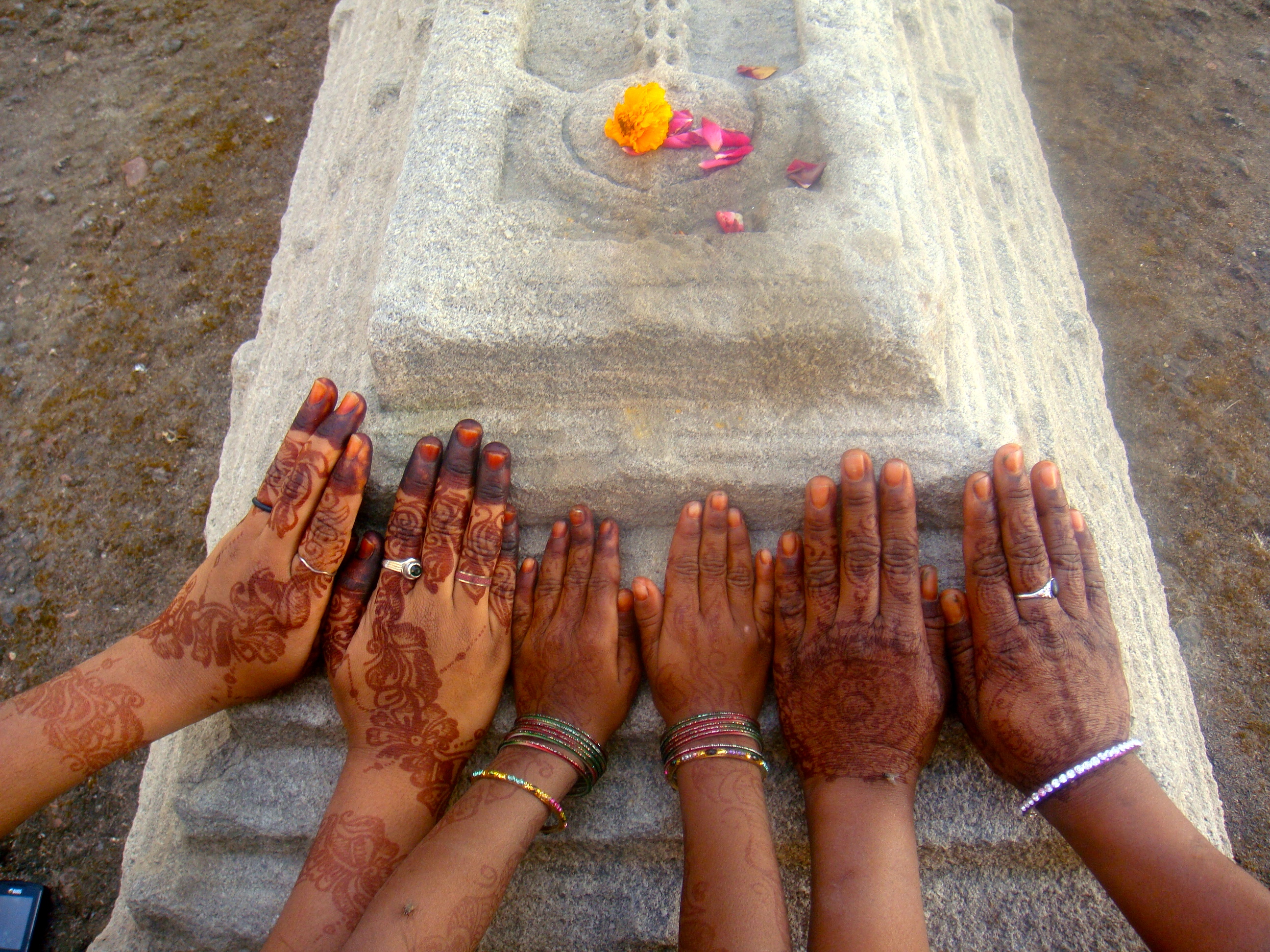
DSC02720

and we gave them a lift home!

We went to the top of Pavagadh to see the temple, here is the final climb:
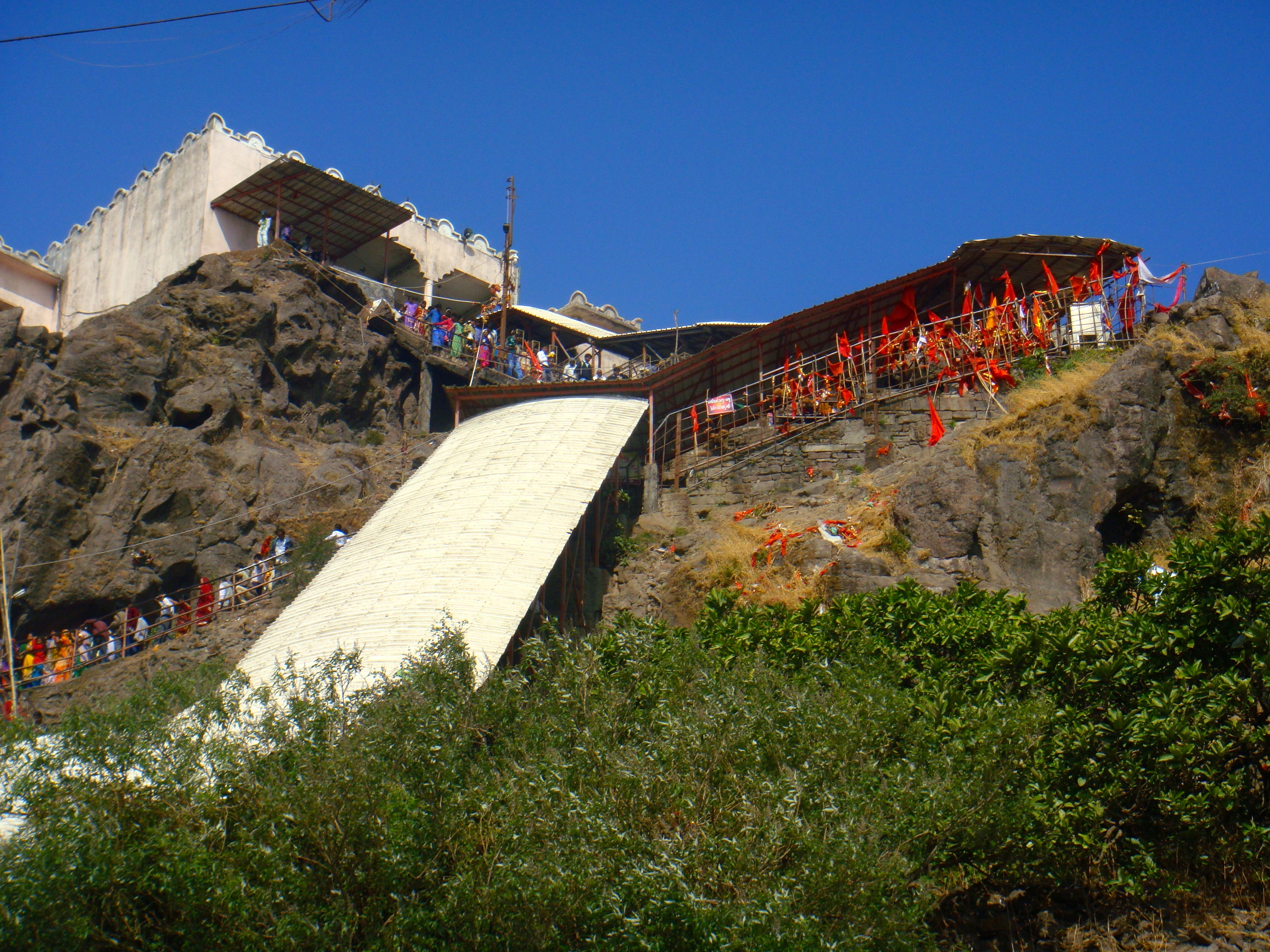
DSC02682

Once you reach the top you are moved pretty smartly through the temple so the pilgrims only enjoy a few seconds in the presence of the deity. Despite that in the short time we were there several people seemed to go into some sort of rapture. No video allowed so you’ll just have to imagine it.

Lots of pilgrims were very colourfully adorned:
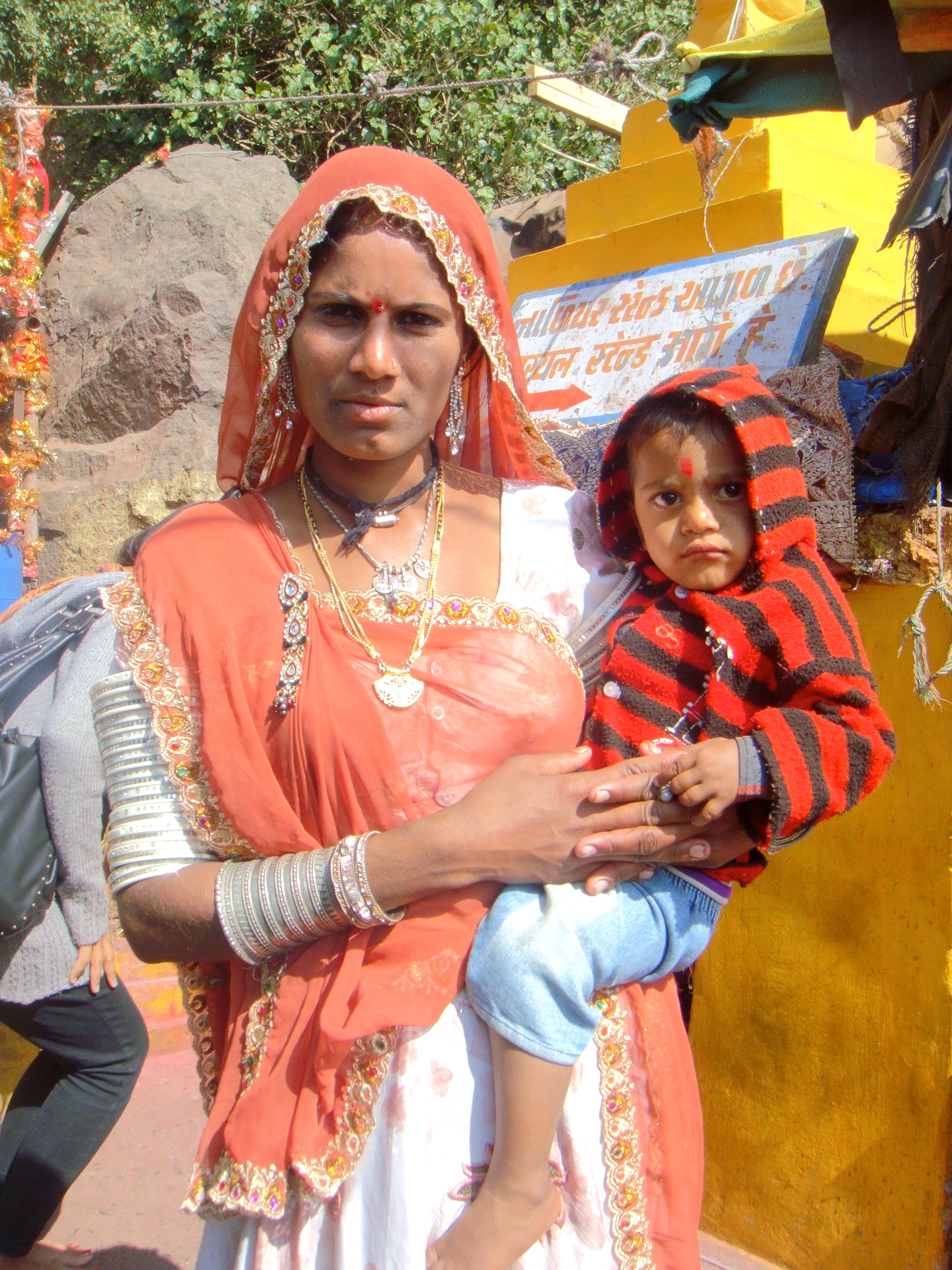
DSC02685 Bangles all the way up her arms.

It wasn’t all pilgrims, this lady was doing her washing in a small lake just below the summit:

DSC02688

The walk back down is on a long winding path the top part of which is absolutely packed with stalls selling all kinds of things:
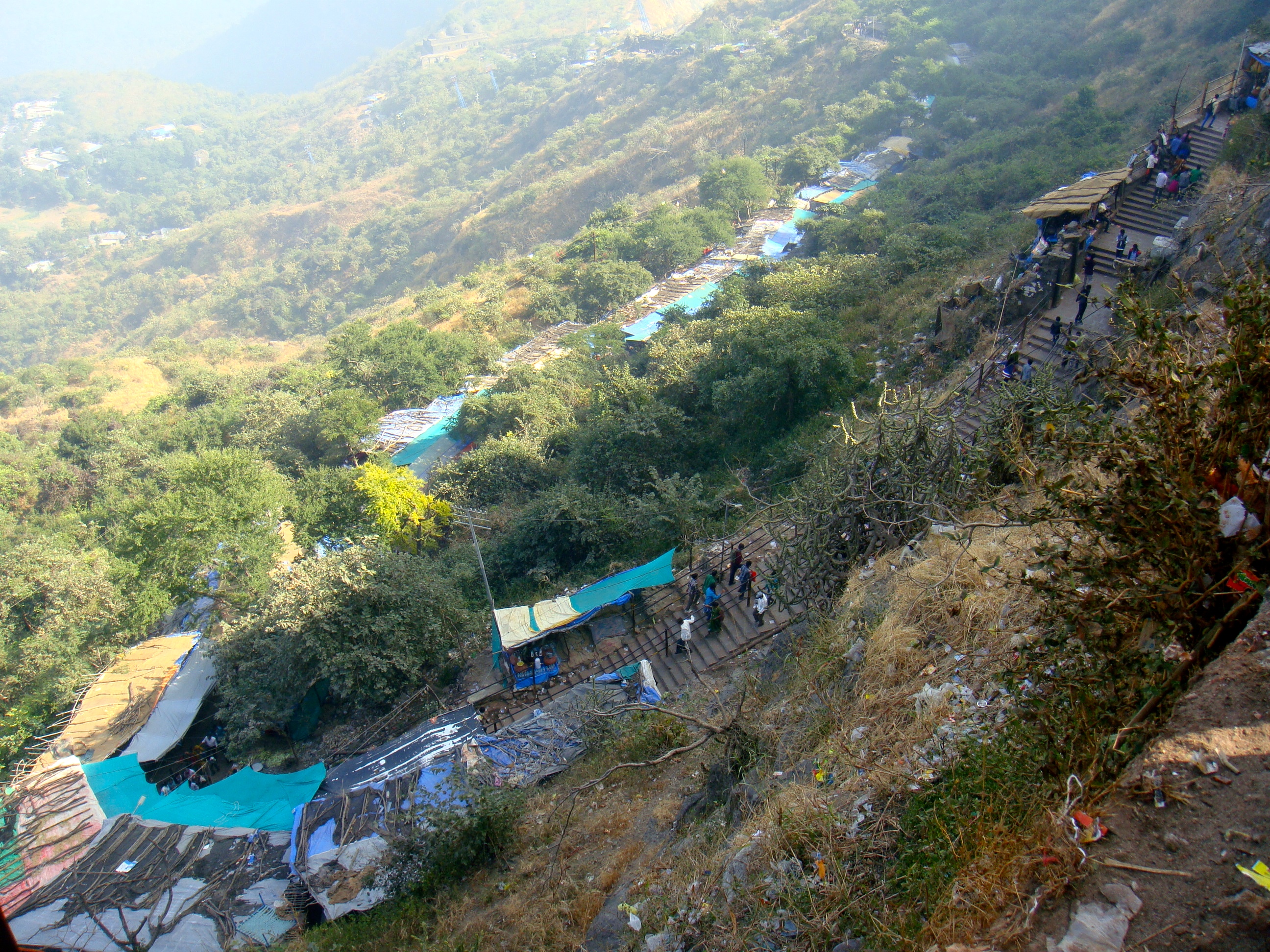
DSC02694

You can have a tattoo, have your picture taken with a stuffed tiger, buy some alcohol free beer, buy a coconut (for the temple), receive a blessing from one of the many “sages” along the way, and even feed a holy cow:
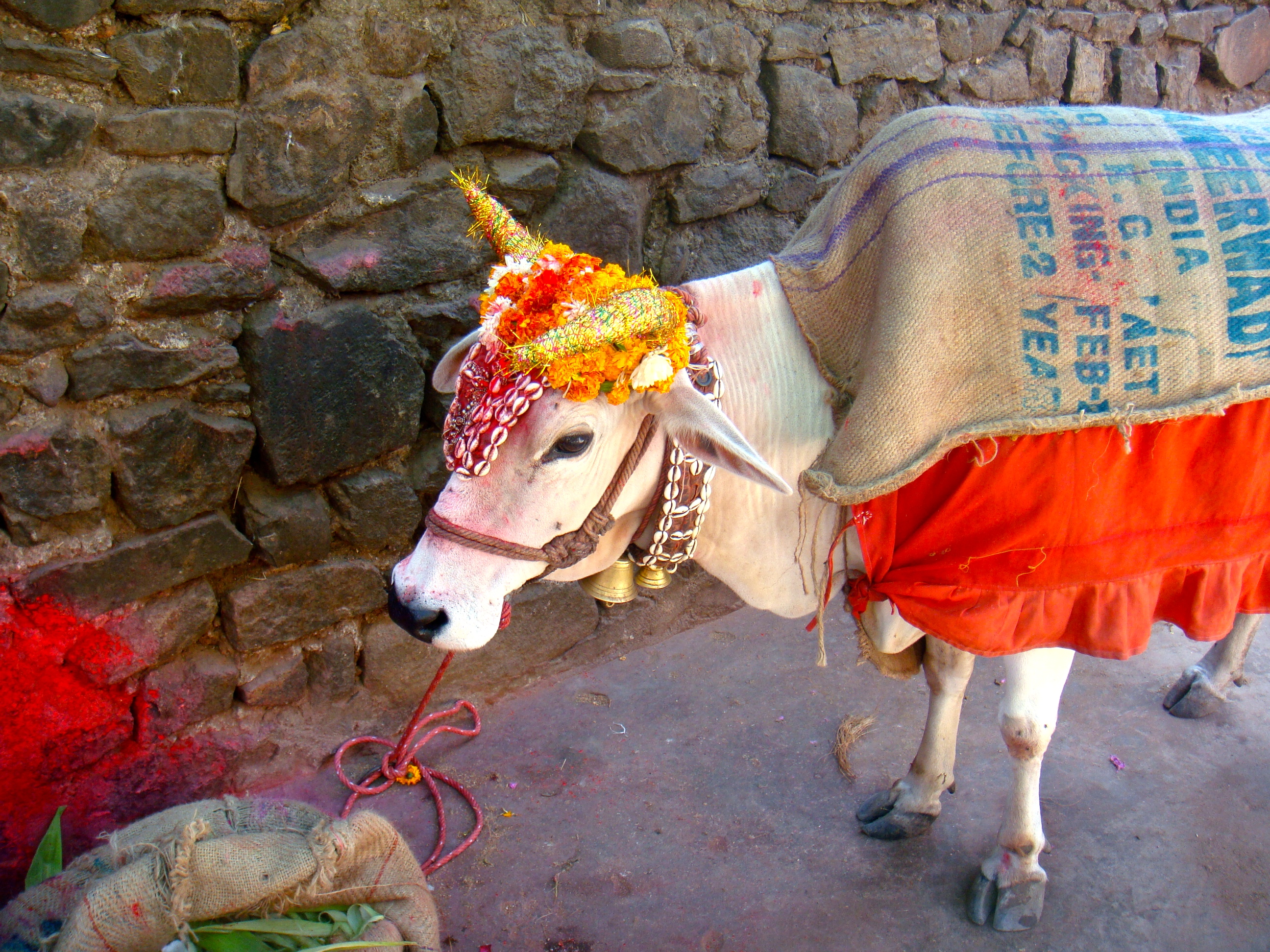
DSC02687

Everything is possible for a few rupees.

We settled for some peanut masala from this very nice lady:
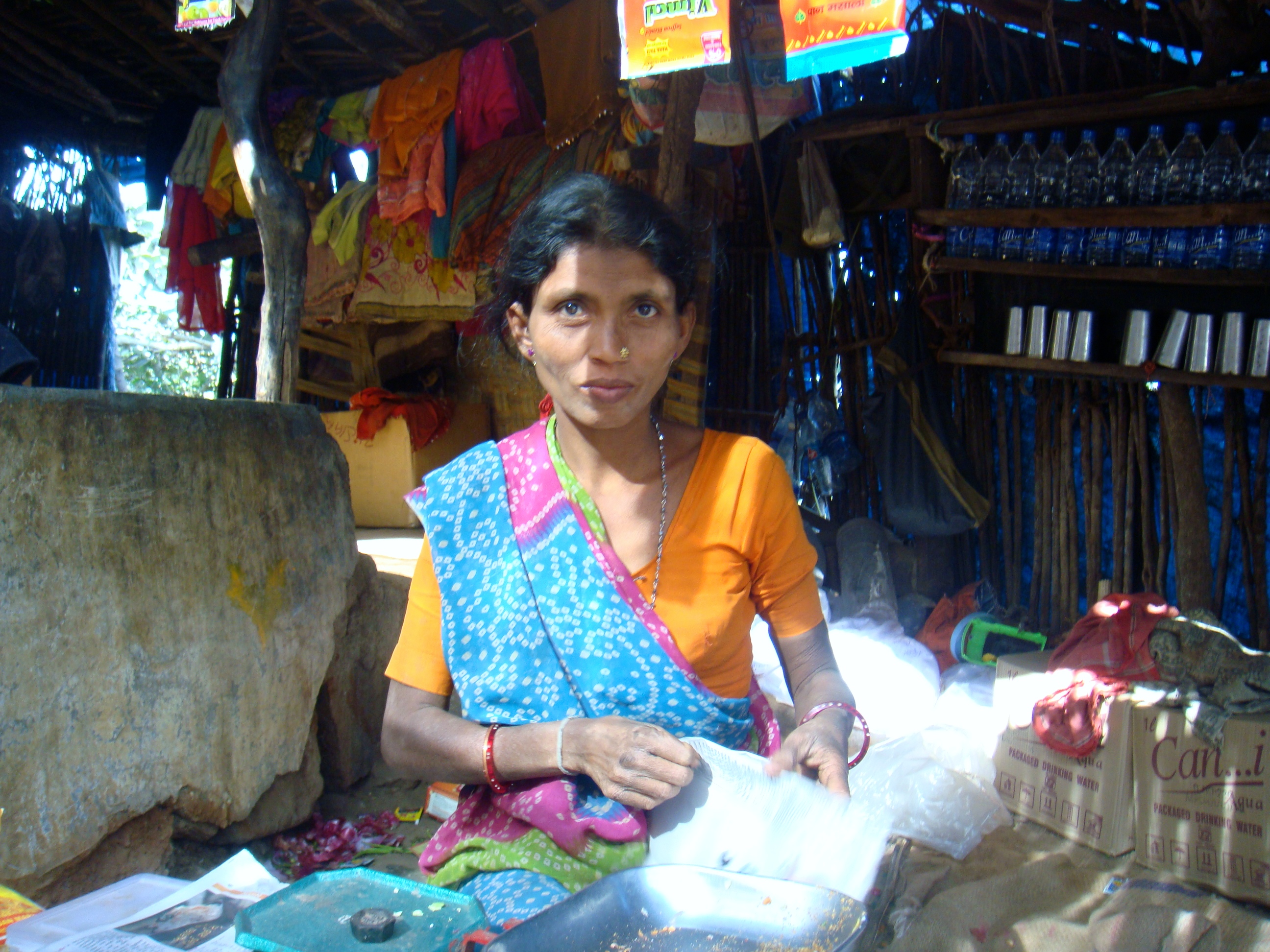
DSC02698

So that was Champaner-Pavagadh we loved it, hopefully UNESCO will ensure it is protected for the future.

Now we are in Mumbai. It’s the Mumbai marathon this weekend and I’ve managed to get a place in the Old Man’s race (after three months on the road I’m certainly not in shape for anything more strenuous!). Hopefully I’ll be finished in time to watch the Elite marathon runners cross the line.

Our next destination is London! We’ve decided to fly back to England for a couple of weeks. Lots to do, family to see but the thing we’re most looking forward to is seeing two very tiny boys!

So that’s it folks. We’ll be back in Mumbai and on the road again in early February. Until then it’s radio silence!

Thanks for coming along for the ride so far,

Ian & Leishia xxx
Palitana

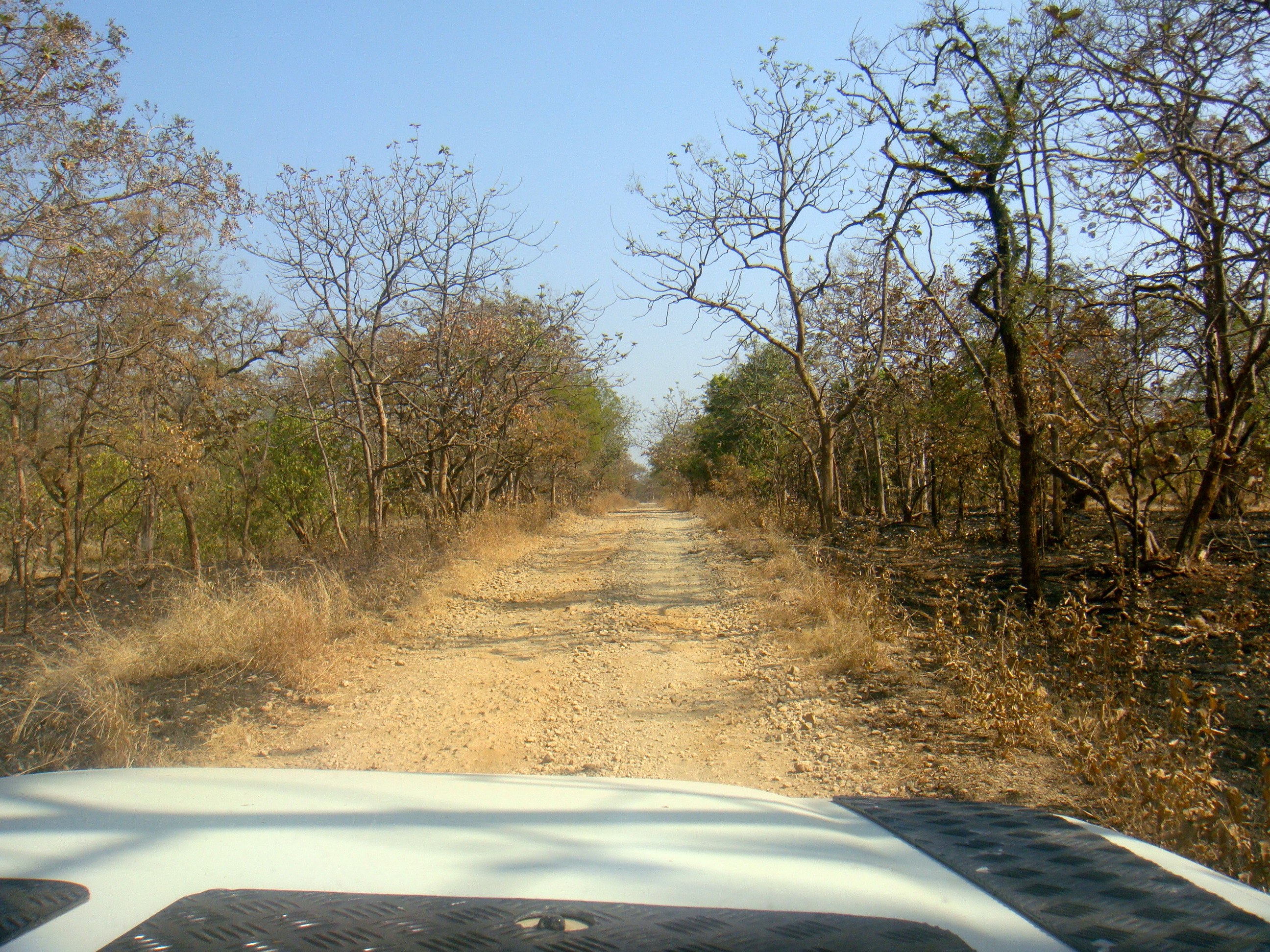
We left Diu heading for Palitana but it wasn’t long before we realised we weren’t heading for Palitana at all. The only easy way to get back on track was to get a pass and drive through the Sasan Gir park, so that was it – two safaris in two days. This was the view through our windscreen for most of the morning:

DSC02538

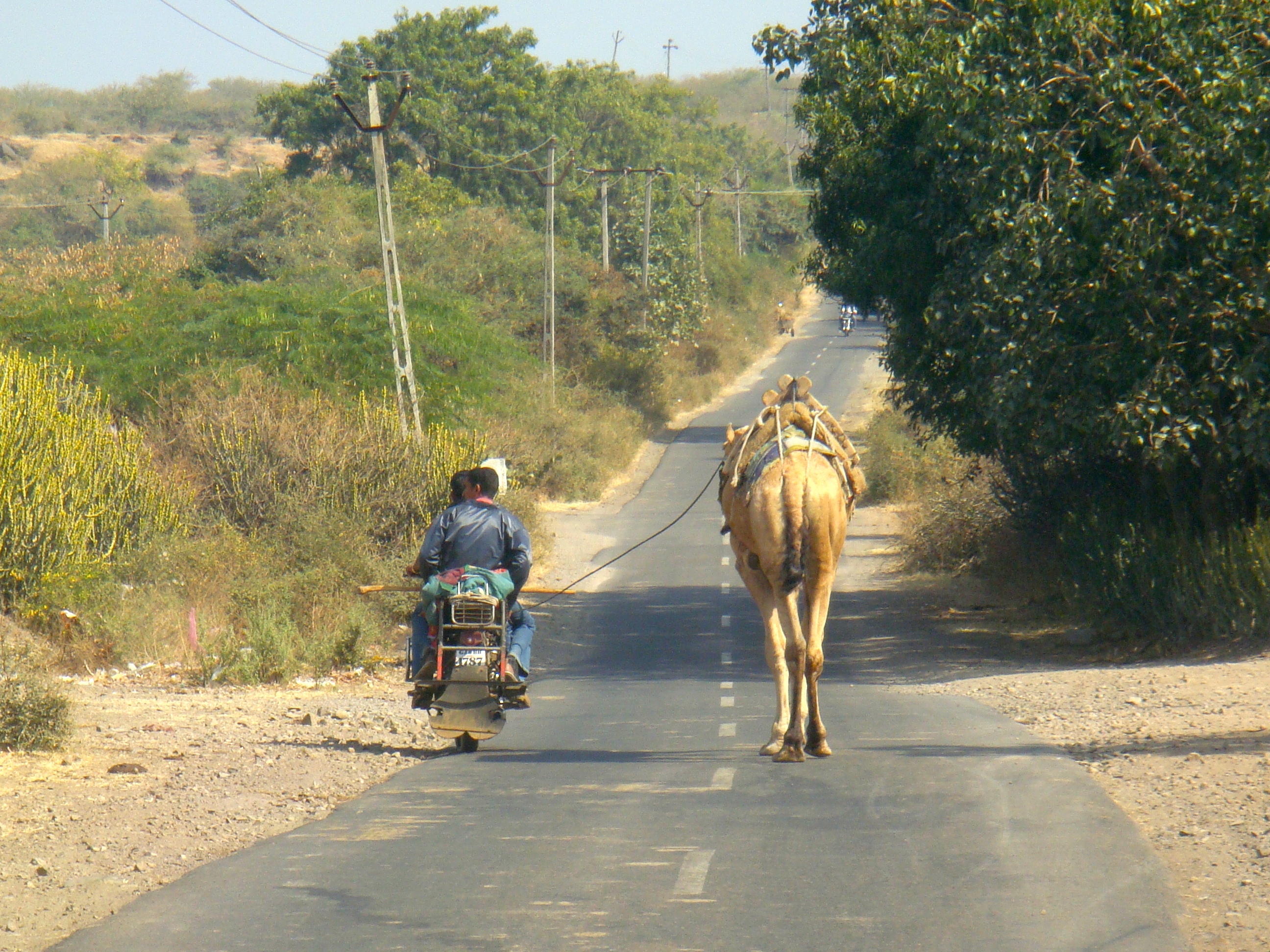
We didn’t see any lions but just after we left the park we did see a camel being taken for a walk:

DSC02545

and a very unlucky driver sitting alongside his very unlucky truck:

DSC02547

We saw Palatina long before we reached it:

DSC02548

At first we didn’t realise what it was and turned off the main road down a side track which seemed to be going directly towards the hill. After a few minutes we came across a settlement and stopped to ask how we could get to the temple. A few games of charades later we came to understand that the temple was at Palitana and that we were being invited to stay for chai – result!

I went on a five minute tour of the village with our new host and arrived back to see Leishia surrounded by curious villagers:

DSC02553

Then came the inevitable photo-calls:

DSC02556DSC02558DSC02559DSC02561

We had some very tasty chai and then we were on our way amazed, once again, at the hospitality of rural India.

Just along the road were more super sights:

DSC02570 DSC02566 NellieDSC02569 Sweet smileDSC02568 Jain nunsDSC02571 A common sight across India

We soon arrived at Palitana and booked into the only “hotel” in town (back to earth with a bump after the Lake Palace!) ready for an early start the next morning.

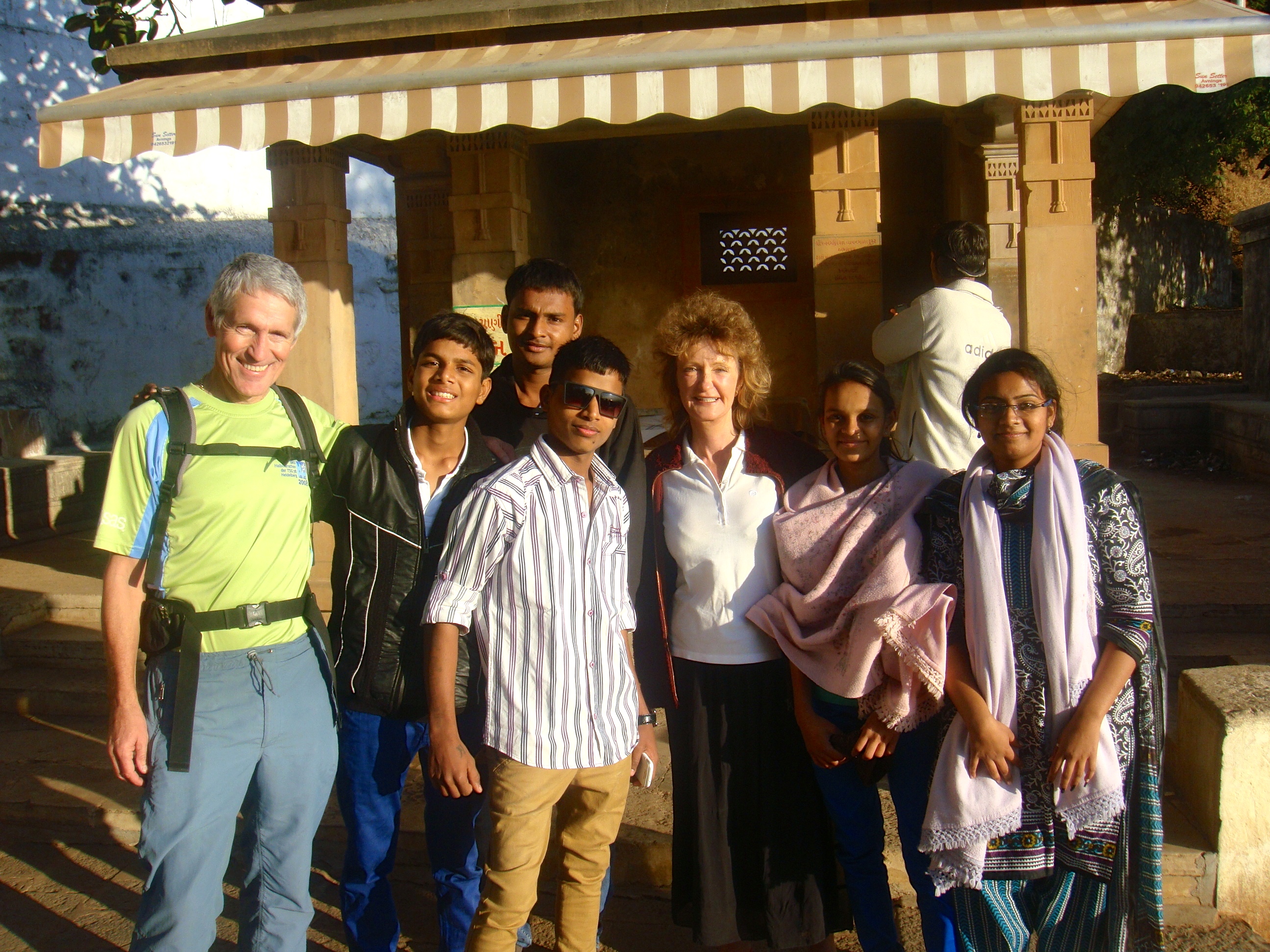
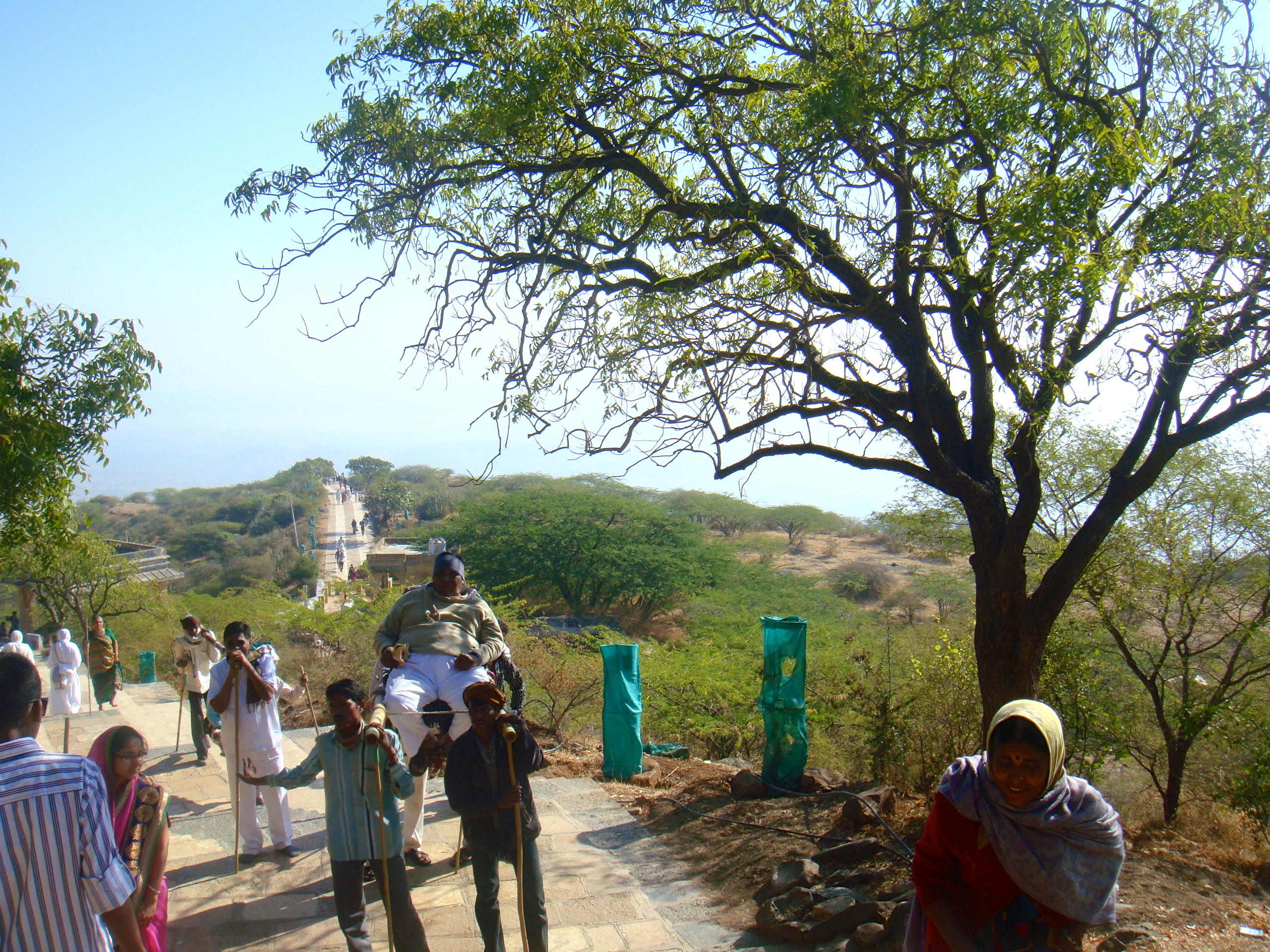
By 7am we were on the route up to the temples. The 3,800 step climb was fun mainly because we seemed to adopt the children of a family who were also on the way up the hill, here they are:

DSC02593

They were great kids and stayed with us the whole morning which proved to be very helpful in deciphering the practices and symbology of Jainism.

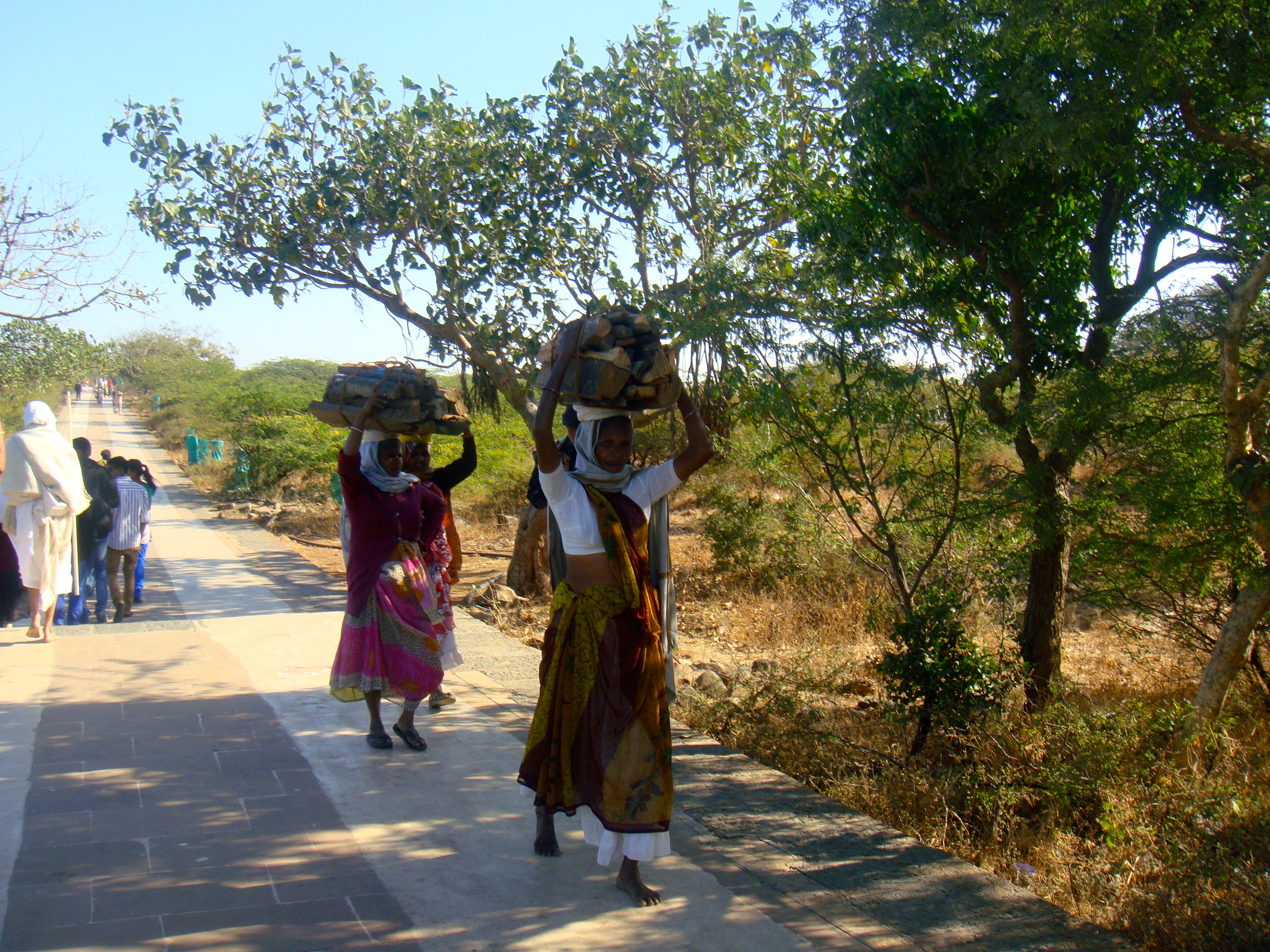
Everything is carried up the hill:

DSC02614

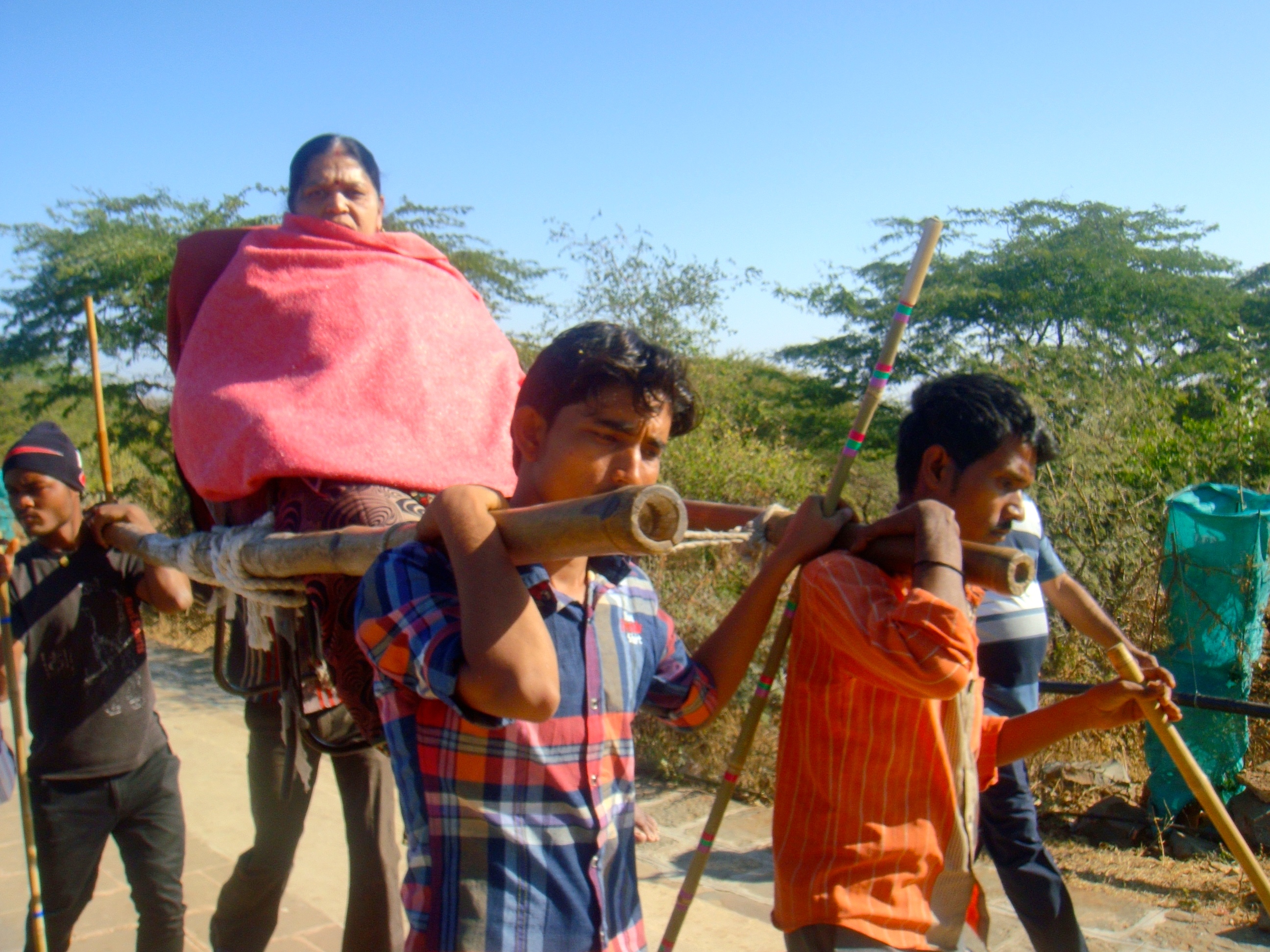
Including several of the pilgrims:

DSC02616DSC02617

So what’s Jainism? Jainism is an ancient Indian religion far older than, for example,  Christianity. Jainism has been in decline for over 1,000 years mainly due to the rise of Hinduism and Islam. It has several core precepts including non-violence, spiritual independence and equality between all forms of life.

The latter was vividly demonstrated on the ascent; someone had taken the time to place a circle of rocks on the path to mark out an ants nest because a Jain would not want to accidentally step on an ant:

DSC02619

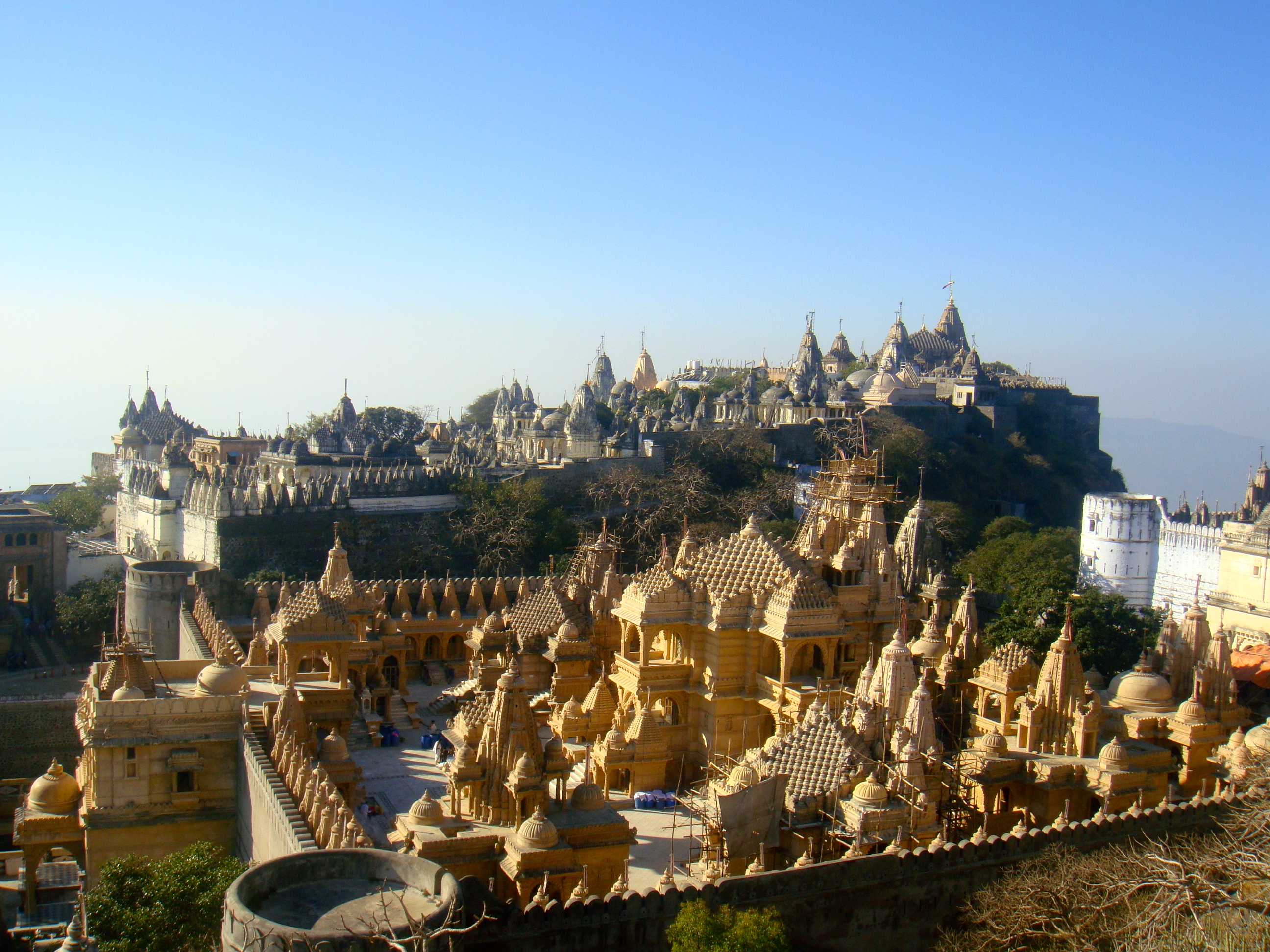
The climb was more than worthwhile, this is a shot of just a few of the 900 temples on the summit:

DSC02608

No more shots – photography was strictly forbidden.

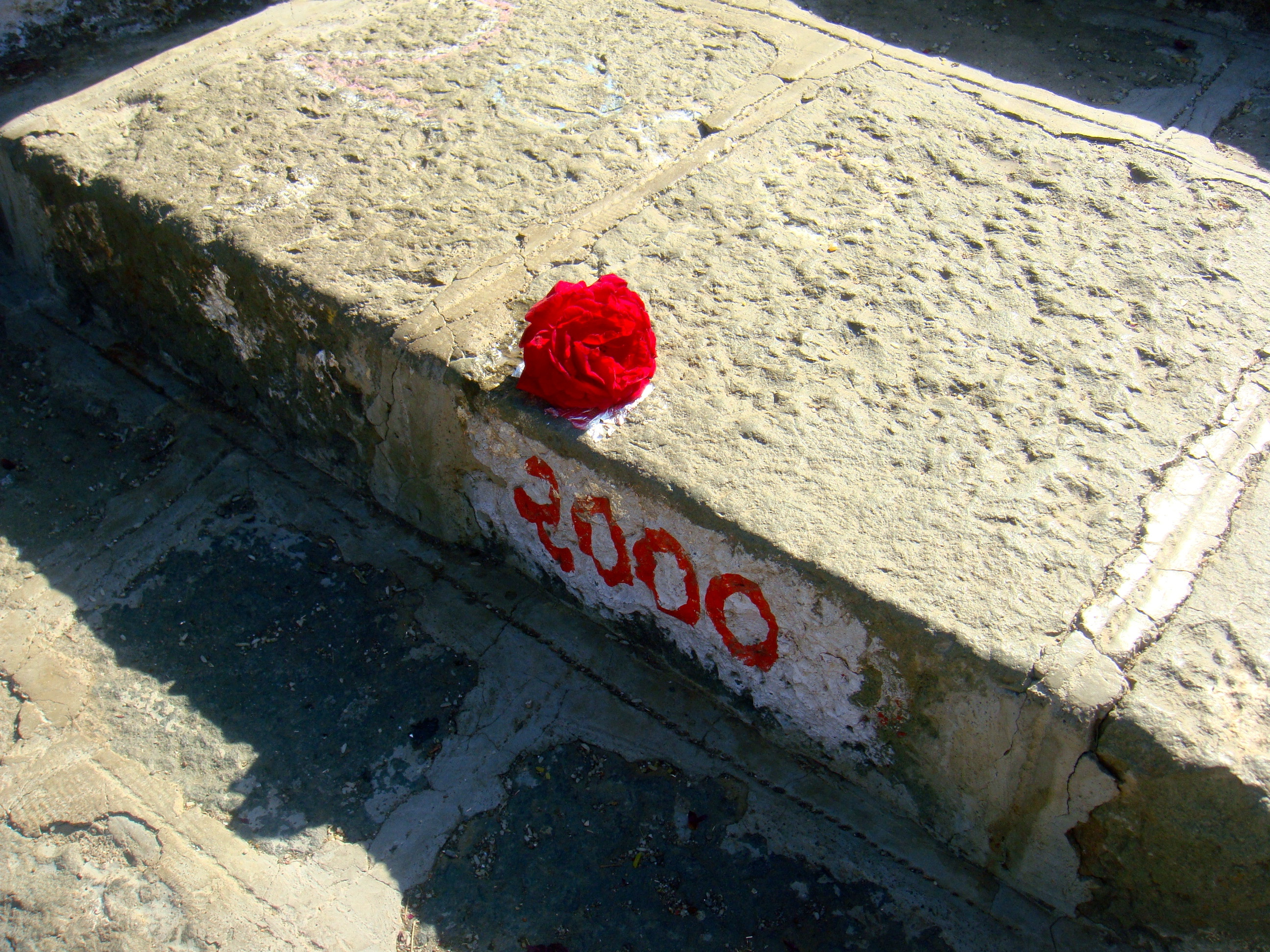
As we were coming back down the hill the daily procession was making it’s way up placing a rose on every step:

DSC02622

The most interesting feature of the descent was the Jain nuns who descend at an amazing pace. I ran alongside one, she turned and said “Come with me but no touch” (apparently no man must ever touch a Jain nun). Anyway I ran down with her for a short stretch – she could run, and she was in full regalia!

Once we reached the bottom volunteers washed each pilgrim’s right foot with milk and water and gave us a bindi (the little dot on the forehead) and two rupees. They also gave us a meal voucher and we went off to the canteen for some Jain food.

A great day exploring a fascinating and ancient religion.

Veraval and Diu

Our plan was to drive from Sasan Gir to Diu via the fishing port of Veraval and for a change that’s exactly what we did!

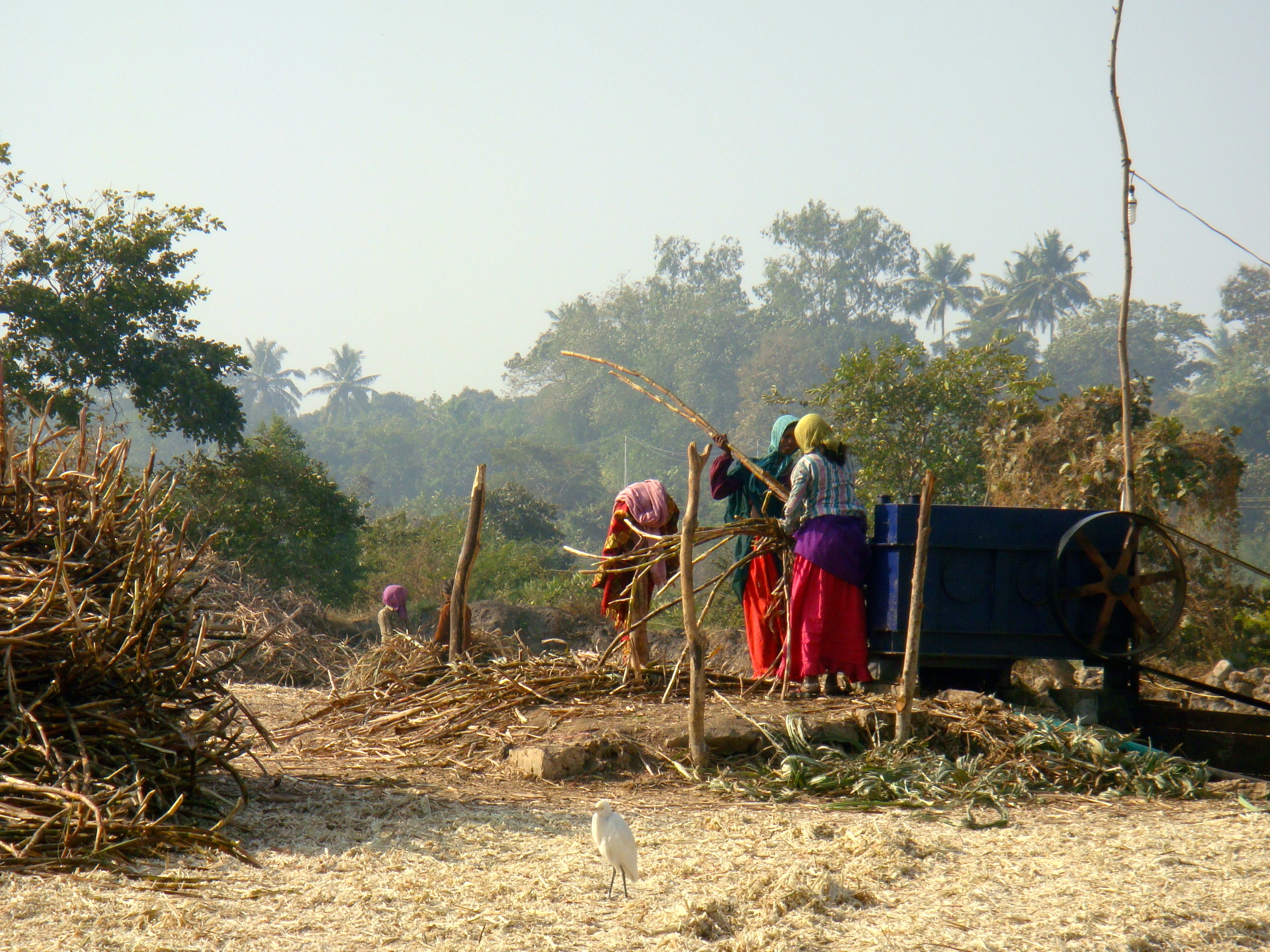
The fields in Gujarat are always full of people and this drive was no exception:

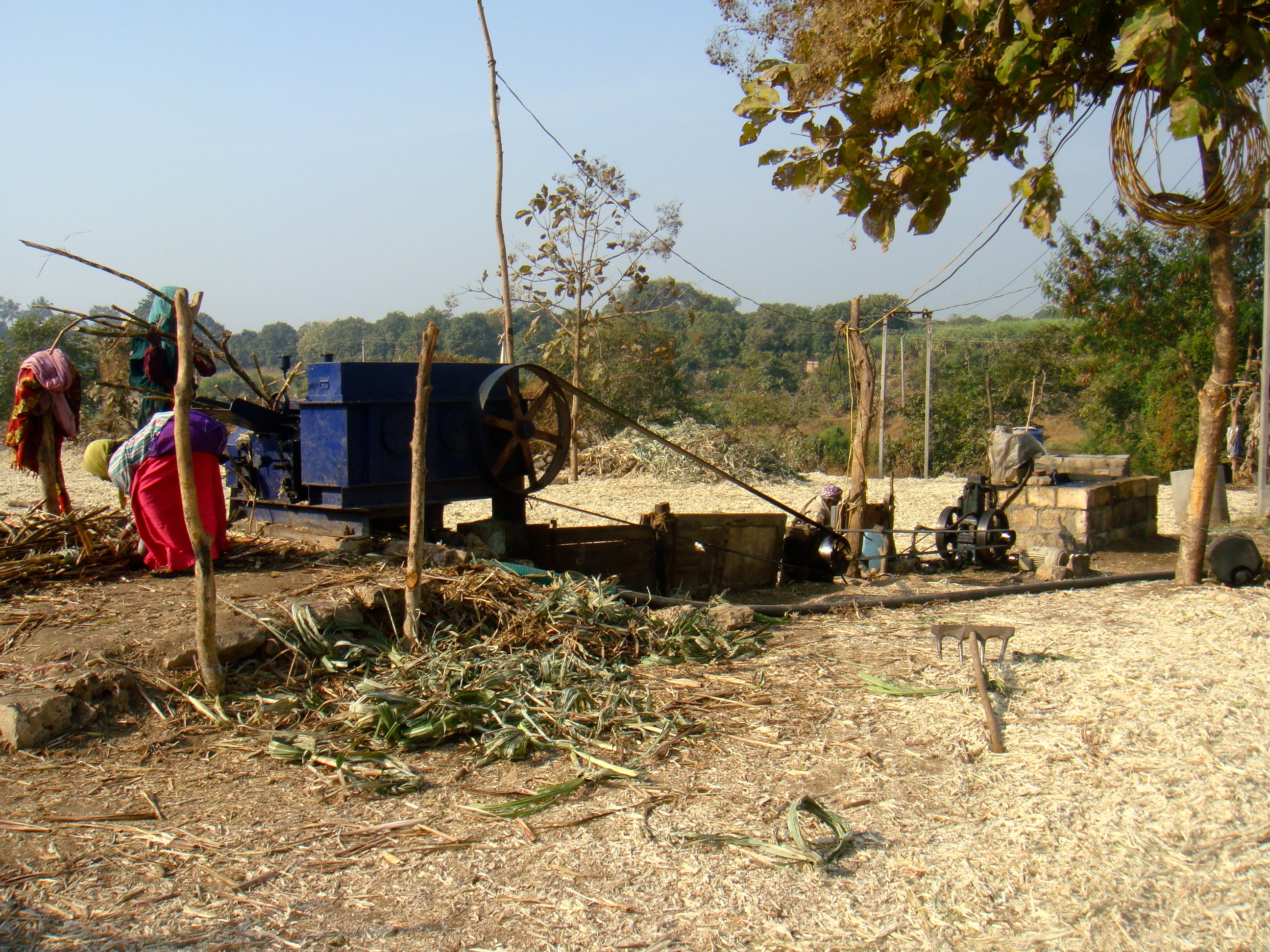
DSC02456 Girls feeding sugarcane into a stripper

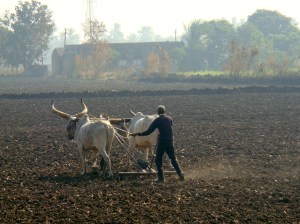
DSC02458The stripping machine, open belts, ancient engine, external water tank. After the cane is stripped they leave the bark lying in the fields to dry.DSC02460 Oxen working

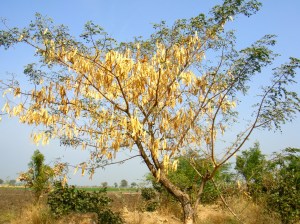
DSC02486 A beautiful tree covered in seed pods
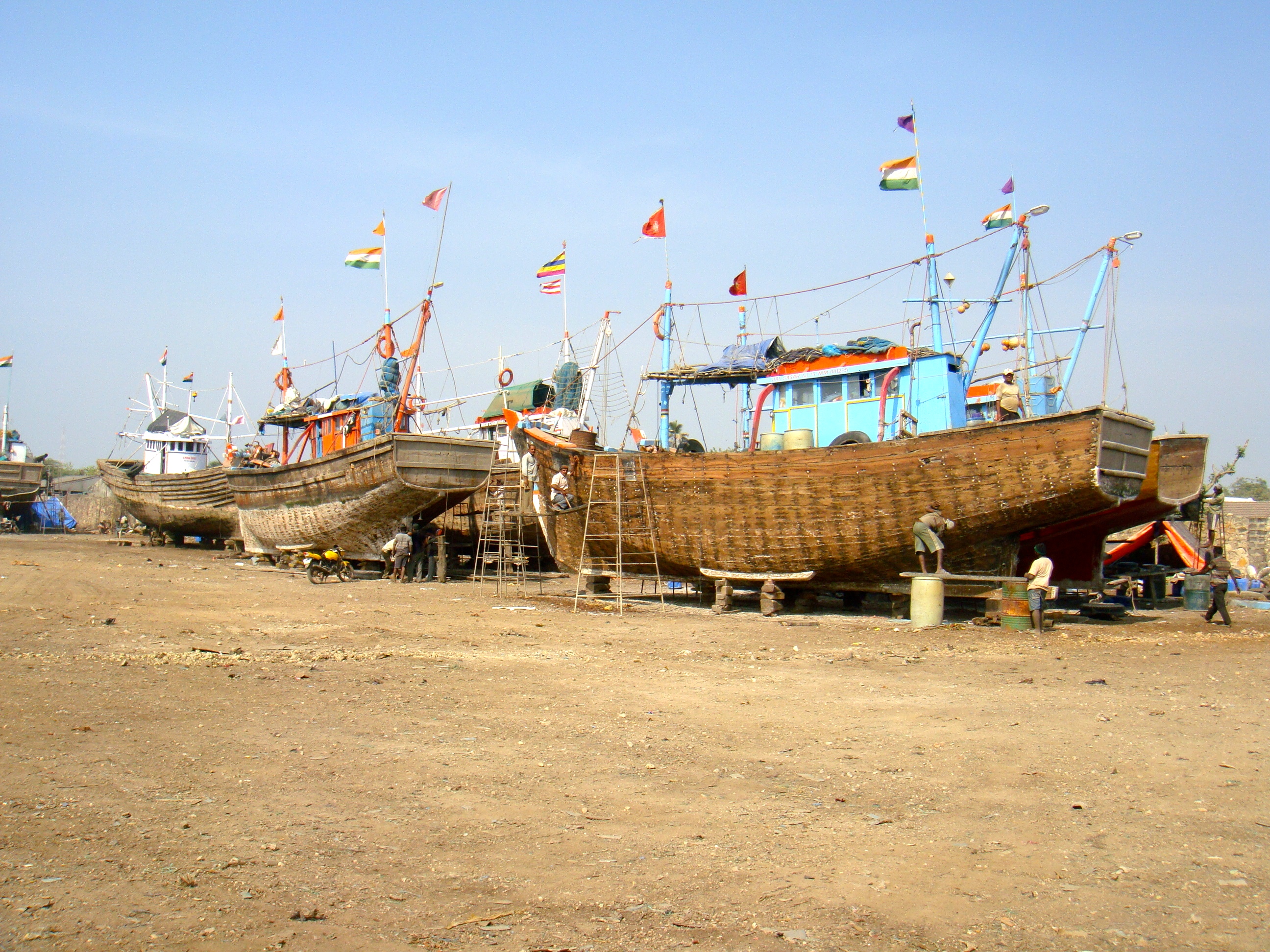
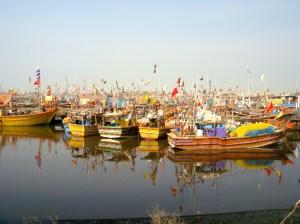
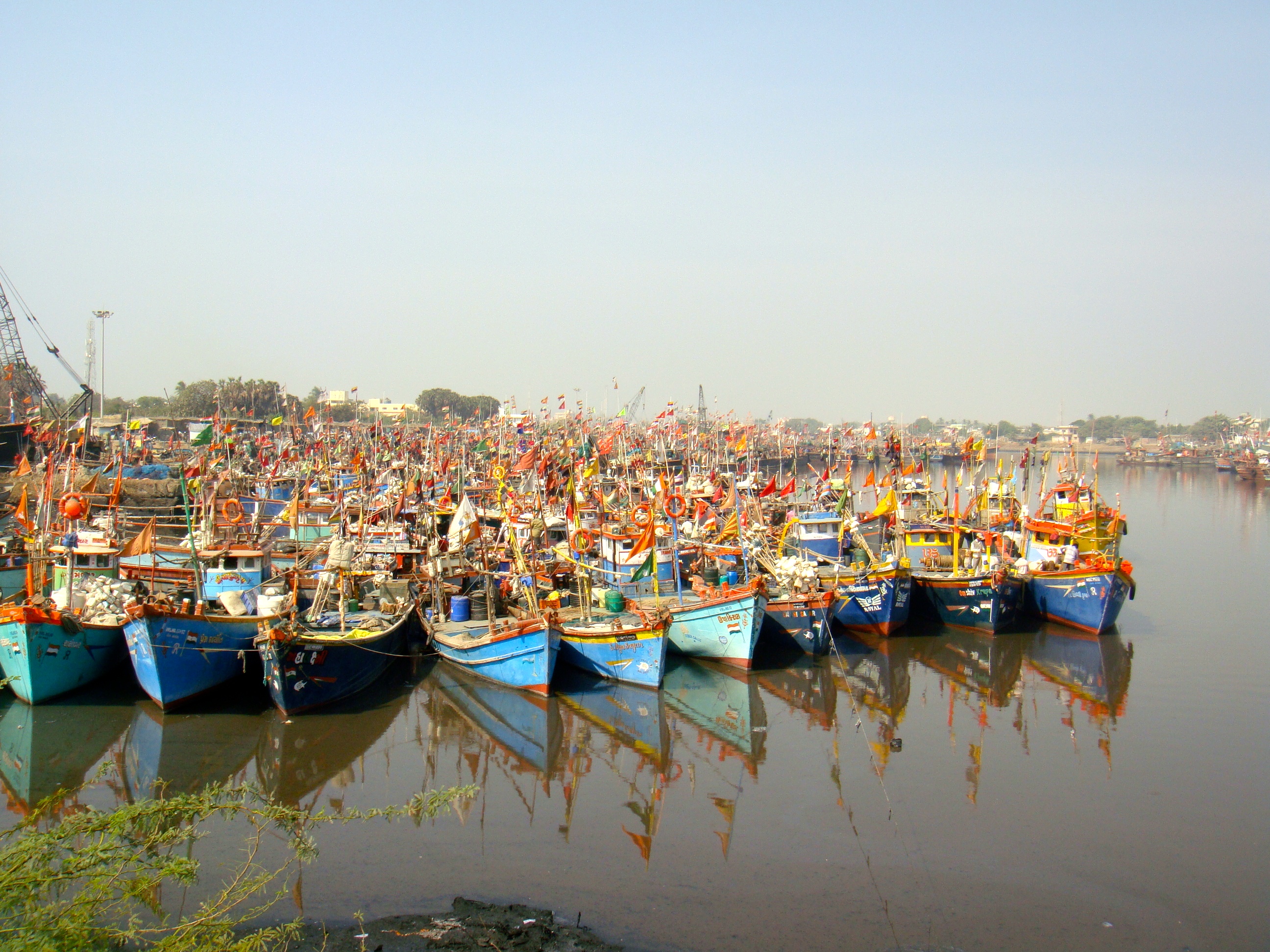
The drive to Veraval was short and when we arrived we were surprised by the size of the port. A local told us there are 7,000 fishing boats in Veraval, he also said it is the largest fishing port in Asia. I’m not sure if that is correct but there certainly were a lot of boats:

DSC02480DSC02483

DSC02472 Boats being refurbishedDSC02465 More boats!

In the port area we met up with Mushtaq who ran a fish packing and export business;

DSC02478

He took me to an auction of a catch of ribbon fish which interestingly was destined for export to China:

DSC02474 

That was enough smelly fish for one day so we made our way to Diu.

Diu is an old Portuguese port with ……. a fort! The fort was our first destination and was well worth the visit with lots of architectural features:

DSC02492

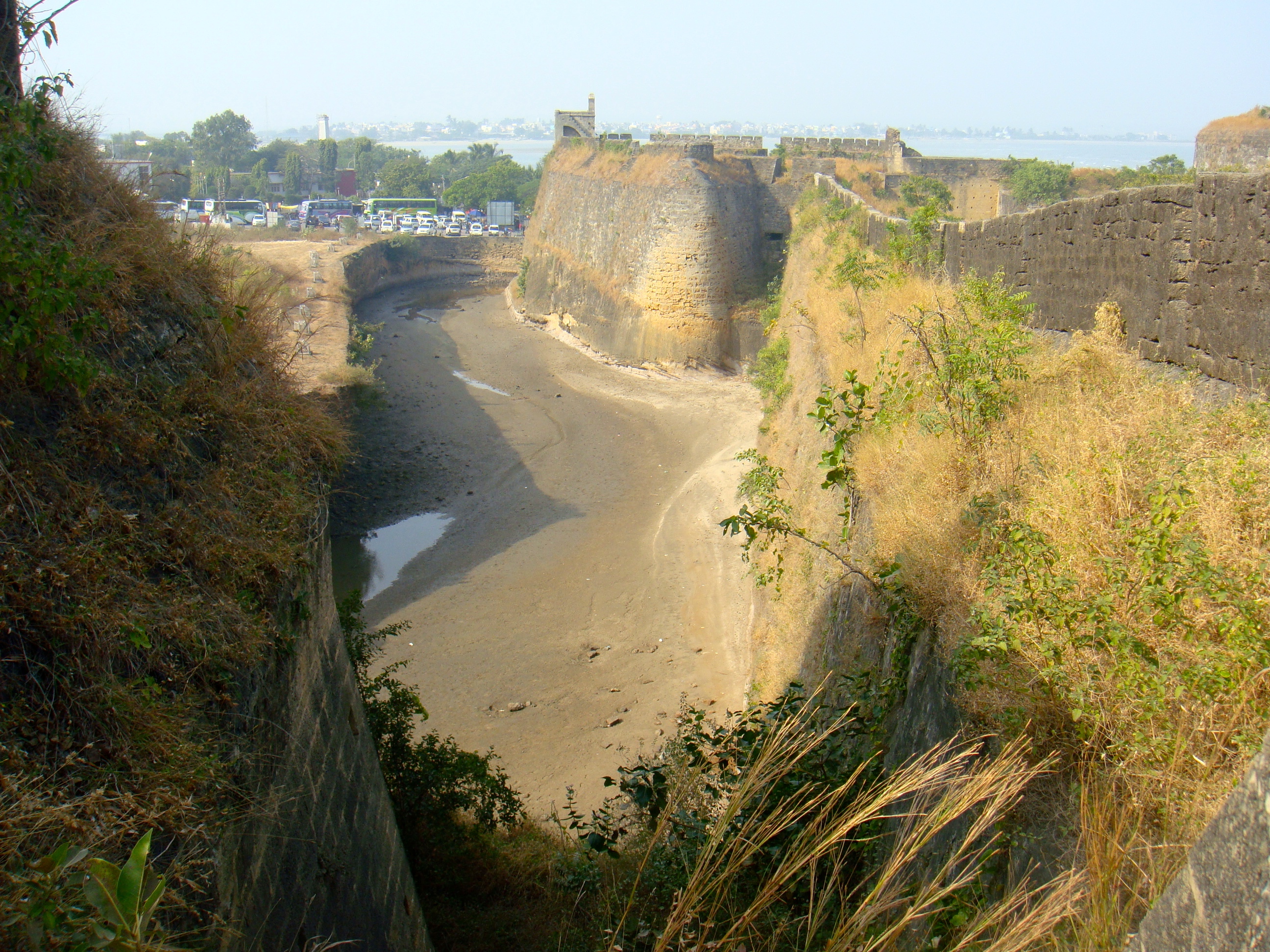
Probably the most interesting thing about the fort is that it has two moats the outer of which is tidal.

DSC02509 The outer moat

The inner moat (now dry)  DSC02508

This shot shows both moats, the inner moat in the foreground and the outer moat just beyond the castellations (and if you look really hard you can see Elsie in the background!):

DSC02504 

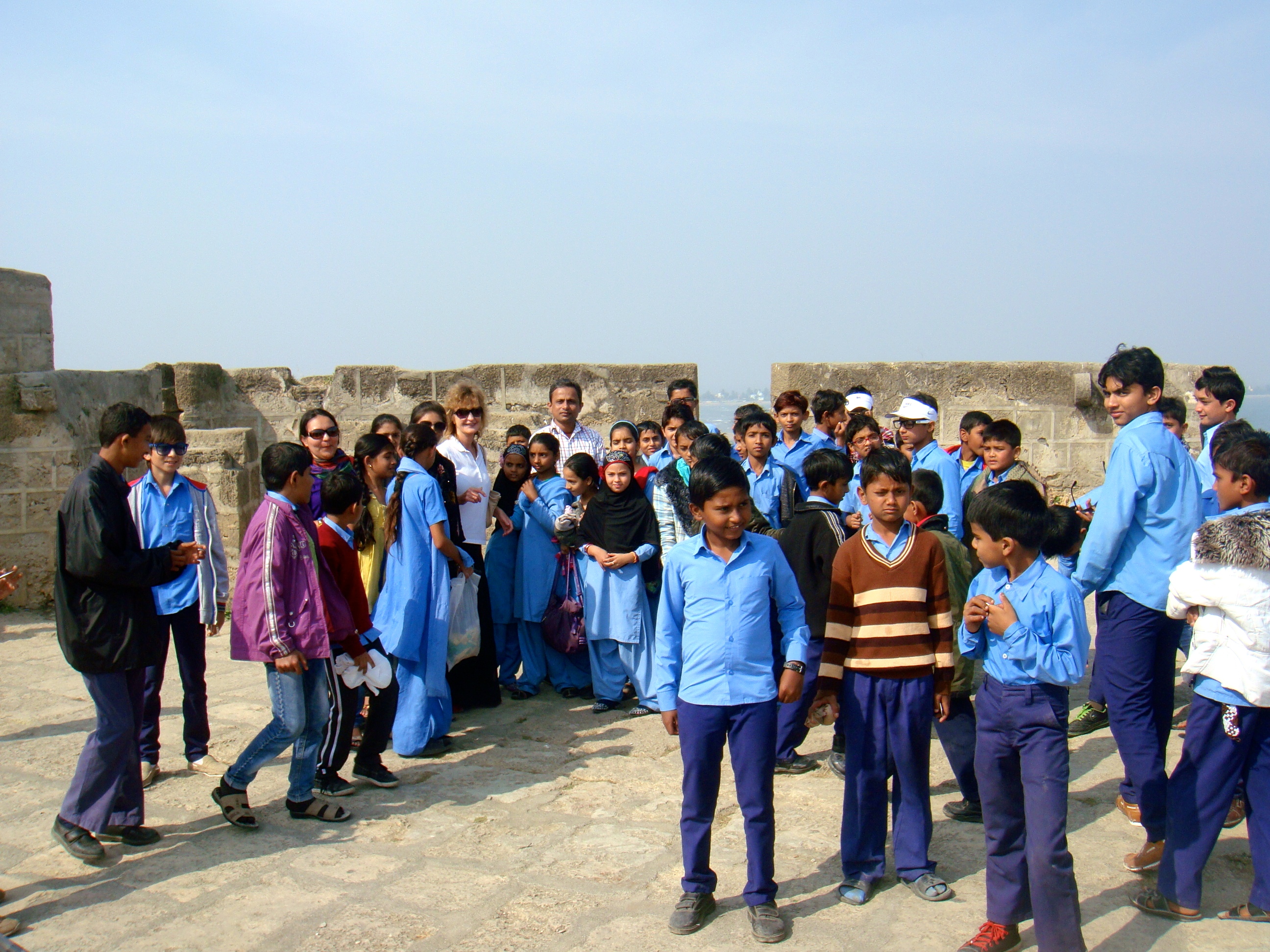
Once again we seemed to be the main attraction, here’s Leishia being mobbed by a school party:

DSC02489

and both of us in a photocall with the teachers:

DSC02491

The next day we went exploring Nagoa beach near our hotel. There was a large workforce building a new track along the beach and we came across three of them having lunch which they kindly invited us to share:

DSC02528 Spot the tiffin boxes.

The two girls were sporting some serious tattoos:

DSC02526

DSC02525

DSC02527

Further along the beach was a less than salubrious cafe but we stopped for a beer anyway. Fortunately they did at least have a dress code:

DSC02534 No budgie smugglers!

And house rules, we were very comforted by number 11:

DSC02532

We enjoyed a couple of beers and watched the locals drowning themselves in cheap whisky (seems to be the local sport) then it was off to sleep!

Next stop – Palitana.

Junagadh to Sasan Gir

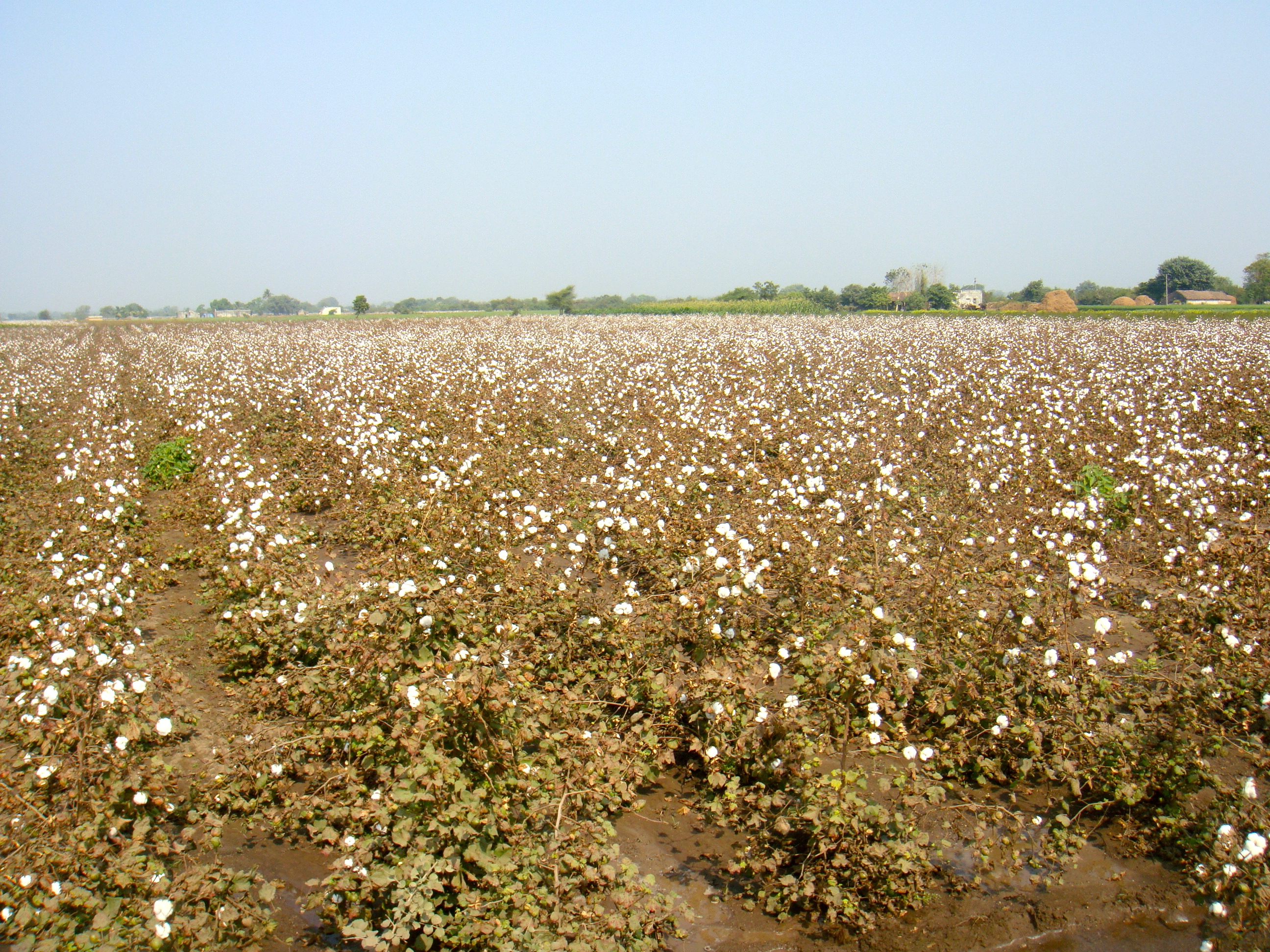
We left early and drove through some very fertile landscapes, biggest surprise was this crop which Leishia correctly identified as cotton:

DSC02372

A closer look:

DSC02374

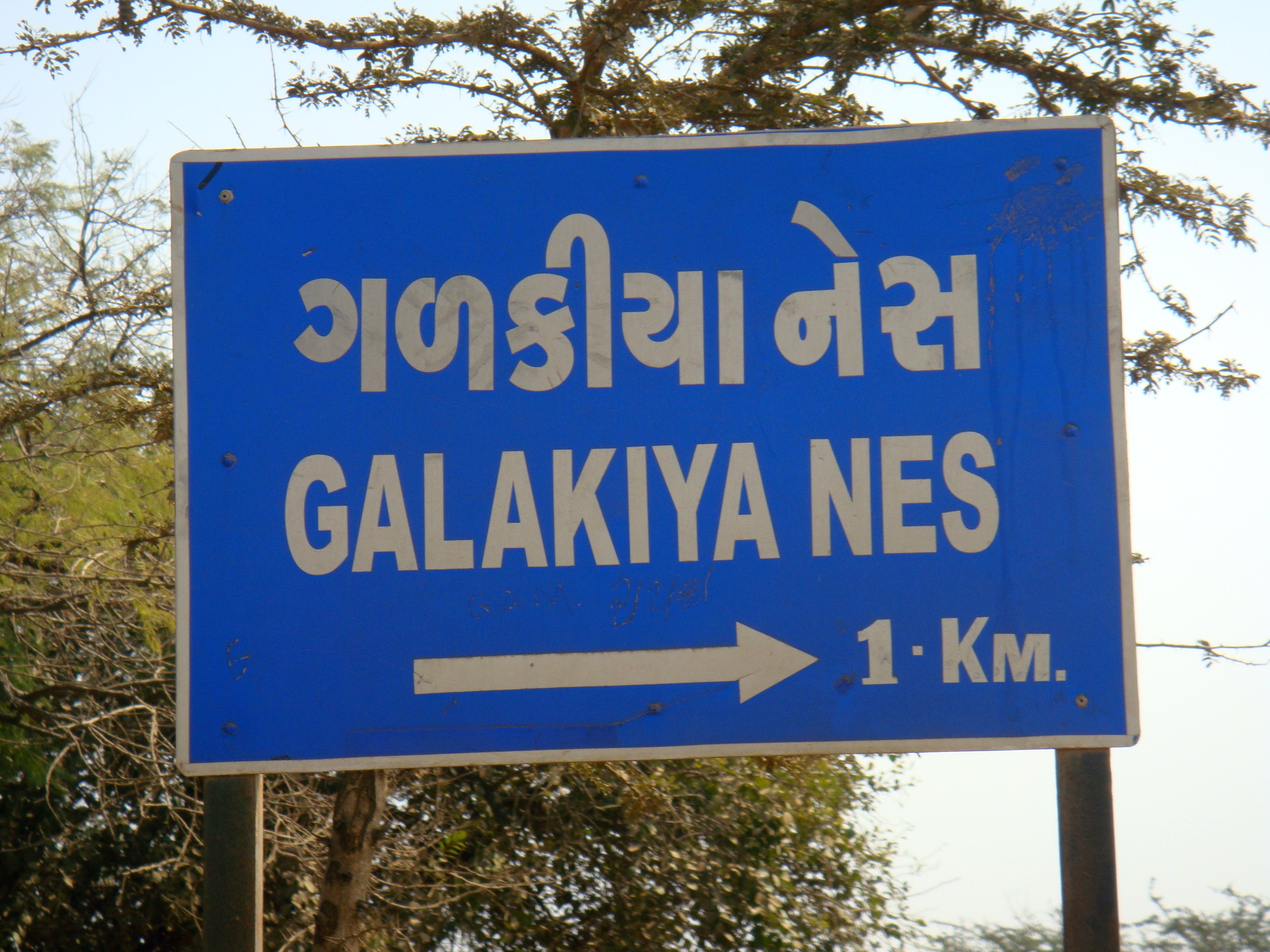
We were making great time when, just a few kms before Sasan Gir, we saw this sign by a dusty side track and couldn’t resist:

DSC02403

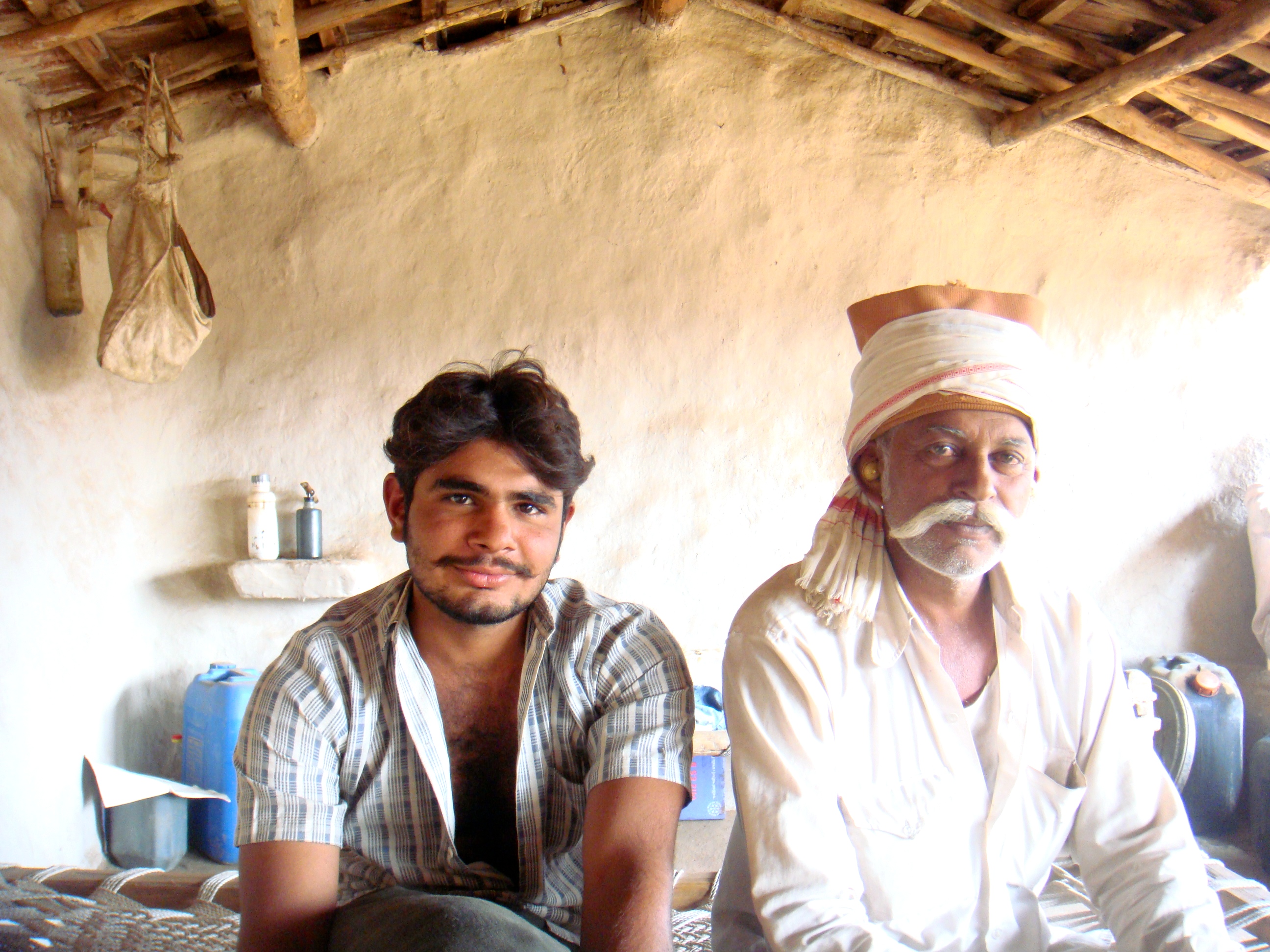
We turned down the track and after a couple of hundred metres came upon a man carrying a 25 litre petrol can. We stopped and gave him a lift to the village. Here he is (on the right) with his son:

DSC02391

The village was small, just a few families, great little houses:

DSC02387 Grain drying.

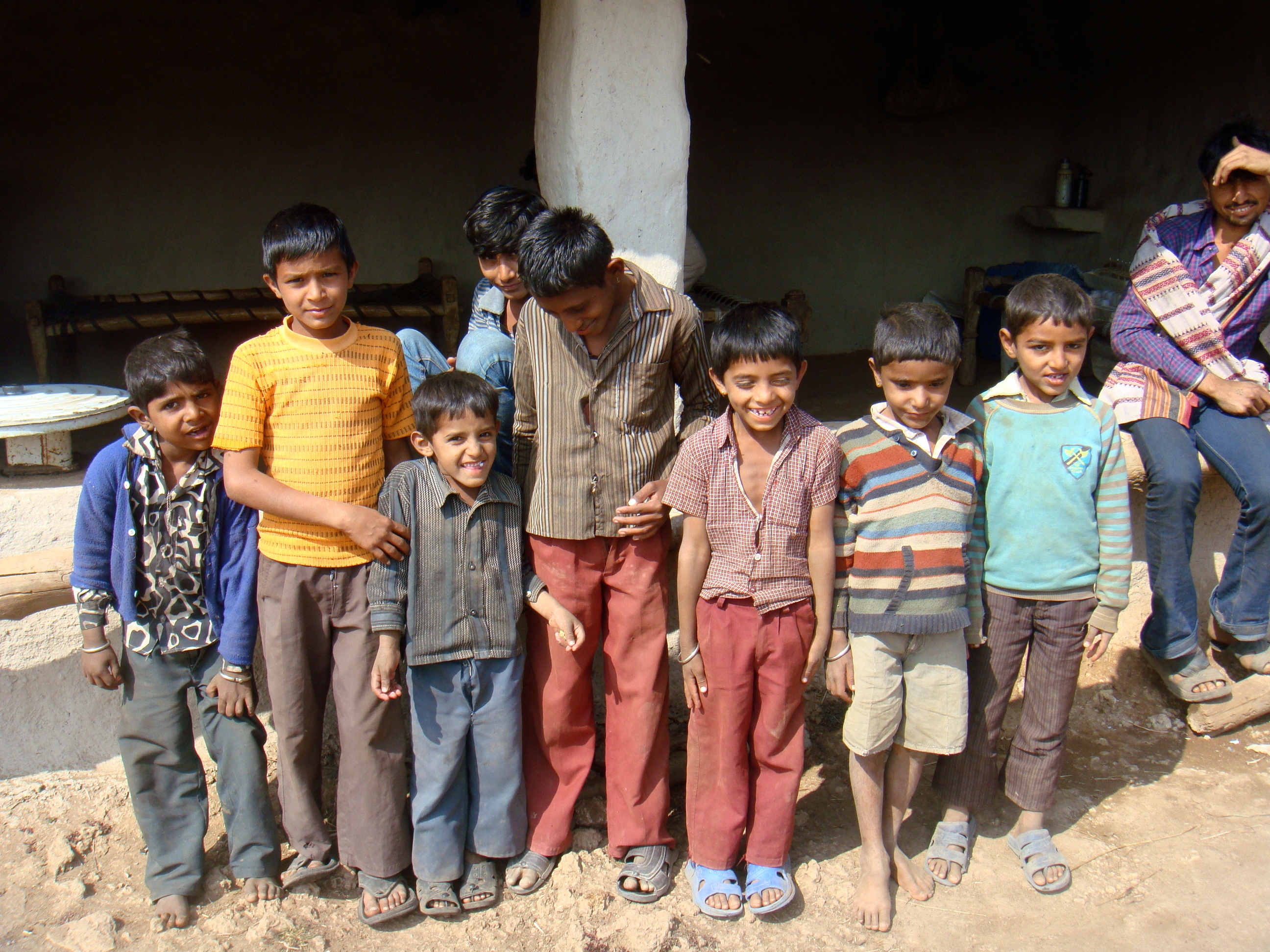
The local children all gathered around so we gave them a polo mint each and had friends for life! Then the photo calls started:

DSC02392 The village boys

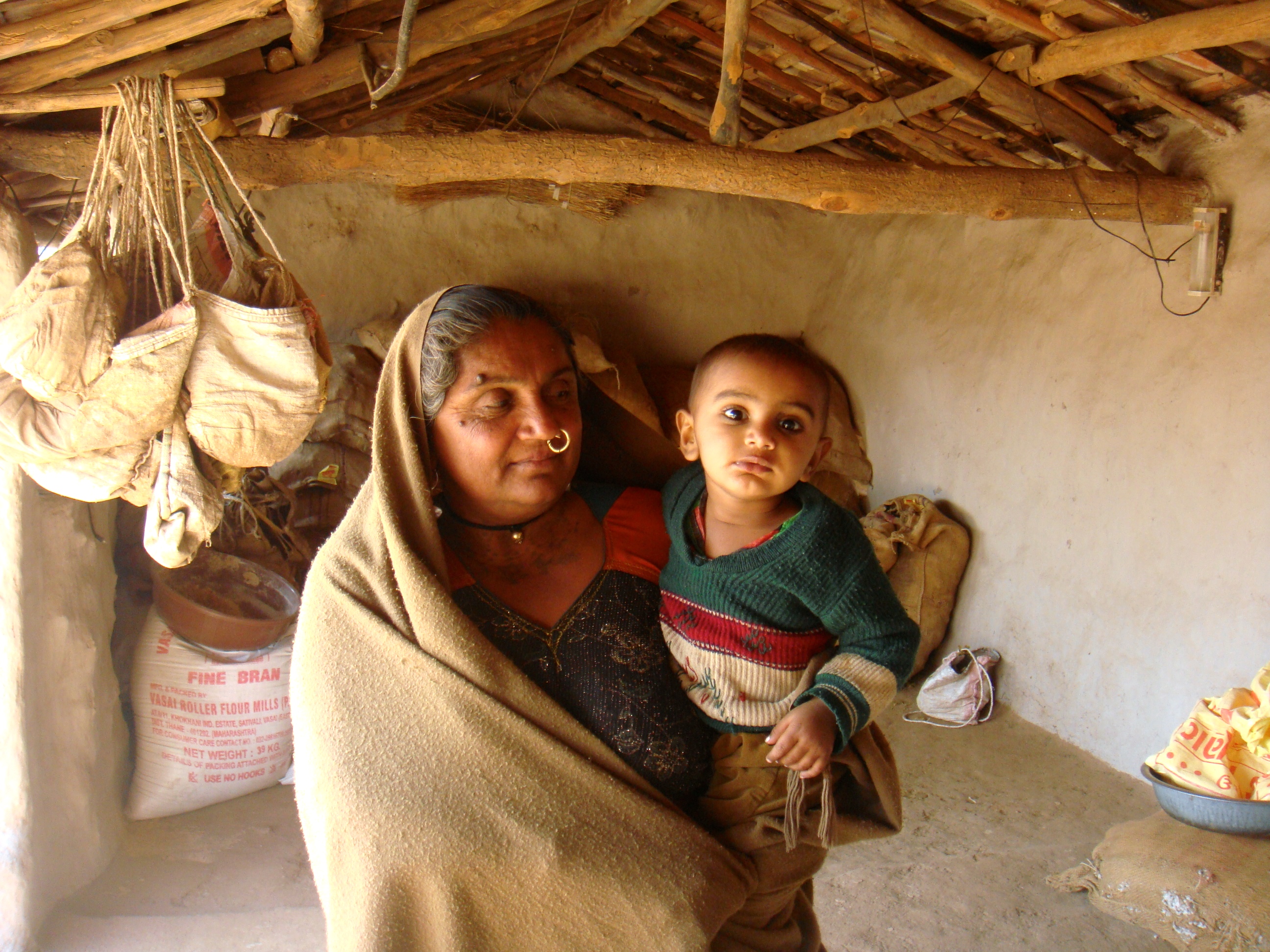
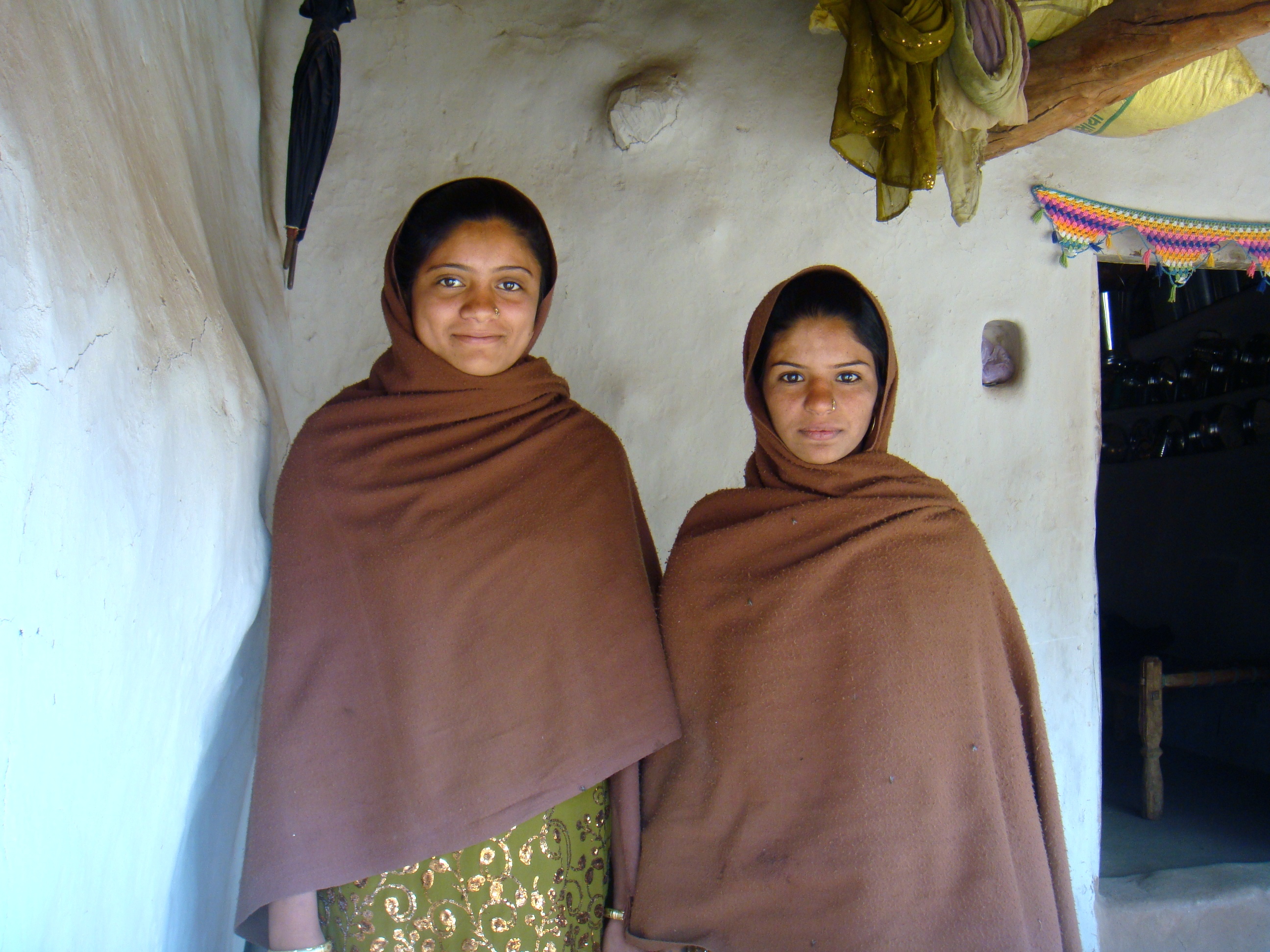
DSC02393 MummyDSC02395 Sisters?

Chai was produced which they poured directly into saucers for us (my Grandad used to do the same thing!) and the whole village then sat and watched us as we drank it 🙂

After a thoroughly enjoyable visit we got up to leave but the boys wanted a photo with Leishia first:

DSC02398

Then a very pretty girl put on her most alluring pose:

DSC02402

and then we were on our way.

We reached Sasan Gir in good time and found a super hotel. Unfortunately they only had a room for one night so we had lunch and went straight out on a safari.

Sasan Gir is a 1,400 sq. km. sanctuary with a core area which is fully protected. The safari vehicles are not permitted into the fully protected area but fortunately the animals (including the Asiatic lions) come out! We were lucky enough to spot a lot of wildlife:

DSC02440 Lion food, aka Spotted deer.

DSC02444 A peacock facing off a spotted deer
This was fascinating to watch, the peacock was displaying and the deer kept charging at it! Eventually the deer backed off and went on his way.

DSC02411 More lion food.DSC02449 Spot anything?

There’s actually a jackal almost in the centre of the picture. Here he is a little later:

DSC02450DSC02409 Langur monkey, part of a large troop

So having seen the lion food we came across this:

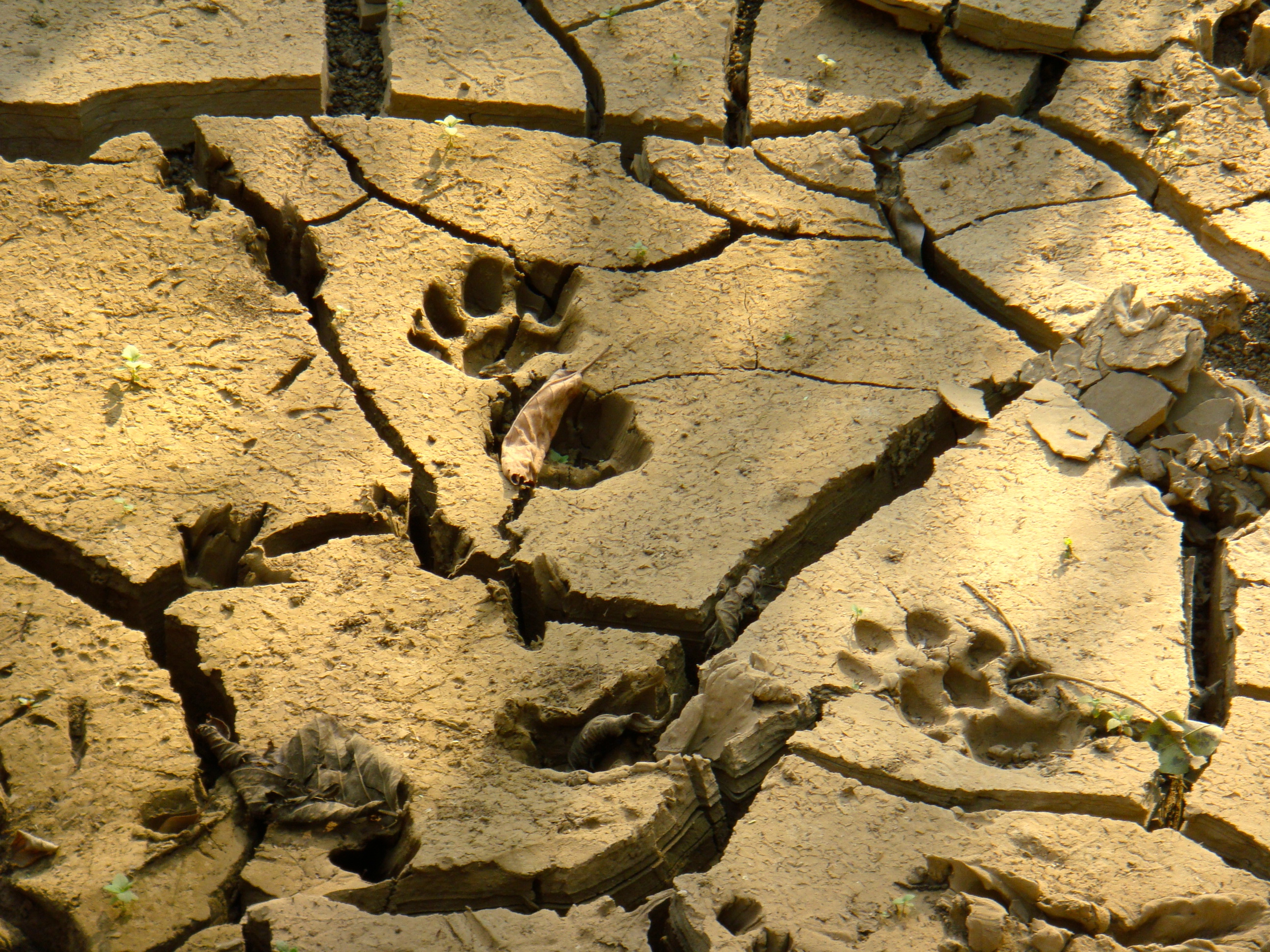
DSC02414 Lion tracks

and, soon after, this:

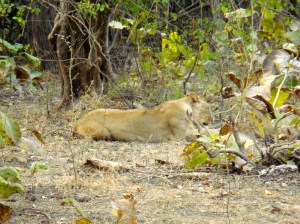
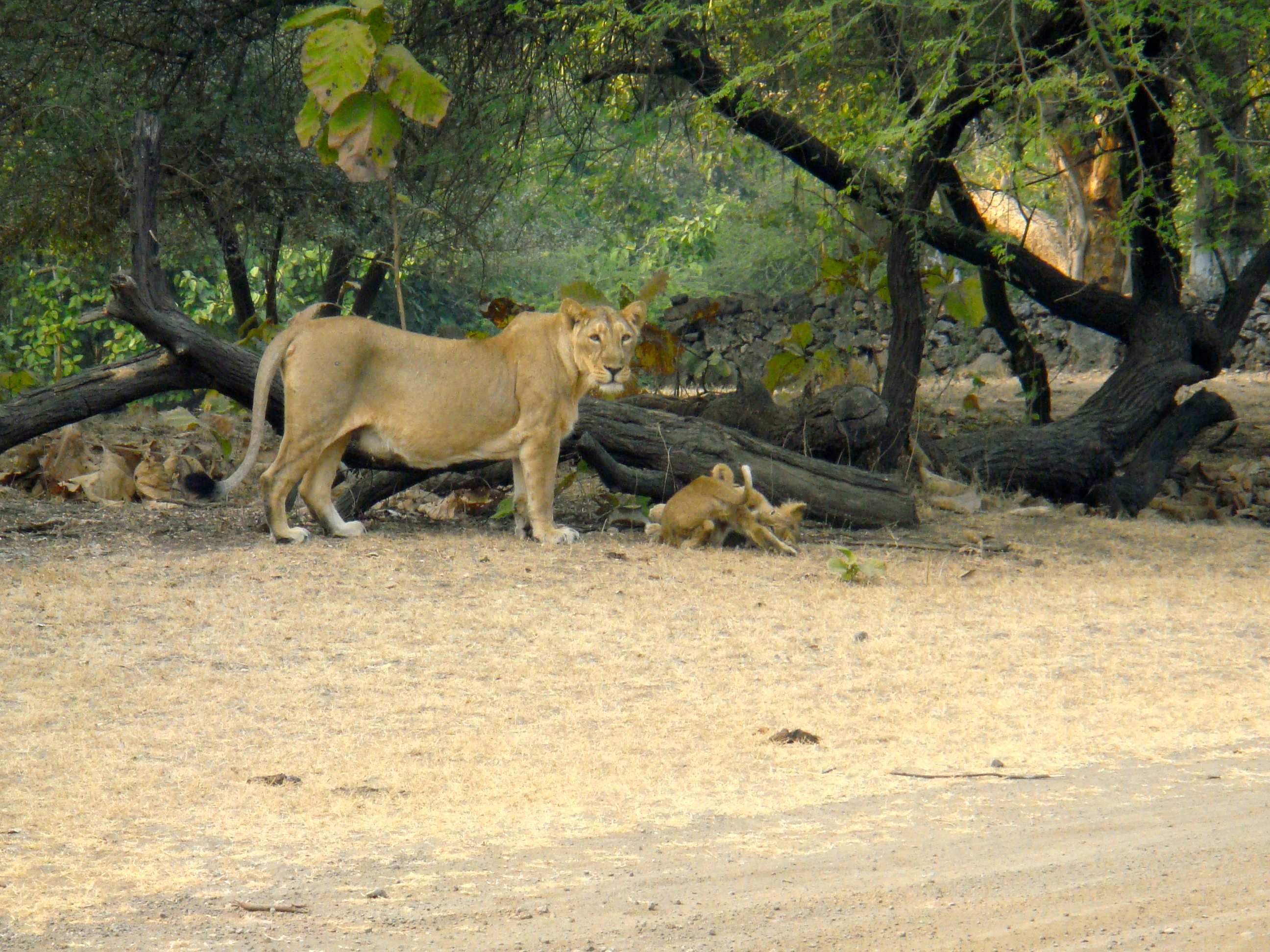
DSC02417 A basking male lion
And within a few minutes:

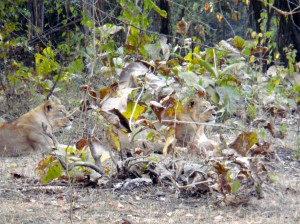
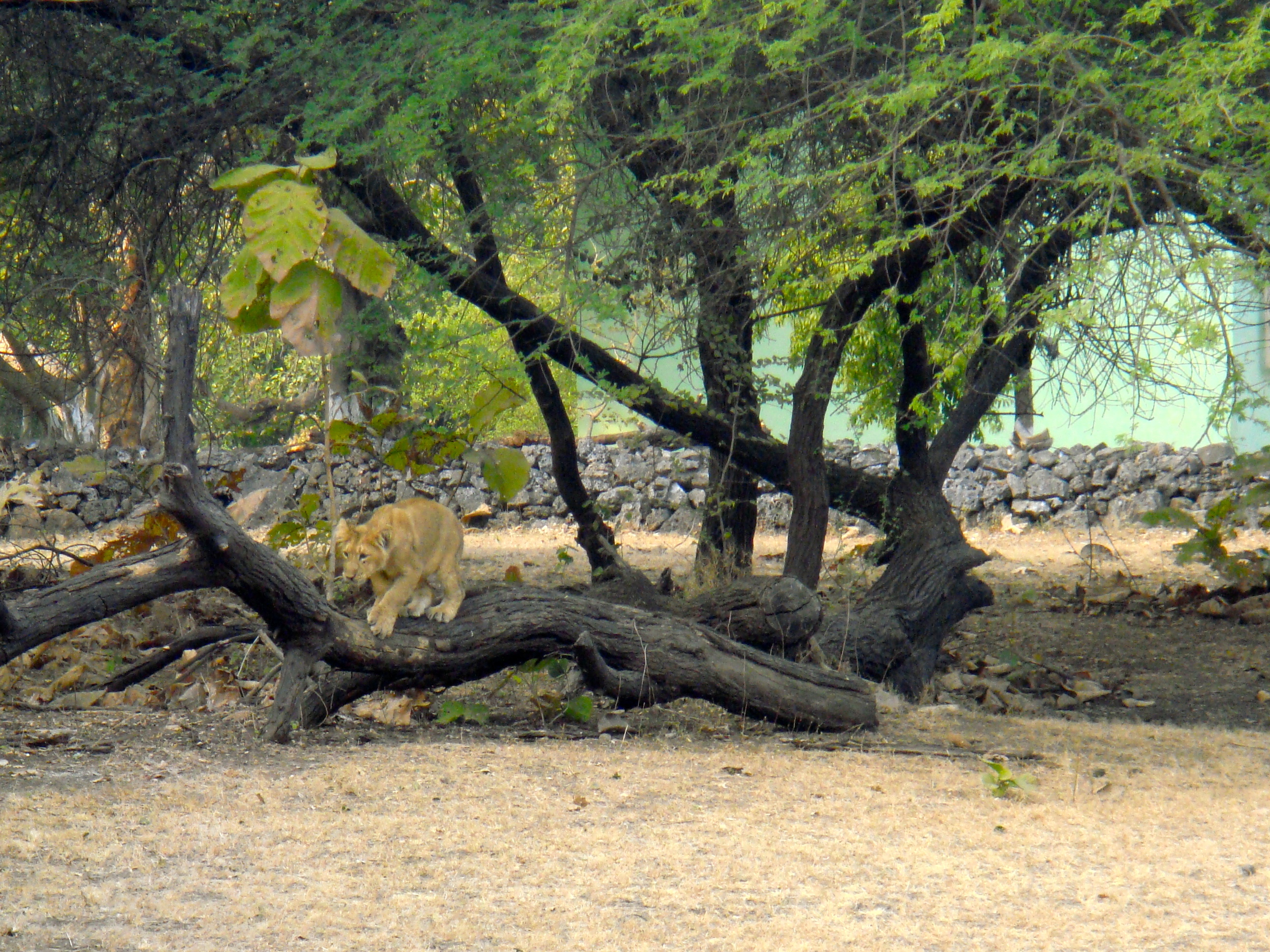
DSC02431 Two femalesDSC02427 Another femaleDSC02434 A young cubDSC02437 A mother with two young

A great end to a great day!

Next stop – Diu on the coast via Veraval.

Udaipur to Junagadh

We left Udaipur wishing we could stay at the Lake Palace a little longer but at the same time we wanted to get back into the real India, plus we had a booking at a heritage palace hotel in Wankaner which we were looking forward to.

Sadly when we arrived we discovered that this particular “Heritage hotel of India” wasn’t a hotel at all and never had been and that our booking had in fact been made at their other “palace”. This was a modern day “bait and switch” (HeritagehotelsofIndia.com). We went and looked at the other palace but it was just a tumbledown place with nothing to commend it – except a very impressive step well:

DSC02269DSC02270

Anyway we decided to give it a miss (Leishia was happy; for her “heritage hotel” translates to “Big, old and cold”!). We drove on to Gondal and looked at another “Big, old and cold” hotel but they wouldn’t give us a discount so they ended up with an empty room and we drove on to Junagadh.

Junagadh is off the tourist radar but is a fantastic place with 2,300 years of history. Junagadh actually means “Old fort” – more on that later! Interestingly Junagadh has strong links to Pakistan and in fact the locals still speak Sindhi.

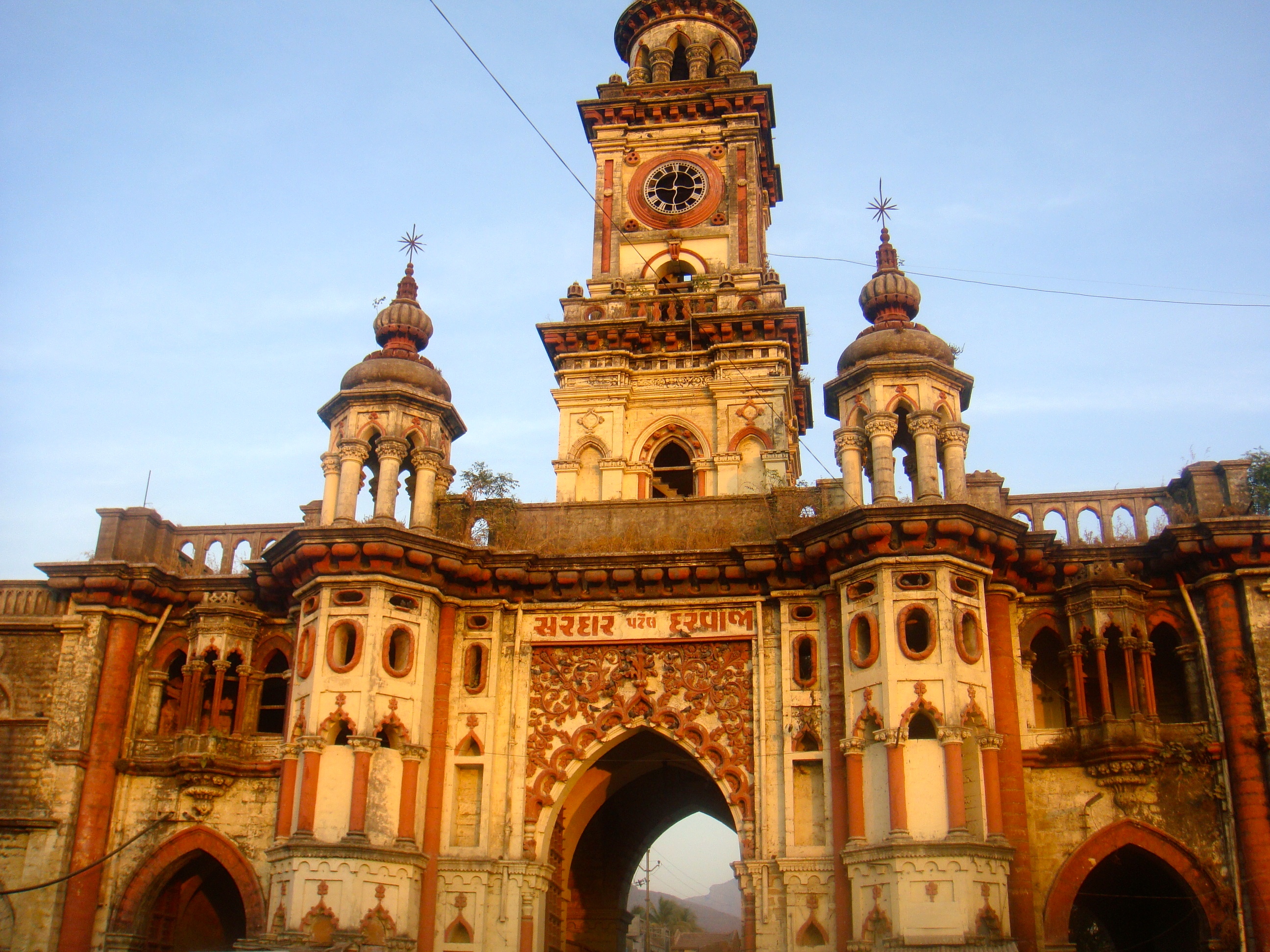
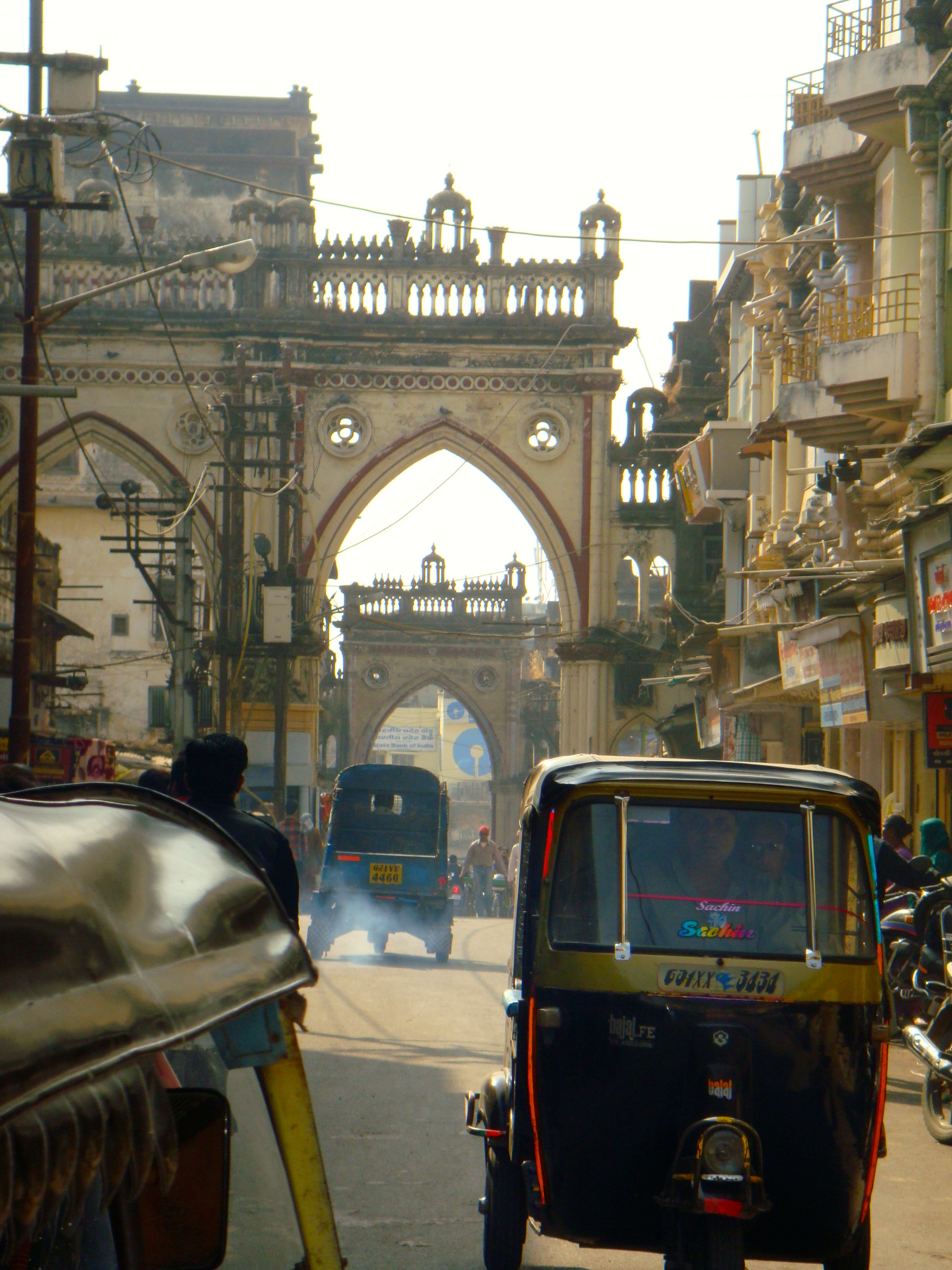
Here is one of the several town gates:

DSC02275

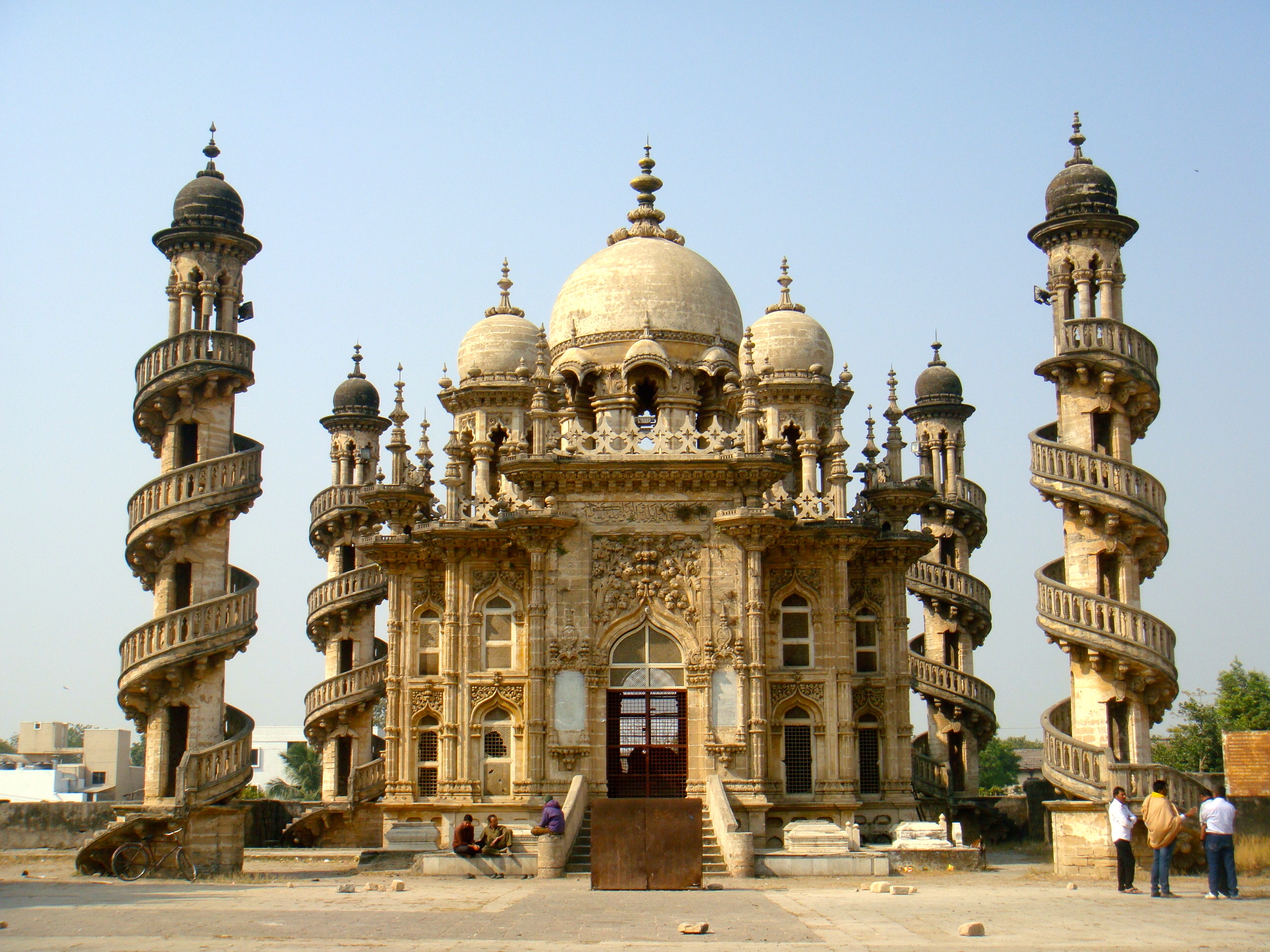
Our hotel was really close to the Mahabat Maqbara, the mausoleum of Nawab Mahabat Khan II who died in 1882 so we went to see it before dinner:

DSC02366

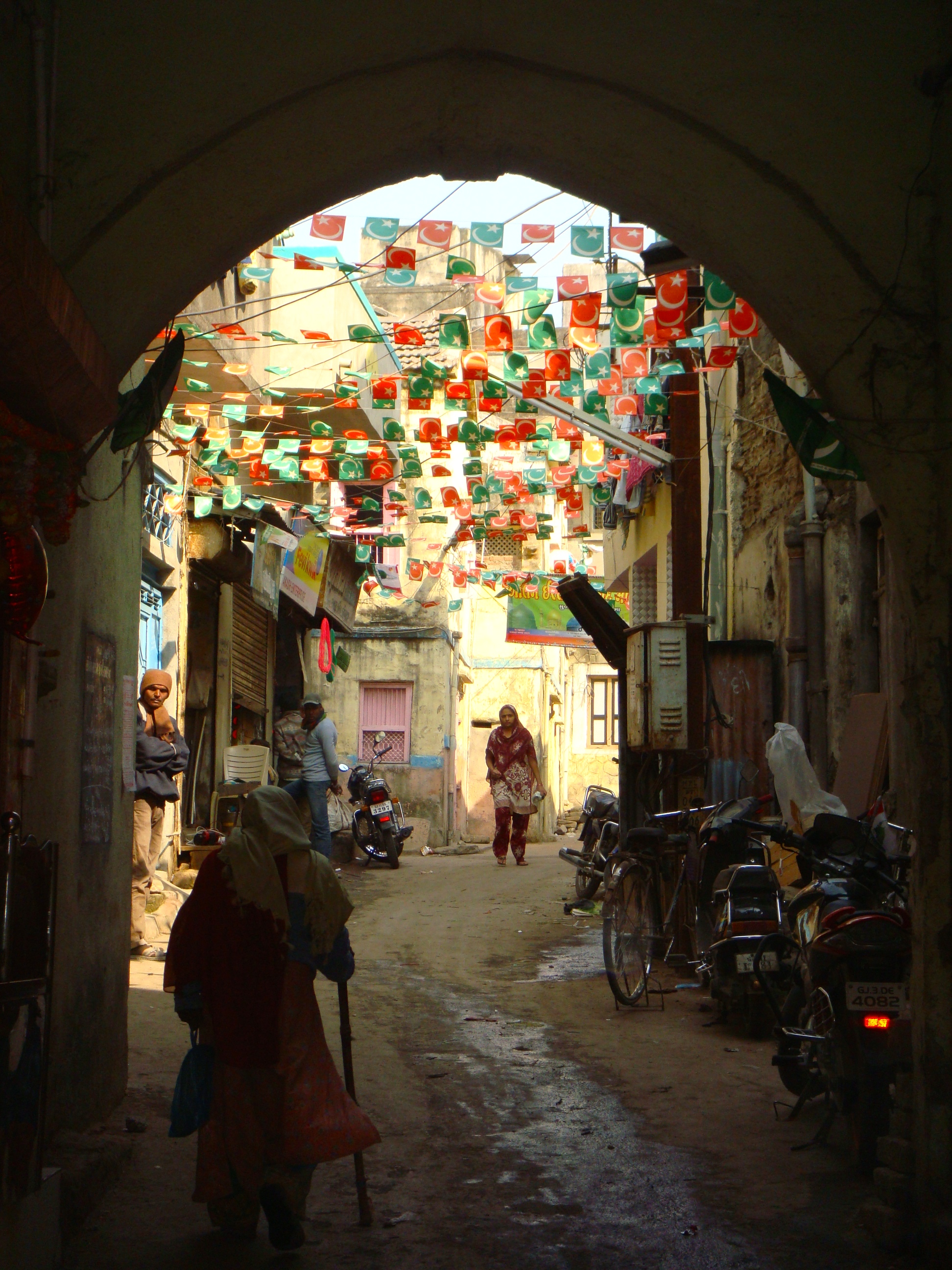
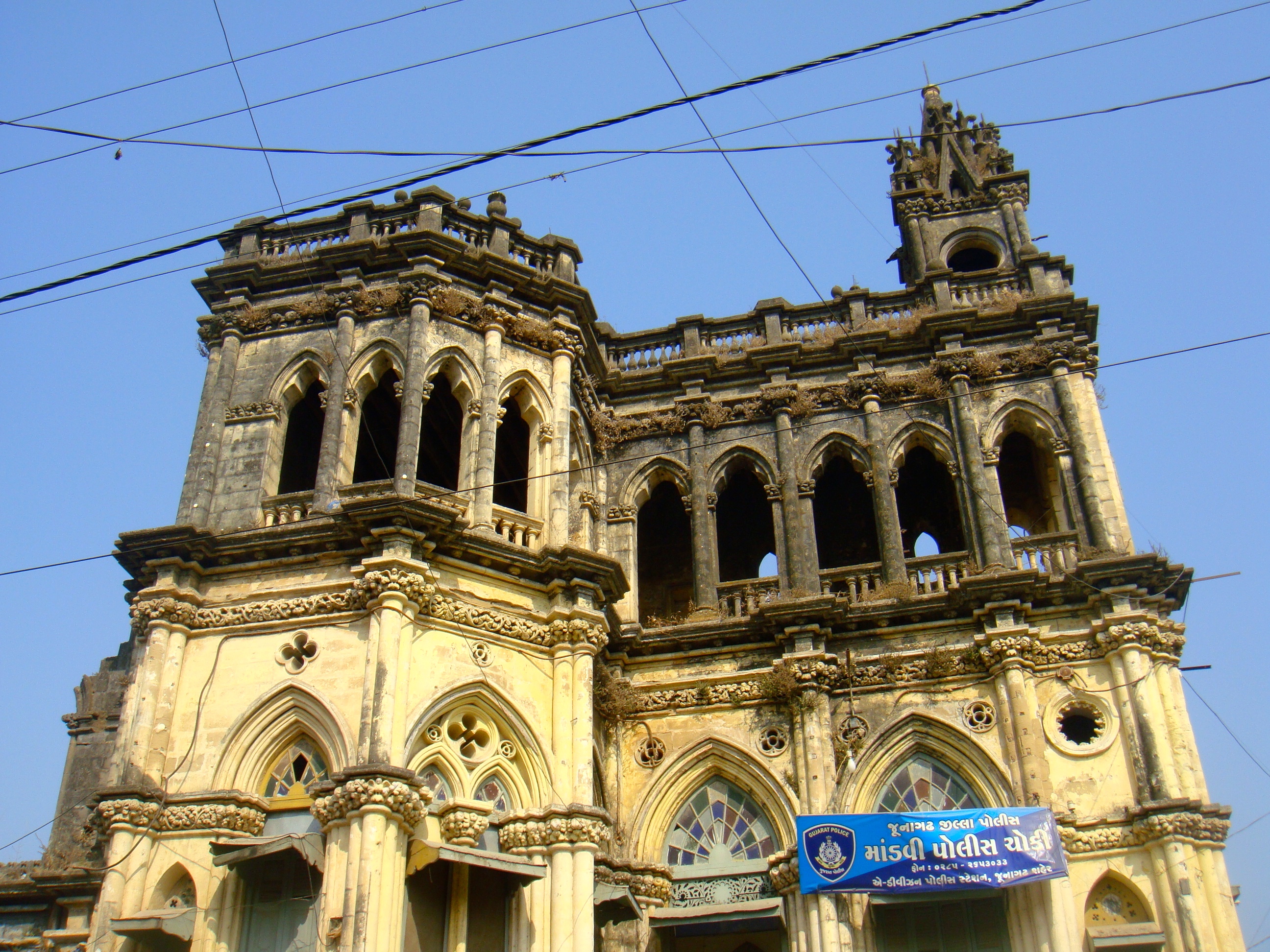
The next day we walked around the old town, lots to see and experience:

DSC02363 An old lady making her way up a small alley

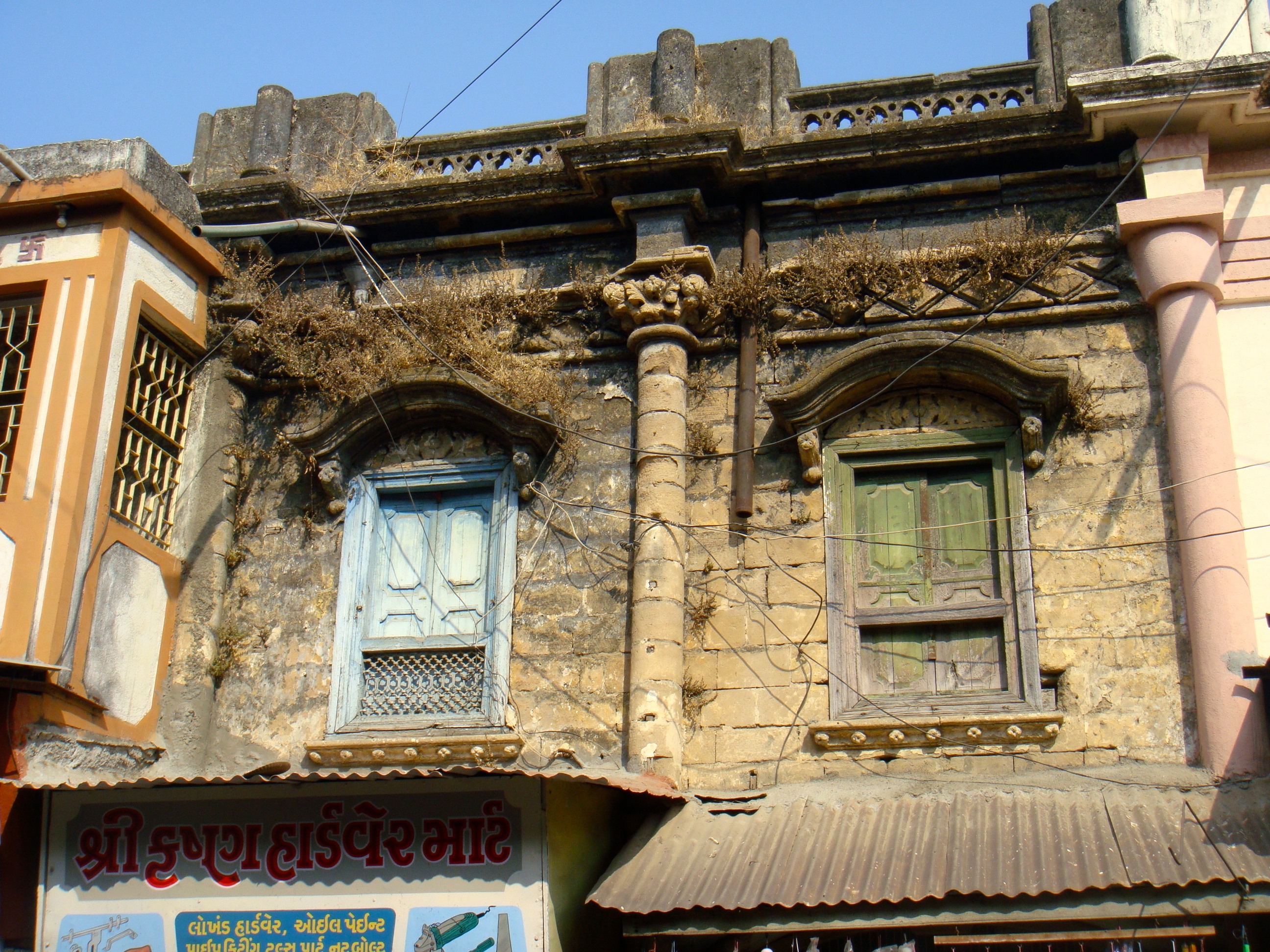
DSC02359 Upper windows typical of the townDSC02358 A disused mosque

DSC02356 Twin arches

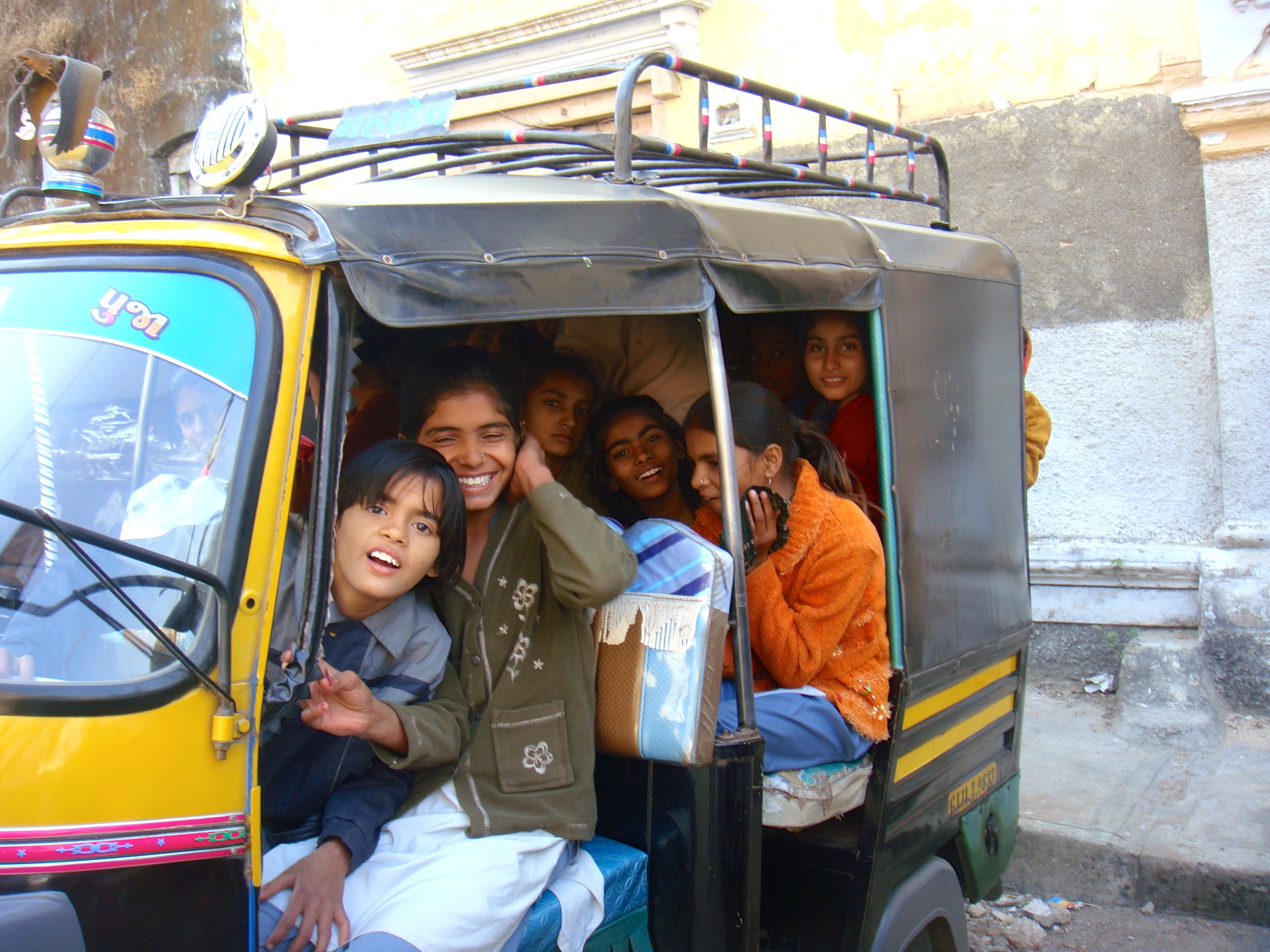
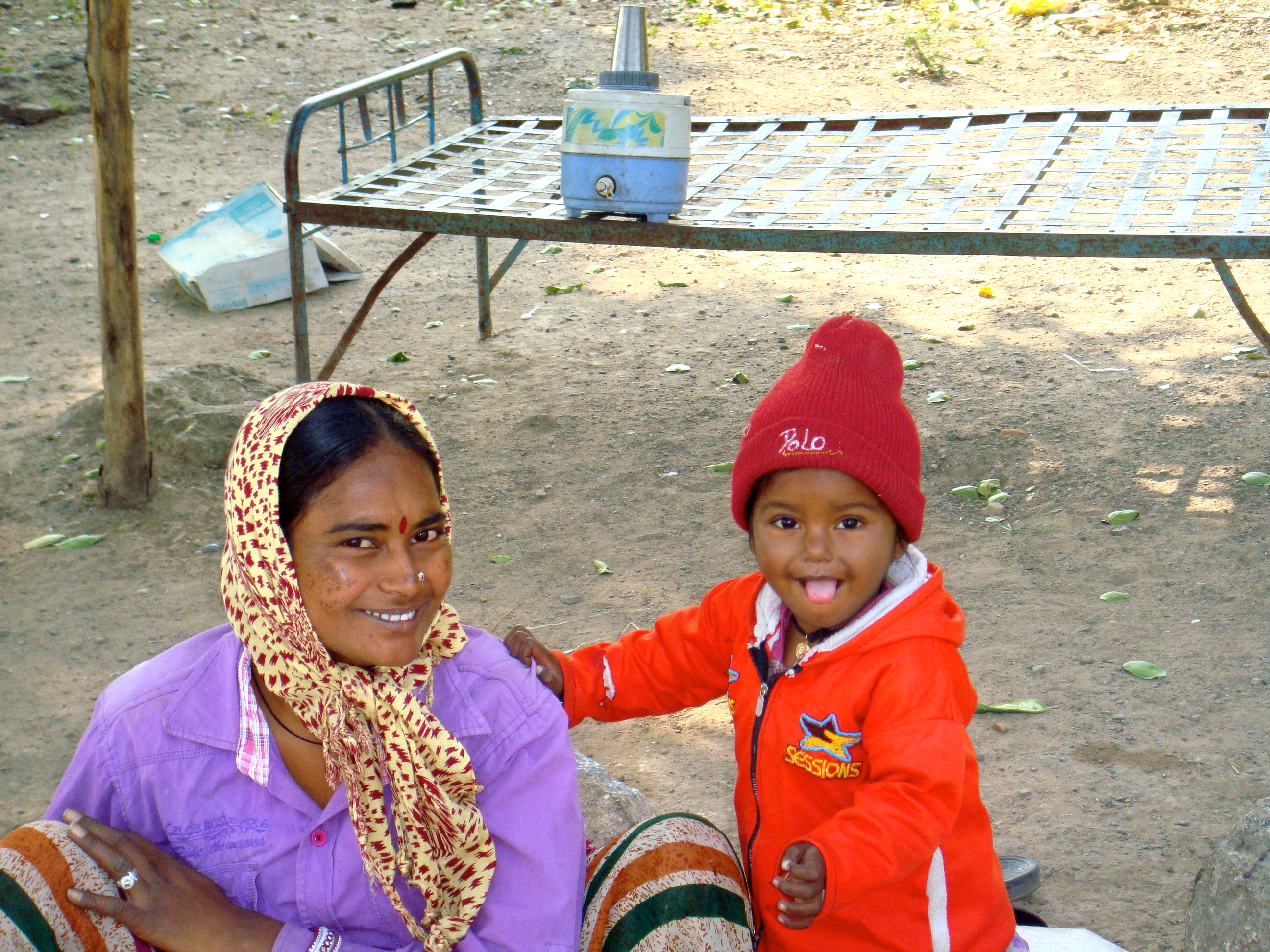
DSC02351 Kids in an auto rickshawDSC02341 A street vendor and her little girl

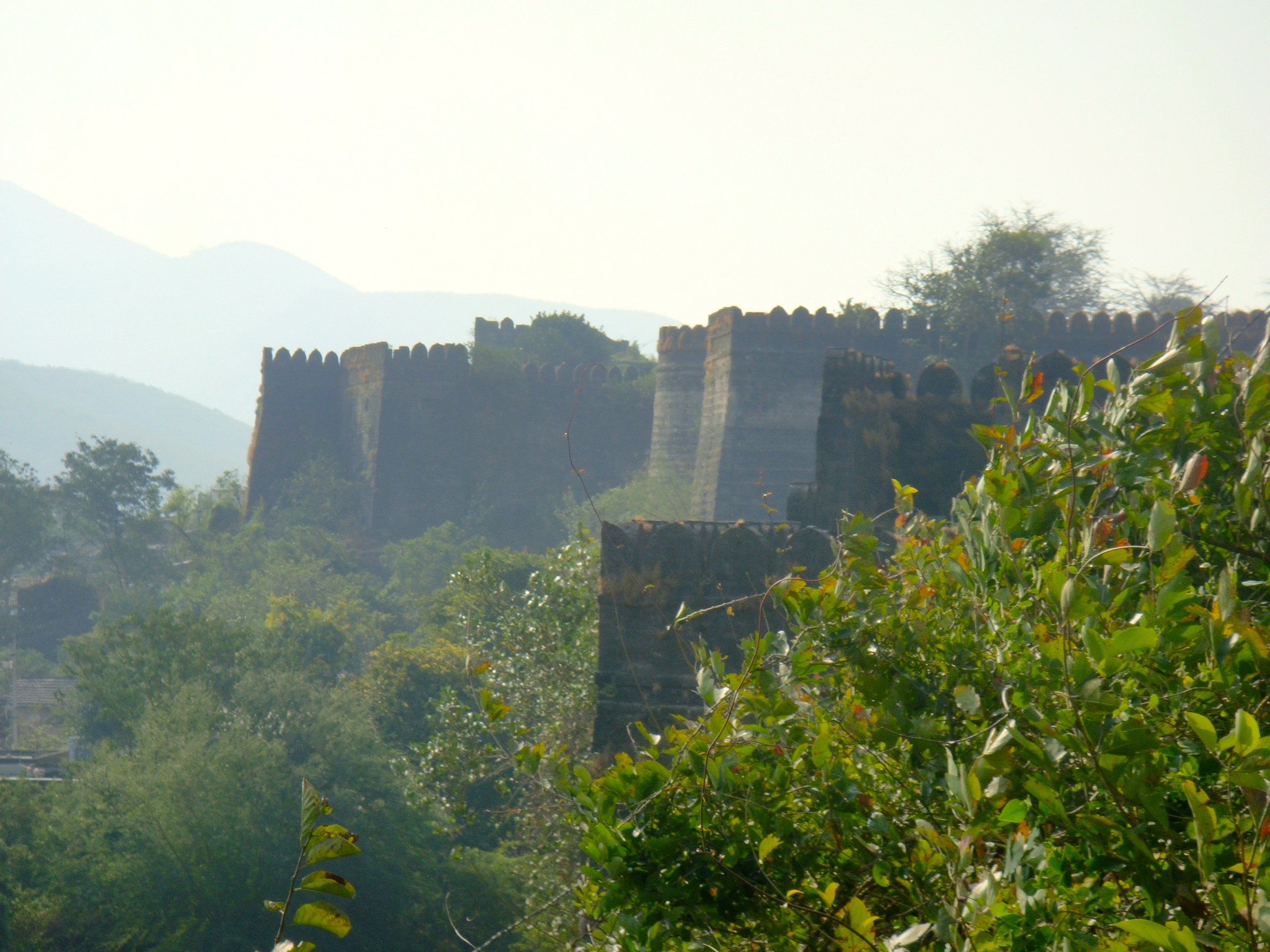
After a while we reached Uparkot fort; the fort dates from 319 BC and is really atmospheric:

DSC02322

The entrance way:

DSC02285

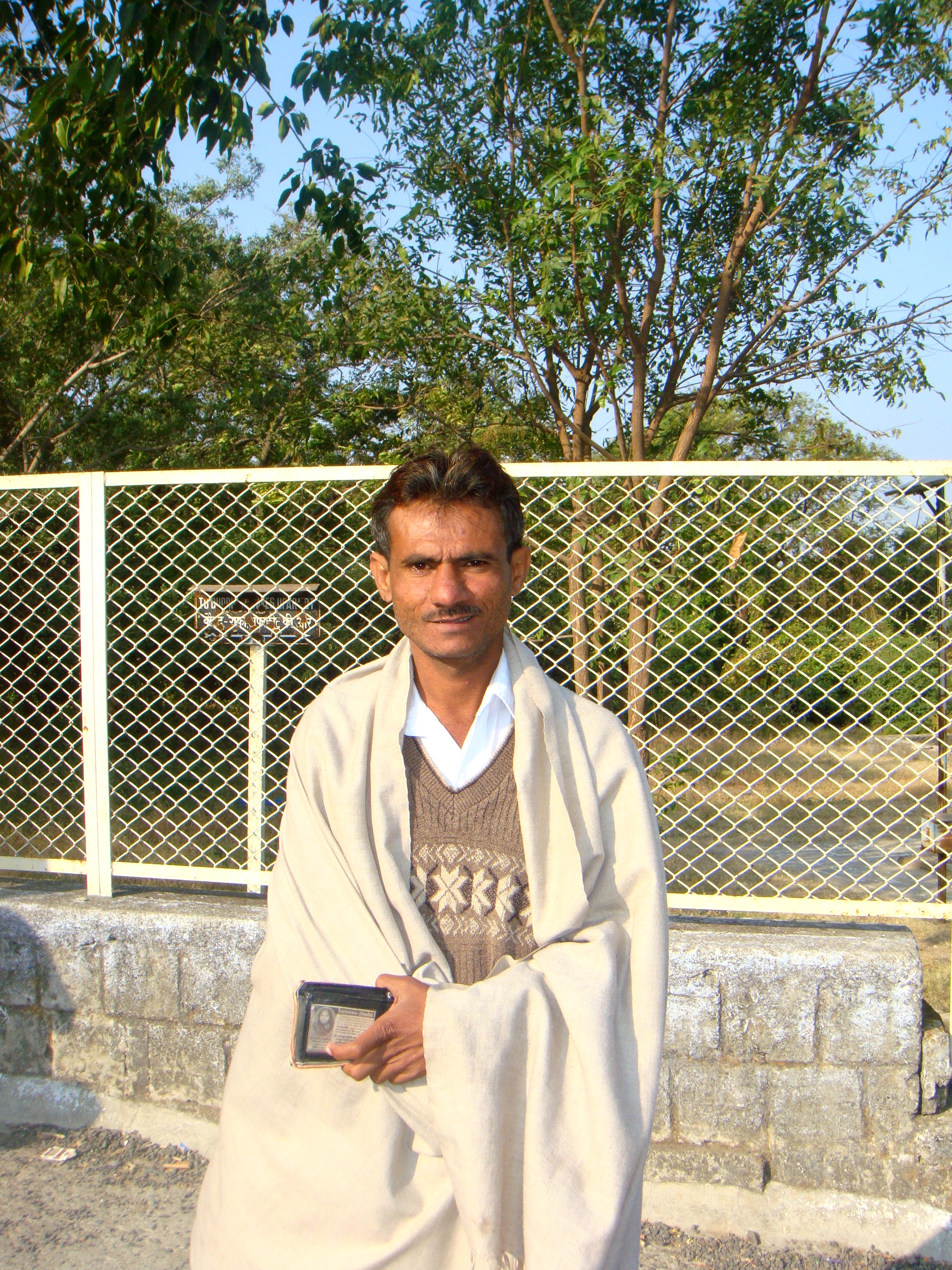
Our guide, Vinod (tel. 82382 52406):

DSC02297 Great guy, interesting and knowledgeable.

Normally we don’t bother with a guide but in this case we were glad we did, it would have been very difficult to understand (or even find!) everything without Vinod. We definitely recommend him.

There were some ancient Budhist “caves” which were actually carved from the rock but the most impressive features of the fort were two wells, both also carved from solid rock. The first, Adi Kadi Vav was a massive well, 81m long, 4.75m wide and 41m deep with 162 steps down to the water. Here’s Leishia on the way back up:

DSC02316

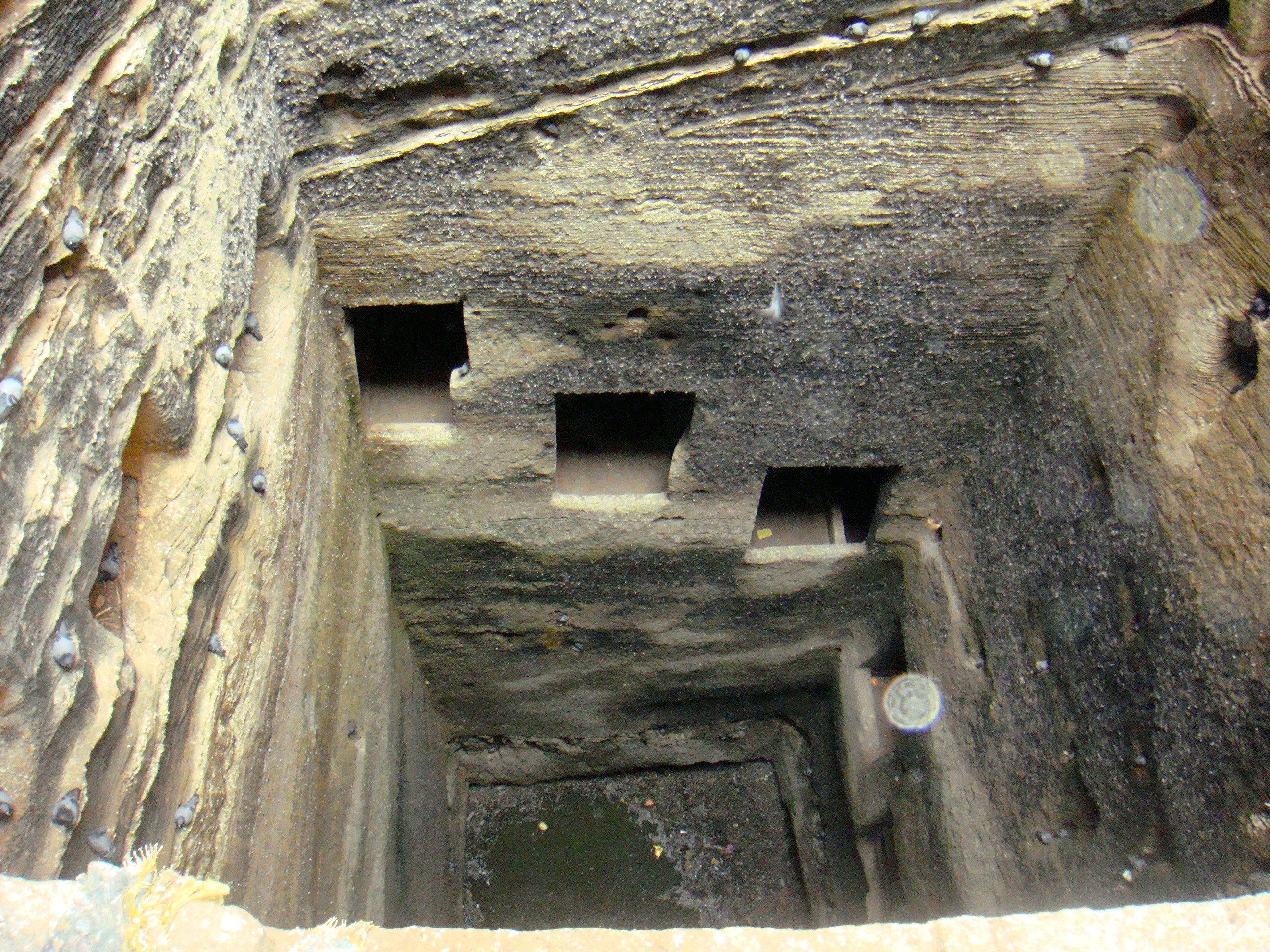
The second, Navghan Kuvo, was more elaborate even though it is almost 1,000 years old. This well has steps which follow the outer edge in right-turning flights with openings in the well wall to allow light into the stairway. It is an amazing piece of civil engineering. The well has over 250 steps to reach the bottom:

DSC02333

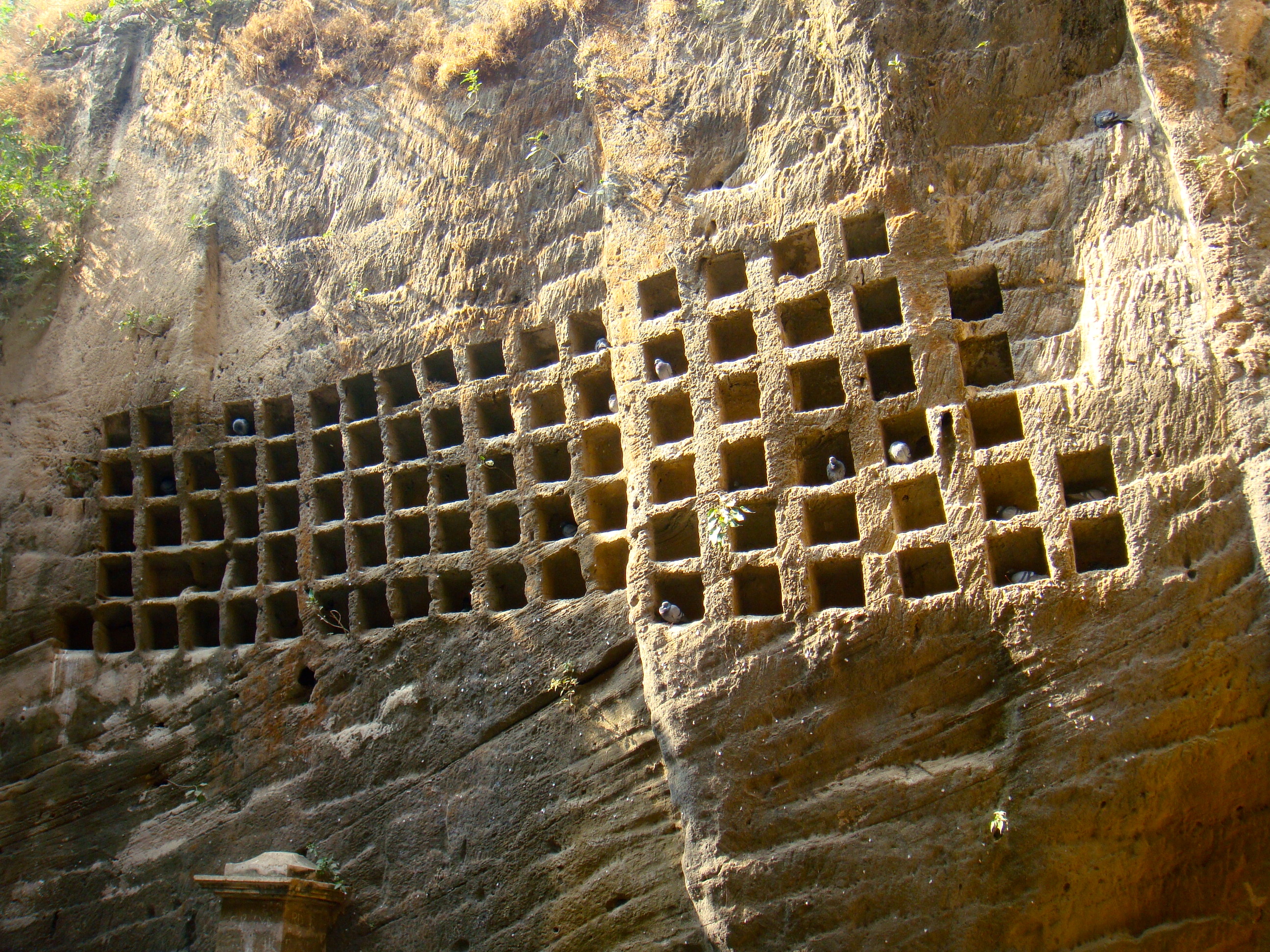
DSC02332 Pigeon roosts on the way down.

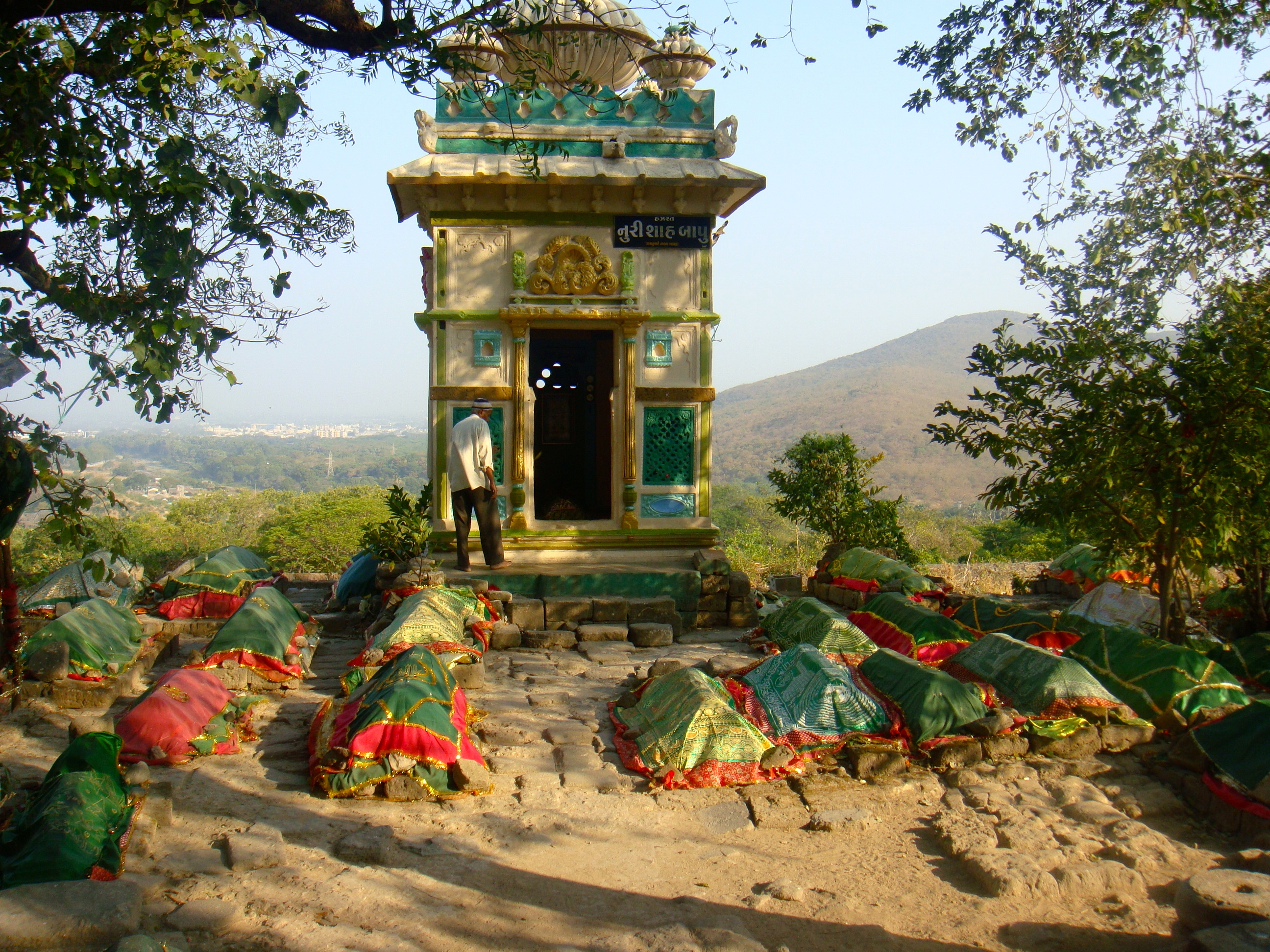
After the wells we went to see the mosque which is still impressive even though the three domes which once adorned the roof have long since gone. Outside was a small Muslim cemetery:

DSC02291

Very close to Junagadh is Mount Girnar, a sacred mountain and a pilgrimage site for both Hindus and Jains. It’s possible to climb the 10,000 steps to the top and to see the many Jain temples along the way. There is an annual festival (Maha Shivratri) which attracts over one million pilgrims to the mountain.

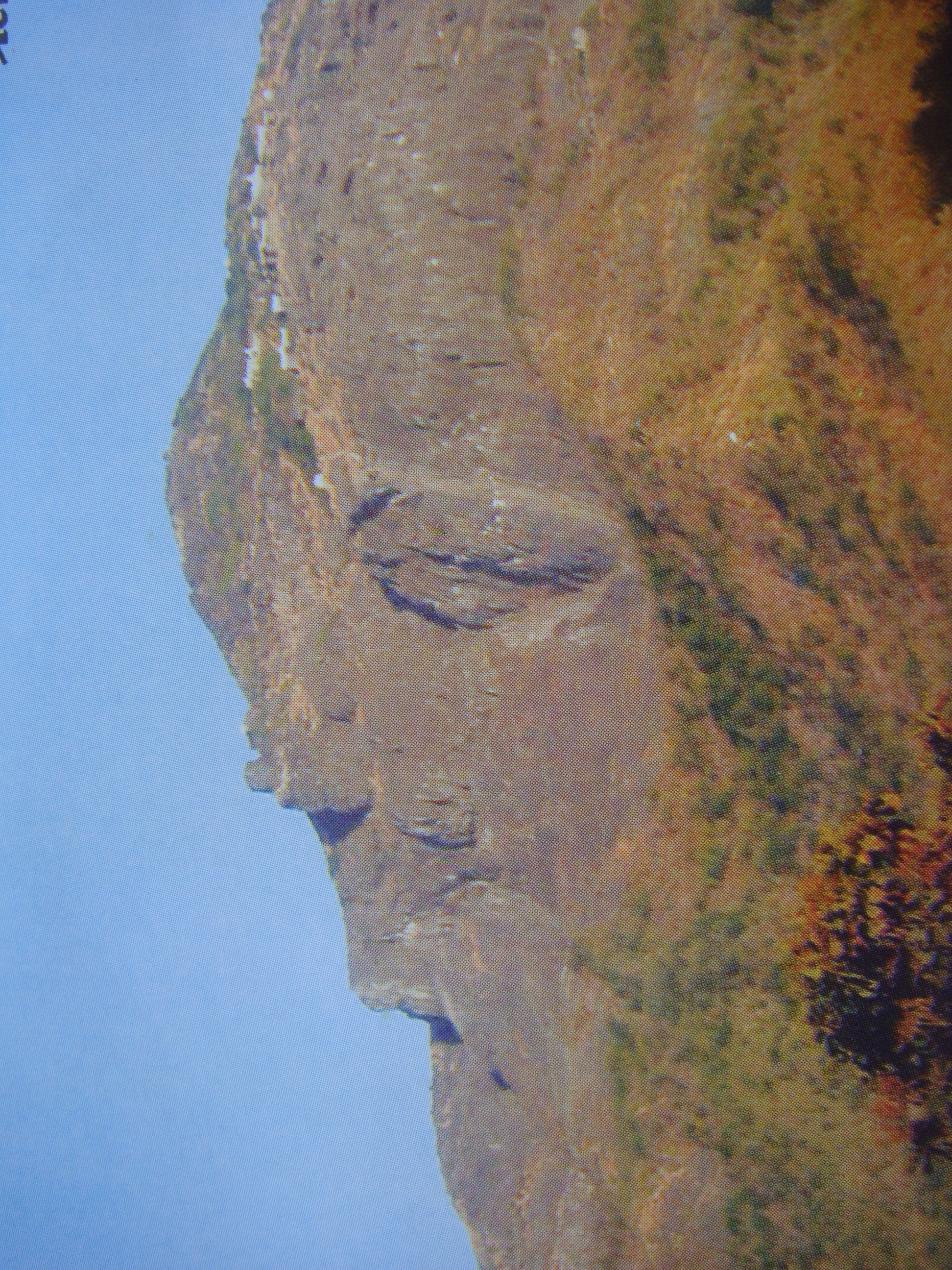
But that’s not all that’s interesting about Mount Girnar:

DSC02454 The white dots are temples

Vinod pointed out that if you rotate the mountain 90 deg:

DSC02454 it looks like an old man!

Always worth having a guide!

Next stop – Sasan Gir park!

Udaipur – and the best hotel ever!

We arrived in Udaipur early and almost the first thing we saw was this little donkey train:DSC02178

They look cute but it’s a tough life.

We were on our way to look at the Royal tombs, the place is as big as a football field and absolutely packed with mausoleums:

DSC02153DSC02159

DSC02160

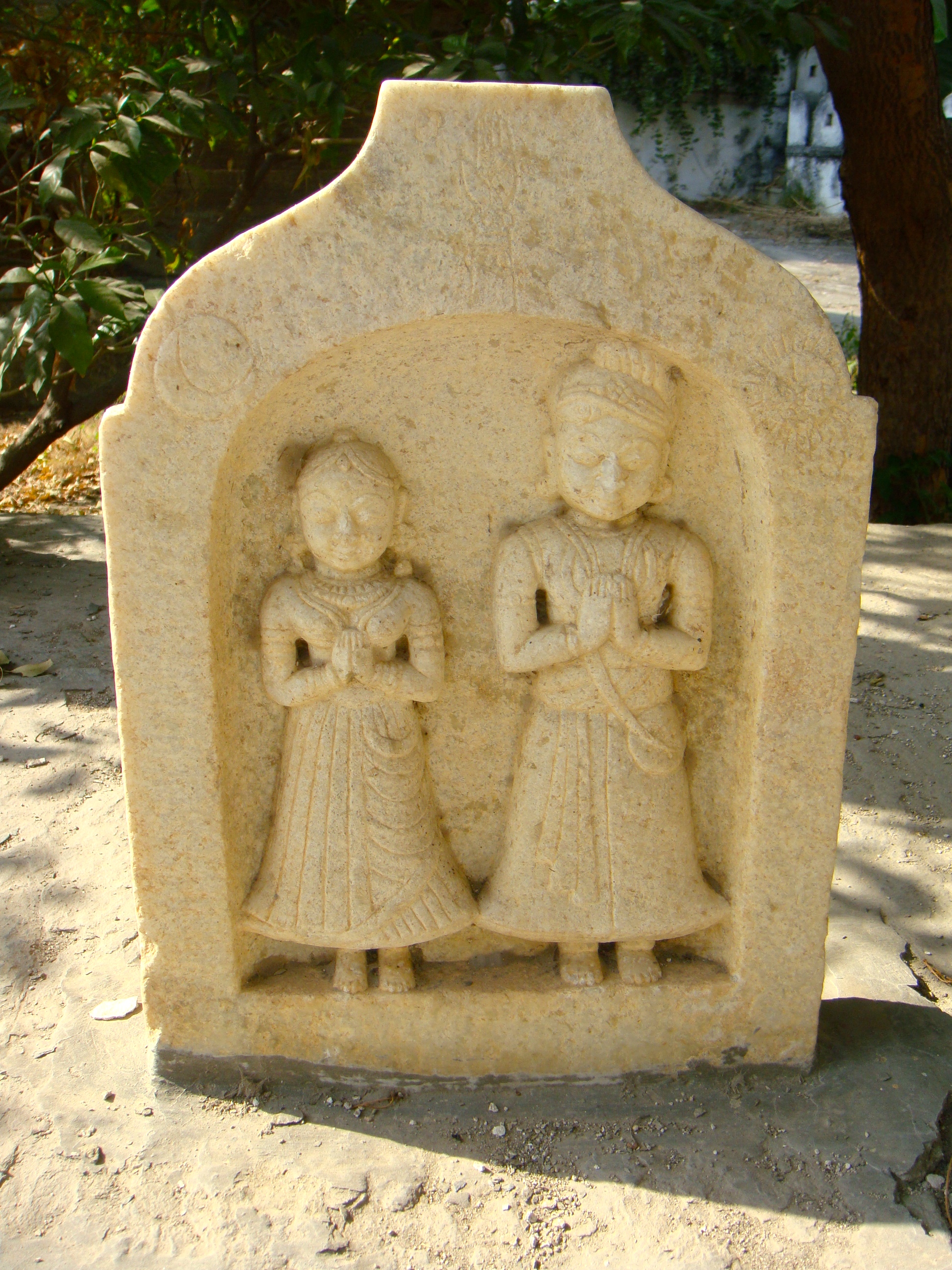
The most interesting thing was that they used the “Samwat” calendar:

DSC02154

Samwat was new to us but it’s all quite straightforward, it is a solar calendar established by the Indian emperor Vikramaditya (1st century BC).

The Samwat calendar (suffixed BS) is 56 years 8 months and 17 days ahead of the Gregorian calendar so for example the year 2056 BS began on April 13th,1999 and ended on April 12th, 2000.

The Samwat calendar is still the official calendar of Nepal. Good pub quiz question there.

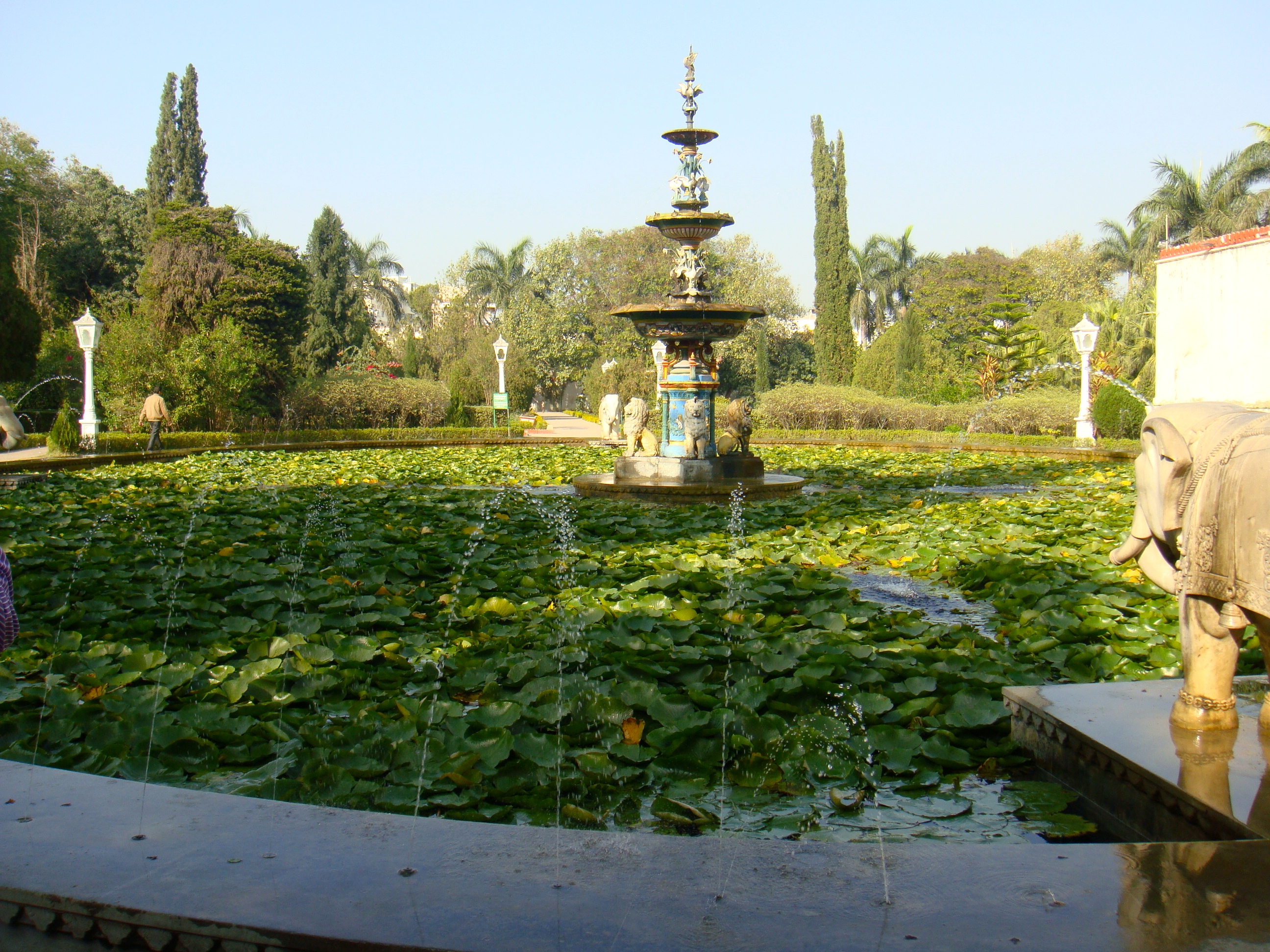
After the tombs we went to see the Royal Gardens built in the 1700’s for the Royal ladies:

DSC02166DSC02165

The signs were amusing:

DSC02164

I think I know what it means!

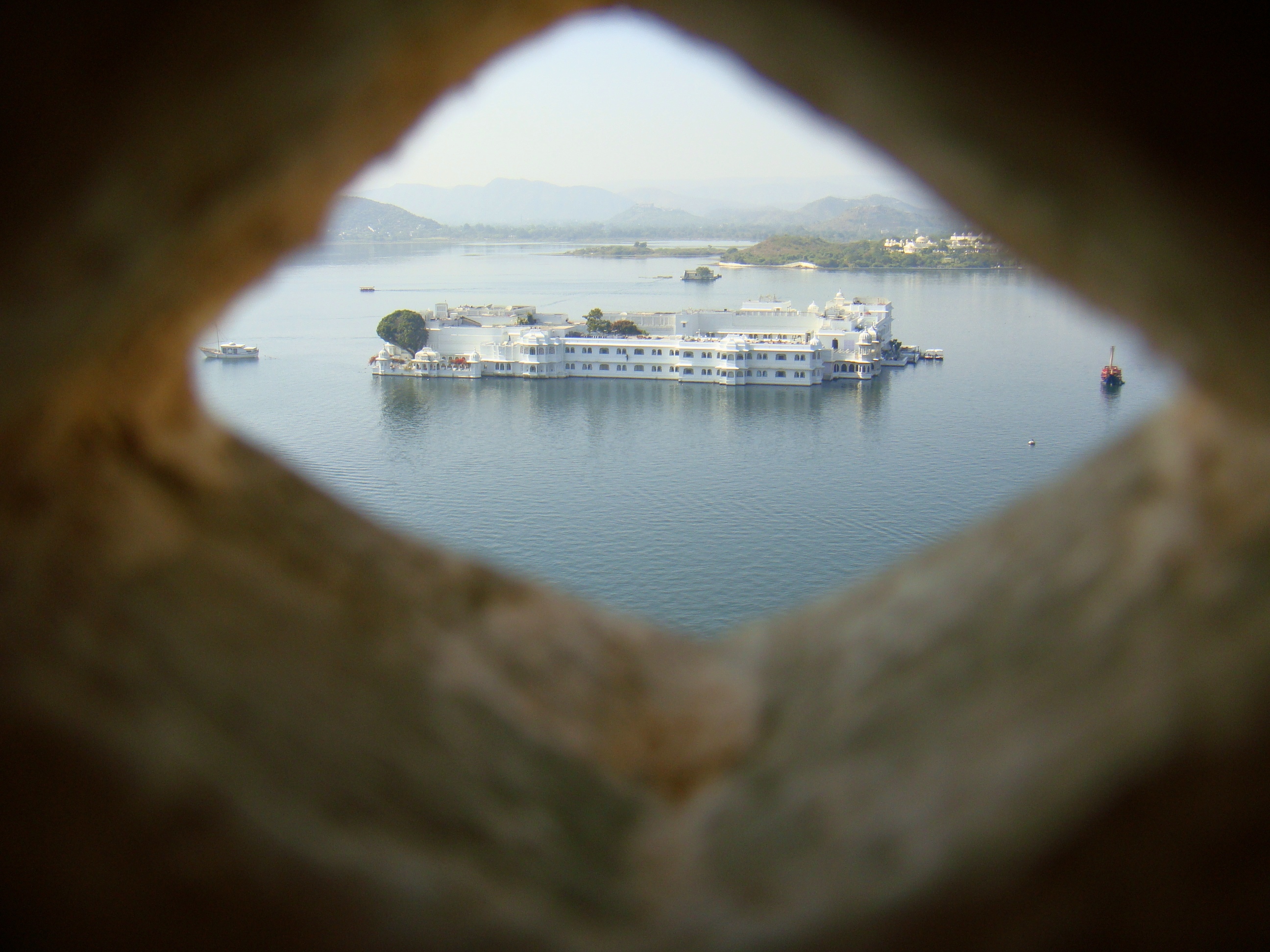
From the gardens we went to the City Palace where we had our first glimpse of our hotel, the splendid Lake Palace:

DSC02142

The Lake Palace hotel was the royal summer palace but was converted to a hotel in 1963 and taken over by the Taj Hotels Group in 1971:

DSC02133

The Lake Palace from the Royal Palace.

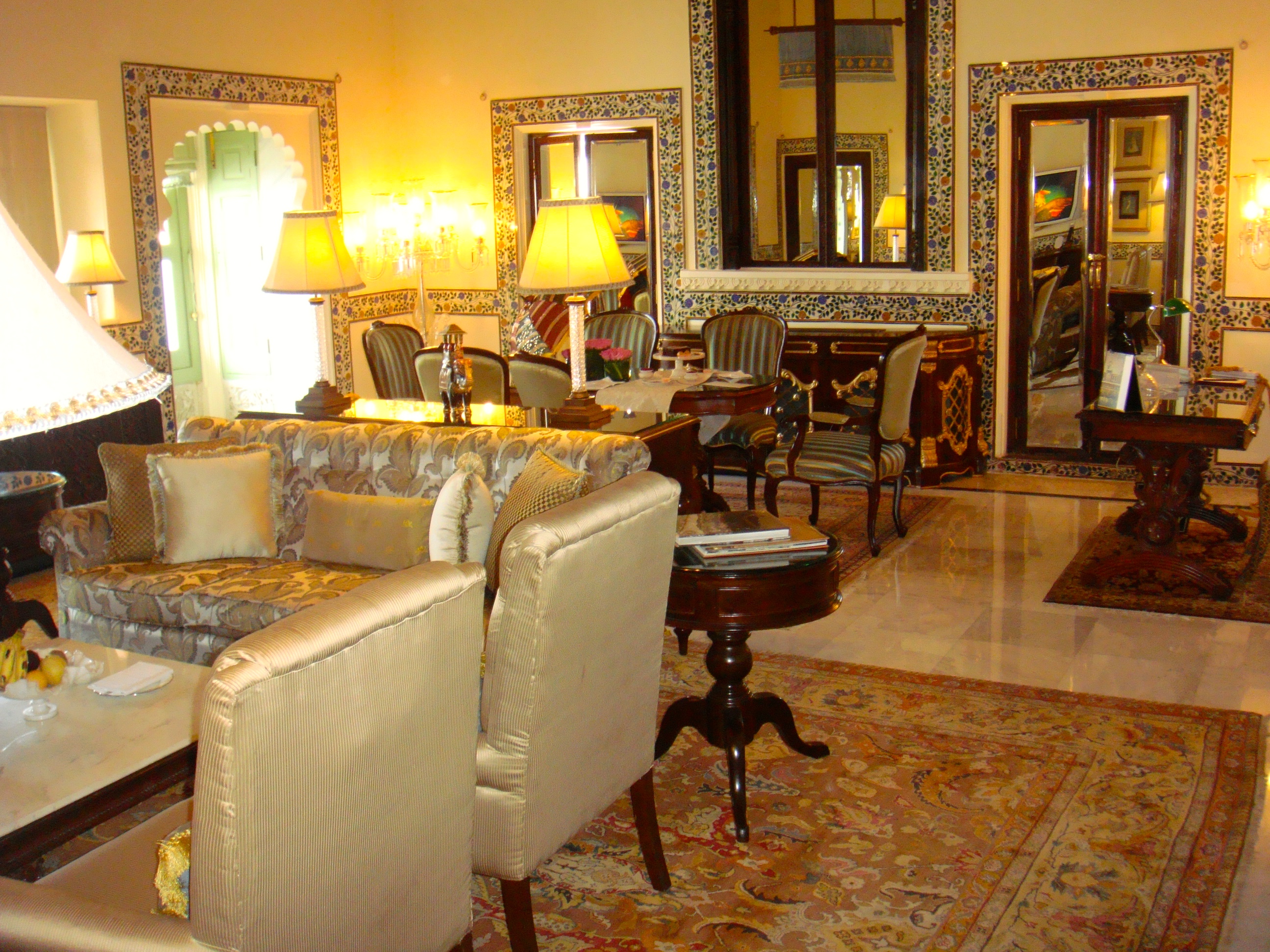
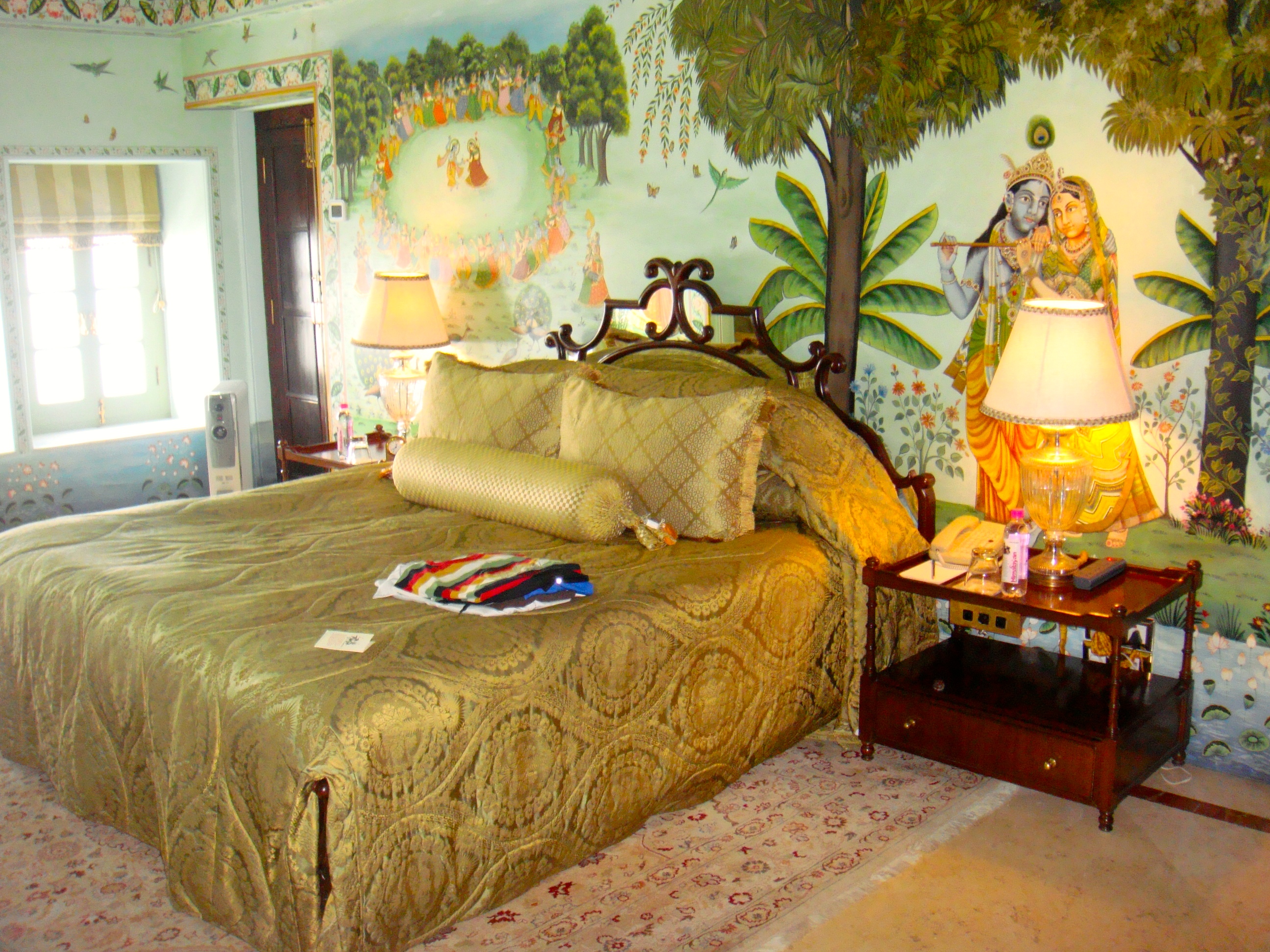
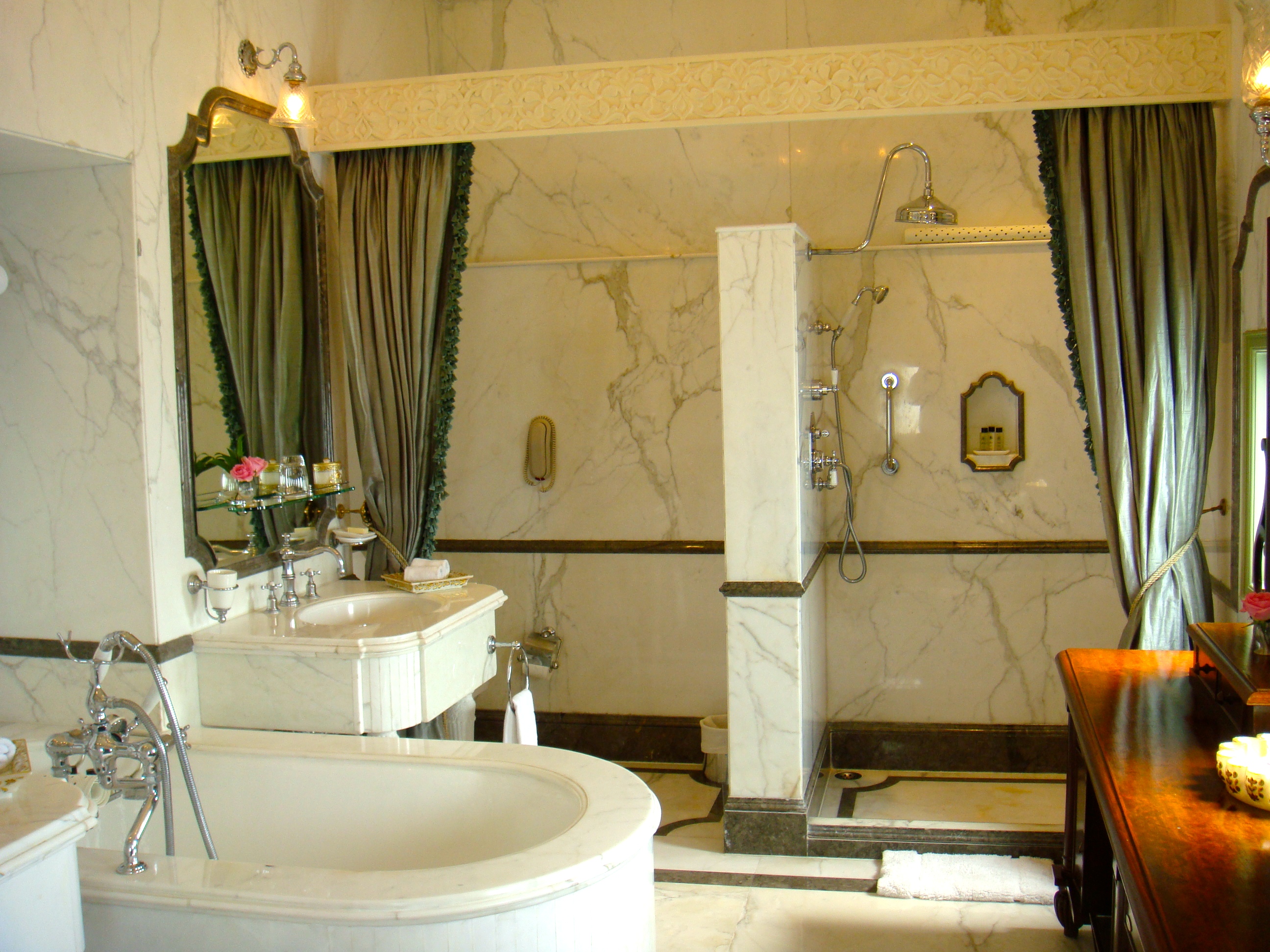
The hotel is absolutely fantastic, Leishia had told them in advance that our stay there was my birthday present and when we arrived not only had they baked me a wonderful chocolate birthday cake but also they’d given us an upgrade to one of their Royal Suites (Sajjan Niwas Suite). From the moment you arrive at the dockside you’re in another world – nothing is too much trouble. As we arrived at the hotel we were showered with rose petals which came fluttering down from the upper floor, a traditional Rajasthani welcome.

We were expecting the hotel to be good but we didn’t realise or imagine how good.

Our beautiful suite:

DSC02188DSC02193DSC02194

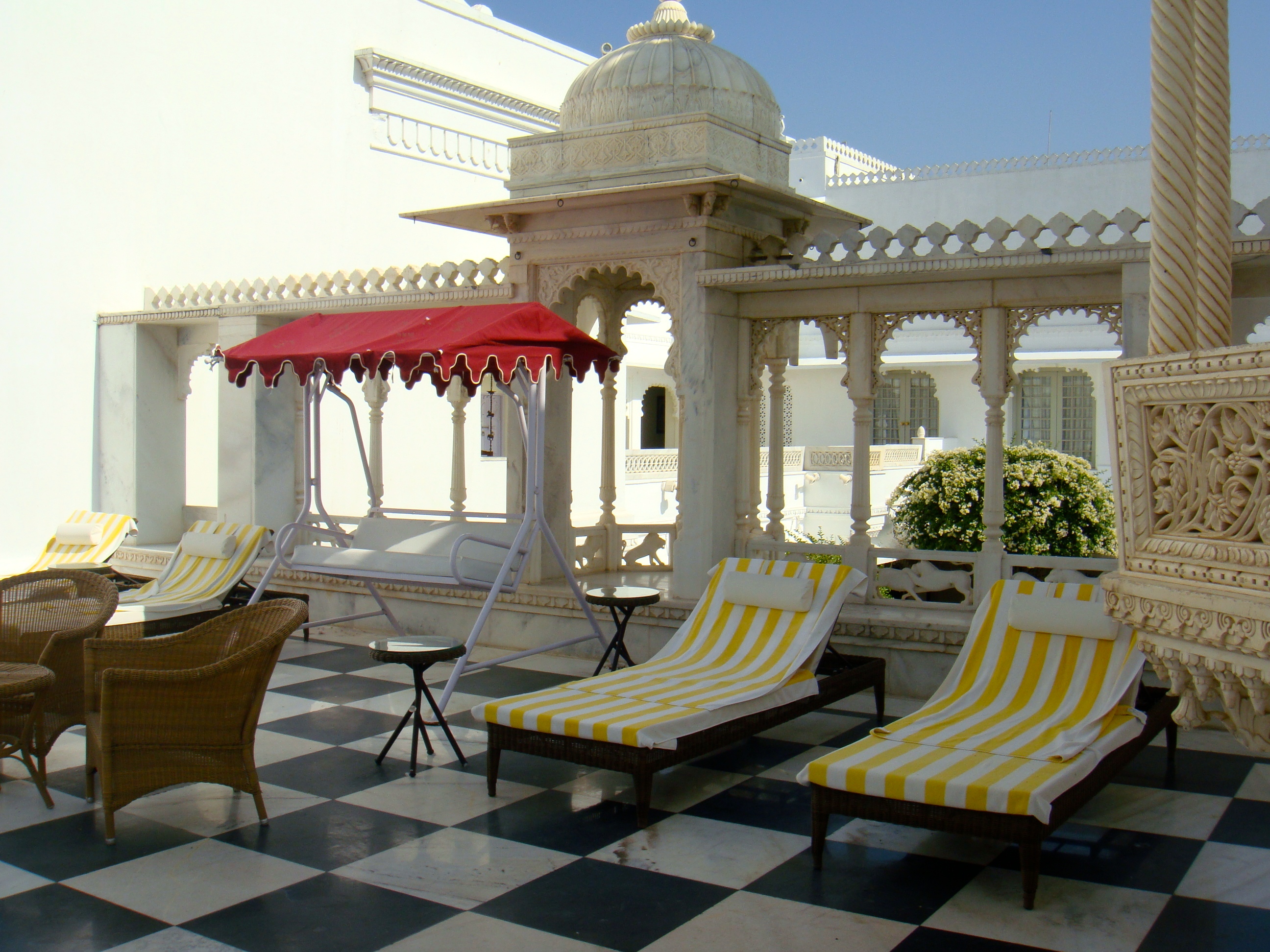
with a wonderful terrace:

DSC02198

and super views:

DSC02199

The Common areas were just as lovely and there was often music in the background:

DSC02202 The lily pond
DSC02233 Early morning

Dinner on our first evening was a traditional vegetable thali:

DSC02218DSC02215 

and after that all we did was indulge ourselves with massages, a heritage walk, a sunset boat cruise, Indian astrological readings, live dancing and wonderful sleeps. We never left the island, we just soaked our time away from India – just what the Doctor ordered!

If I was listing my TopTen hotels this would definitely be number 1! What gets it there? Outstanding ambience, staff, and service.

For the record our number 2 is the Copacabana Palace in Rio.

Anyway today we said our goodbyes and for the next week we will be touring Gujarat and, with a little luck, catching sight of one of the four hundred surviving Asiatic Lions in their one remaining refuge – Gir National Park.

Jodphur, the road to Udaipur, and the best fort on the planet!

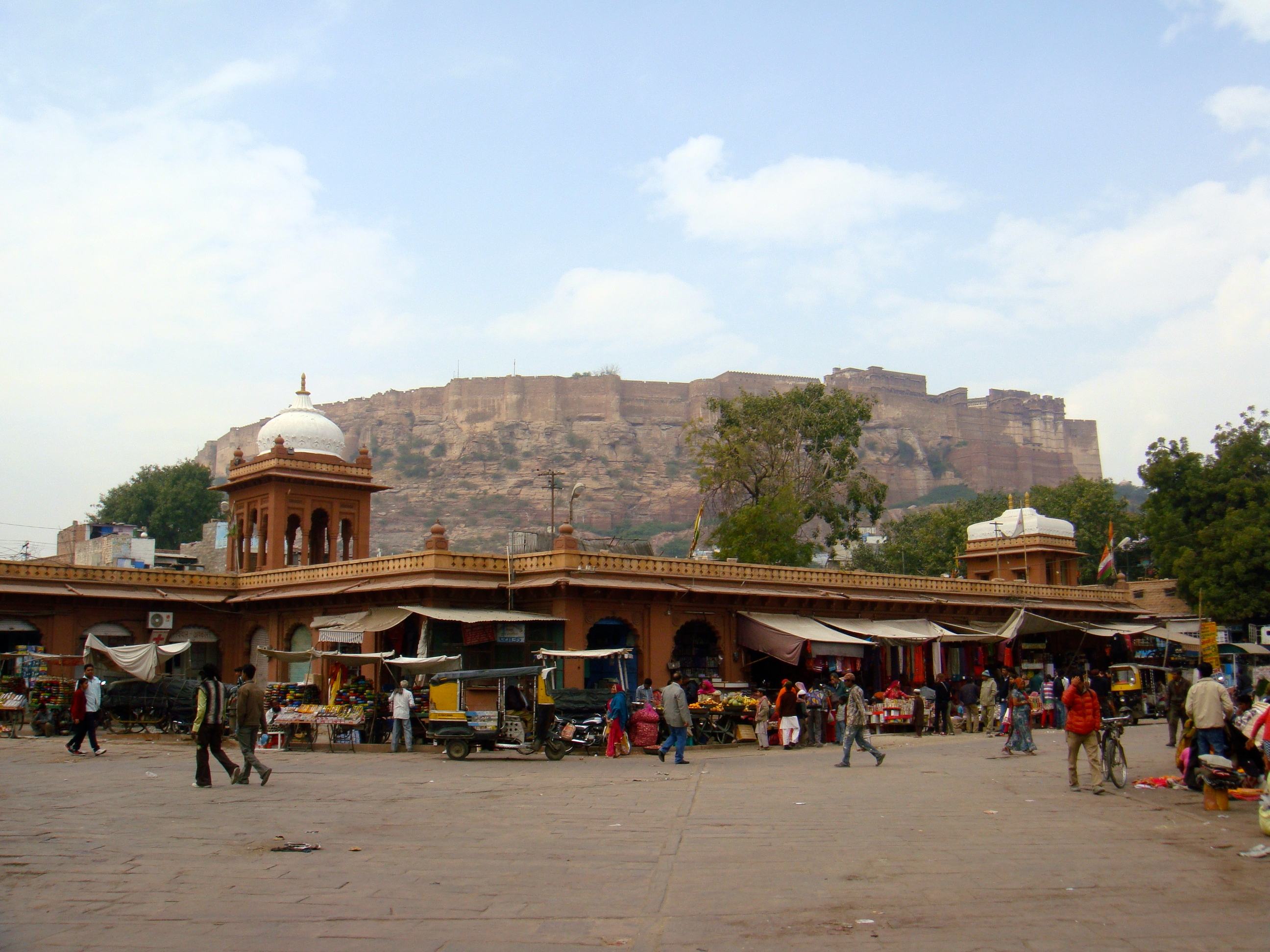
Jodphur – no funny trousers for sale anywhere. There was however … a fort! The Mehrangarh Fort and no, it’s not the best fort on the planet, that comes a little later. Here’s Mehrangarh taken from the old market square:

DSC02004

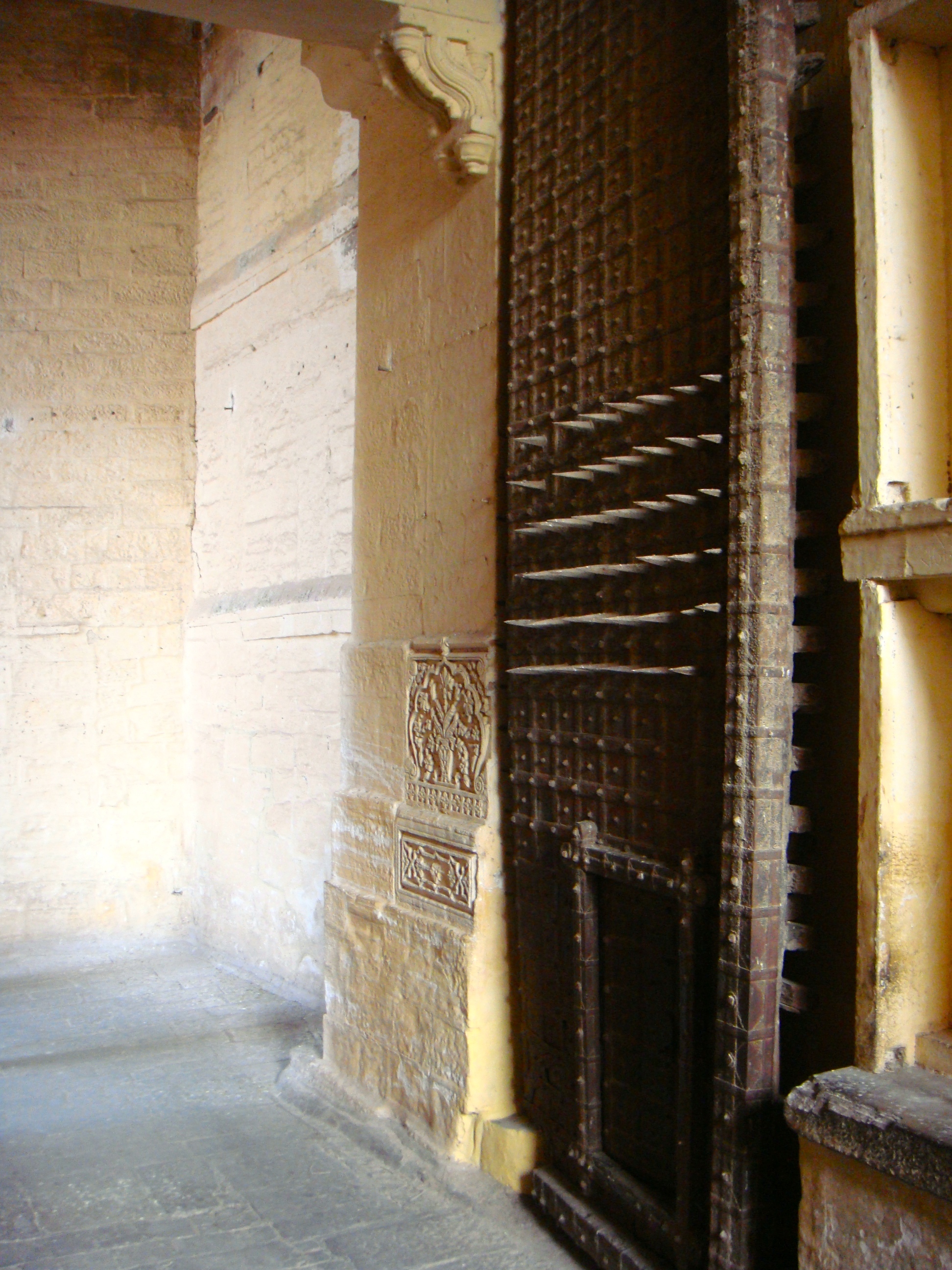
We were hugely impressed by the main gate, there is a sharp ninety degree turn immediately before it which means elephants aren’t able to get a run at it to barge it down. Then to dissuade them further the gate itself has huge sharp spikes at elephant height!

DSC01968

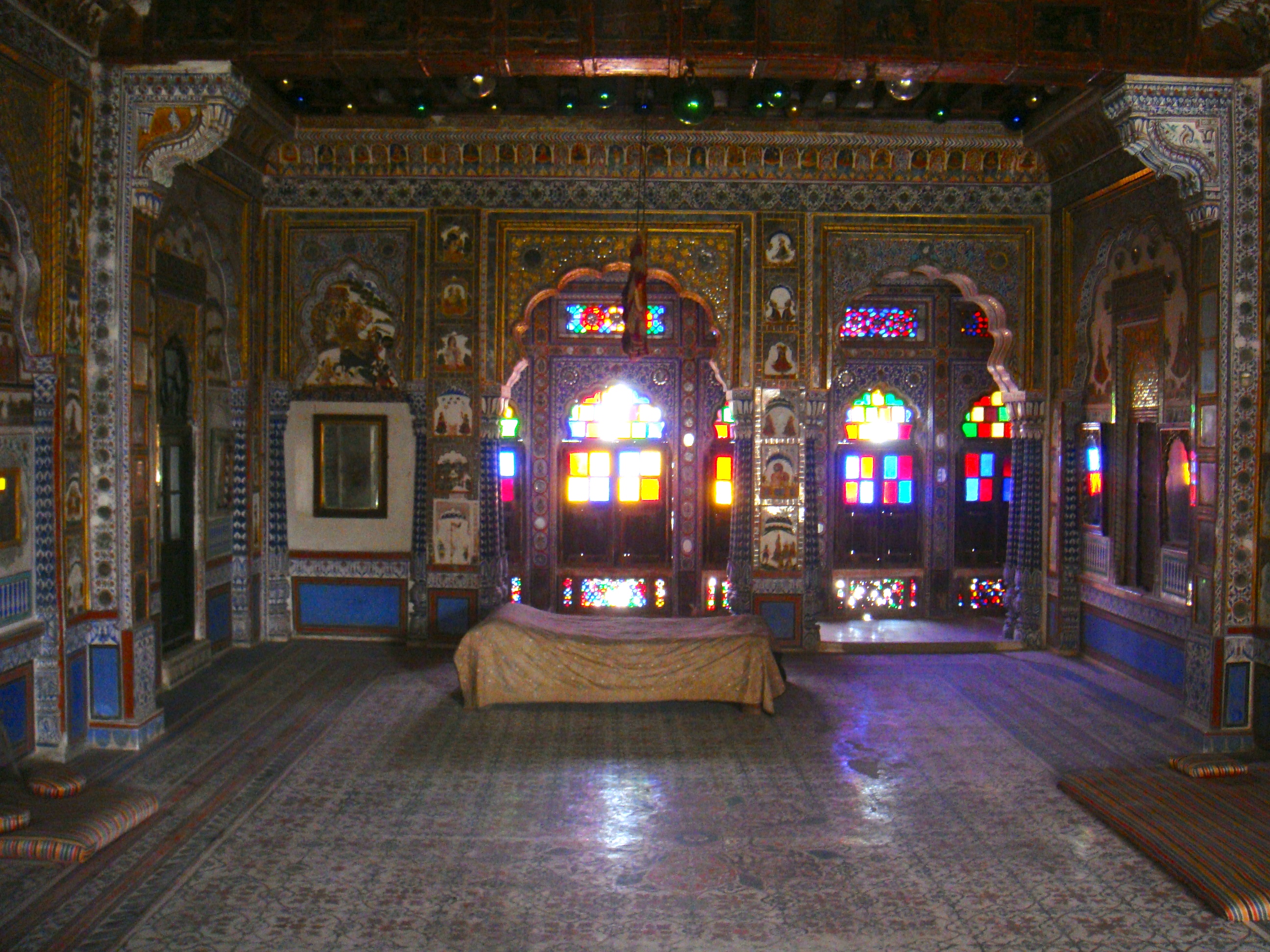
Inside the fort is interesting with some beautiful rooms:

DSC01977

DSC01984

In the museum they had entire displays of elephant howdahs, palanquins, turbans (mercifully closed) but most interesting of all (to me at least) were these carpet weights:

DSC01975 I want some.

There is a temple in the fort complex, the Chamunda Devi temple:

DSC01997

This temple is hundreds of years old but tragically is most famous for an event which occurred in September, 2008. Thousands of devotees were visiting the temple on the first day of Navrati, a major Hindu festival, when something spooked the crowd and caused a stampede. 249 people were killed and a further 400 injured. Very sad.

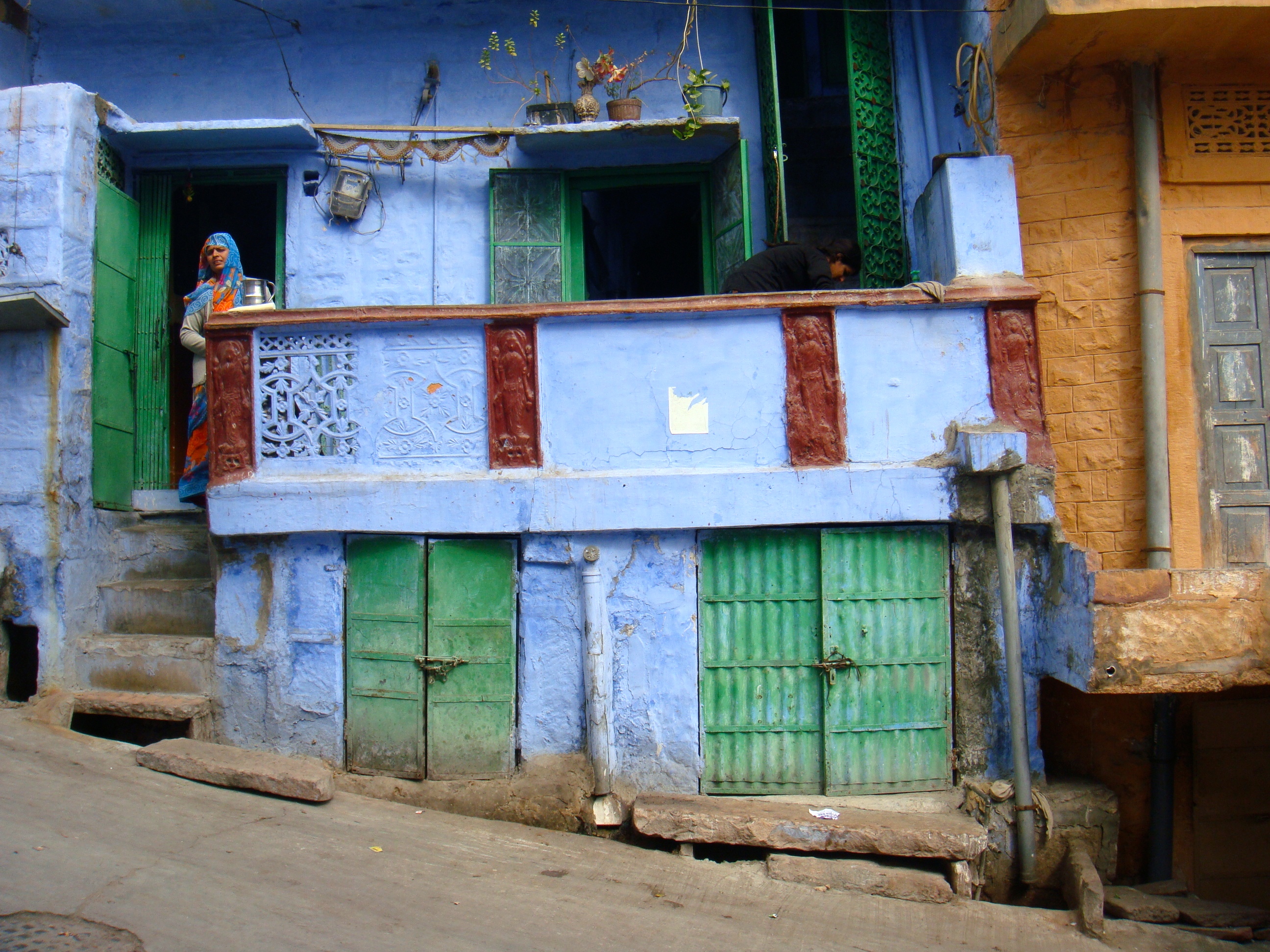
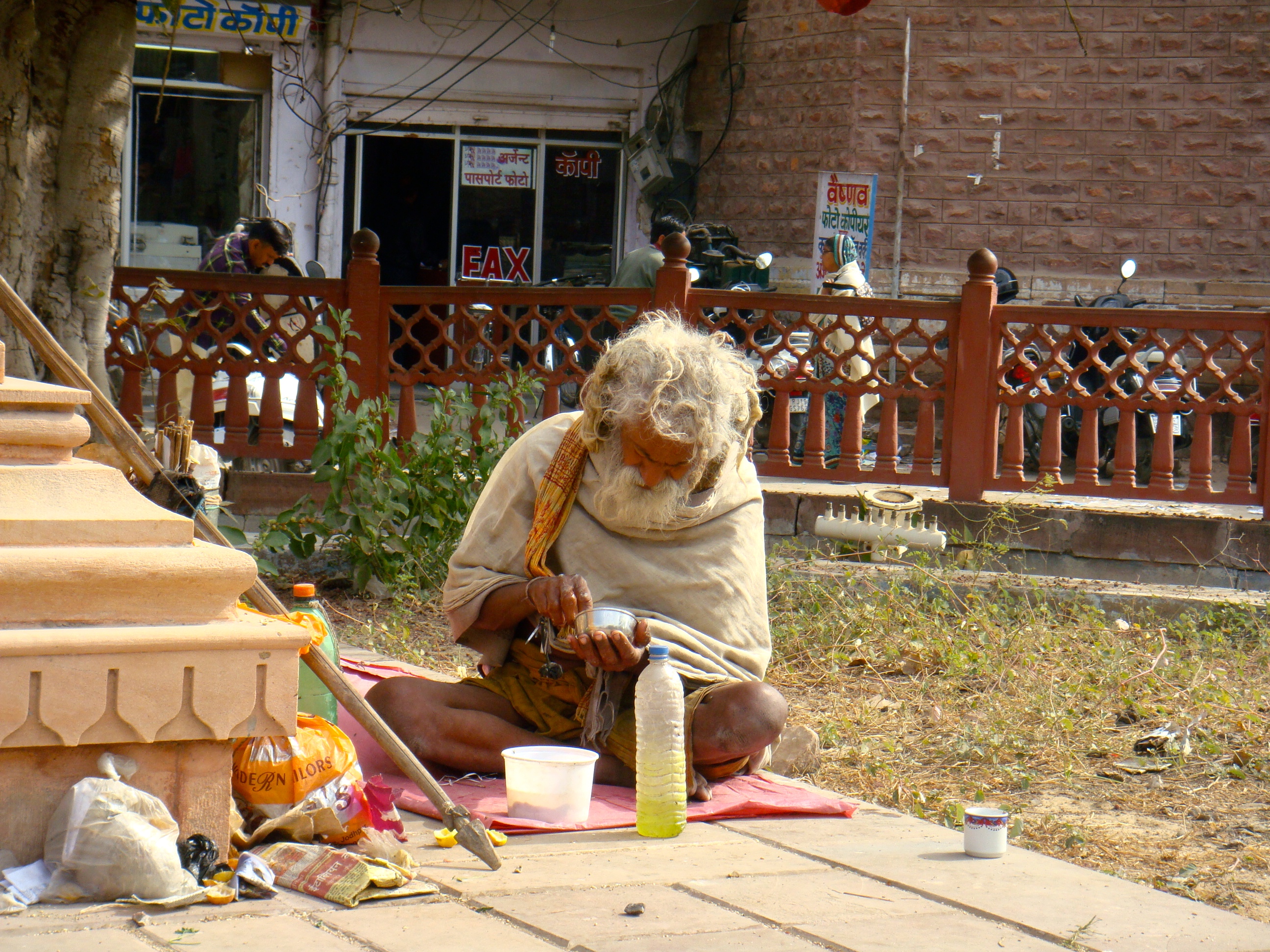
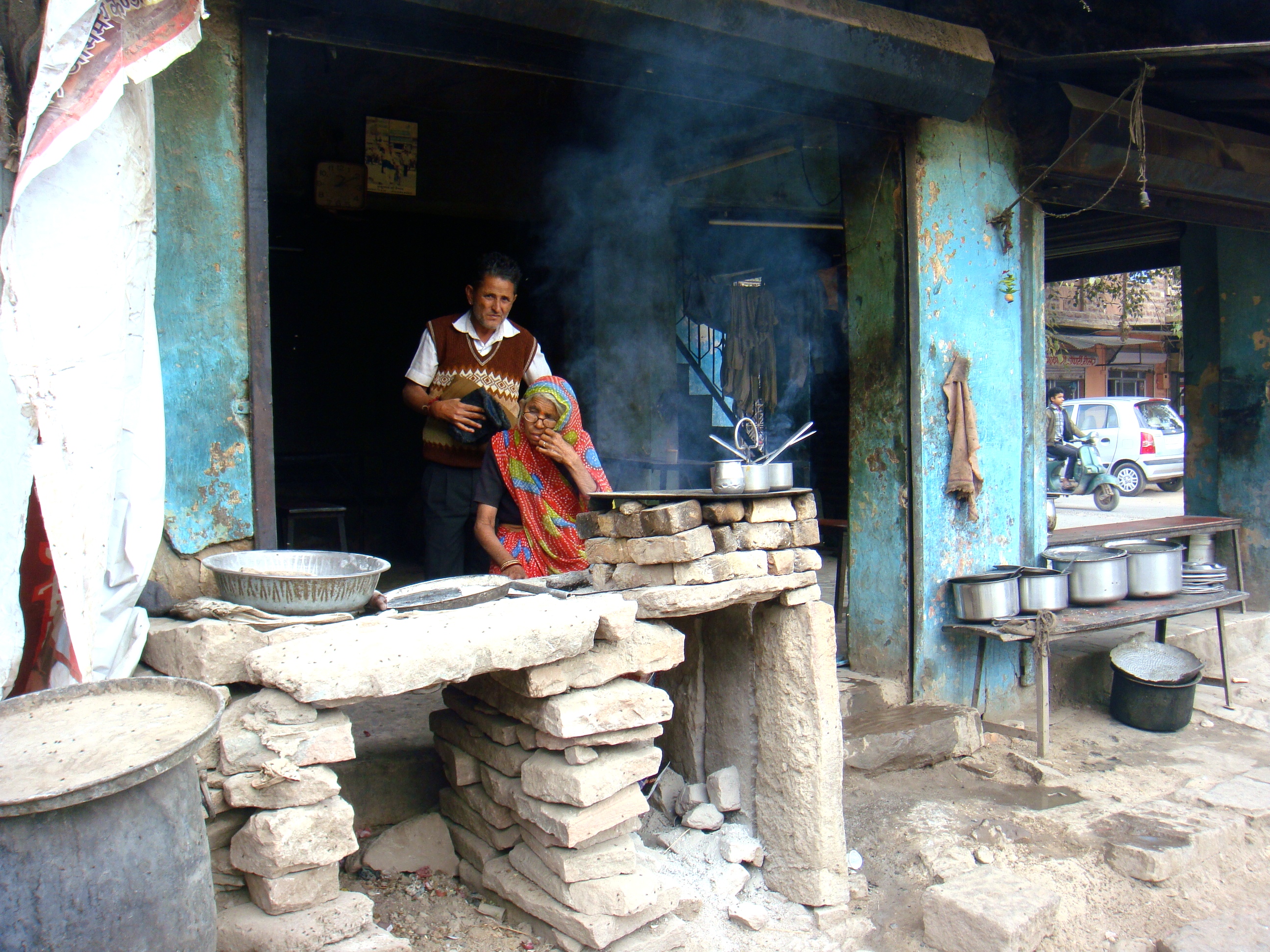
After the fort we strolled around the Old Town which was full of old things (including us!):

DSC02001 an old building

DSC02021 an old man

DSC02019 an old lady – selling street food

DSC02041 Colourful India

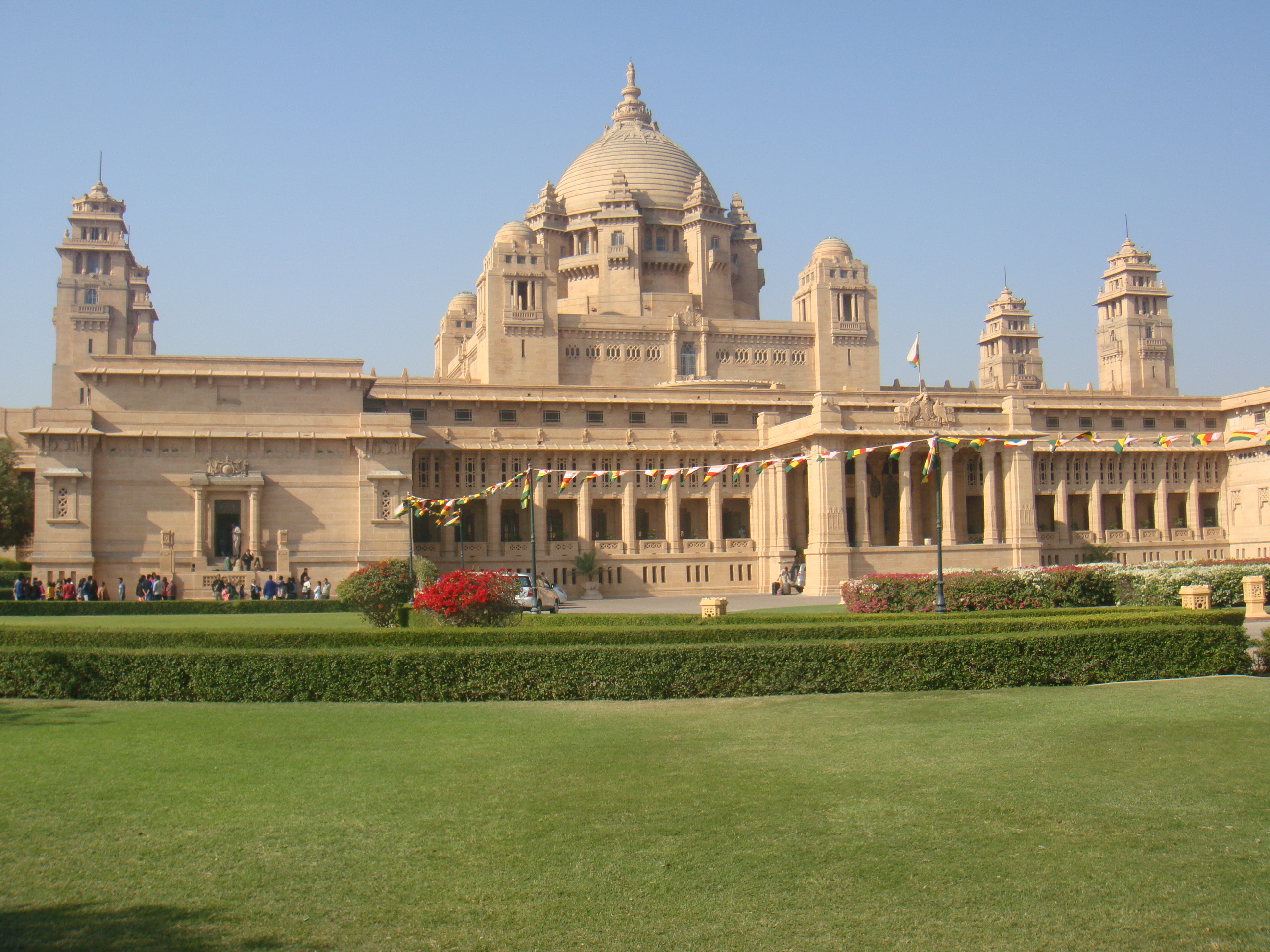
and then went to the Umaid Bhawan Palace which is still the home of the current Maharajah, Gaj Singh II, but also houses a hotel and a museum:

DSC02026

The Maharajah who commissioned the palace was Maharajah Umaid Singh, this is him taking tea:

DSC02035

One of the exhibits was about him, it read (in part), “There was in him an astonishing simplicity, a grace he was born with and carried with him always, whether playing polo at Hurlingham or big game hunting in Africa, salmon fishing in Scotland or fox hunting at his sumptuous estate “Arranmore” in Ootacamund (south India)”. Mmmm!

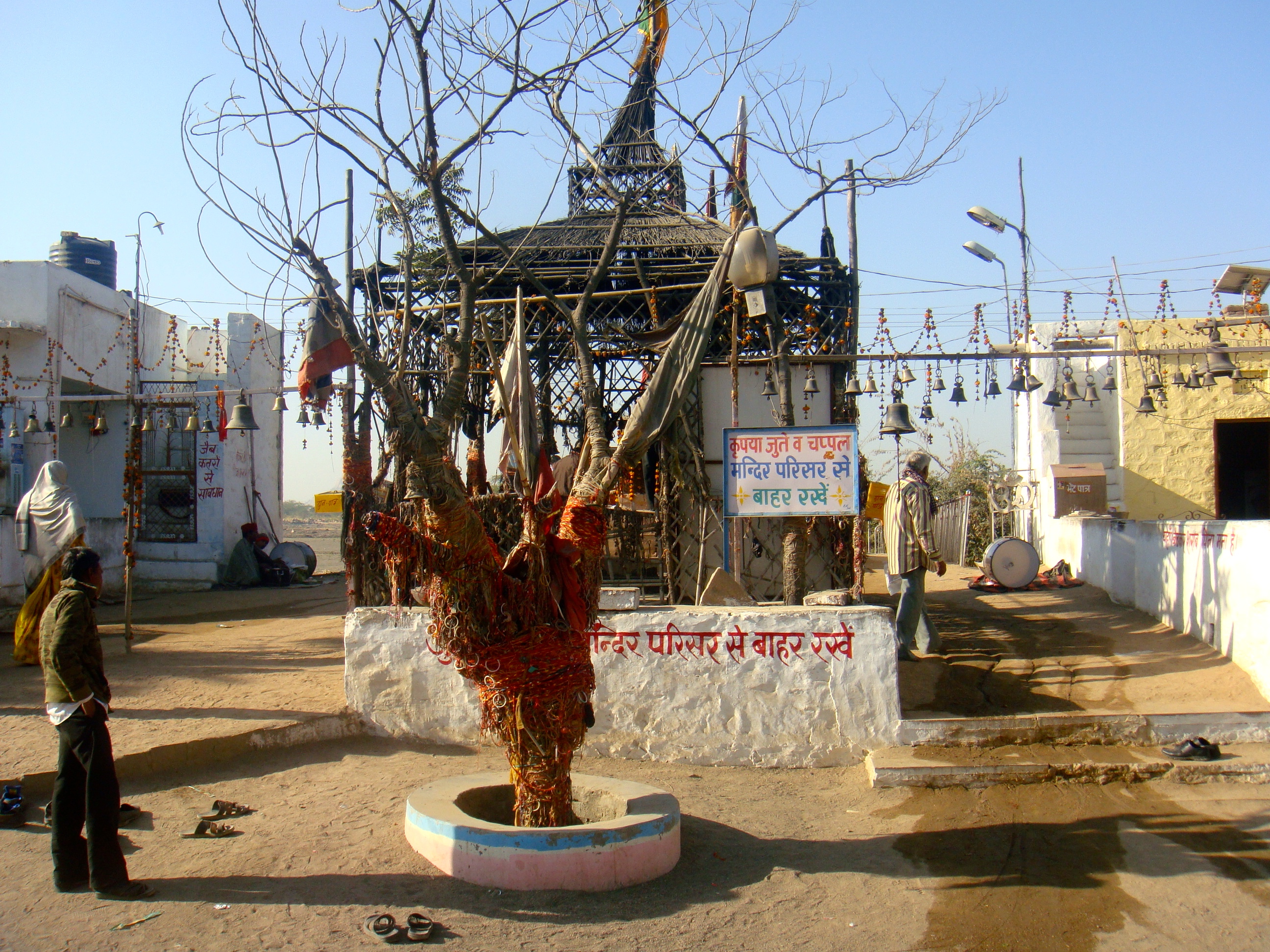
The next morning we were up early and on the road to Udaipur. Great sights along the way as ever, the first of which was the Om Bana temple:

DSC02057

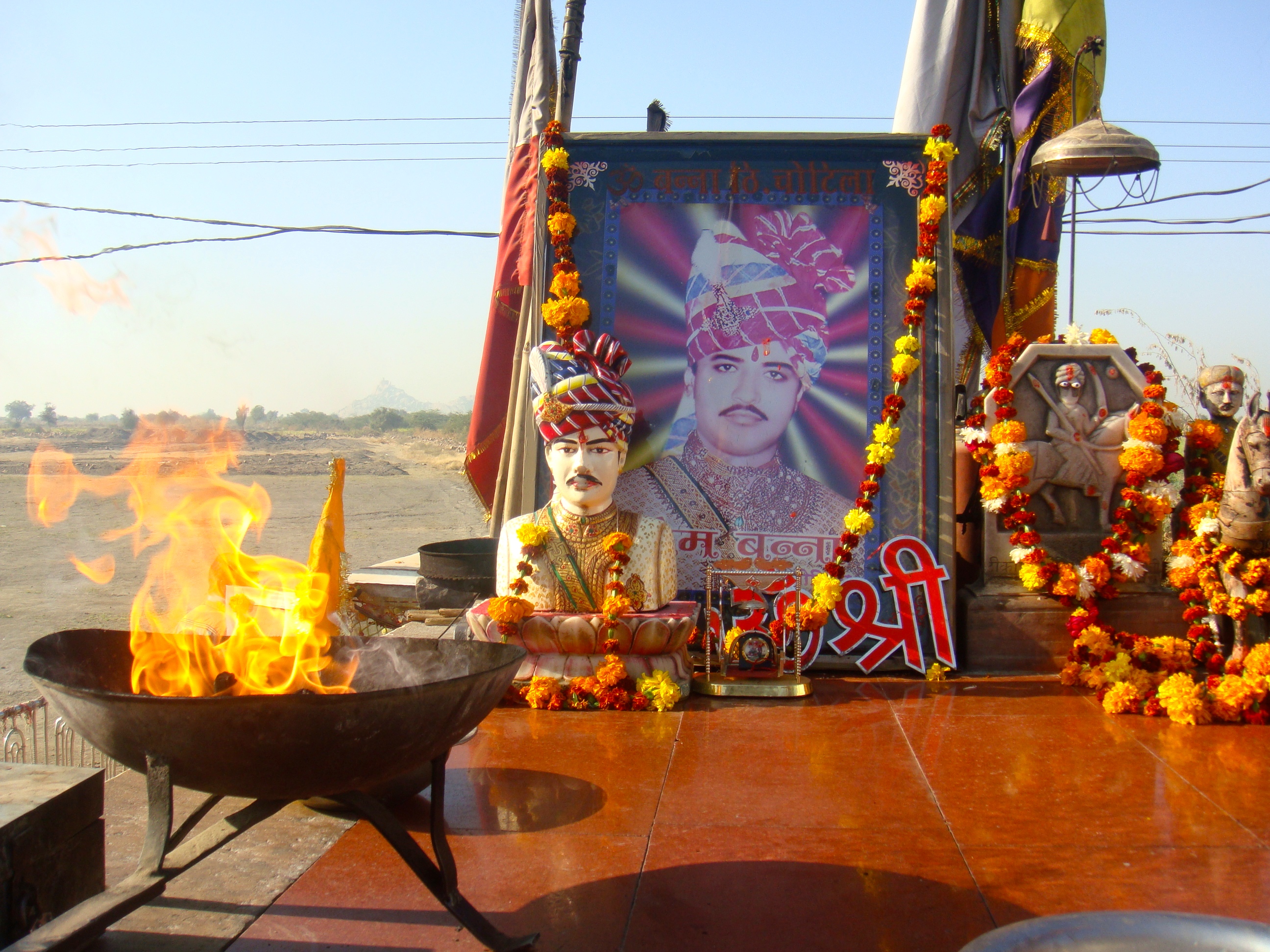
The story goes that Om Bana died here when he crashed his motorbike into a tree. The police took the bike away but twice it came back, apparently on it’s own! That was reason enough to name it “Bullet Baba” (the bike was a Royal Enfield Bullet) and to make it the diety of a new temple. Here is Om Baba:

DSC02056

and here, enshrined, is Bullet Baba:

DSC02052

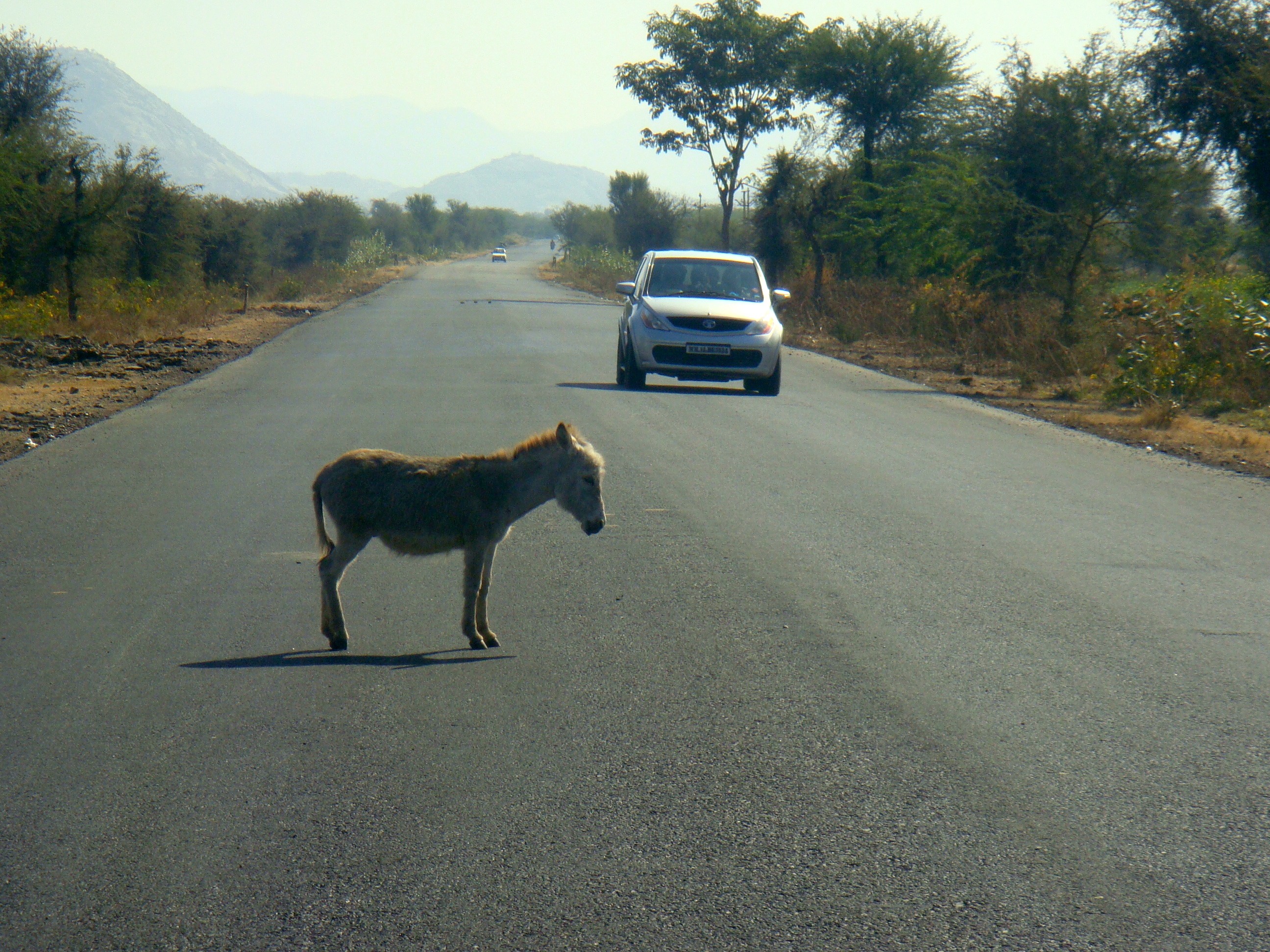
After that surreal experience we continued on our way watching carefully for riderless motorcycles, all we saw were riderless donkeys:

DSC02061

and the occasional monkey:

DSC02080

The monkey that bit Leishia was a Rhesus macaque, these were the altogether more pleasant Gray langur, a very beautiful monkey.

DSC02079

We stopped for a while at the small town of Narlai. This little town is famous for two things, firstly the twelve Jain temples it boasts, secondly the local hotel, the Rawla Narlai, which is owned by a famous Indian fashion designer Raghuvendra Singh Rathore and has been visited by, amongst others, Mick Jagger! Anyway I rather doubt he took the eight hundred steps to the top of the hill to see the elephant – I did!

DSC02074

There was a lovely old lady in Narlai, covered in tattoos:

DSC02077

and still very flexible!

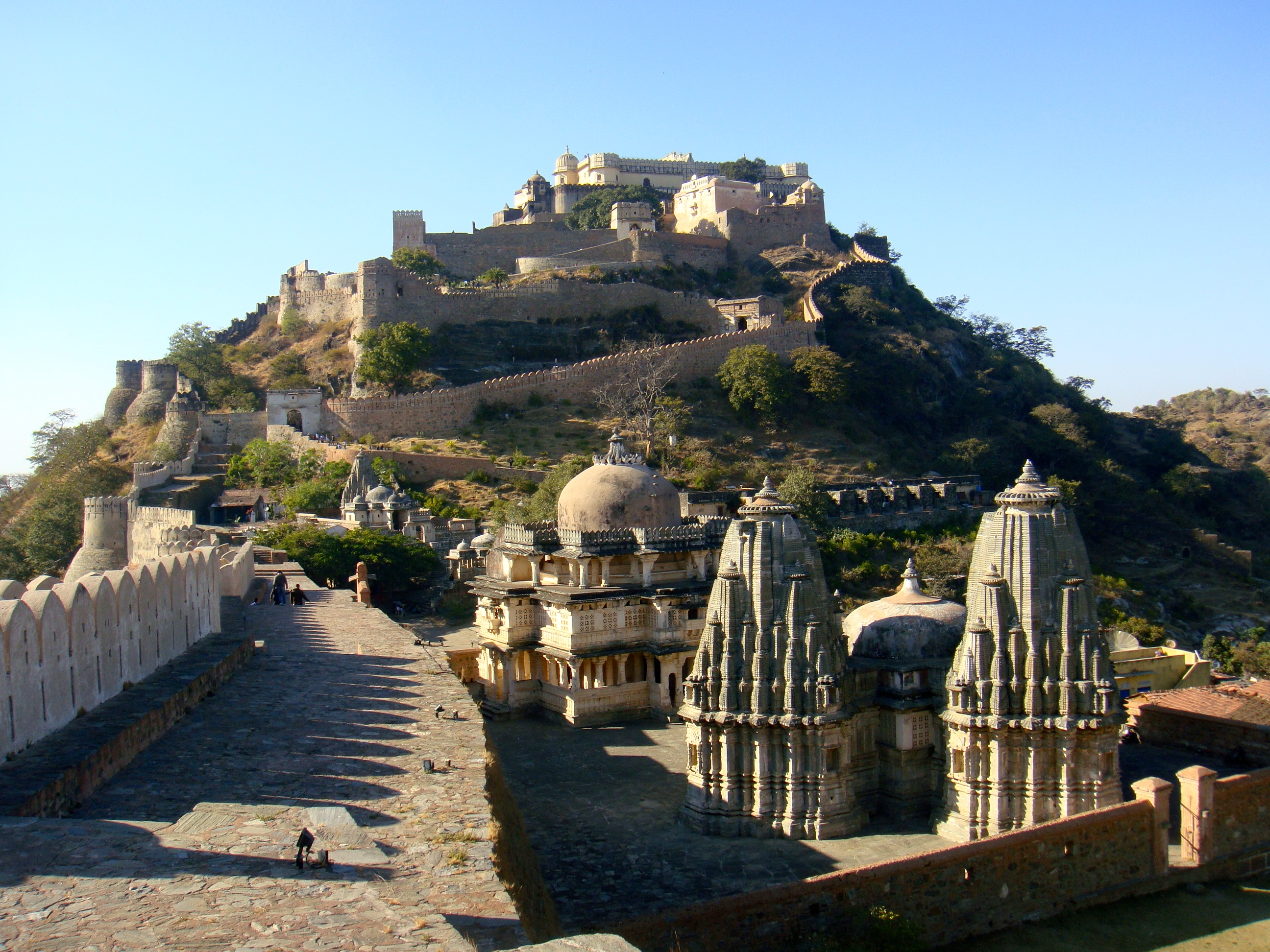
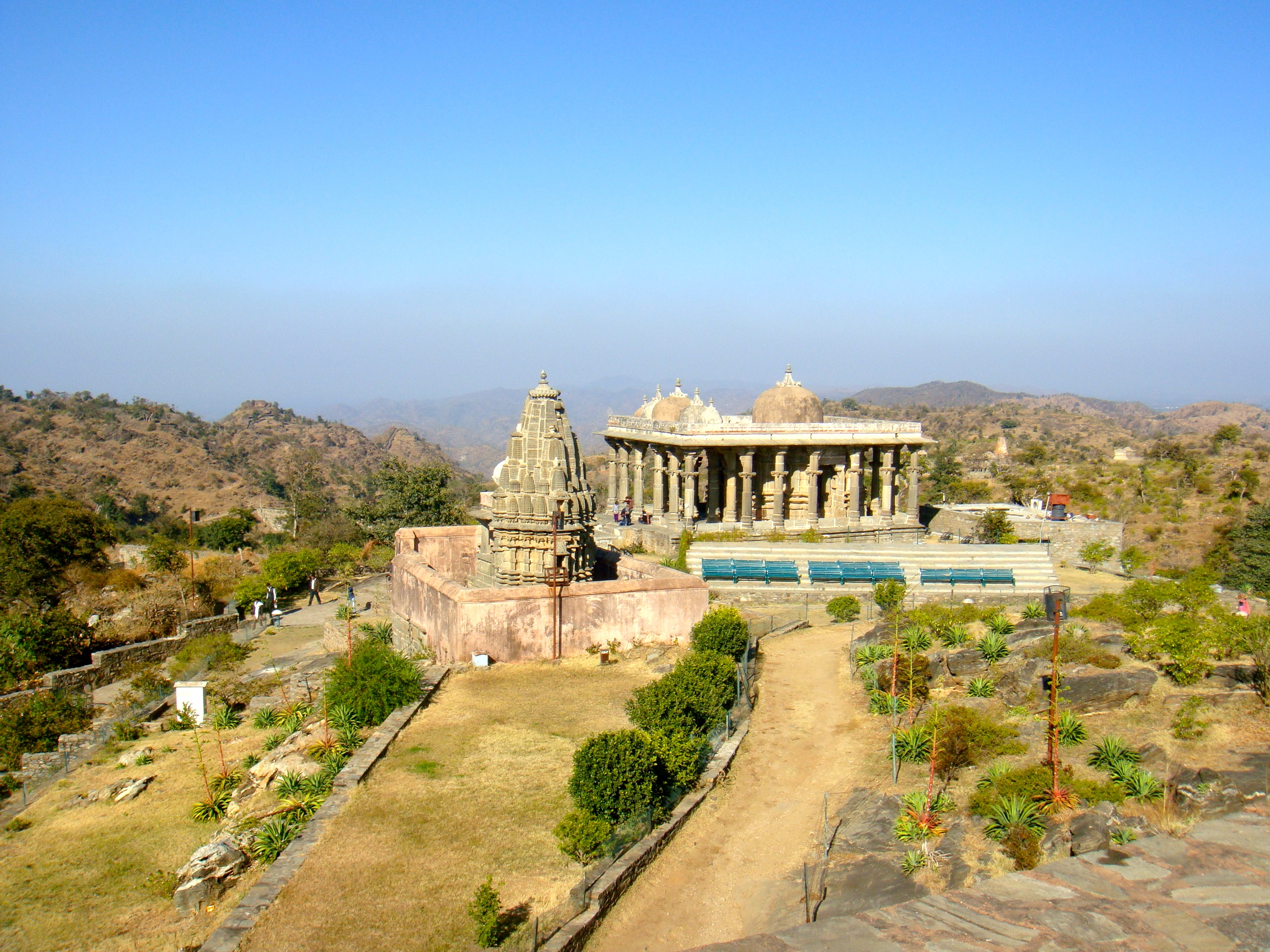
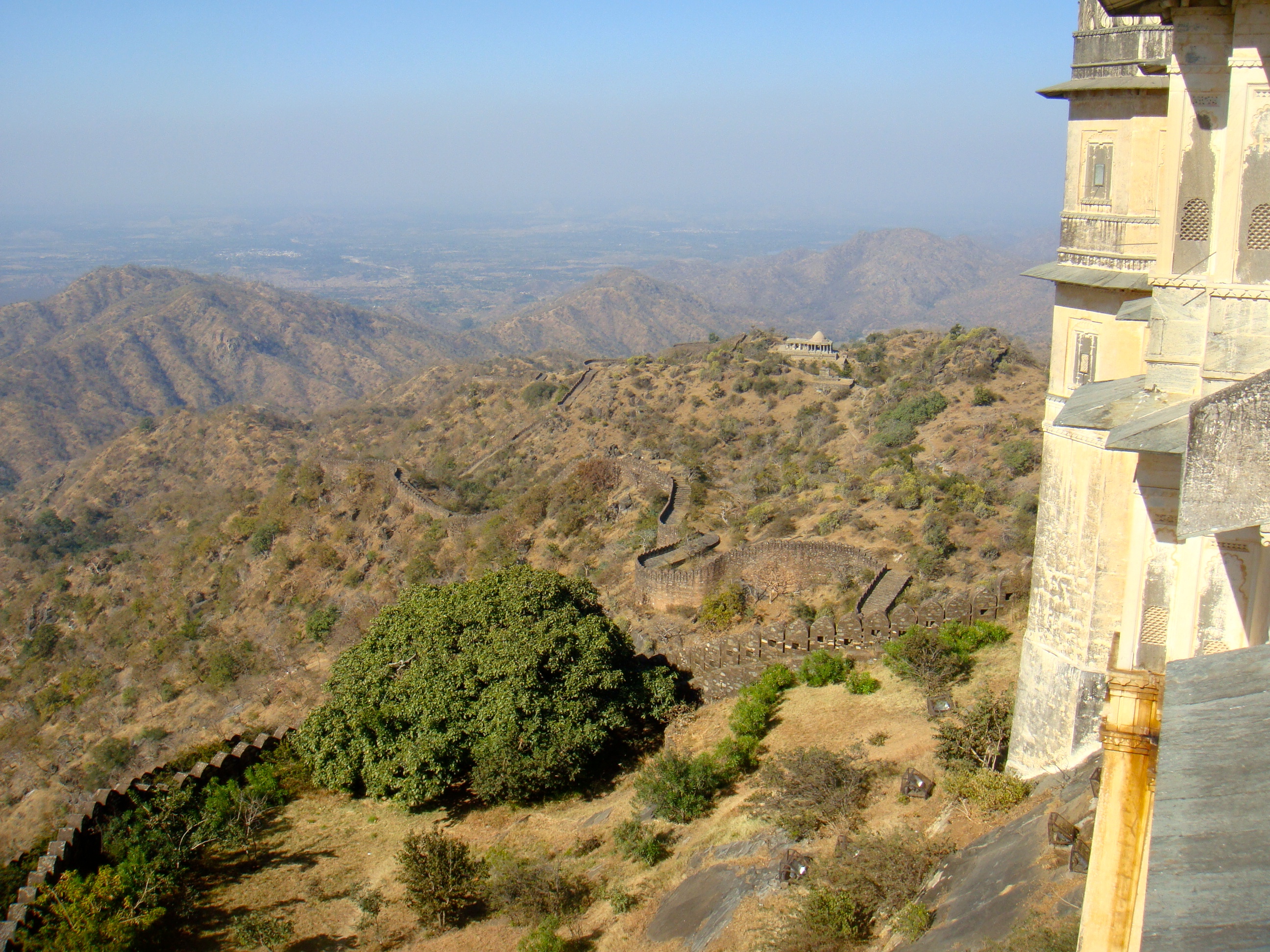
After Narlai we drove to see Kumbhalgarh fort. And what a fort. This is the best fort on the planet. A real grown up fort with a real grown up wall. A wall 36km long and broad enough to take eight horses ridden abreast. The wall is the longest continuous wall in India and the longest in the world after the Great Wall of China. It is the first line of protection for the fort but with or without it the fort itself looks impregnable.

DSC02117 The fort from the wall

DSC02085 The wall

DSC02113

DSC02092 The snaking wall

DSC02108 Temples and the wall in the far distance.

After all the forts we’ve seen in India if Ganesh were to offer me a fort of my own this is the one I would have! Kumbhalgarh is a fort on a grand scale, when you sit atop the battlements and look out you can see the enemy two days march away. You can enjoy your roasted wild boar and your goblet of wine safe in the knowledge that he’s not going to spoil your fun anytime soon. And then, when he tries, you just pour boiling oil over him and go back inside for dessert. Brilliant, my kind of fort.

So after a great day of sights we’ve arrived in Udaipur where we plan to stay for a few days before moving on to Gujarat.

Jaisalmer

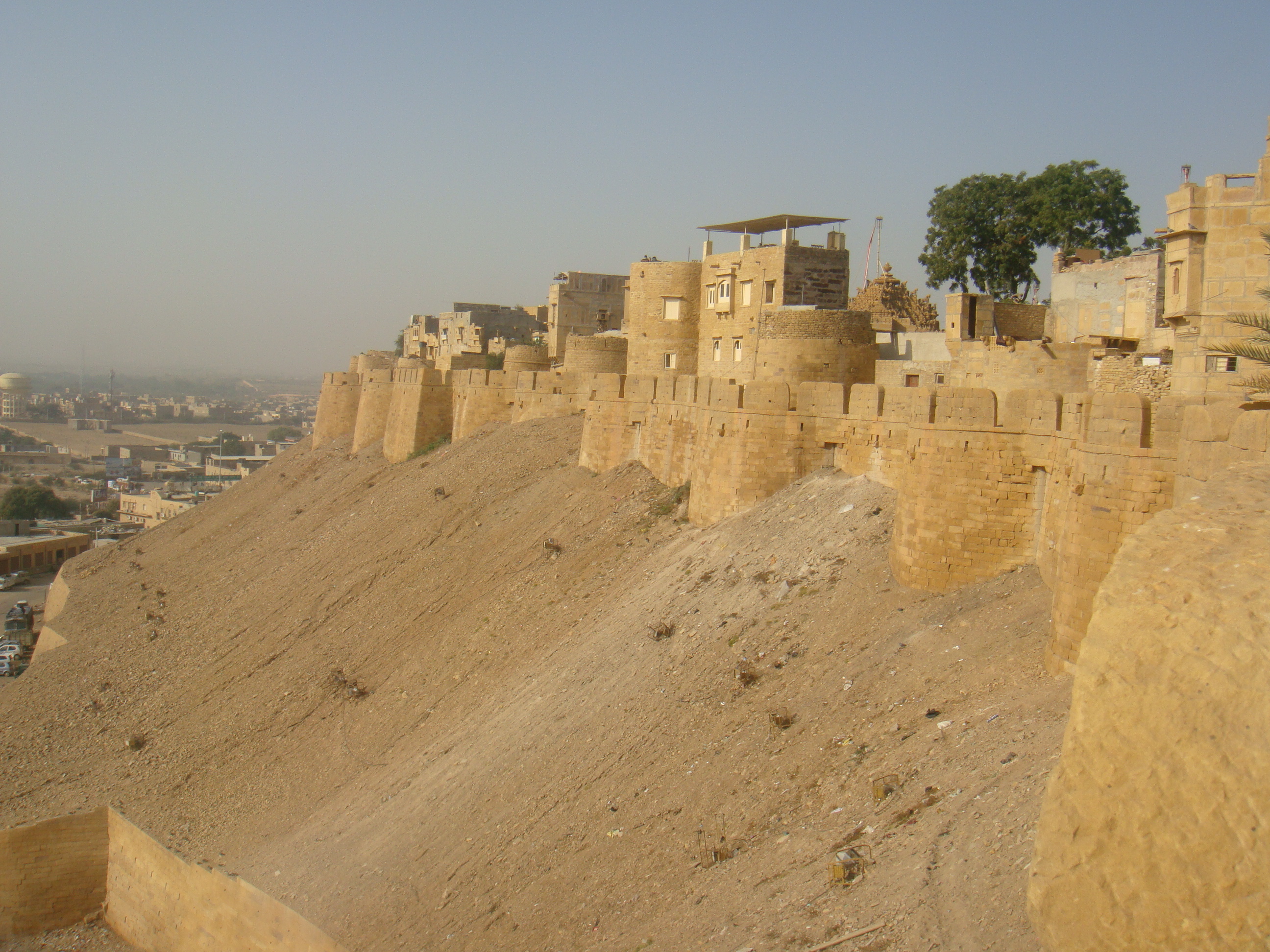
The first thing you see as you come towards Jaisalmer is the fort, a real fort, on a hill:

DSC01896

with big walls and battlements:

DSC01851

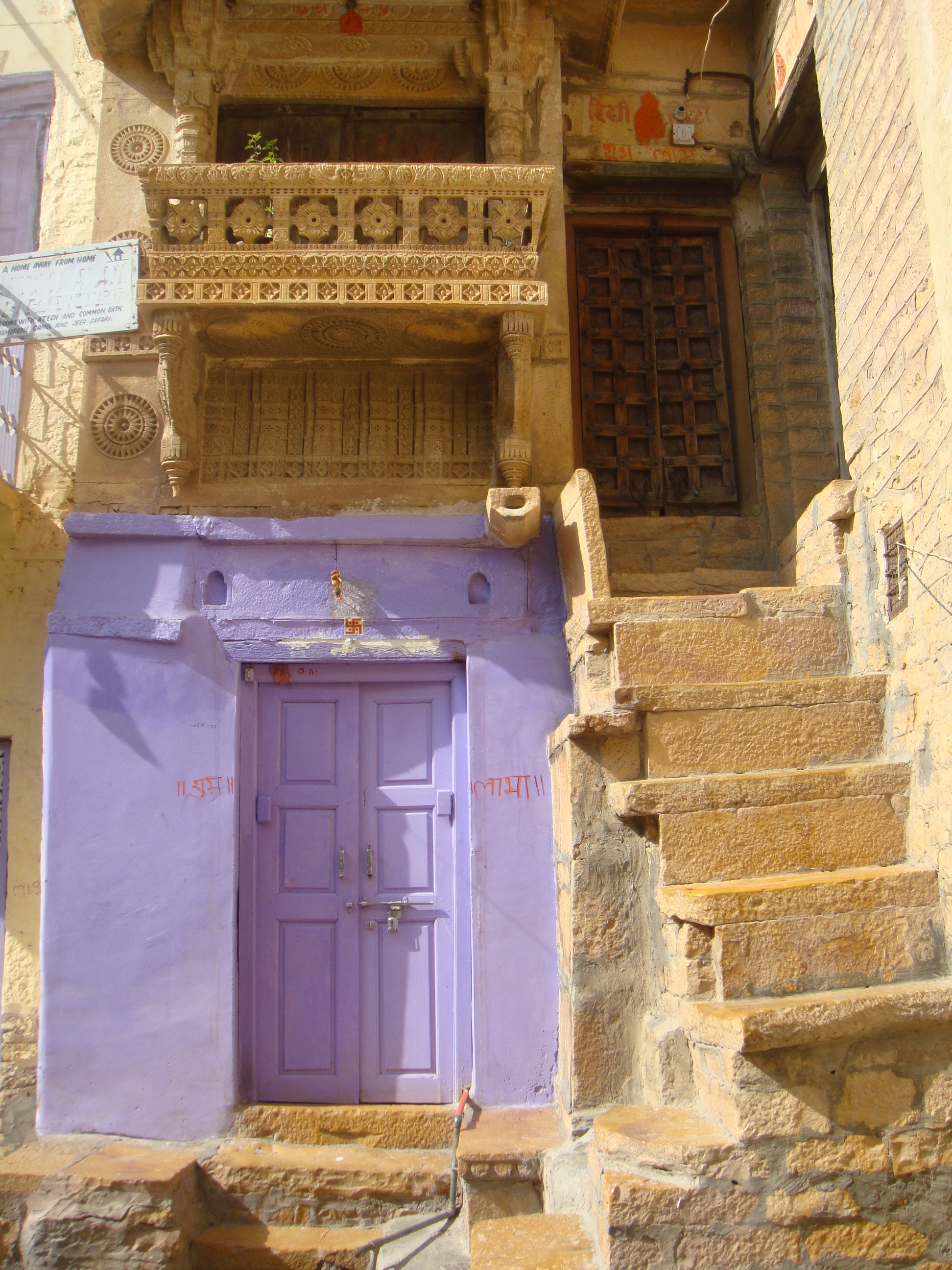
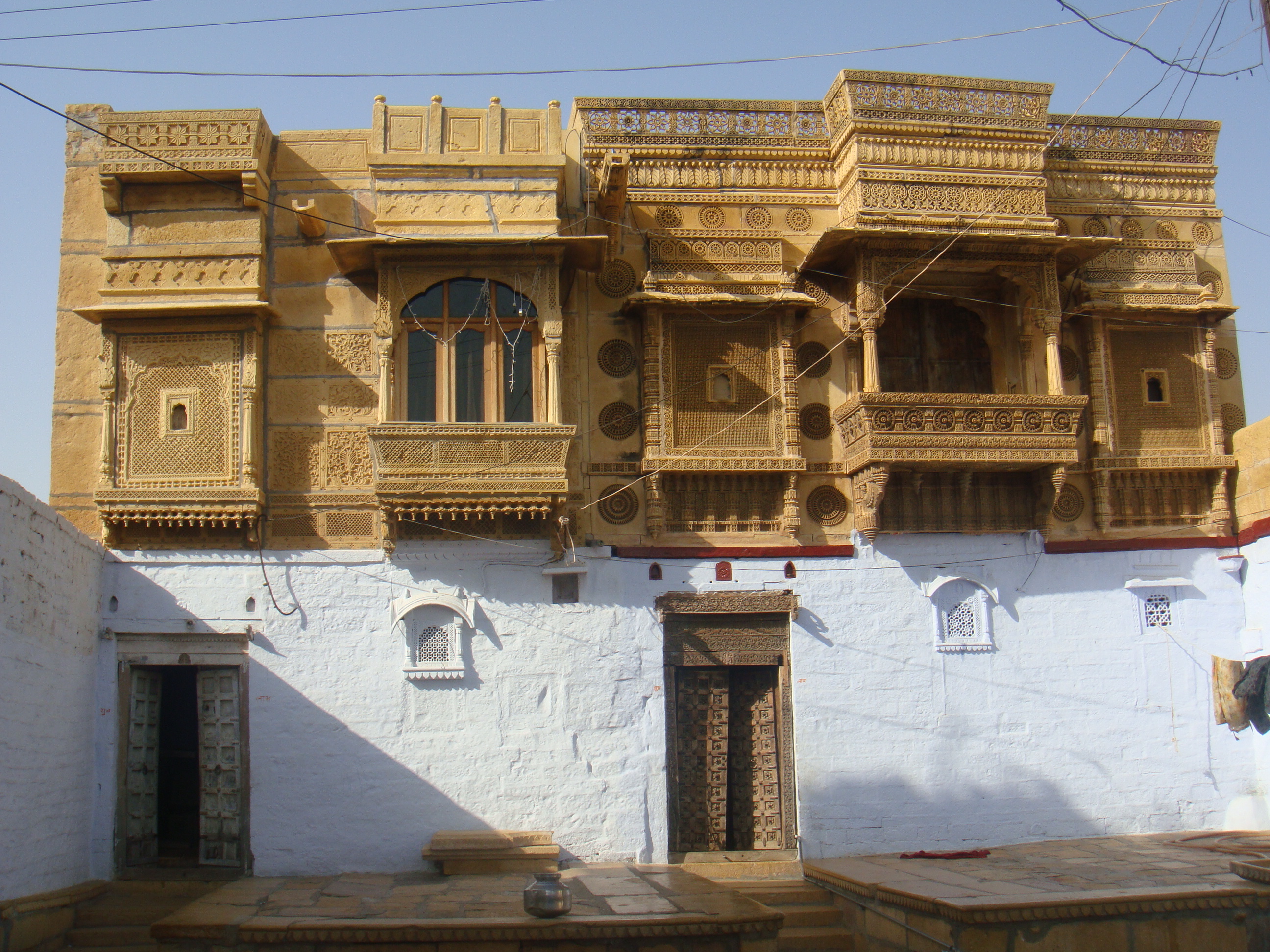
The fort is thriving today, and very colourful:

DSC01870

DSC01859

DSC01874

DSC01894

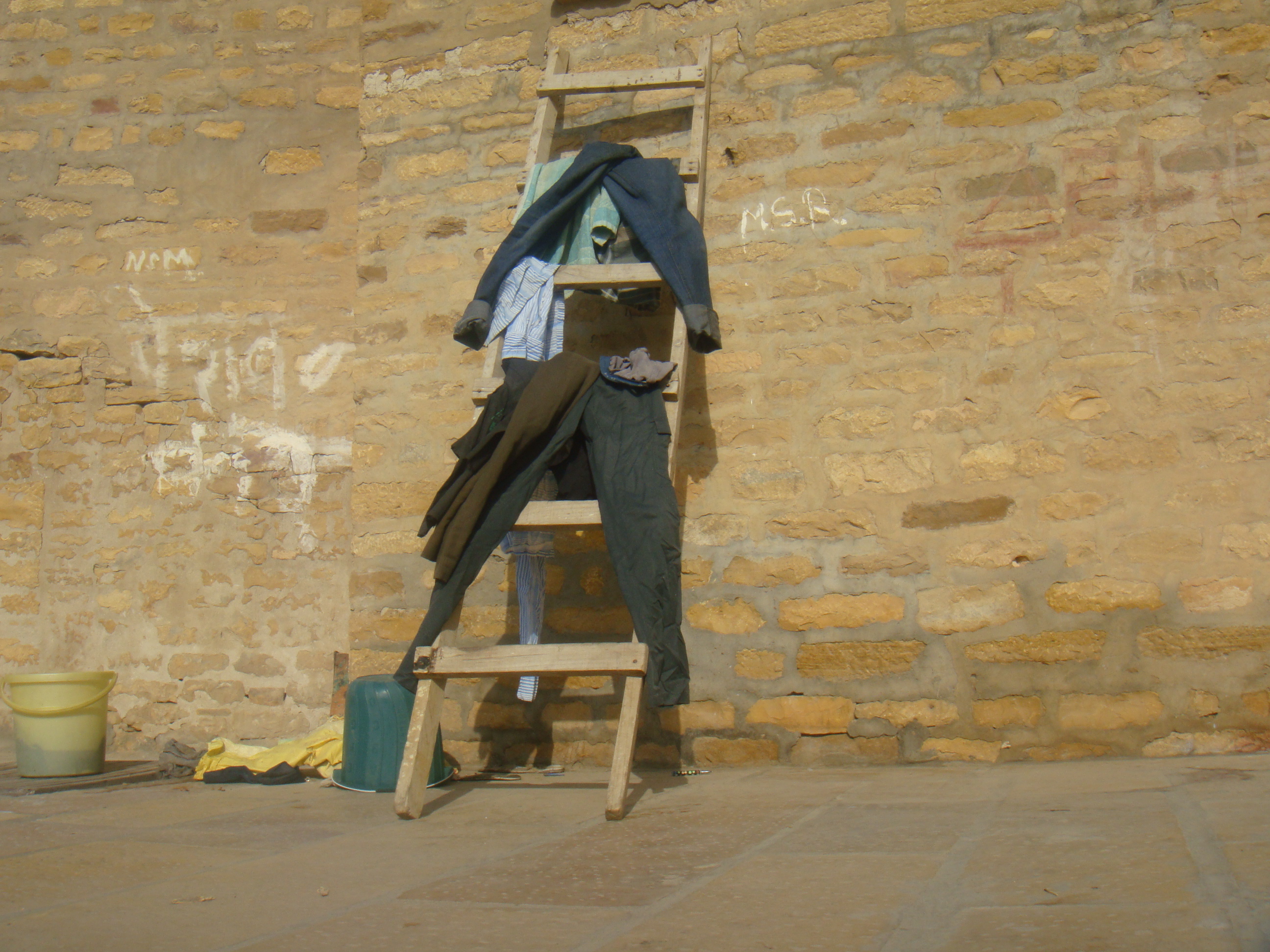
DSC01852 laundry day

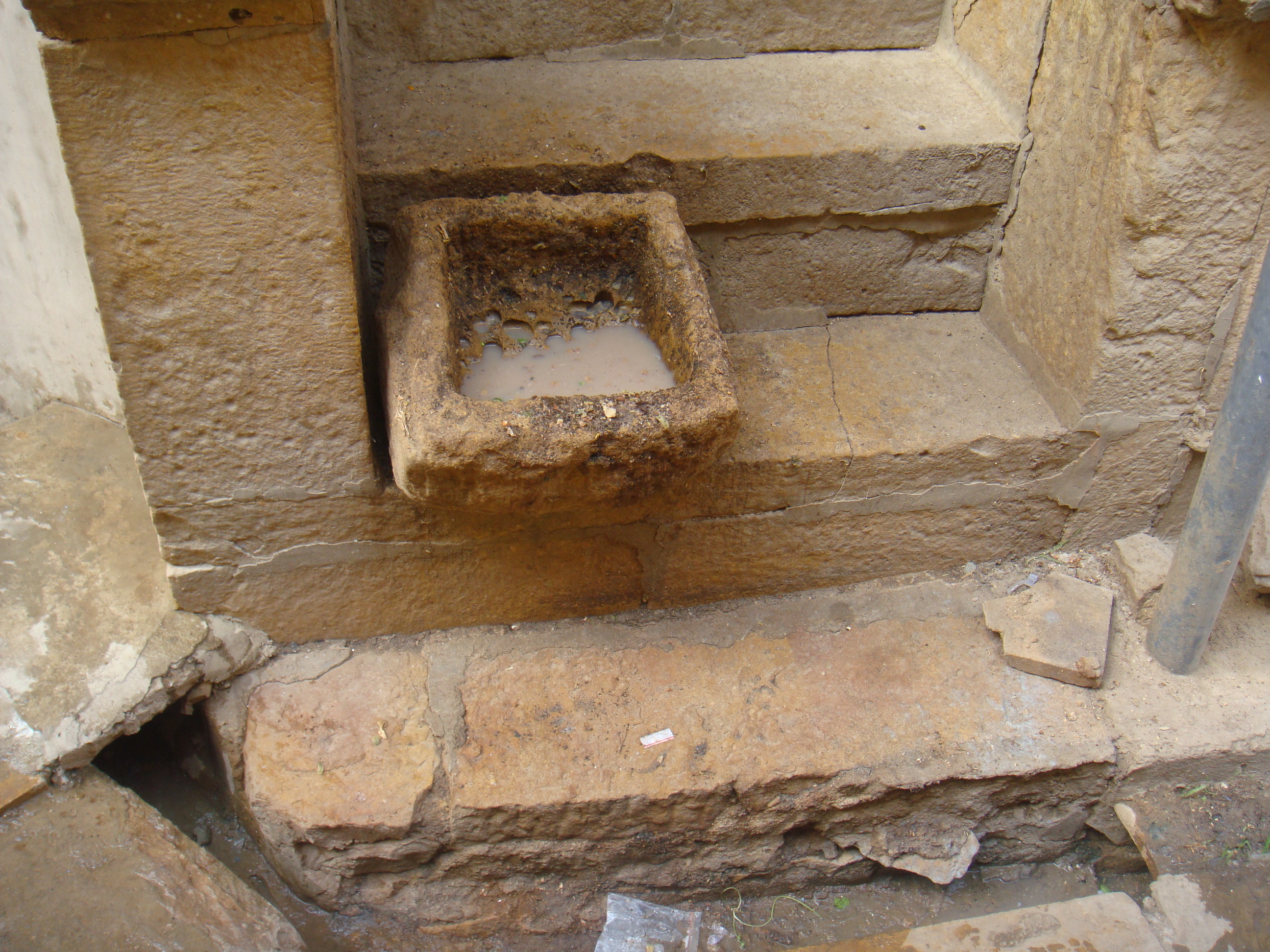
DSC01875 a stone slops bowl for cattle.

There was music too, a Rajasthani love song:

and a short service at the Laxmi Narayan temple:

Jaisalmer Fort – ten out of ten!

On New Year’s Eve the hotel organised an Indian celebration, great acts and great food:

DSC01904

DSC01917

Here is a short cut of some of the festivities:

Leishia and I hope 2014 is kind to you.

DSC01902

Today we popped out to watch the start of an event called “The Rickshaw Run” where teams travel ridiculous distances in their own brightly decorated auto rickshaws, this time they are travelling from Jaisalmer to Cochin which is about 2,400kms. Here they are:

DSC01933

DSC01934

Nuts! More here if you care:

Rickshaw Run

and here:

Our final sight seeing stop was the Royal cenotaphs at Bada Bagh, the most interesting things about this site were the mix of Hindu and Mughal tomb architecture and the prevalence of tombs where the wives had died with their husbands.

DSC01949

DSC01944 A typical Mughal era tomb

DSC01942 Looking down one line of tombs

Here is an example of the wives dying and being buried with their husband:

DSC01941 A King, his brother and his eleven wives.

The practice was known as Sati and required that the wife throw herself onto her dead husbands funeral pyre. Rajahstan was one of the principal territories where Sati was practised. It was banned by the British in 1829. Amazingly the ban was contested but was upheld in 1932.

We spent the rest of New Years Day doing absolutely nothing – wonderful!

Today we are off to Jodhpur – perhaps I’ll buy some funny trousers 🙂