We left Allepey and took the short drive to Kochin, once again great sights along the way:

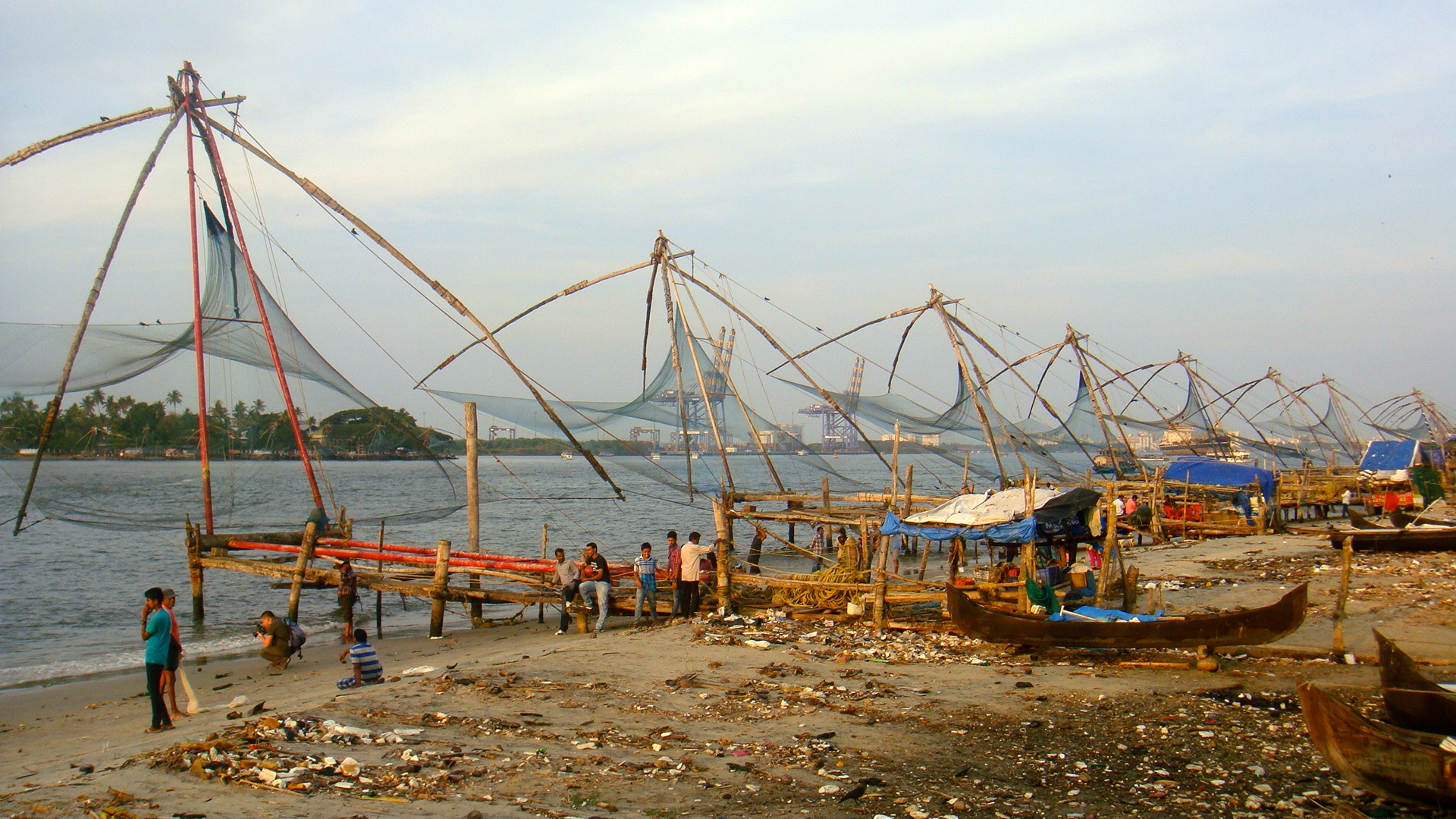
 Chinese fishing net
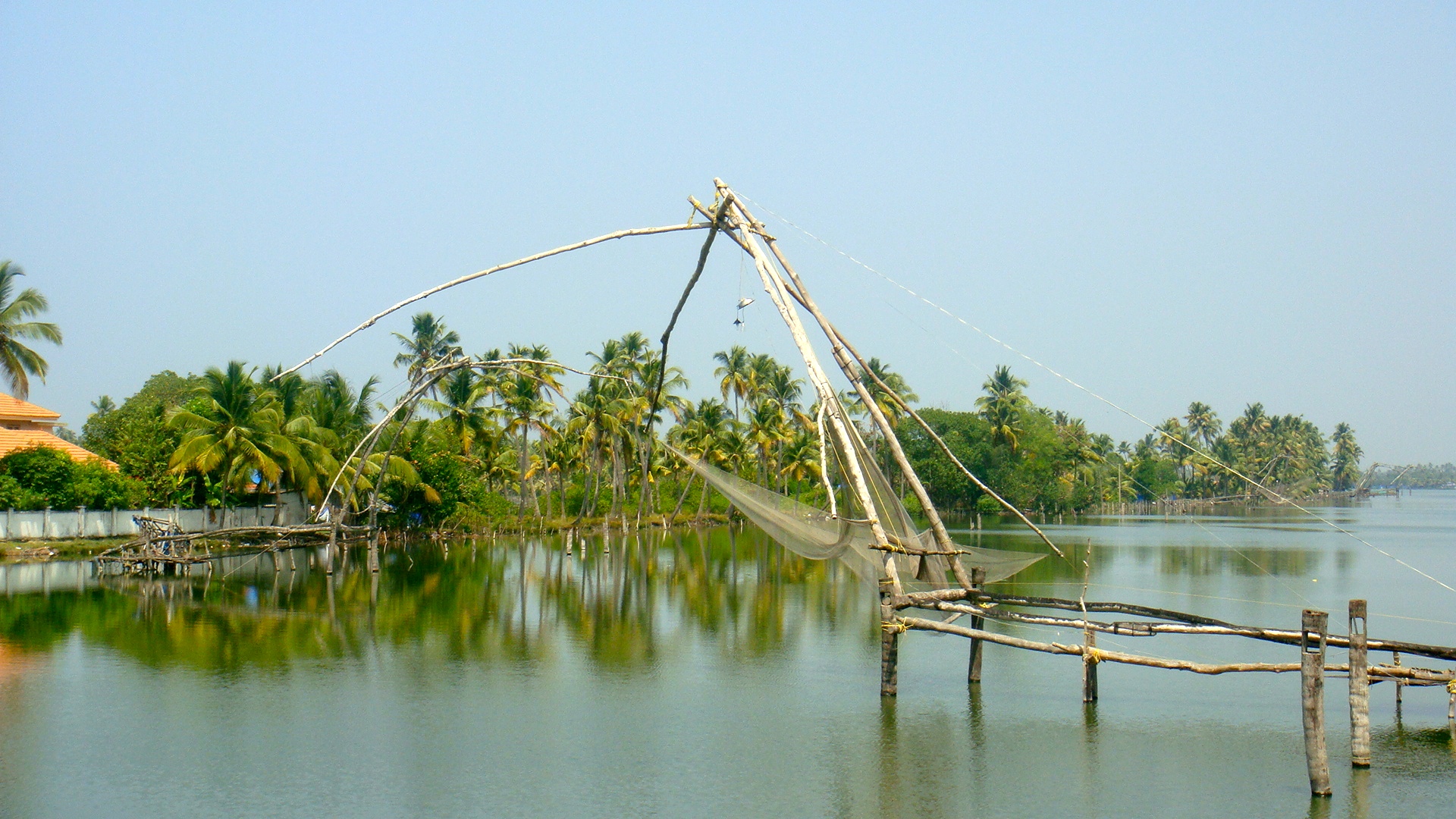 and another, very common here.
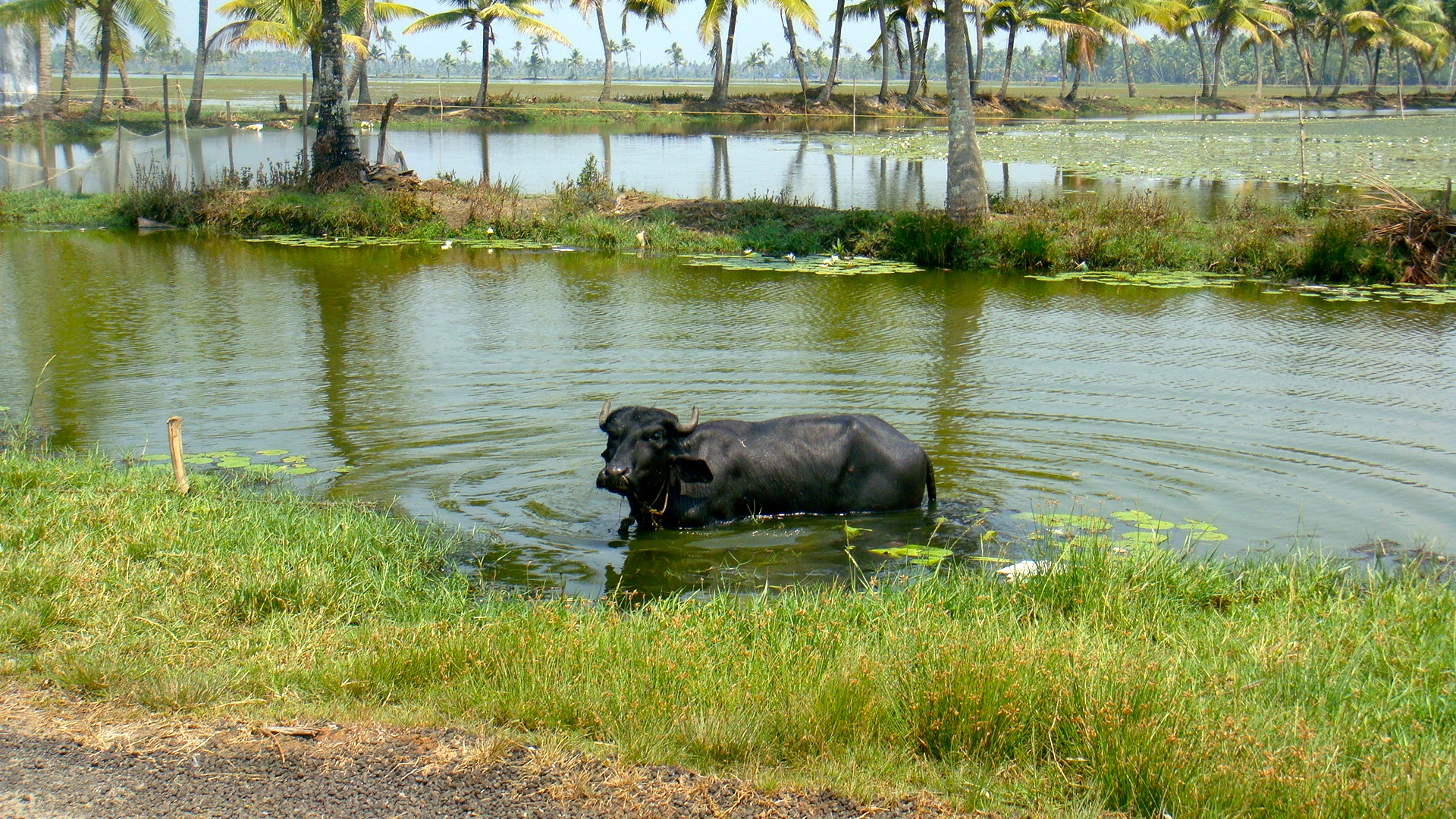 It was warm!
We arrived in Kochin and went out to explore the area. The first thing we noticed was that this is a wealthy area, several of the houses near the Fort are really impressive:
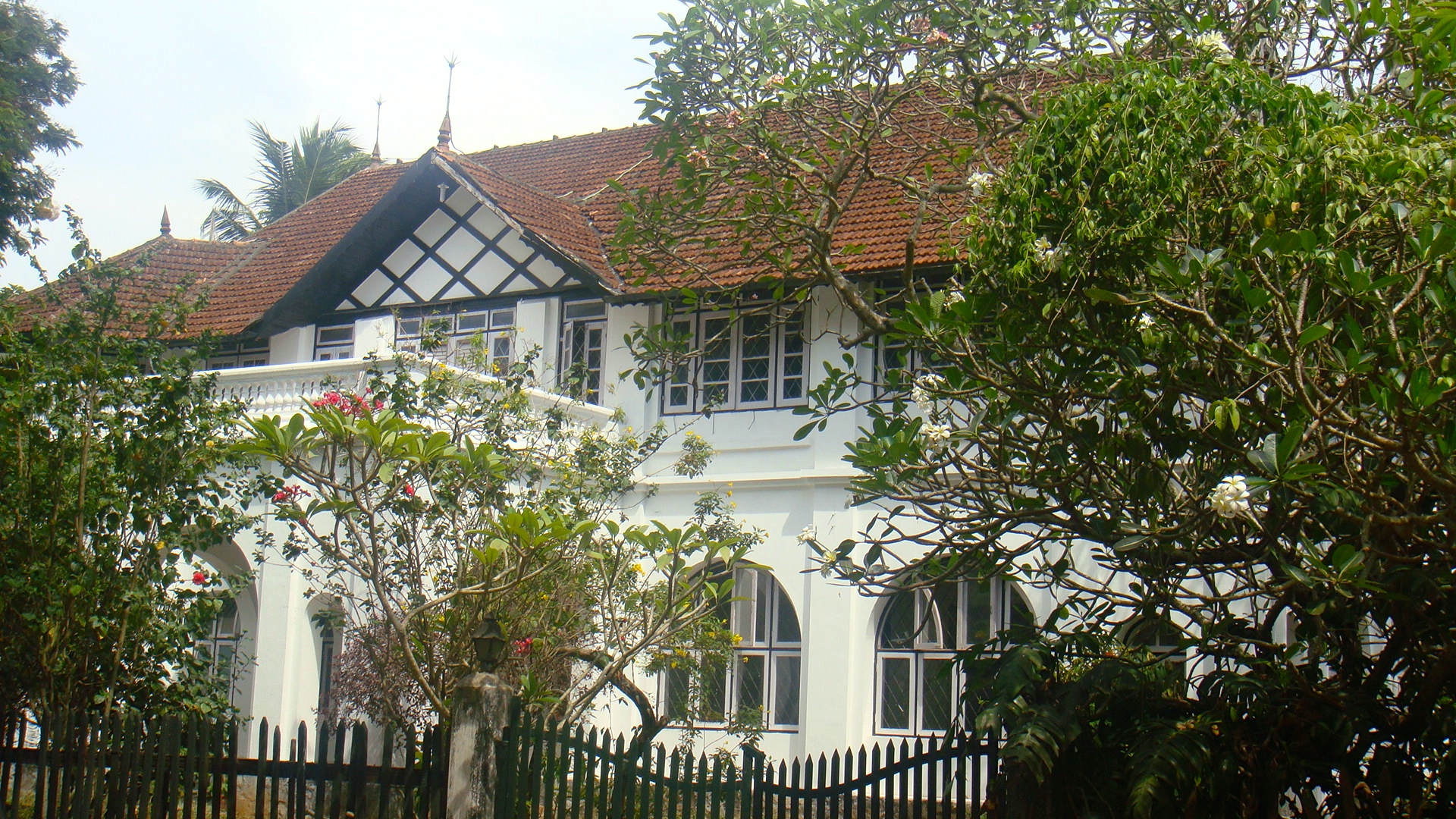
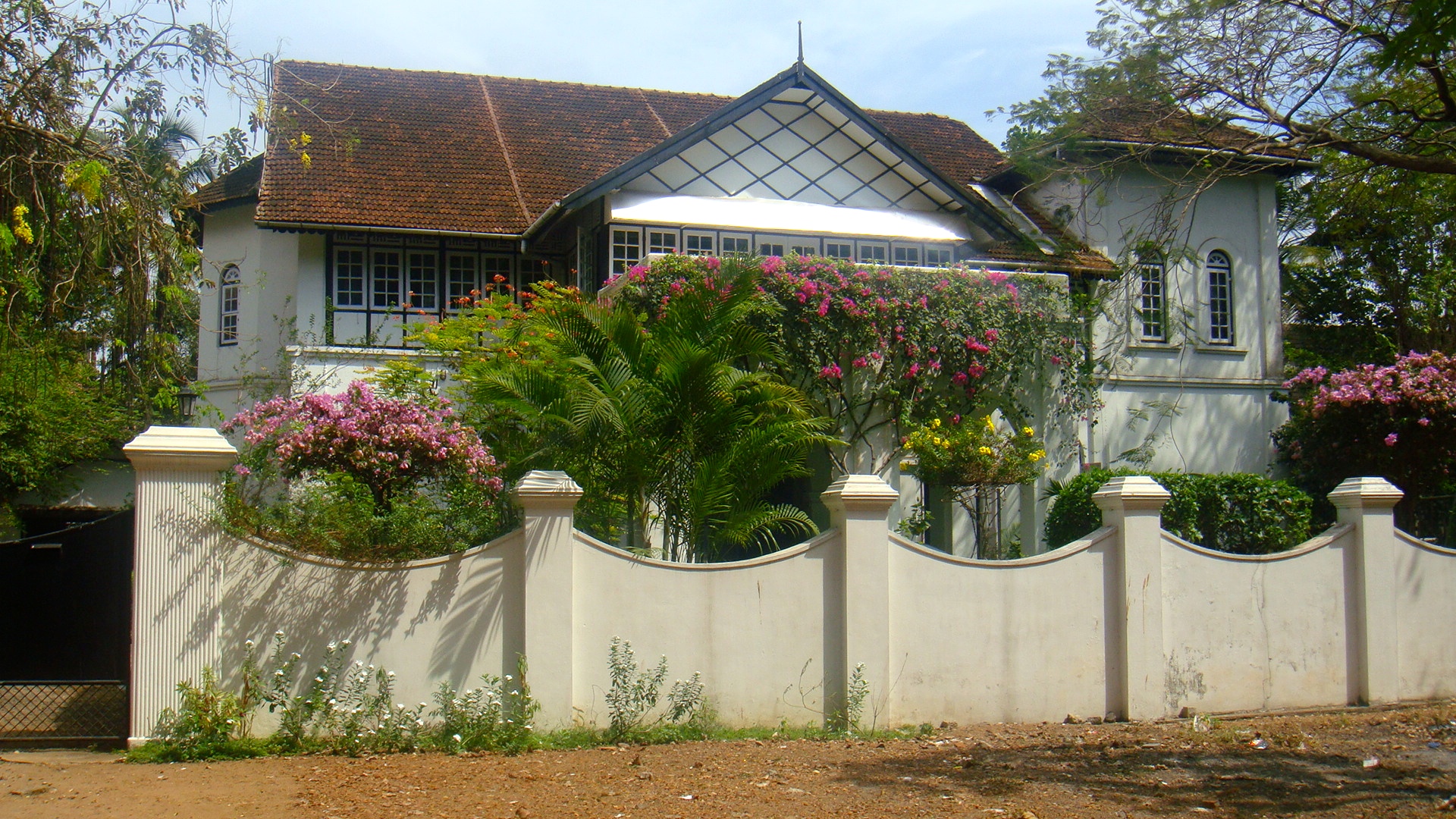
Off course just like everywhere in India the rich and the poor live side by side.
Our first sight seeing stop was the Indo-Portuguese museum, lots of religious artefacts, most interesting for us was this traditional Keralan “Mani-chitra-thal” door lock:

The lock used to be displayed on the front door of Keralan houses and signified tolerance of all religions. The pattern symbolises the Hindu trident, the Jewish menorah, the Muslim crescent, the Christian cross and (between the spears of the trident) the Chinese symbols “Shou” and “Fu” meaning “Good Fate”.
We liked the lock so much we bought an old one which we plan to restore and display.
Next morning we recruited an auto-rickshaw driver and took a mini tour. We love this way of getting around the towns in India, you see a lot, there’s automatic air-con and you just get to relax and watch the world go by.
First stop was the local laundry, the drying area was huge:
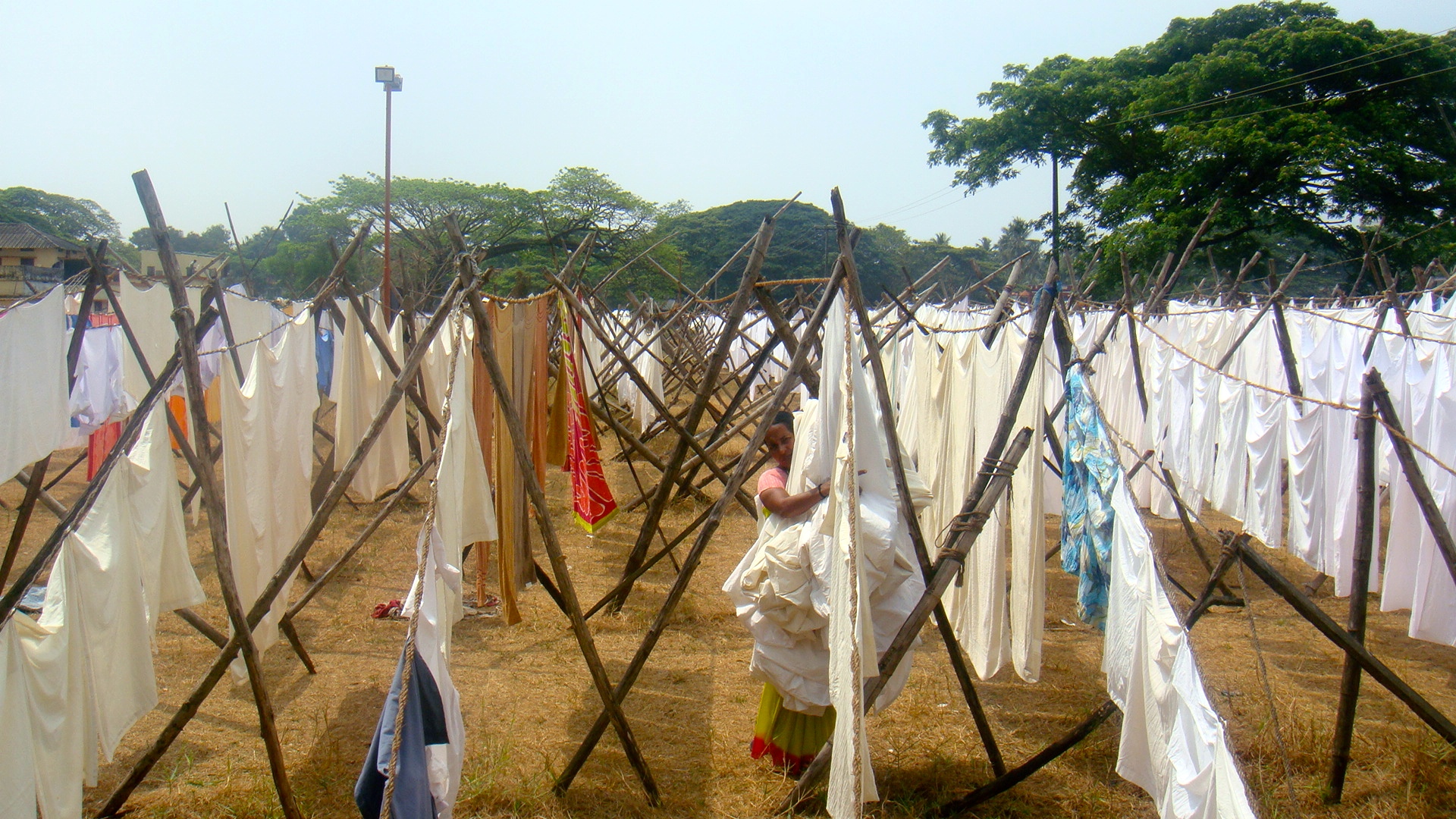
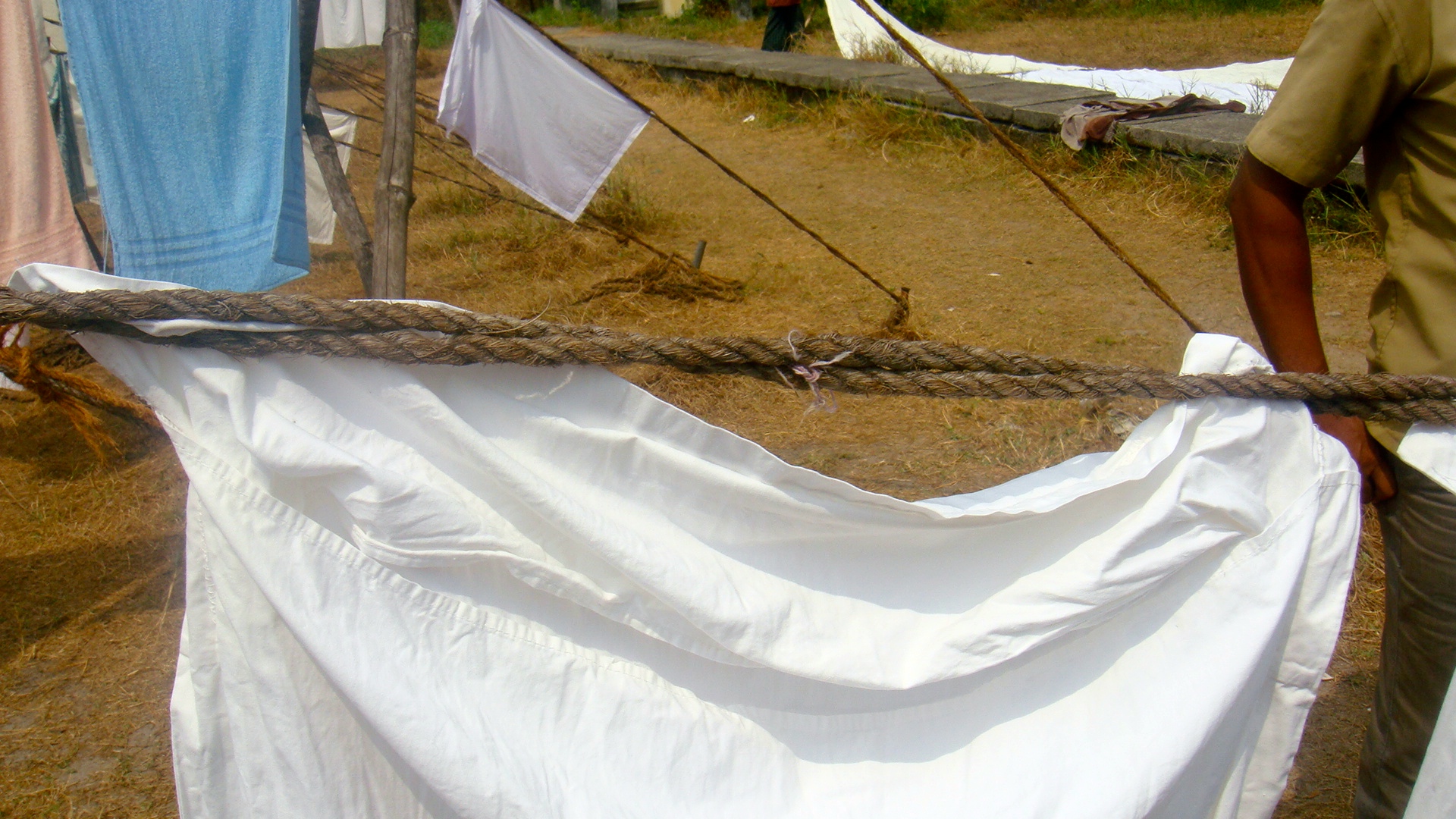
They twist two ropes to form the line and then push the clothes between the ropes:
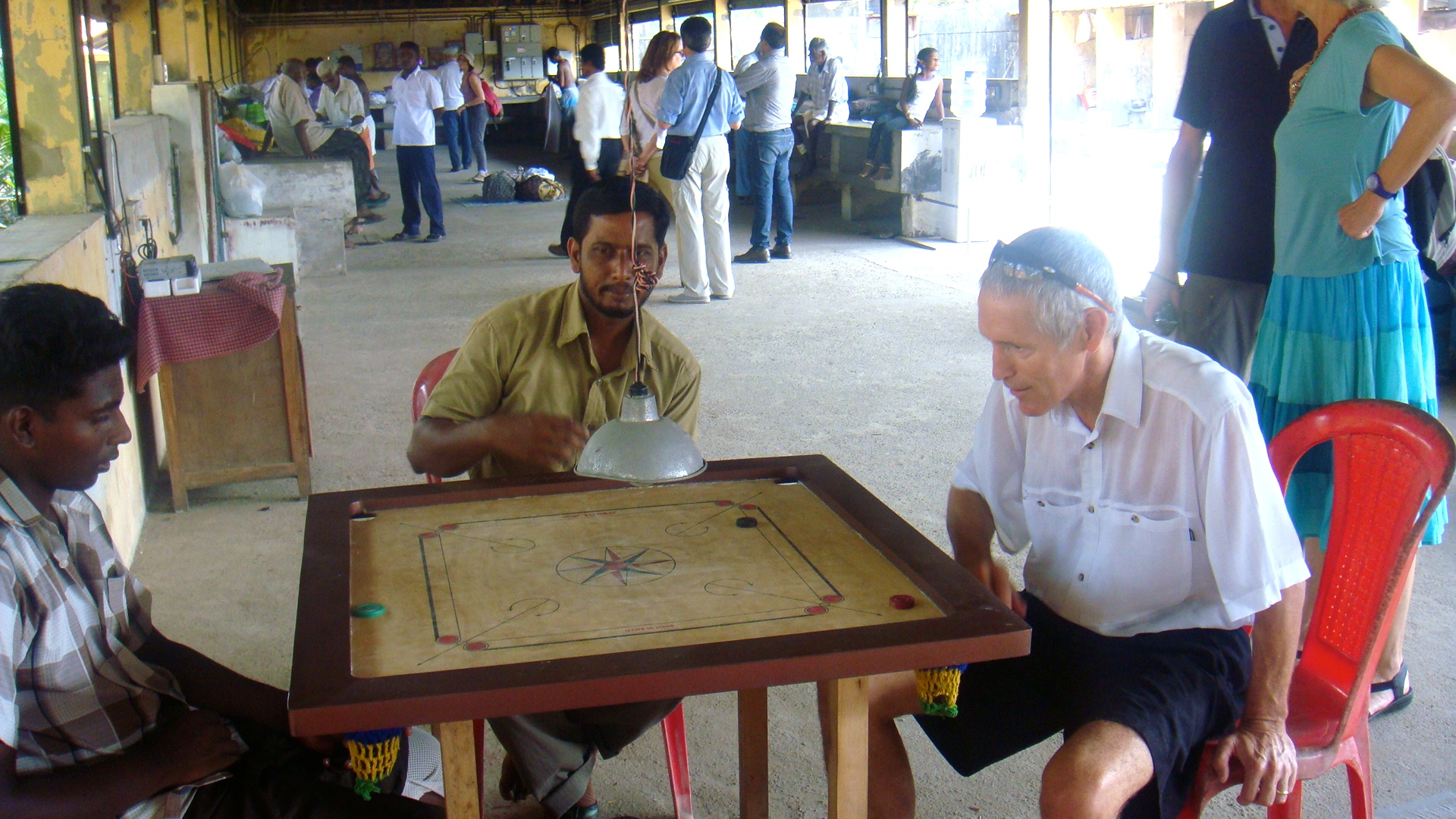
I managed to play a game of Karrom with a couple of locals:
Next stop was the market, this one was really clean – especially compared to the Crawford market in Mumbai:
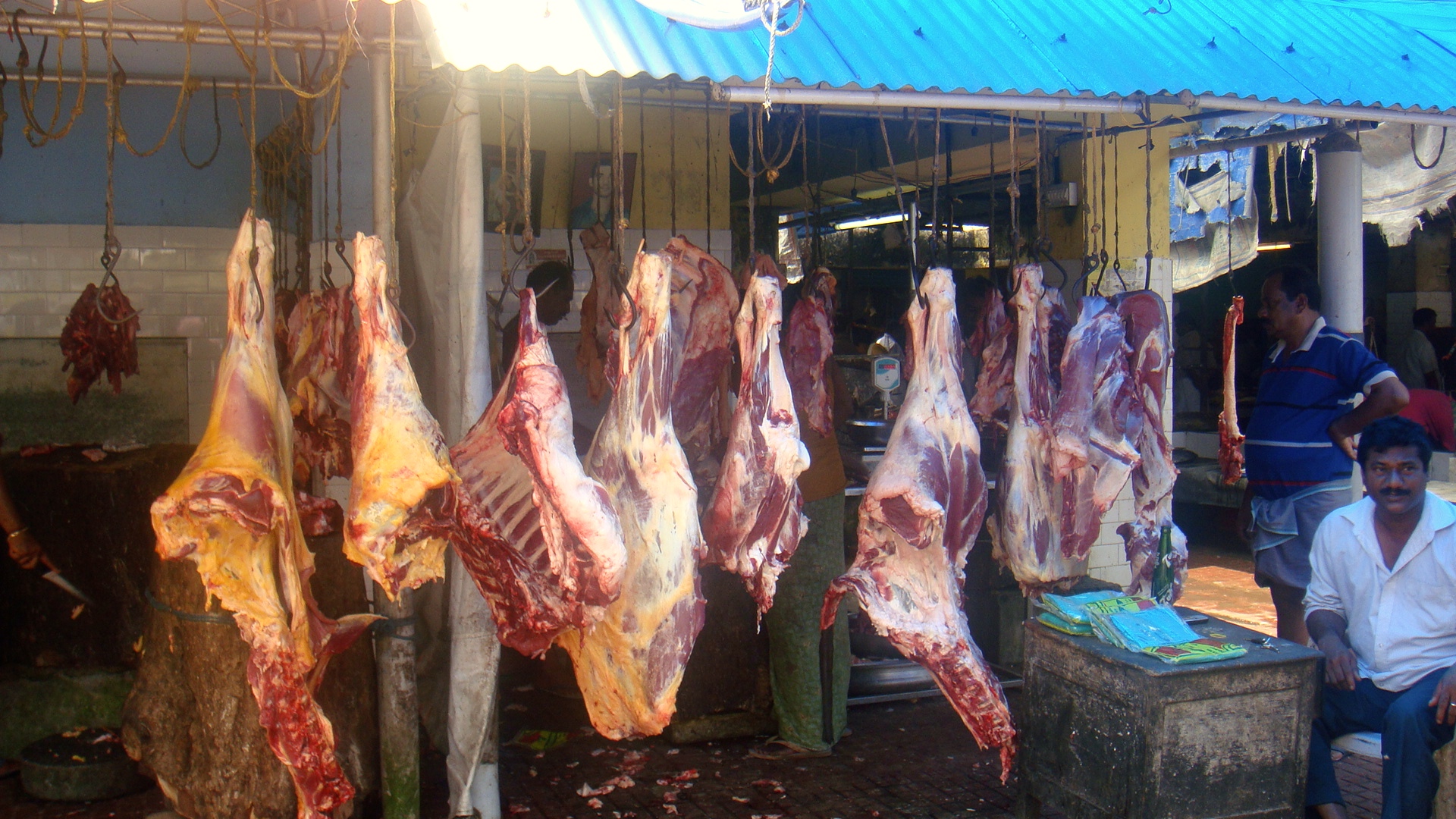
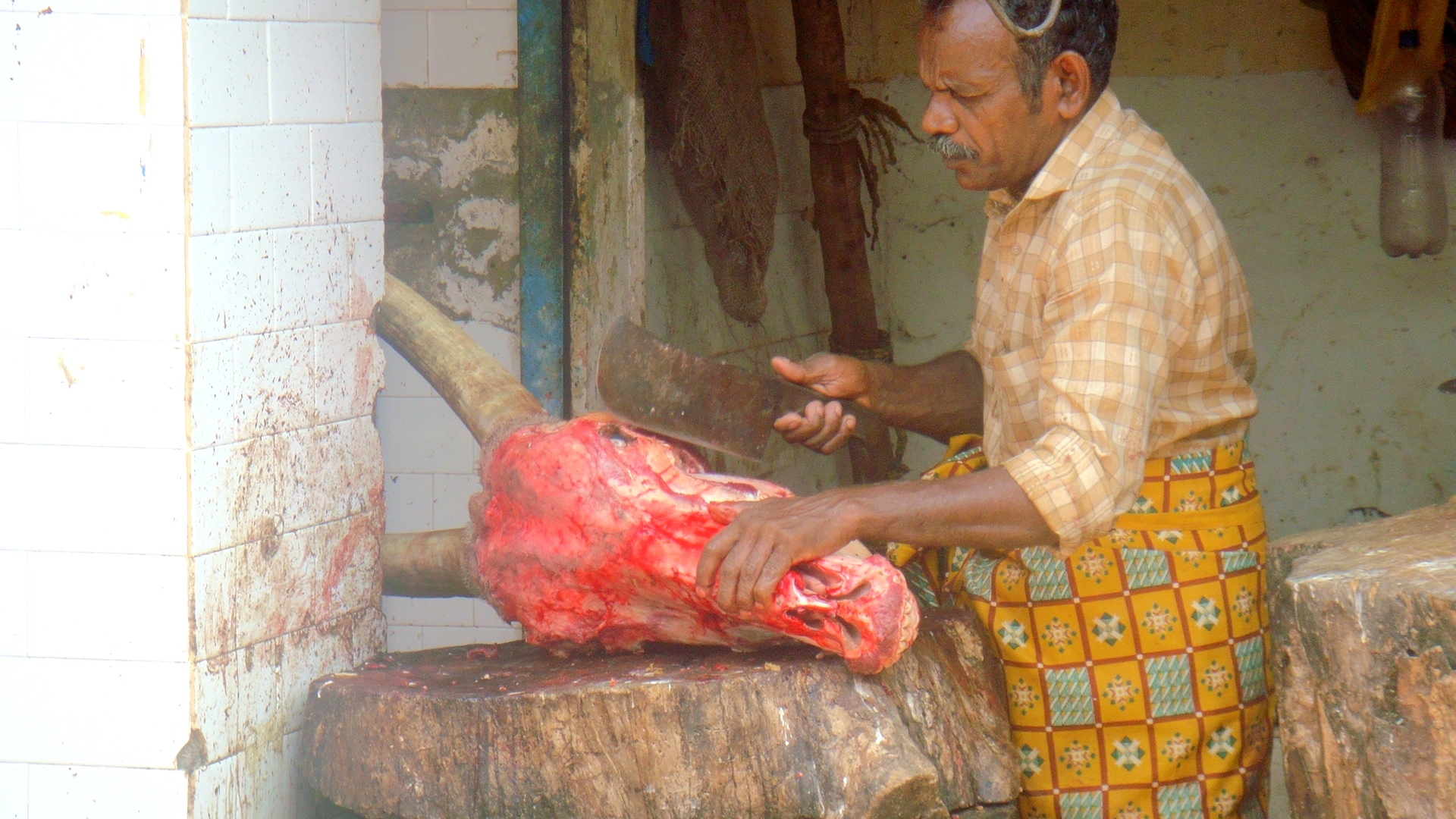
Having just read about a campaign against a butcher in Suffolk by people who objected to his window displays we couldn’t help wondering what they would make of this:

The fish was great too, and really fresh:
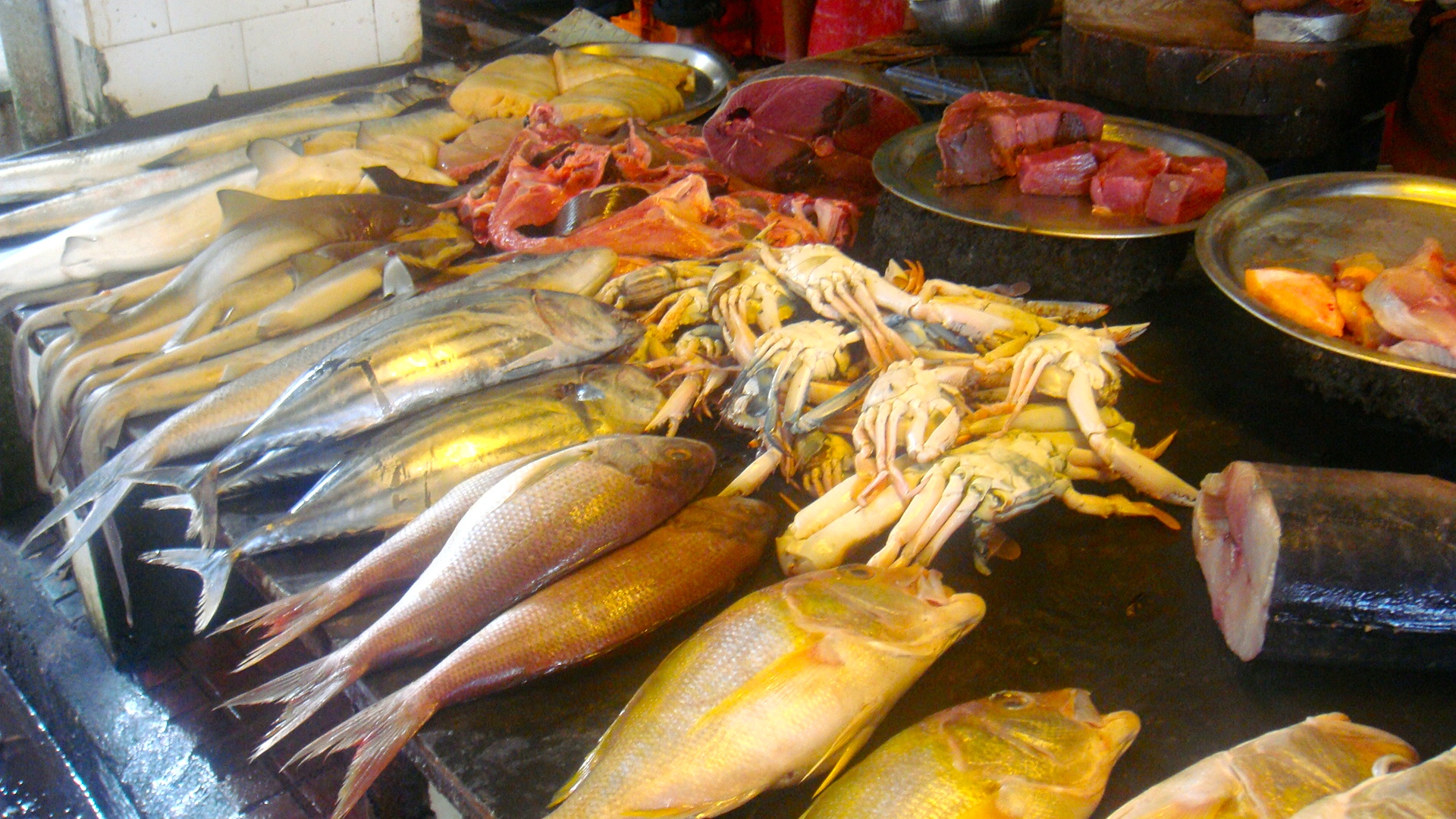
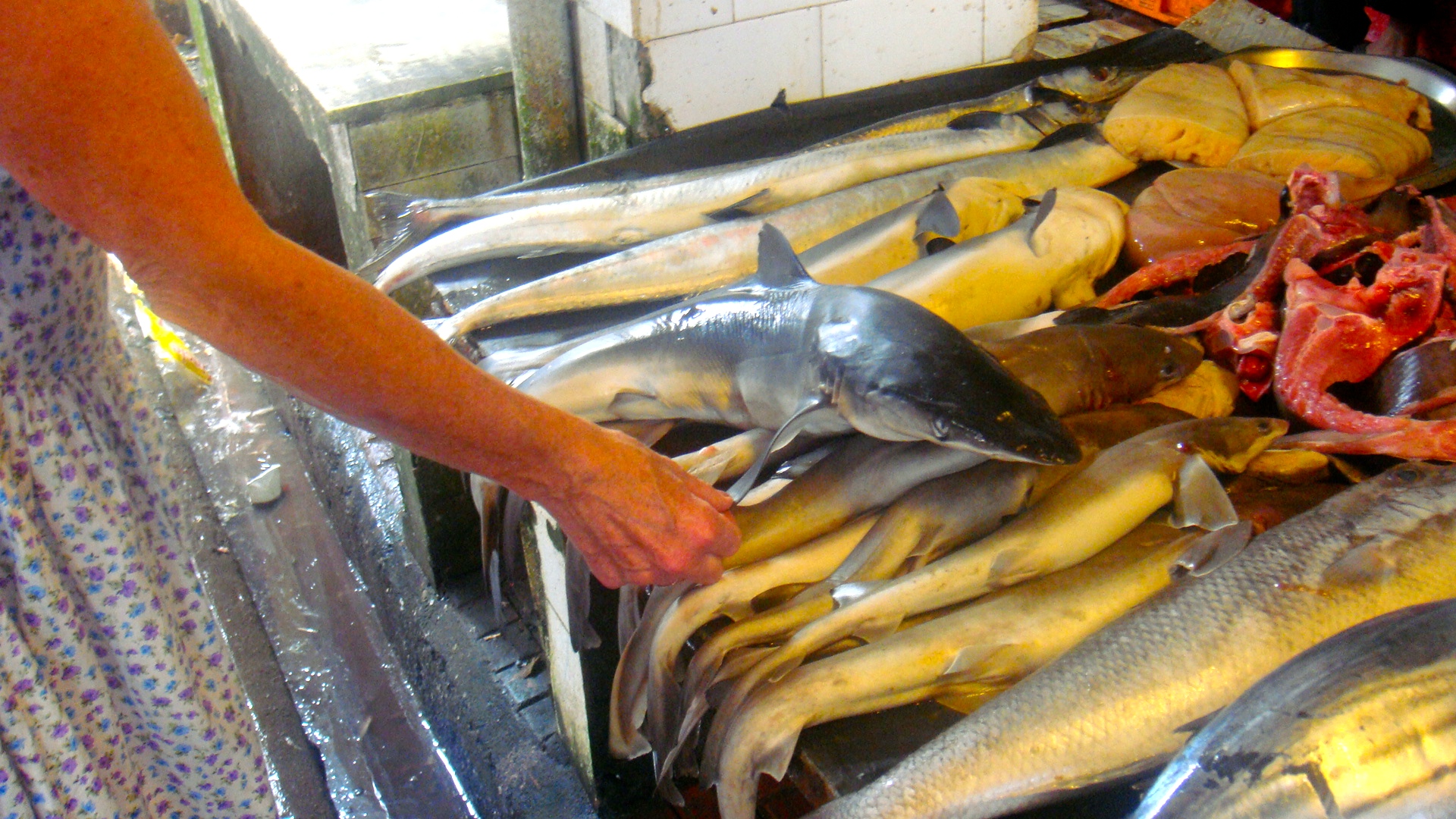
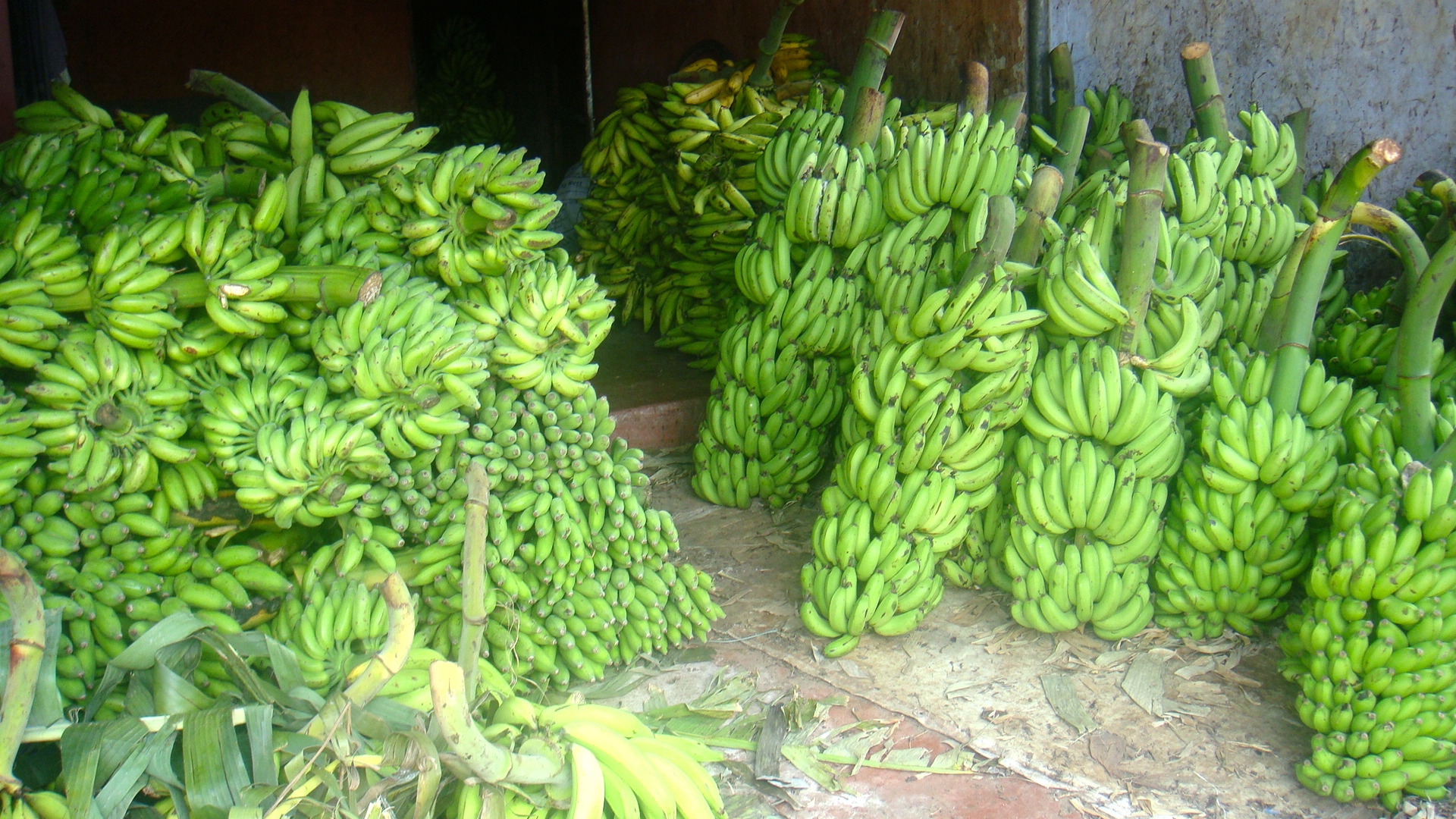
Just a few bananas:
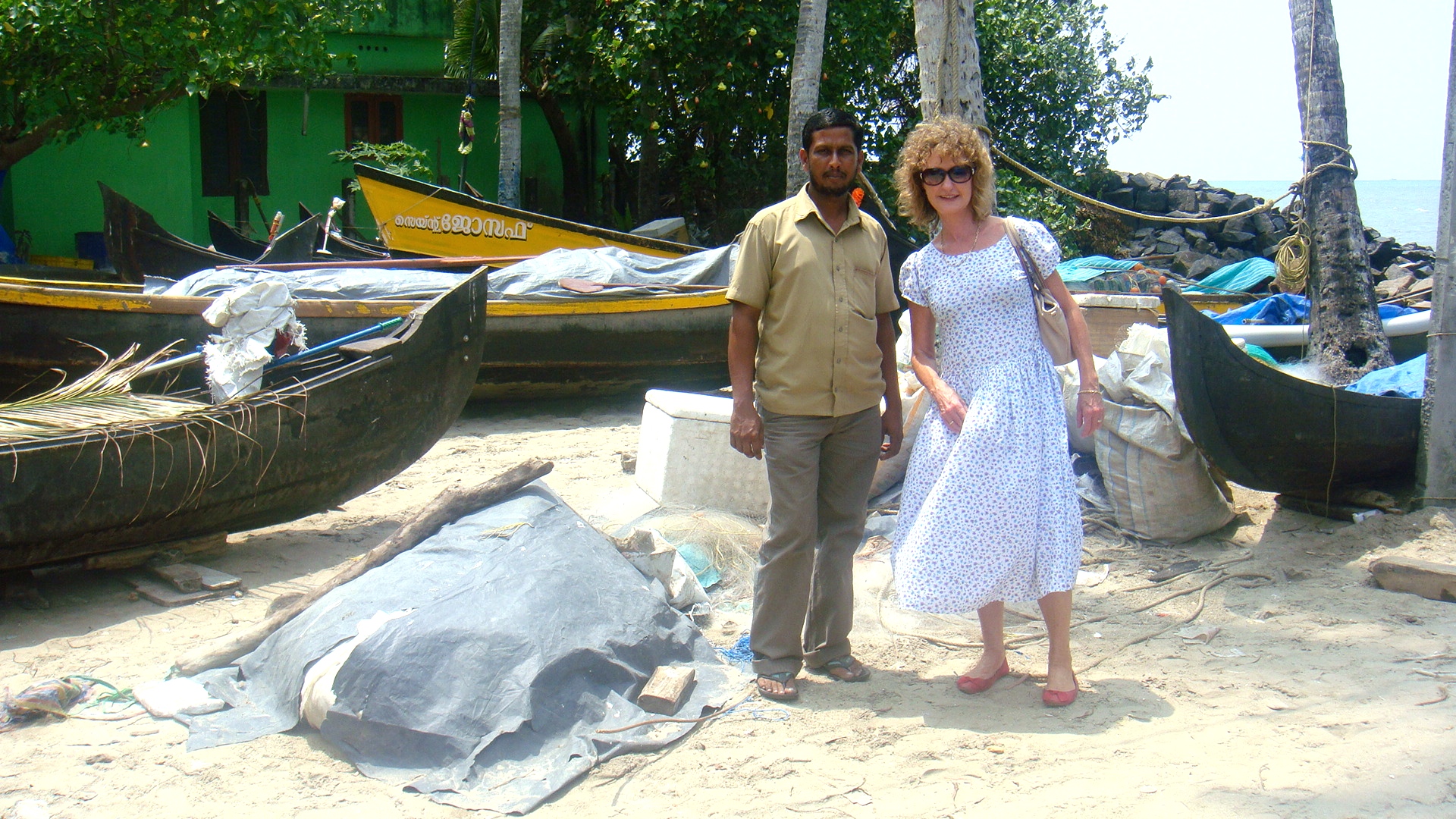
After the market Saleem (our driver), took us to Tsunami beach, so called because it was devastated by the 2004 tsunami which, although centred on Aceh, Indonesia, also hit this part of India. The houses on the beach are no more, just fishing boats left now. Here is Saleem with Leishia on the beach:
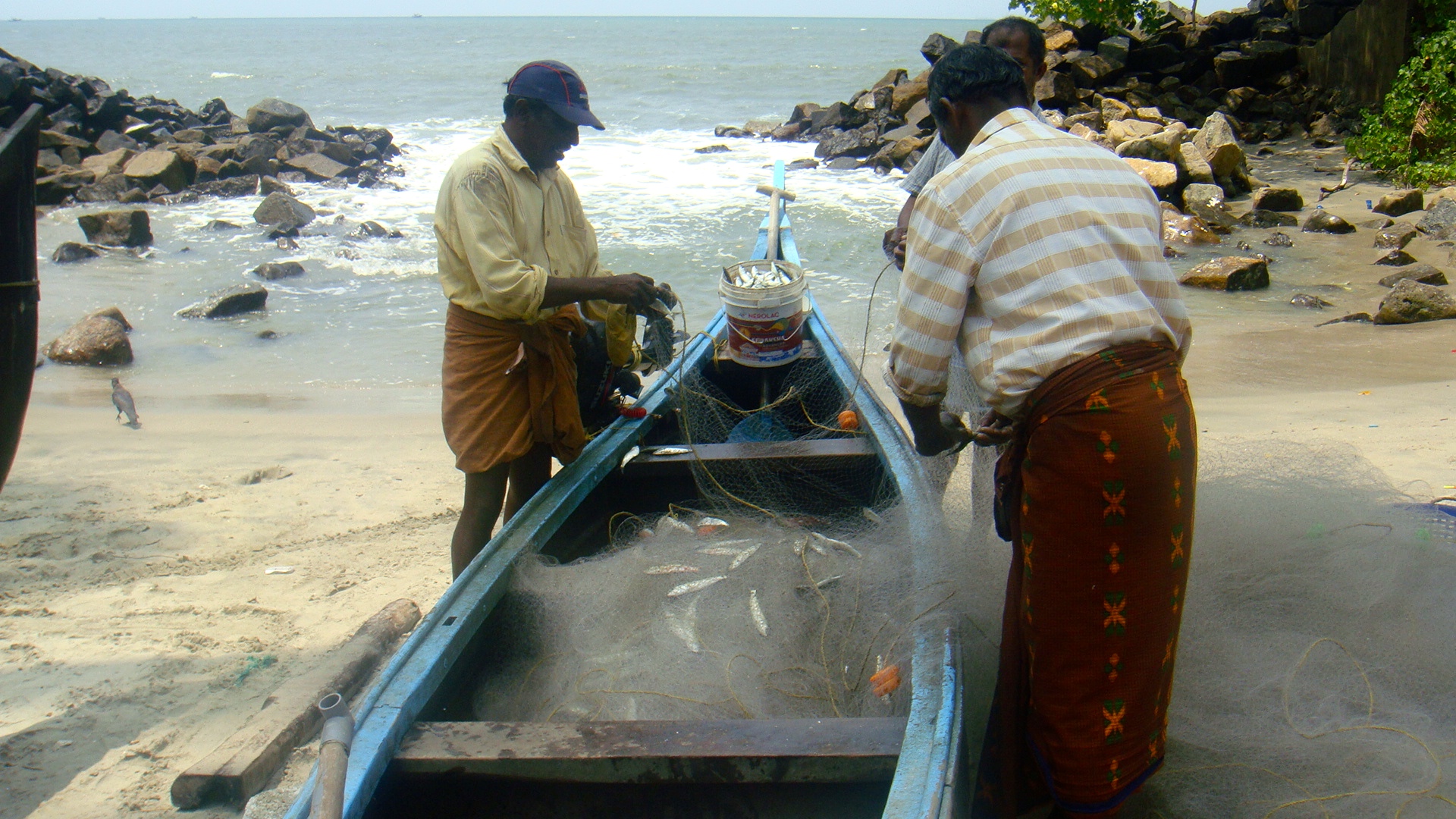 Clearing the nets
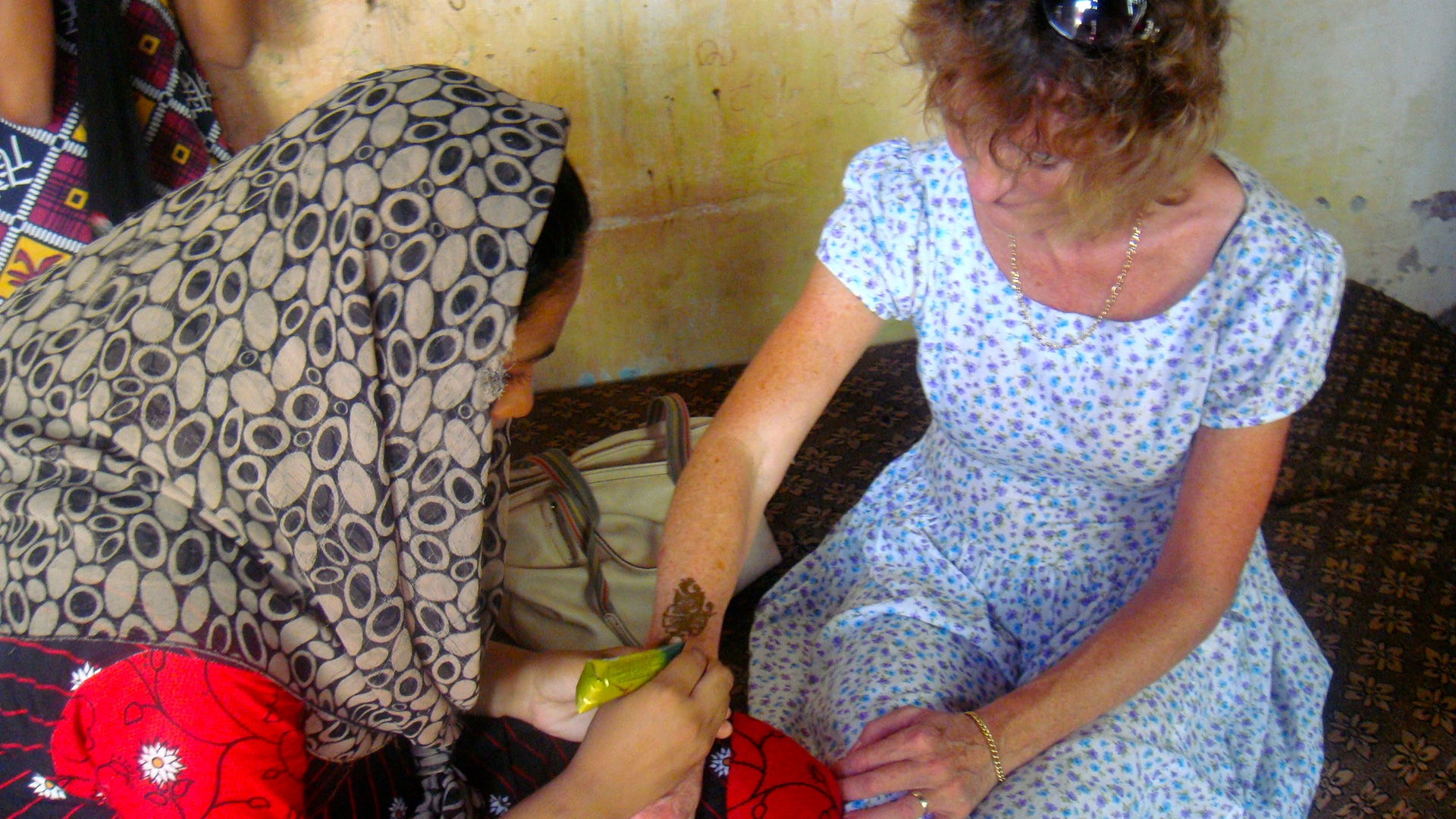
Saleem invited us to his house for coffee and to meet his family, this is his daughter Naziya drawing a Henna flower for Leishia:
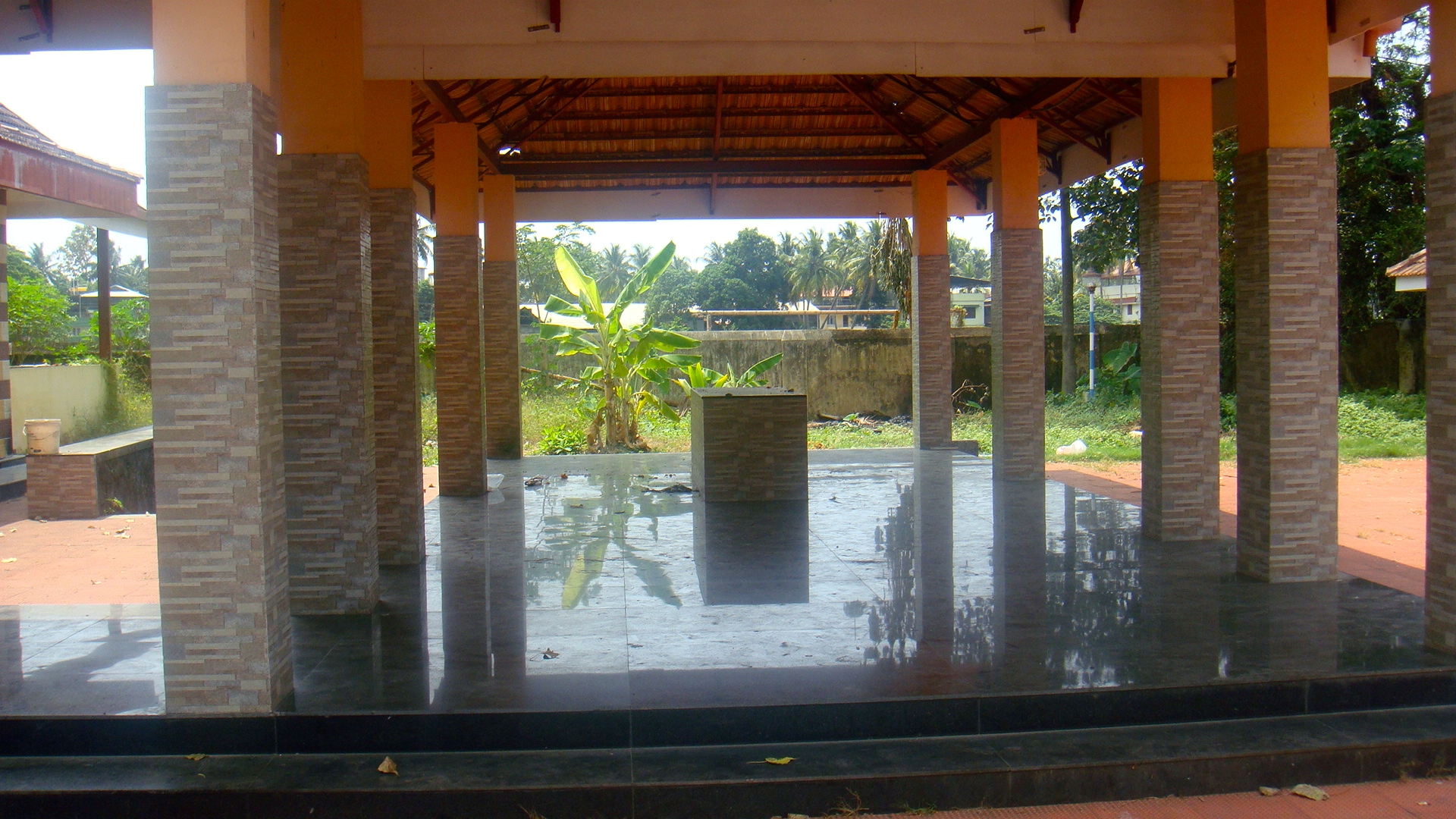
After coffee we went off for more sight-seeing passing this open Muslim funeral hall. Muslims here burn the bodies in full view, very different from the way cremations are conducted in the west:
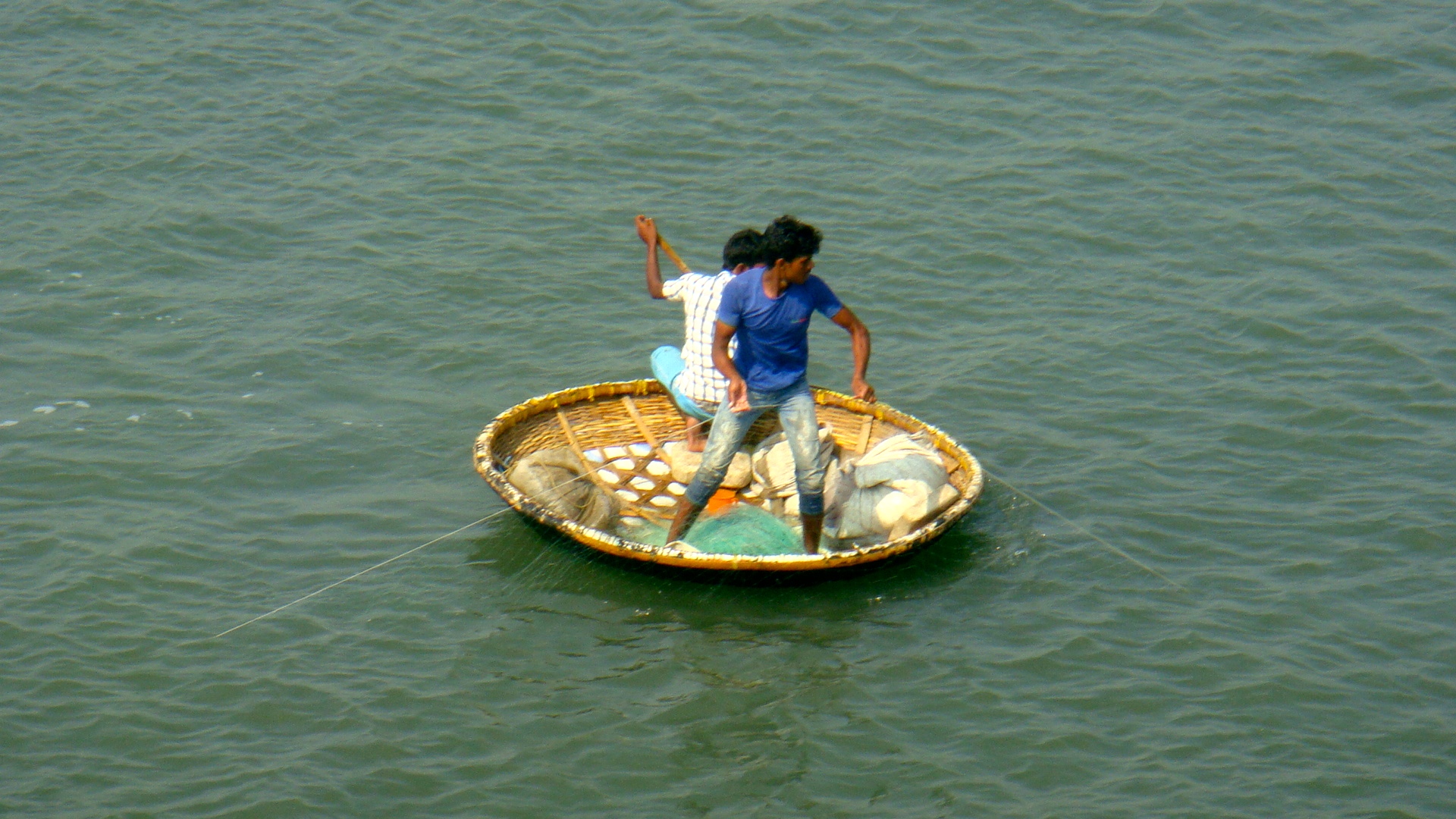
Last stop of the day was to watch people fishing in the river from traditional coracles:
On the way back we went to a couple of craft shops. We weren’t interested in buying anything but every time the driver takes a tourist to one of the more expensive shops he gets something for his efforts. It may be a tee-shirt, a rice voucher, a petrol voucher or a hundred rupees. We’ve even had drivers approach us and ask if they can take us to two or three shops free of charge, sometimes we accept, we go window shopping and they get some fuel!
Here’s Leishia at one of the shops sitting on a bench we both really liked:
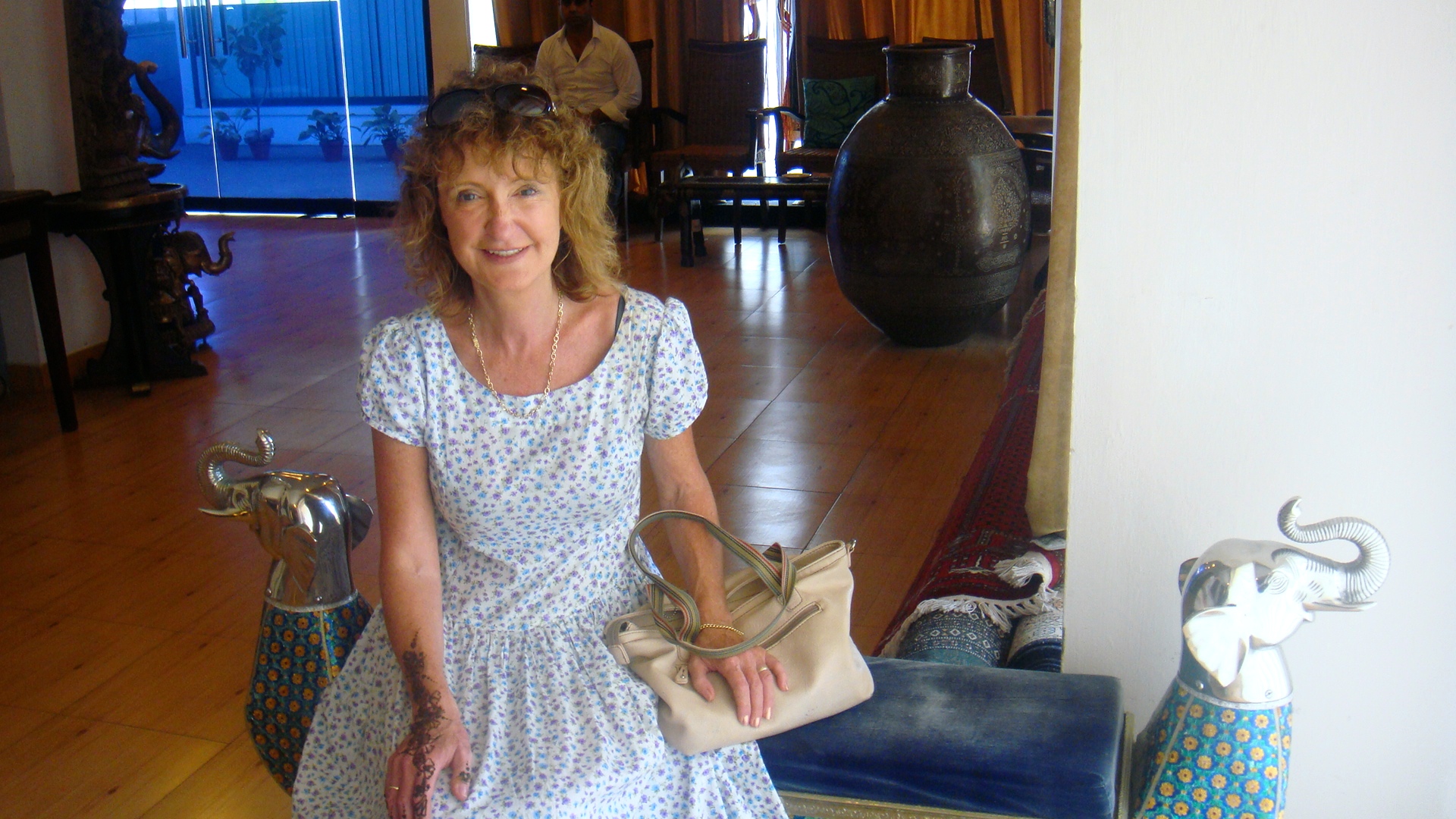
She looks pretty happy there but shortly afterwards a carpet salesman started giving her a load of BS about a carpet. She soaked it up for a while but finally she responded with “Don’t give me that bollocks Sonny!”. I think it was at that point he realised he might not get a sale!
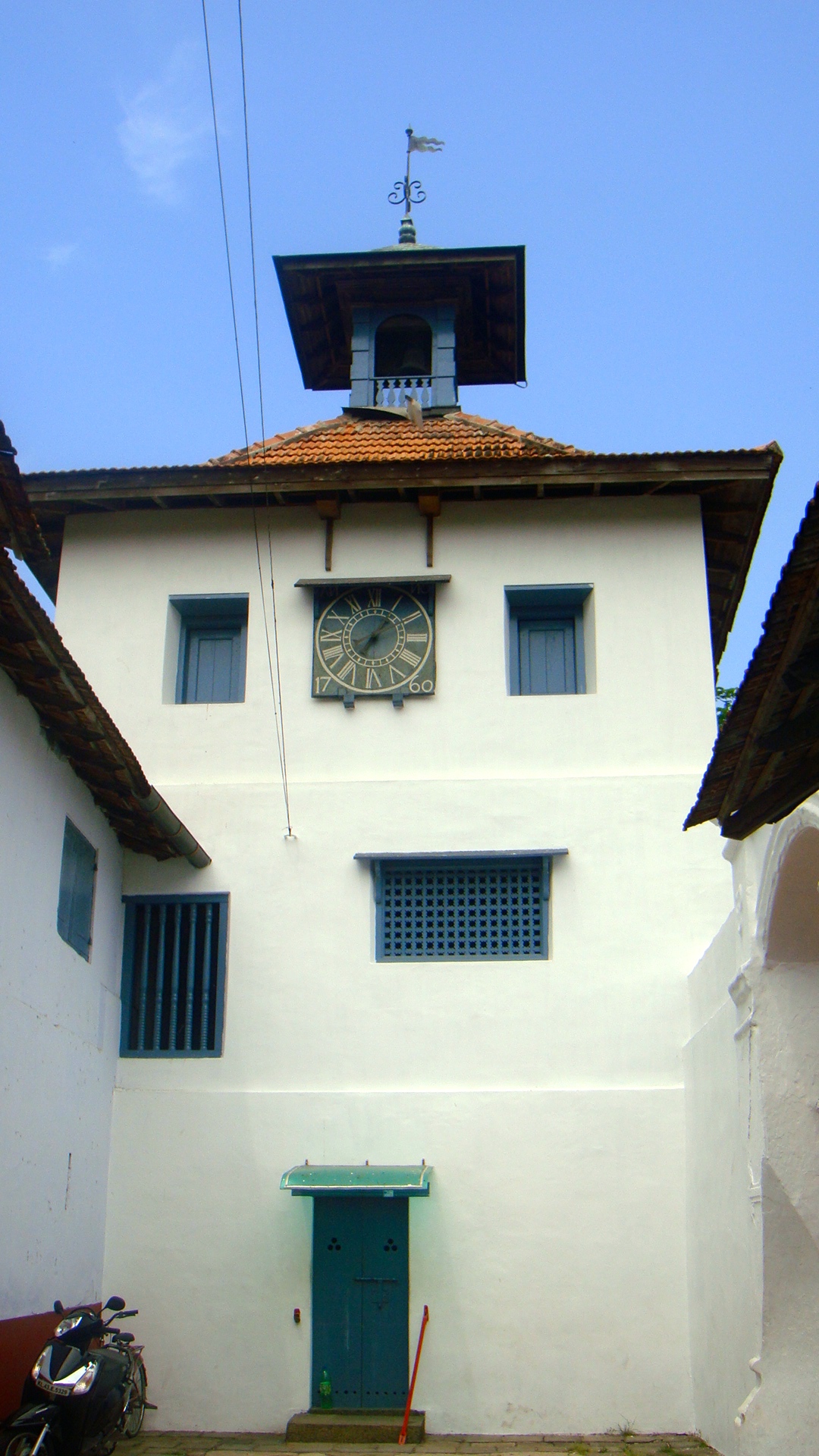
Next morning we went to the Jewish quarter to see the Paradesi synagogue. This synagogue was built in 1568 and is at the heart of one of the oldest Jewish communities in the diaspora with the first settlers possibly arriving as early as the 1st century AD. Unfortunately the synagogue was another place which banned photography so all we managed to get a shot of was the clock tower (added later in 1760):
Then we went to see the Church of St Francis. This church, built between 1500 and 1516 is the first European church ever built in India and is interesting for several reasons. It has been used successively by different religions and orders (originally Franciscan friars). It has changed name from St. Anthony to St. Francis. It has been under Portuguese, Dutch, British and now Indian control. And, in 1524, Vasco da Gama was buried here until his remains were removed to Portugal in 1538. Here’s the empty tomb:

In the evening we went to meet Sue who nursed Samuel (new Grandson) in the weeks after he and Roman were born. She was in India on a cycling holiday and by a stroke of good fortune we were both in Kochin on the same day! We went for a walk along the waterfront to see the fishing nets:
and then had dinner, here are the Ladies:
 Dodgy shot, flash was off, sorry 🙂
And that was Kochin. We thought of Rajahstan as India-lite – Kerala, and Kochin in particular, is India-ultra-lite!
Next stop Ooty back in the wonderful Western Ghats.
 India 2013/14
The lovely Sue! Hope you had a good time xx